0%

Table of Contents

The world increasingly demands robust and adaptable building materials, especially in the face of growing global challenges like disaster relief, rapid urbanization, and the need for sustainable infrastructure. A roll of fiberglass mesh is emerging as a critical component in addressing these needs, providing a versatile and cost-effective solution across a diverse range of applications. Understanding its properties and uses is vital for professionals in construction, humanitarian aid, and materials science alike.

From reinforcing concrete structures to creating rapid-deployment shelters, fiberglass mesh rolls are reshaping industries. Global market reports indicate significant growth in the demand for composite materials, with fiberglass playing a key role. The increasing frequency of natural disasters and the urgent need for affordable housing are driving this demand, highlighting the importance of innovative solutions like this mesh in creating safer and more resilient communities.

This versatile material boasts a unique combination of strength, flexibility, and affordability, making it a compelling alternative to traditional building materials. The benefits extend beyond simple construction, impacting sustainability, logistical efficiency, and overall project costs. Exploring the nuances of a roll of fiberglass mesh allows for better-informed decisions in a variety of demanding environments.
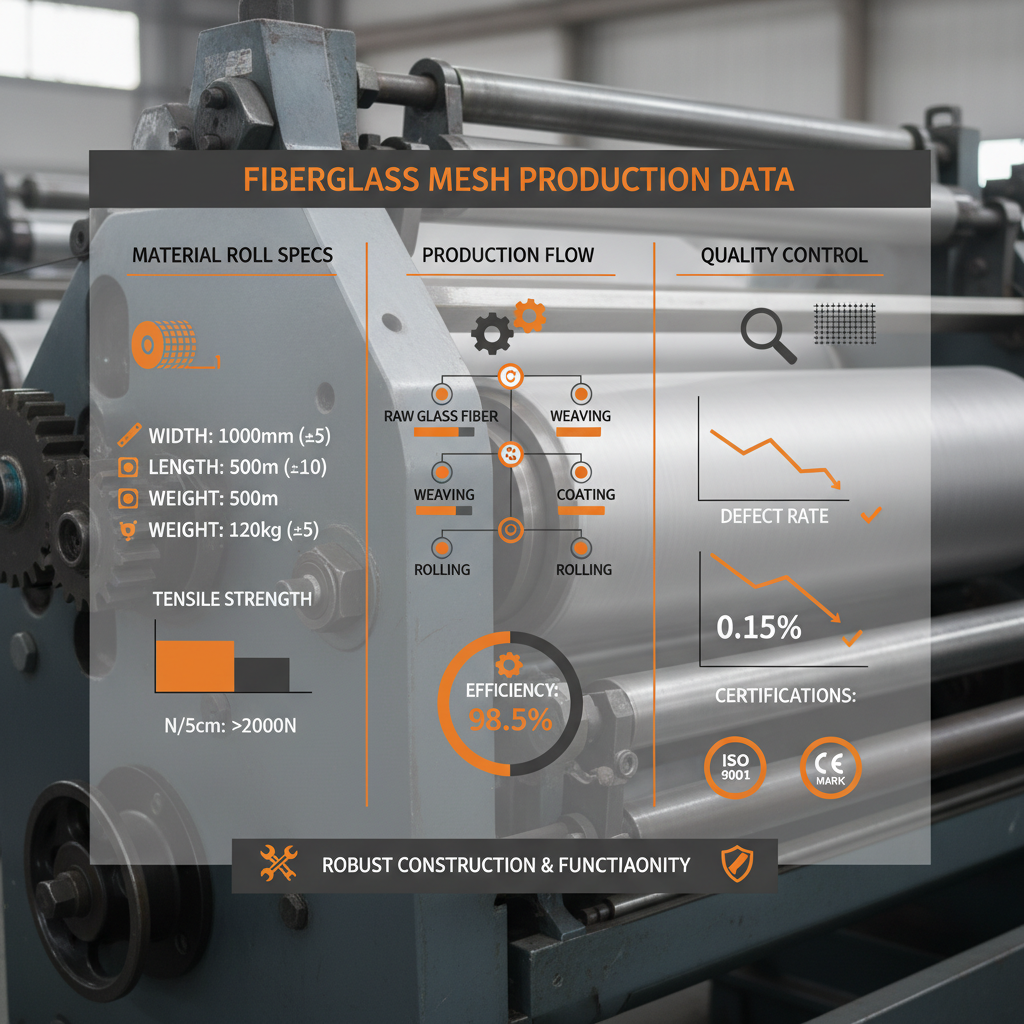
The Expanding Applications and Benefits of a Roll of Fiberglass Mesh

The Fundamental Properties of roll of fiberglass mesh

The Expanding Applications and Benefits of a Roll of Fiberglass Mesh

The inherent strength-to-weight ratio of a roll of fiberglass mesh is a defining characteristic, making it ideal for applications where minimizing weight is crucial. This is due to the glass fibers embedded within a polymer resin matrix, creating a composite material far stronger than its individual components.

Furthermore, fiberglass mesh demonstrates exceptional resistance to corrosion, chemical attacks, and environmental degradation. Unlike steel, it won’t rust or rot, ensuring longevity even in harsh conditions. This durability translates into reduced maintenance costs and a longer lifespan for structures utilizing this material.

Defining roll of fiberglass mesh and its Applications

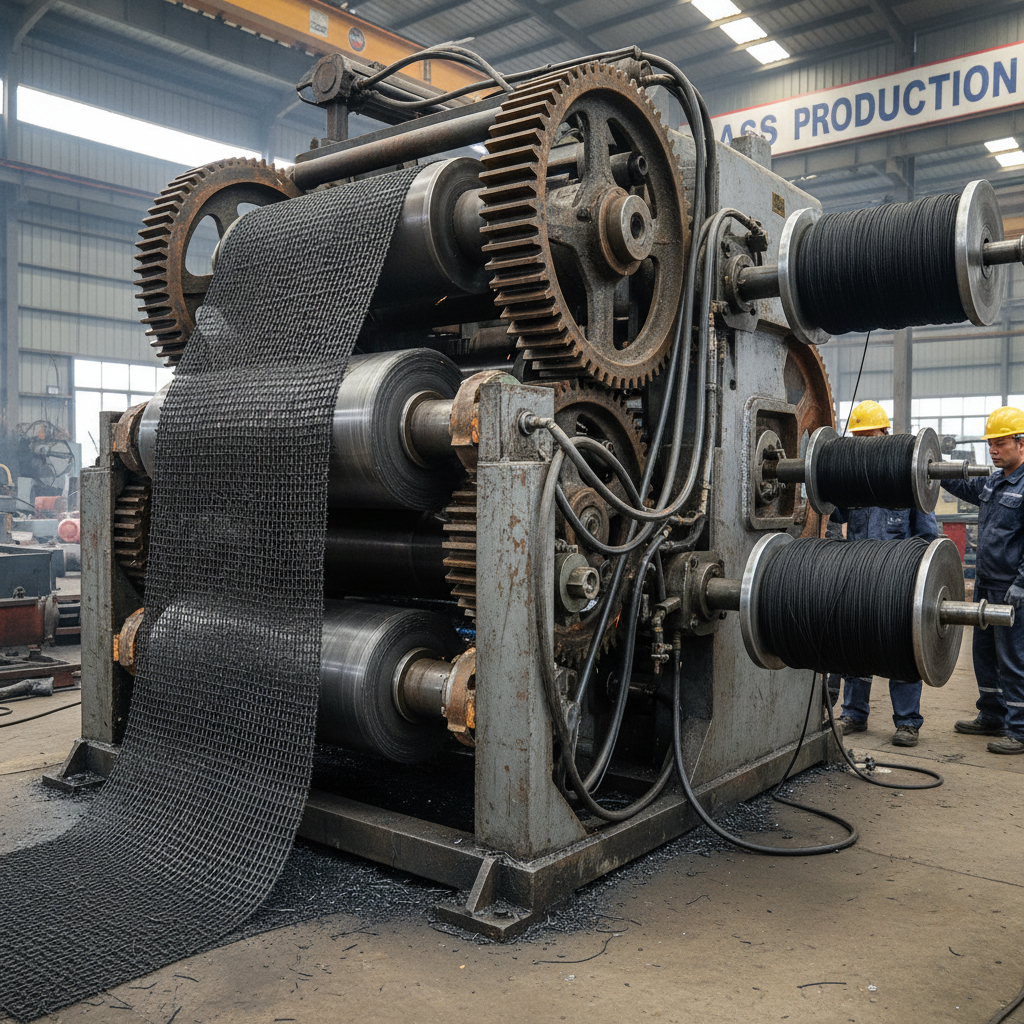
A roll of fiberglass mesh essentially consists of interwoven glass fibers, typically coated with a polymer to enhance its handling characteristics and compatibility with other materials. It’s supplied in rolls of varying widths and lengths, allowing for easy cutting and shaping to meet specific project requirements.

Its applications are incredibly diverse. In the construction industry, it's used for reinforcing concrete, creating lightweight panels, and manufacturing durable roofing materials. Beyond construction, it’s found in automotive parts, marine vessels, and even sporting goods.

The increasing relevance of this material is directly linked to the modern demand for sustainable and efficient building solutions. It provides a strong, lightweight, and cost-effective alternative to traditional materials, supporting both economic and environmental goals.

Core Components and Characteristics of roll of fiberglass mesh

The composition of a roll of fiberglass mesh plays a vital role in determining its performance. Common glass fiber types include E-glass, S-glass, and AR-glass, each offering different levels of strength, chemical resistance, and thermal stability. The type of resin used (polyester, vinyl ester, or epoxy) further influences the mesh’s properties.

Key characteristics include tensile strength (its ability to resist being pulled apart), elongation (how much it can stretch before breaking), and modulus of elasticity (its stiffness). These properties vary depending on the specific weave pattern of the mesh, the type of glass fibers used, and the resin content. Understanding these characteristics is crucial for selecting the appropriate mesh for a given application.

Another important characteristic is its alkali resistance, which is particularly relevant in concrete applications. The mesh must withstand the highly alkaline environment of concrete to maintain its strength and prevent corrosion over time. Specialized coatings can further enhance alkali resistance and extend the lifespan of the mesh.

Global Applications and Use Cases of roll of fiberglass mesh

In post-disaster relief operations, a roll of fiberglass mesh is used extensively in the construction of temporary shelters and emergency housing. Its lightweight nature and ease of assembly make it ideal for rapid deployment in challenging environments. The mesh can be used to create walls, roofs, and flooring for these structures.

Within the construction sector, it’s employed in creating Glass Fiber Reinforced Concrete (GFRC), a lightweight and versatile material used for facades, architectural panels, and decorative elements. GFRC offers significant design freedom and reduces the overall weight of structures, leading to cost savings and improved seismic performance.

Comparative Performance of roll of fiberglass mesh Applications


Advantages and Long-Term Value of roll of fiberglass mesh

The cost-effectiveness of a roll of fiberglass mesh is a significant advantage. Compared to traditional materials like steel, it often requires lower installation costs and reduces long-term maintenance expenses due to its corrosion resistance.

From a sustainability perspective, fiberglass mesh offers a reduced carbon footprint compared to some alternatives. Its lightweight nature minimizes transportation costs and energy consumption. Furthermore, its durability contributes to longer-lasting structures, reducing the need for frequent replacements.

Future Trends and Innovations in roll of fiberglass mesh Technology

Research and development are focused on enhancing the performance of roll of fiberglass mesh through the use of bio-based resins and advanced fiber treatments. These innovations aim to further reduce the material's environmental impact and improve its mechanical properties.

The integration of nanotechnology is another promising area of development, potentially leading to fiberglass mesh with enhanced strength, stiffness, and resistance to degradation. Automation and digital manufacturing techniques are also being explored to streamline production processes and reduce costs.

Smart fiberglass mesh, embedded with sensors, is a nascent technology that could enable real-time monitoring of structural health and performance, leading to proactive maintenance and improved safety.

Challenges and Solutions Regarding roll of fiberglass mesh Implementation

One challenge with roll of fiberglass mesh is its potential for moisture absorption, which can reduce its strength and durability over time. This can be addressed through the use of protective coatings and proper installation techniques.

Another concern is the recyclability of fiberglass mesh. While recycling technologies are evolving, it remains a challenge to effectively reclaim the glass fibers and resins. Research is underway to develop more sustainable end-of-life solutions for this material.

Furthermore, ensuring consistent quality control throughout the manufacturing process is crucial to maintaining the integrity and performance of the mesh. Implementing rigorous testing procedures and adhering to industry standards are essential for addressing this challenge.

Comparative Analysis of roll of fiberglass mesh Challenges and Solutions

Challenge Impact Level (1-10) Proposed Solution Implementation Cost (1-10)
Moisture Absorption 7 Protective Coatings & Sealants 4
Recyclability Issues 8 Development of Chemical Recycling Processes 9
Quality Control Variations 6 Implementation of ISO 9001 Standards 5
UV Degradation 5 UV-Resistant Resin Formulations 6
Alkali Resistance Limits 7 Specialized Alkali-Resistant Coatings 3
Handling & Installation Challenges 4 Improved Training & User-Friendly Designs 2

FAQS

What are the primary applications of roll of fiberglass mesh in construction?

A roll of fiberglass mesh is extensively used in construction for reinforcing concrete, creating lightweight facade panels (GFRC), waterproofing membranes, and roofing materials. Its high tensile strength and resistance to corrosion make it ideal for these applications, extending the lifespan of structures and reducing maintenance costs. It's also often used in plastering to prevent cracking and increase durability, providing a more resilient finish. Furthermore, its lightweight nature reduces the load on the building’s foundation.

How does fiberglass mesh compare to traditional steel reinforcement in terms of cost and performance?

While the initial material cost of a roll of fiberglass mesh can sometimes be slightly higher than steel, the overall life-cycle cost is often lower. This is due to its corrosion resistance, eliminating the need for expensive repairs and replacements. Furthermore, its lighter weight reduces transportation and installation costs. Performance-wise, fiberglass mesh offers comparable or even superior tensile strength in certain applications, particularly in environments prone to corrosion.

What are the environmental benefits of using fiberglass mesh compared to other building materials?

A roll of fiberglass mesh offers several environmental advantages. Its lightweight nature reduces transportation energy consumption, and its durability extends the lifespan of structures, minimizing the need for frequent replacements. While recycling is an ongoing challenge, ongoing research focuses on developing sustainable end-of-life solutions. It’s also a more energy-efficient material to produce compared to steel.

How is fiberglass mesh used in disaster relief and emergency shelter construction?

In disaster relief situations, a roll of fiberglass mesh is invaluable for rapidly constructing temporary shelters. Its lightweight and ease of assembly allow for quick deployment in challenging environments. It’s used to create walls, roofs, and flooring, providing immediate protection for affected populations. The material's durability also ensures these shelters can withstand harsh weather conditions.

What factors should be considered when selecting the appropriate fiberglass mesh for a specific application?

Several factors are crucial when selecting fiberglass mesh. These include the required tensile strength, elongation, alkali resistance (especially for concrete applications), and UV resistance. The type of resin and the weave pattern also influence performance. Considering the specific environmental conditions and the intended load-bearing capacity is essential for ensuring the chosen mesh meets the project requirements.

What are the limitations of using fiberglass mesh, and how can they be mitigated?

One limitation of roll of fiberglass mesh is its potential for moisture absorption, which can reduce strength. This can be mitigated by using protective coatings and ensuring proper ventilation. Recyclability is another challenge, but research is underway to develop more effective recycling processes. Proper handling and installation are also important to prevent damage and ensure optimal performance.

Conclusion

In conclusion, the versatile nature of a roll of fiberglass mesh positions it as a key material in addressing diverse global challenges, from sustainable construction to disaster relief. Its unique combination of strength, durability, cost-effectiveness, and lightweight properties offers significant advantages over traditional materials. Understanding its applications and limitations is crucial for maximizing its potential.

As research and innovation continue, we can expect to see even more sophisticated and sustainable fiberglass mesh solutions emerge. Investing in the development of improved recycling technologies and exploring bio-based resin alternatives will be critical for ensuring the long-term viability of this material. Visit our website at www.tainuofiberglassmesh.com to learn more about our products and how they can benefit your projects.

David Miller

David Miller

David Miller is the North American Sales Manager for Tainuo Fiberglass Mesh Factory. With over 15 years of experience in the building materials industry, David specializes in identifying and developing key accounts within the US market. He’s a firm believer in building long-term relationships based on trust and delivering tailored
Previous Fiberglass Mesh Tape for Drywall A Comprehensive Guide to Applications and Benefits
Next Exploring the Advantages of Fiberglass Mesh in Concrete for Modern Construction