0%

Table of Contents

Fiberglass mesh in concrete represents a significant advancement in construction and structural reinforcement, offering a compelling alternative to traditional steel reinforcement. Its lightweight nature, corrosion resistance, and ease of use are revolutionizing projects across diverse sectors, from infrastructure development to residential building. Understanding the properties and applications of fiberglass mesh in concrete is crucial for engineers, architects, and contractors seeking durable, sustainable, and cost-effective building solutions.

Globally, the demand for resilient and sustainable infrastructure is increasing, driven by factors like population growth, urbanization, and climate change. Fiberglass mesh plays a vital role in addressing these challenges. The United Nations estimates that global infrastructure investment needs will reach $5.9 trillion per year by 2030. This surge in demand necessitates innovative materials like fiberglass mesh, which offers a lower carbon footprint and enhanced longevity compared to conventional materials.

The increasing frequency of natural disasters also highlights the need for materials that can withstand extreme conditions. Fiberglass mesh enhances the seismic resistance of structures and provides crucial reinforcement in areas prone to corrosion, making it a vital component in building resilient communities. It's a material primed to address some of the world’s most pressing infrastructural needs.
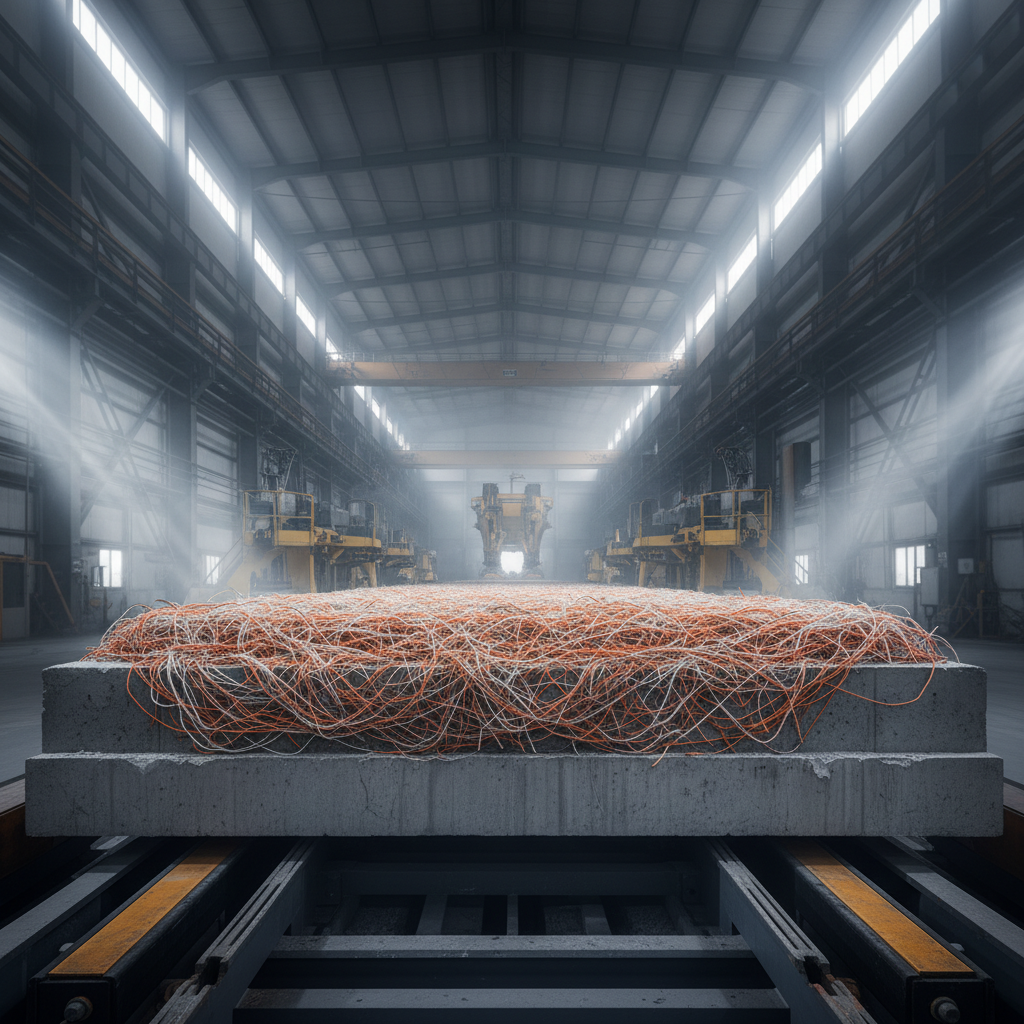
Exploring the Advantages of Fiberglass Mesh in Concrete for Modern Construction

Introduction to Fiberglass Mesh in Concrete
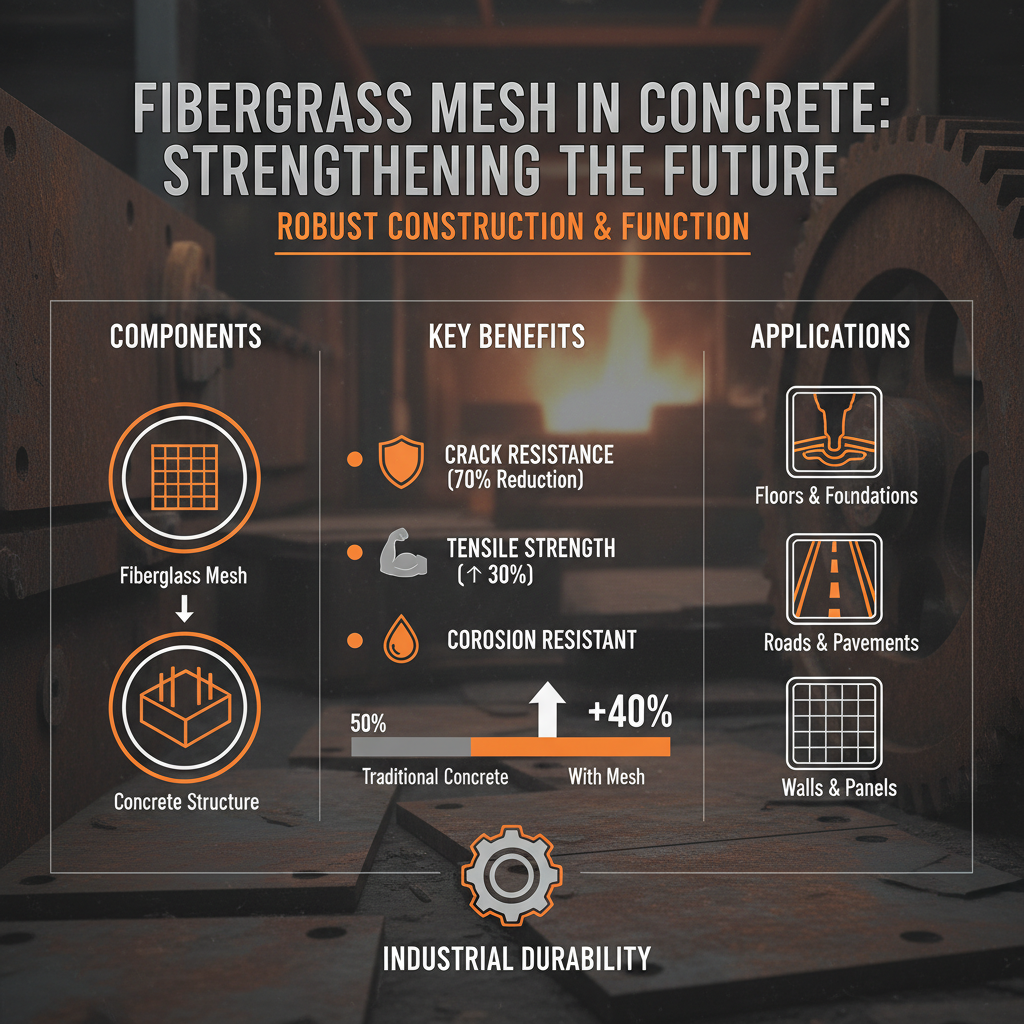
Exploring the Advantages of Fiberglass Mesh in Concrete for Modern Construction

Fiberglass mesh, when integrated with concrete, creates a composite material with superior performance characteristics. This combination enhances concrete’s tensile strength, reduces cracking, and improves its overall durability. The use of fiberglass mesh in concrete is gaining traction as a sustainable and efficient construction practice.

Unlike traditional steel reinforcement, fiberglass mesh doesn’t corrode, preventing the premature degradation of concrete structures. This translates to reduced maintenance costs and an extended lifespan for buildings and infrastructure. The material's lightweight property also simplifies transportation and installation, further contributing to cost savings.

Defining Fiberglass Mesh in Concrete

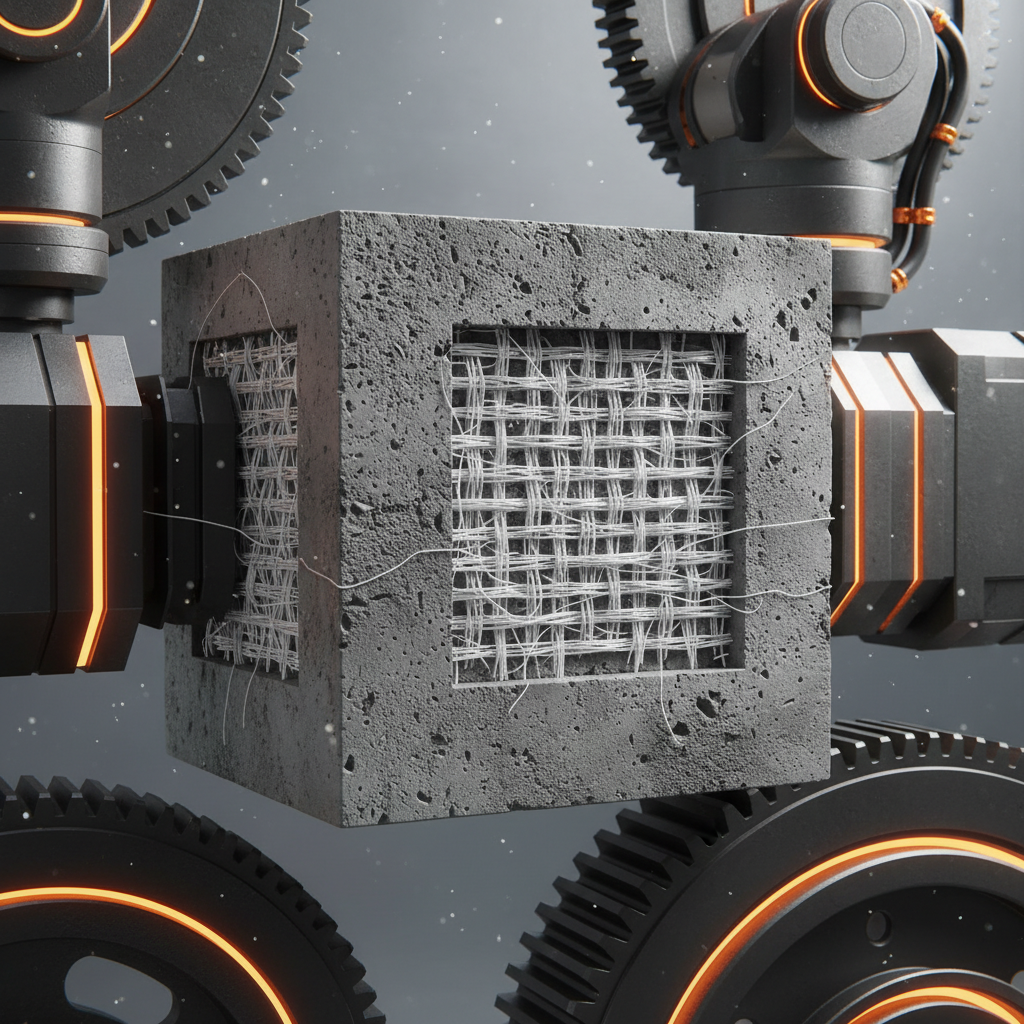
Fiberglass mesh in concrete refers to the incorporation of a woven or non-woven fiberglass fabric within a concrete matrix. The mesh acts as an internal reinforcement, distributing stress and enhancing the concrete's ability to resist cracking and deformation. It is typically made from alkali-resistant (AR) glass fibers, specially formulated to withstand the highly alkaline environment of concrete.

This isn't simply adding a fabric to concrete; it’s creating a synergistic relationship where the mesh and concrete work together to amplify each other’s strengths. This represents a paradigm shift in modern construction practices, moving away from reliance on traditional steel reinforcement in many applications.

The use of fiberglass mesh is particularly relevant in addressing humanitarian needs, such as providing rapid deployment housing and durable infrastructure in disaster-stricken areas. Its lightweight nature and ease of handling are critical advantages in such contexts.

Key Properties of Fiberglass Mesh in Concrete

One of the defining characteristics of fiberglass mesh in concrete is its exceptional tensile strength. This allows the concrete to withstand significantly higher tensile stresses before cracking, leading to more robust and durable structures. It resists stretching and breaking under tension much better than traditional concrete.

Corrosion resistance is another critical benefit. Unlike steel, fiberglass doesn't rust or corrode when exposed to moisture and chemicals, making it ideal for applications in harsh environments, such as marine structures or wastewater treatment plants. This significantly extends the lifespan of the structure and reduces maintenance costs.

Fiberglass mesh is also considerably lighter than steel, reducing the overall weight of the structure and simplifying transportation and installation. This weight reduction is particularly advantageous in projects where weight limitations are a concern, such as bridge decks or high-rise buildings.

Applications of Fiberglass Mesh in Concrete

Fiberglass mesh in concrete is finding widespread application in a variety of construction projects. These range from enhancing the performance of precast concrete elements to reinforcing shotcrete linings in tunnels and mines. It’s also proving valuable in the repair and rehabilitation of existing concrete structures.

Specific applications include the creation of thin-shell concrete structures, strengthening of concrete floors and walls, and the construction of durable pavements. Its use in architectural concrete allows for greater design flexibility and the creation of visually appealing structures.

Fiberglass Mesh in Concrete Application Ratings


Global Adoption and Industries Benefitting

The adoption of fiberglass mesh in concrete is steadily increasing worldwide. Europe, particularly countries like Germany and Italy, has been at the forefront of research and implementation. North America is also witnessing growing interest, driven by the demand for sustainable infrastructure solutions.

Several industries directly benefit from the use of this technology. The construction industry, as a whole, profits from reduced material costs, faster construction times, and increased structural durability. The precast concrete industry specifically relies on the material to create lighter, stronger, and more durable products.

Advantages and Long-Term Value

The advantages of incorporating fiberglass mesh in concrete extend beyond the immediate construction phase. The material's inherent durability translates to lower life-cycle costs, reducing the need for frequent repairs and replacements. This contributes significantly to sustainability efforts.

From a social impact perspective, the use of fiberglass mesh in disaster relief and affordable housing projects offers a pathway to building safer and more resilient communities. The material’s ease of use and lightweight nature make it ideal for deployment in challenging environments.

Furthermore, the improved safety characteristics – due to enhanced structural integrity and reduced risk of collapse – enhance the long-term value of any structure incorporating this technology, building trust in the design and longevity of the building.

Future Trends and Innovations

Ongoing research and development are focused on enhancing the properties of fiberglass mesh and expanding its applications. This includes exploring new fiber materials, optimizing mesh geometries, and developing advanced concrete mixes that maximize the synergistic benefits of the composite material.

Digital transformation and automation are also playing a role. The integration of robotic construction techniques with fiberglass mesh reinforcement promises to further streamline the building process and improve quality control. The development of self-sensing concrete incorporating fiberglass sensors is also on the horizon.

Sustainable construction practices are driving demand for eco-friendly materials. Fiberglass mesh, with its lower carbon footprint and reduced reliance on steel, aligns perfectly with these goals and is poised to play a critical role in the future of construction.

Challenges and Solutions

Despite its many advantages, the widespread adoption of fiberglass mesh in concrete faces some challenges. One key concern is the initial cost, which can be higher than traditional steel reinforcement in some cases. However, this is often offset by the long-term savings associated with reduced maintenance and increased durability.

Another challenge is the need for specialized training and expertise in handling and installing fiberglass mesh. Addressing this requires investing in education and training programs for construction professionals. Standardization of testing methods and performance criteria is also crucial for ensuring quality and consistency.

Innovative solutions, such as government incentives and streamlined approval processes, can help overcome these barriers and accelerate the adoption of this promising technology. Collaboration between material manufacturers, researchers, and construction professionals is essential for driving continued innovation and progress.

Fiberglass Mesh in Concrete: Comparative Analysis

Material Type Tensile Strength (MPa) Corrosion Resistance Weight (kg/m³)
Steel Rebar 500-600 Low 7850
Fiberglass Mesh in Concrete 600-800 Excellent 1800
Carbon Fiber Rebar 1000-1500 Excellent 1600
Basalt Fiber Rebar 800-1000 Good 2700
Polypropylene Fiber 200-400 Excellent 900
Traditional Concrete (Plain) 10-30 Good 2400

FAQS

What are the primary benefits of using fiberglass mesh over steel reinforcement in concrete?

Fiberglass mesh offers several advantages over steel, including its lightweight nature, exceptional corrosion resistance, and comparable or superior tensile strength. It doesn’t rust like steel, extending the lifespan of structures, and its lighter weight simplifies handling and installation. The reduced weight can also translate to lower transportation costs. It's particularly effective in environments where corrosion is a significant concern, such as coastal areas or chemical plants.

How does fiberglass mesh affect the cracking behavior of concrete?

Fiberglass mesh significantly improves the cracking behavior of concrete by distributing tensile stresses more evenly throughout the material. This prevents the formation of large, concentrated cracks and instead promotes the development of numerous, smaller micro-cracks. These micro-cracks are less detrimental to the structural integrity and durability of the concrete.

Is fiberglass mesh suitable for all concrete applications?

While incredibly versatile, fiberglass mesh isn't universally suitable for all applications. It excels in situations requiring corrosion resistance, lightweight solutions, and improved crack control. However, for heavily loaded structures demanding extremely high tensile strength, steel may still be preferred. A thorough structural analysis is crucial to determine the optimal reinforcement material for each specific project.

What is the expected lifespan of concrete reinforced with fiberglass mesh?

The lifespan of concrete reinforced with fiberglass mesh is typically longer than that of traditionally reinforced concrete, thanks to the corrosion resistance of the mesh. While it varies based on environmental factors and load conditions, structures incorporating fiberglass mesh can realistically be expected to last 50-100 years or more with minimal maintenance.

How does the cost of fiberglass mesh compare to steel reinforcement?

The initial material cost of fiberglass mesh can sometimes be higher than steel. However, it’s important to consider the total life-cycle cost. Reduced maintenance, longer lifespan, and faster installation times can offset the initial cost difference. Furthermore, the weight reduction often leads to savings in transportation and handling.

What is AR glass and why is it important in fiberglass mesh for concrete?

AR glass stands for Alkali-Resistant glass. Concrete is a highly alkaline environment, and standard glass fibers would degrade rapidly within it. AR glass fibers are specially formulated with a chemical composition that makes them highly resistant to the corrosive effects of the alkaline environment of concrete, ensuring long-term performance and durability. Without AR glass, the fiberglass mesh would lose its strength and effectiveness.

Conclusion

In conclusion, fiberglass mesh in concrete represents a transformative advancement in construction technology. Its unique combination of strength, durability, corrosion resistance, and lightweight properties offers significant advantages over traditional steel reinforcement, making it a viable and often superior solution for a wide range of applications. The increasing global demand for sustainable and resilient infrastructure will undoubtedly drive further adoption of this innovative material.

Looking ahead, continued research and development, coupled with industry standardization and training initiatives, will be crucial for unlocking the full potential of fiberglass mesh in concrete. Embracing this technology is not merely about adopting a new material; it’s about building a more durable, sustainable, and resilient future. Visit our website at www.tainuofiberglassmesh.com to learn more about how we can help you integrate fiberglass mesh into your next project.

Robert Johnson

Robert Johnson

Robert Johnson serves as Tainuo Fiberglass Mesh Factory's Technical Director for the US region. A seasoned engineer with a background in materials science, Robert focuses on ensuring product quality, exploring new applications for fiberglass mesh, and supporting our clients with technical expertise. He has a deep understanding of industry standards
Previous The Expanding Applications and Benefits of a Roll of Fiberglass Mesh
Next The Expanding Applications and Benefits of Reinforced Fiberglass Mesh Materials