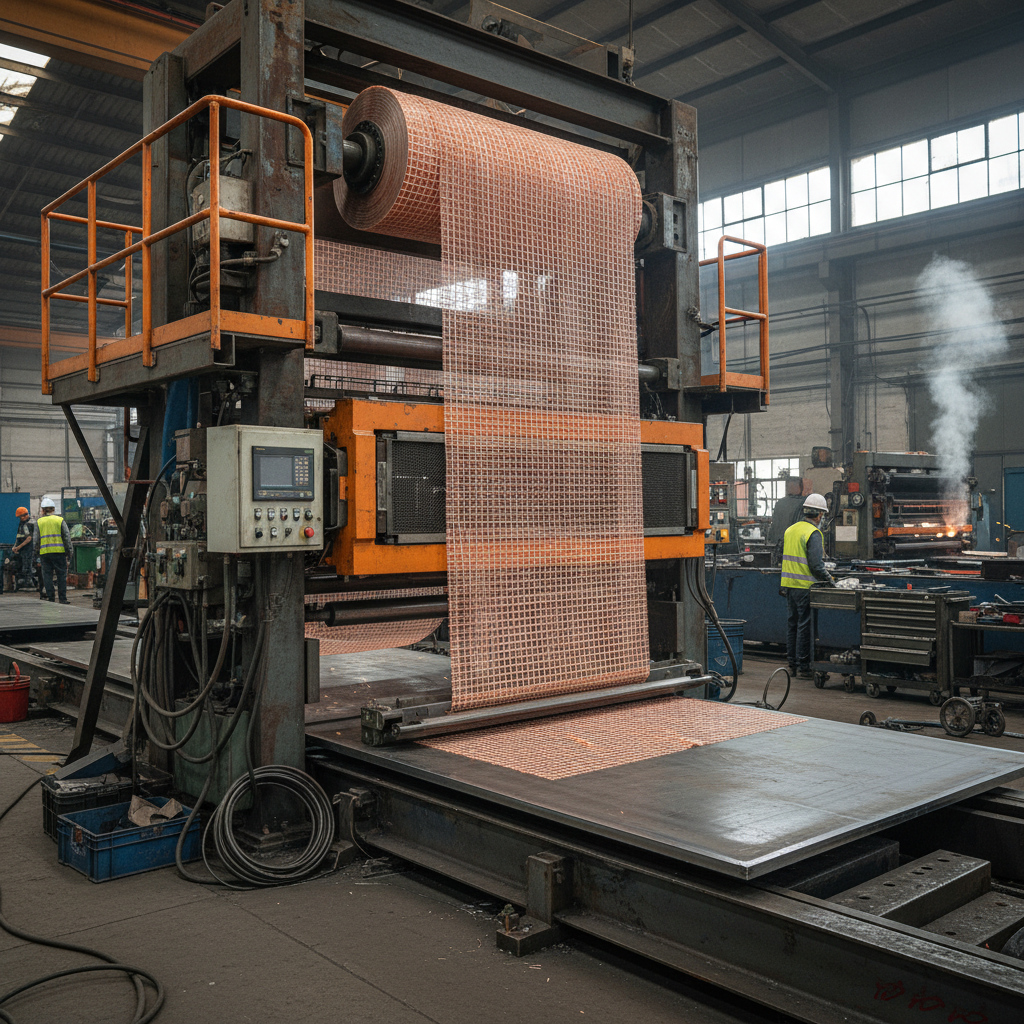
Fiberglass mesh tape for drywall has become a crucial component in modern construction and renovation, offering a superior alternative to traditional paper tape. Its strength, flexibility, and resistance to cracking make it ideal for creating durable and long-lasting drywall joints. Understanding its properties and applications is essential for both professional contractors and DIY enthusiasts aiming for high-quality results. The global demand for effective drywall finishing solutions continues to rise, driven by new construction, renovation projects, and the increasing popularity of interior design.
The prevalence of drywall as an interior wall and ceiling material worldwide underscores the importance of reliable joint treatment. Fiberglass mesh tape for drywall addresses the challenges associated with traditional paper tape – such as susceptibility to moisture, tearing, and the need for multiple coats of joint compound. Its self-adhesive nature and ease of application contribute to faster project completion times and reduced labor costs. This innovation impacts construction efficiency across diverse climates and building types.
The rise in sustainable building practices further fuels the demand for fiberglass mesh tape. Unlike paper tape which can be prone to mold and mildew, fiberglass is inherently resistant to these issues, contributing to healthier indoor environments. Coupled with its durability, this positions fiberglass mesh tape for drywall as a responsible choice for builders and homeowners alike. It’s a seemingly small product with a significant impact on build quality and longevity.
Introduction to fiberglass mesh tape for drywall
Fiberglass mesh tape for drywall represents a significant advancement in the way drywall joints are reinforced and finished. Traditionally, paper tape was the standard, but it suffered from limitations regarding durability, ease of use, and resistance to environmental factors. Fiberglass mesh tape overcomes these drawbacks, offering a self-adhesive, incredibly strong, and adaptable solution for achieving seamless and long-lasting drywall finishes.
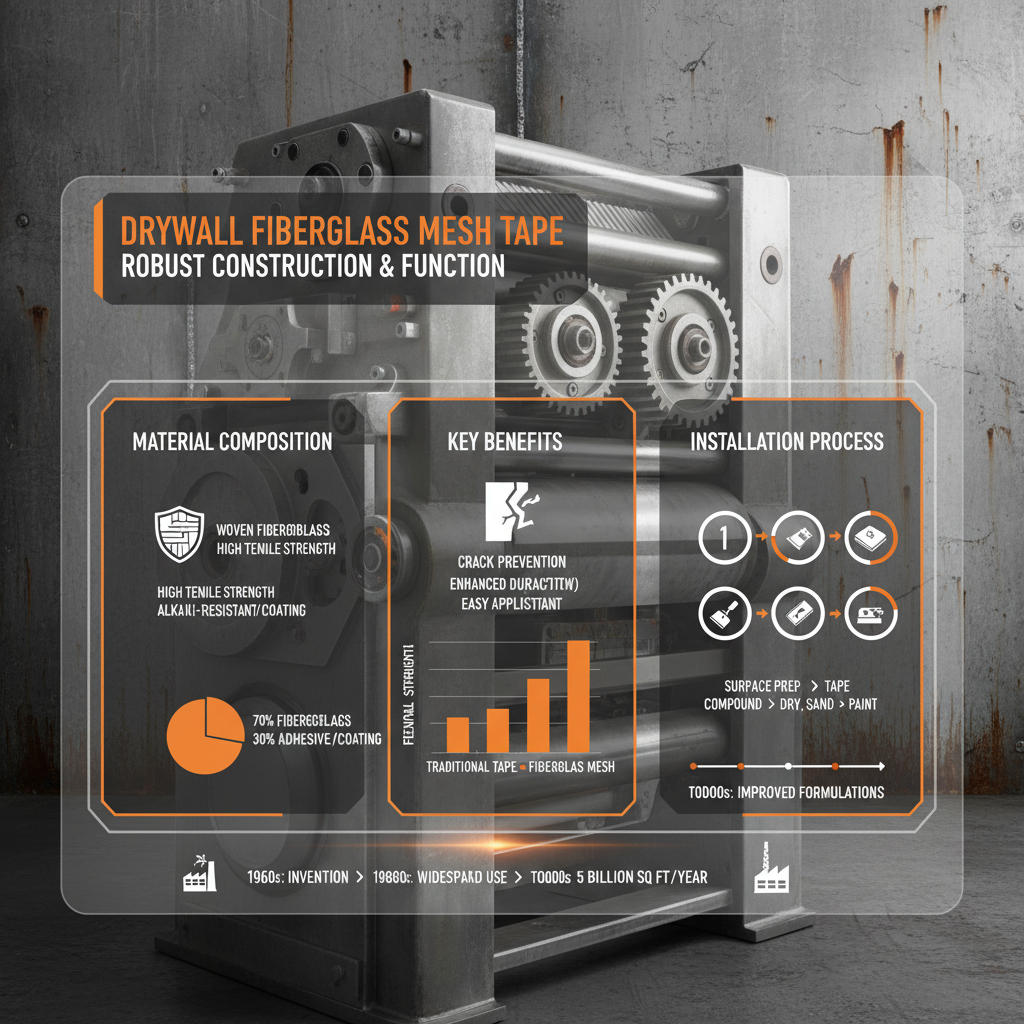
This material is characterized by its open weave construction, which allows it to easily conform to uneven surfaces and corners. The fiberglass fibers provide exceptional tensile strength, preventing cracking and ensuring a robust bond when combined with joint compound. Its inherent resistance to mold, mildew, and moisture makes it a reliable choice in a variety of environments, from residential homes to commercial buildings.
Global Relevance and Industry Context
The construction industry is a global economic powerhouse, contributing significantly to GDP in countries around the world. According to reports from the UN and the World Bank, the demand for affordable and durable housing continues to grow, particularly in developing nations. This demand directly impacts the need for efficient and reliable building materials, making fiberglass mesh tape for drywall increasingly relevant on a global scale.
The ISO standards for building materials emphasize quality, durability, and safety. Fiberglass mesh tape consistently meets and often exceeds these standards, contributing to the overall structural integrity of buildings. The demand for lighter-weight construction materials is also rising, driven by transportation costs and ease of installation. Fiberglass mesh tape, being considerably lighter than some traditional alternatives, addresses this trend.
A significant challenge in the construction industry is the prevention of cracking and joint failure in drywall. This leads to costly repairs and compromises structural integrity. Fiberglass mesh tape directly addresses this problem by providing a superior reinforcement layer that minimizes the risk of cracking, contributing to the longevity and value of building projects.
Defining Fiberglass Mesh Tape for Drywall
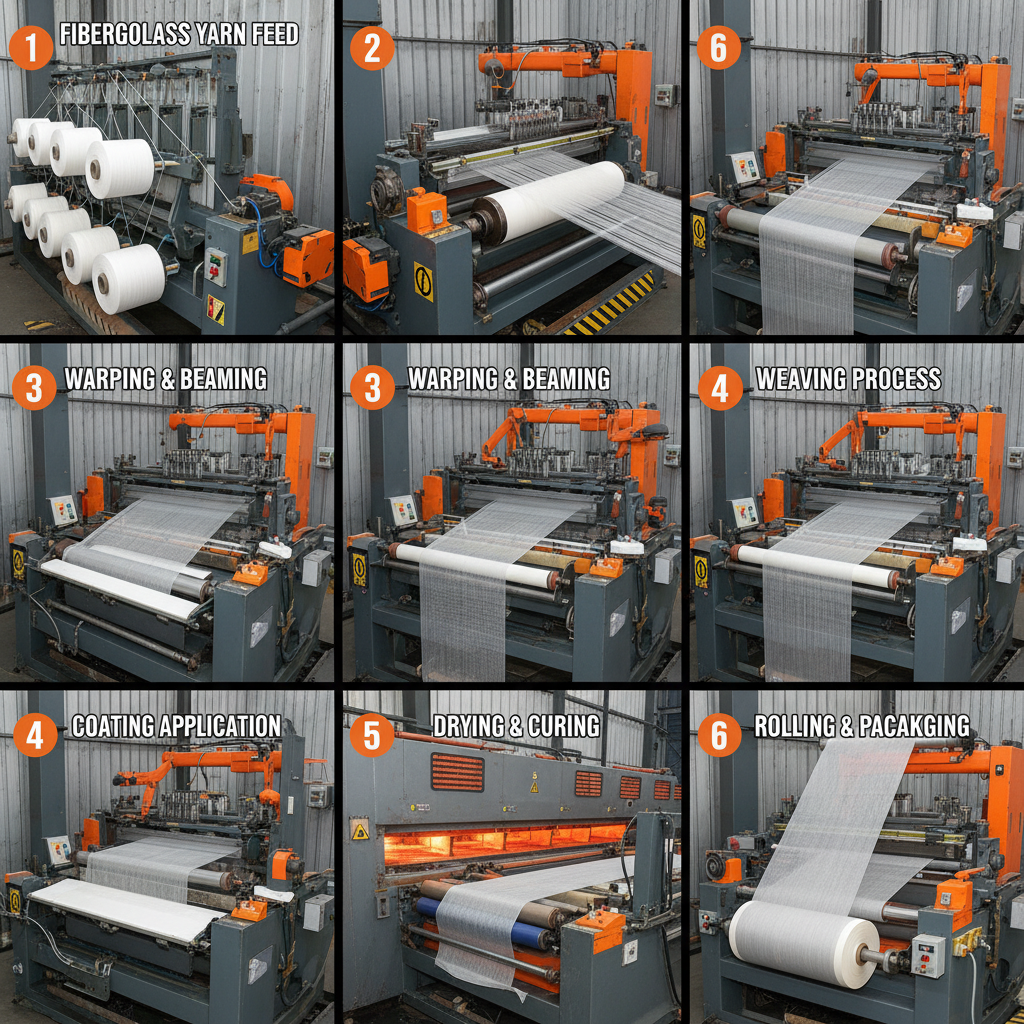
Fiberglass mesh tape for drywall is a reinforcing material used in drywall construction to cover joints between drywall panels. It’s composed of tightly woven fiberglass strands, often coated with a pressure-sensitive adhesive. Unlike paper tape, which relies on embedding within multiple layers of joint compound, fiberglass mesh tape typically requires fewer coats and provides a stronger, more durable bond.
Its connection to modern industry lies in its response to the need for faster, more reliable construction techniques. It streamlines the drywall finishing process, reducing labor time and minimizing the risk of imperfections. This efficiency is crucial in today’s fast-paced construction landscape.
This material plays a vital role in achieving consistently smooth and flawless drywall finishes. Its inherent properties make it suitable for a range of applications, from residential homes and commercial buildings to institutional facilities. The increasing emphasis on indoor air quality further enhances its appeal, as fiberglass is non-toxic and doesn’t support mold growth.
Key Factors: The Strengths of Fiberglass Mesh
Durability: Fiberglass mesh tape boasts exceptional tensile strength, providing a robust barrier against cracking and joint failure. Its resistance to stretching and tearing ensures a long-lasting repair, even in areas prone to movement or vibration. This is a key advantage over paper tape, which can become brittle and crack over time.
Ease of Application: The self-adhesive backing simplifies installation, requiring minimal preparation and allowing for quick and efficient application. This translates to reduced labor costs and faster project completion times. Its ability to conform to irregular surfaces and corners further enhances its usability.
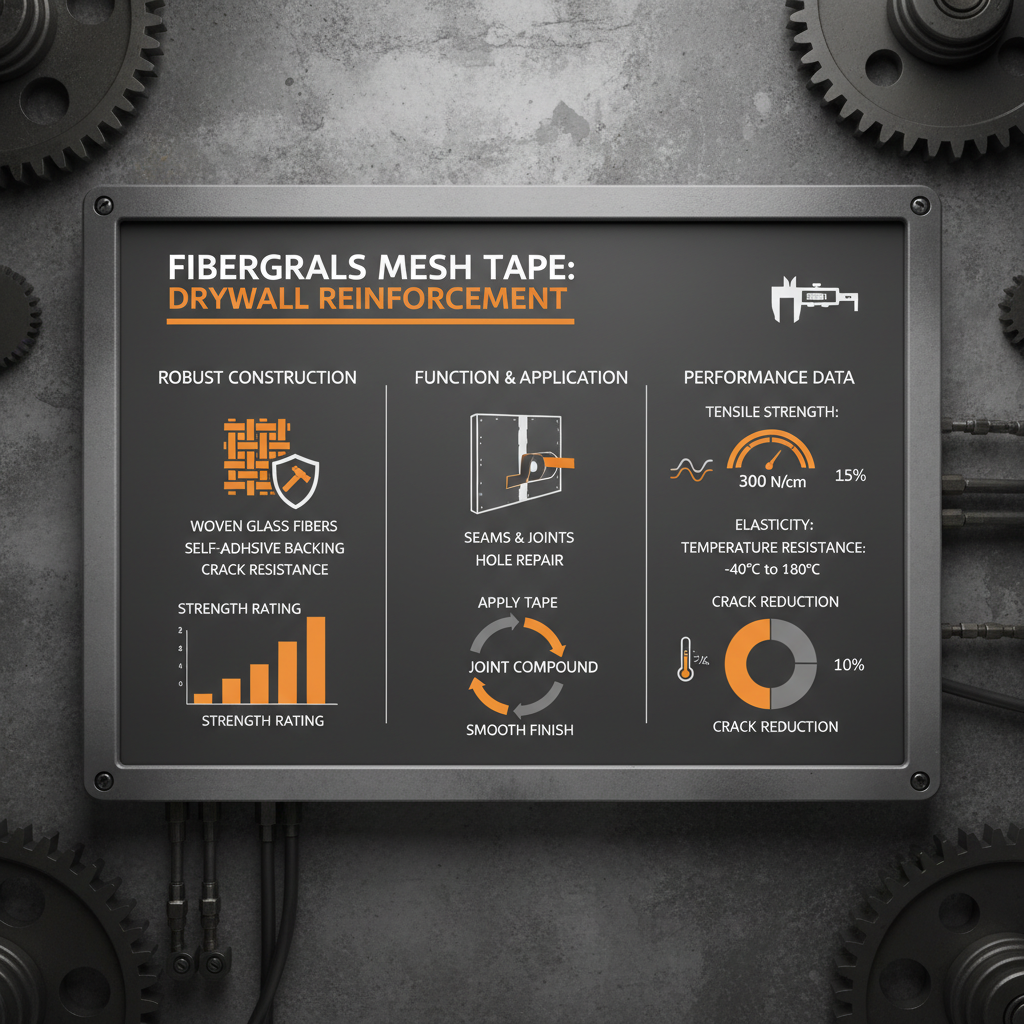
Fiberglass Mesh Tape for Drywall – Performance Comparison
Applications in Construction and Renovation
Fiberglass mesh tape for drywall is widely utilized in both new construction and renovation projects. In new builds, it’s essential for creating seamless joints between drywall sheets, ensuring a smooth surface for painting and finishing. In renovation projects, it's ideal for repairing damaged drywall, addressing cracks, and reinforcing weakened areas.
It’s particularly valuable in areas prone to moisture, such as bathrooms, kitchens, and basements, due to its inherent resistance to mold and mildew. In post-disaster relief operations, its rapid application and durability make it a crucial component in rebuilding efforts.
Advantages and Long-Term Value
The long-term value of using fiberglass mesh tape for drywall extends beyond initial cost savings. Its durability minimizes the need for frequent repairs, reducing maintenance expenses over the lifespan of a building. The enhanced resistance to cracking and joint failure contributes to increased structural integrity and overall building value.
From a sustainability perspective, its longevity reduces material waste and the associated environmental impact. The peace of mind that comes with knowing a durable and reliable product is used fosters trust and confidence in building quality. It's an investment in a lasting, well-built environment.
Future Trends and Innovations
Future innovations in fiberglass mesh tape for drywall are likely to focus on enhanced adhesive properties, increased strength, and improved sustainability. Research into bio-based fiberglass alternatives could further reduce the environmental footprint of this material. The integration of smart technologies, such as sensors embedded within the tape, could enable real-time monitoring of joint performance and early detection of potential issues.
Digital transformation in the construction industry will drive demand for more efficient and automated application methods. Pre-cut and self-applying fiberglass mesh tape solutions are already emerging, and this trend is expected to continue. The development of more eco-friendly joint compounds that complement the properties of fiberglass mesh tape will also be a key area of focus.
Automation in drywall finishing, coupled with advanced materials like fiberglass mesh tape, is poised to revolutionize the construction process, enhancing efficiency, reducing costs, and improving the overall quality of finished projects.
FAQS
Fiberglass mesh tape is self-adhesive, more durable, resistant to moisture and cracking, and typically requires fewer coats of joint compound compared to paper tape. Paper tape relies on embedding within the compound and is more susceptible to damage from moisture and movement.
Yes, fiberglass mesh tape is an excellent choice for high-humidity environments like bathrooms and kitchens. Its inherent resistance to moisture prevents mold and mildew growth, ensuring a long-lasting and healthy finish. This is a major advantage over paper tape.
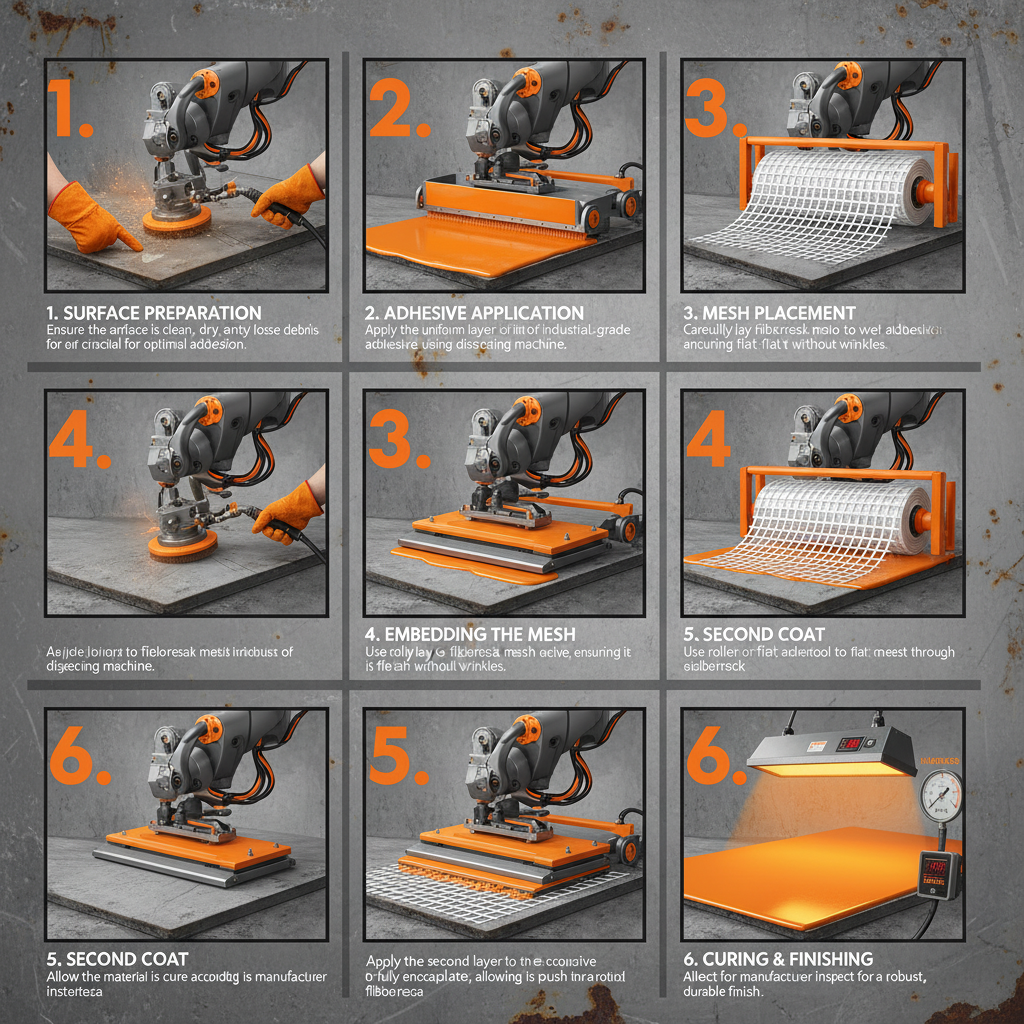
Apply the tape directly to the drywall joint, pressing firmly to ensure a secure bond. Then, apply a thin coat of joint compound over the tape, feathering the edges for a smooth transition. Allow to dry, sand lightly, and apply subsequent coats as needed.
Absolutely. Fiberglass mesh tape is ideal for repairing cracks in drywall. Clean the area, apply the tape over the crack, and then apply joint compound to blend the repair seamlessly with the surrounding surface. Its strength will help prevent the crack from reappearing.
While the initial cost of fiberglass mesh tape might be slightly higher, the long-term savings from reduced repairs, faster application, and increased durability often make it a more cost-effective solution. Consider the lifecycle cost when comparing options.
No, fiberglass mesh tape can be easily cut with a utility knife or scissors. No special tools are required for application, making it a user-friendly option for both professionals and DIY enthusiasts. Its self-adhesive backing simplifies the process significantly.
Conclusion
Fiberglass mesh tape for drywall has fundamentally changed the way drywall joints are reinforced and finished. Its superior durability, ease of application, and resistance to moisture and cracking make it a clear advantage over traditional paper tape. The benefits extend beyond immediate project efficiency, leading to long-term savings, increased structural integrity, and a more sustainable building environment.
Looking ahead, continuous innovation in materials and application techniques will further solidify fiberglass mesh tape’s position as a cornerstone of modern construction. By embracing this technology, builders and homeowners can ensure high-quality, long-lasting drywall finishes that stand the test of time. Visit our website at fiberglass mesh tape for drywall to learn more and find the perfect solution for your next project.