Black fiberglass mesh. It’s not glamorous, folks, but it’s the unsung hero on a lot of job sites these days. I’ve been tracking its use for years, walking these sites, seeing firsthand how it’s evolving. It’s gone from a niche product to pretty much a standard for reinforcing everything from EIFS to precast concrete. What I’m seeing is a growing demand for materials that offer both performance and ease of use, especially with skilled labor getting harder to find. Black fiberglass mesh delivers on both fronts, and frankly, it’s a game-changer for projects big and small. The industry is recognizing that investing upfront in a quality mesh like this can save significant time and money – and headaches – down the road. black fiberglass mesh is becoming essential.
Now, I’m not a lab guy, but I've talked to enough engineers to understand the science. The real advantage here isn't just that it’s stronger than traditional paper mesh. It’s the resistance to alkali burn, the dimensional stability, and the way it holds its shape when you’re applying it. We’ve all dealt with paper mesh that wrinkles, tears, and basically falls apart the minute it gets wet. That's where the black fiberglass comes into play. It just handles better. It’s becoming vital in areas with harsh climates where traditional materials simply don't last.
I've seen a real shift in the last few years. Construction is moving towards more sustainable practices, and that’s impacting material choices. Owners and architects are demanding materials with a longer lifespan, reducing the need for constant repairs and replacements. This isn’t just about cost savings; it’s about minimizing waste and reducing the environmental footprint of the building. That push for longevity has been a major driver for the adoption of black fiberglass mesh.
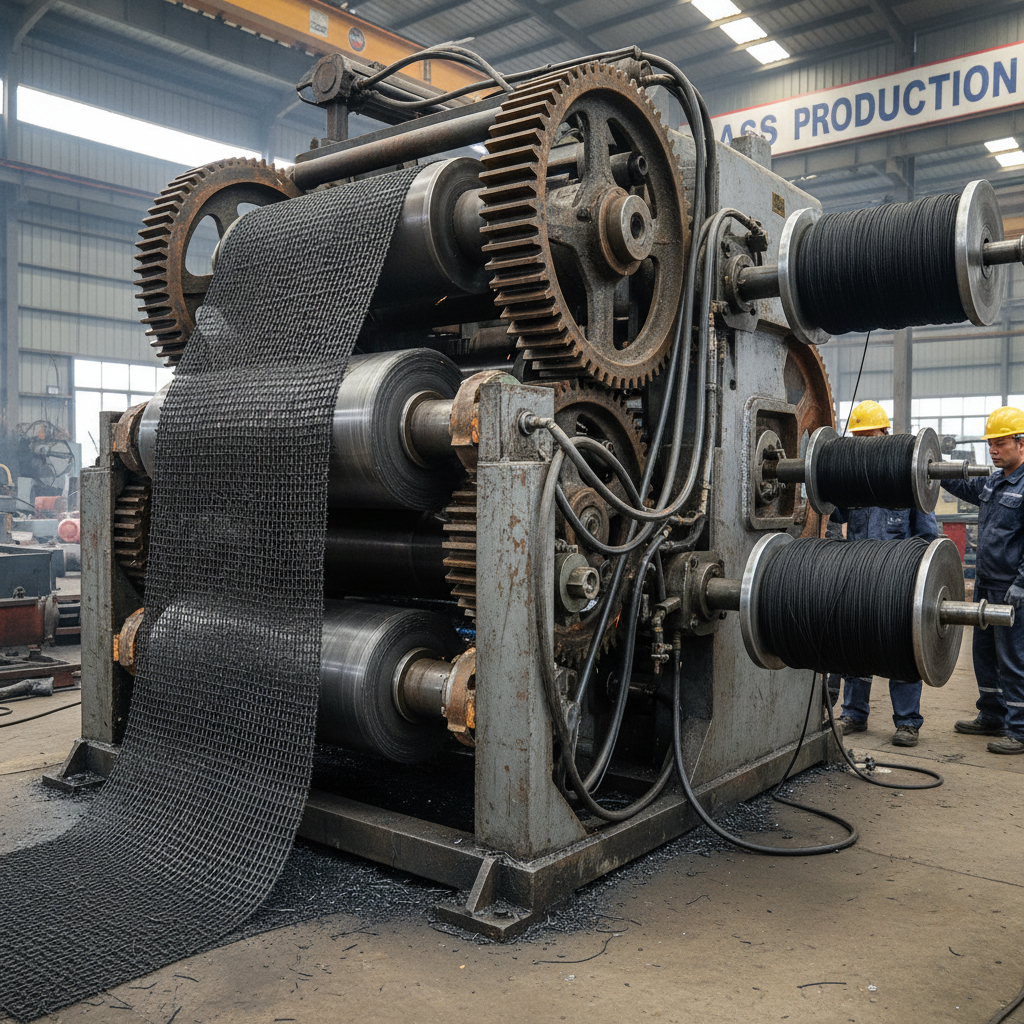
The Rise of Black Fiberglass Mesh in Modern Construction
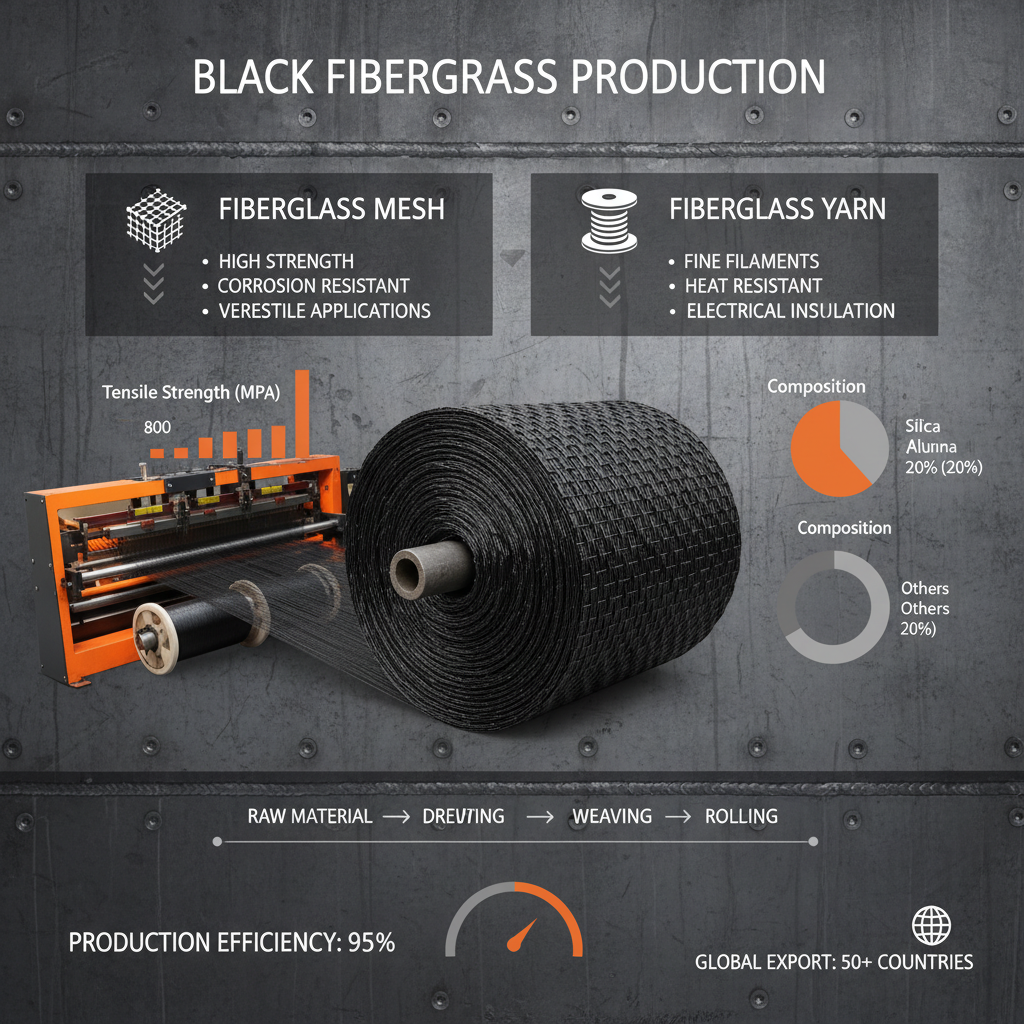
Let's be honest: construction isn't known for readily embracing new tech. We're a practical bunch. But the increasing adoption of black fiberglass mesh shows something’s changing. I'm seeing it on more and more projects—from residential builds to large-scale commercial developments. It's not a fleeting trend; it’s a genuine response to the demands of modern construction. It’s about building better, building faster, and building things that last.
The global construction industry is massive—trillions of dollars annually—and increasingly focused on durability and long-term performance. Regulations are also playing a part, with stricter building codes driving demand for materials that meet higher standards for safety and resilience. The UN, for example, is constantly pushing for more sustainable building practices, which dovetails perfectly with the benefits of using a durable, long-lasting material like black fiberglass mesh. The need for solutions that withstand harsh environmental conditions is only going to grow as climate change continues to impact infrastructure worldwide.
FAQS
The biggest difference lies in durability and alkali resistance. Paper mesh degrades rapidly when exposed to the alkaline environment of cement, leading to cracking and failure. Black fiberglass mesh, with its specialized coating, is highly resistant to alkali attack and significantly stronger, offering a much longer lifespan and superior performance. It also handles better, resisting tearing and wrinkling during application.
Absolutely. Coastal environments present unique challenges due to salt spray and humidity. Black fiberglass mesh is ideal for these applications because of its exceptional resistance to corrosion and degradation. It can withstand the harsh conditions and provide long-lasting reinforcement for stucco, EIFS, and other exterior finishes. It's a crucial material for ensuring the durability of structures in coastal regions.
Proper installation is key to maximizing performance. Overlap the mesh edges by at least 2-3 inches, and ensure it’s fully embedded in the base coat. Avoid stretching or distorting the mesh during application. Follow the manufacturer’s recommendations for embedding depth and application sequence. Proper installation prevents cracking and ensures a strong, durable finish.
While the upfront cost of black fiberglass mesh is higher than paper mesh, the long-term value is significantly greater. Its durability reduces the need for repairs and replacements, lowering life-cycle costs. It also improves the overall quality and longevity of the structure, contributing to a more sustainable and cost-effective building solution.
Fiberglass mesh can cause skin and respiratory irritation. Always wear gloves, a dust mask, and eye protection when handling or cutting the mesh. Work in a well-ventilated area and avoid creating excessive dust. Follow the manufacturer’s safety guidelines for handling and disposal.
Yes, black fiberglass mesh is an excellent option for repairing cracks in concrete. It provides a strong and durable reinforcement that prevents further cracking and restores the structural integrity of the concrete. The mesh should be properly embedded in a compatible repair mortar to ensure a long-lasting fix.
Conclusion
Black fiberglass mesh is more than just a building material; it’s an investment in long-term durability, sustainability, and peace of mind. From its superior strength and alkali resistance to its ease of use and versatility, it’s a game-changer for the construction industry. We've moved beyond simply building structures; we’re building for the future, and this material is key to that vision.
Looking ahead, continued innovation in fiberglass mesh technology will further enhance its performance and expand its applications. Embracing this material isn't just about keeping up with the latest trends—it's about building better, more resilient structures that stand the test of time. Visit our website to learn more about how black fiberglass mesh can benefit your next project: www.tainuofiberglassmesh.com.
Related Posts
-
Enhancing Building Durability with Fiberglass Mesh for Stucco Applications
-
Fiberglass Reinforcing Mesh Concrete Revolutionizing Modern Construction
-
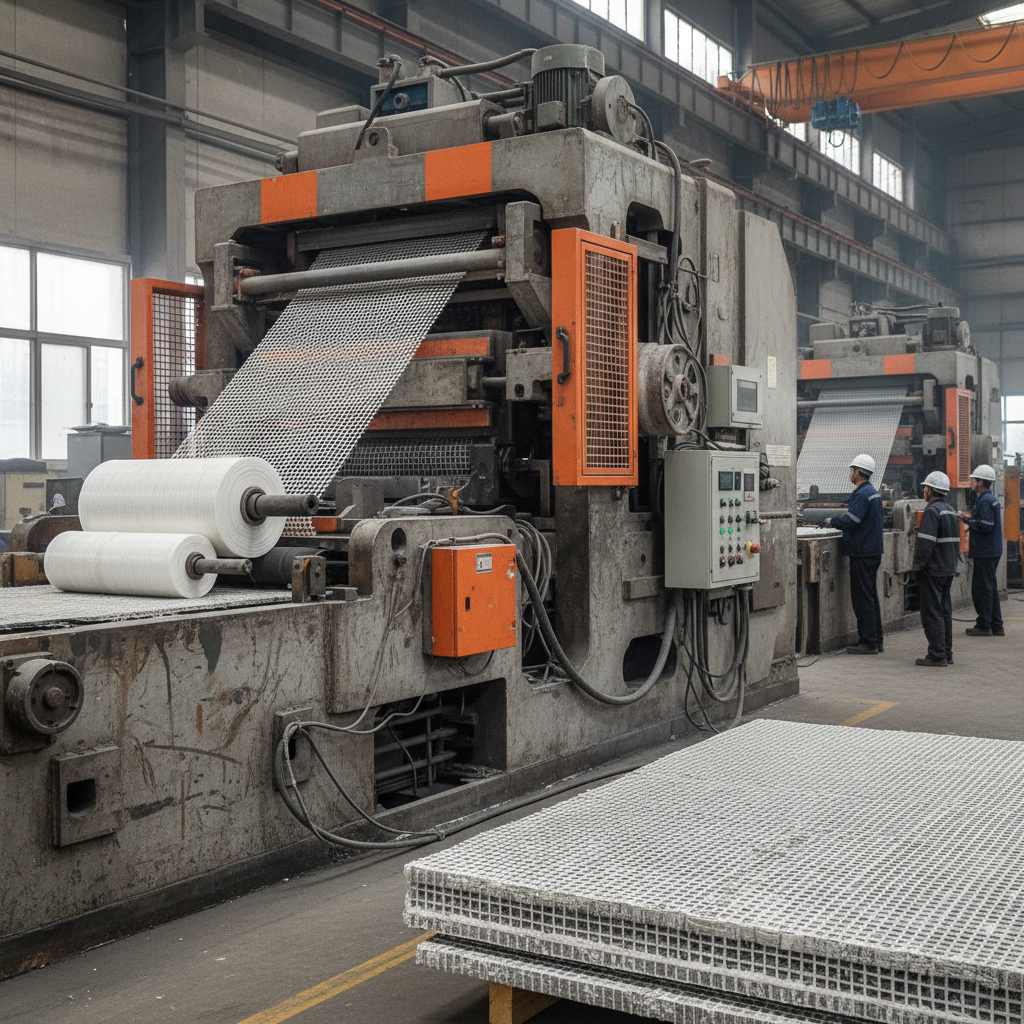
Fiberglass Reinforcement Mesh Revolutionizing Modern Construction and Infrastructure
-
Exploring the Versatility and Global Impact of Fiberglass Mesh Tape