You know, things are changing fast in this field. Everyone's talking about prefabrication now. Seems like every other day I'm getting calls about projects wanting everything built off-site, shipped in modules. It’s supposed to be faster, cheaper... Honestly, it's not always that simple. I was at a site in Shanghai last month, and the pre-fab walls arrived with the wrong window openings. A whole shipment! Took weeks to sort out. Anyway, I think the key is getting the design absolutely right upfront. That's where a lot of headaches start.
To be honest, a lot of designers haven’t spent much time on actual construction sites. They’ll specify something that looks good on paper, but is a nightmare to install. Have you noticed how many architects seem to forget that builders need access to, you know, things? Like, if you specify a complicated cladding system, make sure there’s a way to actually fix it without standing on your head! It's the little things.
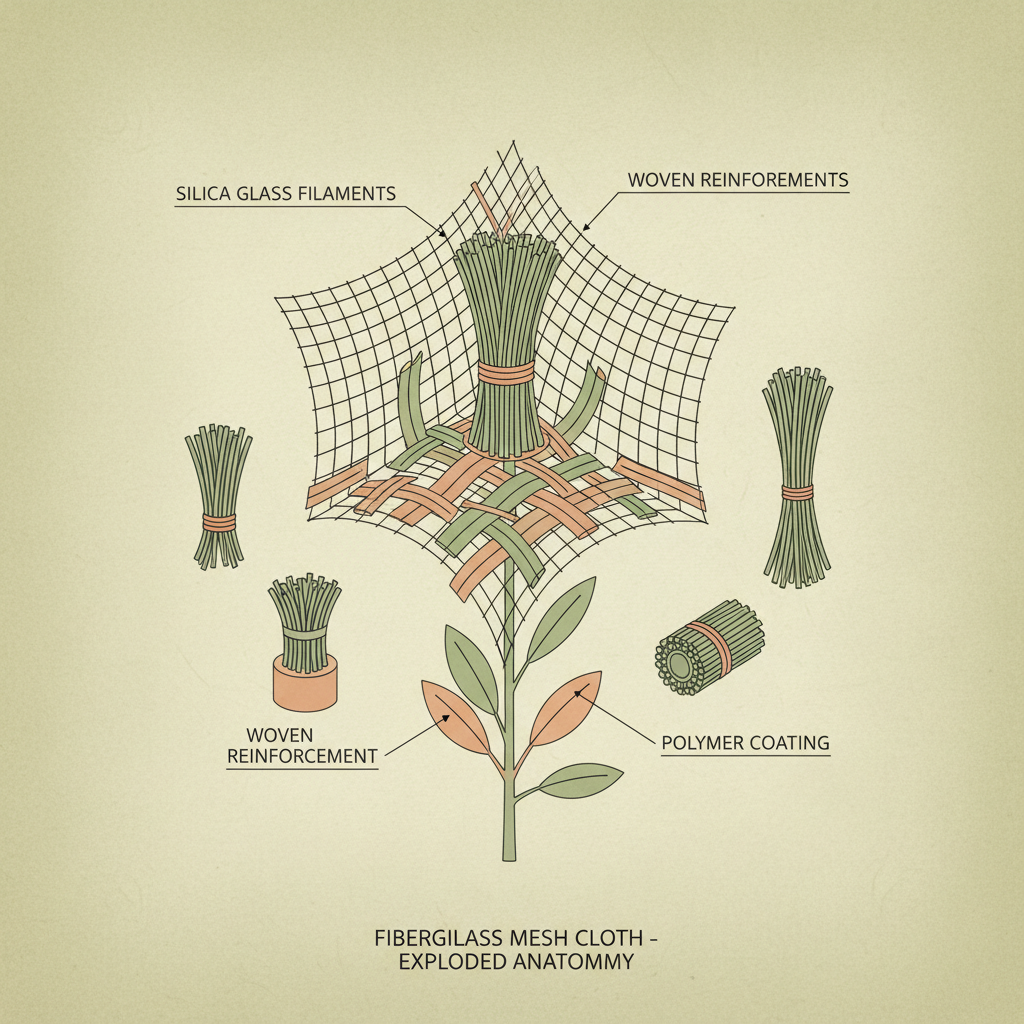
We've been doing a lot with fiberglass mesh cloth lately – for reinforcing concrete, for crack stitching, even for creating lightweight facades. It’s a surprisingly versatile material. Feels a bit like a stiff canvas, kind of dusty when you cut it, smells faintly of resin. I encountered this at a factory in Jiangsu province last time. It isn’t like handling steel rebar, that’s for sure. It doesn’t weigh a ton, which is good, but it frays easily, so you gotta be careful with it.
Industry Trends & Design Pitfalls
Strangely enough, everyone’s obsessed with making things “smart” now. They want sensors in everything. Which is fine, I guess, but have they thought about how those sensors are going to be maintained? Or replaced when they fail? I mean, you're building a wall, not a spaceship. The push for sustainability is good, don’t get me wrong, but sometimes it feels like people are sacrificing practicality for greenwashing. You see a lot of designs that look great on renderings, but fall apart when you try to actually build them.
The biggest issue, in my experience, is a lack of communication between the design team and the construction team. Architects need to understand the limitations of materials and construction techniques, and builders need to be able to communicate their concerns effectively. It’s a two-way street. And honestly, most of the time, it's just… not.
FAQS
The lifespan really depends on UV exposure. Without a protective coating or regular maintenance, standard fiberglass mesh cloth might only last 2-3 years outdoors. With UV-resistant coatings and proper application, you can extend that to 5-10 years, but it's still something you need to monitor. I’ve seen some degrade pretty quickly in harsh environments.
Yes, but it’s trickier. The lighter weight cloths are more pliable and easier to conform to curves. You might need to make multiple smaller pieces instead of trying to apply one large sheet. It also requires a good adhesive and careful application to avoid wrinkles and bubbles. I’ve seen it done successfully on domes and arches, but it takes skill.
No, standard fiberglass mesh cloth is not fireproof, but it is fire-retardant. It won’t readily ignite, but it will burn if exposed to a sustained flame. However, you can get cloths with fire-retardant coatings that provide a higher level of protection. Always check the product specifications and local building codes before using it in a fire-sensitive application.
The best adhesive depends on the substrate. For concrete, a cement-based adhesive is usually the best choice. For wood, a polyurethane adhesive works well. Make sure the adhesive is compatible with both the mesh cloth and the substrate. And always follow the manufacturer's instructions for application. I’ve seen projects fail because of the wrong adhesive - a costly mistake!
Use a sharp utility knife or a hot knife. A hot knife seals the edges as you cut, which prevents fraying. If you're using a utility knife, make clean, decisive cuts and avoid sawing back and forth. Also, consider applying a sealant to the edges after cutting to further prevent fraying. Trust me, it saves a lot of headaches later on.
It’s a mixed bag. Fiberglass itself is made from sand, which is abundant, but the manufacturing process can be energy-intensive. It’s also not biodegradable. However, its durability and ability to reinforce structures can lead to longer-lasting buildings and reduced material waste over the long term. We’re looking into recycled fiberglass options, but they’re not widely available yet.
Conclusion
So, there you have it. Fiberglass mesh cloth isn’t a magic bullet, but it’s a versatile and cost-effective material that has a lot to offer. It's not about the perfect specs on a datasheet, but the practical performance on a real construction site. Understanding its limitations, choosing the right product for the application, and applying it correctly are key to success.
The industry is moving towards prefabrication and sustainable building practices. Fiberglass mesh cloth has a role to play in both of those trends. But, ultimately, whether this thing works or not, the worker will know the moment he tightens the screw. You can visit our website at tainuofiberglassmesh.com to learn more and get a quote.
Related Posts
-
Enhancing Building Durability with Fiberglass Mesh for Stucco Applications
-
Exploring the Advantages of Fiberglass Mesh Reinforced Concrete in Modern Construction
-
Comprehensive Guide to Self Adhesive Fiberglass Mesh Tape Applications and Benefits
-
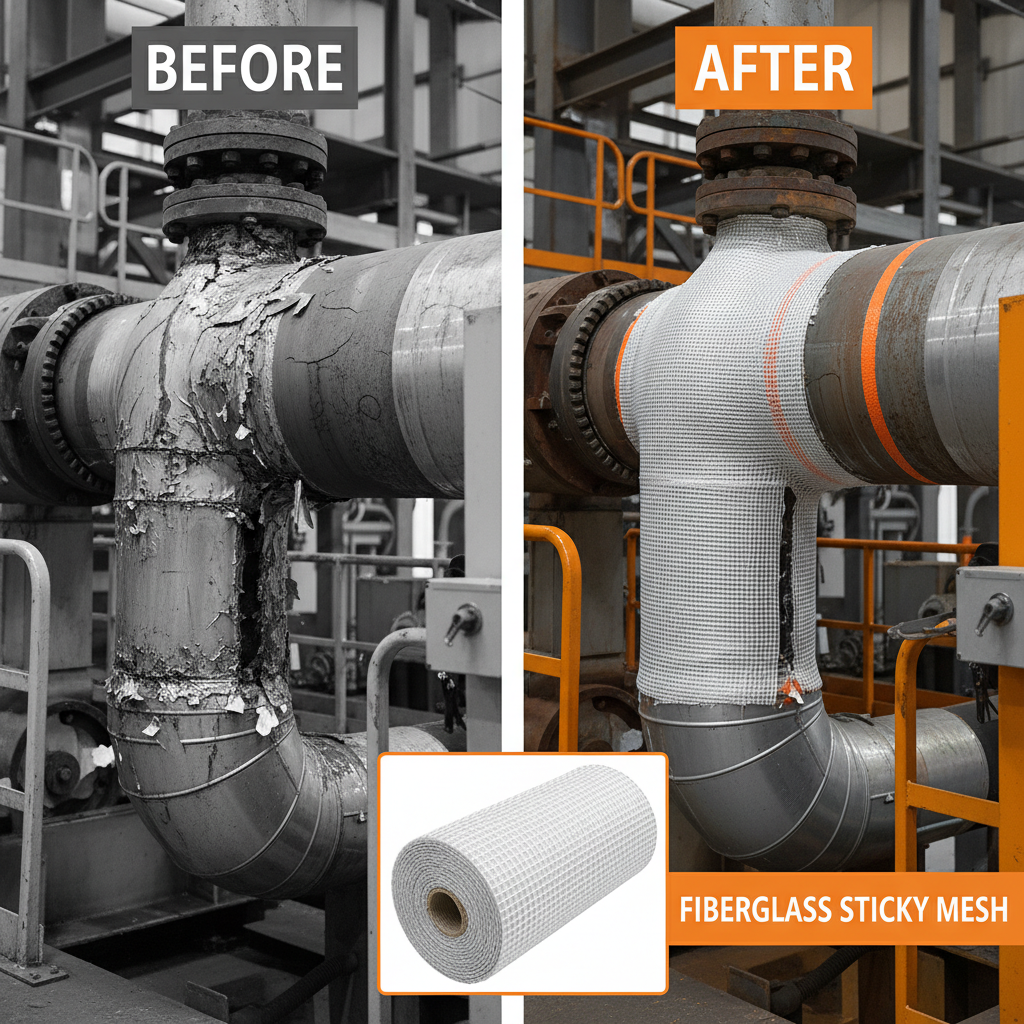
Fiberglass Sticky Mesh Revolutionizing Construction and Repair Projects