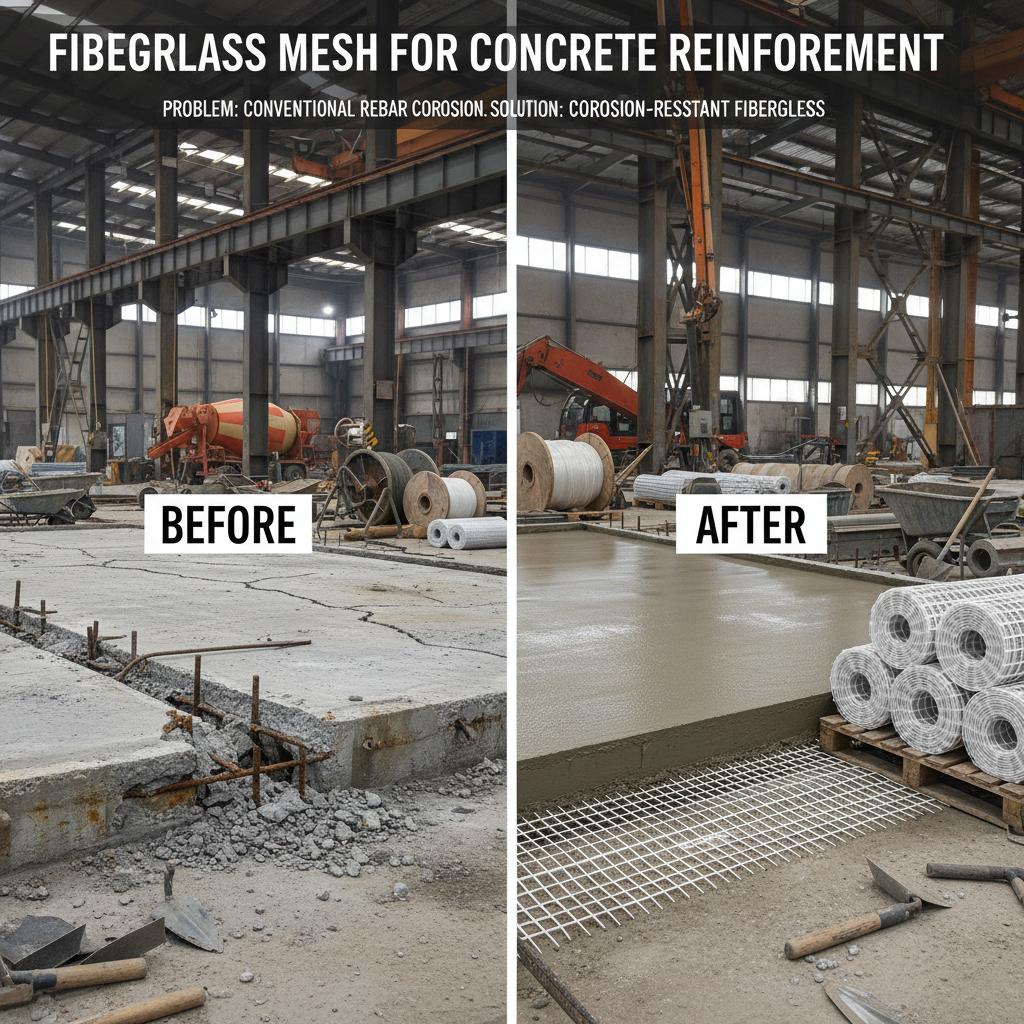
Look, I’ve been running around construction sites for twenty years, getting my hands dirty. You see a lot, you learn a lot. Lately, everyone's talking about prefabrication, modular stuff, moving things off-site. Makes sense, labor's expensive, weather's a pain. But, to be honest, it's not all sunshine and roses. A lot of these pre-fab guys… they design things on computers, never touched a piece of fiberglass net in their lives.
And that’s where the headaches start. You think something will just fit, right? You've got your CAD drawings, your tolerances… ha. Have you noticed how a 2x4 is never actually two inches by four inches? Same with these fiberglass net applications. It’s always a little off, something needs a shim, a little persuasion with a hammer. It’s the real world, not a spreadsheet.
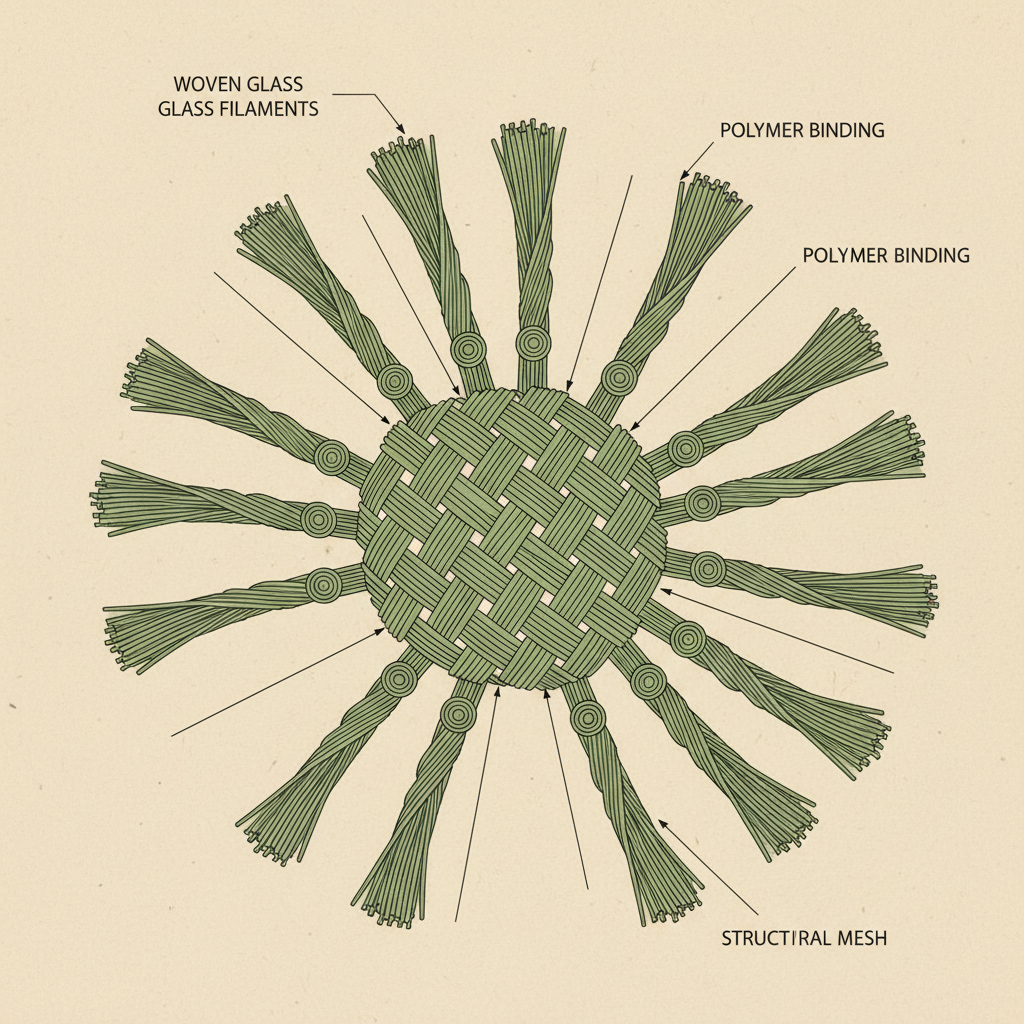
The fiberglass net itself… It's not like metal mesh, you know? It’s got a bit of give, a kind of springiness. Smells a little plasticky when you first open a roll, kinda like a new swimming pool liner. You gotta wear gloves handling it, gets itchy. And it frays. Oh, it frays. You cut it, it wants to unravel. I encountered this at a factory in Foshan last time, they were using dull blades, total mess. Anyway, I think a good sharp utility knife, and a little practice, is essential.
The Shift Towards Prefabrication and Fiberglass Net
Like I said, pre-fab is big. And fiberglass net is showing up everywhere in that space. Wall panels, lightweight concrete, even in some of these fancy new composite roofing systems. It's lighter than metal, doesn’t rust, and gives you that reinforcement without adding a ton of weight. Strangely, I’m seeing more of it in residential stuff, these high-end modern homes. The architects love the clean lines and the ability to create curves.
But it’s a different beast than working with steel. You can weld steel on-site, adjust things. With fiberglass net, you gotta be pretty precise from the start. It's about planning ahead, which, let's be honest, isn’t always a strong suit on a construction site.
Common Design Pitfalls in Fiberglass Net Applications
Okay, here's where I see the biggest mistakes. People try to use fiberglass net like it's a drop-in replacement for metal. It's not. It has different properties, different strengths. You can't just swap materials without re-thinking the design. Especially around stress points. I saw one project where they used fiberglass net to reinforce a concrete beam, but didn't account for the differential expansion and contraction. Cracked like an egg.
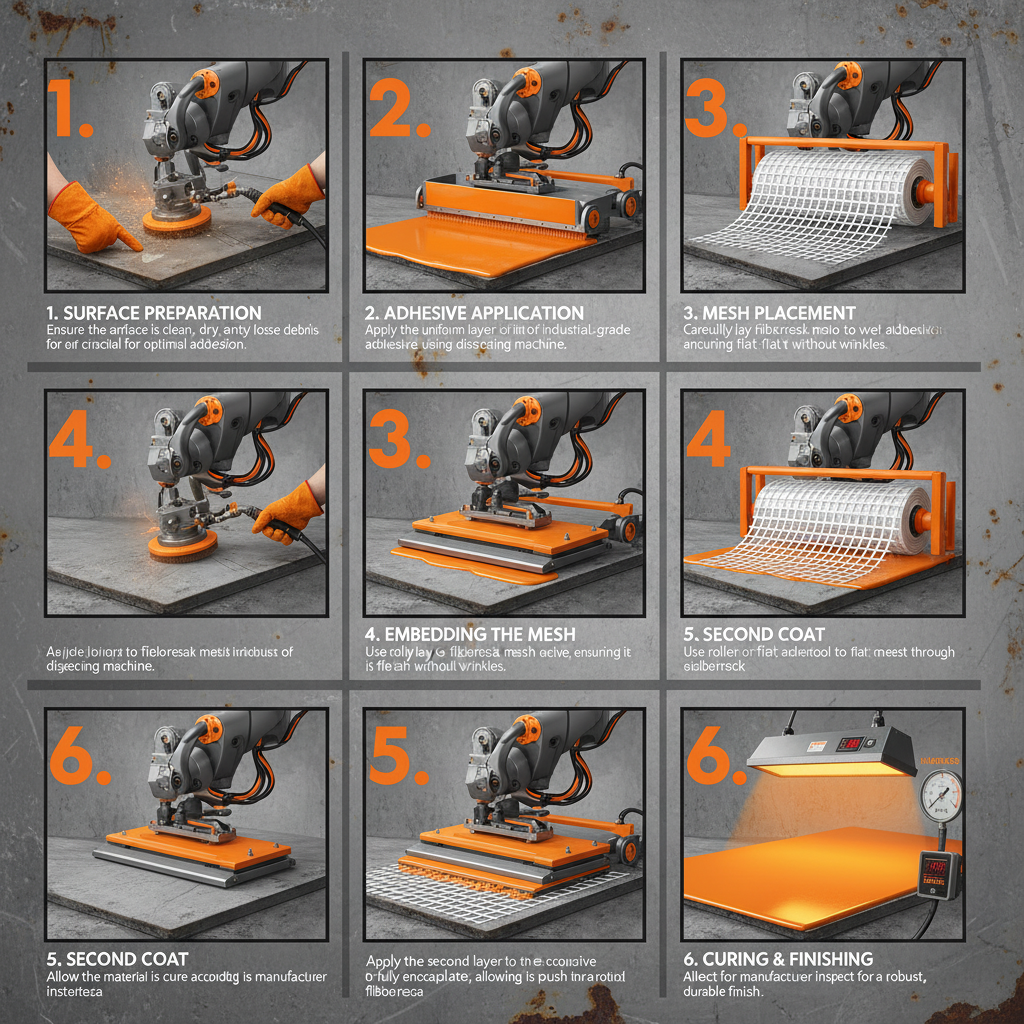
Another thing – adhesion. If it doesn't bond properly to the surrounding material, it's useless. Gotta use the right resins, the right surface prep. And don’t skimp on the resin, I’ve seen guys try to stretch it too thin, just to save a few bucks. Later... Forget it, I won't mention it.
And the corners! Always the corners. Fiberglass net loves to delaminate at corners if they aren’t properly reinforced. It’s a weak spot, always has been. Pay attention to the corners.
Material Properties and On-Site Handling
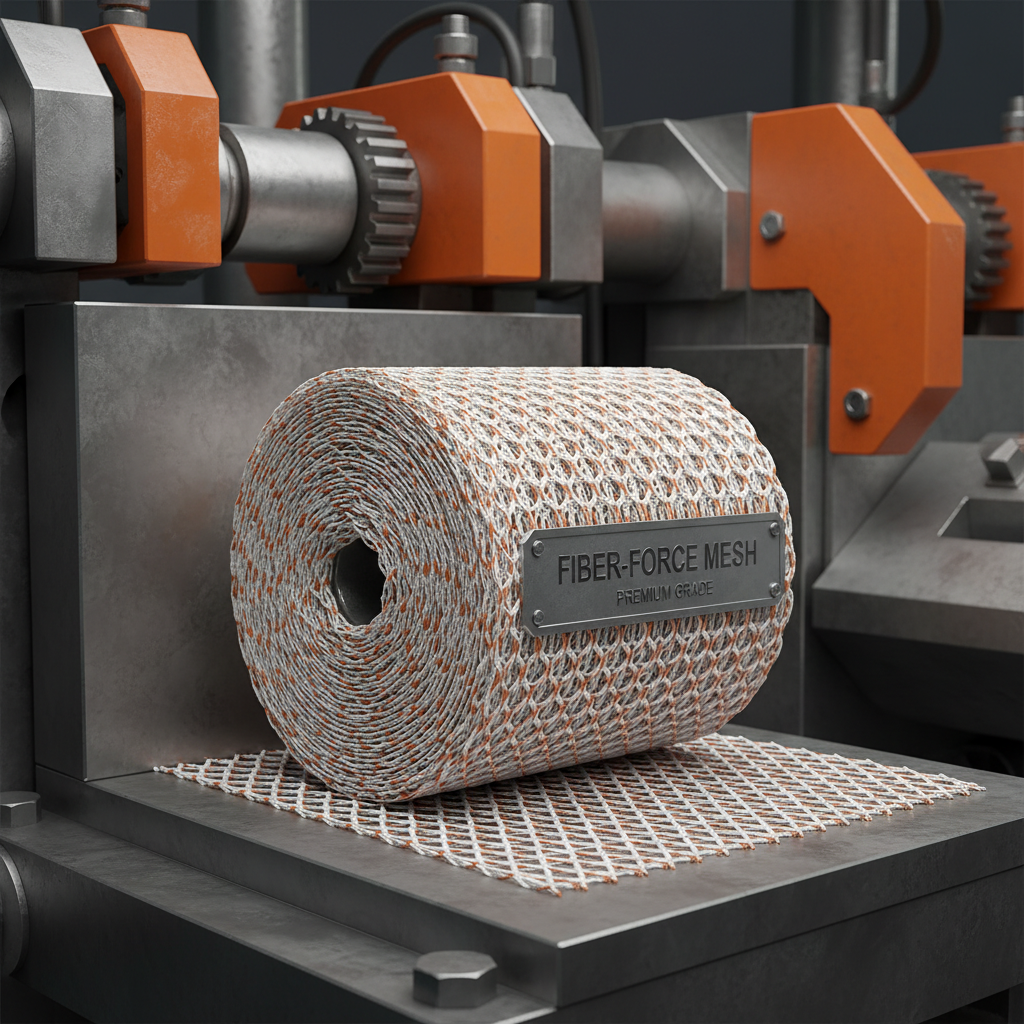
We usually get rolls of fiberglass net, different weights, different weave patterns. The heavier weights are obviously stronger, but they’re also harder to work with. They don’t bend as easily, you need more muscle. The finer weaves are good for creating smooth surfaces, but they don't have the same structural integrity.
The resin is key, though. Polyester, epoxy, vinyl ester – they all have their pros and cons. Epoxy is the strongest, but it's also the most expensive and can be a real pain to work with in cold weather. Polyester is cheaper, easier to use, but not as strong. And the smell… polyester fumes can knock you on your backside. Gotta have good ventilation.
Proper storage is important too. Keep it dry, out of direct sunlight. If it gets wet, it loses a lot of its strength. And don't store it near solvents or chemicals, they can react with the fiberglass and degrade it. It’s just common sense, really, but you’d be surprised how many people mess it up.
Real-World Testing and Performance
Forget the lab tests. I'm talking about what happens when you drop a two-by-four on it, when it gets rained on for a week, when the sun beats down on it all summer. That’s what matters. We do a lot of impact testing on-site, just dropping weights onto samples to see how they hold up. It’s crude, but it works.
We also do a lot of visual inspections over time. Looking for cracks, delamination, any signs of deterioration. And we talk to the guys who are actually using it, the framers, the concrete finishers. They’ll tell you what’s working and what’s not. They're the real testers, honestly.
Fiberglass Net Performance Metrics
Actual User Applications vs. Intended Use
You design something for a specific purpose, but then the guys on the ground find other uses for it. I’ve seen fiberglass net used as temporary bracing, as patching material for holes in walls, even as a makeshift strainer. You can't control how people use things once they get into their hands.
Sometimes it works out great. Sometimes… not so much. I remember one job where they used fiberglass net to reinforce a section of crumbling brickwork. Looked good at first, but the brick continued to deteriorate, and the fiberglass net just held it all together in a precarious, wobbly mess. Almost took out a pedestrian.
Advantages, Disadvantages, and Customization Options
Advantages? Lightweight, strong, doesn’t rust. Disadvantages? Fussy to work with, can be expensive, doesn’t always play well with other materials. It's a trade-off. It’s never as simple as picking the “best” material, it’s about finding the right material for the job.
Customization? Sure. You can get different weave patterns, different weights, different resin coatings. I had a client last year who wanted a specific color of fiberglass net to match the design of a building. We had to work with the manufacturer to create a custom resin mix. It cost a fortune, but it looked great.
A Customer Story: The Debacle
Last month, that small boss in Shenzhen who makes smart home devices – Mr. Li – insisted on changing the interface to on a batch of our fiberglass net reinforced enclosures. Said it was “the future.” He wanted it to look sleek, modern. We told him it would add cost and complexity, but he wouldn’t listen. He was convinced it would be a selling point.
He ordered a thousand units. When they arrived, half of the connectors were faulty. Turns out, the manufacturer he used for the connectors was cutting corners. He lost a ton of money, and a valuable customer. He learned a valuable lesson that day: don't mess with things that are already working, especially just for aesthetics.
He’s back to USB-A now.
Summary of Fiberglass Net Performance Characteristics
| Material Composition |
Tensile Strength (MPa) |
Environmental Resistance |
Cost per Square Meter |
| E-Glass with Polyester Resin |
250 |
Moderate |
$8 |
| E-Glass with Epoxy Resin |
400 |
High |
$15 |
| S-Glass with Epoxy Resin |
600 |
Very High |
$25 |
| Fiberglass Net (Woven) |
180 |
Moderate |
$5 |
| Fiberglass Net (Non-Woven) |
120 |
Low |
$3 |
| Alkali Resistant Fiberglass Net |
200 |
High |
$10 |
FAQS
Honestly? Underestimating the surface prep. You gotta get the surface clean, dry, and properly primed. Otherwise, the resin won’t bond, and you're just wasting your time. I’ve seen it happen countless times, especially with guys rushing a job. And then they wonder why it's failing. It’s basic stuff, but people skip it.
It can be, but you need to choose the right resin. Polyester resin isn't great with prolonged moisture exposure. Epoxy is better, but even then, you need to consider a UV-resistant coating. The sun will break down the resin over time, making it brittle. Also, make sure the fiberglass net itself is alkali-resistant if it's going to be in contact with concrete.
Woven is stronger, more durable, and better for structural applications. Non-woven is cheaper and more flexible, so it’s good for things like patching or creating smooth surfaces. Think of woven as the frame, and non-woven as the skin. They have different roles, and you shouldn’t try to use one in place of the other.
Sharp blades are your friend. A new utility knife blade is best. Score it a few times with light pressure rather than trying to cut through it in one go. You can also try sealing the edges with a little resin after cutting, to prevent fraying. Practice makes perfect, too. The more you work with it, the better you'll get at it.
Wear gloves. Seriously. The fiberglass will itch like crazy. Wear a respirator, especially when working with polyester resin – the fumes are nasty. Eye protection is a must. And work in a well-ventilated area. And don’t get resin on your clothes, it won't come out.
That's a tough one. It’s not easily recyclable, unfortunately. Most fiberglass waste ends up in landfills. There are some companies working on developing recycling processes, but it's still not widespread. It’s something the industry needs to figure out, honestly, because the amount of waste is growing.
Conclusion
So, where does this leave us? Fiberglass net is a versatile material, no doubt about it. It’s lighter than steel, stronger than wood, and it's showing up in more and more applications. But it’s not a magic bullet. It requires careful design, proper installation, and a good understanding of its limitations. It’s a tool, and like any tool, it's only as good as the person using it.
Ultimately, whether this thing works or not, the worker will know the moment he tightens the screw. If it feels right, it probably is. If it feels flimsy, or doesn't quite fit, trust your gut. That’s the real test. And if you want to learn more, or need some advice, give us a shout at fiberglass net. We’re always happy to help.