Concrete fiberglass mesh is rapidly becoming an indispensable material in modern construction and infrastructure, offering a compelling blend of strength, durability, and cost-effectiveness. Its unique properties address critical challenges across diverse applications, from reinforcing concrete structures to providing essential support in post-disaster relief efforts. Understanding the nuances of this material is crucial for engineers, architects, and policymakers alike, as it promises to reshape building practices globally.
The global demand for sustainable and resilient infrastructure is driving the adoption of advanced materials like concrete fiberglass mesh. According to the World Bank, infrastructure investment needs in developing countries alone will reach trillions of dollars by 2030. Fiberglass mesh offers a viable solution for enhancing the lifespan and performance of concrete, reducing maintenance costs, and minimizing environmental impact, making it a key component of future construction projects.
The increasing frequency of natural disasters, coupled with rapid urbanization, further underscores the importance of resilient building materials. concrete fiberglass mesh provides a lightweight yet robust solution for strengthening existing structures and creating new ones capable of withstanding extreme conditions, ultimately contributing to safer and more sustainable communities.
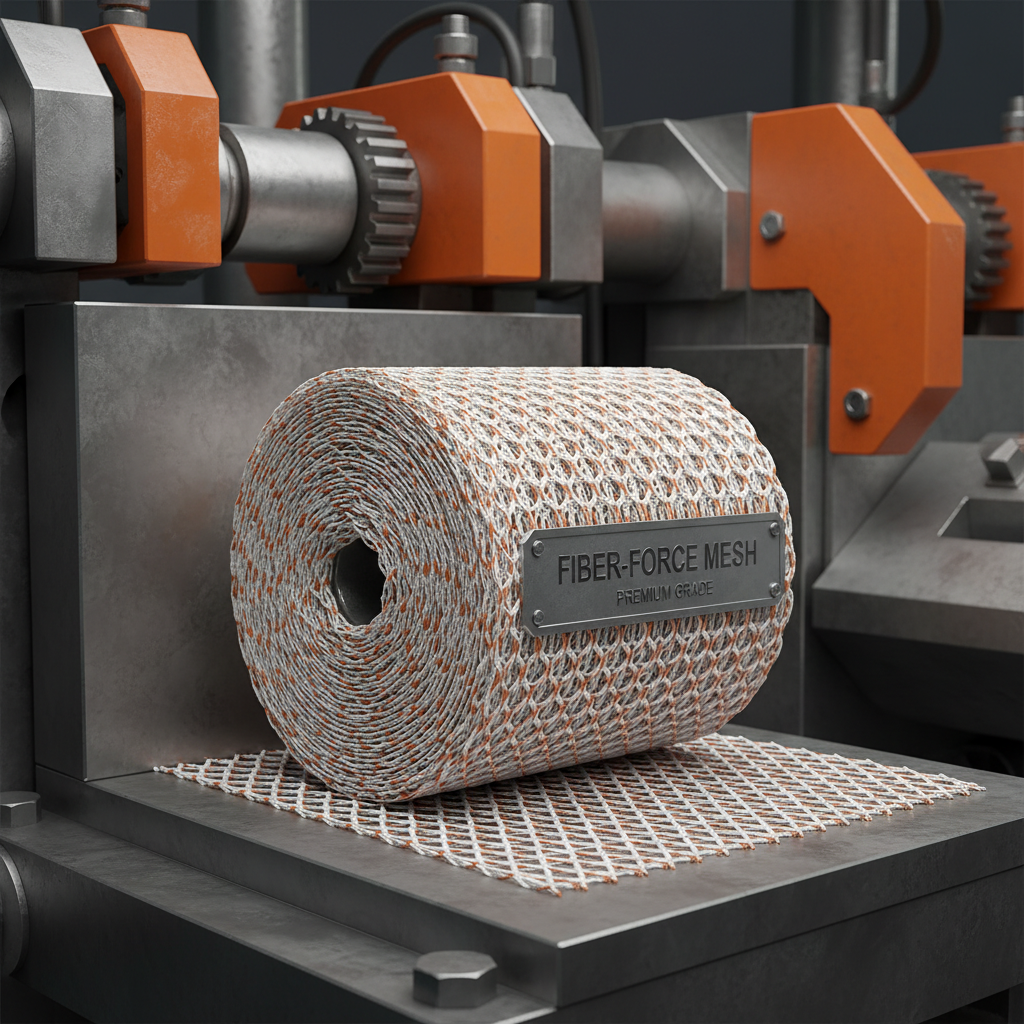
Introduction to concrete fiberglass mesh
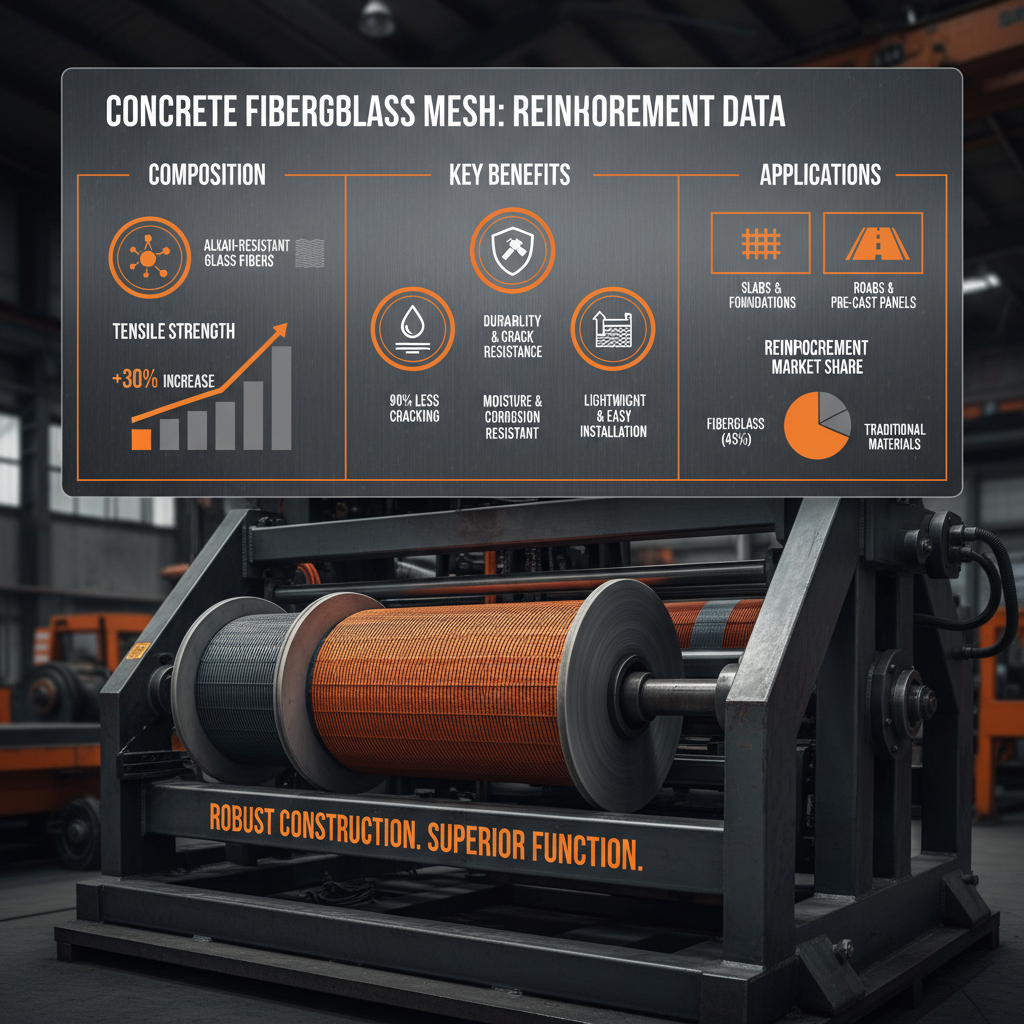
Concrete fiberglass mesh represents a significant advancement in construction materials. It's not simply a replacement for traditional steel reinforcement, but rather a complementary technology offering unique advantages in specific applications. The core benefit lies in its ability to mitigate cracking in concrete, enhancing its strength and extending its service life.
The use of fiberglass, a naturally strong and lightweight material, within a mesh format allows for improved distribution of stress throughout concrete structures. This reduces the likelihood of localized failures and contributes to a more resilient building system. Its corrosion resistance is a crucial factor, especially in environments exposed to harsh chemicals or saltwater.
FAQS
Concrete fiberglass mesh offers several advantages over steel. Notably, it’s corrosion-resistant, lighter in weight, and easier to handle, reducing labor costs. While steel provides higher tensile strength, fiberglass mesh excels at crack control and is particularly suitable for environments prone to corrosion, extending the lifespan of the concrete structure. This makes it ideal for applications like marine infrastructure and bridge decks.
While incredibly versatile, concrete fiberglass mesh isn’t a universal replacement for steel. It’s best suited for applications where crack control and corrosion resistance are paramount, such as facades, precast elements, and repair work. For projects requiring extremely high tensile strength, steel rebar remains the preferred choice. The specific requirements of each project should dictate the material selection.
The lifespan of concrete structures reinforced with fiberglass mesh is typically longer than that of structures using traditional steel reinforcement, particularly in corrosive environments. With proper design and installation, a service life of 75-100 years is achievable. The durability depends on factors like the quality of the mesh, the concrete mix design, and the environmental conditions.
The initial material cost of fiberglass mesh can sometimes be higher than steel rebar. However, when considering the total lifecycle cost, fiberglass mesh often proves more economical. Its corrosion resistance reduces maintenance and repair expenses, and its lighter weight leads to lower transportation and installation costs. Reduced labor and extended lifespan contribute to significant long-term savings.
Proper installation is crucial for optimal performance. Ensure the mesh is correctly positioned within the concrete, with adequate cover to protect it from the elements. Avoid damaging the mesh during placement. Following the manufacturer’s guidelines for handling and installation is essential. Proper overlap and anchorage details are also critical for effective crack control.
Yes, concrete fiberglass mesh is considered a more environmentally friendly option than steel reinforcement. Its corrosion resistance reduces the need for frequent repairs and replacements, minimizing waste. Fiberglass itself is produced from abundant raw materials and has a lower embodied energy than steel. Furthermore, the reduced weight leads to lower transportation emissions.
Conclusion
In conclusion, concrete fiberglass mesh stands as a transformative material in the construction industry, offering a compelling combination of strength, durability, and sustainability. Its ability to mitigate cracking, resist corrosion, and reduce lifecycle costs makes it an increasingly attractive alternative to traditional steel reinforcement in a wide range of applications. From strengthening existing structures to building resilient new infrastructure, the benefits of this innovative material are undeniable.
Looking ahead, continued research and development will undoubtedly unlock even greater potential for concrete fiberglass mesh. As awareness grows and adoption rates increase, we can expect to see widespread implementation of this technology, contributing to safer, more durable, and more sustainable built environments. For more information and to explore how concrete fiberglass mesh can benefit your project, visit our website: www.tainuofiberglassmesh.com.
Related Posts
-
The Increasing Importance of Black Fiberglass Mesh in Modern Construction Projects
-
Superior Strength Fiberglass Mesh Tape for Construction and Repair Applications
-
Exploring the Versatility and Global Impact of Fiberglass Mesh Tape
-
Fiberglass Mesh for Plastering Enhancing Durability and Sustainability in Construction