0%

Table of Contents

Fiberglass mesh reinforcement is rapidly becoming a cornerstone material in modern construction and a crucial component in addressing global infrastructure challenges. Its unique combination of strength, lightweight properties, and resistance to corrosion makes it an indispensable solution for enhancing the durability and lifespan of structures ranging from roads and bridges to buildings and specialized applications like fast-deployment housing. Understanding its properties and applications is essential for engineers, architects, and disaster relief organizations alike.

The demand for sustainable and cost-effective building materials is increasing worldwide, driven by population growth, urbanization, and the urgent need to improve infrastructure in developing nations. Fiberglass mesh reinforcement offers a compelling alternative to traditional steel reinforcement, particularly in environments prone to corrosion or seismic activity. Global standards bodies like ISO are increasingly recognizing and incorporating fiberglass mesh into building codes, further validating its reliability and performance.

Ultimately, embracing fiberglass mesh reinforcement isn't simply about adopting a new material; it's about investing in resilient infrastructure, reducing long-term maintenance costs, and creating a more sustainable built environment for future generations. This material plays a critical role in enhancing safety and enabling rapid responses to global challenges.
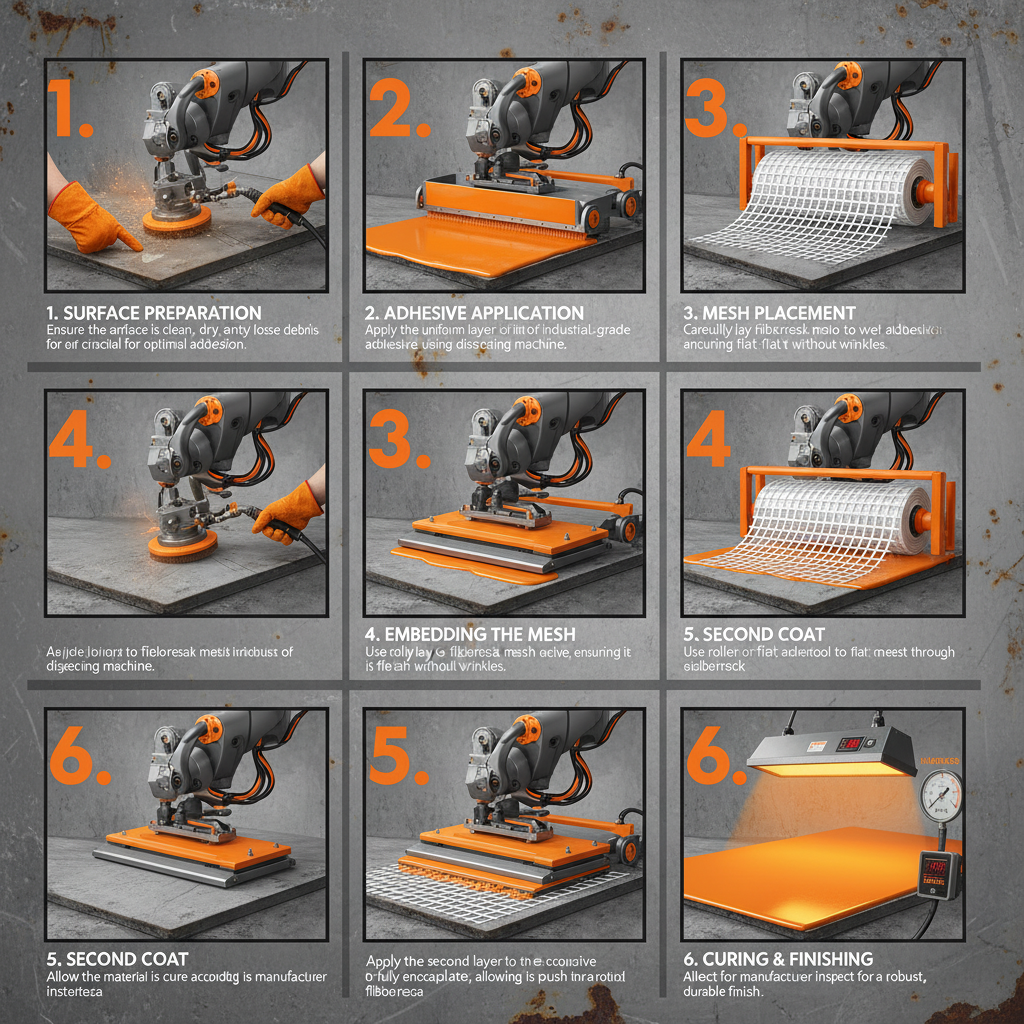
Fiberglass Mesh Reinforcement Enhancing Modern Construction and Infrastructure Resilience

Introduction to Fiberglass Mesh Reinforcement
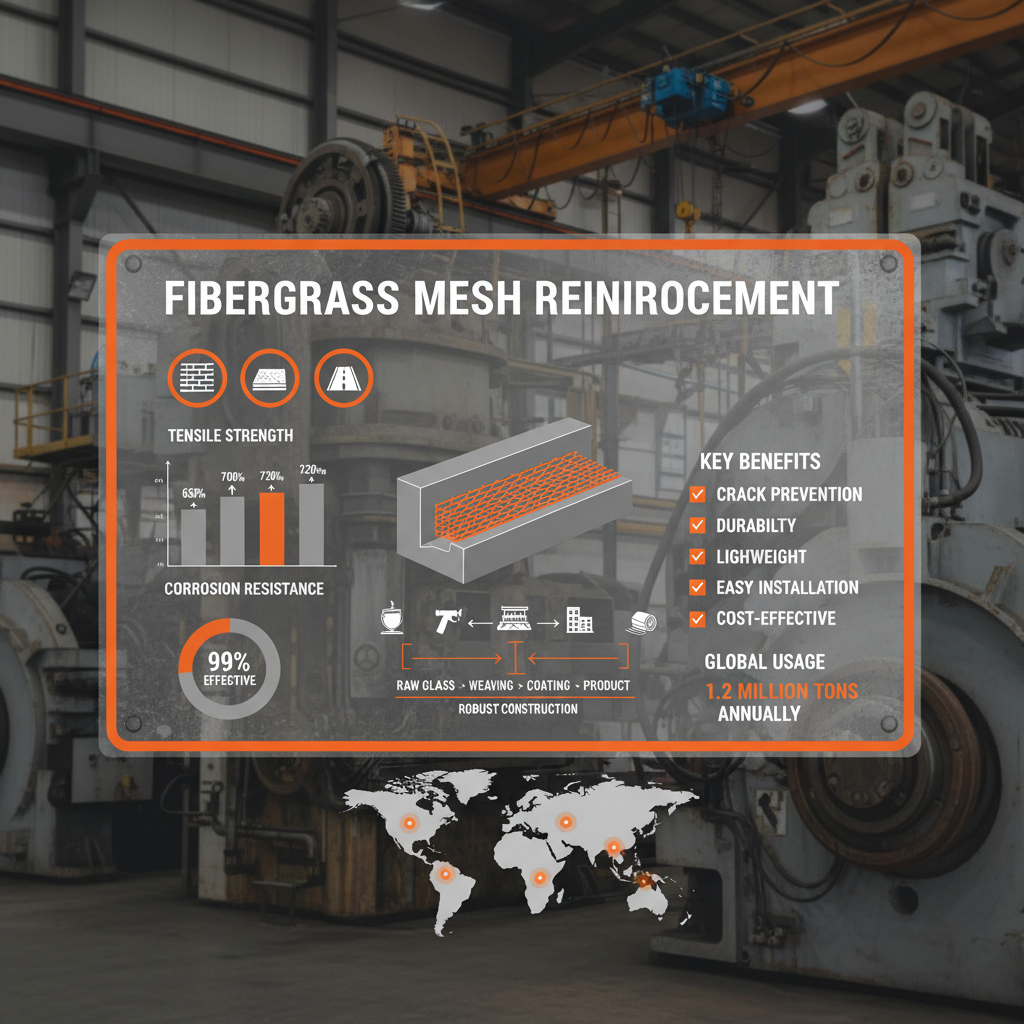
Fiberglass Mesh Reinforcement Enhancing Modern Construction and Infrastructure Resilience

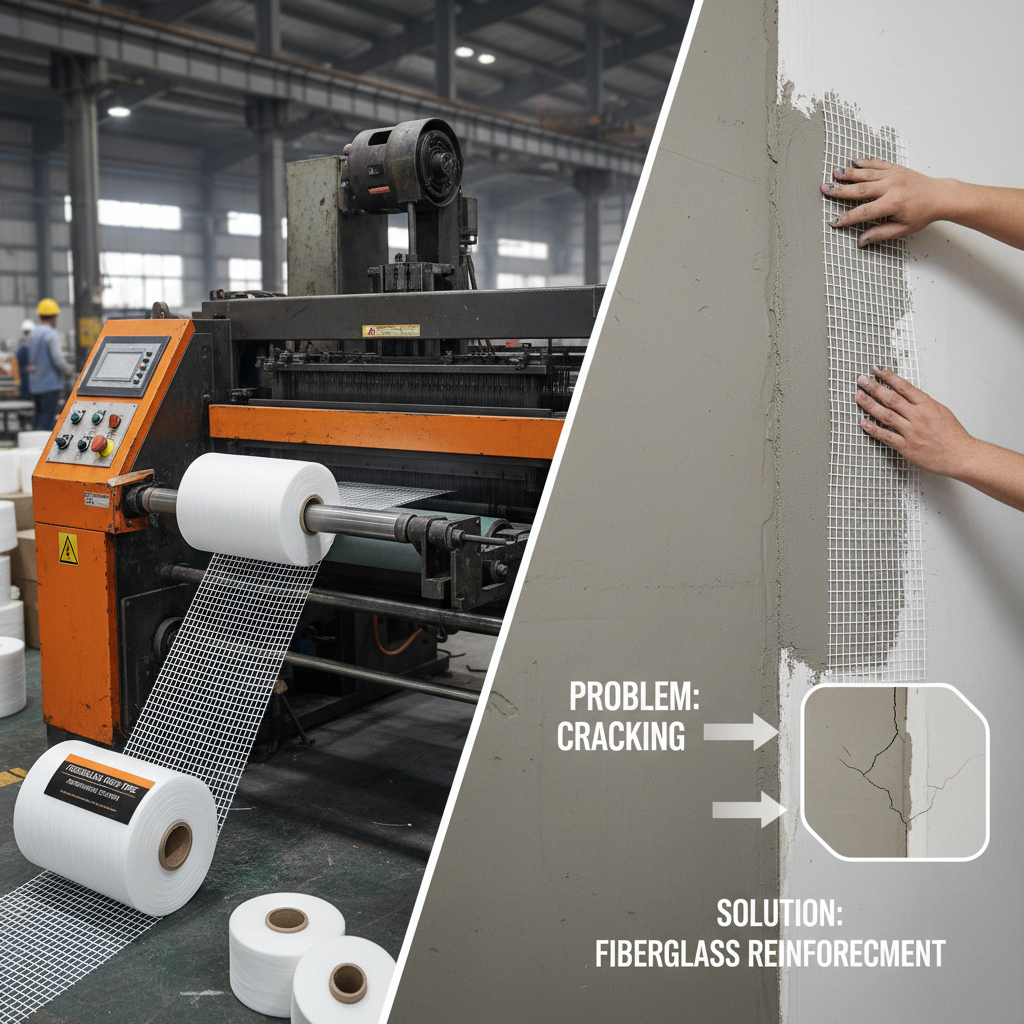
The versatility of fiberglass mesh reinforcement allows it to be integrated into a diverse range of construction applications, from strengthening existing concrete structures to creating entirely new composite materials. This adaptability stems from its unique ability to distribute stress and prevent cracking, ultimately extending the service life of infrastructure. Utilizing fiberglass mesh reinforcement enhances structural integrity and minimizes the need for frequent repairs.

Beyond traditional construction, the use of fiberglass mesh is expanding into specialized areas like marine applications, automotive components, and even artistic sculptures. Its resistance to saltwater corrosion makes it ideal for marine environments, while its lightweight properties contribute to fuel efficiency in automotive designs. The material's inherent design flexibility allows for the creation of complex shapes and intricate structures.

Defining Fiberglass Mesh Reinforcement

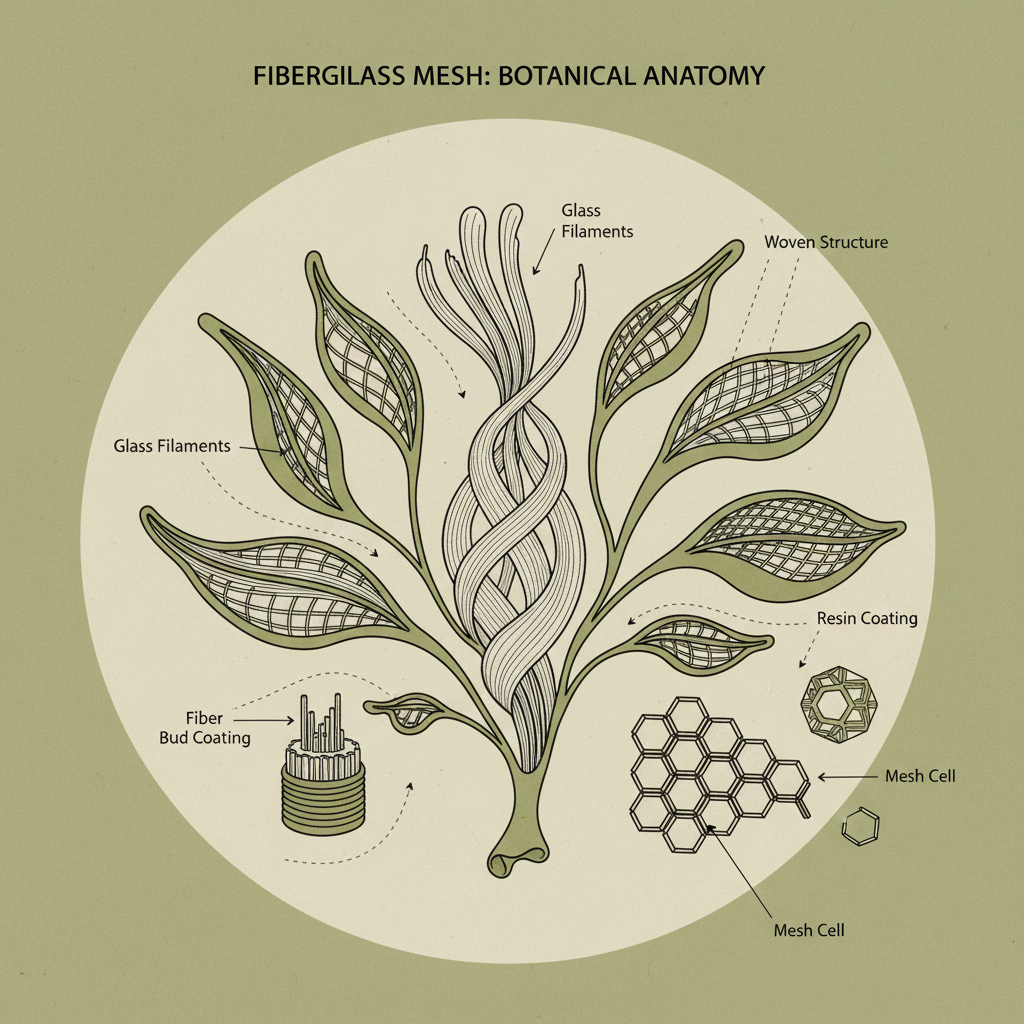
Fiberglass mesh reinforcement, at its core, is a composite material constructed from interlaced glass fibers. These fibers are typically coated with a resin to bind them together and provide resistance to environmental factors. Unlike traditional steel reinforcement, fiberglass does not corrode, making it an excellent choice for structures exposed to harsh conditions. It’s a versatile solution, enhancing concrete, polymers and other composite structures.

The significance of this material extends far beyond simply replacing steel; it addresses critical limitations of conventional reinforcement methods, especially in regions with limited access to steel or where corrosion is a significant concern. Its implementation contributes to more resilient and sustainable building practices.

This innovative material directly responds to the growing need for durable, lightweight, and corrosion-resistant materials in modern infrastructure, aligning with both industrial advancements and humanitarian requirements for safe and reliable shelter, particularly in disaster relief efforts.

Core Components of Fiberglass Mesh Reinforcement

The strength of fiberglass mesh reinforcement comes down to several key components working in synergy. First, the glass fibers themselves provide the tensile strength, resisting stretching forces. These fibers are commonly E-glass, S-glass, or AR-glass, each offering different levels of performance and cost-effectiveness.

The resin matrix, often a polyester, vinyl ester, or epoxy, encases the fibers, protecting them from damage and transferring load between them. The type of resin significantly impacts the material's chemical resistance, temperature tolerance, and overall durability. Finally, a surface coating or sizing is applied to improve compatibility with concrete or other building materials, enhancing adhesion and bond strength.

Understanding the interplay between these components is crucial for selecting the appropriate fiberglass mesh reinforcement for a specific application. The choice of fiber type, resin, and coating all contribute to the overall performance and longevity of the reinforced structure.

Key Performance Indicators of Fiberglass Mesh Reinforcement

Assessing the effectiveness of fiberglass mesh reinforcement requires looking at several critical performance indicators. Tensile strength, the ability to resist stretching, is paramount, dictating the load-bearing capacity of the reinforced material. Another key metric is modulus of elasticity, which measures stiffness and resistance to deformation.

Chemical resistance is vital, particularly in environments exposed to corrosive substances like saltwater or acids. The long-term durability and resistance to UV degradation are also crucial for ensuring a prolonged service life.

Fiberglass Mesh Reinforcement Performance Comparison


Global Applications and Use Cases

Fiberglass mesh reinforcement is experiencing widespread adoption across numerous industries and regions globally. In Europe, it’s frequently used in the restoration of historical buildings, offering a lightweight and non-corrosive solution for strengthening aging structures. In North America, its application in concrete repair and precast concrete elements is rapidly expanding.

In disaster-prone areas of Southeast Asia and the Caribbean, fiberglass mesh reinforcement is increasingly being utilized in the construction of durable and rapidly deployable shelters, offering a safe and resilient housing solution for affected communities. These shelters are particularly valuable as they can withstand extreme weather conditions and require minimal maintenance.

Advantages and Long-Term Value

The benefits of utilizing fiberglass mesh reinforcement extend far beyond initial cost savings. Its inherent resistance to corrosion significantly reduces long-term maintenance expenses, particularly in harsh environments. Its lightweight nature leads to reduced transportation costs and simplifies installation, further contributing to economic advantages.

From a sustainability perspective, fiberglass mesh reinforcement boasts a longer lifespan than traditional steel, reducing the frequency of replacements and minimizing waste. Its use also promotes safer working conditions, as it's lighter and easier to handle than steel reinforcement, reducing the risk of injuries. The increased safety, durability, and reduced life-cycle costs contribute to a significant return on investment.

Future Trends and Innovations

Ongoing research and development efforts are focused on enhancing the performance and sustainability of fiberglass mesh reinforcement. One promising area is the exploration of bio-based resins as alternatives to traditional petroleum-based polymers, reducing the material's environmental footprint. Advanced fiber architectures, such as multi-axial fabrics, are also being developed to optimize strength and stiffness in specific applications.

The integration of digital technologies, like automated fiber placement and real-time monitoring systems, will further improve the precision and efficiency of fiberglass mesh reinforcement application. These innovations align with broader trends in smart construction and the push for more sustainable and resilient infrastructure. Furthermore, the convergence of nanotechnology and materials science holds the potential for creating even stronger and more durable fiberglass mesh composites.

FAQS

What are the primary advantages of fiberglass mesh reinforcement over traditional steel reinforcement?

Fiberglass mesh reinforcement offers significant advantages including corrosion resistance, lighter weight (reducing transportation and installation costs), and non-conductivity, which is beneficial in certain applications. Unlike steel, it doesn’t rust or require protective coatings, leading to lower long-term maintenance expenses and a longer lifespan, especially in challenging environments.

Is fiberglass mesh reinforcement suitable for seismic zones?

Yes, fiberglass mesh reinforcement exhibits excellent tensile strength and flexibility, making it a suitable option for seismic zones. Its ability to distribute stress and absorb energy effectively enhances the structural resilience of buildings and infrastructure in areas prone to earthquakes. It can reduce cracking and improve overall stability during seismic events.

What is the typical lifespan of a structure reinforced with fiberglass mesh?

The lifespan of a structure reinforced with fiberglass mesh depends on various factors, including environmental conditions, the quality of materials used, and proper installation. However, generally, structures reinforced with fiberglass mesh can last significantly longer than those reinforced with steel – often exceeding 75-100 years with minimal maintenance, due to its corrosion-resistant properties.

How does the cost of fiberglass mesh reinforcement compare to steel reinforcement?

While the initial material cost of fiberglass mesh can sometimes be higher than steel, the overall life-cycle cost is often lower. This is due to reduced maintenance needs (no corrosion treatment), lower transportation costs (lighter weight), and faster installation times. A comprehensive cost analysis should consider all these factors.

Is fiberglass mesh reinforcement environmentally friendly?

Fiberglass mesh reinforcement offers several environmental benefits. Its long lifespan reduces the need for frequent replacements, minimizing waste. Its lightweight properties lower transportation emissions. Ongoing research into bio-based resins promises even greater sustainability by reducing reliance on petroleum-based materials.

What are the common applications of fiberglass mesh in construction?

Common applications include concrete repair and strengthening, façade retrofitting, precast concrete elements, bridge deck rehabilitation, construction of rapid deployment shelters, and marine infrastructure. It's also used in the production of lightweight composite materials for various structural components.

Conclusion

Fiberglass mesh reinforcement represents a significant advancement in construction materials, offering a compelling combination of strength, durability, and sustainability. Its inherent resistance to corrosion, lightweight properties, and adaptability to diverse applications make it a valuable asset for addressing global infrastructure challenges and promoting resilient building practices. By embracing this innovative material, we can create structures that are not only safer and more durable but also more environmentally responsible.

Looking ahead, continued research and development will undoubtedly unlock even greater potential for fiberglass mesh reinforcement. From exploring bio-based resins to integrating digital technologies, the future promises exciting innovations that will further enhance its performance and sustainability. We encourage you to explore the possibilities of fiberglass mesh reinforcement for your next project and contribute to a more resilient and sustainable built environment.

William Davis

William Davis

William Davis is the Logistics and Supply Chain Manager for Tainuo Fiberglass Mesh Factory’s US operations. He is responsible for ensuring efficient and timely delivery of our products to customers across North America. With a strong background in international logistics and warehousing, William optimizes our supply chain to minimize costs
Previous The Expanding Applications and Benefits of Reinforced Fiberglass Mesh Materials
Next Fiberglass Reinforcement Mesh Revolutionizing Modern Construction and Infrastructure