Look, I've been running around construction sites for, well, too long to count. And honestly, things are shifting. Everybody's talking about prefabrication, modular builds… and you can’t do any of that seriously without good fiberglass netting mesh. It’s not a glamorous topic, I get it. But it holds everything together, literally. It’s what stops that prefabricated wall panel from cracking when you're moving it, or reinforcing the concrete pour when you're short-handed.
I’ve seen a lot of products come and go. But this stuff? It's becoming essential. Used to be, you’d slap some chicken wire up and call it a day. Now, with the push for lighter, stronger materials, and faster construction, fiberglass netting mesh is just… necessary. It’s not always about the big innovative leaps, you know? Sometimes it’s the little things that actually make a difference on-site.
To be honest, the biggest issue I see is people trying to get too clever with the weave. They think a tighter weave is always better, but it can actually reduce its ability to absorb impact. Have you noticed that? You want flexibility, a little give. I encountered this at a factory in Foshan last time, they’d switched to a super-fine mesh to impress a client, and the whole batch failed the impact test.
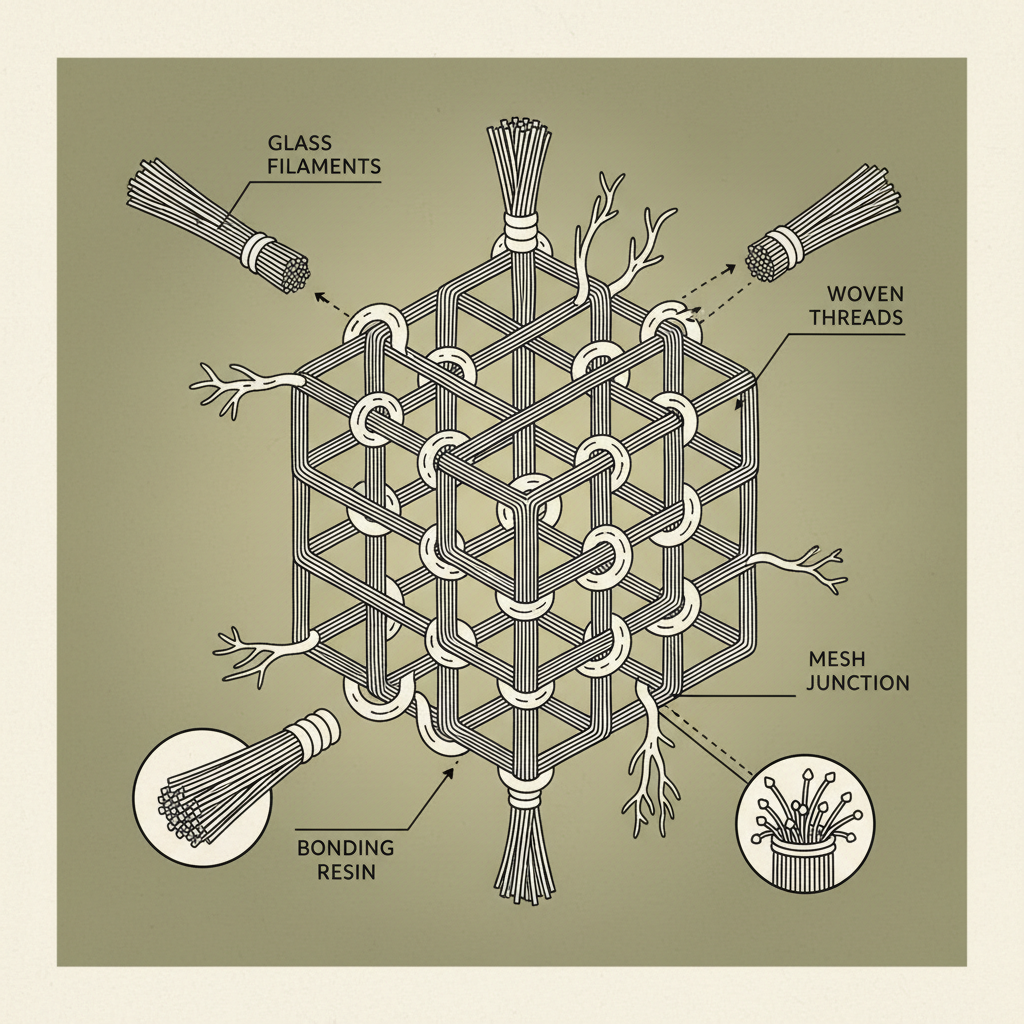
The Changing Landscape of Construction & Fiberglass Netting Mesh

Seriously, the construction industry is in a weird spot. Labor shortages, rising material costs… everyone's looking for ways to build faster and cheaper, without sacrificing quality. That's where fiberglass netting mesh comes in. It's not a headline-grabbing innovation, but it's a workhorse. It’s lightweight, strong, and resists corrosion. You can leave a roll of this stuff out in the rain for a week, and it won’t turn to rust like steel mesh would.
And it’s increasingly used in EIFS systems (Exterior Insulation and Finish Systems). You see it everywhere now on commercial buildings. It’s a shame more residential builders don’t get on board. Anyway, I think the demand is only going to go up.
FAQS
E-glass is the standard, more affordable option used in most construction applications. S-glass is significantly stronger and more durable, but also considerably more expensive. It's typically reserved for applications requiring exceptional performance, like aerospace or high-stress structural components. You'll feel the weight difference immediately - S-glass is noticeably heavier.
Keep it dry and covered! Moisture can weaken the fibers over time. Store it in a cool, dry place, away from direct sunlight. Ideally, you want to keep it rolled up and protected from physical damage. A simple tarp or plastic wrap will do the trick, but don't compress it too much – you want to maintain its shape and integrity.
Generally, yes, but the quality of the coating matters. A good quality resin coating will protect the glass fibers from UV degradation and moisture damage. In extreme climates – like areas with harsh winters or intense sun – you might want to consider a mesh with a specialized coating for added protection. Always check the manufacturer's specifications.
Wear gloves, a dust mask, and eye protection. Cutting fiberglass mesh can release tiny glass fibers into the air, which can irritate your skin, eyes, and lungs. Work in a well-ventilated area. Dispose of scraps properly – don't just leave them lying around. It's not as dangerous as dealing with asbestos, but you still want to be careful.
Fiberglass itself is non-combustible, which means it won’t burn. However, the resin coating may be flammable. Check the manufacturer’s specifications for fire resistance ratings. Some coatings are formulated to be fire retardant, providing an extra layer of protection. Don’t assume it's automatically fireproof – you need to know the specific properties of the product you're using.
Sharp scissors or a utility knife work best. Avoid using a saw, as it will create a lot of dust and fray the fibers. Make clean, straight cuts and try to minimize fraying. A metal straight edge can help guide your knife. And remember to wear your safety gear – gloves, mask, and eye protection!
Conclusion
So, there you have it. Fiberglass netting mesh isn’t the most exciting material in the world, but it’s a critical component in modern construction. It’s strong, durable, lightweight, and versatile. It's becoming increasingly essential for prefabrication, modular builds, and a whole host of other applications.
Ultimately, whether this thing works or not, the worker will know the moment he tightens the screw. And if it holds, you know you’ve got a good product. If you're looking for a reliable supplier, or just want to learn more, visit our website: tainuofiberglassmesh.com
Related Posts
-
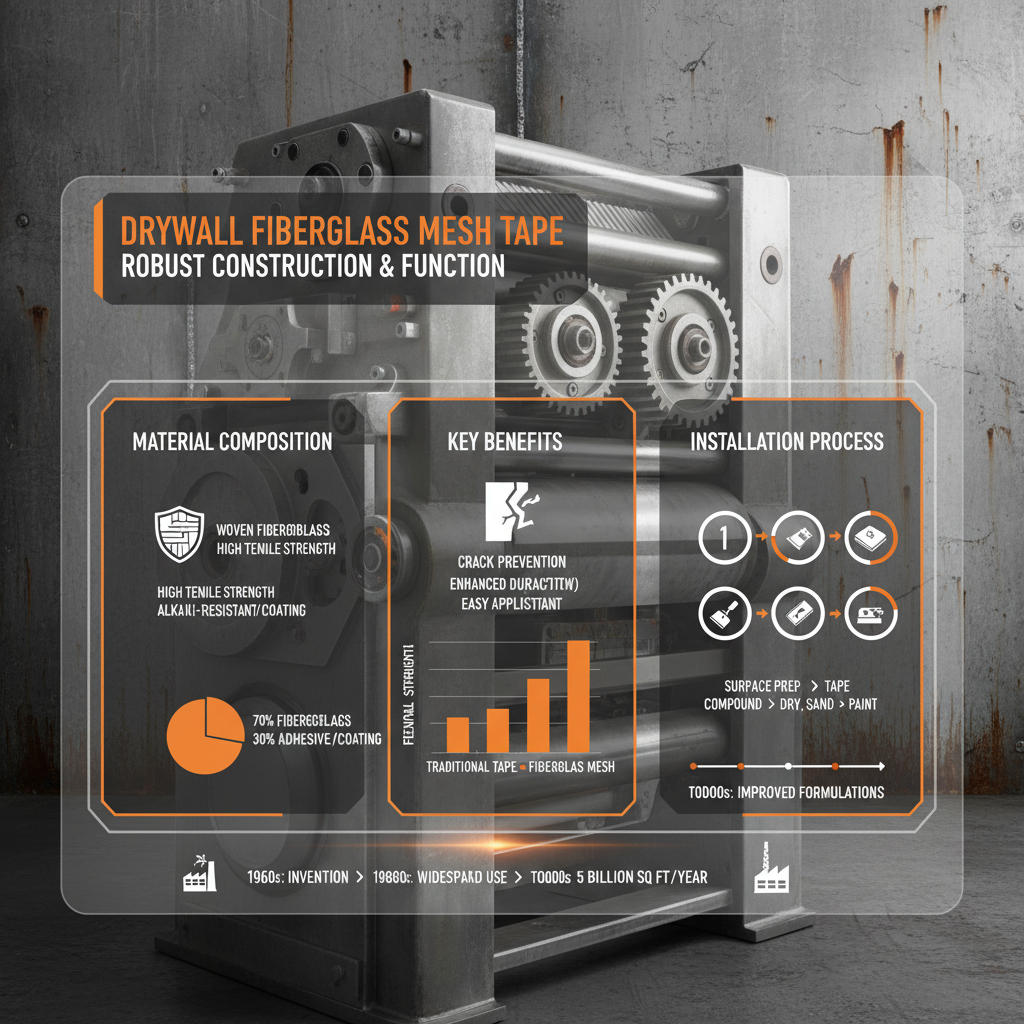
Comprehensive Guide to Drywall Fiberglass Mesh Tape Applications and Benefits
-
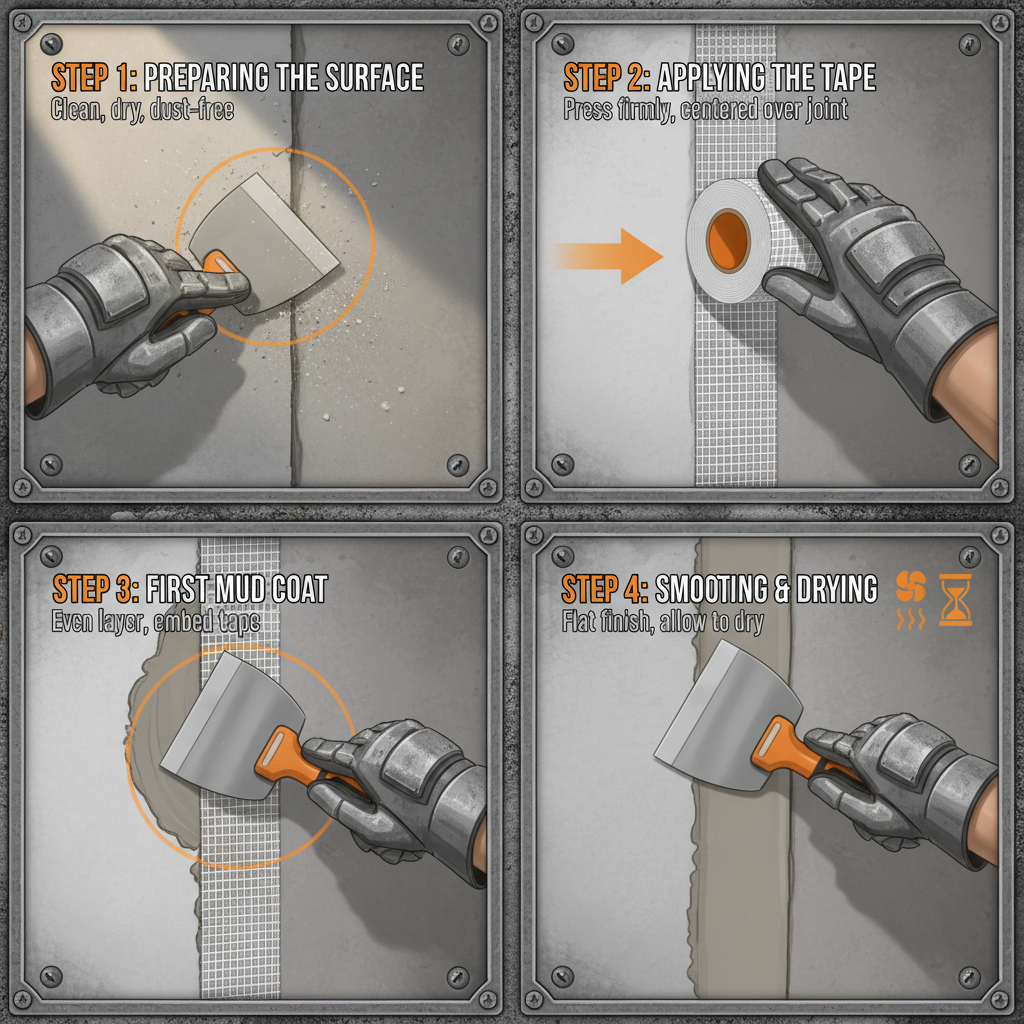
Fiberglass Mesh Drywall Tape A Durable Solution for Modern Construction
-
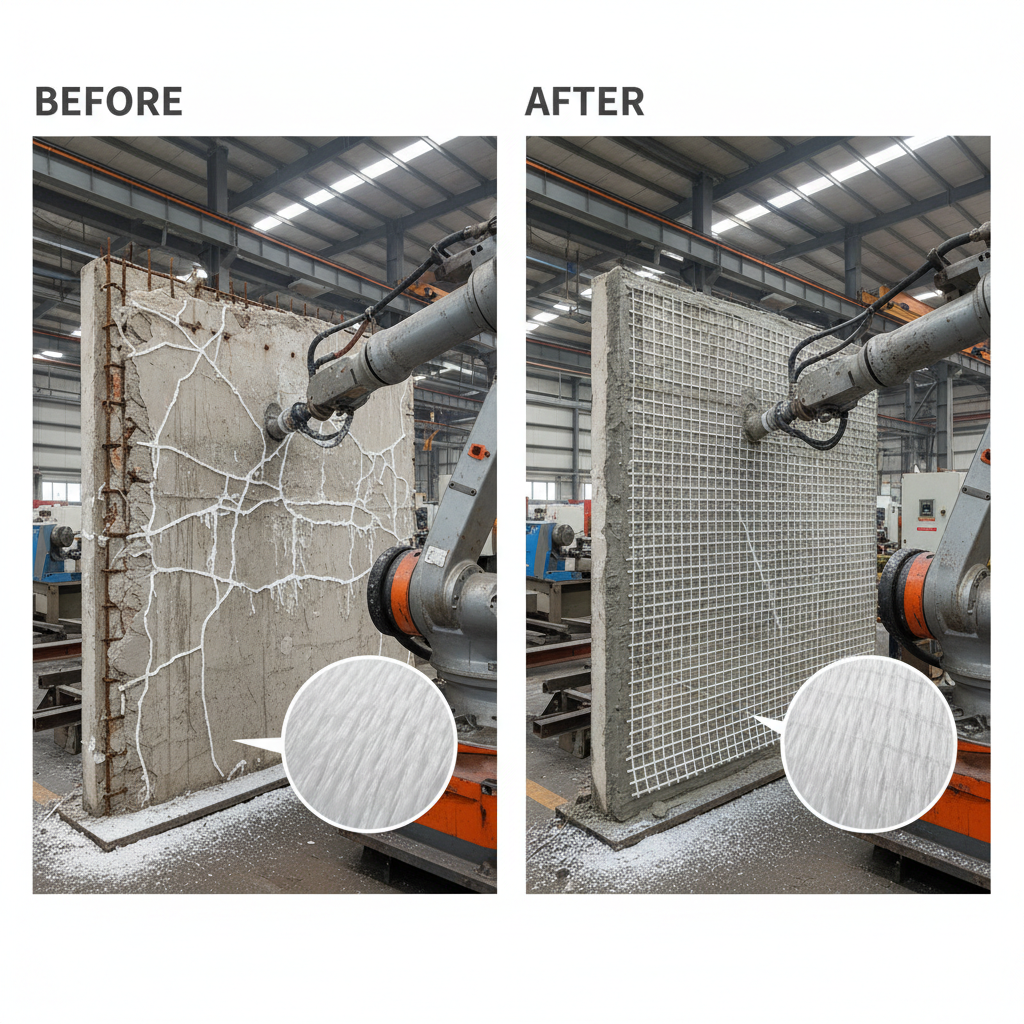
Advancements in White Fiberglass Mesh for Modern Construction Applications
-
Comprehensive Guide to Self Adhesive Fiberglass Mesh Tape Applications and Benefits