Honestly, things are moving fast these days. Everyone's talking about prefabrication, modular construction… but have you noticed, a lot of it just pushes the problems downstream? They solve one issue in the factory, then create two more on-site. It's a headache, let me tell you. And everyone's chasing “lightweight,” which is good, but then they compromise on strength. It's a balancing act, always. I was at a concrete plant last week, and they were bragging about their new polymer additives… smelled like old tires, honestly. But it made the concrete more flexible, apparently. I’m still skeptical.
What gets me is the details. Like, everyone thinks a simple flange is a simple flange. But the angle, the thickness, the material… a seemingly minor change can throw everything off. I encountered this at a factory in Zhejiang Province last time – they skimped on the weld prep, and the whole thing buckled under load. Cost them a fortune in rework. It’s the little things, always the little things. And the designers, bless their hearts, they rarely step foot on a job site. They design for perfection, we build in reality. Big difference.
We primarily work with fiberglass mesh, what people call “plaster net.” But it’s not just mesh. There’s different weave patterns – square, hexagonal, sometimes even diamond. And the glass fiber itself… it's a surprisingly tactile material, you know? Feels almost…brittle, but with a bit of give. Different grades of fiberglass are used for different applications. Cheaper stuff smells a bit like chemicals during handling, the premium stuff, not so much. Then there’s the coating - alkali-resistant coating is crucial. Without that, it degrades quickly when embedded in plaster or concrete. Strangel y, the feel of the coating is a good indicator of its quality. Smooth and consistent is good; rough and flaky, not so good.

Industry Trends and Design Pitfalls
Like I said, prefabrication is huge, but it’s not a silver bullet. Another trend I’m seeing is more demand for sustainable materials. Everyone wants “green,” which is great, but often it comes with a price premium, and frankly, some of the replacements just don’t hold up as well. We tested a bio-based mesh last year, and it started to degrade within six months. The client wasn't happy, to say the least. And you see these architects designing these…organic shapes. Beautiful on paper, a nightmare to build with plaster net. It needs flat surfaces, straight lines. Trying to conform mesh to a freeform curve… forget about it. I tried, believe me.
Then there’s the issue of over-engineering. Sometimes, designers just throw more and more layers of mesh at a problem, thinking more is always better. It's not. It adds cost, weight, and can actually weaken the structure if it's not done correctly. It’s about smart design, not brute force.
FAQS
Honestly, a good pair of heavy-duty scissors or tin snips are your best bet. Trying to use a utility knife is just asking for trouble – it’ll fray and you’ll end up with a mess. And always wear gloves and a mask, the fibers are irritating. Don’t try to get too fancy with it, a straight, clean cut is all you need. We've had guys try power shears, but it just creates way too much dust.
Minimum 50mm overlap, at least. More is better, frankly. You want to ensure there’s a good bond between the sheets. Think of it like roofing – you don’t want any gaps where water can get in. And stagger the seams, don’t just line them up. That creates a weak point. It’s a simple thing, but it makes a big difference.
Not really. It works best with lime-based or gypsum-based plasters. Cement plasters can be too aggressive and degrade the mesh over time. Always check the compatibility of the mesh and the plaster before you start. We’ve seen issues with some of the newer, fast-setting plasters too. It’s best to do a small test patch first.
Keep it dry, keep it out of direct sunlight, and store it flat if possible. Don’t stack too many rolls on top of each other, or you’ll crush the mesh. We had a client who stored a whole shipment outside in the rain… it was a disaster. The coating degraded, the mesh became brittle, and it was all unusable. It’s just common sense, really.
Yes, but it's expensive and requires a large order. We’ve done it for specific projects where mold resistance or UV protection was critical. It involves working directly with the fiberglass manufacturer to develop a custom coating formulation. It's a lot of hassle, but sometimes it’s necessary.
Hexagonal weave generally offers slightly better tensile strength in all directions. Square weave is easier to cut and work with. It depends on the application. For general plastering, square weave is usually fine. For exterior rendering or high-stress applications, hexagonal weave is a better choice. It’s a subtle difference, but it can matter.
Conclusion
So, yeah, plaster net. It’s not glamorous, it’s not exciting, but it’s a fundamental component of a lot of construction projects. It’s about understanding the materials, knowing how they interact, and paying attention to the details. It's a surprisingly nuanced product.
Ultimately, whether this thing works or not, the worker will know the moment he tightens the screw. If the plaster stays put, if the surface doesn't crack, if the building stands strong… that’s when you know you’ve done your job right. And frankly, that’s all that matters. You can find out more at tainuofiberglassmesh.com.
Related Posts
-
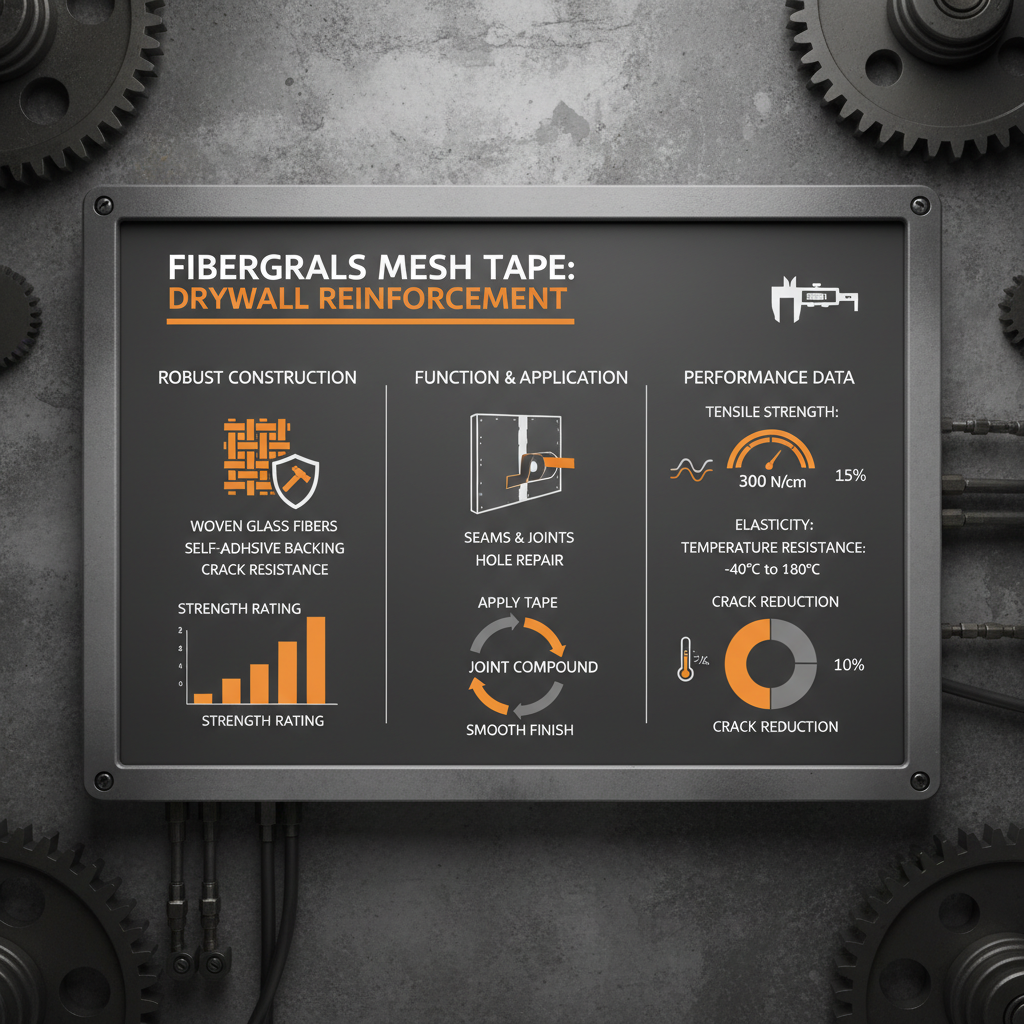
Fiberglass Mesh Tape for Drywall A Comprehensive Guide to Applications and Benefits
-
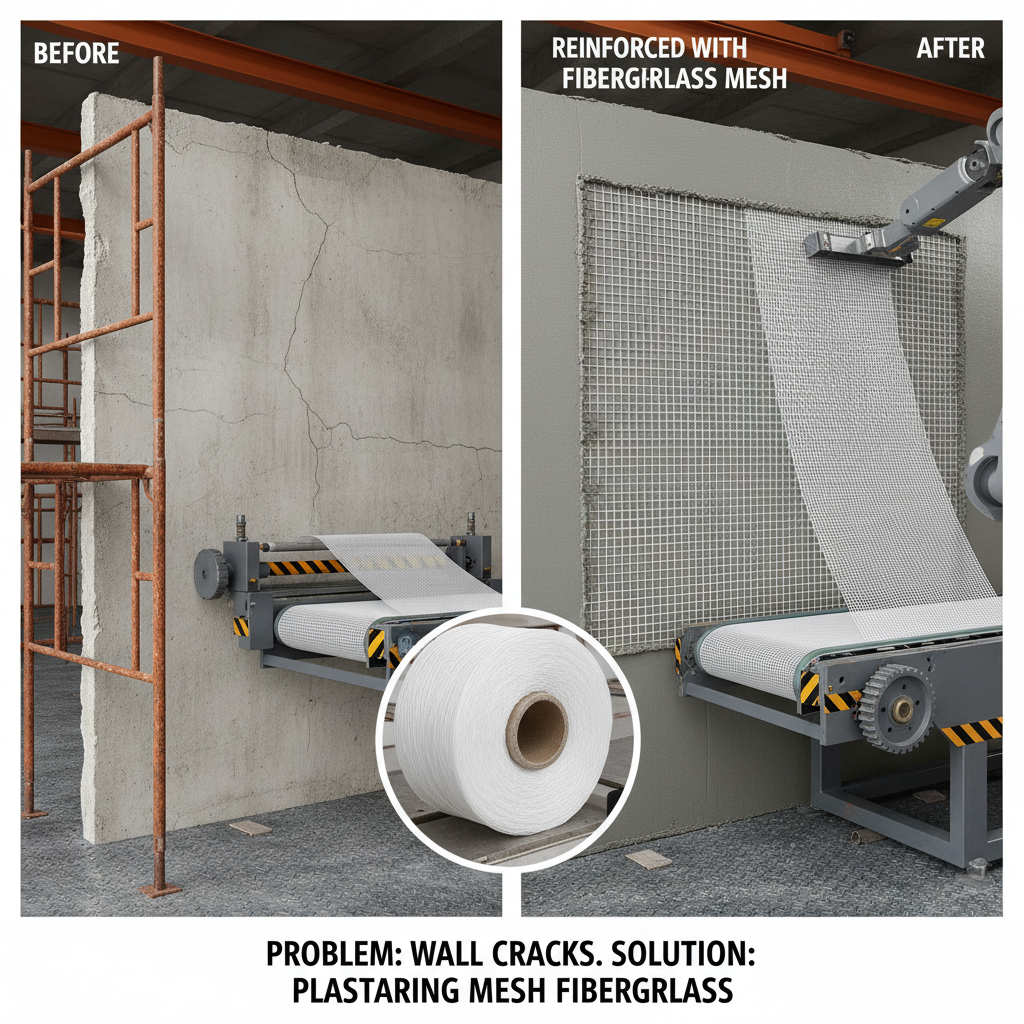
Enhancing Building Durability with High Performance Plastering Mesh Fiberglass
-

The Significance of Fiberglass Joint Mesh Tape in Modern Construction and Repair
-
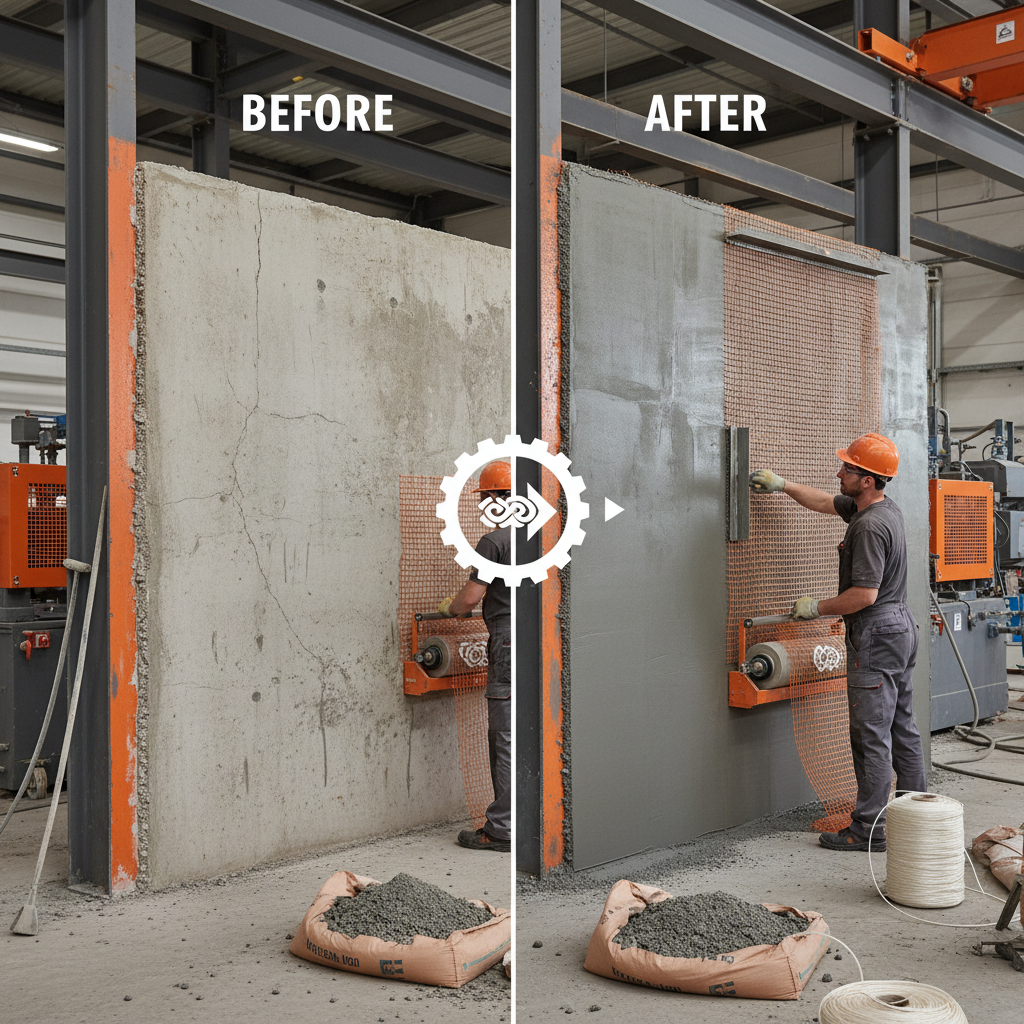
Advanced Fiberglass Mesh Stucco Application for Durable Building Exteriors