The modern construction landscape is undergoing a significant transformation, driven by the need for materials that offer both extreme durability and lightweight efficiency. At the heart of this evolution is the fiberglass mesh factory, which specializes in producing high-strength reinforcements that prevent cracking and structural failure in cementitious applications. By integrating advanced alkali-resistant glass fibers, these facilities provide the essential backbone for EIFS, stucco, and concrete reinforcement globally.
Understanding the operational standards of a professional fiberglass mesh factory is crucial for architects, contractors, and developers who aim to extend the lifecycle of their buildings. The ability to maintain consistent mesh density and coating quality directly impacts the tensile strength of the finished wall, meaning the choice of manufacturer is not just a procurement decision, but a structural safety decision.
From the production of specialized Corner Bead With Fiberglass Mesh to high-performance Fiberglass Mesh Tape, the output of a dedicated fiberglass mesh factory ensures that modern infrastructure can withstand seismic shifts and thermal expansion. This guide explores the technical nuances, global applications, and innovative trends that define the current state of fiberglass reinforcement manufacturing.
Global Relevance of the Fiberglass Mesh Factory
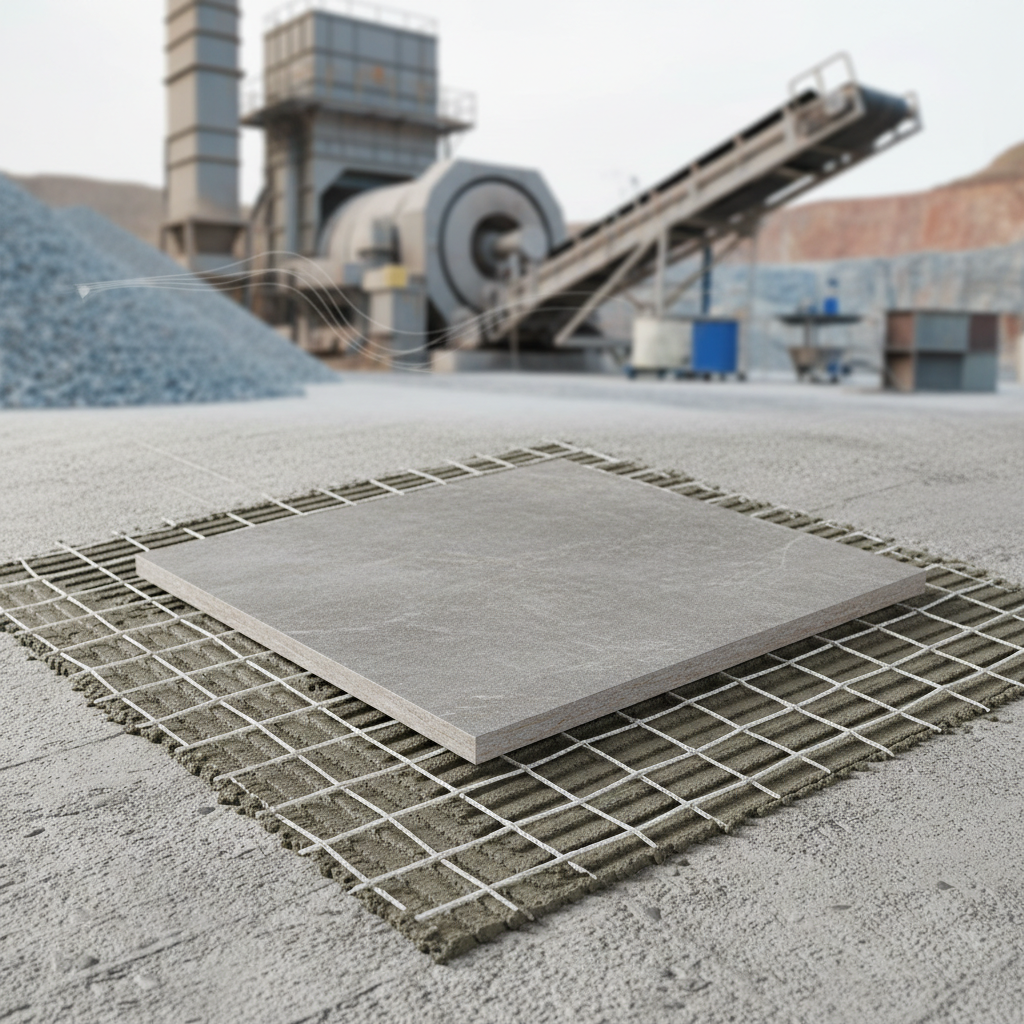
The global demand for infrastructure resilience has placed the fiberglass mesh factory at the center of urban development strategies. As cities expand in seismically active zones or regions with extreme temperature fluctuations, the reliance on alkali-resistant (AR) fiberglass mesh has surged. According to international building standards and ISO certifications, the integration of reinforced mesh in exterior insulation systems (EIFS) significantly reduces the risk of surface cracking and delamination.
Beyond simple construction, these factories address the critical challenge of material waste and carbon footprints. By producing lightweight alternatives to traditional steel mesh, a fiberglass mesh factory helps reduce the overall dead load of buildings, which in turn lowers the energy required for structural support and transportation.
Core Technical Components of Mesh Production
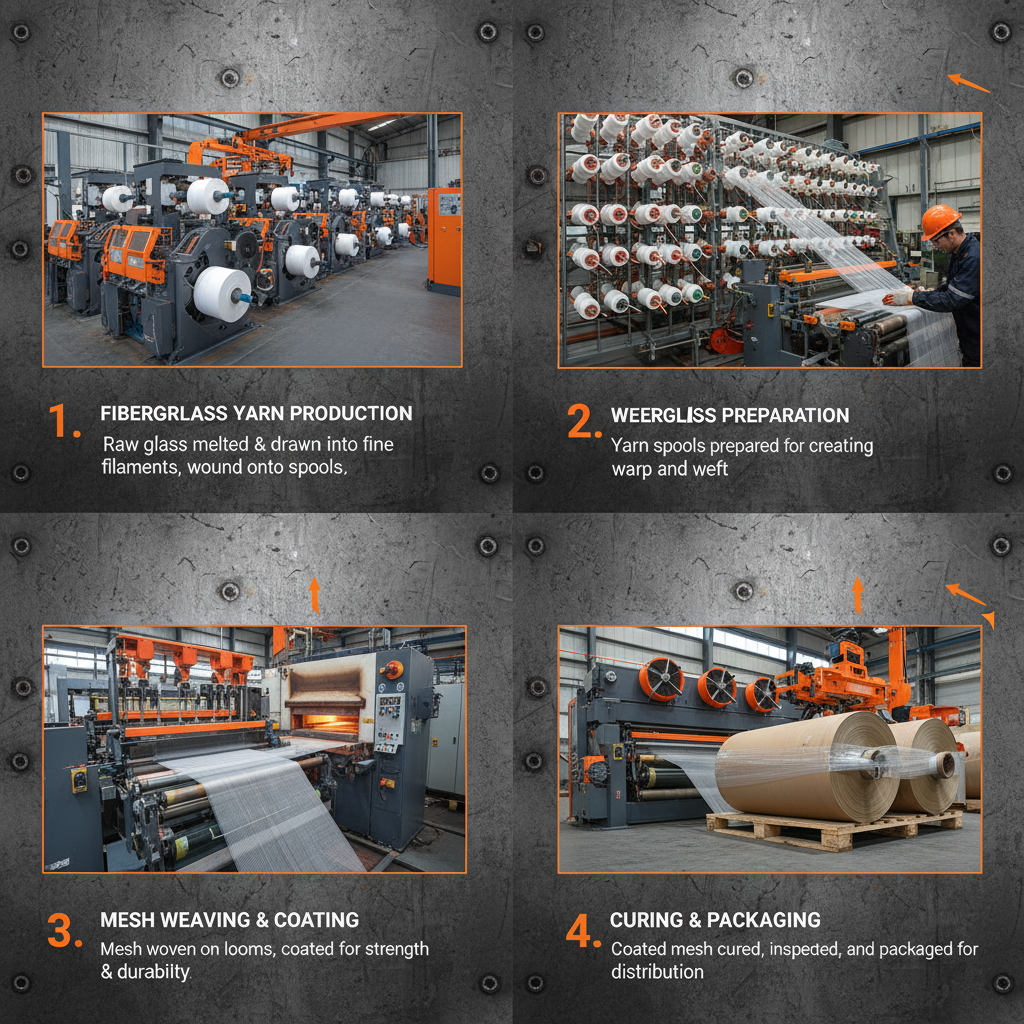
A high-tier fiberglass mesh factory relies on several critical pillars to ensure product integrity. First is the chemical composition of the glass yarn; using Zirconia-based alkali-resistant glass is non-negotiable for products intended for cement contact, as it prevents the alkaline environment of concrete from eroding the fibers over time.
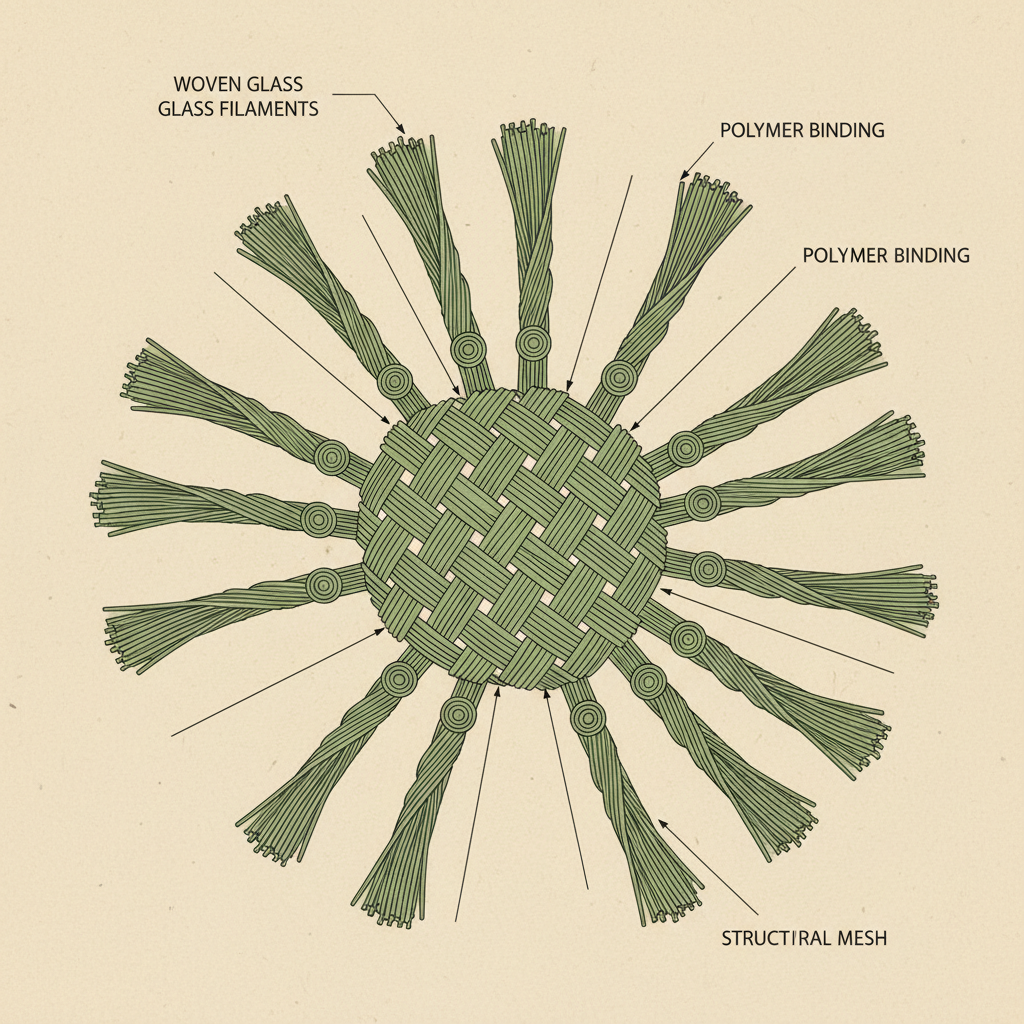
Secondly, the weaving process must be precision-controlled. The interlacing of warp and weft yarns determines the mesh's openness and strength. A factory that employs automated looms can guarantee a consistent square or rectangular aperture, ensuring that the adhesive or mortar can fully penetrate the mesh for a mechanical bond.
Finally, the coating process—typically utilizing a specialized polymer—protects the fibers during handling and enhances the bond between the mesh and the substrate. This synergy of material science and mechanical engineering allows a fiberglass mesh factory to produce specialized items like Fiberglass Yarn and Fiberglass Mesh Tape that meet stringent commercial specs.
Defining Quality Standards in Fiberglass Manufacturing
Establishing a gold standard within a fiberglass mesh factory involves rigorous testing of tensile strength and alkaline resistance. The primary goal is to ensure that the mesh does not degrade when embedded in a high-pH environment, which is the most common cause of failure in low-quality reinforcements.
Quality control in a fiberglass mesh factory often utilizes the "accelerated aging test," where samples are submerged in alkaline solutions to simulate decades of wear. This ensures that the Fiberglass Mesh produced can maintain its structural integrity for the entire lifespan of the building, providing peace of mind to engineers and homeowners alike.
Moreover, the consistency of the weight (measured in g/m²) is a key indicator of factory precision. Whether producing heavy-duty mesh for industrial floors or lightweight tape for drywall joints, a professional fiberglass mesh factory maintains tight tolerances to prevent "weak spots" that could lead to localized failures.
Operational Efficiency and Scalability Metrics
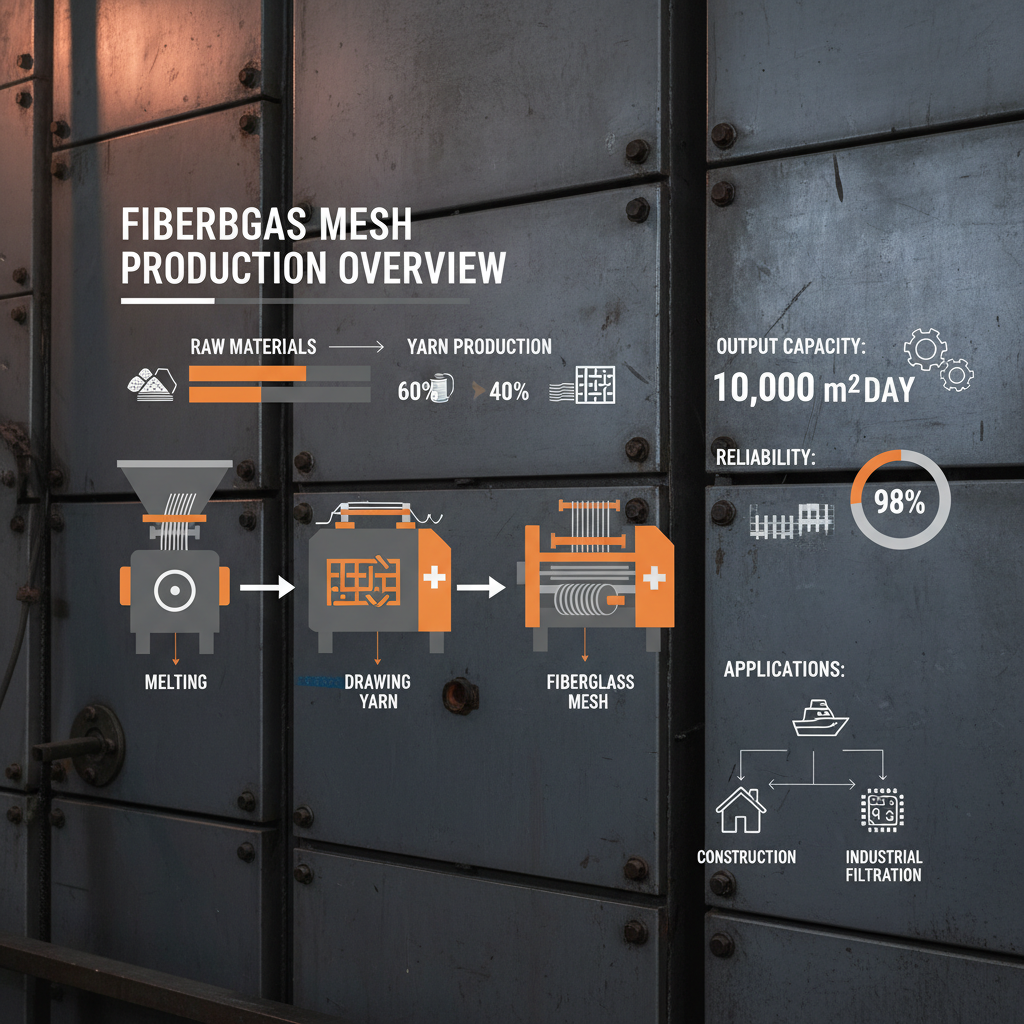
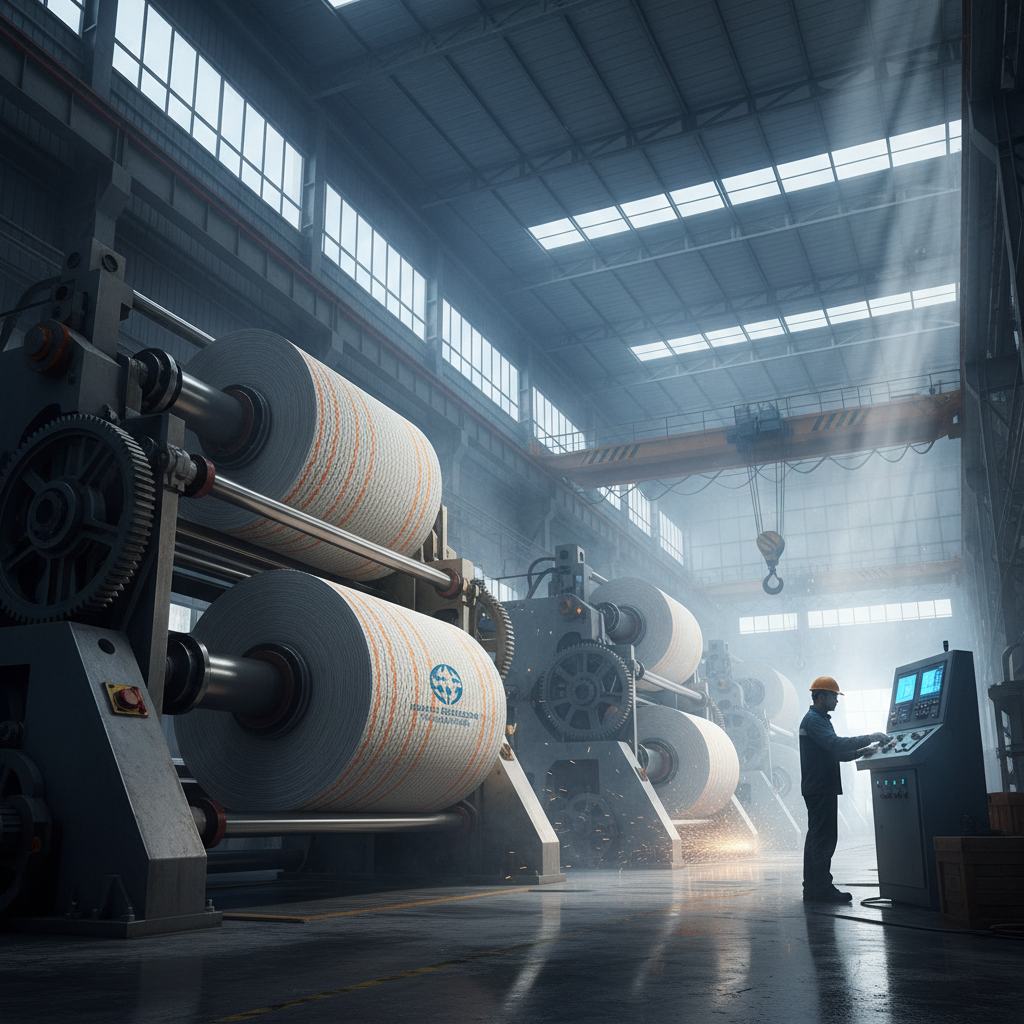
To remain competitive, a fiberglass mesh factory must balance high-volume output with bespoke customization. Scalability is achieved through the implementation of modular weaving lines that can quickly switch between producing wide-roll mesh and narrow Fiberglass Mesh Tape, allowing the factory to respond to fluctuating market demands without significant downtime.
Efficiency is further optimized through the integration of ERP systems that track raw glass fiber consumption and waste. By minimizing the scrap rate of Fiberglass Yarn during the warping process, a factory can lower its unit cost while maintaining the high quality required for export to international markets.
Fiberglass Mesh Factory Performance Analysis
Global Applications Across Diverse Industries
The versatility of a fiberglass mesh factory extends far beyond residential housing. In the industrial sector, reinforced mesh is used in the construction of chemical storage tanks and wastewater treatment plants, where corrosion resistance is paramount. The inorganic nature of fiberglass makes it an ideal reinforcement for environments where steel would oxidize and fail.
Furthermore, in the realm of sustainable urbanism, these products are vital for the implementation of "green walls" and rooftop gardens. By providing the necessary structural tension to support vertical planting systems, the output of a fiberglass mesh factory enables cities to integrate nature into high-density concrete environments, reducing the urban heat island effect.
Long-term Value and Sustainability Benefits
Investing in products from a reputable fiberglass mesh factory offers profound long-term economic value. By preventing hairline cracks from evolving into structural fissures, these materials drastically reduce the maintenance costs of public infrastructure. The durability of Corner Bead With Fiberglass Mesh ensures that building edges remain crisp and intact, avoiding the costly repetitive repairs common in non-reinforced plasterwork.
From a sustainability perspective, the longevity of the materials reduces the need for premature demolition and reconstruction. When a building lasts 50 years instead of 30 due to superior reinforcement, the total lifecycle carbon emission is significantly lowered.
Moreover, the shift toward eco-friendly resins in the coating process is making the fiberglass mesh factory more aligned with green building certifications like LEED. This transition ensures that while the material provides industrial-grade strength, it does not compromise the indoor air quality or environmental health of the site.
Future Innovations in Fiberglass Reinforcement
The future of the fiberglass mesh factory is being shaped by the digital transformation of the textile industry. Industry 4.0 integration, including AI-driven quality monitoring, allows factories to detect weaving defects in real-time, eliminating human error and ensuring that every meter of Fiberglass Mesh is flawless.
We are also seeing the emergence of "smart mesh" materials. Researchers are exploring the integration of conductive fibers into the mesh, which could allow a fiberglass mesh factory to produce reinforcements that can monitor the structural health of a wall by detecting stress levels through electrical impedance changes.
Finally, the push for circular economy principles is leading to the development of recyclable glass fibers. This innovation ensures that at the end of a building's life, the reinforcement materials can be recovered and repurposed, closing the loop in the manufacturing process.
Comparative Analysis of Reinforcement Technologies from a Fiberglass Mesh Factory
| Material Type |
Alkali Resistance |
Tensile Strength |
Installation Speed |
| Standard AR-Mesh |
High (9/10) |
Medium (7/10) |
Very Fast |
| Heavy Duty Mesh |
High (9/10) |
High (9/10) |
Moderate |
| Fiberglass Tape |
Medium (7/10) |
Medium (6/10) |
Instant |
| Corner Bead Mesh |
High (9/10) |
High (8/10) |
Fast |
| Industrial Yarn |
High (10/10) |
Extreme (10/10) |
Slow (Custom) |
| Eco-Reinforcement |
Medium (8/10) |
Medium (7/10) |
Fast |
FAQS
A professional factory achieves alkali resistance by adding Zirconium Dioxide (ZrO2) to the glass melt during the fiber drawing process. This chemical modification prevents the alkaline components of cement and mortar from breaking down the glass structure, ensuring that the mesh maintains its tensile strength over the long term.
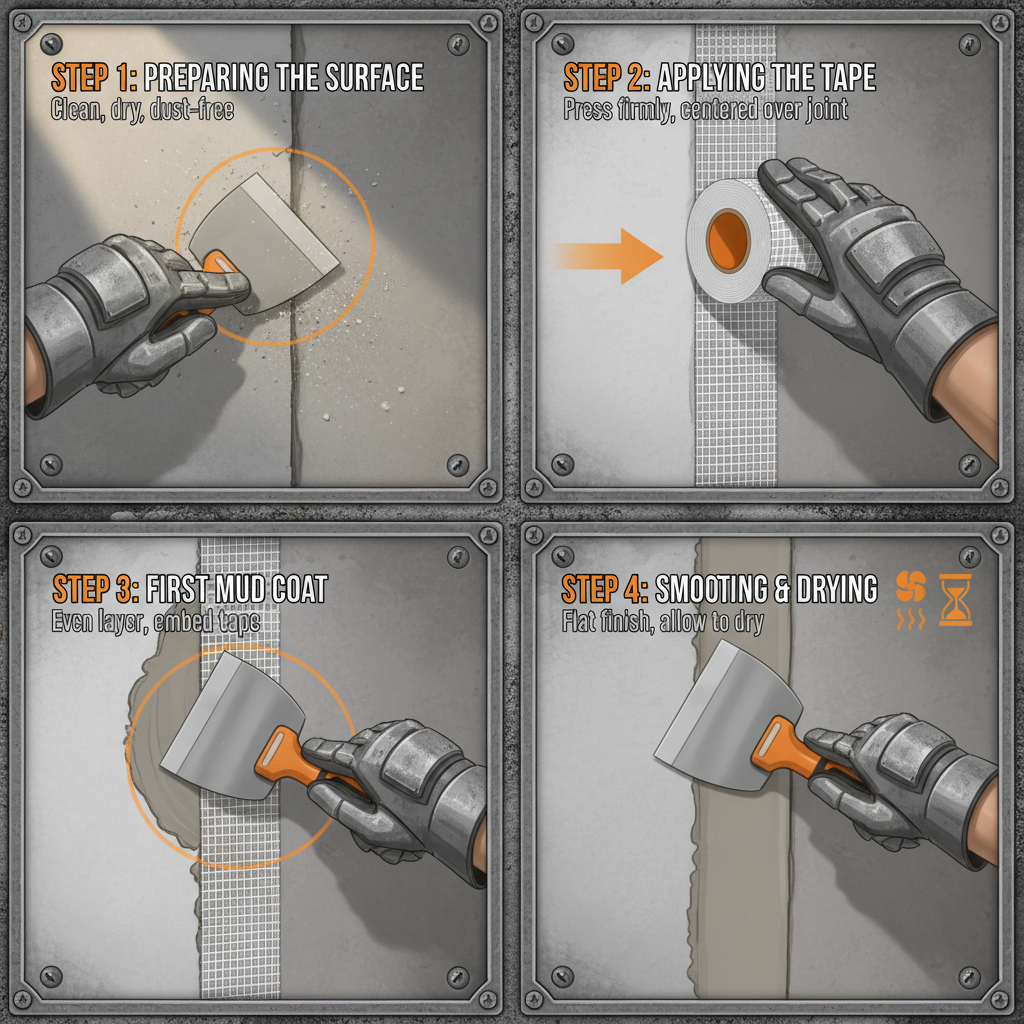
While both originate from a fiberglass mesh factory, mesh is typically used as a broad-surface reinforcement for EIFS or concrete walls to prevent large-scale cracking. Tape is a narrow, concentrated strip designed specifically for joint reinforcement in drywall and plaster, preventing cracks at the seams where two panels meet.
Yes, a full-service fiberglass mesh factory can adjust the warp and weft density (count) and the weight of the glass yarn to meet specific engineering requirements. Customization options typically include varying the aperture size and the type of polymer coating used for specific environmental conditions.
Absolutely. It is significantly lighter than steel, which reduces transportation emissions. Furthermore, it does not rust, eliminating the need for toxic anti-corrosion coatings and preventing the "spalling" of concrete caused by rusting steel rebar, thereby extending the building's overall lifespan.
Look for ISO 9001 certification and specific test reports for alkali resistance (ASTM or EN standards). A reputable factory will provide technical data sheets (TDS) specifying the weight (g/m²), tensile strength, and the percentage of Zirconia in the glass fibers.
When produced by a quality fiberglass mesh factory using AR-glass, the mesh is designed to last as long as the structure itself. In most commercial applications, it remains effective for 30 to 50 years, provided the chemical composition of the glass was correctly formulated for alkaline environments.
Conclusion
In summary, the role of a fiberglass mesh factory extends far beyond simple manufacturing; it is the provider of structural security for modern architecture. By mastering the chemistry of alkali resistance and the precision of industrial weaving, these factories enable the creation of buildings that are not only stronger and more durable but also more sustainable. From the smallest strip of Fiberglass Mesh Tape to massive rolls of industrial reinforcement, the quality of these materials determines the resilience of our urban environments.
Looking forward, the integration of smart materials and circular economy practices will likely redefine the industry. For developers and contractors, the key to long-term success lies in partnering with a manufacturer that prioritizes rigorous quality control and technological innovation. We invite you to explore the highest standards of reinforcement technology by visiting our website: www.tainuofiberglassmesh.com.