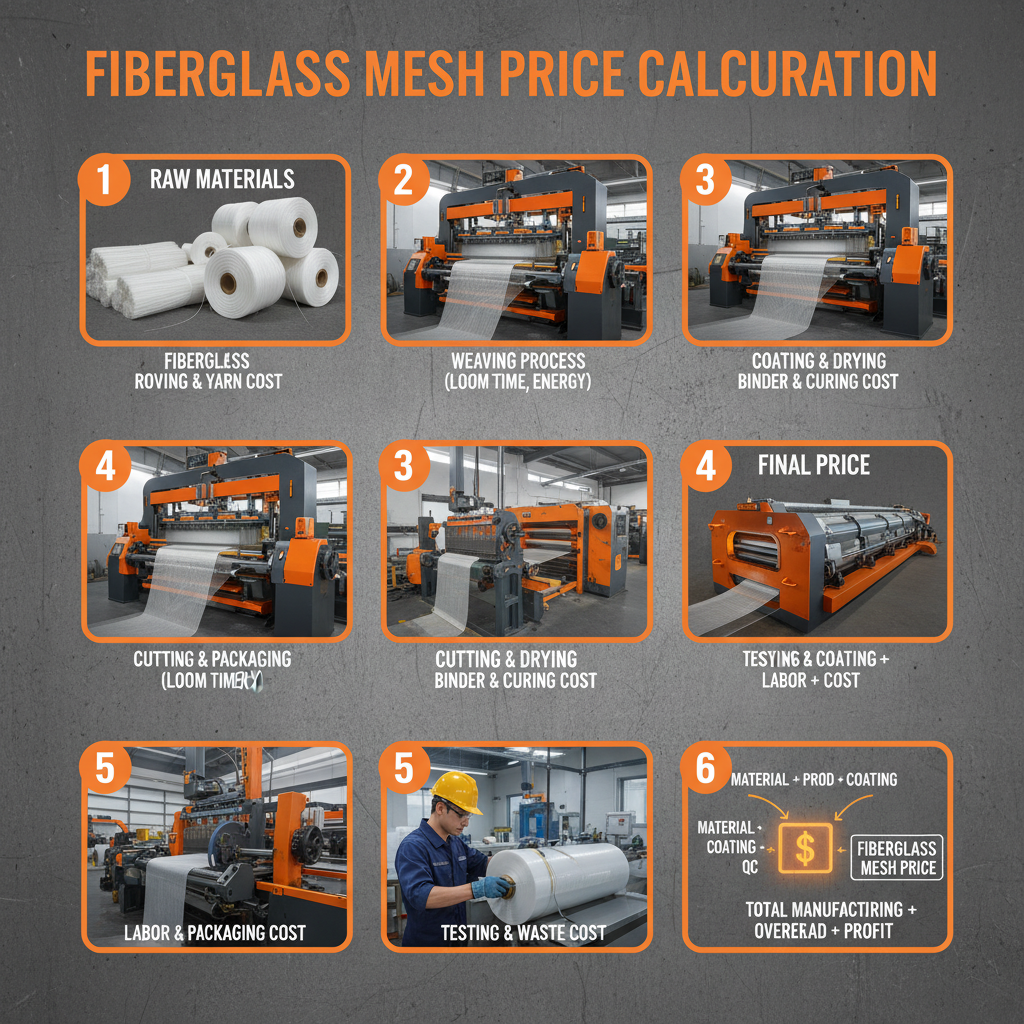
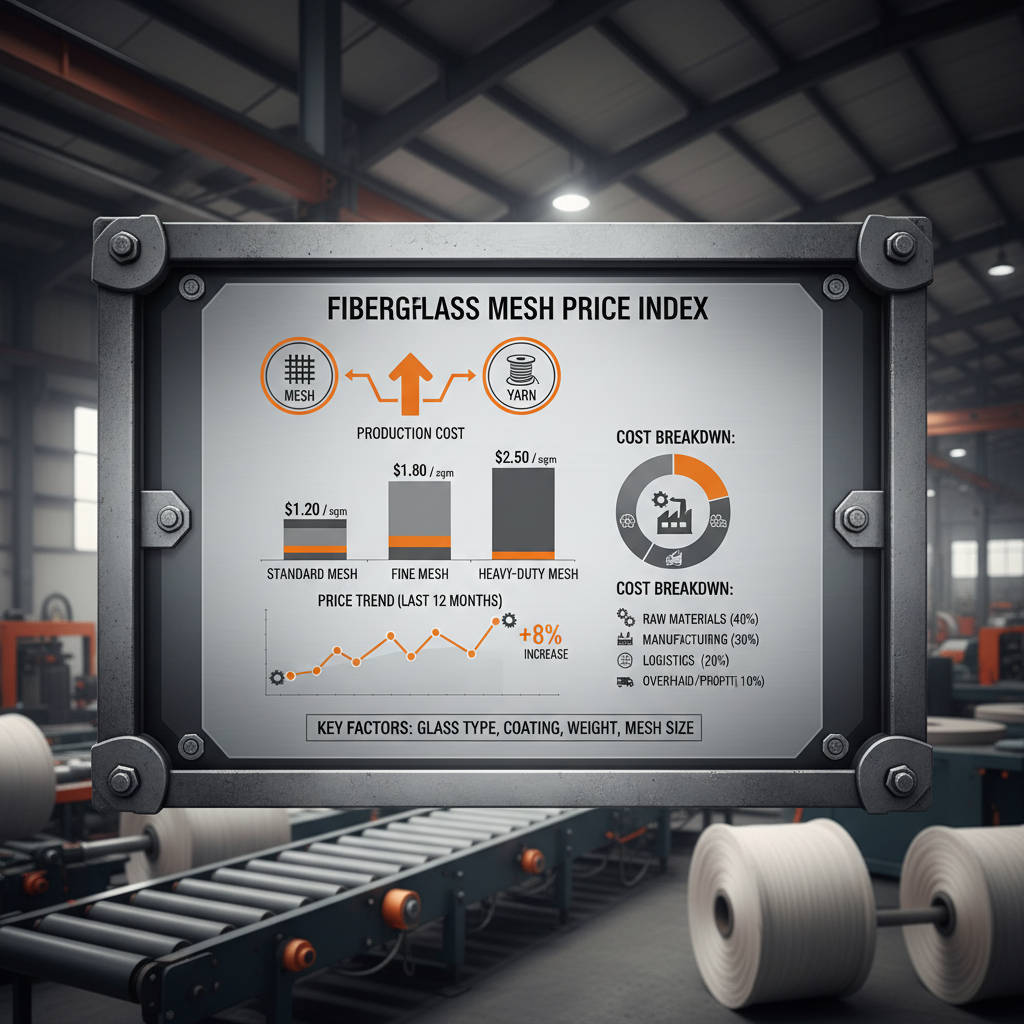
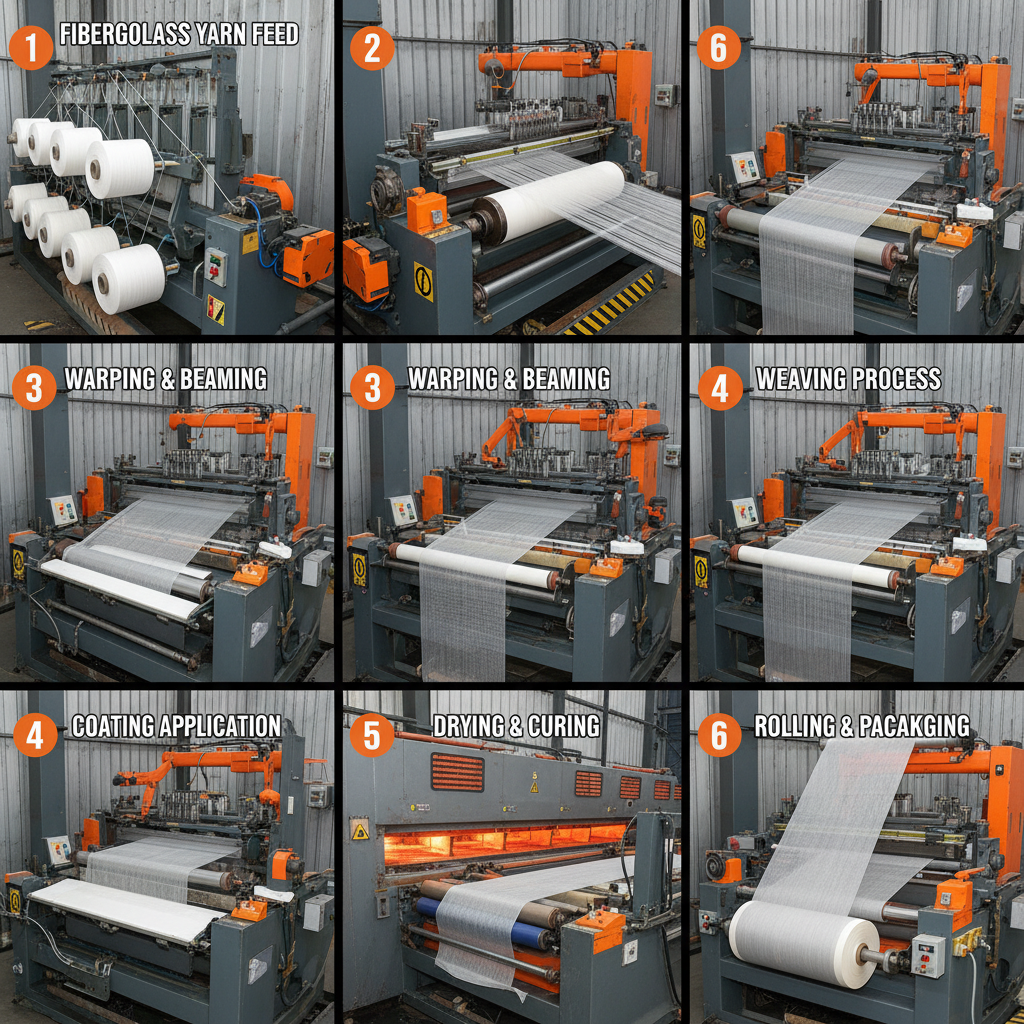
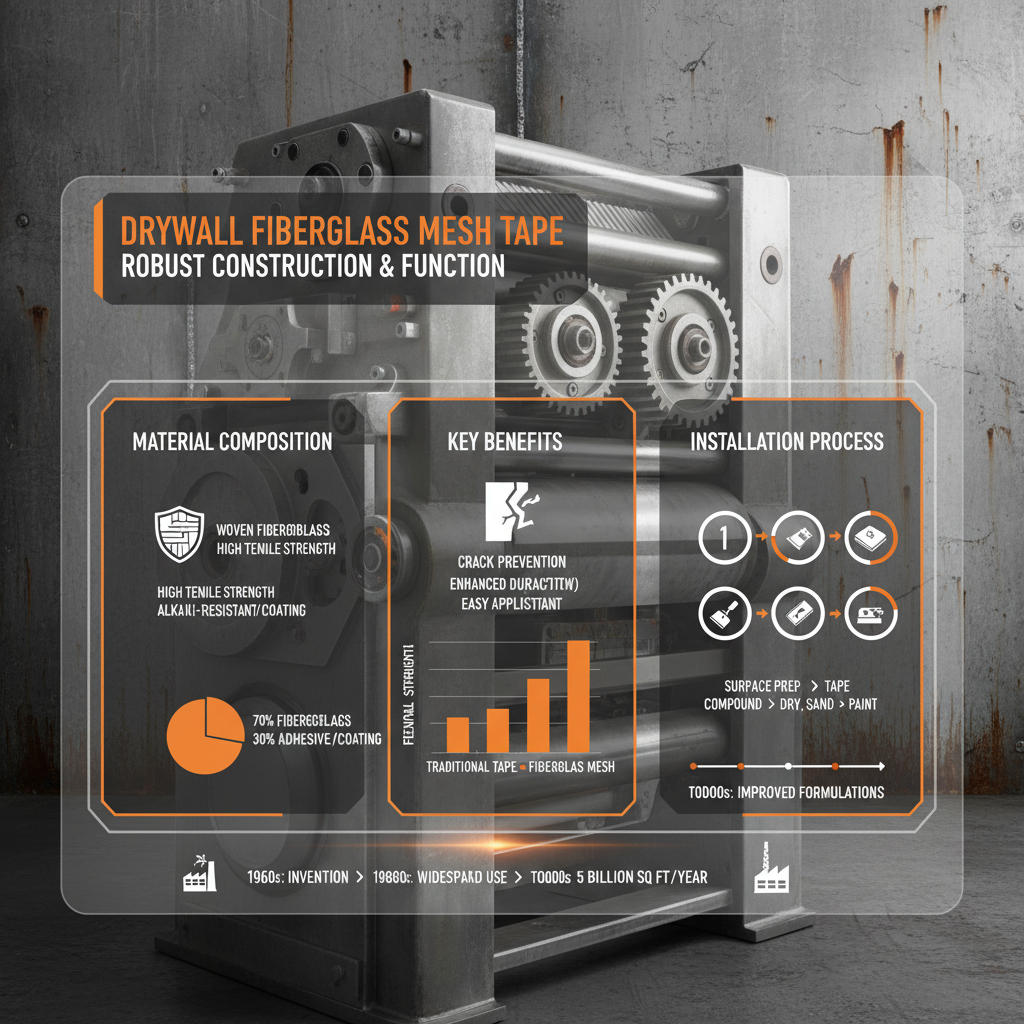
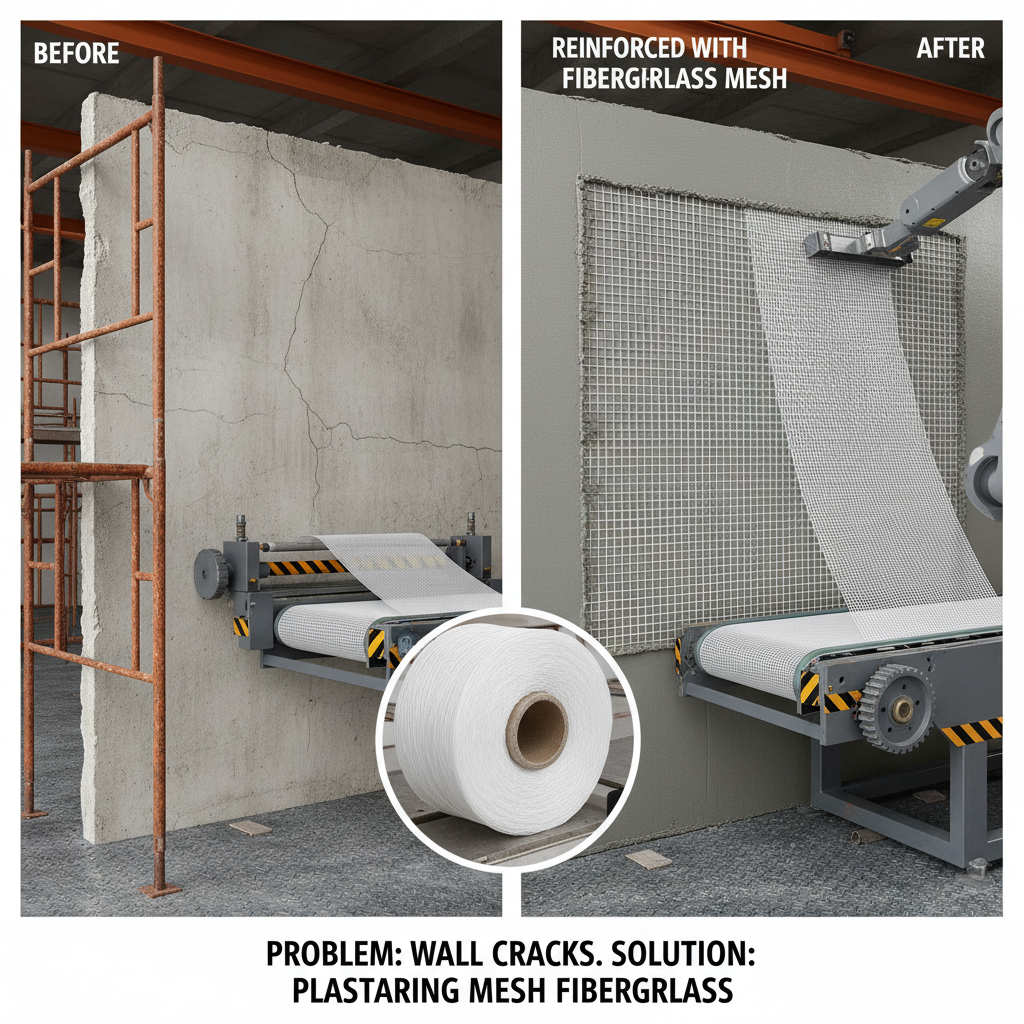
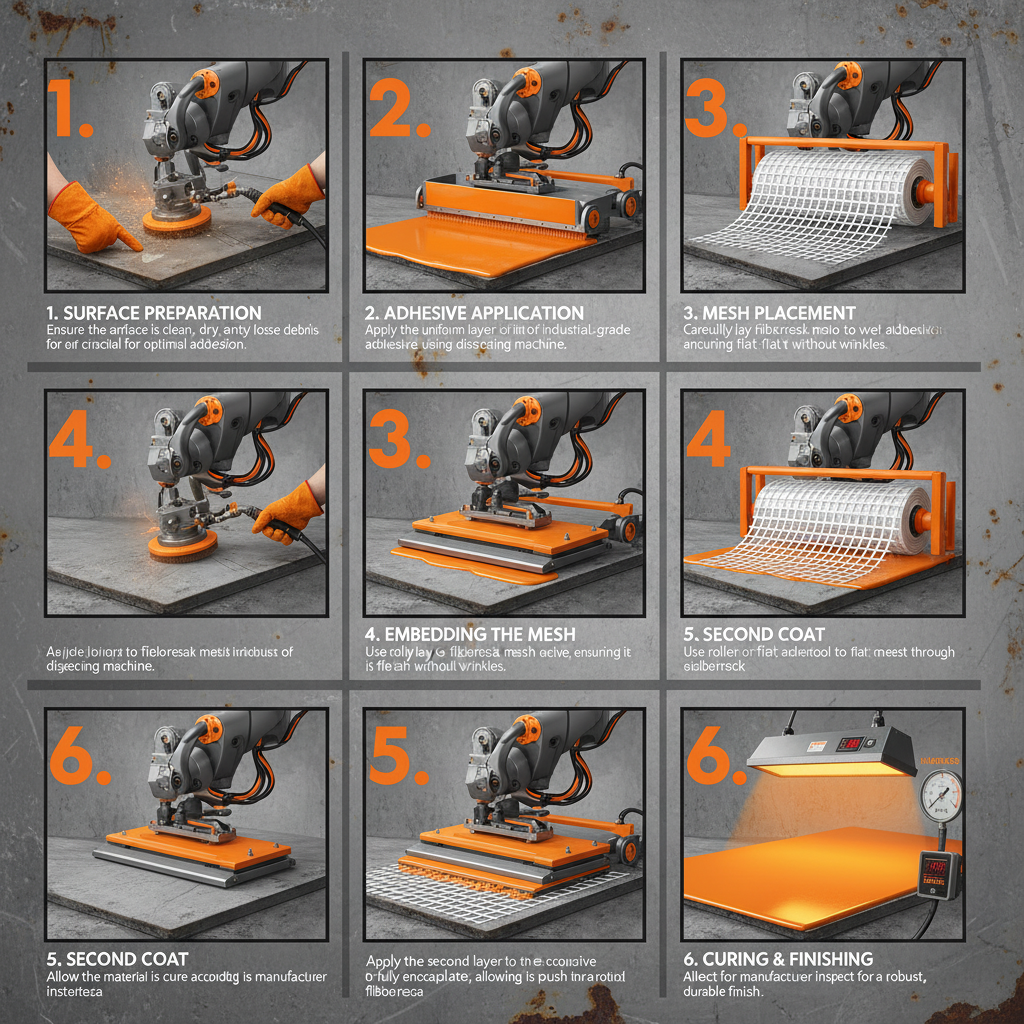
Understanding the dynamics of fiberglass mesh price is essential for construction professionals and procurement managers seeking to balance structural integrity with project budgets. As the global demand for reinforced building materials grows, the cost of these meshes is influenced by a complex interplay of raw material availability, manufacturing precision, and logistical efficiency.
In the current market, the fiberglass mesh price fluctuates based on the quality of the alkali-resistant coating and the density of the glass fiber weave. These technical specifications directly impact the product's ability to prevent cracks in EIFS (Exterior Insulation and Finish Systems) and cementitious renders, making the price a reflection of long-term durability.
Ultimately, navigating the fiberglass mesh price requires an educational approach to material science, ensuring that buyers do not sacrifice safety for low cost. By analyzing the cost-to-performance ratio, stakeholders can make informed decisions that enhance the lifespan of modern architectural structures.
Global Market Dynamics of Fiberglass Mesh Price
The global fiberglass mesh price is heavily dictated by the supply chain of E-glass and the cost of chemical coatings. According to industry trends aligned with ISO standards for construction materials, the shift toward sustainable urban development in Asia and North America has led to an increased demand for alkali-resistant (AR) meshes, which typically command a premium price due to the zirconia-based coatings required to prevent degradation in alkaline cement environments.
Furthermore, geopolitical shifts and energy costs in manufacturing hubs significantly impact the final fiberglass mesh price. As energy-intensive processes are required to melt glass and weave the mesh, fluctuations in natural gas and electricity prices are passed down to the end-user, necessitating a strategic approach to bulk procurement and long-term supplier contracts.
Technical Specifications Influencing Cost
One of the primary drivers of the fiberglass mesh price is the weight of the mesh, usually measured in grams per square meter (gsm). Higher gsm indicates a denser weave with more glass fiber per area, providing superior tensile strength and reinforcement capabilities, which naturally increases the production cost and the market price.
Another critical factor is the type of sizing or coating applied to the fibers. Standard coatings are cheaper, but for use in concrete or mortar, an alkali-resistant coating is mandatory. The precision of this coating process directly influences the fiberglass mesh price, as inferior coatings lead to premature mesh failure and structural cracking, making the "cheapest" option often the most expensive in the long run.
Additionally, the mesh aperture size and the consistency of the weave affect the manufacturing yield. Tight tolerances and high-precision weaving machines reduce waste and ensure product uniformity, but the initial capital expenditure for such technology is reflected in the premium fiberglass mesh price seen in top-tier industrial brands.
Defining Value in Fiberglass Mesh Pricing
Defining the fiberglass mesh price is not merely about the cost per roll, but about the "value per project." In professional masonry and cladding, the cost of labor far outweighs the cost of materials; therefore, a mesh that is easier to install and does not tear during application provides hidden savings.
When analyzing the fiberglass mesh price, one must consider the risk of failure. A low-cost mesh without proper AR properties can dissolve in cement, leading to costly rework and potential legal liabilities, effectively erasing any initial savings.
Ultimately, a transparent fiberglass mesh price structure allows architects to specify the exact grade of mesh—whether it be for lightweight decorative finishes or heavy-duty structural reinforcement—ensuring that the budget is allocated efficiently without compromising safety.
Cost Efficiency Across Product Categories
Different product categories within the fiberglass family exhibit varying price points. For instance, Corner Beads with Fiberglass Mesh offer a combined solution that simplifies installation, which is reflected in a higher fiberglass mesh price compared to standalone mesh rolls. However, the reduction in installation time often offsets the material cost.
Conversely, Fiberglass Mesh Tape and Yarn are typically priced by the linear meter or weight. These specialized products are used for joint reinforcement and textile composites, where the fiberglass mesh price is driven by the fineness of the fiber and the stability of the twist.
Comparative Cost-Performance Value of Fiberglass Mesh Types
Global Applications and Regional Price Variance
The application of fiberglass mesh varies significantly by region, which in turn affects the local fiberglass mesh price. In Europe, strict energy-efficiency regulations for building envelopes have surged the demand for high-quality EIFS mesh, leading to a stabilized but higher price floor due to rigorous certification requirements (such as ETA).
In developing industrial zones, fiberglass mesh is frequently used in post-disaster relief operations for rapid housing reinforcement. In these contexts, the fiberglass mesh price is often influenced by large-scale NGO procurement and the logistics of shipping materials to remote areas, where freight costs can sometimes exceed the product cost itself.
Long-Term ROI of Premium Mesh Materials
Investing in materials with a slightly higher fiberglass mesh price often yields a significantly higher return on investment (ROI). Premium meshes exhibit lower shrinkage and higher alkali resistance, which prevents the appearance of "spider-web" cracks in facades. The cost of repairing these cracks years after construction is exponentially higher than the initial price difference of the mesh.
Moreover, the reliability of high-grade mesh provides emotional peace of mind for developers and homeowners. Knowing that the structural reinforcement is top-tier creates trust in the brand and the builder, transforming a simple commodity into a symbol of quality and safety.
From a sustainability perspective, a higher fiberglass mesh price for durable materials reduces the need for premature demolition and reconstruction. This alignment with "Green Building" principles makes premium fiberglass products a logical choice for modern, eco-conscious urban planning.
Future Innovations and Price Projections
The future of the fiberglass mesh price will likely be shaped by digital transformation in manufacturing. Automation and AI-driven quality control are reducing waste in the weaving process, which could potentially lower the cost of high-spec meshes while maintaining their performance.
We are also seeing the emergence of "Smart Meshes" integrated with sensors for structural health monitoring. While these will initially carry a much higher fiberglass mesh price, they will revolutionize how we maintain infrastructure, shifting the focus from reactive repair to proactive prevention.
Additionally, the industry is moving toward bio-based coatings to replace traditional chemicals. While the R&D costs might cause a temporary spike in the fiberglass mesh price, the long-term shift toward circular economies will make these sustainable materials the industry standard.
Analysis of Fiberglass Mesh Price Drivers by Specification
| Mesh Specification |
Price Impact Level |
Primary Cost Driver |
Durability Score (1-10) |
| Lightweight (110gsm) |
Low |
Raw Fiber Volume |
6 |
| Standard AR (160gsm) |
Medium |
Alkali-Resistant Coating |
8 |
| Heavy Duty (250gsm+) |
High |
Weave Density |
10 |
| Corner Bead Integrated |
Very High |
Assembly Labor |
9 |
| Self-Adhesive Mesh Tape |
Medium |
Adhesive Chemistry |
7 |
| Customized Industrial Yarn |
Variable |
Spinning Precision |
9 |
FAQS
The variance in fiberglass mesh price usually stems from the quality of the alkali-resistant coating and the weight of the glass fibers (gsm). Premium suppliers use higher-grade zirconia coatings that ensure the mesh doesn't degrade in alkaline cement, whereas budget suppliers may use inferior coatings. Additionally, certifications (like CE or ASTM) add to the cost but guarantee safety and performance.
Generally, yes, because higher prices often correlate with better raw materials and more precise weaving. However, it is important to verify the technical data sheet. Look for "Alkali Resistance" and "Tensile Strength" rather than relying on price alone. A higher fiberglass mesh price is justified if the product offers higher gsm and a certified AR coating.
Bulk purchasing significantly reduces the unit fiberglass mesh price due to economies of scale in production and reduced shipping costs per roll. Many manufacturers offer tiered pricing for container-load orders, which can lower the cost by 15-30% compared to small-batch orders, making it ideal for large-scale construction projects.
Yes, because they serve different functions. Mesh tape is typically narrower and may include adhesives, which increases the cost per square meter. While rolls are more cost-effective for large surface areas, tapes are optimized for joints. When comparing fiberglass mesh price, always ensure you are comparing the same unit of measure (e.g., price per square meter).
Since fiberglass mesh is often produced in centralized industrial hubs, shipping costs can be a significant portion of the final fiberglass mesh price. Import tariffs and customs duties also vary by country, which is why sourcing from a supplier with efficient logistics networks or local warehouses can drastically reduce the landed cost.
While reducing the AR coating may lower the immediate fiberglass mesh price, it is highly discouraged for any application involving cement or mortar. Without alkali resistance, the glass fibers will corrode and disappear, leading to structural failure. In the construction industry, the cost of failure far outweighs the marginal savings on the material.
Conclusion
Navigating the complexities of fiberglass mesh price requires a balance between initial expenditure and long-term structural reliability. From the influence of raw material costs and alkali-resistant coatings to the efficiency of global logistics, every factor plays a role in determining the final value. By focusing on technical specifications like gsm and certification rather than just the lowest bid, professionals can ensure their projects are built to last, avoiding the costly pitfalls of material failure.
Looking forward, the industry is poised for a shift toward smarter, more sustainable materials that may redefine how we perceive fiberglass mesh price—moving from a commodity cost to a value-added investment in building longevity. We recommend that procurement officers establish long-term partnerships with transparent manufacturers to hedge against market volatility. For premium solutions and competitive pricing, visit our website: www.tainuofiberglassmesh.com.