0%

Table of Contents

Fiberglass joint mesh tape has become an indispensable material in modern construction and repair, offering a robust and efficient solution for reinforcing joints and preventing cracking in various surfaces. Its widespread adoption isn't merely a trend, but a response to the growing demand for durable, reliable, and cost-effective building materials globally. Understanding its properties and applications is crucial for professionals and DIY enthusiasts alike, influencing project quality and longevity.

The global construction industry is experiencing unprecedented growth, fueled by urbanization and infrastructure development, particularly in emerging economies. This growth necessitates materials that can withstand the stresses of construction, environmental factors, and daily wear and tear. Fiberglass joint mesh tape addresses this need, providing a lightweight yet exceptionally strong reinforcement solution. The UN projects continued urban expansion, making resilient building materials a paramount concern.

The rise of pre-fabricated construction and a focus on sustainable building practices further contribute to the increasing importance of fiberglass joint mesh tape. It’s a key component in achieving seamless, durable, and aesthetically pleasing finishes, reducing the need for frequent repairs and minimizing environmental impact. The efficiency gains achieved using this product translate to significant cost savings and faster project completion times.

The Significance of Fiberglass Joint Mesh Tape in Modern Construction and Repair
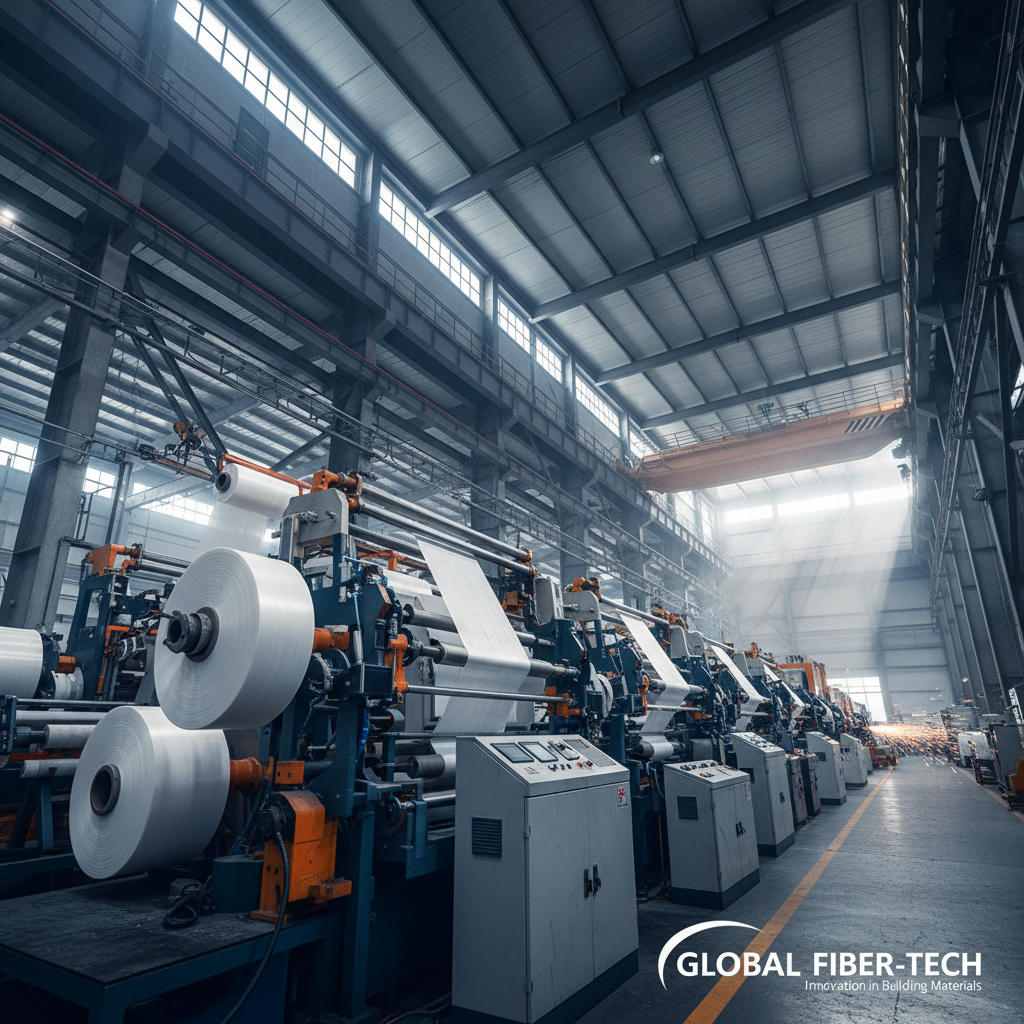
The Global Significance of Fiberglass Joint Mesh Tape

The Significance of Fiberglass Joint Mesh Tape in Modern Construction and Repair

Fiberglass joint mesh tape’s global relevance stems from the increasing need for durable and reliable construction materials. The World Bank estimates that global construction spending will reach $18 trillion by 2030, driving demand for innovative solutions. The product’s lightweight nature and ease of application make it suitable for projects of all scales, from large-scale infrastructure to residential renovations, across diverse climates and geographical locations.

It's not just about new construction; the demand for repair and restoration is also surging. Aging infrastructure and the impact of natural disasters necessitate robust repair materials. Fiberglass joint mesh tape provides a lasting solution, offering superior crack resistance and preventing further deterioration, contributing to the longevity of structures and reducing maintenance costs.

Defining Fiberglass Joint Mesh Tape

Fiberglass joint mesh tape is a reinforcement material used in drywall and plastering applications to cover seams, corners, and other joints. It’s composed of tightly woven fiberglass strands, impregnated with a self-adhesive compound. Unlike traditional paper tape, fiberglass mesh tape doesn’t require a mud bed to adhere and is significantly more resistant to cracking, shrinking, and mold growth.

Its connection to modern industry lies in its contribution to faster, more efficient, and higher-quality construction practices. The self-adhesive backing allows for quick and easy application, reducing labor costs and project timelines. In a world demanding sustainable solutions, the durability of fiberglass joint mesh tape minimizes the need for frequent repairs and replacements, reducing waste and environmental impact.

Furthermore, in humanitarian contexts, such as disaster relief and rapid housing solutions, fiberglass joint mesh tape plays a critical role in providing structurally sound and habitable shelters quickly and efficiently. Its lightweight and easy-to-use nature make it ideal for deployment in challenging environments.

Core Properties of Fiberglass Joint Mesh Tape

The key to fiberglass joint mesh tape’s effectiveness lies in its unique properties. Firstly, its high tensile strength provides exceptional resistance to stretching and tearing, preventing cracks from forming or propagating. Secondly, its alkali resistance prevents degradation when exposed to alkaline environments common in cement-based products, ensuring long-term durability.

Another crucial property is its dimensional stability. Unlike paper tape, fiberglass mesh tape doesn’t shrink or expand with changes in humidity, maintaining a consistently smooth surface. Its self-adhesive properties simplify installation, eliminating the need for pre-filling and reducing application time. Finally, its inherent resistance to mold and mildew contributes to a healthier indoor environment.

These properties aren’t merely theoretical; they translate directly into tangible benefits for construction professionals. Reduced cracking means fewer callbacks for repairs, increasing customer satisfaction. Faster installation translates to lower labor costs and quicker project completion, boosting profitability. The mold resistance provides peace of mind, ensuring healthier living spaces.

Practical Applications and Industries

Fiberglass joint mesh tape finds application across a wide range of industries. In drywall construction, it is used to reinforce seams and corners, creating a smooth, crack-resistant surface ready for painting or wallpapering. It’s also widely used in plastering for similar purposes, providing a stable base for finishes.

Beyond residential and commercial construction, fiberglass joint mesh tape is invaluable in marine applications, reinforcing fiberglass boat hulls and decks. Its resistance to water and corrosion makes it ideal for these demanding environments. It is utilized in automotive repair, patching and reinforcing body panels before painting.

Fiberglass Joint Mesh Tape Application Efficacy


The Advantages and Long-Term Value Proposition

The benefits of using fiberglass joint mesh tape extend beyond immediate application. The cost savings associated with reduced repair work are significant, as are the benefits of faster installation times. The product's inherent durability contributes to the longevity of structures, minimizing the need for frequent replacements.

From a sustainability perspective, fiberglass joint mesh tape offers a reduced environmental footprint compared to traditional paper tape. Its durability means less waste, and its resistance to mold and mildew promotes healthier indoor air quality. This aligns with the growing demand for environmentally responsible building materials and practices.

Future Trends and Technological Advancements

Innovation in fiberglass manufacturing is leading to even stronger and more durable mesh tapes. Research is focused on incorporating bio-based adhesives, further enhancing the product's sustainability profile. The integration of nanotechnology promises to deliver even greater strength and resistance to environmental factors.

Furthermore, advancements in automation and robotic application systems are streamlining the installation process, reducing labor costs and increasing efficiency. Digital integration, such as using augmented reality to visualize joint reinforcement, is also gaining traction, ensuring precise and optimal application.

Challenges and Innovative Solutions

One challenge associated with fiberglass joint mesh tape is potential skin irritation during handling. Manufacturers are addressing this by developing hypoallergenic formulations and providing clear safety guidelines. Another challenge is ensuring proper application technique to maximize performance; training programs and readily available online resources are crucial.

To overcome these challenges, the industry is focusing on developing user-friendly application tools and providing comprehensive training materials. Research into alternative fiber materials, offering similar strength and durability with enhanced biocompatibility, is also underway. The continuous improvement of adhesive formulations ensures optimal bond strength and longevity.

Addressing concerns about end-of-life recyclability is an emerging focus. Exploration of recycling programs and developing biodegradable alternatives are areas of ongoing research and development, contributing to a more circular economy.

Analysis of Fiberglass Joint Mesh Tape Performance Variables

Application Type Environmental Exposure Tensile Strength (MPa) Long-Term Durability (Years)
Drywall Seams (Interior) Low Humidity 150 25+
Plaster Corners (Exterior) High Humidity/UV Exposure 180 15-20
Marine Hull Repair Saltwater Immersion 200 10-15
Automotive Bodywork Temperature Fluctuations 160 10+
EIFS Systems Weather Exposure 170 12-18
Concrete Crack Repair Alkaline Environment 190 20+

FAQS

What are the main differences between fiberglass joint mesh tape and paper tape?

Fiberglass joint mesh tape and paper tape differ significantly in strength, durability, and application. Fiberglass mesh tape is self-adhesive, highly resistant to cracking and shrinking, and mold-resistant, making it ideal for various surfaces and environments. Paper tape requires a mud bed for adhesion, is susceptible to cracking, and can be vulnerable to mold growth. Fiberglass mesh tape is generally the preferred choice for long-lasting, reliable joint reinforcement.

Is fiberglass joint mesh tape suitable for outdoor use?

While fiberglass joint mesh tape can be used outdoors, it’s crucial to select a product specifically designed for exterior applications. These products often have enhanced UV resistance and are formulated to withstand harsh weather conditions. Proper sealing and coating are essential to protect the tape from prolonged exposure to moisture and sunlight, maximizing its lifespan and performance.

How do I properly apply fiberglass joint mesh tape?

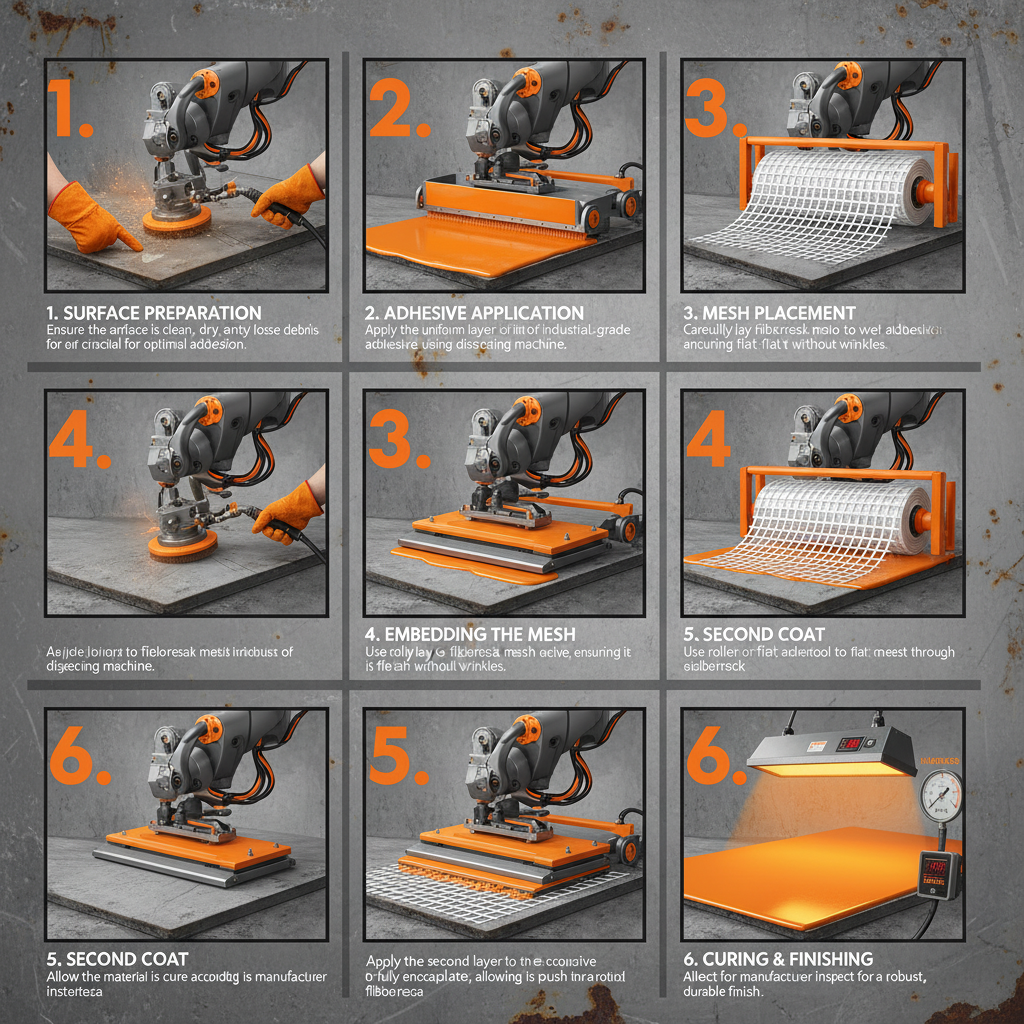
Application is straightforward: ensure the surface is clean and dry, then apply the tape directly over the joint, pressing firmly to ensure full adhesion. Overlap the tape slightly on either side of the joint. Apply a thin layer of joint compound over the tape, feathering the edges to create a smooth, seamless finish. Allow the compound to dry completely before sanding and applying additional coats if needed.

What safety precautions should I take when working with fiberglass joint mesh tape?

Fiberglass particles can cause skin and respiratory irritation. It's recommended to wear gloves, a dust mask, and eye protection during handling and application. Work in a well-ventilated area to minimize dust inhalation. After handling, wash your hands thoroughly with soap and water. If irritation occurs, seek medical advice.

Can fiberglass joint mesh tape be painted or wallpapered over?

Yes, fiberglass joint mesh tape can be readily painted or wallpapered over once the joint compound has been properly dried, sanded, and primed. The tape creates a smooth, stable surface that is ideal for decorative finishes. Ensure the primer is compatible with both the joint compound and the paint or wallpaper being used.

How is fiberglass joint mesh tape stored for longevity?

To maintain the adhesive properties and prevent damage, store fiberglass joint mesh tape in a cool, dry place away from direct sunlight. Keep it in its original packaging, ensuring the tape is not exposed to moisture or extreme temperatures. Proper storage will help prolong the product's shelf life and ensure optimal performance when used.

Conclusion

In conclusion, fiberglass joint mesh tape stands as a cornerstone material in modern construction and repair. Its unique blend of durability, ease of application, and long-term cost-effectiveness makes it an invaluable asset for professionals and DIY enthusiasts alike. From reinforcing drywall seams to safeguarding marine structures, its versatility and reliability ensure lasting results.

Looking ahead, continued innovation in materials science and manufacturing processes will undoubtedly enhance the performance and sustainability of fiberglass joint mesh tape. Embracing these advancements and prioritizing proper application techniques will unlock even greater benefits, solidifying its position as a critical component in building a more resilient and durable future. Visit our website to explore our full range of products and find the perfect fiberglass joint mesh tape for your next project!

William Davis

William Davis

William Davis is the Logistics and Supply Chain Manager for Tainuo Fiberglass Mesh Factory’s US operations. He is responsible for ensuring efficient and timely delivery of our products to customers across North America. With a strong background in international logistics and warehousing, William optimizes our supply chain to minimize costs
Previous Comprehensive Guide to Self Adhesive Fiberglass Mesh Tape Applications and Benefits
Next Fiberglass Self Adhesive Mesh Tape for Construction and Repair Applications