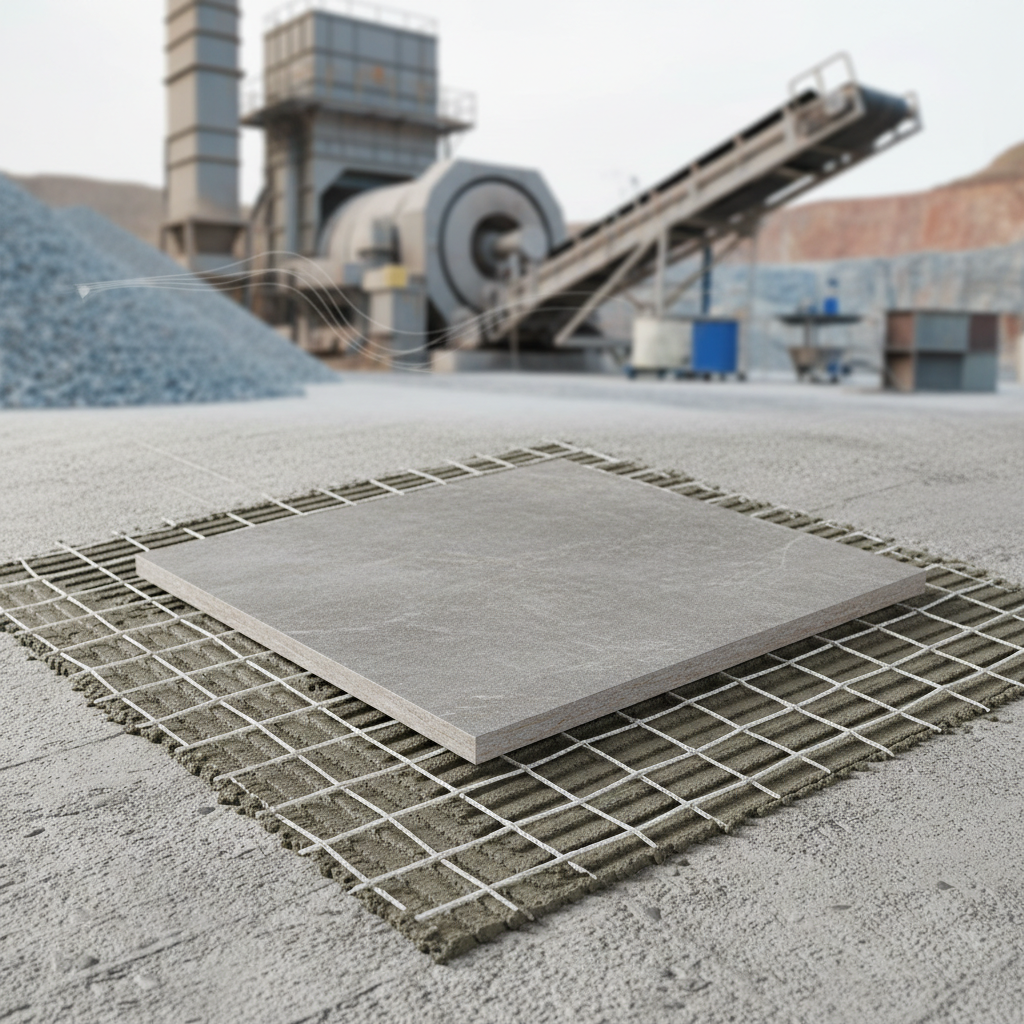
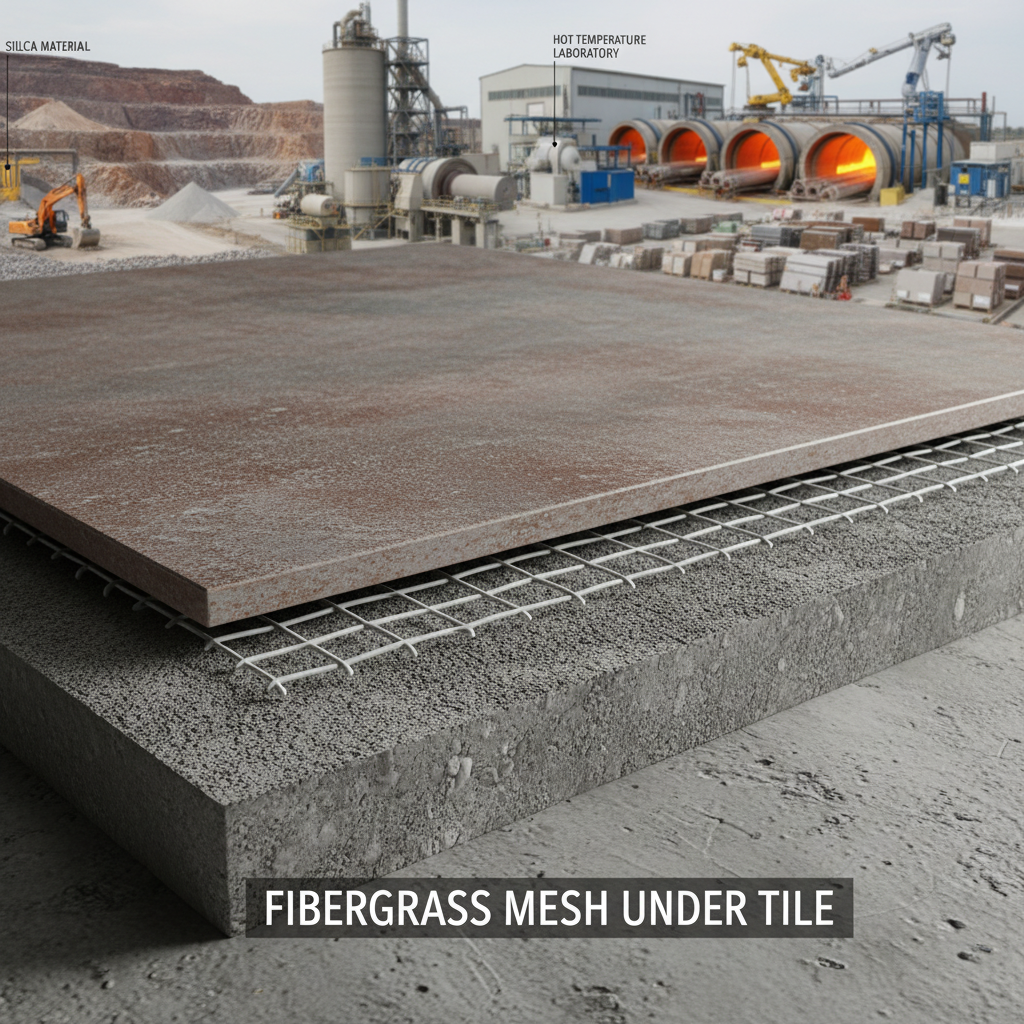
Integrating fiberglass mesh under tile has become a cornerstone of modern sustainable construction, offering an indispensable layer of reinforcement that prevents costly structural failures. By creating a mechanical bond between the substrate and the tile adhesive, this specialized mesh effectively distributes stress and mitigates the risk of cracks caused by thermal expansion or structural settling.
Across the globe, the construction industry is shifting toward materials that prioritize longevity and resilience. The use of high-quality fiberglass reinforcement ensures that interior and exterior tiling projects can withstand the rigors of high-traffic environments and volatile climate conditions, reducing the need for frequent repairs and replacements.
Understanding the technical nuances of applying fiberglass mesh under tile allows contractors and homeowners to move beyond basic installation toward an engineered approach. This guide explores how this simple yet powerful material enhances the structural integrity of modern surfaces, ensuring a flawless finish that lasts for decades.
Global Relevance of Fiberglass Mesh Under Tile
In the current global construction landscape, the demand for high-performance building materials is surging as urbanization accelerates. International standards, including various ISO guidelines for building materials, emphasize the need for crack-resistant substrates. fiberglass mesh under tile addresses a critical vulnerability in masonry: the tendency of cementitious layers to shrink and crack, which eventually leads to the failure of the aesthetic tile layer above.
Statistically, a significant percentage of tile failure in commercial developments is attributed to substrate movement. By implementing a fiberglass reinforcement layer, developers can adhere to stricter quality control measures and reduce the lifecycle cost of the building. This global shift toward "preventative reinforcement" is not just about aesthetics; it is about structural safety and the reduction of material waste in the long run.
Defining the Role of Fiberglass Mesh Under Tile
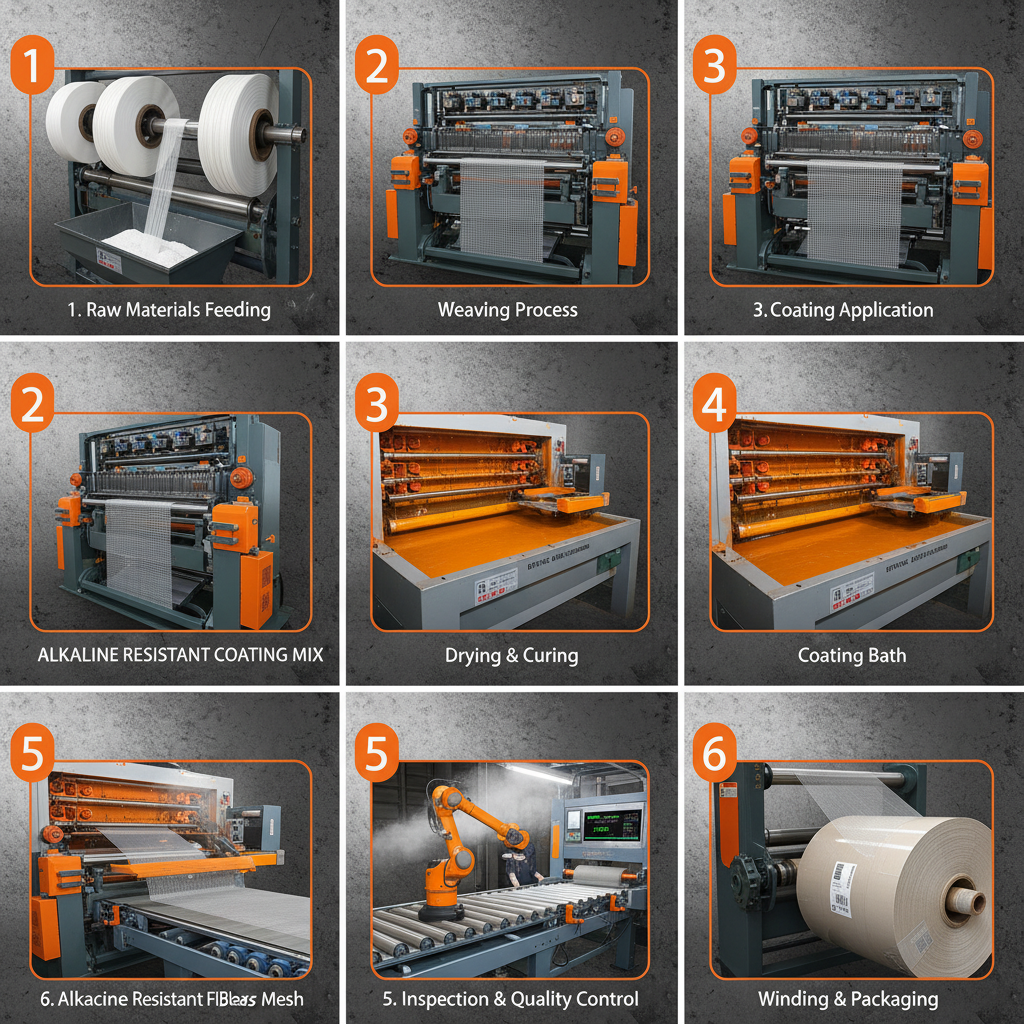
At its core, fiberglass mesh under tile is an alkali-resistant glass fiber grid embedded within a thin-set mortar or adhesive layer. Unlike traditional metal laths that can rust or organic fibers that decay, fiberglass offers a chemically inert solution that remains stable in the moist, alkaline environment typical of cement-based installations.
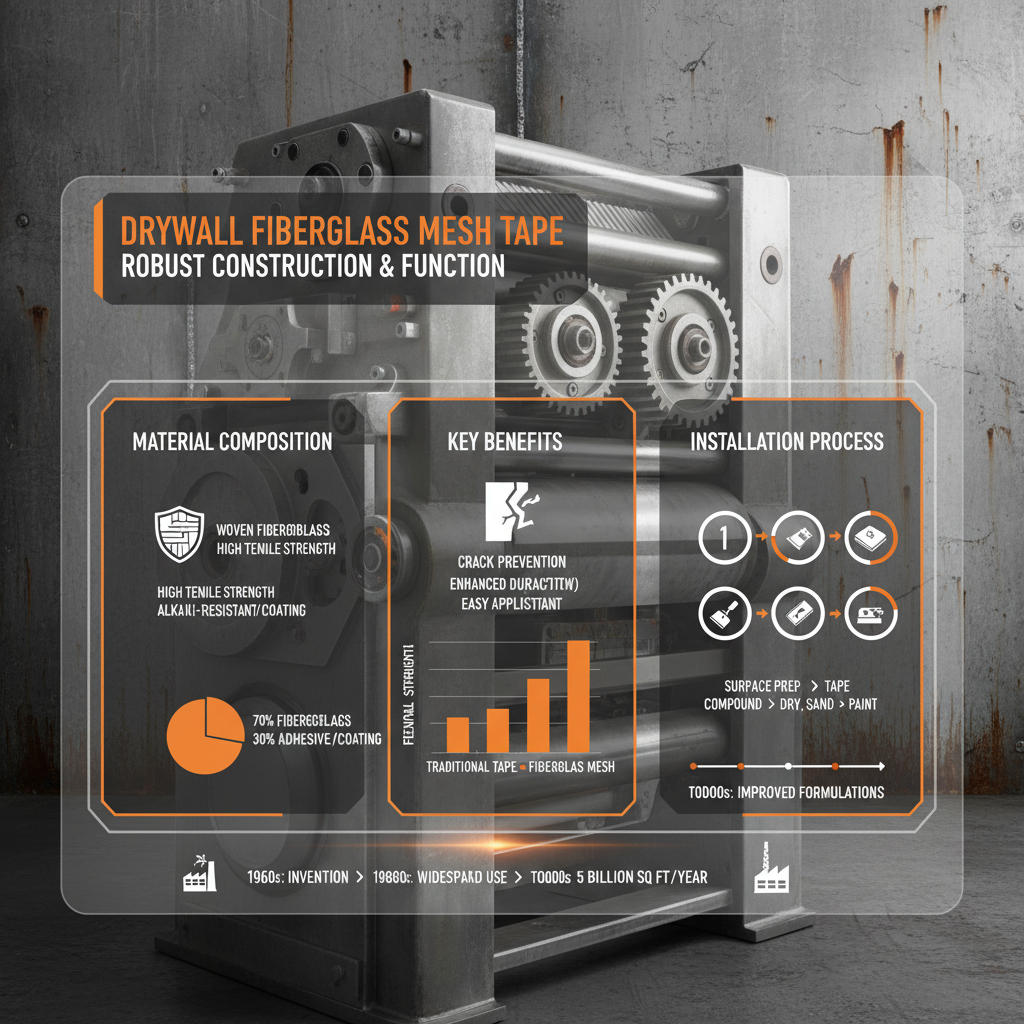
The primary function of this mesh is to provide multi-directional tensile strength. While concrete and mortar are excellent under compression, they are weak under tension. The fiberglass grid acts as a "skeleton," absorbing the tension and preventing micro-cracks from propagating into visible fractures that would otherwise crack the expensive porcelain or ceramic tiles on the surface.
In the context of modern humanitarian and industrial needs, such as rapid housing deployment or the retrofitting of aging infrastructure, this mesh allows for faster installation cycles. It enables the creation of stable surfaces on non-traditional substrates, ensuring that essential facilities—from hospitals to residential hubs—maintain their hygiene and structural integrity without constant maintenance.
Core Components of Reinforcement Performance
The effectiveness of fiberglass mesh under tile depends heavily on its Alkali Resistance. Because cement is naturally alkaline, standard glass would dissolve over time; however, specialized AR-glass (Alkali-Resistant) ensures that the reinforcement maintains its strength for decades without degrading.
Dimensional Stability is another critical factor. A high-quality fiberglass mesh under tile must resist stretching or shrinking during the curing process. This stability ensures that the mesh remains evenly distributed across the floor or wall, providing a consistent level of protection across the entire installation area.
Finally, the Open Mesh Geometry allows for maximum penetration of the adhesive. The gaps in the mesh are engineered to let the mortar squeeze through, creating a mechanical interlock between the substrate and the tile. This cohesive bond is what transforms a simple layer of tile into a reinforced composite slab.
Practical Applications and Industry Use Cases
The application of fiberglass mesh under tile varies across different industrial sectors. In high-end residential projects, it is frequently used in "wet rooms" such as bathrooms and kitchens to prevent cracks caused by temperature fluctuations from underfloor heating systems. In these scenarios, the mesh manages the expansion and contraction of the slab, preserving the waterproof seal.
Beyond residential use, large-scale industrial zones and commercial airports utilize this reinforcement in expansive lobby areas. In these high-traffic environments, the structural load is immense; the fiberglass mesh ensures that the flooring can withstand heavy equipment movement and constant foot traffic without developing the stress fractures common in unreinforced installations.
Comparative Performance of Reinforcement Methods
Long-Term Value and Sustainability Benefits
The adoption of fiberglass mesh under tile offers a compelling logic for sustainability. By extending the lifespan of the flooring, it directly reduces the volume of construction debris sent to landfills. When a tile floor cracks, the entire section often needs to be ripped out; with proper reinforcement, the interval between major renovations is significantly extended.
From an emotional and financial perspective, this provides peace of mind to the property owner. The "invisible" security of the mesh ensures that the investment in premium tiles is protected. This reliability fosters trust in the builder and ensures that the dignity of the living space is maintained, as the environment remains polished and professional without the distraction of unsightly cracks.
Future Innovations in Tiling Reinforcements
Looking ahead, the evolution of fiberglass mesh under tile is moving toward "smart" integration. Researchers are exploring the incorporation of conductive fibers into the mesh, which could allow for integrated sensing of structural stress or the creation of more efficient, mesh-based heating elements that are thinner and more energy-efficient than current cable systems.
Digital transformation is also playing a role in how these materials are applied. With the rise of BIM (Building Information Modeling), architects can now simulate the exact stress points of a floor and specify the precise weight and density of the fiberglass mesh required for specific zones, reducing material waste through precision engineering.
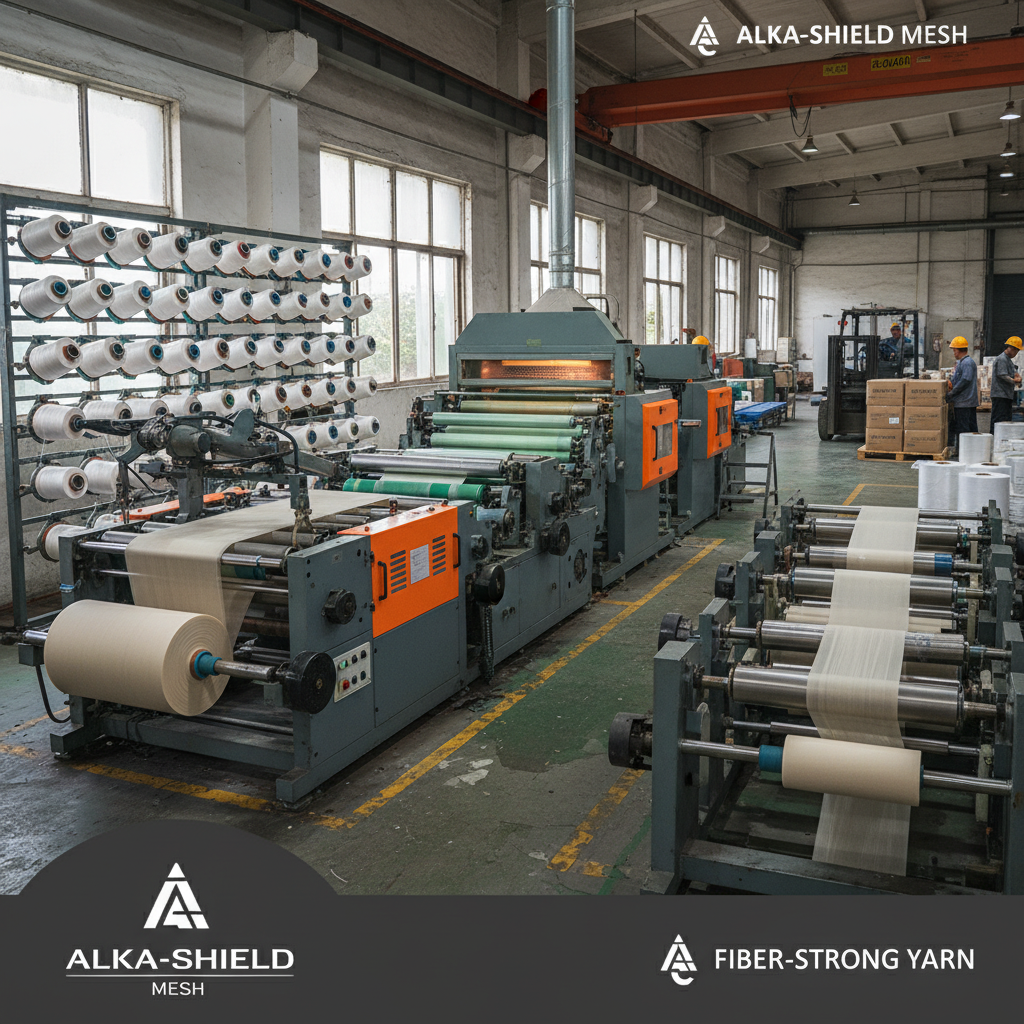
Moreover, the industry is pivoting toward greener production methods. New resins and coatings for fiberglass are being developed to reduce the carbon footprint of the manufacturing process, ensuring that the product is not only beneficial during the building's life but also eco-friendly during its creation.
Overcoming Common Installation Challenges
Despite the benefits, improper installation of fiberglass mesh under tile can lead to suboptimal results. One common issue is the "bridging" effect, where the mesh is not fully embedded in the mortar, leaving air pockets that can actually weaken the structure. To solve this, experts recommend using a notched trowel to press the mesh firmly into the wet bed.
Another challenge is the overlapping of mesh sheets. If the seams are not overlapped by at least 2-3 inches, the reinforcement becomes fragmented, creating "weak lines" where cracks can still form. A systematic approach to overlapping, combined with a consistent application of adhesive, ensures a continuous reinforced plane.
Finally, selecting the wrong mesh weight for the application can lead to issues. A mesh that is too heavy may be difficult to embed, while one that is too light may not provide sufficient tensile strength. Matching the mesh specifications to the specific tile size and substrate type is the key to professional-grade success.
Comparison of Reinforcement Specifications for Different Substrates
| Substrate Type |
Recommended Mesh Weight |
Critical Risk Factor |
Performance Score (1-10) |
| New Concrete Slab |
145g/m² |
Curing Shrinkage |
9 |
| Drywall/Cement Board |
110g/m² |
Joint Movement |
8 |
| Existing Tile (Over-tile) |
160g/m² |
Delamination |
10 |
| Wooden Subfloor |
145g/m² |
Flexural Stress |
7 |
| External Terrace |
200g/m² |
Thermal Expansion |
9 |
| Industrial Warehouse |
250g/m² |
Heavy Point Loads |
10 |
FAQS
Yes, especially in bathrooms. Small spaces often have the highest concentration of plumbing joints and temperature changes from showers and heating. fiberglass mesh under tile prevents the inevitable micro-movements of the substrate from cracking your grout lines and tiles, ensuring the room remains waterproof and aesthetically pleasing.
Absolutely not. Professional fiberglass mesh under tile is treated with alkali-resistant (AR) coatings. Standard mesh will be chemically eaten away by the alkaline nature of cement mortar within a few months, leaving your tiles without any reinforcement and prone to cracking.
Underfloor heating causes the slab to expand and contract repeatedly. This "thermal cycling" creates immense stress on the tile bond. The fiberglass mesh absorbs these stresses and distributes them across the surface, preventing the "tenting" or cracking of tiles that often occurs in heated floors.
No. Professional fiberglass mesh is extremely thin—usually less than 1mm. It is embedded directly into the thin-set mortar layer, meaning it adds virtually zero height to the final floor assembly while providing a massive increase in structural strength.
For maximum effectiveness, you should overlap the edges of the fiberglass mesh under tile by approximately 50mm to 75mm (2-3 inches). This creates a continuous reinforced fabric across the entire floor, eliminating the weak points that would exist if the sheets were simply placed edge-to-edge.
They serve different purposes. Liquid membranes provide waterproofing and some elasticity, but fiberglass mesh provides actual tensile reinforcement. For the best results, many professionals use a "belt and braces" approach: applying a liquid membrane and embedding fiberglass mesh under tile for maximum durability.
Conclusion
Implementing fiberglass mesh under tile is more than just an extra step in the installation process; it is a strategic investment in the longevity of a building's interior. By addressing the inherent weaknesses of cementitious substrates through alkali-resistant reinforcement, this material ensures that high-value tiling remains intact despite thermal stress, structural movement, and heavy usage.
As construction trends lean further toward sustainable, "build-once" philosophies, the use of engineered fiberglass solutions will become the industry standard. We encourage contractors and developers to prioritize quality AR-mesh to eliminate the cycle of repair and replacement. For high-performance reinforcement solutions, visit our website: www.tainuofiberglassmesh.com.