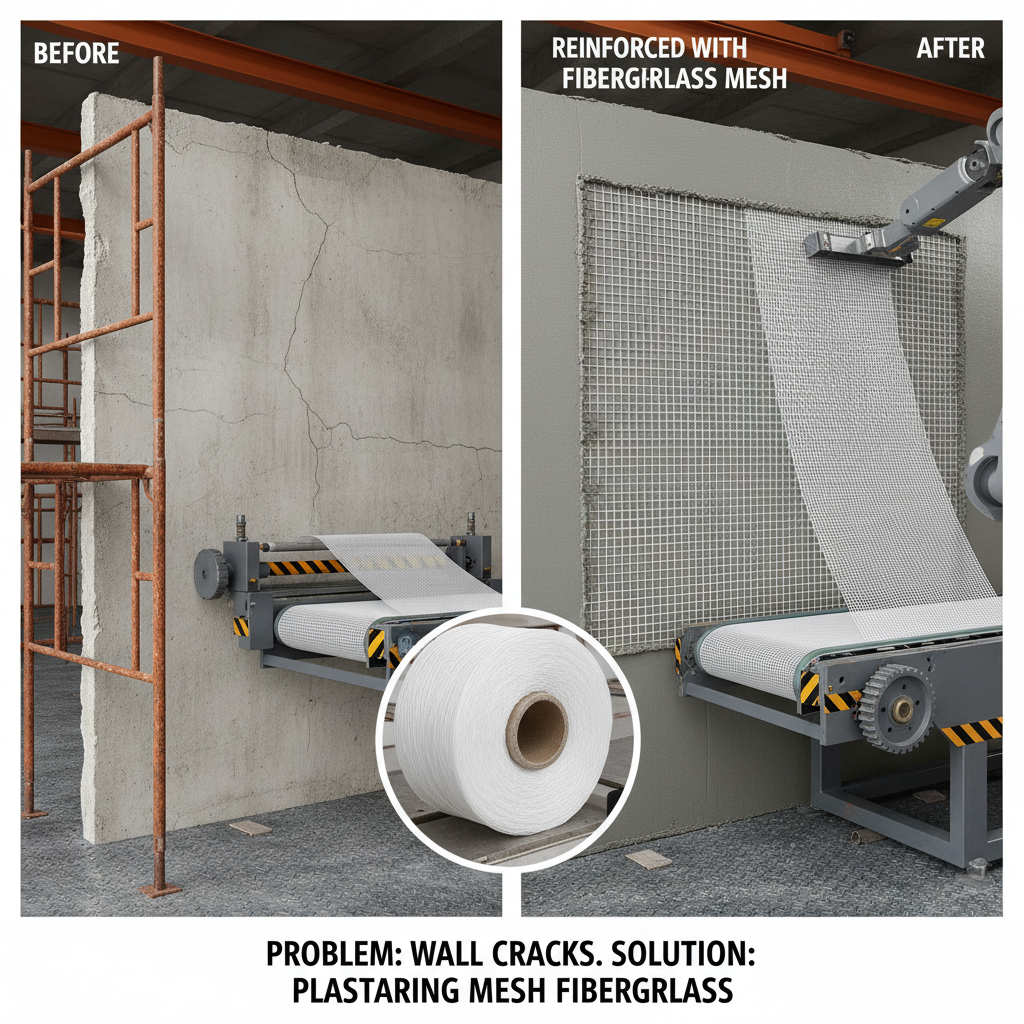
In the modern construction and industrial landscape, achieving thermal efficiency and structural integrity is a primary goal for architects and engineers alike. The introduction of fiberglass insulation mesh has revolutionized how we approach building envelopes, providing a critical reinforcement layer that prevents cracking while stabilizing insulation materials. By bridging the gap between raw insulation and a finished surface, this specialized mesh ensures that energy-saving measures are not just effective, but durable over decades of use.
Globally, the demand for high-performance building materials has surged as cities strive to meet stringent energy codes and carbon reduction targets. The implementation of fiberglass insulation mesh allows for the seamless integration of External Thermal Insulation Composite Systems (ETICS), reducing heat loss and lowering operational costs for residential and commercial properties. This technology is no longer a luxury but a necessity in regions facing extreme temperature fluctuations, where structural movement can easily compromise traditional insulation.
Understanding the technical nuances of these meshes—from alkali resistance to tensile strength—is essential for ensuring the longevity of any project. Whether it is used in reinforcing render or stabilizing fiberglass blankets, the correct application of fiberglass insulation mesh mitigates the risk of delamination and surface fissures. This guide explores the global context, technical advantages, and future innovations of this indispensable material in the non-metallic mineral products industry.
Global Relevance and Industry Context of Fiberglass Insulation Mesh
The global construction industry is currently grappling with the dual challenge of rapid urbanization and the urgent need for sustainable energy efficiency. According to data aligned with ISO standards for thermal performance, buildings account for a significant portion of global energy consumption. The adoption of fiberglass insulation mesh has become a cornerstone in addressing this, as it allows for the stable application of thick insulation layers that would otherwise be prone to sagging or cracking under environmental stress.
In emerging economies and developed nations alike, the shift toward "Green Building" certifications has pushed the industry toward materials that offer both durability and low environmental impact. By utilizing an alkali-resistant fiberglass structure, these meshes ensure that the external skin of a building remains intact despite moisture ingress or thermal expansion, thereby extending the lifecycle of the building's insulation system and reducing the frequency of costly renovations.
Defining Fiberglass Insulation Mesh in Modern Construction
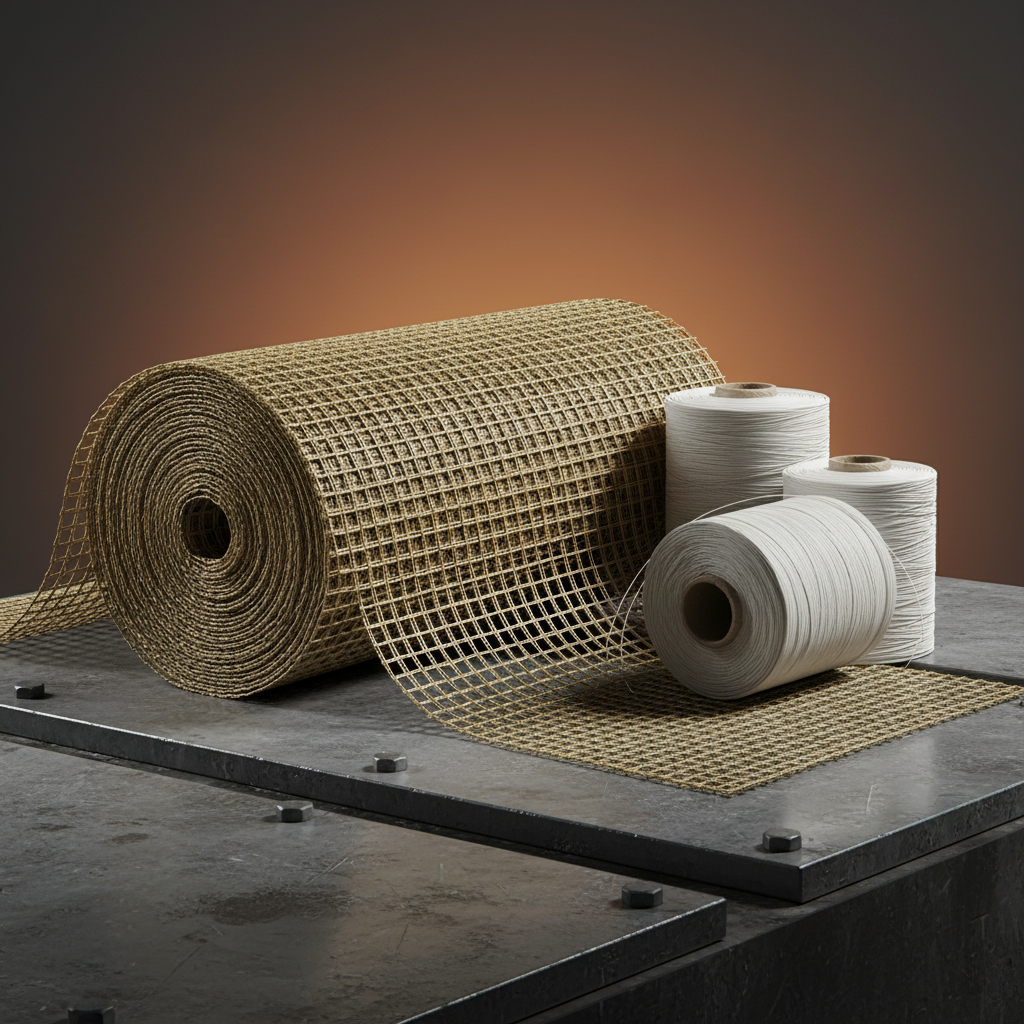
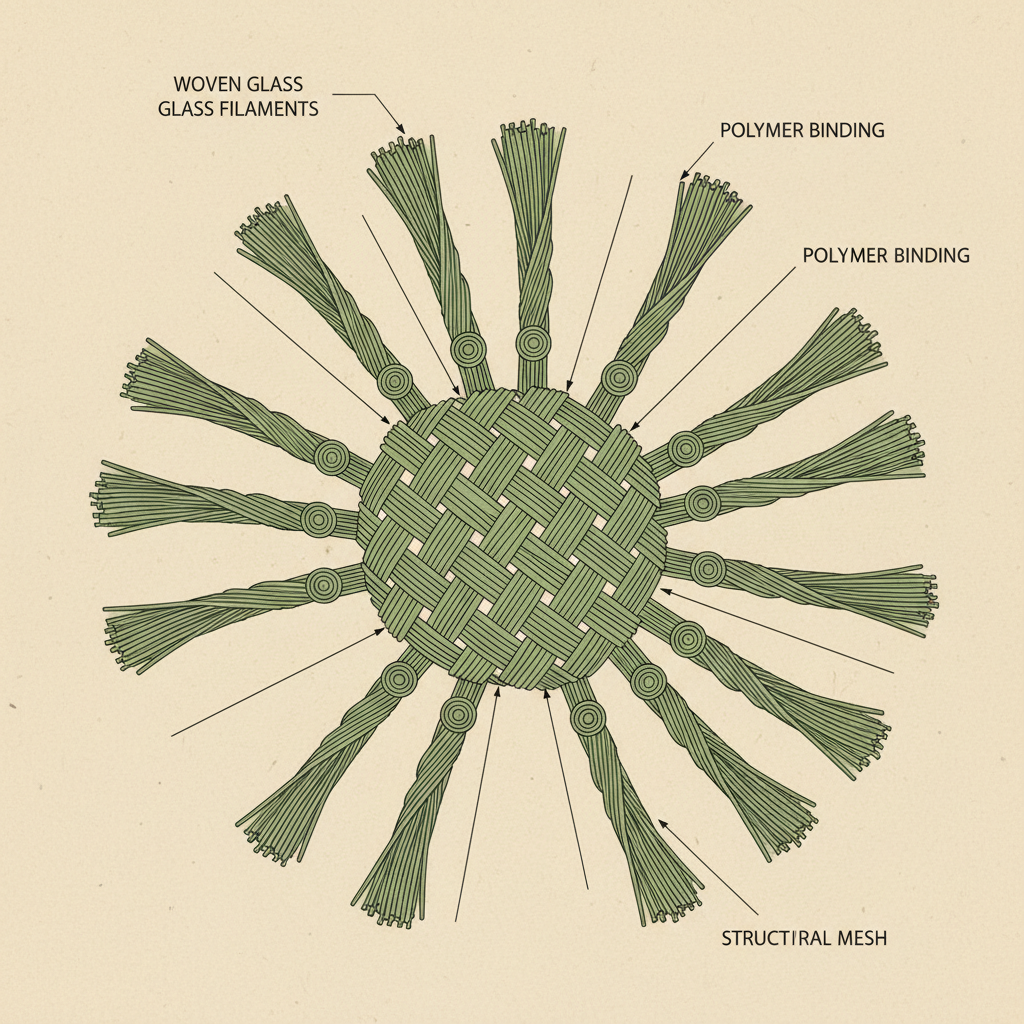
At its core, fiberglass insulation mesh is a woven or non-woven fabric composed of fine glass filaments, typically coated with a chemical agent to provide resistance to the alkaline environment of cement and mortars. Unlike traditional metal meshes, it does not corrode, making it an ideal choice for external wall systems where moisture exposure is inevitable. Its primary function is to act as a "skeleton" for the render, distributing mechanical stresses across the surface to prevent localized fractures.
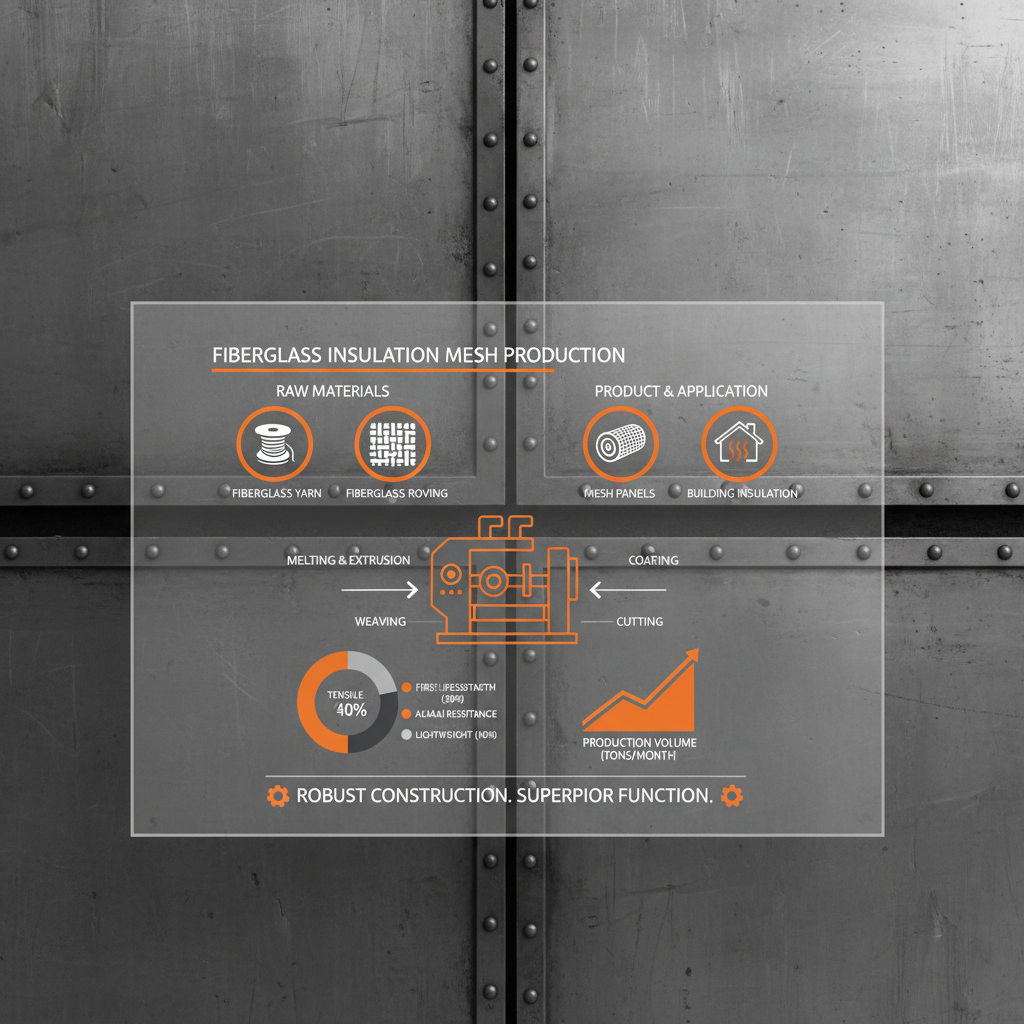
From an industrial perspective, this material represents a marriage of chemistry and textile engineering. By controlling the weave density and the weight of the glass fibers, manufacturers can tailor the mesh for specific needs—whether it's heavy-duty reinforcement for industrial warehouses or lightweight stabilization for residential EIFS. This versatility makes it a critical component in the non-metallic mineral products sector, bridging the gap between raw mineral insulation and architectural finishing.
Beyond mere reinforcement, the mesh serves a humanitarian and economic purpose by enabling the rapid deployment of energy-efficient housing in disaster-prone or extreme-climate areas. By simplifying the insulation process and ensuring a long-lasting finish, fiberglass insulation mesh contributes to creating healthier, more affordable living environments that protect inhabitants from extreme heat and cold.
Key Factors Determining Mesh Performance
The efficacy of fiberglass insulation mesh is primarily governed by its alkali resistance. Because cement-based renders have a high pH value, untreated glass fibers would degrade rapidly. The application of a zirconia-based coating ensures that the mesh maintains its tensile strength over several decades, providing a permanent reinforcement layer that doesn't vanish as the building ages.
Tensile strength and dimensional stability are equally critical. High-quality fiberglass insulation mesh must resist stretching during the application process and remain stable under varying thermal loads. This prevents the "bubbling" effect often seen in poorly executed insulation projects and ensures that the final surface remains flat and aesthetically pleasing.
Lastly, the permeability and mesh aperture size play a vital role in the bonding process. The openings in the mesh must be large enough to allow the mortar or adhesive to penetrate through and grip the substrate, yet tight enough to provide a continuous reinforcement plane. This balance is what allows the fiberglass insulation mesh to transform a brittle layer of plaster into a composite material with significant impact resistance.
Global Applications and Practical Use Cases
The application of fiberglass insulation mesh spans a diverse range of architectural and industrial settings. In Europe, it is widely used in the construction of "Passive Houses," where extreme insulation levels are required to eliminate the need for traditional heating. Here, the mesh reinforces the thin-coat render, ensuring that the exterior remains crack-free despite the massive temperature differential between the interior and exterior.
In North America, the mesh is frequently integrated into EIFS (Exterior Insulation and Finish Systems) for commercial plazas and hotels. In these large-scale projects, the mesh prevents the long linear stretches of wall from developing stress cracks. Furthermore, in remote industrial zones, such as oil refineries or chemical plants, specialized versions of the mesh are used to secure thermal blankets around piping, preventing the insulation from shifting due to wind or mechanical vibration.
Comparison of Fiberglass Insulation Mesh Performance Metrics
Tangible Advantages and Long-Term Value
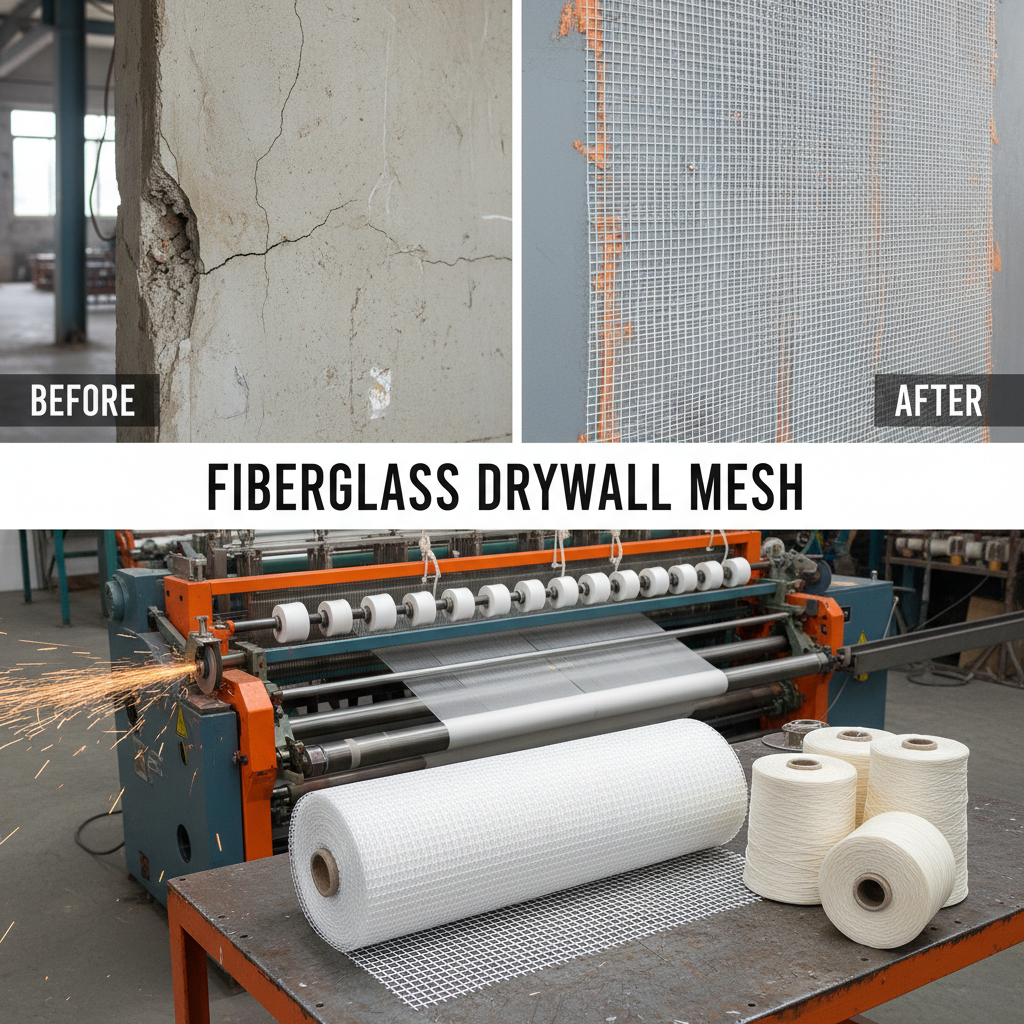
The primary logical advantage of using fiberglass insulation mesh is the drastic reduction in long-term maintenance costs. By preventing the formation of hairline cracks, the mesh prevents water from penetrating the insulation layer. This eliminates the risk of mold growth and structural decay, ensuring that the building's energy efficiency does not degrade over time. For property owners, this translates to lower utility bills and higher property resale values.
Beyond the financial metrics, there is a significant emotional value tied to safety and trust. Knowing that a building's exterior is reinforced with high-tensile materials provides peace of mind, especially in seismic zones where structural flexibility and surface cohesion are vital. The innovation of these meshes represents a commitment to quality and dignity in housing, ensuring that energy-efficient homes are not just temporary fixes but permanent sanctuaries for their occupants.
Future Trends and Material Innovations
The future of fiberglass insulation mesh is moving toward "smart" materials and enhanced sustainability. We are seeing the emergence of meshes integrated with conductive fibers that can monitor the structural health of a wall in real-time, alerting owners to moisture buildup or stress concentrations before they become visible cracks. This digital transformation in building materials is part of a larger trend toward BIM (Building Information Modeling) and proactive maintenance.
Sustainability is also driving a shift toward bio-based coatings and recycled glass content. As the industry moves away from volatile organic compounds (VOCs), new eco-friendly binders are being developed to replace traditional polymers. These innovations ensure that the fiberglass insulation mesh not only helps save energy during the building's life but also has a smaller carbon footprint during its manufacture.
Furthermore, automation in the weaving process is allowing for "variable density" meshes. Instead of a uniform grid, these next-generation meshes have reinforced areas at the corners and edges—the points most prone to failure—while remaining lightweight in the center. This precision engineering reduces material waste and optimizes the mechanical performance of the insulation system.
Overcoming Implementation Challenges
Despite its benefits, the most common challenge in using fiberglass insulation mesh is improper installation. Many contractors make the mistake of "floating" the mesh on top of the render rather than embedding it within the layer. This results in a lack of bonding and can actually create a failure plane where the render peels away from the wall. Expert training and strict adherence to application protocols are essential to avoid these pitfalls.
Another limitation is the incompatibility between different types of adhesives and meshes. Using a non-alkali-resistant mesh in a cementitious environment leads to rapid degradation. To solve this, the industry is moving toward "system-certified" bundles, where the mesh, adhesive, and finish are tested together as a single unit. This ensures chemical compatibility and guarantees a specific performance lifespan, removing the guesswork from the installation process.
Finally, managing waste on construction sites remains an issue. The remnants of cut mesh often end up in landfills. Innovative companies are now implementing circular economy models, where off-cuts of fiberglass insulation mesh are collected and repurposed into reinforced concrete additives or other composite materials, turning a waste stream into a value stream.
Analysis of Fiberglass Insulation Mesh Specifications and Performance
| Mesh Type |
Tensile Strength (kN/m) |
Alkali Resistance |
Recommended Use |
| Standard AR Mesh |
15-20 |
High |
Residential EIFS |
| Heavy-Duty Mesh |
25-35 |
Very High |
Industrial Walls |
| Self-Adhesive Mesh |
12-18 |
Medium |
Interior Drywall |
| Fine Weave Mesh |
10-15 |
High |
Decorative Facades |
| Ultra-High Strength |
40+ |
Extreme |
Infrastructure/Tunnels |
| Coated Flexible Mesh |
18-22 |
High |
Curved Surfaces |
FAQS
Unlike metal, fiberglass insulation mesh is completely immune to rust and oxidation. When exposed to moisture and air, metal meshes can corrode, leading to "rust bleeding" and structural failure of the render. Fiberglass, especially when alkali-resistant, maintains its integrity in damp conditions, making it the superior choice for long-term exterior durability.
When high-quality, alkali-resistant fiberglass insulation mesh is used and installed correctly (embedded in the mortar), it is designed to last for the entire lifespan of the building. Because it doesn't degrade chemically in the presence of cement, it continues to provide tensile strength for 30 to 50 years, provided the outer render layer is maintained.
It is strongly discouraged. Standard fiberglass mesh will dissolve over time when exposed to the high pH levels of cement-based mortars. This leads to a total loss of reinforcement, which inevitably results in severe cracking and delamination. Always ensure your fiberglass insulation mesh is explicitly labeled as alkali-resistant for construction use.
No, the fiberglass insulation mesh does not significantly impact the R-value (thermal resistance) of the insulation. Since the mesh is a very thin layer integrated into the render or adhesive, it doesn't create a thermal bridge or block the insulating properties of the foam or mineral wool beneath it.
Bubbling usually occurs when the mesh is pushed into the mortar too aggressively or not smoothed out properly. To prevent this, apply the adhesive layer first, embed the fiberglass insulation mesh using a flat trowel, and ensure there are no air pockets. Overlapping the edges by 10cm is also critical to maintain a continuous reinforcement plane.
Yes, in two ways. First, it enables high-efficiency insulation systems that drastically reduce energy consumption. Second, glass is a natural mineral. While the coatings are synthetic, the overall lifecycle impact is low compared to the energy saved. Many manufacturers are now moving toward recycled glass content to further enhance the sustainability of fiberglass insulation mesh.
Conclusion
In summary, fiberglass insulation mesh is far more than a simple accessory; it is the structural backbone of modern energy-efficient building envelopes. By combining alkali resistance, high tensile strength, and corrosion-proof properties, it solves the age-old problem of surface cracking in insulated walls. From reducing operational energy costs to increasing the structural resilience of commercial infrastructure, the value of this material is evident in every square meter of reinforced render.
Looking forward, the integration of smart fibers and sustainable manufacturing processes will only further cement the role of these meshes in the green building revolution. For architects, developers, and contractors, investing in high-specification fiberglass insulation mesh is a strategic decision that ensures longevity, safety, and efficiency. To explore the best solutions for your next project, visit our website: www.tainuofiberglassmesh.com