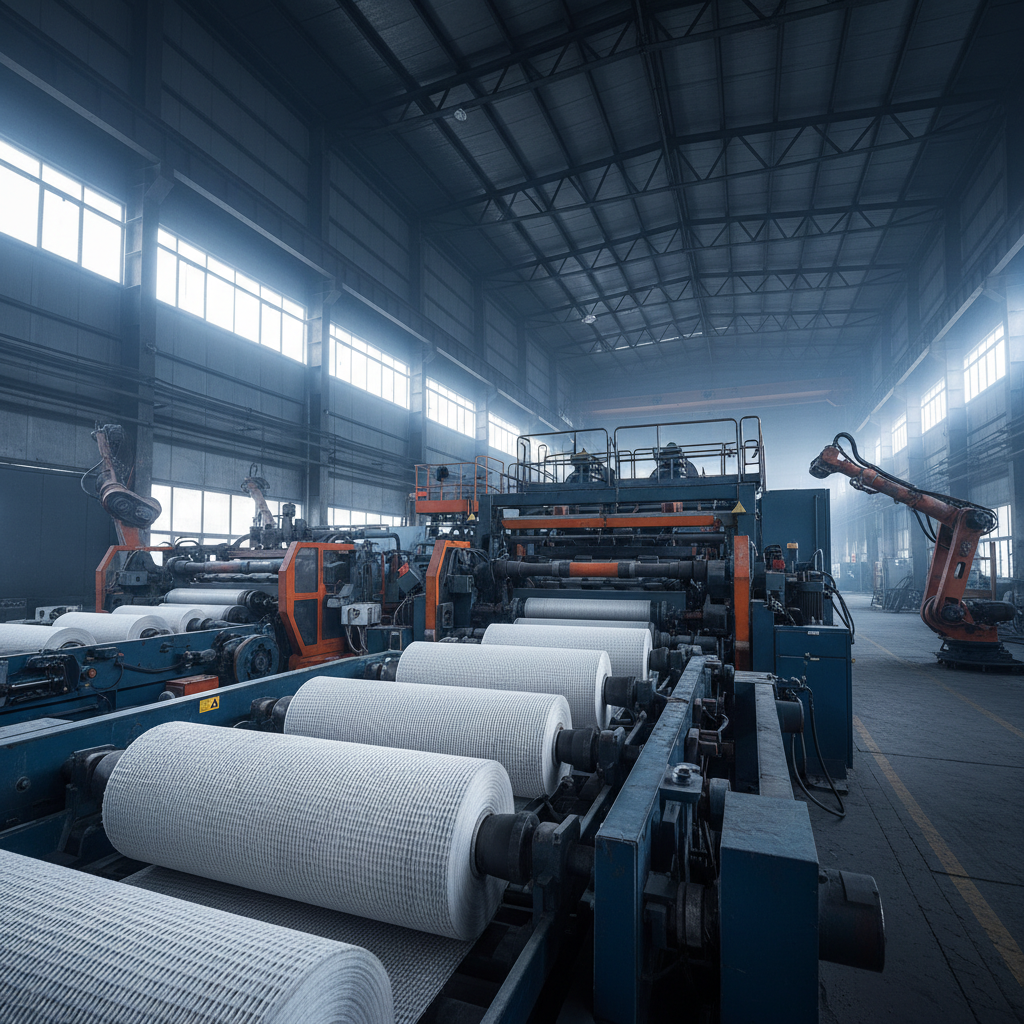
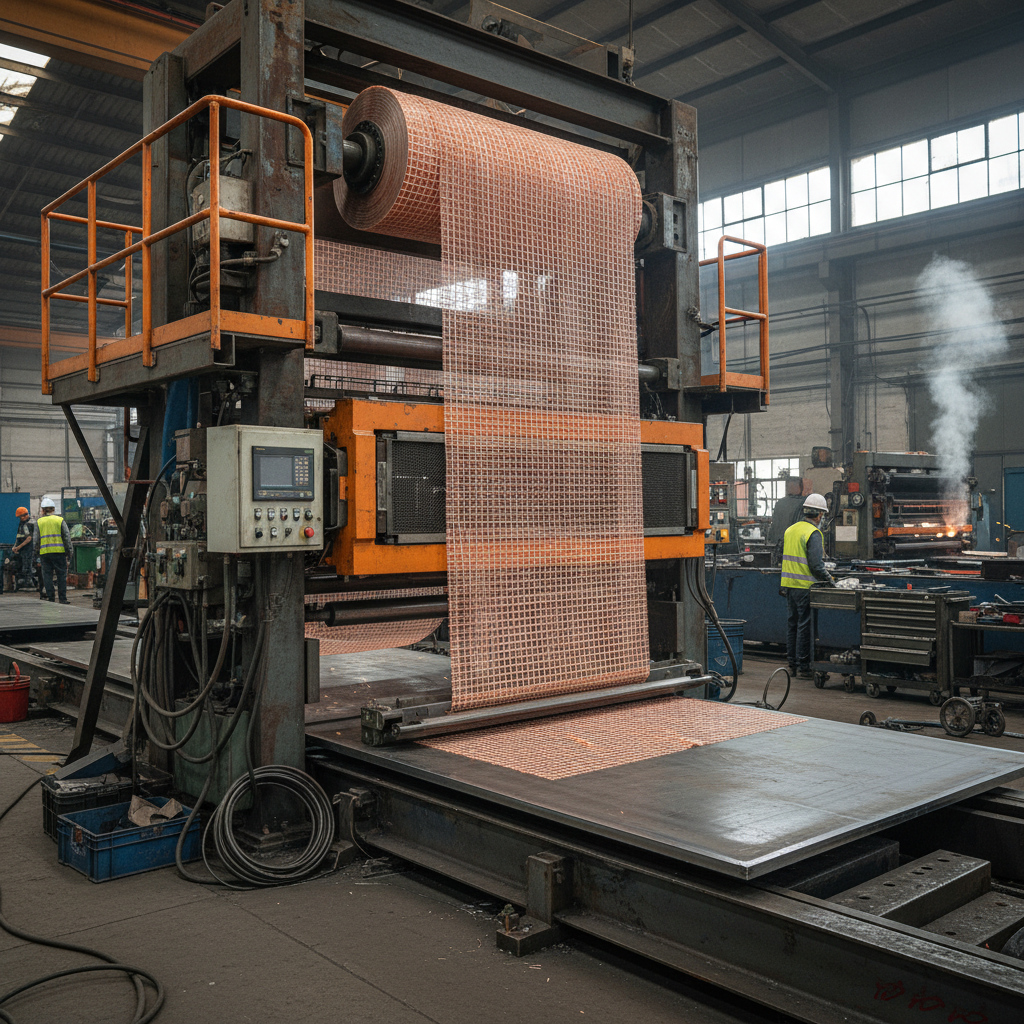
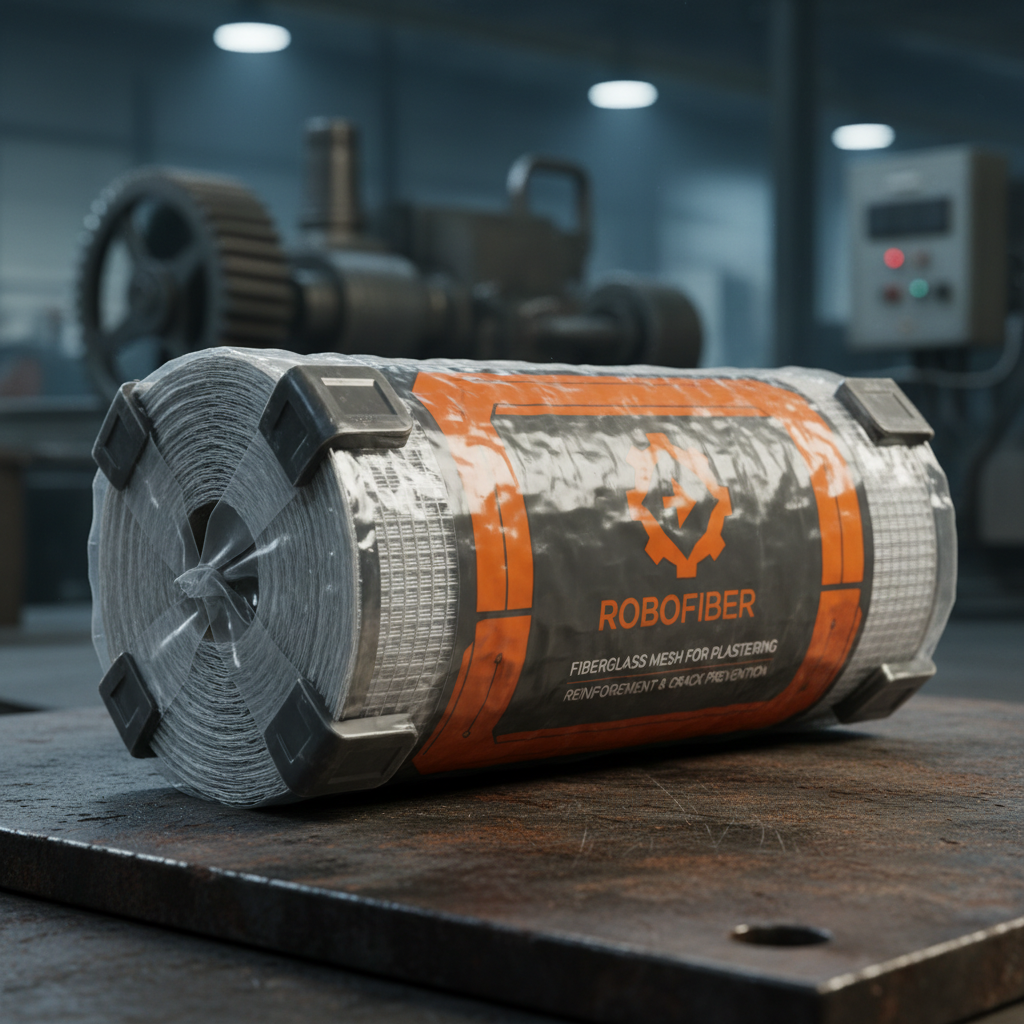
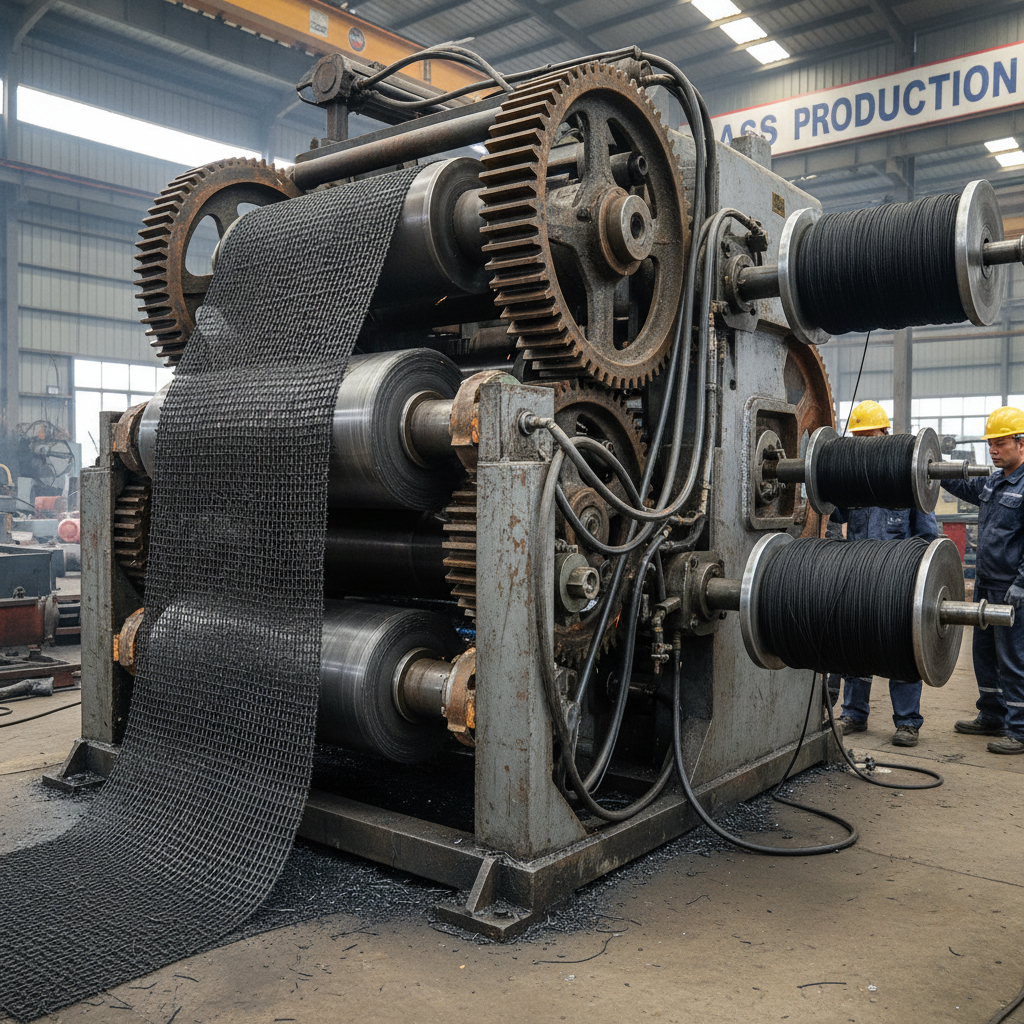
Fiberglass stucco mesh is a crucial component in modern construction and renovation, offering a versatile and durable solution for reinforcing stucco applications. Its increasing global demand stems from its superior performance characteristics compared to traditional lath materials like metal or expanded metal. Understanding its properties, applications, and advancements is paramount for architects, contractors, and homeowners alike, enabling more efficient, cost-effective, and long-lasting building projects.
The relevance of fiberglass stucco mesh extends beyond simple construction. It addresses critical needs in areas prone to seismic activity, extreme weather, and aging infrastructure, providing enhanced crack resistance and structural integrity. The growing emphasis on sustainable building practices also elevates its importance, as fiberglass mesh offers a lighter-weight and potentially more eco-friendly alternative to heavier materials. This aligns with global initiatives promoted by organizations like the UN and ISO to improve building standards and resilience.
Ultimately, the widespread adoption of fiberglass stucco mesh reflects a broader industry shift towards innovative materials that prioritize performance, sustainability, and longevity. Its effectiveness in mitigating common stucco issues like cracking and delamination makes it an invaluable asset in both residential and commercial construction, contributing significantly to the safety and durability of structures worldwide.
Introduction to fiberglass stucco mesh
Fiberglass stucco mesh represents a significant advancement in building materials, specifically designed to enhance the performance and longevity of stucco finishes. Traditionally, metal lath was the standard, but fiberglass mesh offers a compelling alternative due to its resistance to corrosion, lighter weight, and improved flexibility. This makes it a favored choice in a wide range of construction projects, from residential homes to large-scale commercial developments.
The material’s ability to distribute stress effectively minimizes cracking, a common issue with traditional stucco systems. Its composition, typically consisting of woven fiberglass strands coated with a protective alkali-resistant coating, ensures durability and compatibility with various stucco formulations. As building codes evolve to prioritize sustainability and resilience, the demand for fiberglass stucco mesh continues to rise globally.
Defining fiberglass stucco mesh
Fiberglass stucco mesh is a reinforcing material used in stucco systems, composed of interlaced fiberglass strands. Unlike traditional metal lath, it doesn't corrode, offering long-term durability even in harsh environments. Its primary function is to provide a stable substrate for the stucco coating, improving its resistance to cracking, shrinkage, and impact damage. It's essentially the skeletal structure that gives stucco its strength and longevity.
The mesh’s alkali-resistant coating is crucial; stucco mixes are inherently alkaline, and without this protection, the fiberglass strands would degrade over time. Modern fiberglass stucco mesh is designed to integrate seamlessly with various stucco application methods, including hand-applied and spray-applied techniques. This adaptability makes it a versatile solution for diverse construction needs.
Its connection to modern industry lies in its response to the demand for more sustainable and efficient building materials. By reducing material waste and offering a longer lifespan compared to traditional lath, fiberglass stucco mesh contributes to more environmentally responsible construction practices, aligning with the growing global focus on green building standards.
Core Components of fiberglass stucco mesh
The effectiveness of fiberglass stucco mesh hinges on several key characteristics. Firstly, its tensile strength is paramount, determining its ability to withstand stress and prevent cracking. Secondly, the alkali-resistance coating, usually composed of a polymer, protects the fiberglass strands from degradation caused by the alkaline compounds in stucco. Without this protective layer, the mesh would quickly lose its structural integrity.
Another crucial component is the mesh opening size. Smaller openings provide better stucco adhesion, while larger openings offer greater flexibility. The optimal opening size depends on the specific application and the desired finish. Finally, the weight of the mesh is a consideration; lighter meshes are easier to handle and install, reducing labor costs and improving efficiency.
These components work in synergy to create a reinforcing system that enhances the durability, crack resistance, and overall performance of stucco finishes. Selecting a mesh with the appropriate specifications is critical for achieving long-lasting results and minimizing maintenance requirements. Understanding these core components is essential for contractors and builders to optimize stucco installations and prevent costly repairs.
Global Applications of fiberglass stucco mesh
Fiberglass stucco mesh is utilized extensively in residential construction worldwide, particularly in regions with seismic activity or climates prone to extreme temperature fluctuations. It’s a common sight in California, Florida, and other areas where stucco is a prevalent exterior finish. Its resistance to cracking makes it ideal for buildings in earthquake-prone zones, where structural integrity is paramount.
Beyond residential applications, fiberglass stucco mesh plays a vital role in commercial projects, including high-rise buildings, shopping centers, and office complexes. Its lightweight nature reduces the overall load on structures, minimizing foundation requirements and construction costs. In post-disaster relief operations, quick-to-install fiberglass mesh can expedite the reconstruction of damaged buildings, providing safe and durable housing solutions.
Fiberglass Stucco Mesh Application Rates by Region
Advantages and Long-Term Value
The advantages of using fiberglass stucco mesh are numerous. Cost-effectively, it often proves cheaper than traditional metal lath when considering the reduction in labor costs due to its lighter weight and ease of installation. It significantly extends the lifespan of stucco applications by minimizing cracking and corrosion, thereby reducing maintenance and repair expenses over time.
From a sustainability perspective, fiberglass mesh is often manufactured with recycled materials and produces less waste during installation compared to metal lath. Its durability translates to less frequent replacements, contributing to a reduced environmental footprint. The improved structural integrity it provides enhances building safety, offering peace of mind to homeowners and occupants.
Future Trends in fiberglass stucco mesh
Innovation in fiberglass stucco mesh is focused on enhancing its performance characteristics and expanding its applications. Researchers are exploring new coating materials to further improve alkali resistance and UV protection, extending the mesh’s lifespan even in harsh climates. The integration of smart technologies, such as sensors embedded within the mesh, is being investigated to monitor stucco performance in real-time, providing early warnings of potential issues.
Furthermore, the development of bio-based fiberglass alternatives is gaining traction, driven by the demand for more sustainable building materials. Automated installation techniques, utilizing robotic systems, are also emerging, promising to increase efficiency and reduce labor costs. These advancements suggest a future where fiberglass stucco mesh plays an even more prominent role in building construction.
Challenges and Solutions
Despite its numerous benefits, challenges remain in the widespread adoption of fiberglass stucco mesh. One common concern is the initial cost, which can sometimes be higher than traditional metal lath. However, this is often offset by long-term savings in maintenance and repair costs. Another challenge is ensuring proper installation techniques, as incorrect application can compromise the mesh’s effectiveness.
To address these challenges, manufacturers are focusing on reducing production costs and providing comprehensive training programs for installers. Developing clearer installation guidelines and offering on-site support can help ensure that the mesh is applied correctly, maximizing its performance. Furthermore, promoting the long-term cost savings and sustainability benefits of fiberglass stucco mesh can encourage wider acceptance among builders and homeowners.
The following table summarizes common concerns and potential solutions:
Common Concerns and Solutions for Fiberglass Stucco Mesh Application
| Concern |
Impact on Project |
Solution |
Implementation Cost (1-10) |
| Initial Material Cost |
Higher upfront investment |
Highlight long-term cost savings and reduced maintenance |
3 |
| Improper Installation |
Reduced crack resistance, premature failure |
Provide comprehensive installer training and certification |
6 |
| Lack of Awareness |
Limited market adoption |
Increase marketing and educational efforts targeting builders and architects |
4 |
| Compatibility with Stucco Mixes |
Potential adhesion issues |
Conduct compatibility testing with various stucco formulations |
5 |
| UV Degradation (long-term) |
Reduced mesh strength over decades |
Develop coatings with enhanced UV protection |
7 |
| Handling and Storage |
Damage during transport or on-site storage |
Improve packaging and provide storage guidelines |
2 |
FAQS
The key difference lies in corrosion resistance. Metal lath rusts over time, compromising the stucco’s integrity. Fiberglass stucco mesh is non-corrosive, offering long-term durability. It's also lighter, making installation easier and potentially reducing labor costs. Furthermore, fiberglass offers greater flexibility, which is beneficial in areas prone to movement or seismic activity.
Fiberglass stucco mesh acts as a reinforcing layer within the stucco, distributing stresses and minimizing the likelihood of cracking. Its woven structure helps to bridge small movements in the substrate, preventing cracks from propagating. The mesh's tensile strength resists tensile forces, keeping the stucco cohesive.
Generally, yes. Fiberglass mesh is compatible with most standard stucco mixes, including cement-based, acrylic-based, and polymer-modified stuccos. However, it’s always best to check the manufacturer’s recommendations to ensure compatibility with a specific stucco formulation, especially when using specialized or unconventional mixes.
With proper installation and a quality mesh, fiberglass stucco mesh can last for the lifetime of the building, often exceeding 50 years. Its resistance to corrosion and degradation contributes to its long-term durability. However, environmental factors like extreme UV exposure or highly alkaline conditions can potentially shorten its lifespan, so appropriate coatings are crucial.
The initial material cost of fiberglass mesh may be slightly higher than metal lath. However, when factoring in reduced labor costs (due to its lighter weight and easier handling), reduced maintenance (due to its corrosion resistance), and potentially a longer lifespan, fiberglass mesh often proves more cost-effective over the long term.
Proper overlap of mesh seams, secure fastening to the substrate, and ensuring the mesh is fully embedded in the base coat are crucial for effective installation. Following the manufacturer's instructions and using appropriate fasteners are essential. Ensuring the substrate is clean and stable before application is also vital for long-term performance.
Conclusion
Fiberglass stucco mesh represents a significant advancement in building technology, offering a durable, sustainable, and cost-effective solution for reinforcing stucco applications. Its resistance to corrosion, lightweight nature, and improved flexibility address many of the limitations associated with traditional metal lath, contributing to longer-lasting and more resilient structures. From residential homes to large-scale commercial projects, the benefits of utilizing fiberglass mesh are undeniable.
Looking ahead, continued innovation in materials science and installation techniques will further enhance the performance and accessibility of fiberglass stucco mesh. By embracing these advancements and promoting best practices, the construction industry can unlock the full potential of this versatile material, creating safer, more sustainable, and more beautiful buildings for generations to come. To learn more about our fiberglass stucco mesh products and solutions, visit our website: www.tainuofiberglassmesh.com.