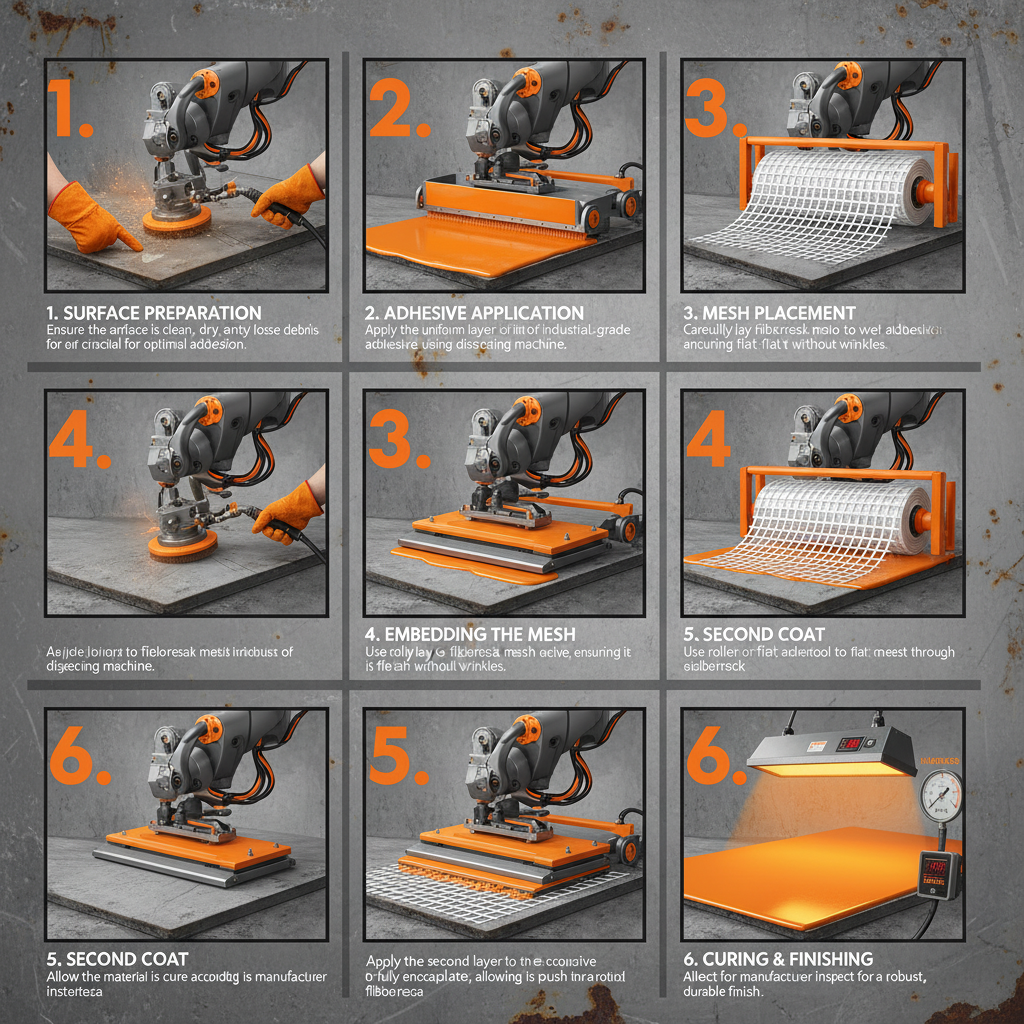
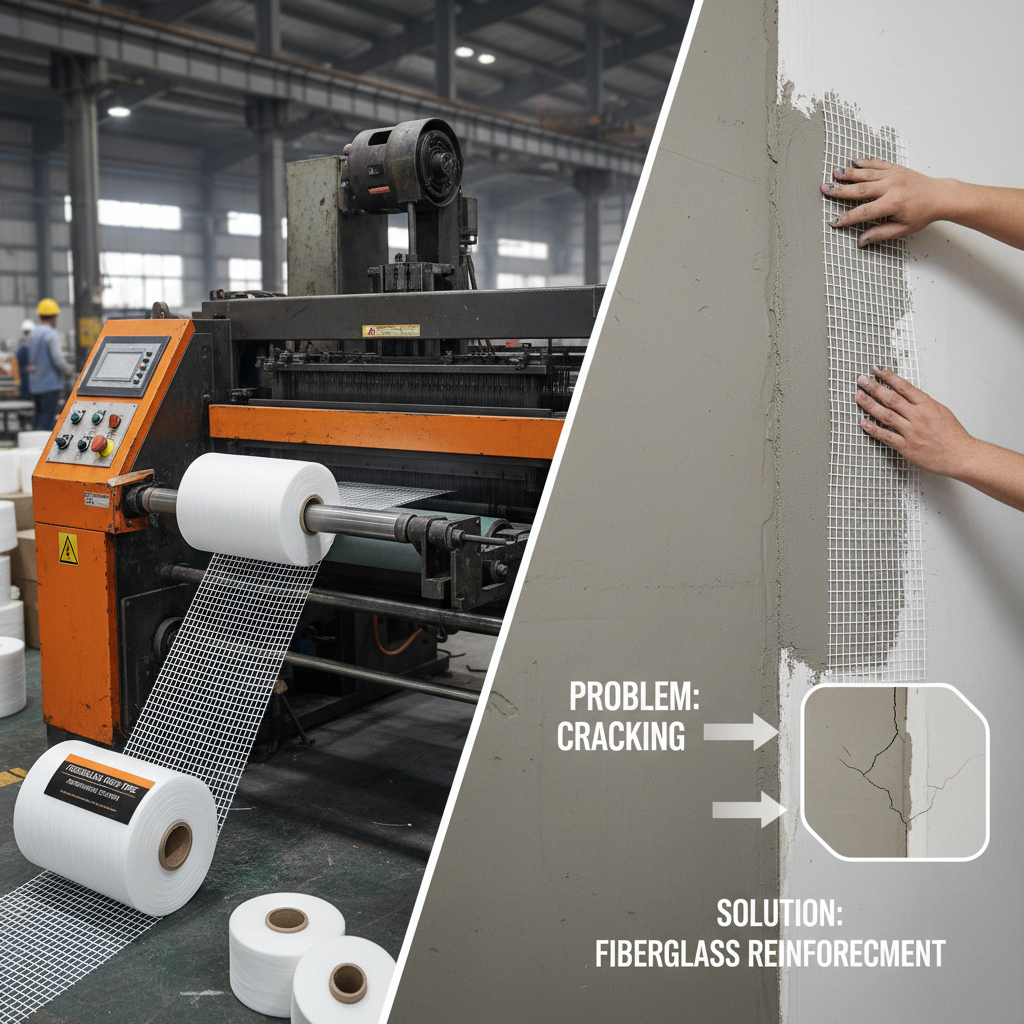
Fiberglass mesh reinforced concrete represents a significant advancement in construction materials, offering a compelling blend of strength, durability, and cost-effectiveness. Its increasing adoption globally addresses critical infrastructure needs, particularly in regions facing rapid urbanization and challenging environmental conditions. Understanding the nuances of this material is crucial for engineers, architects, and policymakers seeking innovative and sustainable building solutions.
The demand for resilient and adaptable infrastructure is escalating worldwide, fueled by population growth, climate change, and the need for efficient construction techniques. Fiberglass mesh reinforced concrete directly responds to these challenges by providing a lighter, more flexible, and corrosion-resistant alternative to traditional reinforced concrete. This is particularly important in environments exposed to harsh weather or seismic activity.
From disaster relief housing to large-scale infrastructure projects, fiberglass mesh reinforced concrete is reshaping the construction landscape. Its unique properties facilitate faster construction times, reduced maintenance costs, and enhanced structural performance, ultimately contributing to more sustainable and resilient communities.
Introduction to fiberglass mesh reinforced concrete
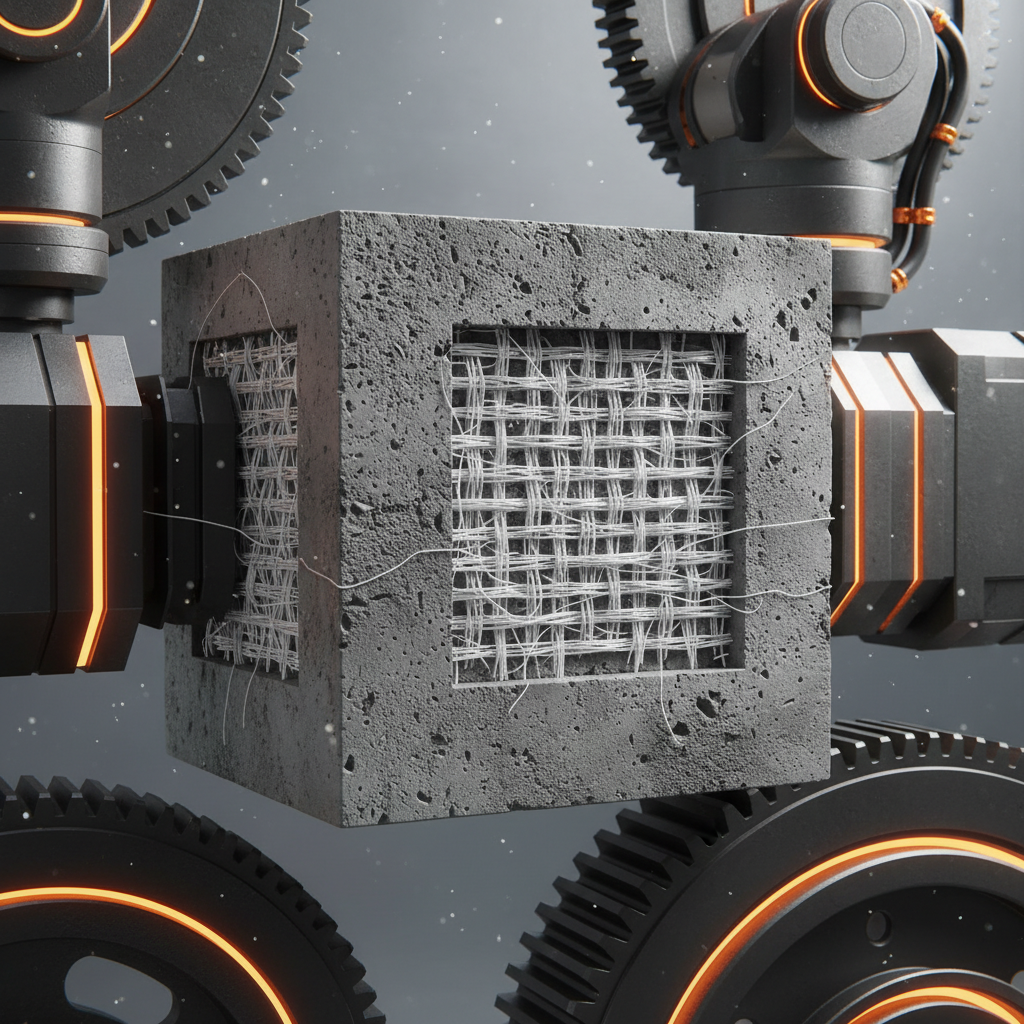
Fiberglass mesh reinforced concrete is a composite material that utilizes fiberglass mesh as a reinforcement element within a concrete matrix. Unlike traditional steel reinforcement, fiberglass offers exceptional corrosion resistance, significantly extending the lifespan of concrete structures, especially in challenging environments. fiberglass mesh reinforced concrete is becoming increasingly popular.
This innovative approach addresses the limitations of steel reinforcement, such as its susceptibility to rust and its weight, resulting in lighter, more durable, and cost-effective construction solutions. The material’s adaptability makes it ideal for a wide range of applications, from residential buildings to critical infrastructure projects.
Global Relevance & Industry Context
The global construction industry is a multi-trillion dollar market, undergoing significant transformation driven by factors like urbanization, infrastructure development, and a growing emphasis on sustainability. According to the UN, the world population is projected to reach 9.7 billion by 2050, necessitating a substantial increase in housing and infrastructure. The World Bank estimates that trillions of dollars in investment will be required to meet these demands.
A major challenge facing the industry is the deterioration of existing infrastructure due to corrosion of steel reinforcement in concrete. This results in costly repairs, structural failures, and potential safety hazards. Fiberglass mesh reinforced concrete offers a solution to this widespread problem, reducing the need for frequent maintenance and extending the service life of structures.
Furthermore, ISO standards are increasingly incorporating guidelines for the use of fiber-reinforced polymers in construction, signaling a growing acceptance of these innovative materials within the industry. The demand for materials that can withstand extreme conditions and provide long-term durability is propelling the adoption of fiberglass mesh reinforced concrete globally.
Defining fiberglass mesh reinforced concrete
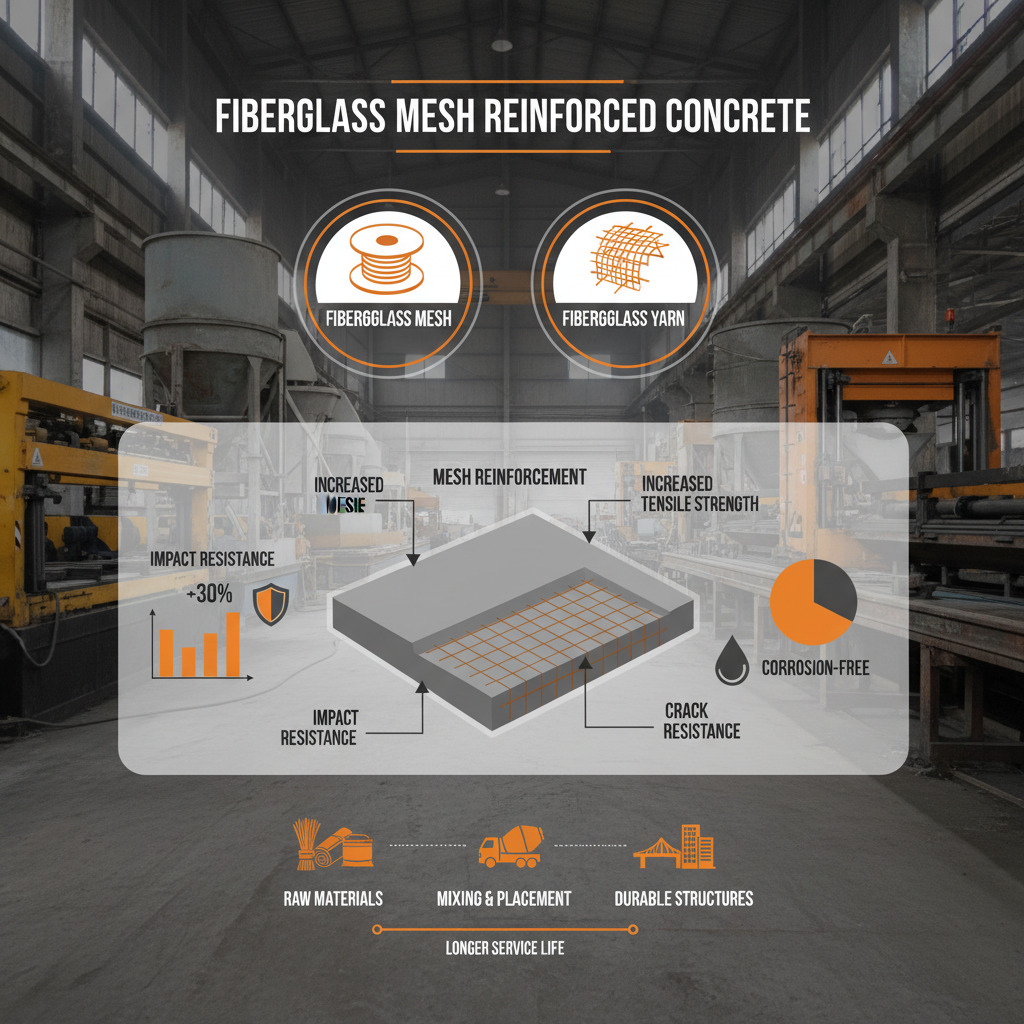
Fiberglass mesh reinforced concrete is a construction material comprised of a concrete matrix internally reinforced with a mesh of fiberglass fibers. This mesh acts as a tensile reinforcement, resisting cracking and increasing the overall strength and durability of the concrete. It is a departure from traditional steel reinforcement, offering unique advantages in terms of weight, corrosion resistance, and flexibility.
Its connection to modern industry is intrinsically linked to the need for advanced materials capable of meeting the demands of a rapidly evolving world. In humanitarian contexts, it provides a rapid and cost-effective solution for building shelters and infrastructure in disaster-stricken areas. In industrial settings, it’s used for constructing durable and corrosion-resistant structures in harsh environments.
Essentially, fiberglass mesh reinforced concrete represents a shift towards more sustainable and resilient construction practices, providing a viable alternative to traditional materials that are prone to degradation and require frequent maintenance. The use of fiberglass mesh reinforced concrete provides better options for longevity.
Key Aspects of fiberglass mesh reinforced concrete
Durability is a core characteristic of fiberglass mesh reinforced concrete. The inherent corrosion resistance of fiberglass eliminates the risk of rust-related deterioration, significantly extending the lifespan of structures. This is particularly beneficial in coastal regions or environments exposed to de-icing salts.
Scalability is another key factor. Fiberglass mesh can be easily customized to fit various shapes and sizes, making it suitable for a wide range of applications, from small residential projects to large-scale infrastructure developments. The flexibility of the mesh also allows for the creation of complex architectural designs.
Comparison of Reinforcement Methods
Global Applications & Use Cases
In post-disaster relief operations, fiberglass mesh reinforced concrete offers a rapid and cost-effective solution for constructing temporary shelters and essential infrastructure. Its lightweight nature facilitates easy transportation and installation in challenging terrains. In remote industrial zones, its corrosion resistance makes it ideal for building durable storage facilities and processing plants.
The material is also increasingly utilized in the construction of marine structures, such as docks and seawalls, due to its resistance to saltwater corrosion. Several countries, including Japan and the United States, are actively exploring its use in bridge construction and highway repairs, aiming to enhance the longevity and reduce the maintenance costs of these critical infrastructure assets.
Advantages & Long-Term Value
The tangible benefits of fiberglass mesh reinforced concrete extend beyond its durability. Cost efficiency is a significant advantage, as the reduced need for maintenance and repairs translates into long-term savings. Sustainability is also enhanced due to the material's extended lifespan and reduced environmental impact.
From a social impact perspective, the use of this material contributes to safer and more resilient communities. Its inherent safety features, such as its non-corrosive nature, reduce the risk of structural failures and protect lives. The adoption of fiberglass mesh reinforced concrete embodies innovation and builds trust in the longevity of infrastructure.
Future Trends & Innovations
Future trends point towards the integration of nanotechnology to further enhance the properties of fiberglass mesh, increasing its strength and durability. Research is also underway to develop more sustainable and bio-based fiberglass materials, reducing the environmental footprint of the production process. The digital transformation of construction, including the use of Building Information Modeling (BIM), will facilitate the efficient design and implementation of fiberglass mesh reinforced concrete structures.
Automation and robotics are expected to play a larger role in the manufacturing and installation of fiberglass mesh reinforced concrete components, further reducing costs and improving efficiency. Furthermore, policies promoting the use of sustainable building materials are likely to drive increased adoption of this innovative technology.
The convergence of these trends will position fiberglass mesh reinforced concrete as a pivotal material in the future of construction, enabling the creation of more resilient, sustainable, and cost-effective infrastructure worldwide.
FAQS
Fiberglass mesh reinforced concrete offers several key advantages. It’s significantly lighter, eliminating the need for heavy machinery during installation. It boasts superior corrosion resistance, extending the lifespan of structures, particularly in harsh environments. Furthermore, it exhibits higher tensile strength and improved resistance to cracking, resulting in more durable and reliable construction.
Yes, fiberglass mesh reinforced concrete is particularly well-suited for seismic zones. Its flexibility and high tensile strength allow it to absorb energy and withstand ground movement more effectively than traditional steel reinforcement. This makes it an excellent choice for constructing buildings and infrastructure in earthquake-prone areas, reducing the risk of structural damage and collapse.
The lifespan of a structure built with fiberglass mesh reinforced concrete is significantly longer than that of a structure built with traditional steel reinforcement, often exceeding 75-100 years. This is due to the inherent corrosion resistance of fiberglass, which eliminates the primary cause of deterioration in conventional concrete structures. Regular inspections and minimal maintenance further contribute to its longevity.
While the initial material cost of fiberglass mesh may be slightly higher than steel reinforcement, the overall life-cycle cost of fiberglass mesh reinforced concrete is often lower. This is because it requires less maintenance, reduces repair costs, and extends the lifespan of the structure. The ease of installation and reduced labor costs also contribute to overall savings.
Fiberglass mesh reinforced concrete is considered a more sustainable option compared to traditional reinforced concrete. Its longer lifespan reduces the need for frequent replacements, conserving resources and minimizing waste. Additionally, the reduced carbon footprint associated with its production and transportation contributes to its environmental friendliness.
Fiberglass mesh reinforced concrete is ideal for a wide range of projects, including marine structures, bridges, parking garages, residential buildings, and infrastructure in corrosive environments. It's also particularly well-suited for rapid construction projects, disaster relief housing, and applications where weight reduction is critical.
Conclusion
Fiberglass mesh reinforced concrete represents a paradigm shift in construction technology, offering a compelling combination of durability, sustainability, and cost-effectiveness. Its ability to address the limitations of traditional materials, particularly in challenging environments, positions it as a critical component of future infrastructure development. By embracing this innovative material, we can build more resilient, long-lasting, and environmentally responsible structures.
Looking ahead, continued research and development will further unlock the potential of fiberglass mesh reinforced concrete. The integration of advanced materials, automation, and digital technologies will drive even greater efficiency and sustainability. We encourage engineers, architects, and policymakers to explore the benefits of this material and consider its application in their projects.