Fiberglass mesh for concrete is rapidly becoming an indispensable component in modern construction, offering a versatile solution to enhance structural integrity and longevity. Its applications span a diverse range of projects, from reinforcing concrete slabs and walls to providing crucial support in external insulation finishing systems (EIFS). Globally, the demand for durable, cost-effective construction materials is soaring, driven by urbanization, infrastructure development, and a growing need for sustainable building practices. This demand positions fiberglass mesh for concrete as a key enabler for resilient and efficient construction worldwide.
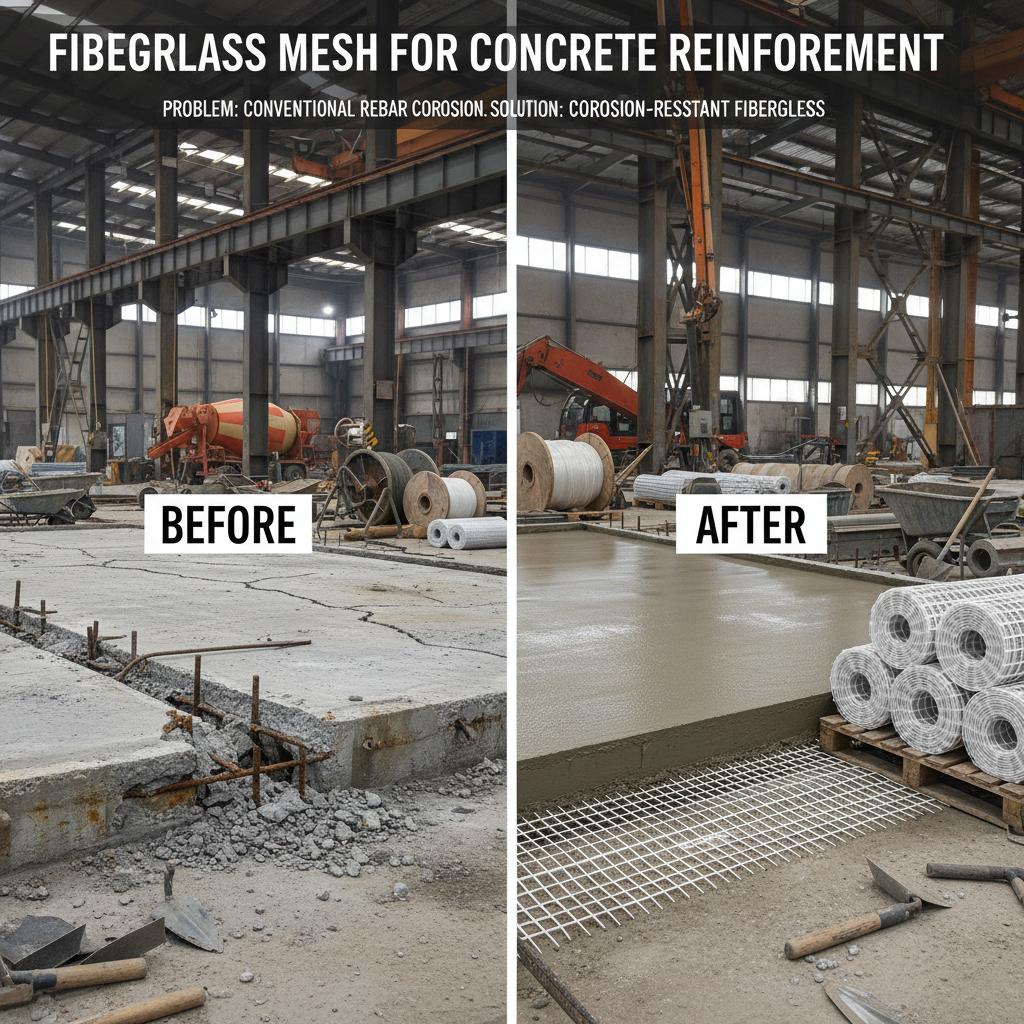
The increasing frequency of extreme weather events and seismic activity further underscores the importance of materials that can bolster structural resilience. Traditional reinforcement methods, while effective, can be heavy, prone to corrosion, and labor-intensive. Fiberglass mesh provides a lightweight, corrosion-resistant, and easy-to-install alternative, addressing these critical shortcomings. This is particularly crucial in regions with limited resources or challenging environmental conditions, where long-term durability and minimal maintenance are paramount.
Understanding the properties and applications of this innovative material is vital for architects, engineers, contractors, and anyone involved in the construction industry. Its ability to enhance crack resistance, improve impact strength, and reduce overall material costs makes it a compelling solution for a wide array of building and infrastructure projects.
Introduction to fiberglass mesh for concrete
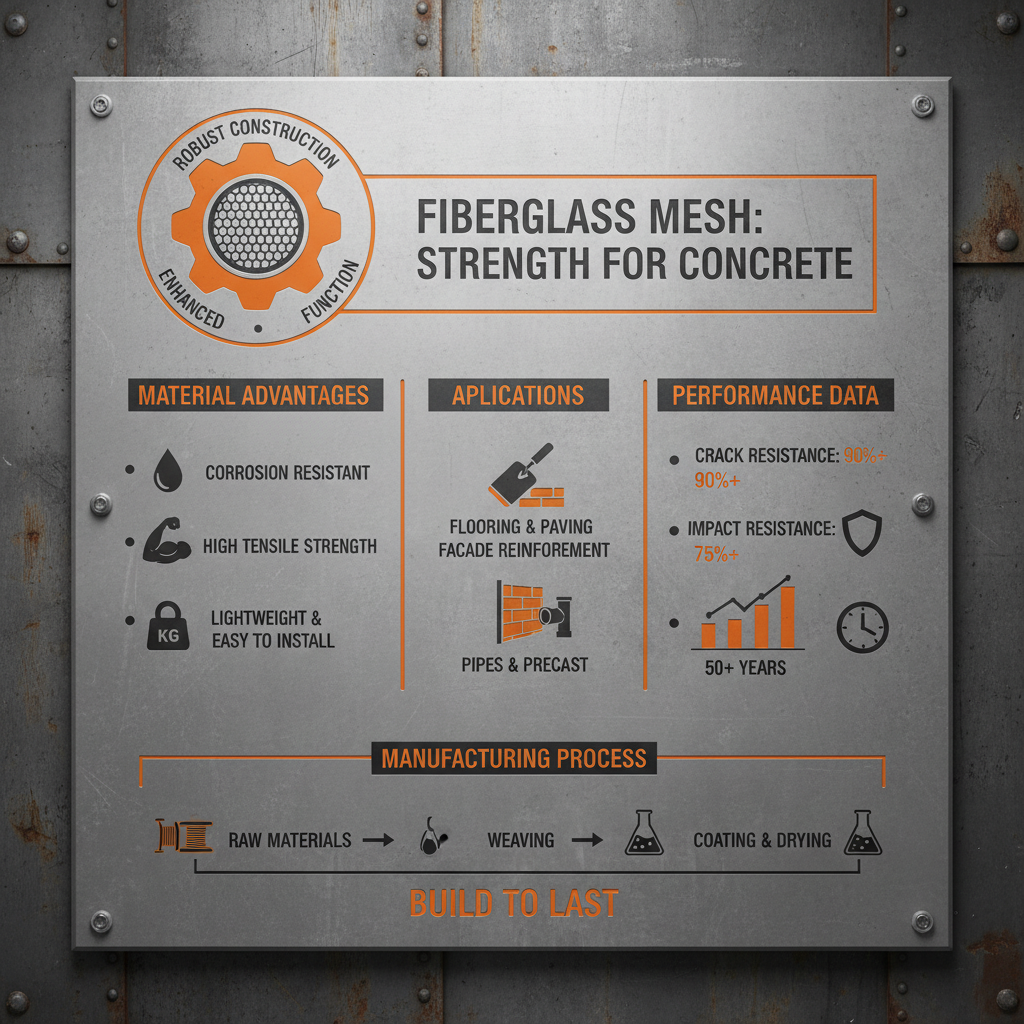
The core function of fiberglass mesh in concrete is to significantly enhance tensile strength and prevent cracking. It acts as a secondary reinforcement, distributing stresses and improving the overall performance of the concrete structure. Its lightweight nature simplifies handling and installation, reducing labor costs and project timelines. Fiberglass mesh for concrete isn't just about immediate strength; it's about building for the future.
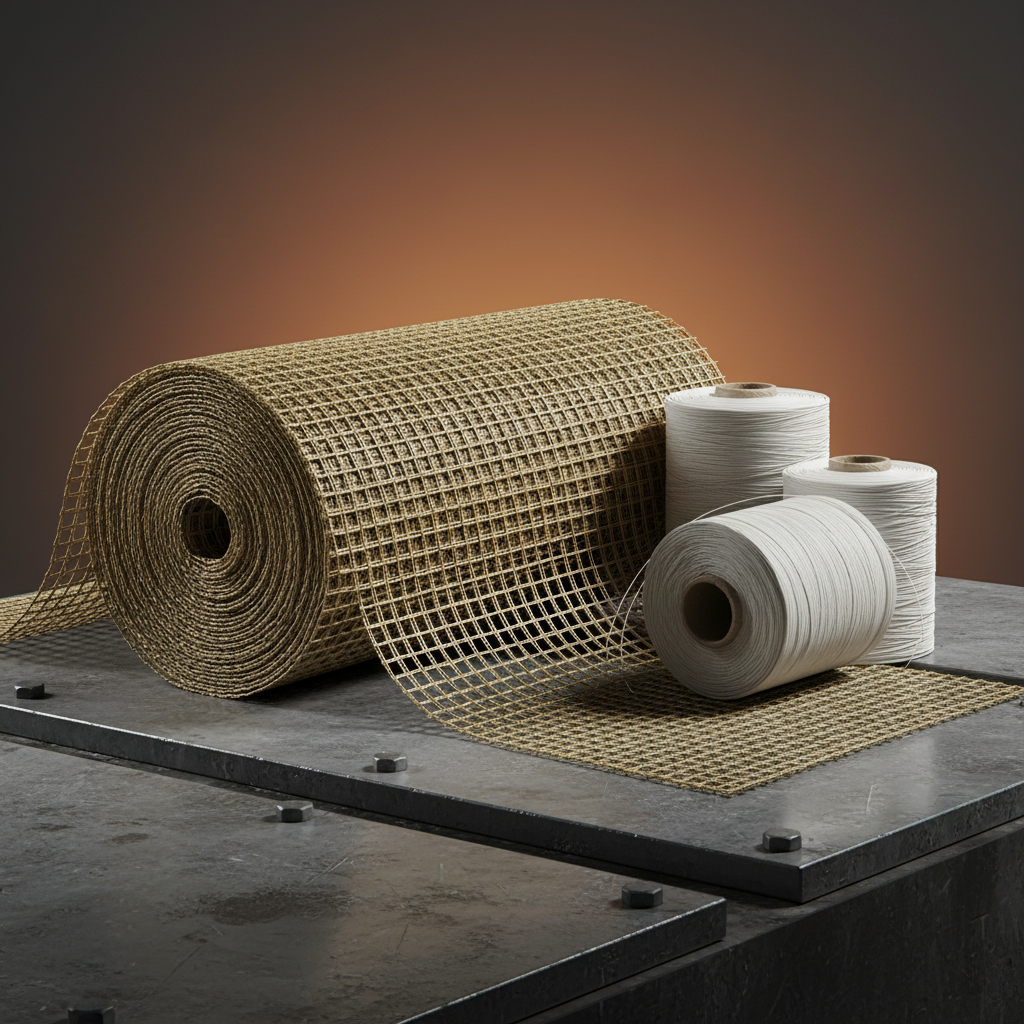
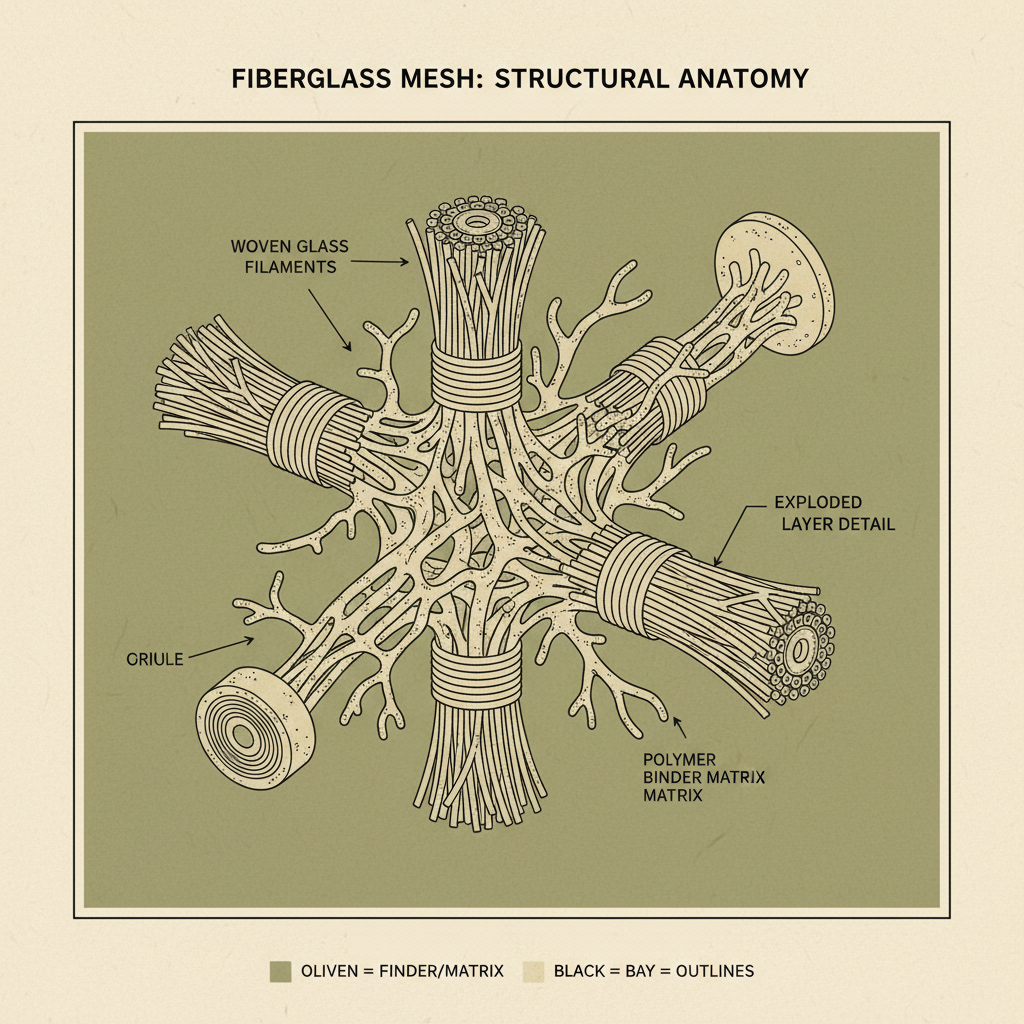
This material’s composition – typically glass fibers woven into a specific pattern and coated with a protective resin – creates a strong, durable, and alkali-resistant product. Different weave patterns and mesh weights cater to diverse applications, providing engineers with customized solutions for specific structural requirements. The selection of the appropriate mesh is crucial for optimizing performance and ensuring long-term reliability.
Global Relevance and Industry Context
The construction industry is a major contributor to global economic growth, representing approximately 6% of global GDP according to UN data. The demand for sustainable and efficient building materials is escalating, driven by factors such as population growth, urbanization, and increasing environmental concerns. Fiberglass mesh for concrete addresses this need by offering a lightweight, durable, and corrosion-resistant alternative to traditional steel reinforcement, reducing the environmental impact of construction projects.
According to the World Bank, infrastructure investment in developing countries is projected to reach trillions of dollars in the coming decades. This presents a significant opportunity for innovative materials like fiberglass mesh to play a crucial role in building resilient and sustainable infrastructure. Its ease of installation and reduced transportation costs make it particularly attractive for projects in remote or challenging locations.
The ISO standards for construction materials are becoming increasingly stringent, emphasizing durability, safety, and environmental performance. Fiberglass mesh meets and often exceeds these standards, providing a reliable and compliant solution for a wide range of construction applications. The global adoption of these standards is driving the demand for high-quality materials like fiberglass mesh.
Defining Fiberglass Mesh for Concrete
Fiberglass mesh for concrete is a composite material composed of interwoven glass fibers, typically alkali-resistant (AR) glass, embedded in a polymer resin. It's designed to reinforce concrete or mortar, enhancing its tensile strength, reducing cracking, and improving overall durability. Unlike traditional steel reinforcement, fiberglass mesh is non-corrosive, lightweight, and easy to handle.
Its connection to modern industry isn't just structural; it’s about meeting the demand for faster, more efficient, and sustainable construction practices. In a world facing rapid urbanization and aging infrastructure, fiberglass mesh offers a viable solution to extend the lifespan of buildings and reduce the need for costly repairs and replacements. It’s a fundamental component in modern EIFS systems, providing critical reinforcement and crack control.
Beyond construction, fiberglass mesh finds applications in humanitarian efforts. Its lightweight nature and ease of deployment make it ideal for creating temporary shelters, reinforcing damaged structures in disaster zones, and providing essential support in emergency situations. This versatility showcases its importance beyond purely commercial applications.
Key Factors and Core Components
One of the most critical aspects of fiberglass mesh for concrete is its Durability. AR-glass fibers resist degradation from alkaline environments present in concrete, ensuring long-term performance and preventing the loss of strength over time. The resin coating further protects the fibers from moisture and other environmental factors.
Tensile Strength is another defining characteristic. The interwoven glass fibers provide exceptional resistance to pulling forces, effectively preventing crack propagation and enhancing the structural integrity of the concrete. Different mesh weights and weave patterns offer varying levels of tensile strength to suit specific application requirements.
Fiberglass Mesh Performance Comparison
Global Applications & Use Cases
In post-disaster relief operations, fiberglass mesh for concrete is being increasingly used to quickly reinforce damaged structures, providing temporary stability and allowing for safe access for rescue and repair teams. Its lightweight and portability make it ideal for deployment in challenging environments.
Within the construction sector, it’s integral in External Insulation Finishing Systems (EIFS), where it acts as a reinforcing layer to prevent cracking and maintain thermal performance. It’s also utilized in precast concrete elements, concrete repair, and flooring systems to enhance durability and reduce maintenance requirements.
Advantages & Long-Term Value
The cost-effectiveness of fiberglass mesh is a significant advantage. While the initial material cost might be comparable to steel in some instances, the reduced labor costs associated with its lightweight nature and ease of installation often result in overall project savings. Furthermore, its corrosion resistance eliminates the need for expensive repairs and replacements down the line.
From a sustainability standpoint, fiberglass mesh offers a lower carbon footprint compared to steel reinforcement, reducing the environmental impact of construction projects. Its durability also contributes to longer-lasting structures, minimizing the need for frequent renovations and material waste. The inherent safety of handling a non-corrosive material also provides peace of mind for construction workers.
Beyond economic and environmental benefits, fiberglass mesh enhances the reliability and performance of structures, ensuring the safety and well-being of occupants. This contributes to a sense of trust and confidence in the built environment.
Future Trends & Innovations
Research and development are focused on creating bio-based resins for fiberglass mesh, further reducing its environmental impact and enhancing its sustainability profile. Nanotechnology is also being explored to improve the strength and durability of the glass fibers themselves.
The integration of digital technologies, such as Building Information Modeling (BIM), is enabling more precise design and optimization of fiberglass mesh reinforcement systems. Automated installation techniques are also being developed to further reduce labor costs and improve efficiency.
The demand for smart construction materials that can self-monitor and adapt to changing conditions is driving innovation in the field. Fiberglass mesh embedded with sensors could provide real-time data on structural health, enabling proactive maintenance and preventing catastrophic failures.
FAQS
Fiberglass mesh offers several advantages including being lightweight, corrosion-resistant, and easier to install. Unlike steel, it won’t rust or degrade over time, reducing maintenance costs and extending the lifespan of the structure. It also simplifies handling and reduces labor time, contributing to overall project efficiency. Because it is non-conductive, it's often preferred in applications needing electrical insulation.
While highly versatile, fiberglass mesh isn't a direct replacement for steel in all applications. It's ideally suited for reinforcing concrete slabs, walls, EIFS systems, and precast elements. For heavily loaded structural components requiring significant tensile strength, a combination of steel and fiberglass mesh might be the optimal solution. Always consult with a structural engineer to determine the appropriate reinforcement method for your specific project.
Mesh weight directly correlates with tensile strength and reinforcement capacity. Higher mesh weights provide greater strength and are suitable for applications requiring substantial reinforcement. Lower mesh weights are ideal for crack control and surface reinforcement. Selecting the correct mesh weight is crucial to ensure adequate performance and prevent over-engineering (and unnecessary cost).
Concrete reinforced with fiberglass mesh typically has a lifespan comparable to or exceeding that of traditionally reinforced concrete, often exceeding 75-100 years. The non-corrosive nature of fiberglass mesh prevents the degradation that commonly affects steel reinforcement, extending the structural integrity and reducing the need for costly repairs. Proper installation and environmental considerations also play a role.
Yes, fiberglass mesh offers several environmental benefits. It requires less energy to produce than steel, reducing its carbon footprint. Its durability extends the lifespan of structures, minimizing waste and the need for frequent replacements. Ongoing research is focused on using bio-based resins to further enhance its sustainability.
While fiberglass mesh is generally safe to handle, it's recommended to wear gloves, a dust mask, and eye protection during cutting or installation. Glass fibers can cause skin irritation, so avoiding direct contact is advised. Proper ventilation is also important, especially when working with resin coatings. Always refer to the manufacturer’s safety data sheet (SDS) for detailed instructions.
Conclusion
Fiberglass mesh for concrete represents a significant advancement in construction materials, offering a compelling combination of durability, cost-effectiveness, and sustainability. Its ability to enhance structural integrity, reduce maintenance costs, and minimize environmental impact positions it as a key component in the future of building and infrastructure development. From strengthening concrete structures to providing crucial support in disaster relief efforts, its versatility is undeniable.
As research and innovation continue to drive advancements in materials science, we can expect to see even more sophisticated applications of fiberglass mesh emerge. Embracing this technology is crucial for creating resilient, sustainable, and safe built environments for generations to come. Visit our website to learn more about how we can help you integrate fiberglass mesh into your next project.