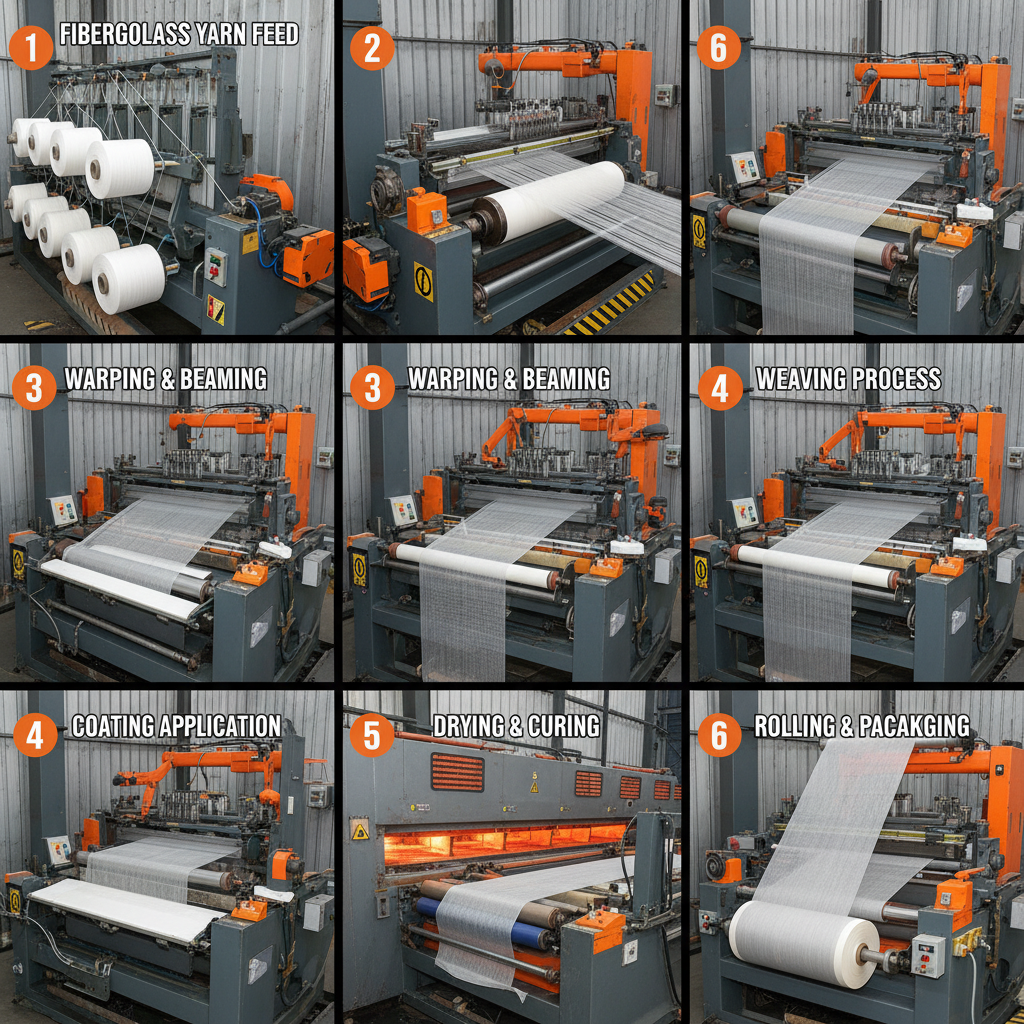
Honestly, things are moving fast these days. Everyone's talking about prefabrication, modular builds… it’s all the rage. But have you noticed how often the details get lost in translation? Architects designing these beautiful structures, engineers signing off on specs, and then we’re the ones trying to make it work on a muddy construction site. It’s a different world, let me tell you. It’s all about getting things right the first time, because rework… forget about it, the cost just spirals.
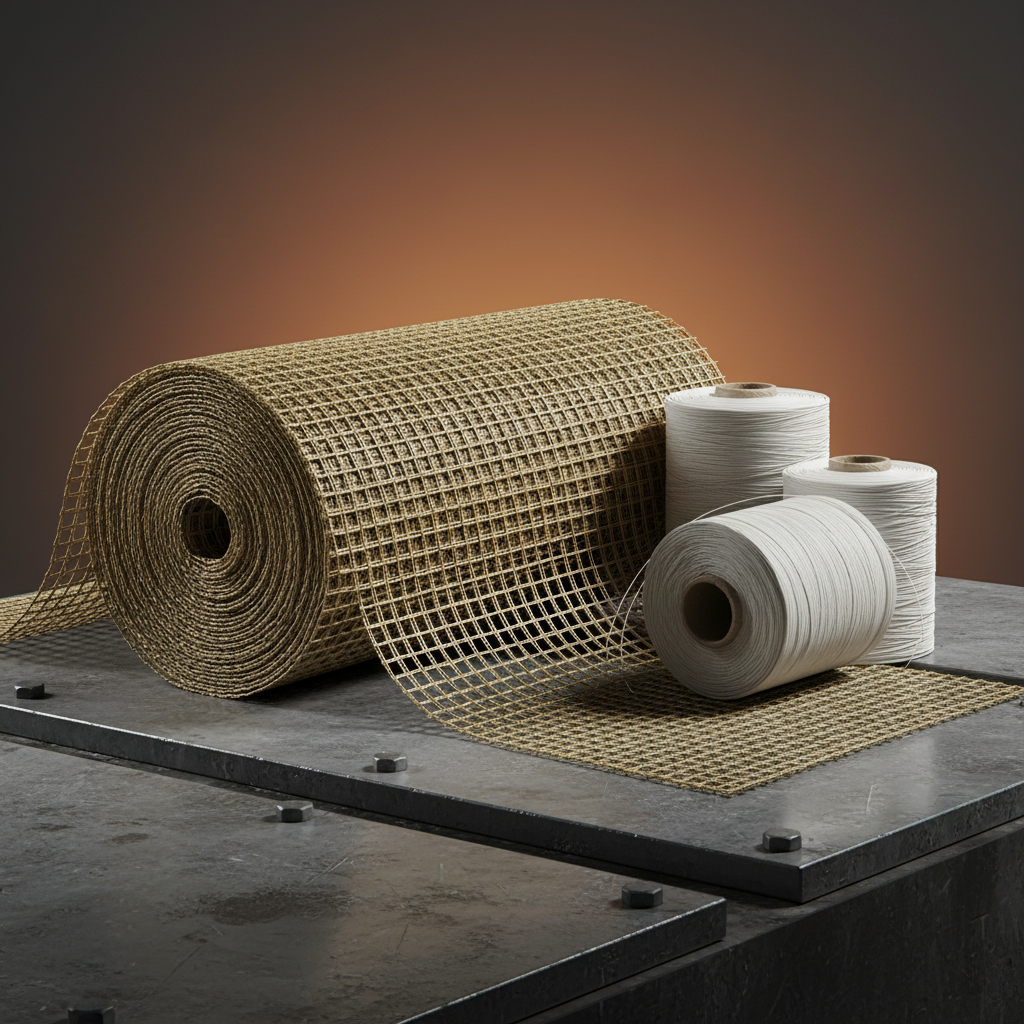
The core of it all, though? It’s the fiber glass mesh. Seems simple, right? A woven fabric? But it's the backbone of so many modern building techniques, and getting it wrong can be… catastrophic. I’ve seen entire facades ripple because the wrong mesh was used, or the adhesive failed. It's not pretty.
The Current Landscape of Fiber Glass Mesh Applications
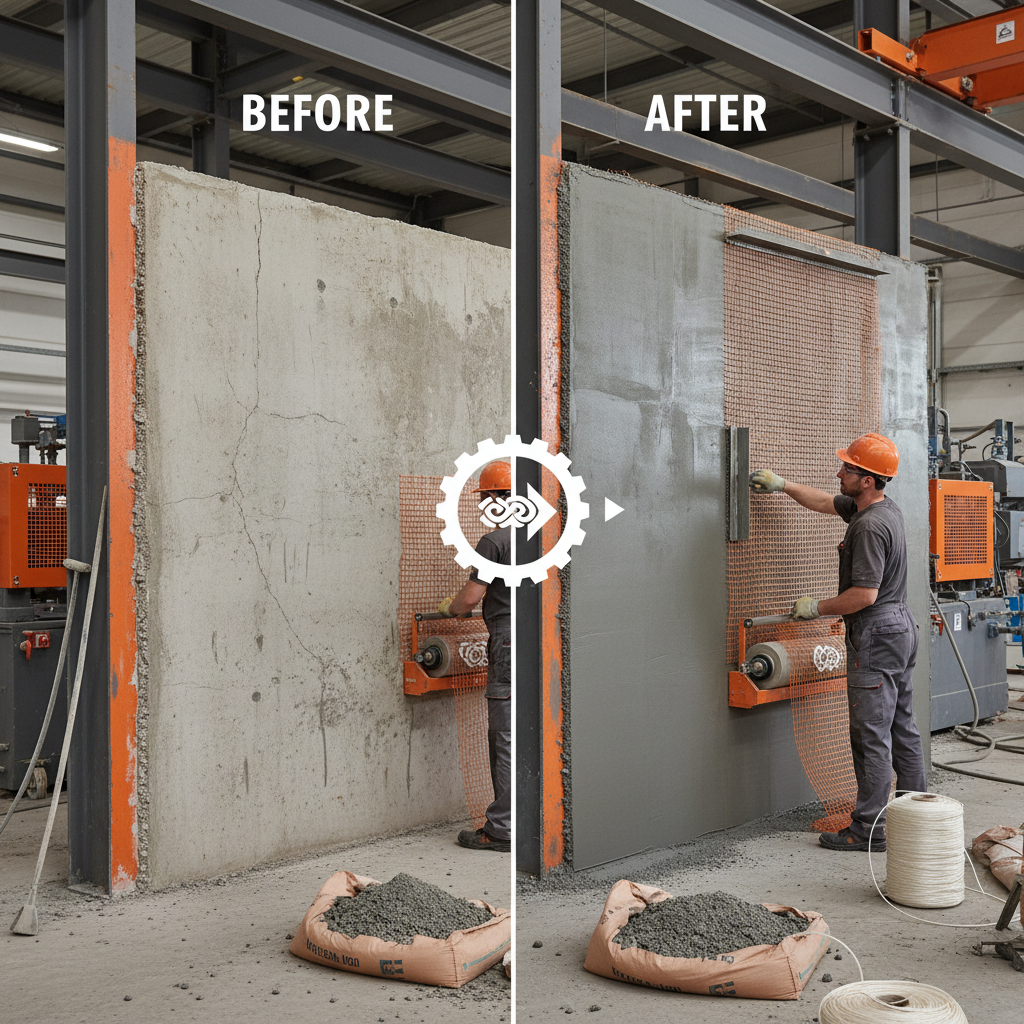
It's everywhere, honestly. EIFS systems, of course. But also in precast concrete, tile reinforcement, even road surfaces these days. Strangely enough, it's popping up more and more in artistic installations – sculptures, facades… people are getting creative. The demand is driven by the need for lightweight, high-strength materials, and fiber glass mesh fits the bill. But it’s not just about strength, it’s about flexibility, resisting cracking, and improving the overall durability of structures. It really is essential for those modern energy-efficient buildings.
We’re seeing a lot more interest in self-adhesive mesh as well. Saves a ton of time on-site. Although, the adhesive quality… that’s another story.
Design Pitfalls and Common Mistakes
Look, architects are great at design, but they don't always understand what it takes to build something. A common mistake? Specifying mesh with insufficient tensile strength for the application. Or, specifying the wrong coating. You get alkali-resistant mesh for concrete, but people swap it for cheaper, non-resistant stuff. It seems like a small thing, but it leads to rapid deterioration. Another thing I’ve encountered at a factory last time? They’re specifying mesh that’s too fine for a particular aggregate size in the stucco. It just doesn't embed properly, and you get bubbling and cracking.
Then there's the issue of overlaps. People underestimate how much overlap is needed to create a continuous reinforcing layer. Too little overlap, and you get stress concentrations and cracks. It’s frustrating, because these are all things you learn in the first week on a job site.
And don’t even get me started on improper storage. Leaving rolls of mesh out in the sun… it degrades the resins and weakens the fabric. It’s basic stuff, but it happens all the time.
Material Composition and Handling Realities
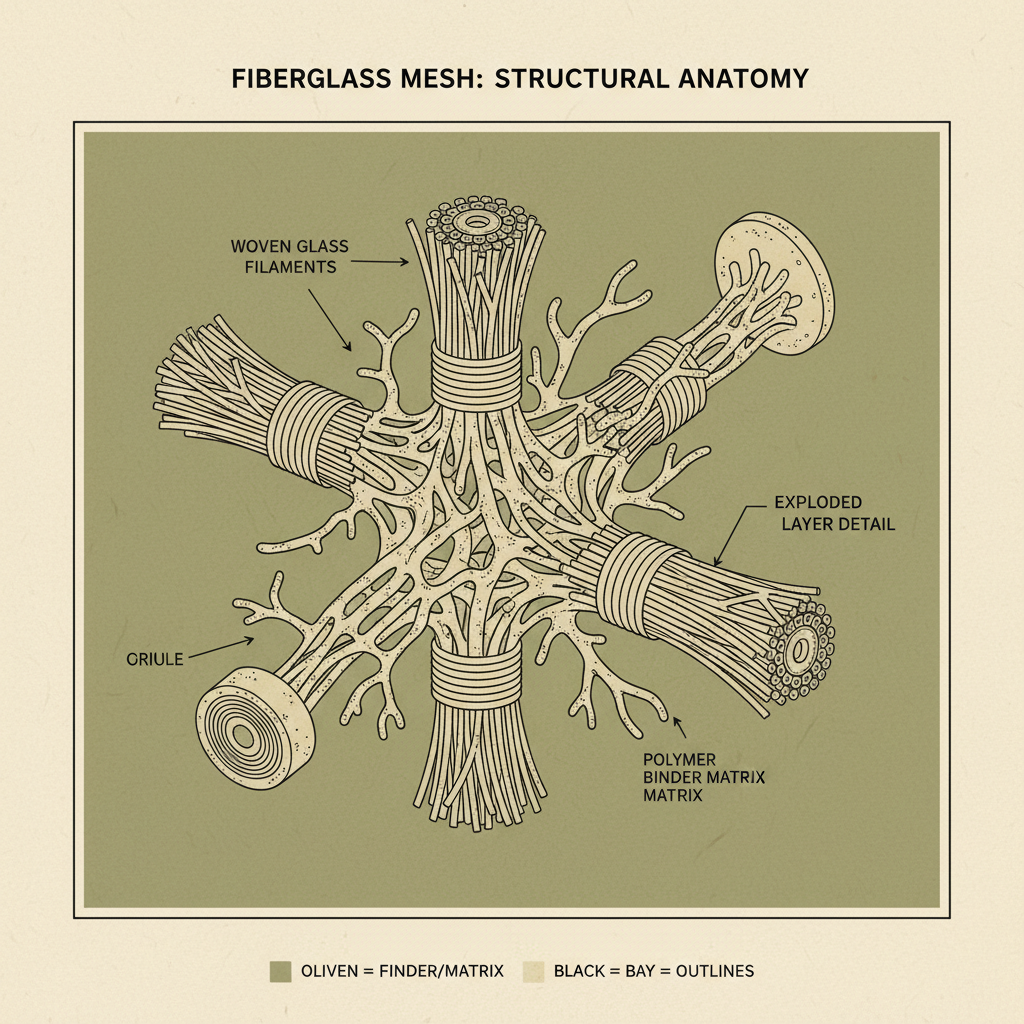
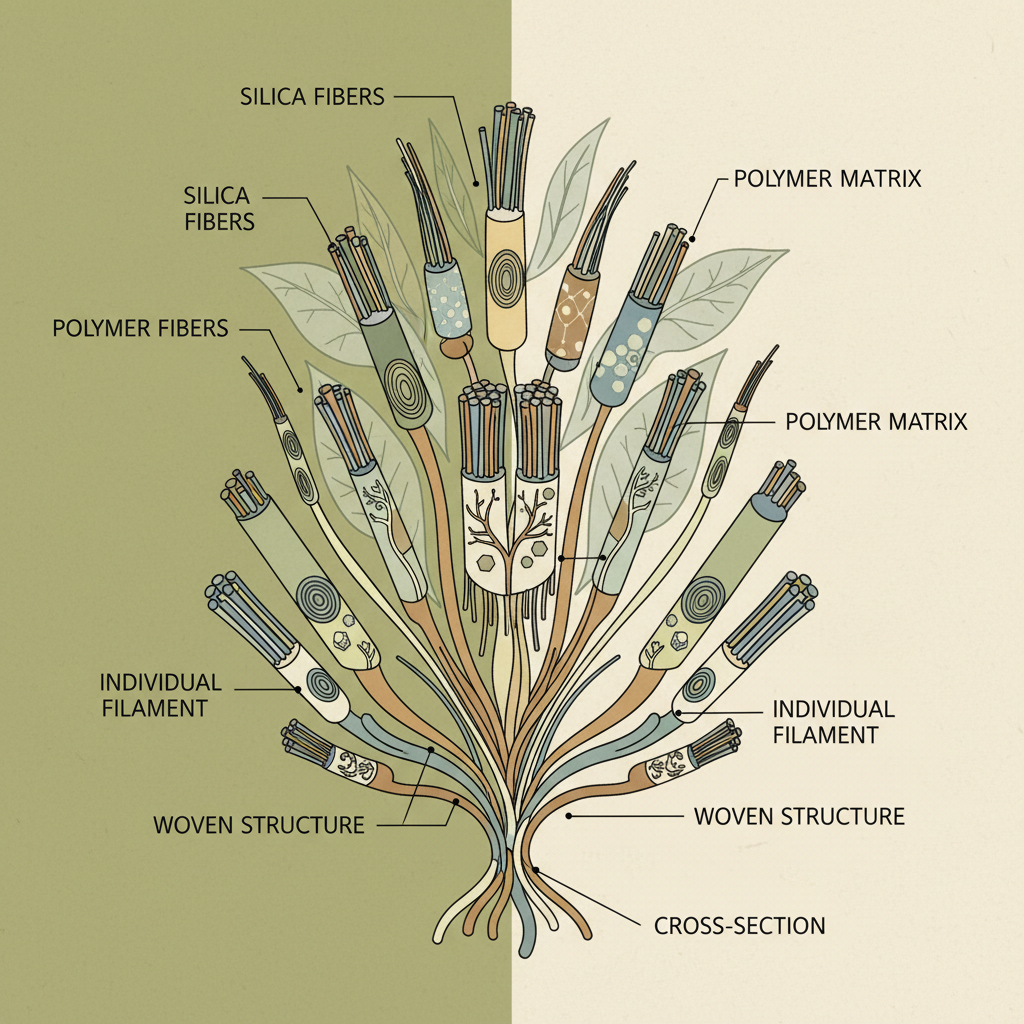
The majority of fiber glass mesh uses E-glass, right? It’s the standard. But there’s also S-glass, which is stronger and more alkali-resistant, but also more expensive. You can feel the difference, honestly. S-glass feels… crisper, tighter weave. E-glass is a bit softer, more pliable. And the smell? You get that slight resin smell when you handle it, especially the coated mesh. Not unpleasant, but you know it’s there.
Handling it… you gotta be careful. It frays easily, especially the edges. You need sharp blades for cutting, and you have to wear gloves. Those tiny glass fibers get everywhere. They’re irritating to the skin and lungs. I always tell the new guys, "Treat it like you’re handling fiberglass insulation."
And the coatings… that’s where things get interesting. You’ve got acrylic, latex, copolymer… each with different properties. Acrylic is good for UV resistance, latex is flexible, copolymer is a bit of both. It really depends on the application.
Real-World Testing and Performance Evaluation
Forget about those lab tests. The real test is time, and weather. I’ve seen mesh perform beautifully in a controlled environment, and fall apart after a single winter. We do our own "tests" on-site. We look for cracking, delamination, blistering… anything that indicates the mesh isn't doing its job. We also check the adhesion to the substrate – is it holding tight, or is it peeling away?
We also pay attention to how the mesh handles impact. A rogue brick, a falling tool… these things happen. Does the mesh absorb the impact and prevent the substrate from cracking? That’s a good sign. Anyway, I think a proper pull-out test, where you physically try to detach the mesh from the substrate, is the most reliable method. Simple, but effective.
Fiber Glass Mesh Performance Metrics
Unexpected User Applications and Observations
You wouldn't believe some of the things people use this stuff for. I had a guy once who was using it to reinforce a mosaic art installation. Another was using it to create a lightweight mold for casting concrete planters. And I saw a contractor use it as a temporary patching material for a damaged roof – not ideal, but it held until he could get a proper repair done.
What’s really interesting is how people try to adapt it to solve problems. Sometimes it works, sometimes it doesn’t. But you gotta admire the ingenuity.
Advantages, Disadvantages, and Customization Options
The advantages are pretty clear: lightweight, strong, alkali-resistant, cost-effective. It's a versatile material. But it's not perfect. It can be brittle, especially in cold temperatures. And it’s susceptible to UV degradation if it’s not properly coated. And honestly, the quality varies wildly between manufacturers.
Customization? You can get different mesh weights, apertures, coatings, even colors. Last month, that small boss in Shenzhen who makes smart home devices insisted on changing the interface to , and the result was that the mesh for their enclosures had to be a totally custom weave to accommodate the different component dimensions. It cost him a fortune, but he was adamant about keeping the sleek design. It just shows you how flexible the stuff can be… if you’re willing to pay for it.
A Customer Story: The Interface Debacle
So, as I mentioned, this guy in Shenzhen… made smart home hubs. Super-particular about aesthetics. He wanted to use fiber glass mesh to reinforce the plastic enclosures, but he'd redesigned the internal layout to accommodate a port. The standard mesh weave wouldn’t fit around the new connector.
He spent weeks trying to find a supplier who could create a custom weave with a tighter aperture. Most of them said it wasn’t feasible, or the cost was prohibitive. But he wouldn’t let it go. Finally, he found a small factory in Guangzhou that was willing to take on the challenge. They produced a small batch of custom mesh, but it took almost two months, and the price was three times the standard price.
He got his enclosures, everything looked great… but then he realized the custom mesh was slightly less flexible than the standard stuff, and it caused cracking during assembly. He had to redesign the enclosure again. It was a total mess. A classic case of over-engineering and unnecessary customization.
Fiber Glass Mesh Performance Comparison
| Mesh Type |
Tensile Strength (MPa) |
Alkali Resistance (Scale 1-10) |
Cost per Square Meter ($) |
| E-Glass Standard |
250 |
6 |
1.50 |
| S-Glass High Strength |
400 |
9 |
3.00 |
| Acrylic Coated E-Glass |
230 |
7 |
2.00 |
| Latex Coated E-Glass |
220 |
6 |
1.80 |
| Self-Adhesive E-Glass |
200 |
5 |
2.50 |
| Custom Woven S-Glass |
450 |
9 |
6.00+ |
FAQS
Keep it dry, first and foremost. Store it indoors if possible, or cover it tightly with a tarp if it’s outside. Exposure to moisture weakens the resins and makes it brittle. Also, keep it off the ground to prevent it from getting damaged or contaminated. A simple pallet works wonders. And don’t stack too much weight on top of it, or you’ll crush the weave.
A sharp utility knife or scissors are your best bet. Dull blades will just tear the mesh and cause it to fray. Use a straight edge as a guide for your knife. For larger cuts, consider using a rotary cutter. And always wear gloves and a mask to protect yourself from the fibers. A quick tip: apply a thin strip of masking tape along the cut line before you start. It helps prevent fraying.
Alkali resistance refers to the mesh’s ability to withstand the corrosive effects of alkaline substances, like those found in cement and concrete. Concrete is naturally alkaline. Without alkali-resistant mesh, the cement will gradually dissolve the glass fibers, weakening the mesh and causing it to fail. It’s crucial for applications where the mesh is embedded in concrete or exposed to alkaline environments. A higher rating means better resistance.
Absolutely not. It varies in glass type (E-glass, S-glass), coating (acrylic, latex), weave pattern, weight, and aperture size. S-glass is stronger and more alkali-resistant, but more expensive. Coatings provide UV protection and improve adhesion. Weave patterns affect flexibility and strength. Weight determines the mesh’s thickness and density. And aperture size impacts how well it integrates with the substrate. All these factors contribute to performance.
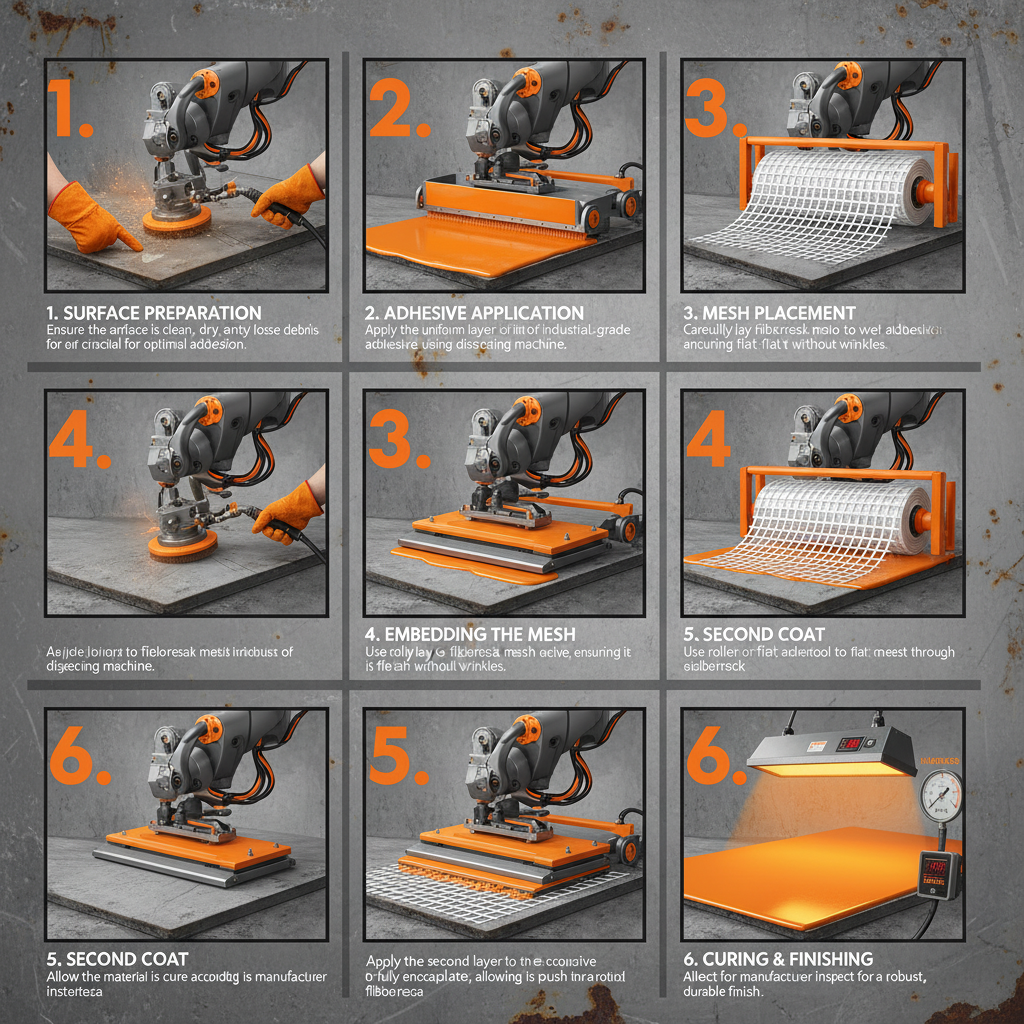
Yes, absolutely. It's a common technique for repairing cracks and reinforcing damaged concrete. You apply an adhesive to the mesh, then embed it into the crack or onto the surface of the concrete. It adds tensile strength and helps prevent further cracking. Proper surface preparation is essential for good adhesion. Make sure the surface is clean, dry, and free of loose debris.
Fiber glass itself isn't biodegradable, so disposal can be an issue. However, its durability means it lasts a long time, reducing the need for frequent replacements. Some manufacturers are exploring the use of recycled glass fibers in their mesh. Proper handling and waste management are important to minimize environmental impact. Avoid creating dust when cutting or handling the mesh, as the fibers can be harmful if inhaled.
Conclusion
So, there you have it. Fiber glass mesh isn't just some fancy fabric. It’s a crucial component of modern construction, offering strength, durability, and versatility. It’s got its drawbacks, sure, but understanding those limitations and choosing the right mesh for the application is key. It’s not about following the specs blindly; it's about knowing the material, understanding the environment, and anticipating potential problems.
Ultimately, whether this thing works or not, the worker will know the moment he tightens the screw. That’s the truth of it. And that’s why, after all these years on construction sites, I still trust my gut and keep a close eye on every roll of mesh that comes through the door.