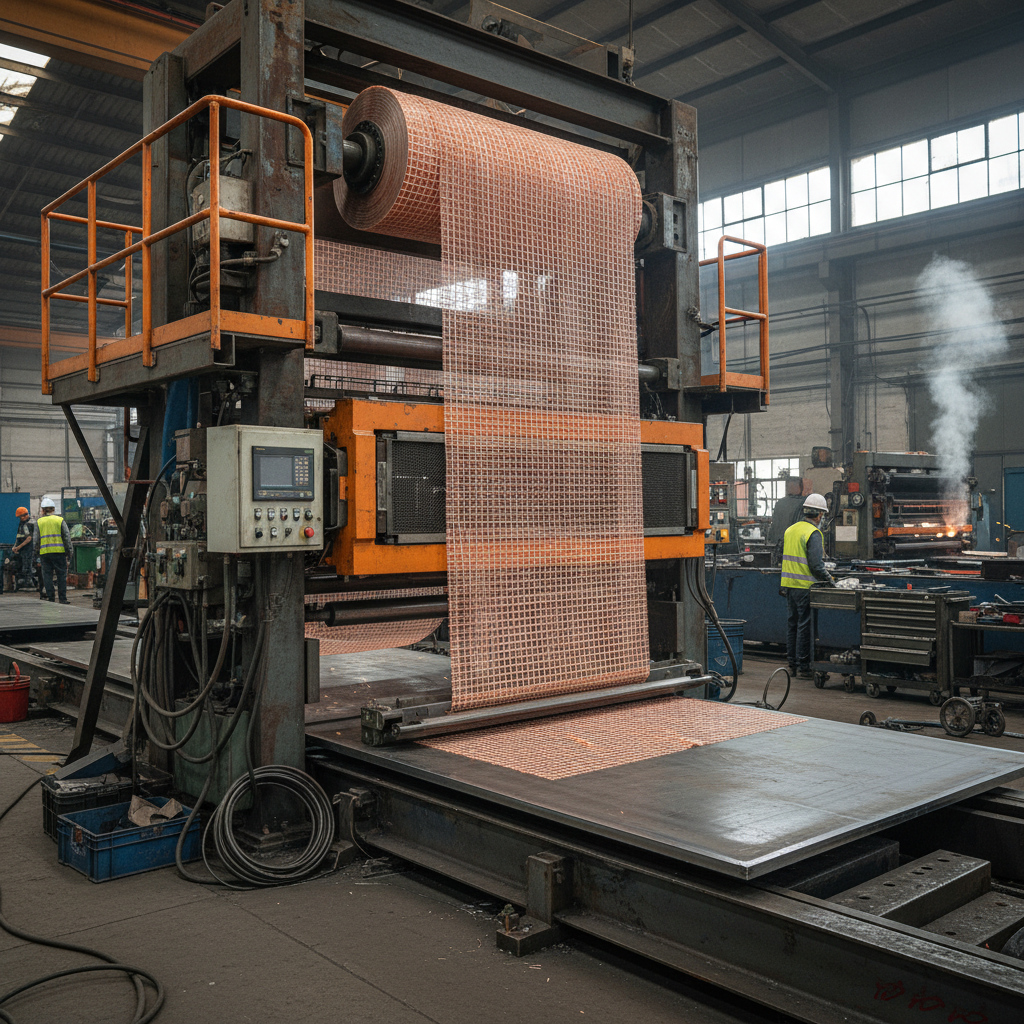
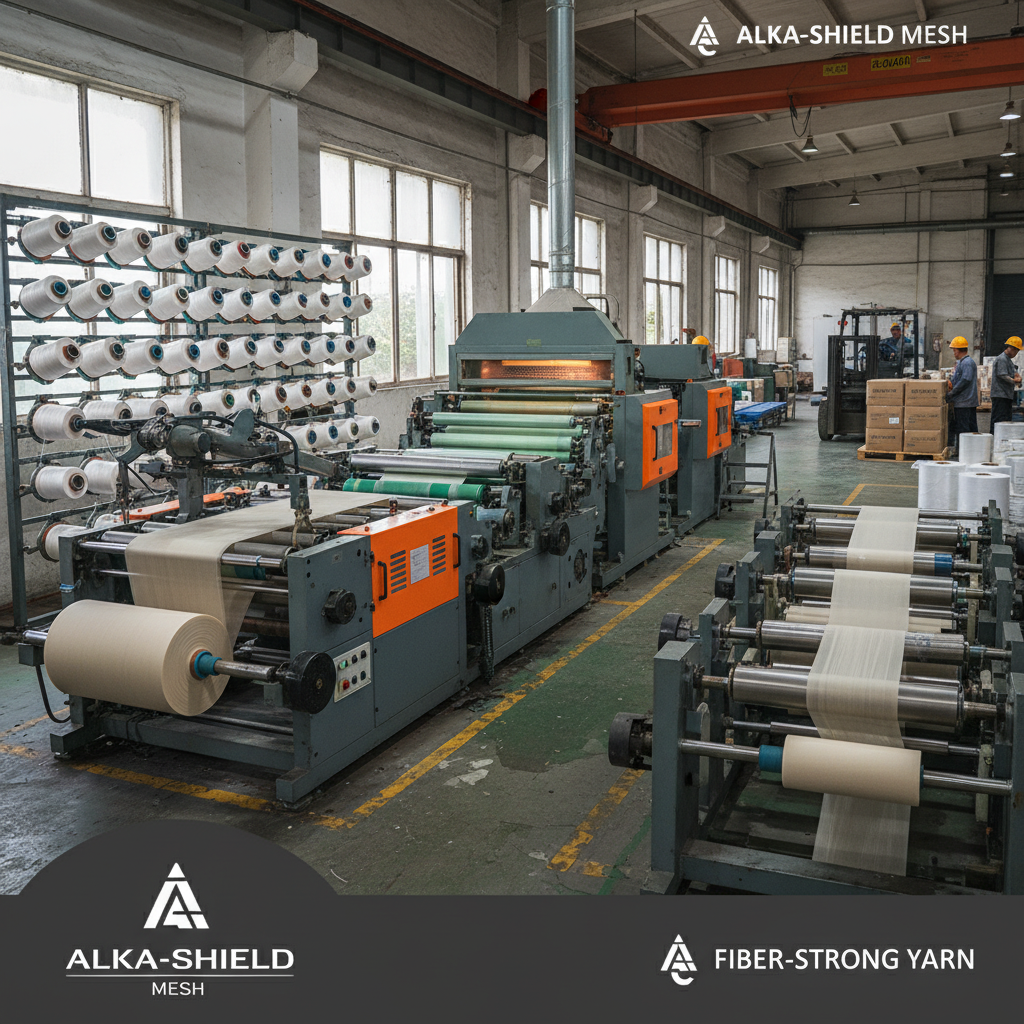
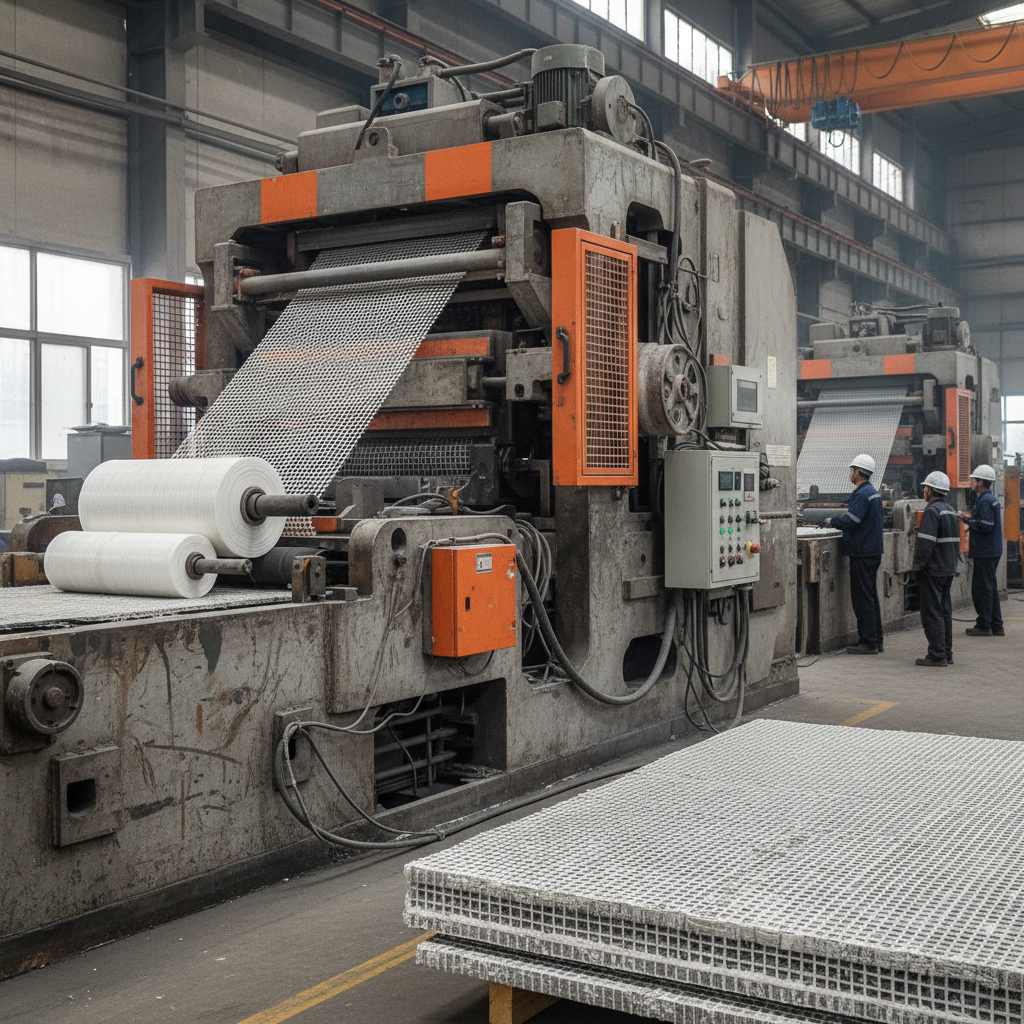
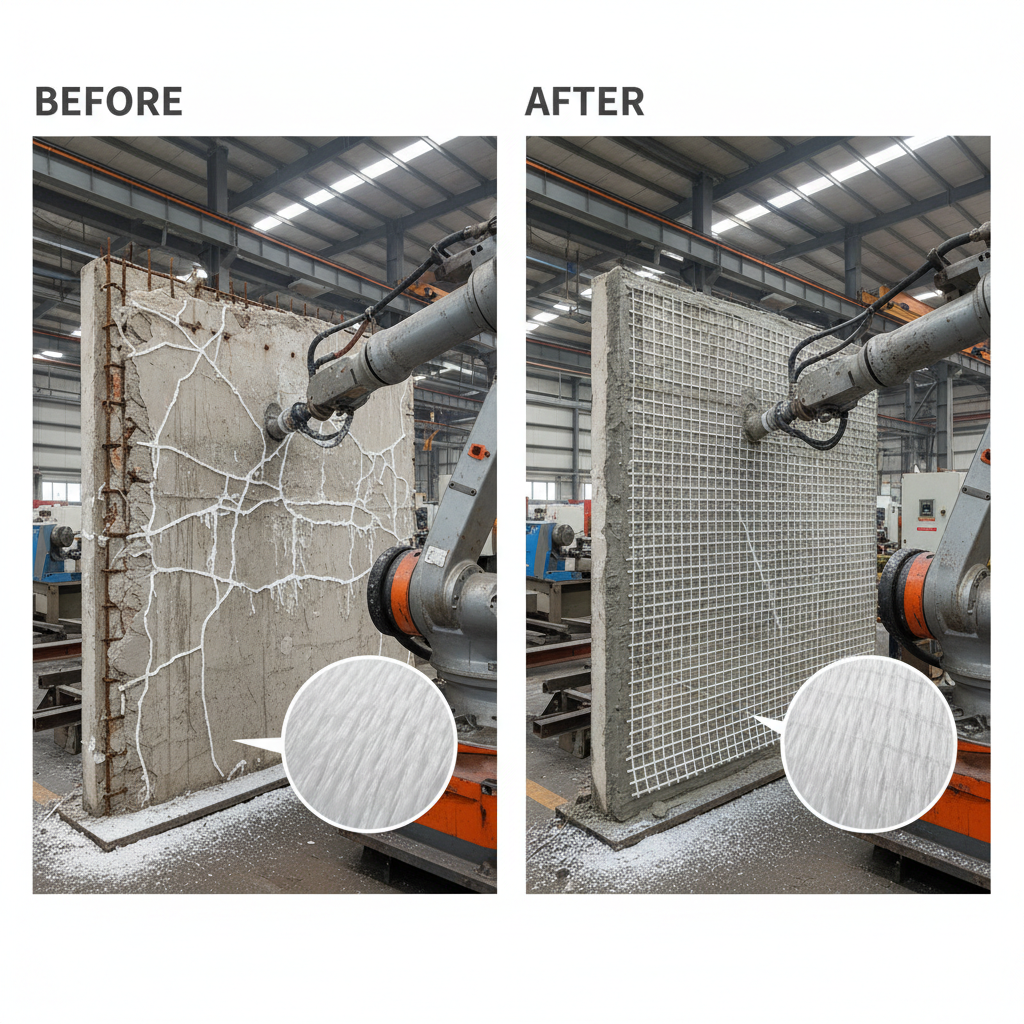
Fiberglass mesh rolls are increasingly vital components in modern construction, disaster relief, and industrial applications. Their unique combination of strength, lightweight properties, and versatility has propelled them into a global market experiencing significant growth. These rolls aren’t merely a construction material; they represent a scalable, cost-effective solution to a diverse range of challenges, from reinforcing concrete structures to creating rapid-deployment shelters.
The demand for fiberglass mesh rolls is driven by several factors, including increasing infrastructure development in emerging economies, a growing awareness of the need for durable and resilient building materials, and the escalating frequency of natural disasters requiring swift and effective response. Understanding the nuances of these rolls – their composition, applications, and future potential – is crucial for professionals and organizations operating in these sectors.
Ultimately, fiberglass mesh rolls offer a powerful solution to many of the challenges facing modern societies. They bridge the gap between cost-effectiveness and high performance, making them an indispensable asset in a world demanding sustainable and reliable infrastructure and rapid response capabilities.
Introduction to Fiberglass Mesh Rolls
Fiberglass mesh rolls are woven fabrics created from glass fibers, known for their exceptional tensile strength and resistance to various environmental factors. These rolls are a cornerstone material in countless applications, offering a lightweight yet robust alternative to traditional materials like steel and metal mesh. Fiberglass mesh rolls provide crucial reinforcement and stability in construction projects and beyond.
Their increasing popularity isn’t accidental. Fiberglass mesh rolls are designed for easy handling and installation, reducing labor costs and project timelines. This inherent efficiency, combined with their durable nature, makes them an ideal choice for projects requiring long-lasting solutions and minimal maintenance.
Global Relevance and Market Trends
The global fiberglass mesh market is experiencing substantial growth, fueled by infrastructure development in emerging economies, particularly in Asia-Pacific and Latin America. According to a report by Grand View Research, the global fiberglass reinforced polymer (FRP) composites market was valued at USD 87.28 billion in 2022 and is projected to reach USD 136.82 billion by 2030, with fiberglass mesh rolls constituting a significant portion of this market.
This growth is directly linked to the demand for durable and sustainable building materials. Governments worldwide are increasingly focusing on infrastructure upgrades and disaster preparedness, creating a favorable environment for products like fiberglass mesh rolls. Furthermore, stricter building codes prioritizing safety and longevity are driving adoption.
A key challenge addressed by fiberglass mesh rolls is the vulnerability of infrastructure to corrosion, particularly in coastal regions and areas with harsh climates. Traditional steel reinforcement is susceptible to rust, leading to structural weakening and costly repairs. Fiberglass mesh, being non-corrosive, offers a long-term solution, reducing lifecycle costs and enhancing the overall resilience of structures.
Defining Fiberglass Mesh Rolls
Fiberglass mesh rolls are essentially a woven fabric composed of fine glass fibers held together by a binding agent. These fibers are typically alkali-resistant (AR) glass, specifically engineered to withstand the corrosive effects of cement and concrete. The weaving pattern influences the tensile strength and flexibility of the roll, with different patterns suited for various applications.
Their connection to modern industry and humanitarian needs is profound. In construction, they act as reinforcement in concrete, plaster, and renders, preventing cracking and enhancing structural integrity. In disaster relief, they form the backbone of rapid-deployment shelters and emergency housing solutions, providing safe and durable accommodation for displaced populations. Fiberglass mesh rolls are a fundamental building block in addressing critical infrastructure and shelter needs worldwide.
Unlike traditional metal meshes, fiberglass mesh rolls are significantly lighter, making them easier to transport and install. This feature is particularly valuable in remote locations or challenging construction environments. Their inherent flexibility also allows them to conform to complex shapes and curves, expanding their application possibilities.
Key Characteristics of Fiberglass Mesh Rolls
Fiberglass mesh rolls boast several key characteristics that contribute to their widespread adoption. Firstly, Durability is paramount; they exhibit exceptional resistance to corrosion, chemicals, and UV radiation, ensuring long-lasting performance even in harsh environments. Secondly, Strength-to-Weight Ratio is remarkable – they offer significant tensile strength while remaining exceptionally lightweight, simplifying handling and reducing structural load.
Thirdly, Dimensional Stability is a crucial feature. Fiberglass mesh resists stretching or shrinking, ensuring consistent reinforcement over time. Fourth, Alkali Resistance prevents degradation when used with cement-based products. Finally, Versatility allows them to be used in a vast range of applications, from concrete reinforcement to wall coverings.
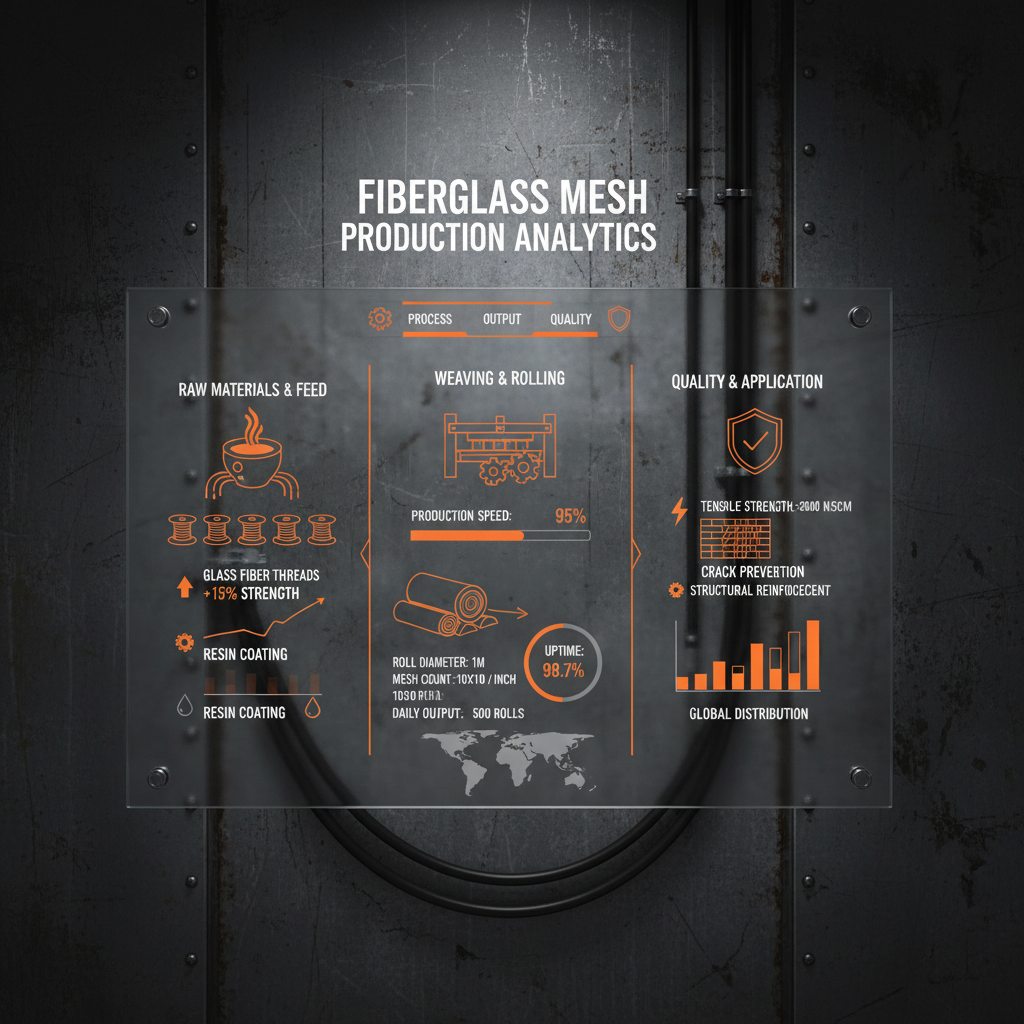
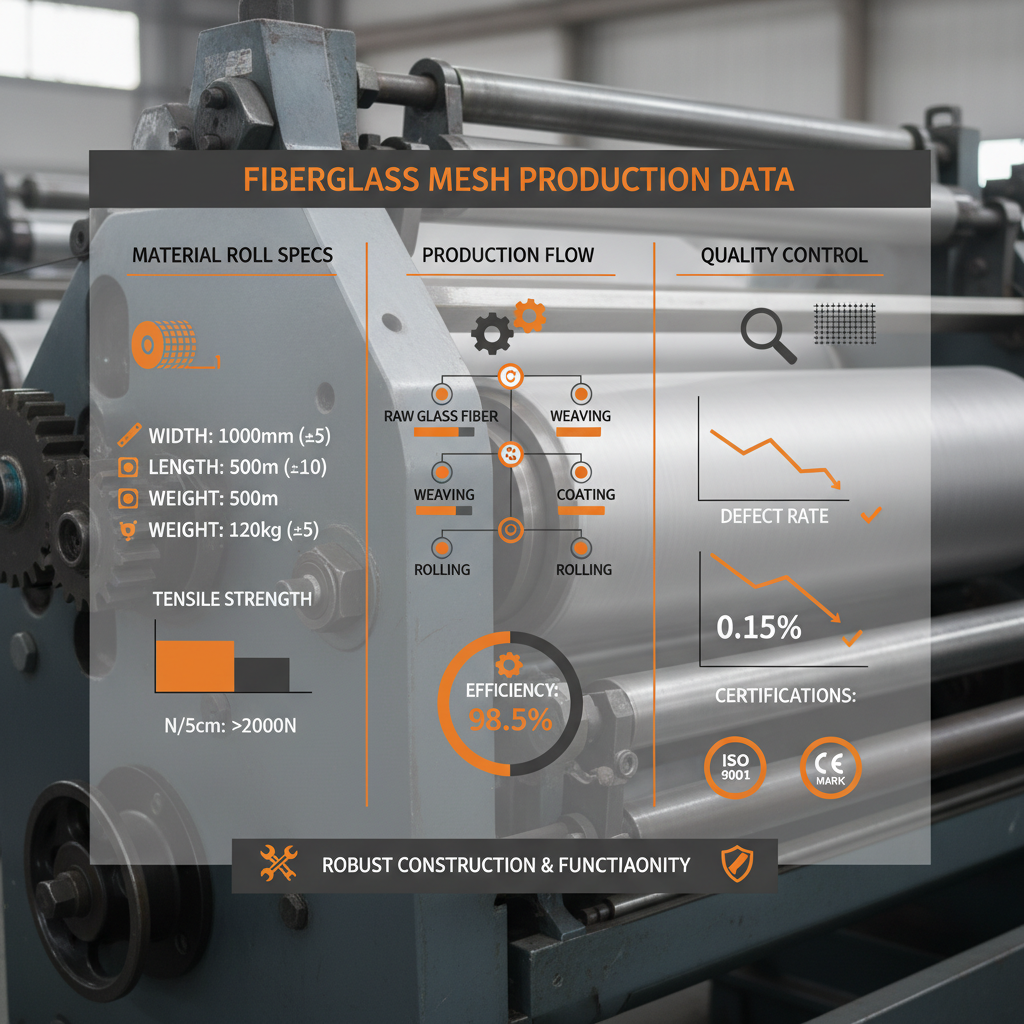
Fiberglass Mesh Roll Performance Metrics
Diverse Applications Across Industries
The applications of fiberglass mesh rolls are remarkably diverse. In construction, they are widely used for concrete reinforcement, preventing cracking and enhancing the durability of structures like walls, floors, and ceilings. They're also essential in External Insulation Finishing Systems (EIFS), providing a strong and alkali-resistant layer for plaster and render.
Beyond construction, these rolls play a vital role in manufacturing. They’re used in the production of fiberglass-reinforced plastics (FRP), creating lightweight and high-strength composite materials for automotive parts, marine vessels, and aerospace components. In post-disaster relief operations, fiberglass mesh is used to construct rapid-deployment shelters and emergency housing, offering immediate and safe accommodation for affected populations.
The Advantages and Long-Term Value Proposition
The advantages of using fiberglass mesh rolls extend beyond their immediate performance characteristics. Cost-efficiency is a significant benefit; while the initial cost might be slightly higher than traditional materials, the extended lifespan and reduced maintenance requirements translate to lower lifecycle costs. Sustainability is another key advantage, as fiberglass is a durable material that minimizes waste and reduces the need for frequent replacements.
From a social impact perspective, fiberglass mesh rolls contribute to safer and more resilient infrastructure, protecting communities from the consequences of natural disasters. The peace of mind that comes with knowing a structure is well-reinforced and built to last is invaluable. The overall trust in the durability and reliability of these rolls fosters long-term partnerships and customer loyalty.
Future Innovations and Emerging Trends
The future of fiberglass mesh rolls is poised for exciting advancements. Research and development are focused on incorporating bio-based resins into the manufacturing process, further enhancing sustainability. The integration of nanotechnology to improve fiber strength and alkali resistance is also gaining traction.
Digital transformation is playing a role, with the development of smart mesh systems that incorporate sensors to monitor structural health and provide real-time data on stress and strain. Automation in the manufacturing process is increasing efficiency and reducing production costs. These innovations will undoubtedly broaden the application possibilities of fiberglass mesh rolls and solidify their position as a leading material in various industries.
Furthermore, the trend towards prefabrication and modular construction is driving increased demand for lightweight and high-strength materials like fiberglass mesh, as they facilitate faster and more efficient building processes.
FAQS
Fiberglass mesh offers significant advantages over steel mesh in terms of weight, corrosion resistance, and ease of handling. Steel is prone to rust, especially in chloride-rich environments, leading to structural weakening. Fiberglass mesh is non-corrosive, making it ideal for coastal areas or projects exposed to harsh chemicals. It’s also much lighter, simplifying installation and reducing labor costs. While steel may have higher tensile strength, fiberglass mesh’s strength-to-weight ratio is often more advantageous.
In EIFS, fiberglass mesh acts as a reinforcement layer embedded within the base coat of the system. It provides tensile strength, preventing cracking and improving the impact resistance of the finish. The alkali-resistant coating on the mesh protects it from degradation caused by the alkaline environment of cement-based renders. This ensures the longevity and integrity of the EIFS system, enhancing the building's energy efficiency and aesthetic appeal.
Fiberglass mesh is considered more environmentally friendly than many traditional reinforcement materials, like steel. Its production requires less energy than steel manufacturing, and it doesn’t contribute to corrosion, which can lead to material degradation and environmental pollution. While fiberglass isn't biodegradable, its long lifespan and reduced need for replacement contribute to lower lifecycle environmental impacts.
The lifespan of structures reinforced with fiberglass mesh is generally longer than those reinforced with traditional steel, particularly in corrosive environments. With proper installation and maintenance, structures can last for 75 years or more. The non-corrosive nature of fiberglass mesh prevents the weakening of the reinforcement, ensuring long-term structural integrity and reducing the need for costly repairs or replacements.
Fiberglass mesh is ideal for projects in corrosive environments, such as coastal regions or industrial facilities. It’s also well-suited for applications requiring lightweight reinforcement, such as EIFS, precast concrete panels, and rapid-deployment shelters. Additionally, its flexibility makes it suitable for structures with complex shapes or curves, like swimming pools and architectural features.
The weaving pattern significantly impacts the strength, flexibility, and alkali resistance of fiberglass mesh. Different weaves – such as plain, twill, and satin – offer varying characteristics. For example, a plain weave provides good stability and is often used for general reinforcement, while a twill weave offers higher drapeability and is suitable for complex shapes. The density and thickness of the yarns also play a crucial role in determining the mesh’s overall performance.
Conclusion
Fiberglass mesh rolls represent a paradigm shift in reinforcement materials, offering a compelling combination of durability, strength, cost-effectiveness, and sustainability. From reinforcing concrete structures to providing rapid shelter in disaster zones, their versatile applications address critical global challenges. Their inherent resistance to corrosion and lightweight nature offer significant advantages over traditional materials like steel.
Looking ahead, continued innovation in materials science, manufacturing processes, and digital integration will unlock even greater potential for fiberglass mesh rolls. By embracing these advancements, we can build more resilient, sustainable, and efficient infrastructure for generations to come. To learn more about how fiberglass mesh rolls can benefit your projects, visit our website today.