The construction industry is witnessing a significant shift toward high-performance reinforcement materials, where the search for a comprehensive fiberglass mesh net pricelist often reveals a complex interplay between material weight, mesh opening size, and durability. As building codes become more stringent regarding crack prevention and thermal insulation, procurement professionals are moving away from generic sourcing toward specification-driven acquisition.
Understanding the pricing logic of fiberglass mesh is not merely about the cost per square meter but about the total lifecycle value. Variations in gsm (grams per square meter) and the quality of the alkali-resistant coating directly impact the longevity of the render or plaster, making the technical breakdown of these costs essential for project engineers and contractors.
This analysis explores the critical factors influencing fiberglass mesh costs, the engineering trade-offs between different specifications, and how to evaluate manufacturers to ensure a balance between budget and structural integrity.

Structural Mechanics of Fiberglass Mesh

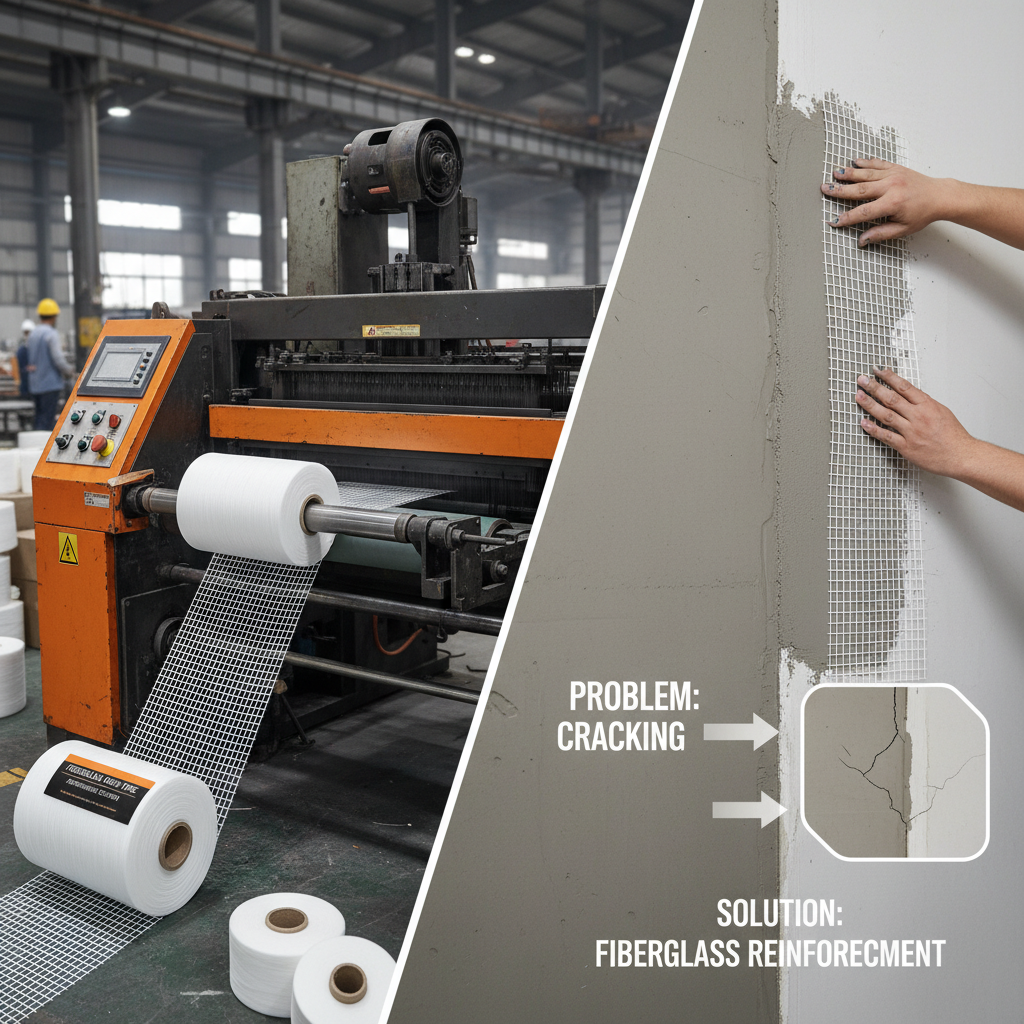
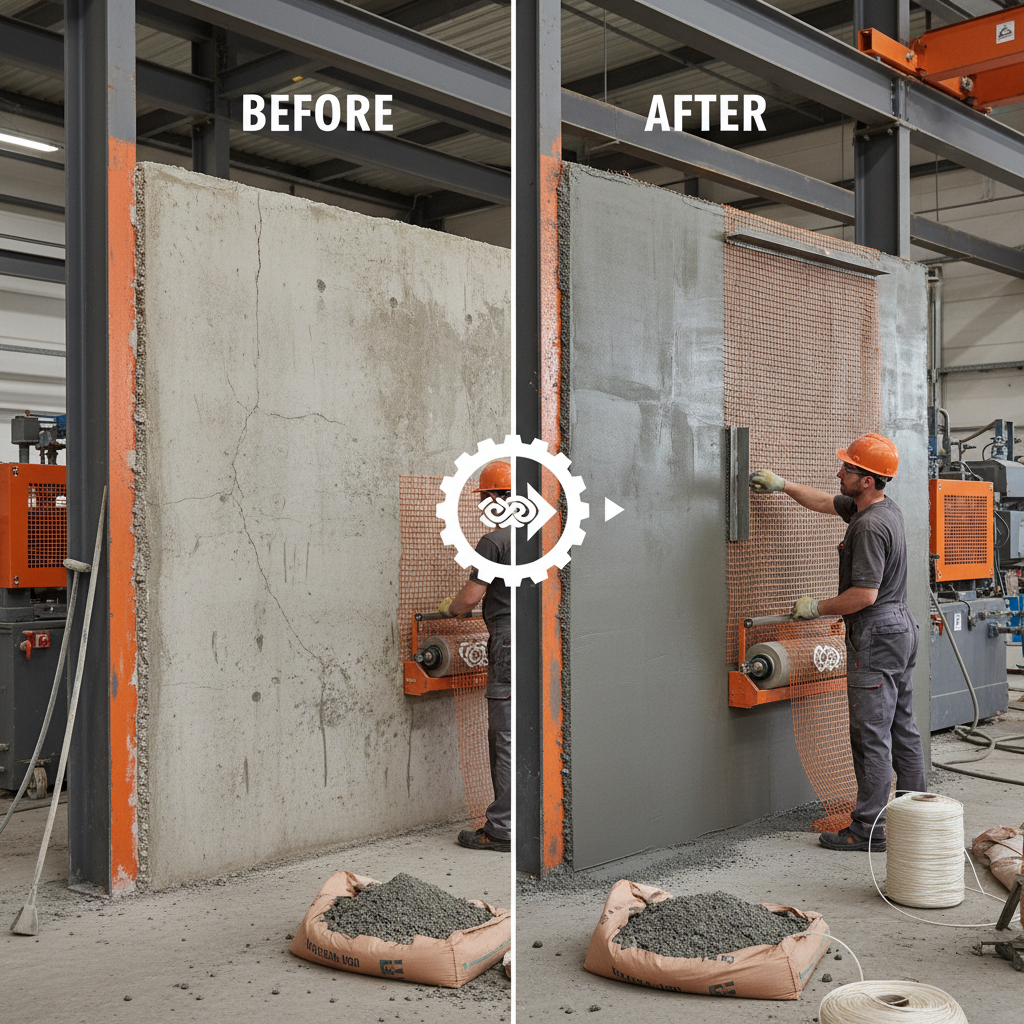
Fiberglass mesh functions as a structural skeleton within cementitious layers. By distributing tensile stresses across a wide area, it prevents the localization of stress that typically leads to shrinkage cracks.
The efficiency of this system depends on the bond strength between the glass yarns and the surrounding mortar, which is primarily determined by the weave tightness and the chemical treatment of the fibers.
Specification Impact on Engineering Performance
Mesh opening size, typically ranging from 4x4mm to 5x5mm, dictates the "interlock" capability of the mesh. A smaller opening provides a denser reinforcement grid but may affect the flow of the plaster, potentially creating voids if not applied with sufficient pressure.
Weight, measured in gsm (such as 145g or 160g), is the primary driver of the fiberglass mesh net pricelist. Higher weight generally correlates with higher tensile strength and better impact resistance, which is critical for exterior wall systems (EIFS) exposed to harsh environmental conditions.
The integration of PVC corner beads with mesh wings further enhances edge protection. The PVC material ensures water resistance and anti-impact properties, while the mesh wings provide the necessary transition for the render to adhere without peeling at the corners.
The Price-to-Performance Trade-off
When analyzing costs, engineers must evaluate the "fail-cost" of using an under-specified mesh. A cheaper, low-gsm mesh may reduce initial procurement costs but can lead to systemic cracking, necessitating expensive remedial work.
Consequently, a value-based procurement strategy focuses on matching the mesh weight to the specific stress profile of the wall section—using high-gsm for high-traffic areas and standard-gsm for sheltered interior partitions.
Weight vs. Tensile Strength Evaluation
The relationship between fiberglass weight and its structural contribution is non-linear. Beyond a certain threshold, increasing the gsm provides diminishing returns in terms of crack prevention while increasing the risk of delamination if the render thickness is insufficient.
Below is a normalized assessment of how different weight configurations typically perform across key engineering metrics, illustrating the decision-making process for a fiberglass mesh net pricelist.
Normalized Engineering Assessment by Mesh Weight
Deployment Scenarios in Modern Masonry
In typical residential deployment, fiberglass mesh is embedded into the base coat of an External Insulation and Finishing System (EIFS). The priority here is weatherproofing and thermal insulation. By utilizing mesh with a 44mm opening, contractors ensure a tight seal that prevents moisture ingress.
In high-traffic commercial corridors, the use of PVC corner beads (typically 20x20mm or 25x25mm) is non-negotiable. These components protect the wall corners from bumping and impact, significantly reducing maintenance costs over the building's lifespan. The synergy between the PVC's rot resistance and the mesh's reinforcement creates a durable edge that resists chipping.
Future Evolutions in Mesh Coatings
The industry is moving toward "intelligent" coatings that provide enhanced alkali resistance. Since cement is highly alkaline, the glass fibers can degrade over time if the coating is insufficient. Research is now focusing on hybrid polymer coatings that increase the bond strength between the mesh and the render.
Furthermore, the push for sustainability is leading to the development of more eco-friendly PVC compounds for corner beads. The goal is to maintain the lightweight and economical nature of the material while reducing the environmental footprint of the extrusion process.
We anticipate a trend toward pre-integrated mesh systems where the bead and the reinforcement mesh are optimized as a single unit for specific climate zones, further reducing construction time and labor costs.
Procurement Selection Matrix
Selecting the right mesh requires a disciplined approach to specifications. Procurement teams should avoid the temptation to choose the lowest price point in a fiberglass mesh net pricelist without verifying the gsm and the PVC thickness.
A standard configuration for interior walls might prioritize flexibility, whereas an exterior facade requires a high-duty configuration. The following matrix provides a framework for matching application needs with technical specifications.
By aligning the product's physical properties—such as a 1.0-1.5mm PVC thickness—with the expected impact loads of the environment, developers can optimize their material spend without compromising safety.
| Configuration Type | Mesh Weight / PVC Thickness | Key Performance Factor | Recommended Use Case |
|---|---|---|---|
| Basic Profile | 145gsm / 1.0mm PVC | Cost Efficiency | Internal Residential Partitions |
| Standard Duty | 160gsm / 1.2mm PVC | Balanced Durability | General Commercial Interiors |
| High-Duty | 160gsm+ / 1.5mm PVC | Impact Resistance | External Facades / Corridors |
| Precision Edge | Custom GSM / 1.5mm PVC | Geometric Accuracy | Architectural Detail Work |
| Eco-Variant | Standard / Recycled PVC | Environmental Rating | Green Building Certifications |
| Industry Baseline | 145-160gsm / 1.0-1.5mm | Compliance Standard | Standard Building Code Projects |
Technical Inquiries & Selection Guide
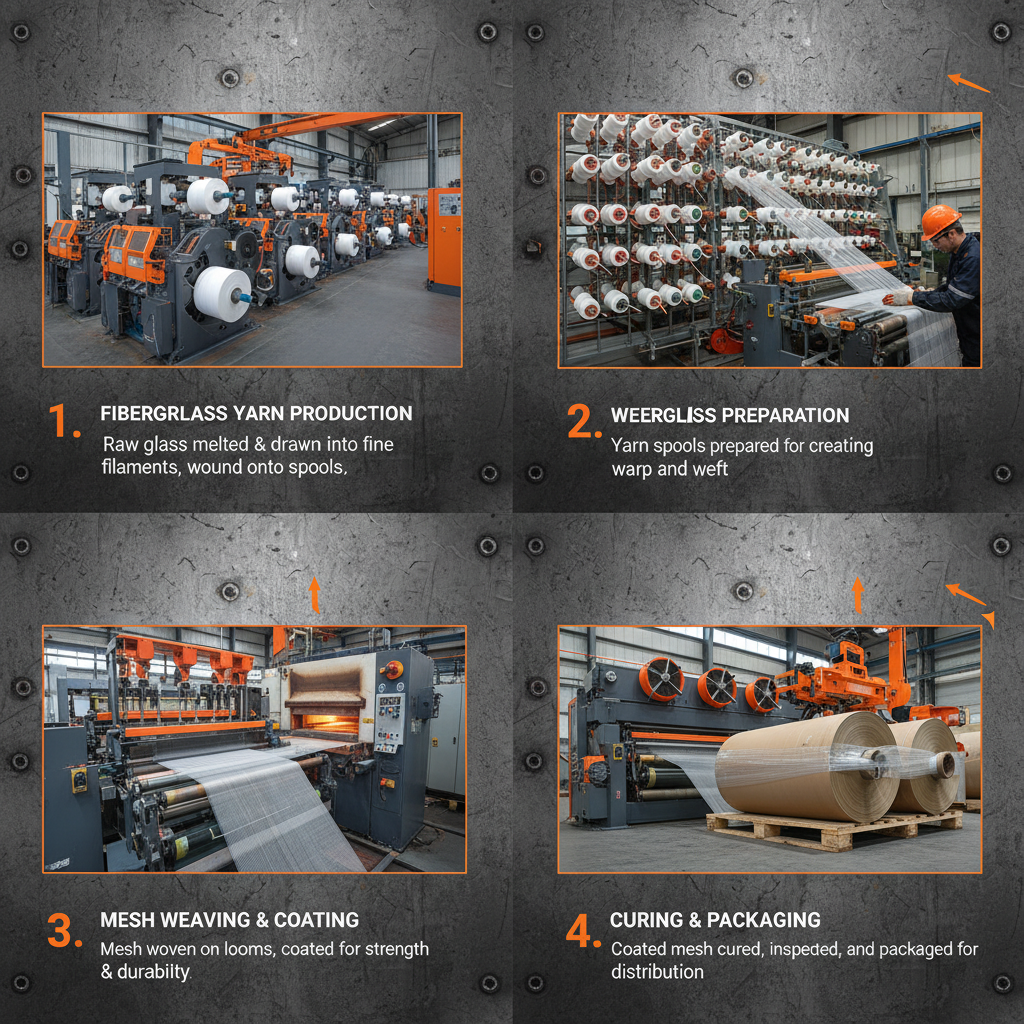
The gsm (grams per square meter) represents the mass of the glass fibers used per unit area. A higher gsm, such as 160g compared to 145g, requires more raw fiberglass yarn during the weaving process. This increase in material consumption directly raises the production cost. However, the cost increase is typically offset by the enhanced tensile strength and reduced risk of surface cracking, which provides better long-term value in high-stress architectural applications.
While they are functionally similar, they are not always interchangeable. A 4x4mm mesh provides a denser reinforcement grid, which is superior for crack prevention in thinner render layers. However, a 5x5mm mesh allows for better mortar penetration and faster application in thicker coats. The choice depends on the specific render's viscosity and the required reinforcement density of the engineering project.
PVC corner beads offer several technical advantages: they are entirely waterproof and rot-resistant, eliminating the risk of rust streaks appearing on the finished wall. Additionally, PVC is lightweight and more economical to transport and install. From a performance standpoint, the flexible nature of PVC allows it to absorb minor impacts without permanently distorting the corner, whereas metal beads can dent and remain deformed.
Alkali resistance is provided by a chemical sizing/coating applied to the glass fibers. To evaluate this, procurement teams should request technical data sheets that specify the type of coating used. In practice, this is tested by immersing the mesh in an alkaline solution; a high-quality mesh will maintain its tensile strength and not show signs of fiber degradation or "frosting" over the test period.
For standard configurations, the typical delivery lead time is approximately 7 days from order confirmation to shipment. However, custom requirements regarding mesh weight, PVC width (e.g., customized widths beyond 20-25mm), or specific lengths (2.0m to 3.0m) may extend this timeline. It is recommended that buyers coordinate with the factory's production schedule to ensure just-in-time delivery to the construction site.
Fiberglass mesh is generally stable across a wide temperature range. However, the primary limitation is the expansion and contraction of the surrounding render. In extreme climates, the mesh must be paired with a render that has a compatible coefficient of thermal expansion. If the render shrinks too rapidly during a freeze-thaw cycle, even high-gsm mesh may experience stress, though it will still significantly limit the width of any resulting cracks.
Final Engineering Interpretation
The analysis of a fiberglass mesh net pricelist demonstrates that cost is a secondary metric to technical specification. The primary finding is that the synergy between mesh weight (gsm), opening size, and the rigidity of the PVC corner bead defines the ultimate durability of the wall system.
For project managers, the practical implication is clear: prioritize high-gsm meshes and 1.5mm PVC thickness for exterior and high-traffic zones, while utilizing standard profiles for interior partitions to optimize the budget. By aligning these technical parameters with the specific environmental stressors of the site, developers can ensure a high-quality finish that meets both aesthetic and structural requirements.