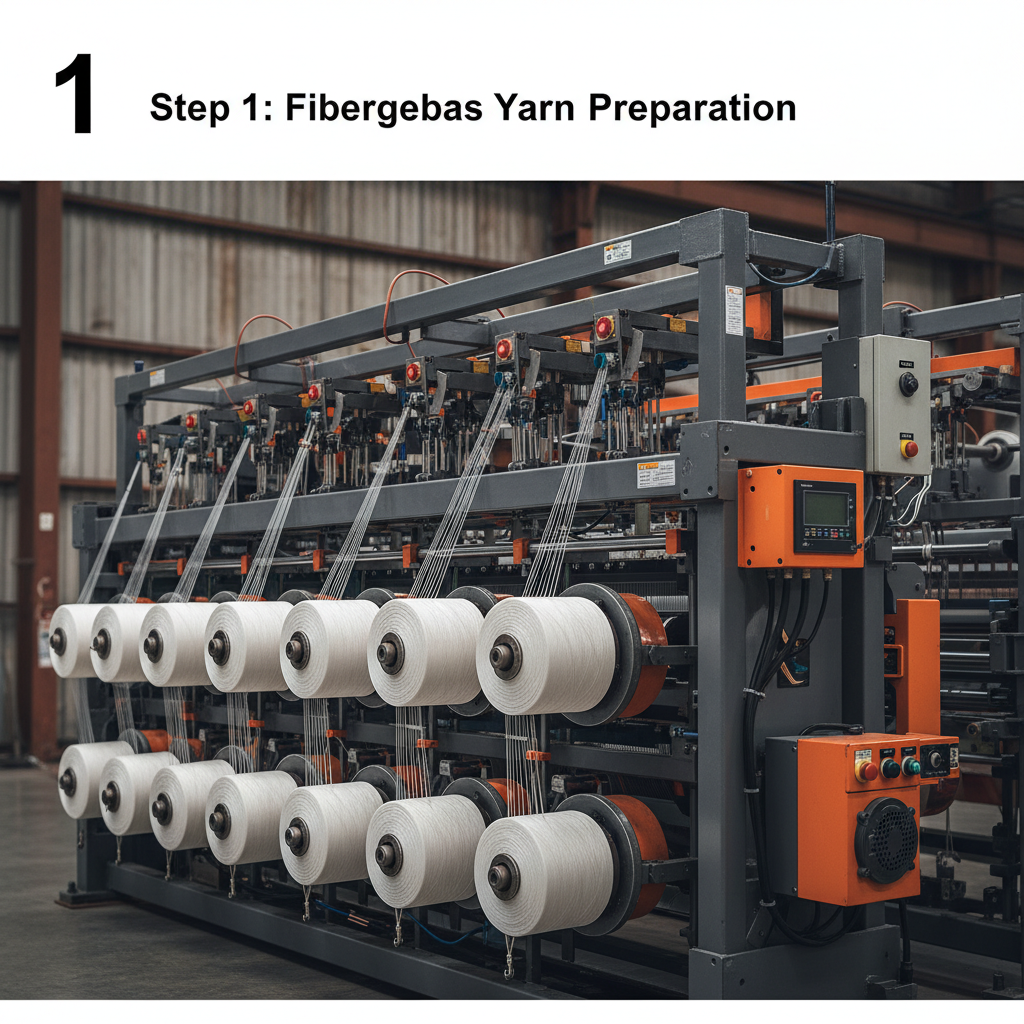
The global demand for high-performance reinforcement materials has pushed fiberglass mesh net factories to evolve beyond simple weaving, focusing instead on the chemical stability and tensile integrity of the raw glass filaments. As construction standards move toward longer lifecycle requirements and higher resistance to alkaline environments, the precision of the weaving process becomes a critical engineering variable.
This shift is particularly evident in the transition from standard E-glass to specialized silane-sized yarns, which significantly enhance the bond between the glass fiber and the cementitious or polymer matrix. For procurement managers and structural engineers, understanding the relationship between yarn twist, filament diameter, and the final mesh stability is essential to avoid premature degradation in reinforced concrete or composite panels.
This technical analysis explores the manufacturing benchmarks of modern fiberglass mesh net factories, examining how specific material choices—such as C-glass and E-glass variations—impact the operational lifespan of industrial reinforcement products.

Material Architecture and Filament Composition

The foundation of any high-quality mesh lies in the raw filament, typically ranging from 5-9um in diameter. In professional fiberglass mesh net factories, these filaments are gathered and twisted into yarn. The choice between E-glass (electrical grade) and C-glass (chemical resistance grade) determines the primary application of the final textile.
E-glass is prioritized for its high tensile strength and electrical insulation properties, making it the standard for civil construction. Conversely, C-glass is utilized when the mesh must withstand highly corrosive environments, ensuring that the structural reinforcement does not dissolve under chemical stress.
Engineering Specifications for Industrial Mesh
Technical performance is not merely about the material but the geometry of the weave. Parameters such as mesh count, yarn twist ratio, and weight per square meter directly correlate to the load-bearing capacity of the reinforced structure. A higher twist density in the yarn often results in lower fuzzing during processing and higher dimensional stability.
Furthermore, moisture absorption rates must be kept to a minimum to prevent shrinkage or expansion within a composite matrix. Professional manufacturers focus on uniform tension across the weaving loom to ensure that there are no "weak spots" in the mesh roll, which could lead to localized structural failure under stress.
For complex applications, customized yarn sizes are developed to match the specific thickness of the mortar or resin being used. This ensures that the mesh remains centered within the material layer, maximizing its effectiveness in preventing cracks and improving overall durability.
The Role of Silane Sizing in Bond Integrity
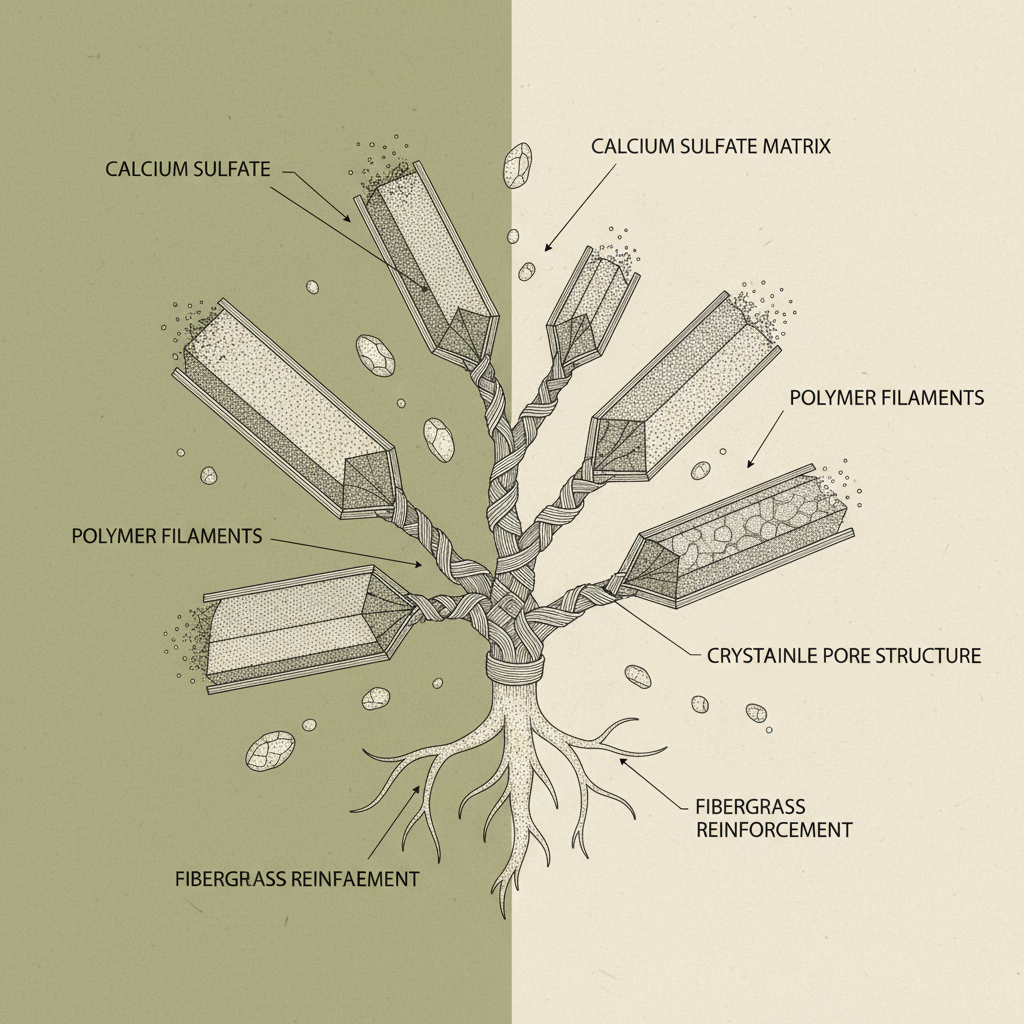
A critical but often overlooked aspect of mesh production is the sizing process. Silane sizing acts as a chemical bridge between the inorganic glass fiber and the organic or cementitious matrix. Without proper sizing, the fiber may slide within the matrix, failing to transfer the load effectively.
From an engineering perspective, this means that the "effective strength" of the mesh in a real-world application is heavily dependent on the sizing chemistry used during the yarn manufacturing stage. Factors such as uniform tension and low fuzz are secondary to the chemical bond established by the sizing agent.
Comparative Performance Assessment
Evaluating the quality of output from various fiberglass mesh net factories requires a normalized approach to performance metrics. Rather than looking at absolute strength, engineers analyze the relative efficiency of different configurations in terms of corrosion resistance and thermal stability.
The following assessment provides a relative engineering rating for different fiberglass configurations based on typical industrial requirements for tensile strength, chemical stability, and ease of installation.
Normalized Engineering Assessment of Mesh Profiles
Deployment Scenarios in Civil Engineering
In typical deployment scenarios, fiberglass mesh is integrated into Exterior Insulation and Finish Systems (EIFS). The mesh acts as the primary defense against thermal expansion and contraction, which would otherwise cause the outer render to crack. The installation workflow requires the mesh to be fully embedded in the base coat, necessitating a material that is flexible enough for contouring but rigid enough to maintain its position during curing.
Another representative engineering scenario involves the use of fiberglass yarn as a reinforcement in concrete pipes or pre-cast panels. Here, the focus shifts to the "dry abrasion" rate of the yarn over creel contact points during the winding process. Ensuring minimal fuzz during these high-speed operations is critical to maintaining the structural consistency of the final reinforced polymer or concrete product.
Evolution of Weaving Automation
The transition toward fully automated weaving lines has allowed fiberglass mesh net factories to achieve unprecedented scale without sacrificing quality. Modern looms utilize electronic tension control systems that adjust in real-time to the diameter of the yarn, eliminating the human error associated with manual adjustments.
Current R&D directions are focusing on "intelligent weaving," where sensors detect filament breakage instantly, pausing the line to prevent the production of defective rolls. This shift is essential for meeting the stringent requirements of aerospace and high-end automotive composites, where a single missing intersection in the mesh can compromise the entire component's integrity.
Future industry evolution will likely see a deeper integration of sustainable glass sources and bio-based sizing agents. This will address the growing regulatory pressure to reduce the environmental impact of fiberglass production while maintaining the high-strength characteristics required for industrial reinforcement.
Procurement Evaluation Matrix
For procurement professionals, selecting the right supplier involves a trade-off between cost and technical specifications. It is a common mistake to evaluate based solely on price per square meter without considering the yarn's tensile strength or the effectiveness of the silane sizing.
A professional evaluation should focus on the "total cost of ownership," where the reduced risk of structural failure and lower maintenance requirements of high-grade mesh outweigh the initial price premium.
The matrix below provides a framework for comparing different configuration profiles based on common industrial requirements.
| Configuration Profile | Material Base | Mechanical Factor | Recommended Use Case |
|---|---|---|---|
| Baseline Standard | E-Glass | Moderate Strength | General Residential Render |
| High-Duty Industrial | Alkali-Resistant E-Glass | High Tensile Load | Industrial Flooring / EIFS |
| Chemical Grade | C-Glass | High Corrosion Resist | Chemical Plant Piping |
| Precision Fine-Weave | Low-Fuzz Yarn | High Dimensional Stability | Electronics Insulation |
| Heavy-Duty Composite | Hybrid Glass Fiber | Maximum Impact Resist | Automotive Panels |
| Customized ODM | Tailored Filament | Application-Specific | Specialized Engineering Projects |
Technical FAQ
E-glass (Electrical grade) is characterized by high tensile strength and excellent electrical insulation, making it ideal for construction and general reinforcement. C-glass (Chemical grade) is specifically formulated to resist chemical corrosion, particularly from acids and alkalis. Choosing the wrong glass type can lead to premature failure; for example, using standard E-glass in a high-corrosion chemical environment may result in the fiber dissolving, whereas C-glass would remain stable.
Silane sizing acts as a coupling agent that creates a strong chemical bond between the glass filaments and the surrounding matrix (such as cement or resin). This prevents the "slippage" of fibers under load and protects the glass from alkaline attack in concrete environments. Without proper sizing, the mesh may provide initial strength but will degrade rapidly as moisture and chemicals penetrate the interface between the fiber and the matrix.
Fuzz refers to the loose filaments that break away from the main yarn body during high-speed winding or weaving. In industrial applications, excessive fuzz can cause knots in the loom, leading to inconsistent mesh density and "thin spots." Furthermore, in composite manufacturing, fuzz can create air pockets or voids in the resin, which act as stress concentrators and can lead to structural cracks or delamination of the final product.
Tensile strength is determined by three primary factors: the quality of the raw glass filament (purity and diameter), the twist ratio of the yarn (which affects the cohesion of the filaments), and the weaving density (mesh count). A tighter weave with high-tensile E-glass yarn will generally provide superior reinforcement, but it must be balanced with the need for proper resin impregnation to avoid voids.
Selection depends on the expected load and the environment. For standard residential EIFS, a lightweight mesh is usually sufficient. However, for high-traffic industrial areas or regions with extreme temperature fluctuations, a heavier weight mesh with higher tensile strength is required to manage thermal expansion. It is recommended to verify the mesh's alkali-resistance rating to ensure it matches the pH level of the concrete being used.
Yes, professional manufacturers offer OEM and ODM services where the yarn composition, mesh size, and final roll dimensions are tailored to the client's needs. This includes creating specific braid or tape formats from the base fiberglass yarn to fit non-linear reinforcement needs, such as around pipe curves or complex architectural joints, ensuring consistent reinforcement across all surfaces.
Engineering Implications and Final Outlook
The analysis demonstrates that the value of products from fiberglass mesh net factories is not found in the simplicity of the weave, but in the complex interplay of filament chemistry, sizing agents, and automated tension control. For the end-user, the practical implication is clear: prioritizing the chemical stability of the yarn over the nominal price of the mesh is the only way to ensure long-term structural integrity in demanding environments.
As we look forward, the integration of hybrid glass fibers and smarter weaving technologies will continue to push the boundaries of what is possible in composite reinforcement. For those seeking reliable, high-performance materials, exploring the technical specifications available at www.tainuofiberglassmesh.com provides a benchmark for current industrial standards in glass fiber yarn and mesh production.