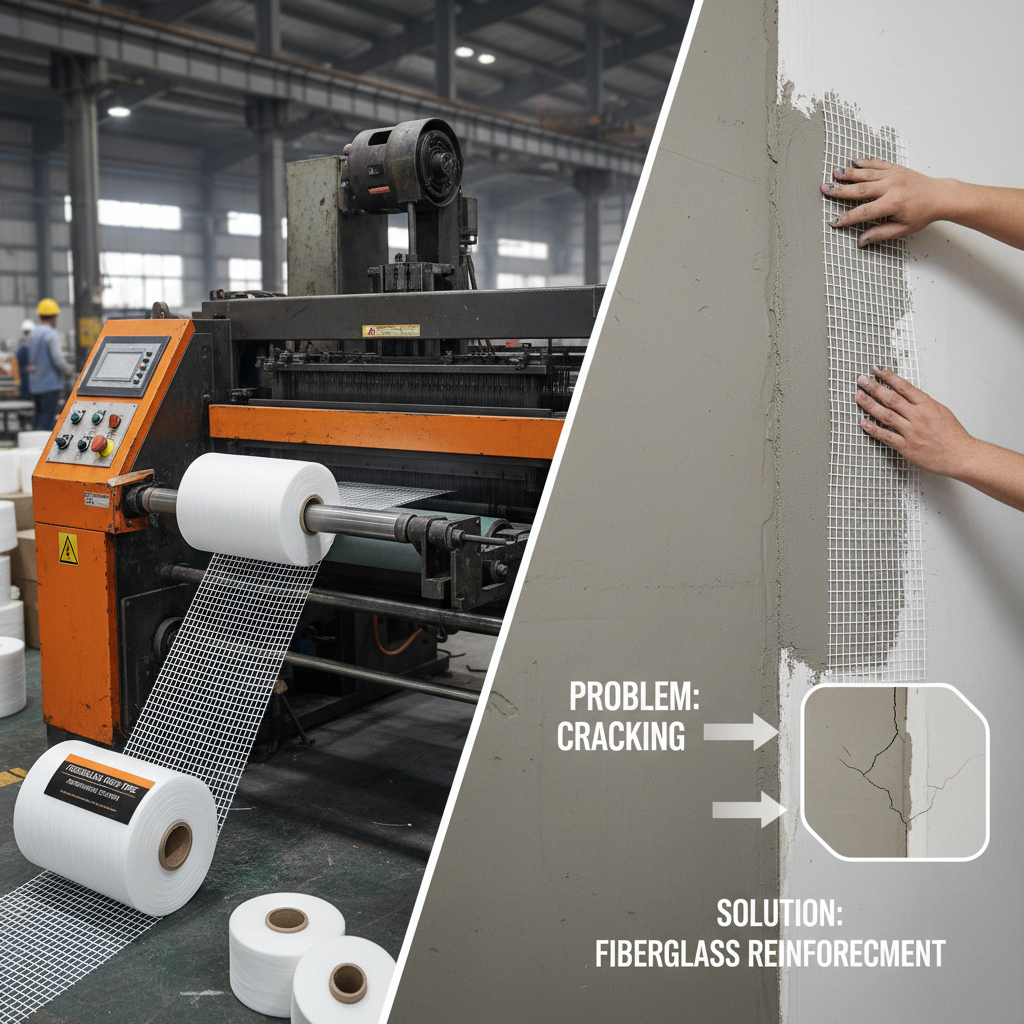
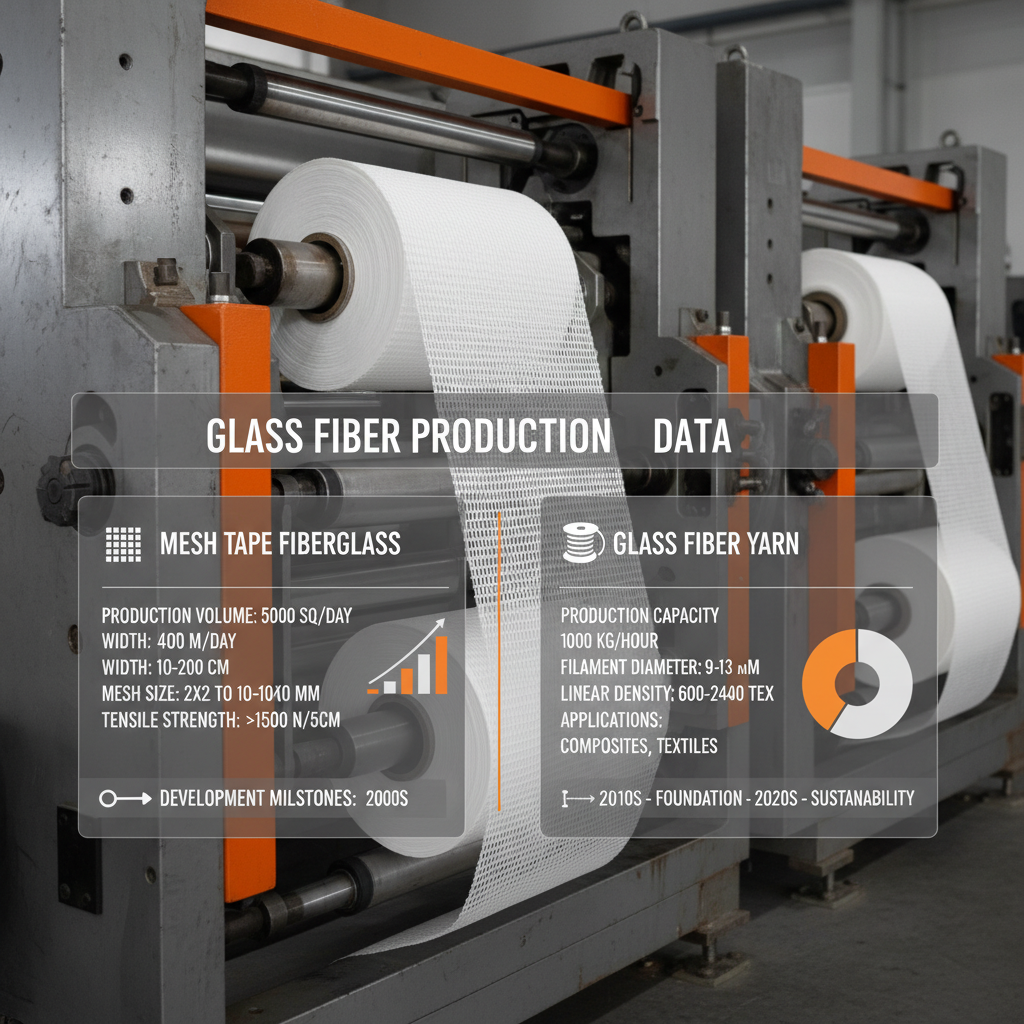
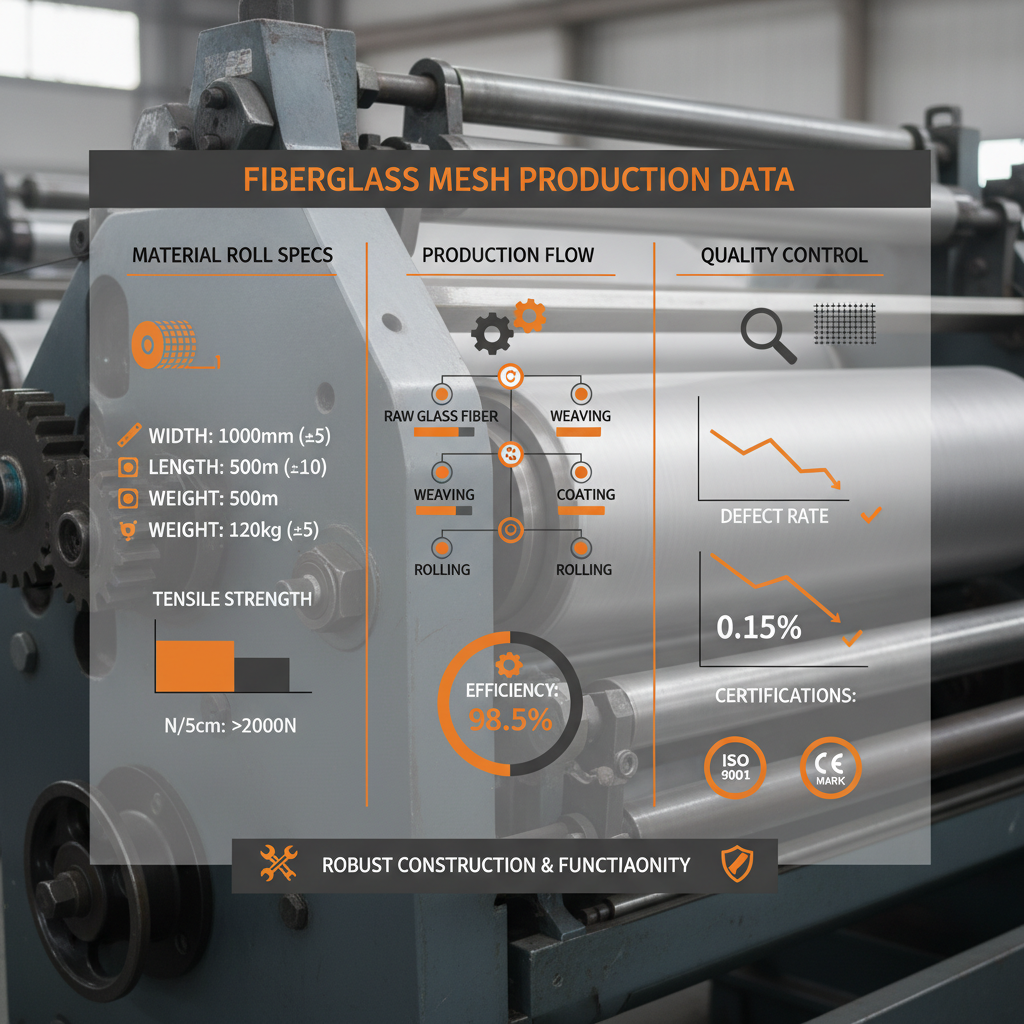
Fiberglass mesh tape, a cornerstone material in modern construction and repair, is gaining global prominence due to its superior strength, flexibility, and resistance to environmental factors. From reinforcing drywall joints to providing structural integrity in composite materials, its applications are diverse and expanding. Understanding its properties and applications is crucial for professionals and DIY enthusiasts alike, driving innovation and efficiency in various industries.
The demand for mesh tape fiberglass is increasing steadily, fuelled by growth in the construction sector, particularly in emerging economies. Global construction output is projected to reach \$15.4 trillion by 2027 (source: Deloitte), with a significant portion relying on advanced materials like fiberglass mesh for improved building performance and durability. This growth isn’t just about new construction; the increasing focus on building renovation and maintenance further boosts demand.
This versatile material addresses the challenges of traditional methods, offering a lighter, stronger, and more cost-effective alternative to paper or metal tapes. Its self-adhesive properties and ability to resist cracking, shrinking, and mildew make it ideal for a wide range of applications. As sustainability becomes increasingly important, fiberglass mesh tape also presents an environmentally friendly option due to its long lifespan and reduced waste.
What is Mesh Tape Fiberglass?
Mesh tape fiberglass is a woven fabric made from fine glass fibers, often coated with a self-adhesive acrylic-based compound. This unique composition provides exceptional tensile strength, making it ideal for reinforcing joints and surfaces. It differs significantly from traditional paper tape, which is prone to cracking and requires multiple coats of joint compound for proper adhesion.
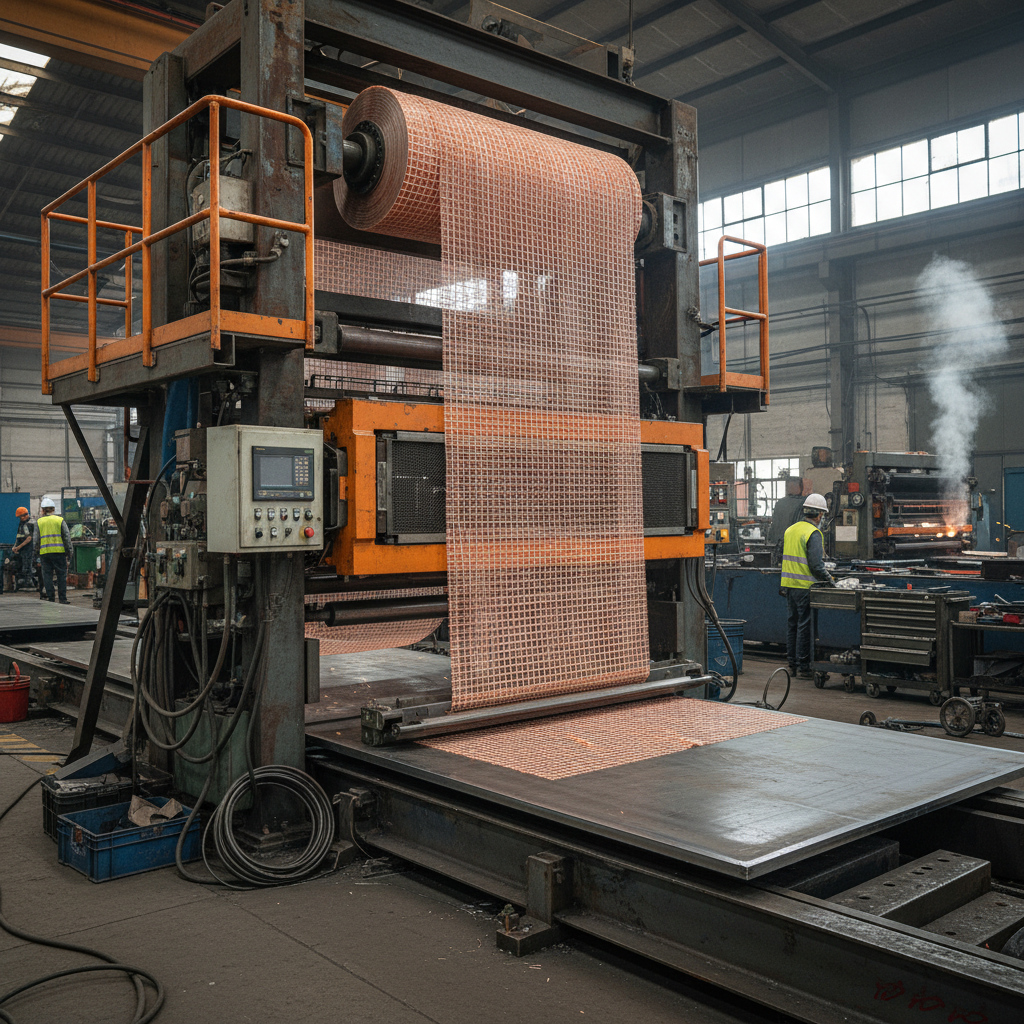
The manufacturing process involves carefully interlacing glass fiber filaments to create a stable and durable mesh. The resulting tape is lightweight yet incredibly strong, offering superior resistance to stretching, shrinking, and cracking compared to other reinforcement materials. This makes it a preferred choice for professionals seeking reliable and long-lasting results.
The Global Significance of Mesh Tape Fiberglass
The demand for robust and reliable construction materials is increasing globally, particularly in rapidly developing nations undergoing urbanization. Mesh tape fiberglass plays a critical role in meeting this demand by providing a cost-effective and high-performance solution for joint reinforcement and crack prevention. The United Nations estimates that 68% of the world’s population will live in urban areas by 2050, driving the need for sustainable and efficient building practices.
This growth isn’t limited to residential construction; infrastructure projects, such as hospitals, schools, and transportation networks, also rely heavily on materials like fiberglass mesh tape to ensure structural integrity and longevity. The adoption of advanced materials is also crucial for reducing the environmental impact of construction, aligning with global sustainability goals outlined by organizations like the World Bank and the International Organization for Standardization (ISO).
Furthermore, the increased focus on disaster resilience highlights the importance of using materials that can withstand extreme conditions. Fiberglass mesh tape's resistance to moisture, temperature fluctuations, and chemical exposure makes it an ideal choice for constructing buildings in areas prone to earthquakes, hurricanes, or floods.
Defining Mesh Tape Fiberglass: Composition & Purpose
At its core, mesh tape fiberglass is a woven material comprised of incredibly fine glass fibers. These fibers are meticulously arranged in a grid-like pattern, creating a network of interwoven strength. The glass fibers themselves are chemically inert, meaning they don’t react with other building materials or corrode over time. This inherent stability is a key benefit, ensuring long-term performance.
The primary purpose of mesh tape fiberglass is to reinforce joints in drywall, plaster, and other building surfaces. Unlike paper tape, which relies on embedding within the joint compound, fiberglass mesh tape adheres directly to the surface, providing immediate reinforcement and preventing cracking. It effectively distributes stress and minimizes the risk of joint failure, even in areas subject to movement or vibration.
The self-adhesive backing facilitates easy application, reducing installation time and labor costs. The open mesh structure allows for easy tool penetration, ensuring seamless integration with joint compounds and other finishing materials. This makes it a versatile solution for both professional contractors and DIY home improvers.
Key Characteristics of High-Quality Mesh Tape Fiberglass
Several factors define the quality and performance of fiberglass mesh tape. Durability is paramount; a high-quality tape will resist tearing, stretching, and degradation over time. Another crucial characteristic is adhesion – a strong, reliable bond to the substrate is essential for preventing cracks and ensuring a smooth finish.
Additionally, consider the mesh size and weight. Finer meshes offer greater reinforcement, while heavier tapes provide increased stability. The coating material also plays a significant role; an acrylic-based adhesive that offers strong initial tack and long-term adhesion is preferred.
Comparative Analysis of Mesh Tape Fiberglass Properties
Real-World Applications of Mesh Tape Fiberglass
The versatility of mesh tape fiberglass extends far beyond standard drywall applications. It’s frequently used in EIFS (Exterior Insulation and Finish Systems) to reinforce the base coat and prevent cracking, particularly in areas susceptible to thermal movement. In post-disaster relief operations, it’s utilized to quickly repair damaged structures, providing a cost-effective and durable solution for temporary shelters and building reinforcements.
Furthermore, in the automotive industry, fiberglass mesh tape is integrated into composite materials for body panels and structural components, enhancing strength and reducing weight. It’s also found applications in marine construction, reinforcing boat hulls and decks for improved durability and resistance to saltwater corrosion.
The Benefits and Long-Term Value of Using Mesh Tape Fiberglass
Choosing mesh tape fiberglass delivers significant cost savings over its lifecycle. Its superior strength and resistance to cracking reduce the need for frequent repairs and maintenance, lowering long-term expenses. The ease of application also translates to reduced labor costs and faster project completion times.
From a sustainability perspective, the durability of fiberglass mesh tape contributes to a longer lifespan for buildings and structures, reducing the demand for new materials and minimizing waste. It aligns with green building practices and promotes environmentally responsible construction. Ultimately, the investment in high-quality mesh tape provides peace of mind, knowing that your project is built to last.
Future Trends and Innovations in Fiberglass Mesh Tape Technology
Ongoing research and development are focused on enhancing the properties of fiberglass mesh tape. This includes exploring new coating materials that offer even stronger adhesion and improved resistance to environmental factors. The integration of nanotechnology is also showing promise, potentially leading to tapes with self-healing capabilities and enhanced durability.
Another trend is the development of more sustainable manufacturing processes, reducing the environmental impact of production. Furthermore, advancements in automation and digital technologies are streamlining the manufacturing process, improving efficiency and reducing costs. These innovations will further solidify the position of mesh tape fiberglass as a leading material in the construction and repair industries.
Looking ahead, we can anticipate the development of smart tapes equipped with sensors that monitor stress levels and provide early warnings of potential structural issues. This integration of technology will revolutionize the way we build and maintain infrastructure.
FAQS
Fiberglass mesh tape offers superior strength, crack resistance, and adhesion compared to paper tape. It doesn’t require embedding in joint compound, making application faster and easier. Unlike paper tape, it's not susceptible to mildew or shrinking, ensuring a longer-lasting repair. It’s also more versatile, suitable for a wider range of surfaces and applications.
Yes, fiberglass mesh tape is excellent for exterior applications, particularly with EIFS systems. Its resistance to moisture, temperature fluctuations, and UV exposure makes it ideal for protecting buildings from the elements. It provides a durable and long-lasting reinforcement for exterior finishes.
Ensure the surface is clean and dry before application. Apply the mesh tape directly to the surface, overlapping joints by at least 2 inches. Embed the tape with a thin layer of joint compound, feathering the edges to create a smooth transition. Apply subsequent coats of joint compound as needed, sanding between coats for a flawless finish.
Avoid stretching the tape during application, as this can compromise its strength. Ensure complete adhesion to the substrate by applying sufficient pressure. Don't over-apply joint compound, as this can lead to cracking. Always follow the manufacturer’s instructions for optimal results.
Fiberglass mesh tape offers sustainability benefits due to its durability and long lifespan, reducing the need for frequent repairs and replacements. While fiberglass itself is a manufactured material, its longevity and reduced waste contribute to a lower environmental impact compared to shorter-lived alternatives.
Yes, fiberglass mesh tape’s flexibility allows it to conform to curved surfaces. However, you may need to make small cuts or slits in the tape to facilitate bending and ensure a smooth, even application. Proper adhesion is still crucial, so ensure the tape is firmly pressed onto the curved surface.
Conclusion
In conclusion, mesh tape fiberglass represents a significant advancement in construction and repair materials. Its exceptional strength, durability, and versatility make it a preferred choice for professionals and DIY enthusiasts alike. From reinforcing drywall joints to enhancing the structural integrity of buildings, its applications are diverse and continually expanding. Its long-term value lies not only in its performance but also in its contribution to sustainable building practices.
As technology continues to evolve, we can expect further innovations in fiberglass mesh tape, leading to even stronger, more sustainable, and more efficient solutions. By embracing these advancements, we can build a future where structures are more resilient, durable, and environmentally responsible. Visit our website at www.tainuofiberglassmesh.com to learn more and explore our full range of fiberglass mesh products.