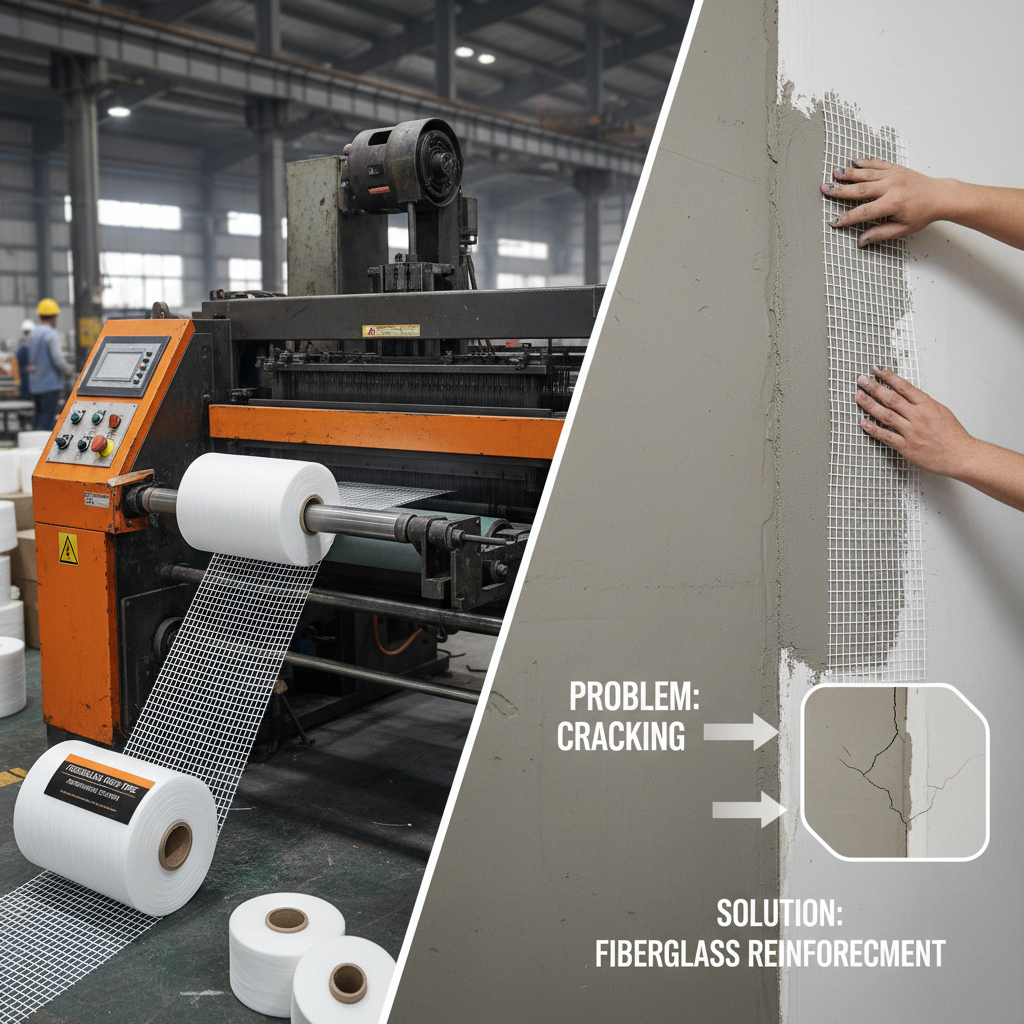
In the modern construction landscape, achieving a seamless and durable finish on external and internal corners is a constant challenge for contractors. The introduction of pvc corner bead with fiberglass mesh has revolutionized how we approach edge protection, moving away from traditional metal beads that are prone to corrosion. This integrated solution combines the structural rigidity of PVC with the high-tensile reinforcement of alkali-resistant fiberglass, ensuring that walls remain crack-free and perfectly aligned over time.
Globally, the demand for high-performance building materials is surging as urban centers expand and the need for sustainable, low-maintenance infrastructure grows. By employing a pvc corner bead with fiberglass mesh, builders can significantly reduce the labor hours required for finishing and minimize the risk of costly repairs caused by impact damage or thermal expansion. This shift toward composite materials reflects a broader industry trend toward enhancing the longevity of residential and commercial structures.
Understanding the technical nuances of these components is essential for any professional aiming to meet ISO quality standards and E-E-A-T (Experience, Expertise, Authoritativeness, and Trustworthiness) benchmarks in construction. From the alkalinity resistance of the mesh to the flexibility of the PVC profile, every element of the pvc corner bead with fiberglass mesh is engineered to solve the specific problem of corner fragility, providing a reliable bridge between structural framing and the final aesthetic layer.
Global Industry Context of PVC Corner Beads
The global construction market is currently facing a critical shortage of materials that can withstand extreme environmental stress while remaining cost-effective. Statistics from international building councils indicate that corner cracking is one of the most frequent causes of aesthetic failure in EIFS (Exterior Insulation and Finish Systems) and drywall installations. The adoption of pvc corner bead with fiberglass mesh addresses this by providing a non-corrosive alternative to galvanized steel, which often fails in high-humidity or coastal regions due to oxidation.
As urbanization accelerates in Southeast Asia and Africa, the push for rapid-deployment housing has increased the reliance on modular wall systems. In these environments, the efficiency of installing a pvc corner bead with fiberglass mesh allows for faster turnaround times without compromising the structural integrity of the edges. This global shift is not merely about material preference but is a strategic move toward reducing the life-cycle cost of building maintenance.
Defining the PVC Corner Bead with Fiberglass Mesh
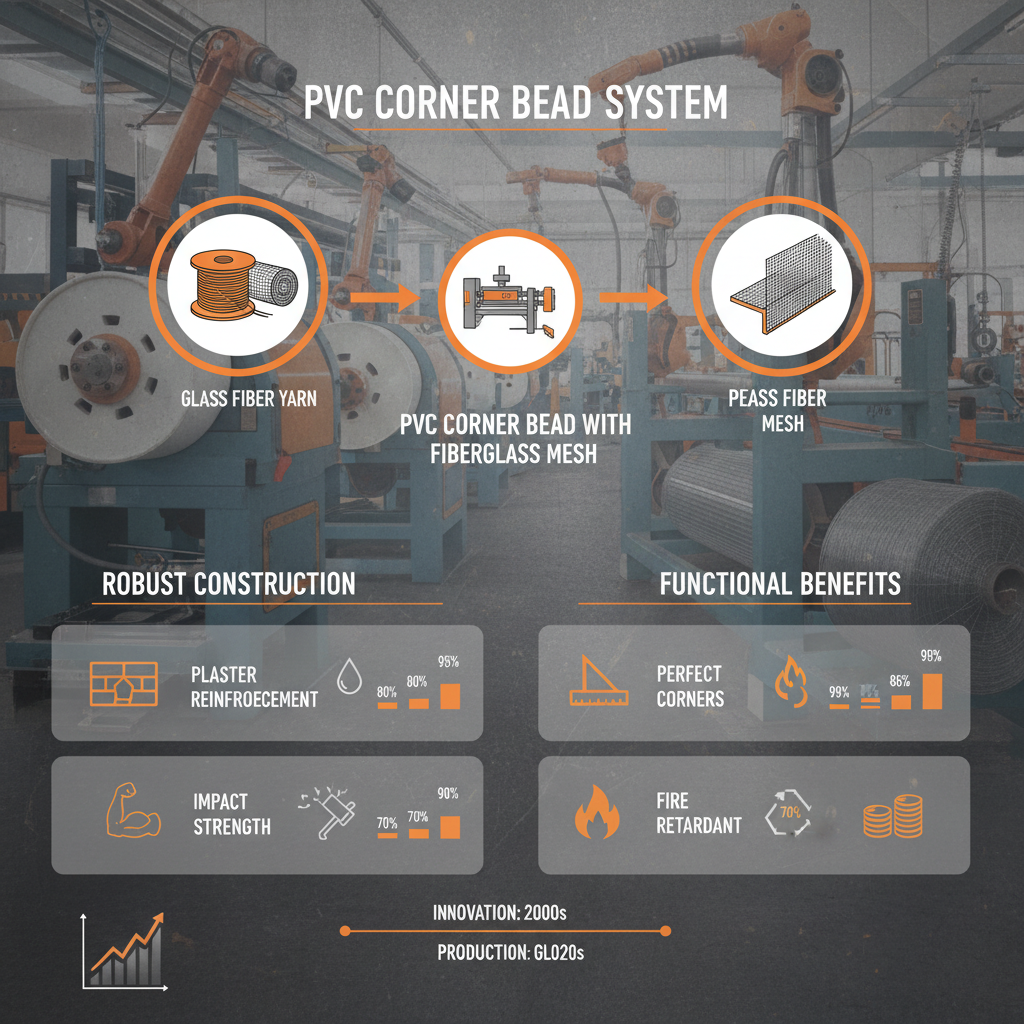
At its core, a pvc corner bead with fiberglass mesh is a composite building accessory designed to create clean, straight, and impact-resistant corners. It consists of a rigid PVC (Polyvinyl Chloride) profile that serves as the guiding edge, bonded with a high-strength fiberglass mesh that extends onto the wall surface. This mesh acts as the primary reinforcement, distributing mechanical stress across a wider area and preventing the joint compound or plaster from cracking.
Unlike standalone plastic beads, the integration of fiberglass mesh ensures a superior mechanical bond with the surrounding substrate. The mesh is typically alkali-resistant, meaning it does not degrade when exposed to the high pH levels found in cementitious renders and mortars. This synergy makes the pvc corner bead with fiberglass mesh an indispensable tool for modern architecture, where precision and durability are non-negotiable.
From a humanitarian and industrial perspective, this product enables the creation of safer, more durable shelters in disaster-prone areas. Because it is lightweight and easy to transport, it allows NGOs and rapid-response teams to implement professional-grade finishing in remote zones, ensuring that temporary structures have the longevity needed to serve as long-term housing solutions.
Core Technical Components for Durability
The effectiveness of a pvc corner bead with fiberglass mesh relies heavily on the quality of its PVC formulation. High-impact PVC is utilized to ensure that the corner can withstand physical blows without denting or snapping. This rigidity is crucial for maintaining the "true" line of a wall, which is a primary requirement for high-end architectural inspections.
The fiberglass mesh component must be coated with an alkali-resistant sizing. Without this specific chemical treatment, the pvc corner bead with fiberglass mesh would lose its reinforcing properties as the cement would eat away at the glass fibers. This technical detail is what separates professional-grade beads from low-cost imitations, ensuring the mesh remains intact for the entire lifespan of the building.
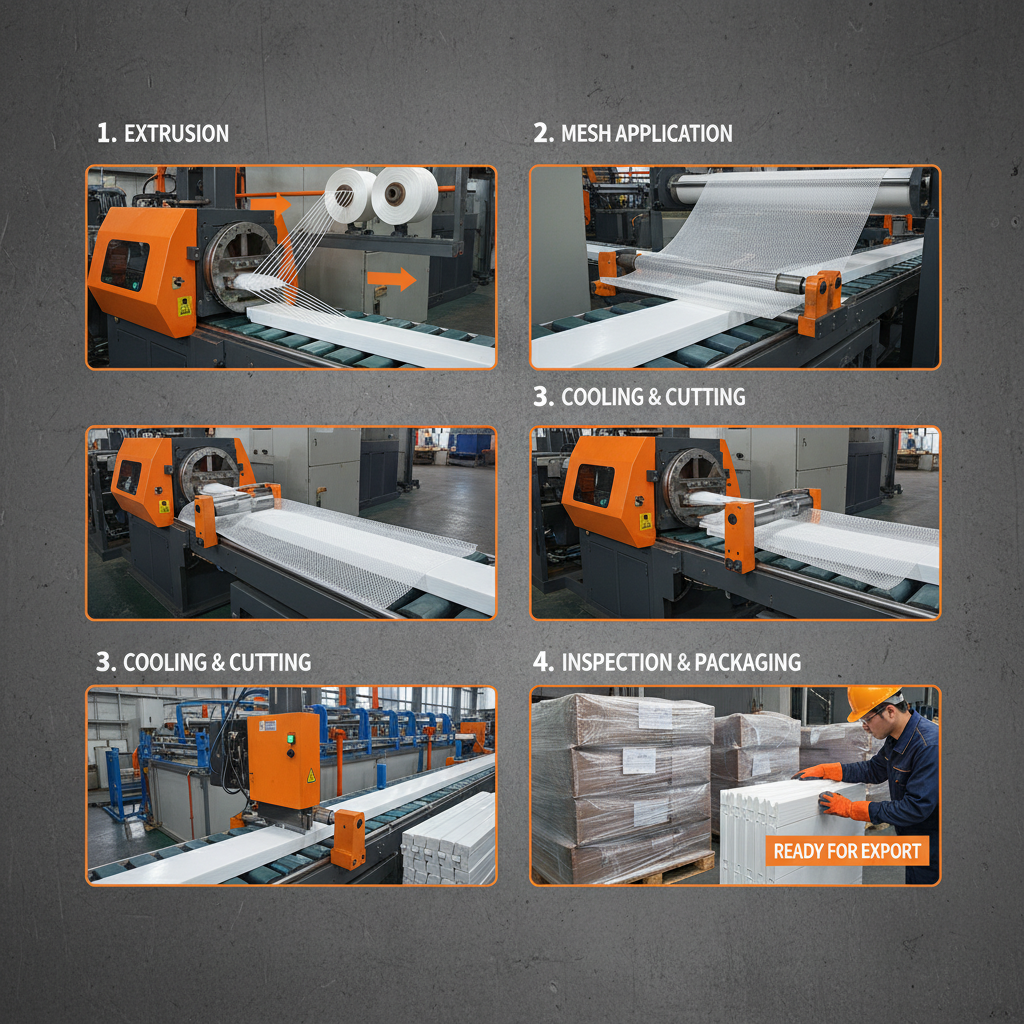
Furthermore, the bonding process between the PVC strip and the mesh is critical. Advanced thermal fusion techniques are used to ensure that the mesh does not peel away from the plastic during the application of heavy mortar. This seamless integration allows the pvc corner bead with fiberglass mesh to function as a single unit, providing consistent tension and support across the entire corner length.
Comparative Performance Analysis
When evaluating the efficiency of corner protection, the pvc corner bead with fiberglass mesh consistently outperforms traditional metal and plain plastic alternatives. The key advantage lies in its "composite" nature—it offers the strength of a hard edge with the flexibility of a reinforcing fabric. This combination reduces the occurrence of "stress cracks" that typically appear at the junction of the bead and the wall.
In practical terms, the installation speed is significantly higher because the mesh allows for a more forgiving application of the base coat. Contractors report a reduction in the number of finishing coats required, as the pvc corner bead with fiberglass mesh provides a stable foundation that doesn't shift during the drying process.
Comparative Efficiency of PVC Corner Bead with Fiberglass Mesh
Global Applications and Use Cases
The versatility of the pvc corner bead with fiberglass mesh makes it suitable for a wide range of environments. In high-traffic commercial zones, such as hospitals and hotel corridors, these beads are used to prevent wall damage from trolleys and luggage. The impact-absorbing properties of the PVC core combined with the mesh's grip on the plaster ensure that the corners do not chip or peel under constant stress.
In extreme climates, such as the humid tropics of Southeast Asia or the freezing winters of Northern Europe, the pvc corner bead with fiberglass mesh is preferred because it does not expand or contract at the same rate as metal. This thermal stability prevents the formation of hairline cracks, which often lead to water infiltration and mold growth in residential buildings.
Long-Term Value and Sustainability
Investing in pvc corner bead with fiberglass mesh provides tangible long-term economic value. By eliminating the risk of rust-bleed—a common issue where oxidized metal beads leave brown stains on white walls—property owners save significantly on repainting and refurbishment costs. The reliability of this system increases the overall asset value of a building by ensuring a polished, professional finish that lasts for decades.
From a sustainability angle, the shift toward composite PVC and fiberglass reduces the carbon footprint associated with the mining and smelting of metals. Furthermore, the reduced waste during installation—due to the ease of cutting and fitting the pvc corner bead with fiberglass mesh—contributes to leaner, greener construction sites.
Beyond the logic of cost and environment, there is an emotional component: peace of mind. Architects and homeowners trust these materials because they provide a sense of permanence and quality. The knowledge that a corner is reinforced with a high-tensile fiberglass network offers a psychological assurance of safety and structural integrity.
Future Innovations in Corner Reinforcement
The future of the pvc corner bead with fiberglass mesh is leaning toward "smart" materials and bio-based polymers. Researchers are exploring the integration of recycled ocean plastics into the PVC profile to further enhance the eco-credentials of the product. Additionally, the development of self-healing polymers could allow these beads to automatically fill micro-cracks caused by seismic activity.
Digital transformation is also playing a role, with BIM (Building Information Modeling) now allowing architects to precisely calculate the exact linear footage of pvc corner bead with fiberglass mesh required for a project, reducing over-ordering and material waste. Automation in the manufacturing process is ensuring that mesh tension is perfectly uniform, eliminating the "waviness" sometimes seen in manual production.
As green building certifications like LEED and BREEAM become the global standard, the pvc corner bead with fiberglass mesh is being optimized for better recyclability. The goal is to create a fully circular product where the PVC and fiberglass can be separated and reused at the end of the building's life cycle.
Technical Specification Analysis of Corner Reinforcement Systems
| Material Grade |
Impact Resistance |
Alkali Resistance |
Installation Speed |
| Standard PVC+Mesh |
High |
Excellent |
Fast |
| Galvanized Steel |
Very High |
Poor (Rusts) |
Moderate |
| Aluminium Bead |
Moderate |
Moderate |
Moderate |
| Reinforced Polymer |
Very High |
Excellent |
Very Fast |
| Paper-Face Bead |
Low |
Low |
Fast |
| Premium PVC+Mesh |
Extreme |
Superior |
Very Fast |
FAQS
The primary advantage is that PVC is entirely non-corrosive. Metal beads can rust over time, especially in moist environments, leading to unsightly brown stains and structural weakening. The fiberglass mesh provides the same reinforcing strength as metal but adds alkali resistance, ensuring the bead stays bonded to the wall without degrading.
The mesh acts as a tensile reinforcement layer. When the wall experiences thermal expansion or minor settling, the fiberglass mesh distributes these stresses across a wider area rather than allowing them to concentrate on the edge. This prevents the "stress-line" cracks that typically appear at the corners of rooms.
Actually, it is generally easier than metal. The lightweight nature of the pvc corner bead with fiberglass mesh allows for quicker positioning. Because the mesh integrates directly with the mortar or joint compound, it requires fewer nails or fasteners to stay in place during the drying phase.
Yes, they are ideally suited for EIFS. The alkali-resistant coating on the fiberglass mesh ensures it can withstand the chemistry of exterior renders. Its ability to handle temperature fluctuations makes it the professional choice for exterior corners to prevent unsightly cracking in facade systems.
Selection depends on the thickness of your base coat and the desired "nose" width of the corner. We recommend checking the technical data sheet to match the bead's width with your specific plaster or gypsum board thickness to ensure a flush finish that doesn't require excessive sanding.
While traditional PVC has faced scrutiny, modern manufacturing uses lead-free stabilizers and increasingly incorporates recycled content. By extending the lifespan of the building and reducing the need for frequent repairs, the long-term environmental impact is significantly lower than using short-lived alternatives.
Conclusion
The transition to using pvc corner bead with fiberglass mesh represents a critical evolution in construction technology. By merging the rigidity of PVC with the high-tensile, alkali-resistant properties of fiberglass, the industry has found a solution that balances aesthetic precision with long-term durability. From reducing labor costs and eliminating rust to providing superior crack resistance in diverse climates, these composite beads offer a comprehensive value proposition for contractors and property owners alike.
Looking forward, the continued innovation in sustainable polymers and BIM integration will only further enhance the role of these materials in green building. For those seeking to elevate their construction quality and reduce maintenance overhead, adopting high-performance corner reinforcement is no longer an option—it is a necessity. To ensure your projects stand the test of time, explore the professional-grade solutions available today. Visit our website: www.tainuofiberglassmesh.com