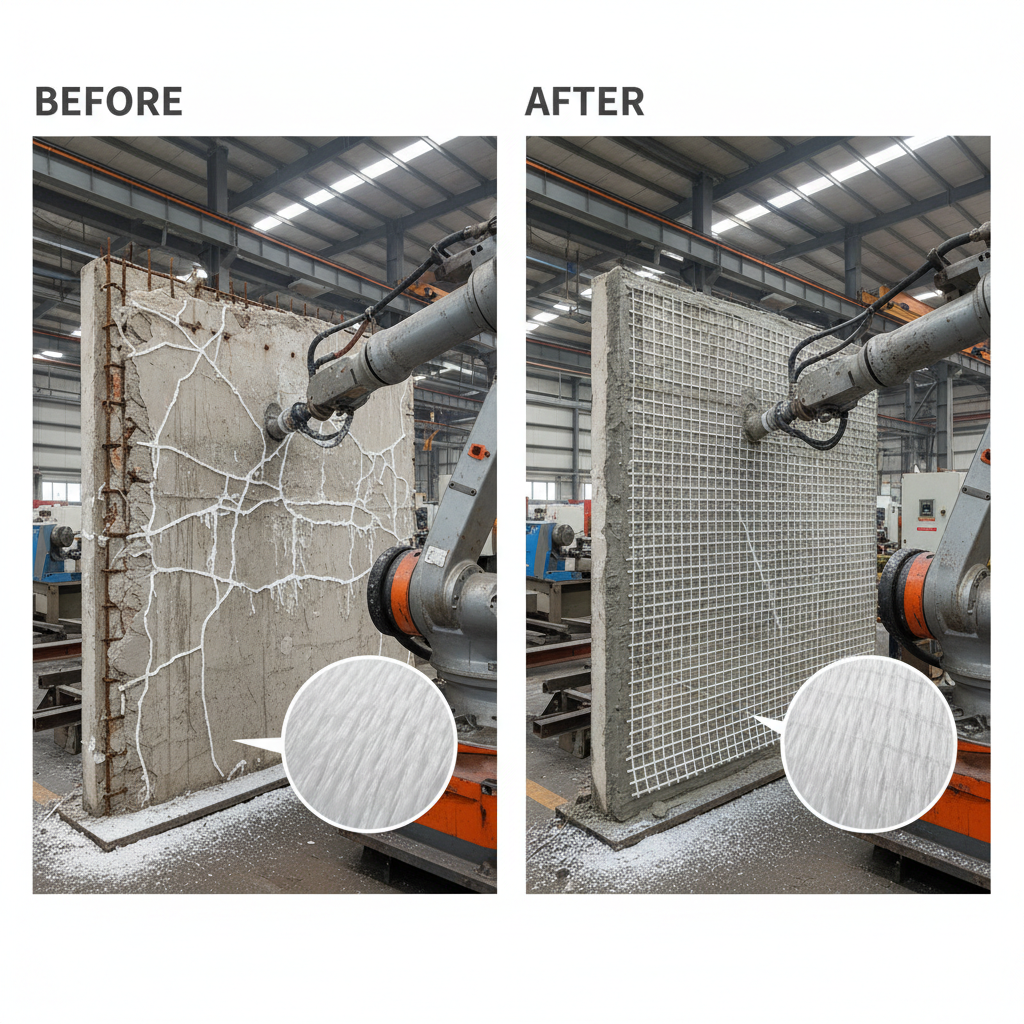
Drywall fiberglass mesh tape represents a crucial component in modern construction and repair, offering a durable and efficient alternative to traditional paper tape. Its growing demand globally stems from its superior strength, resistance to cracking, and ease of application, making it a preferred choice for professional contractors and DIY enthusiasts alike. Understanding the nuances of drywall fiberglass mesh tape is vital for ensuring high-quality, long-lasting results in any drywall project.
The increasing prevalence of drywall construction worldwide, coupled with the demand for faster and more reliable repair solutions, has fueled the global growth of the drywall fiberglass mesh tape market. Data from industry reports indicates a consistent annual increase in demand, driven by new construction projects, renovation activities, and a shift towards self-adhesive mesh tapes for simplified installation. This demand highlights a critical need for reliable, high-performance drywall finishing products.
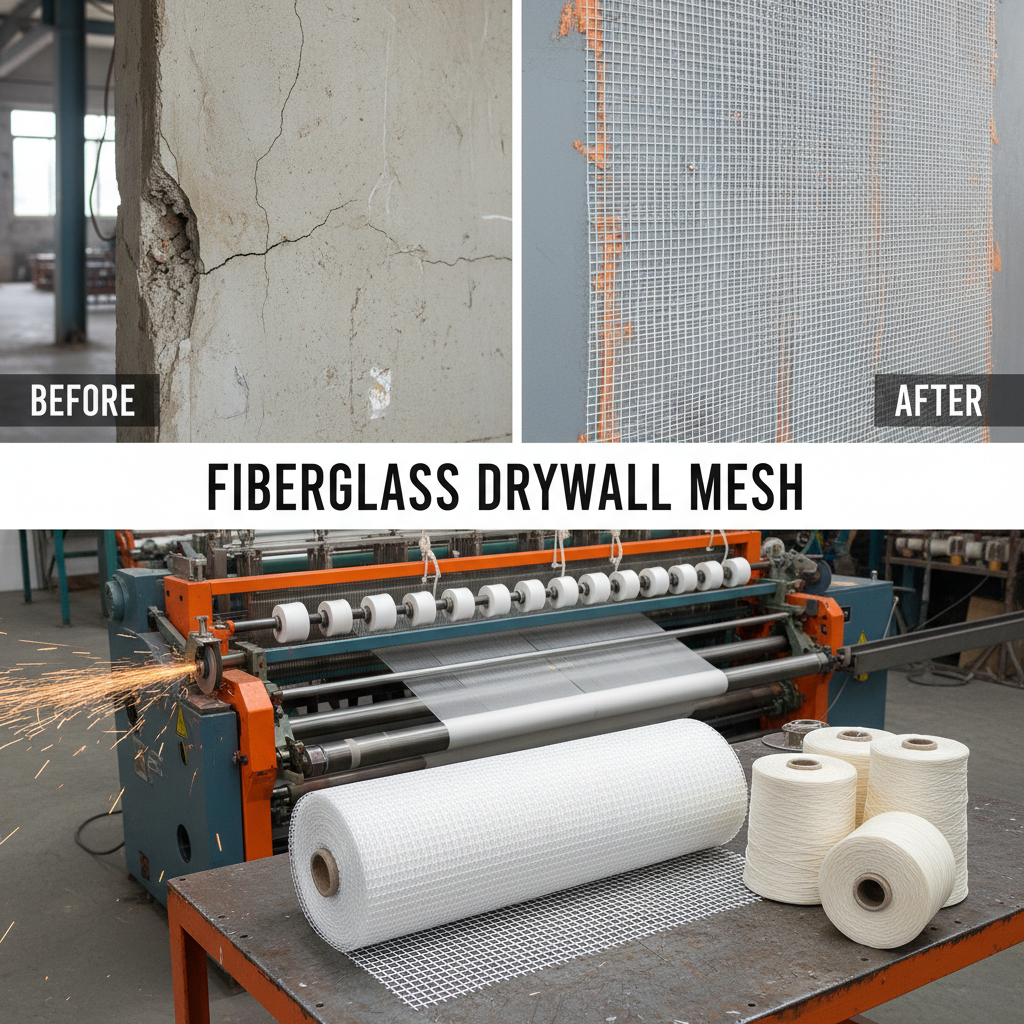
Drywall fiberglass mesh tape addresses the common challenges associated with traditional paper tape – such as cracking, bubbling, and the need for multiple coats of joint compound. Its inherent flexibility and tensile strength contribute to a smoother, more durable finish, reducing the likelihood of future repairs. This addresses not only building integrity but also reduces long-term maintenance costs for homeowners and building managers.
Introduction to Drywall Fiberglass Mesh Tape
Drywall fiberglass mesh tape is a reinforcing material used in drywall installation and repair, primarily to cover seams, corners, and fastener heads. Unlike traditional paper tape, it’s self-adhesive and embedded with fiberglass filaments, providing exceptional strength and flexibility. This innovative product has revolutionized the drywall finishing process, offering significant improvements in durability and ease of use.
The versatility of drywall fiberglass mesh tape extends beyond simple drywall applications. It’s also utilized in plastering, cement board installation, and even in certain types of composite material fabrication. Its ability to resist cracking and maintain structural integrity makes it a valuable asset in a wide range of construction and renovation projects.
Defining Drywall Fiberglass Mesh Tape
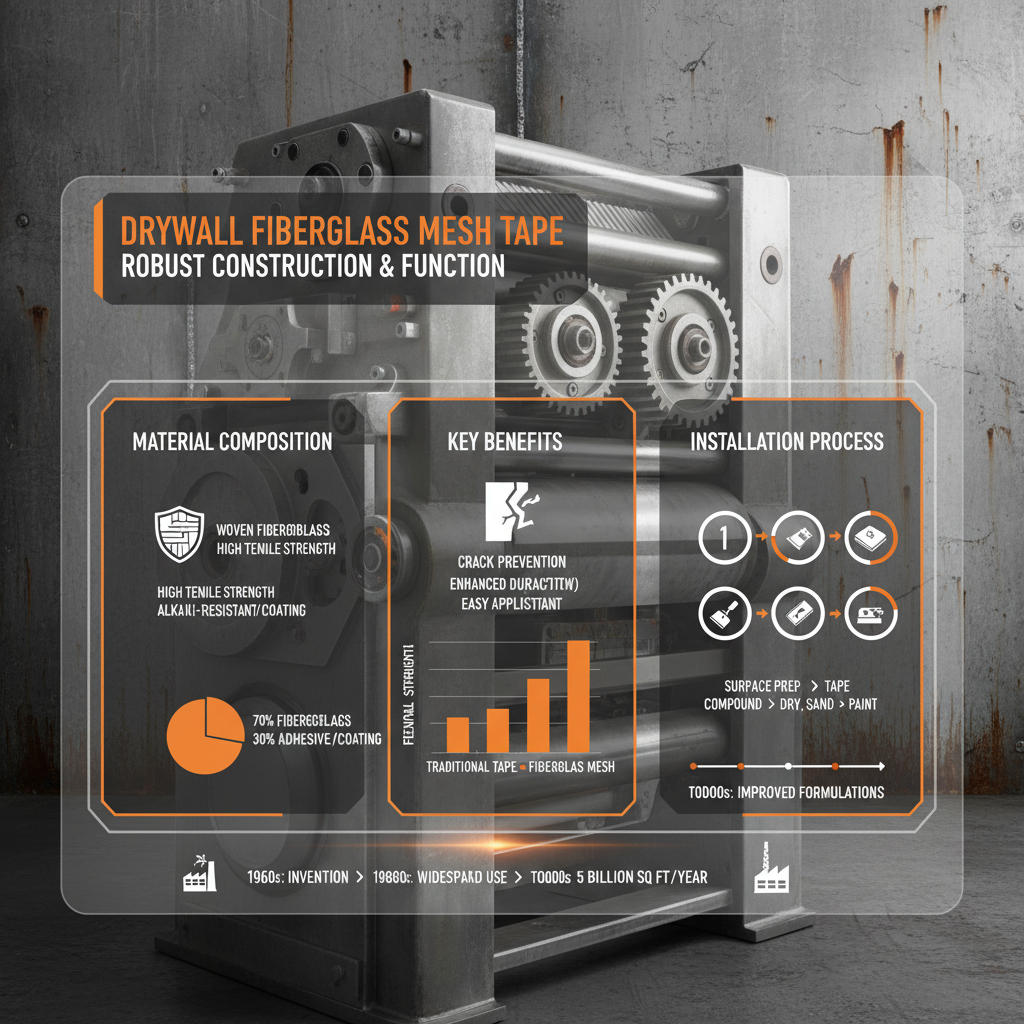
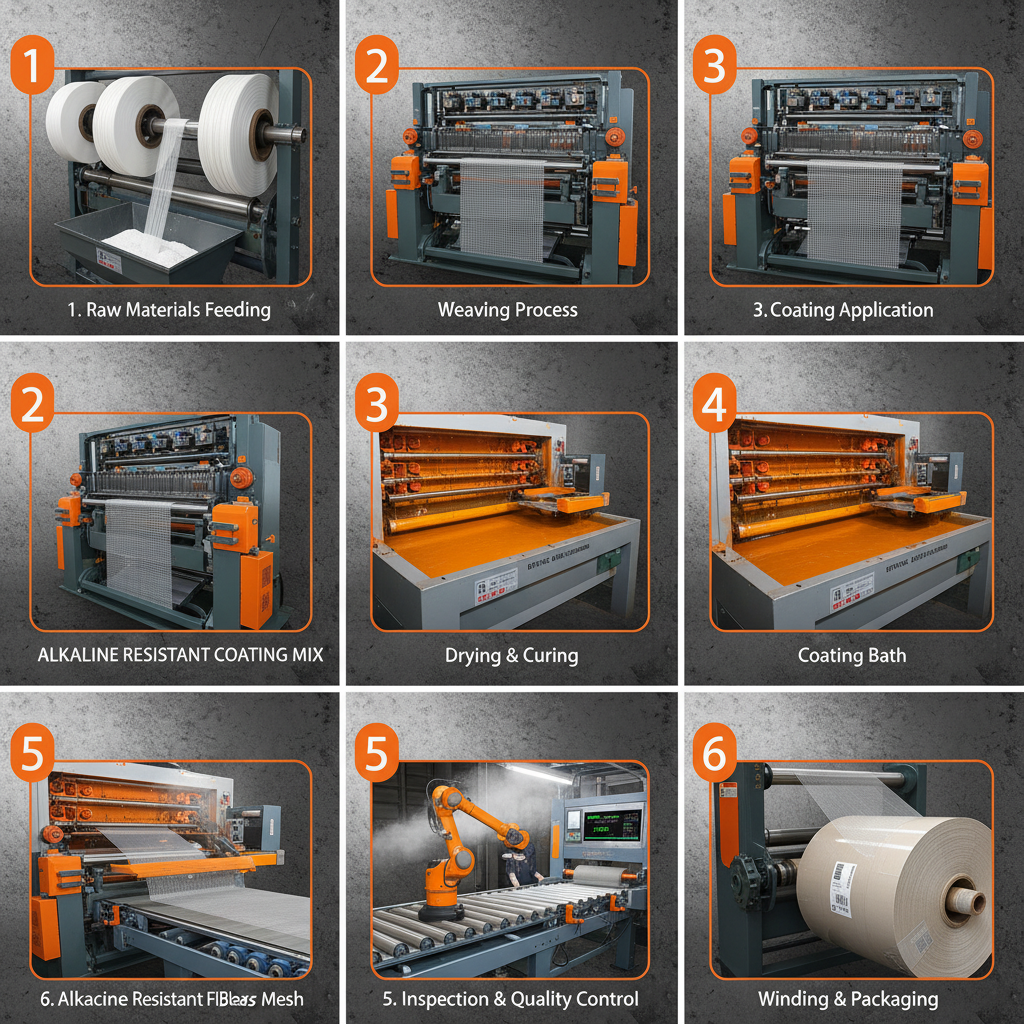
At its core, drywall fiberglass mesh tape is a woven fabric composed of fiberglass strands coated with a pressure-sensitive adhesive. This construction provides a strong, flexible, and self-adhering material ideally suited for reinforcing drywall seams and joints. The fiberglass imparts tensile strength, preventing cracking and ensuring a durable finish.
Its connection to modern industry lies in the demand for faster, more efficient, and more reliable building practices. Traditional paper tape requires embedding in joint compound, a time-consuming process prone to imperfections. Fiberglass mesh tape streamlines this process, offering a simpler, more consistent result.
This technology addresses the need for improved building standards and homeowner satisfaction. By providing a crack-resistant and durable finish, drywall fiberglass mesh tape contributes to the longevity and structural integrity of buildings, reducing maintenance costs and enhancing overall quality.
Core Components and Characteristics
Several key characteristics define the performance and benefits of drywall fiberglass mesh tape. Durability is paramount, stemming from the inherent strength of the fiberglass fibers, resisting tears and punctures during application and providing long-lasting reinforcement.
Adhesion is critical for proper integration with the drywall surface. The self-adhesive backing ensures a secure bond, eliminating the need for separate adhesive application. Flexibility allows the tape to conform to corners and curves without cracking, creating a seamless finish. Resistance to Mold and Mildew inherent to fiberglass, enhances the material’s suitability for damp environments.
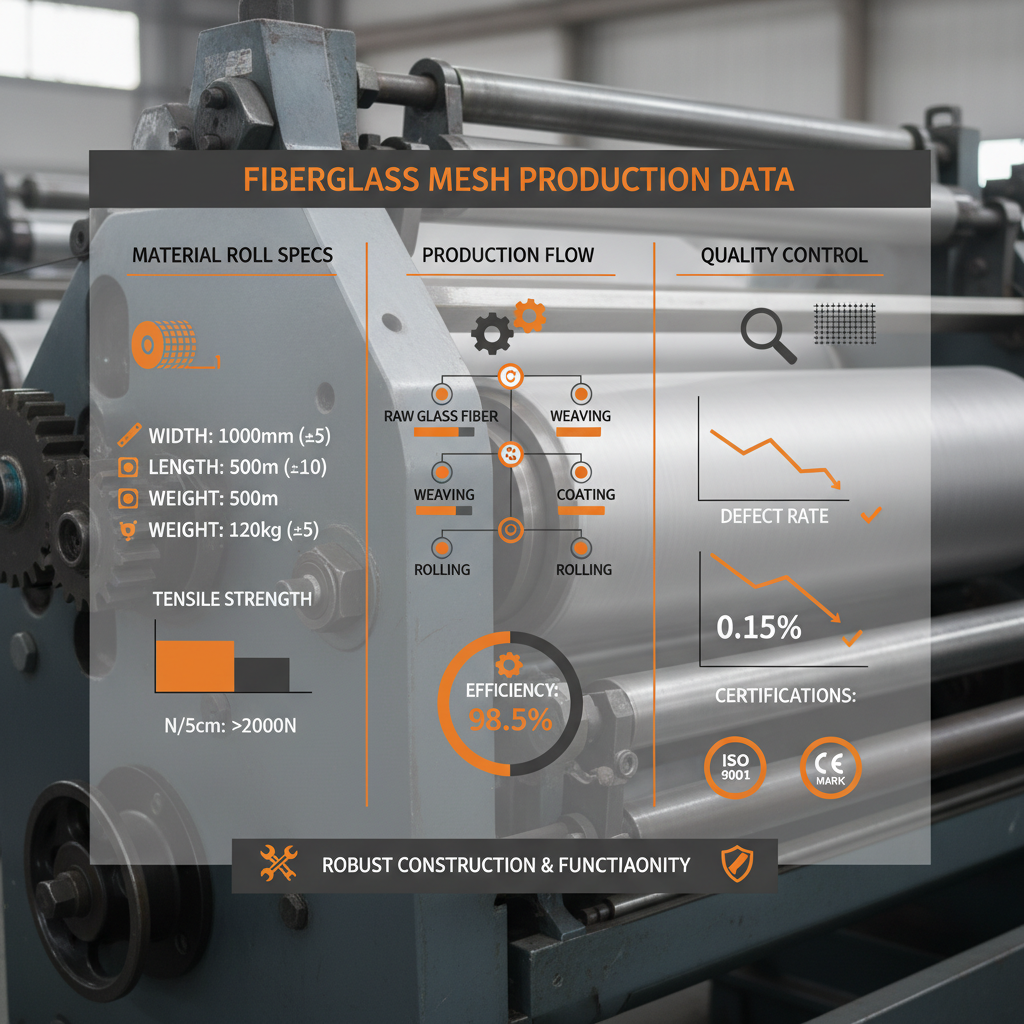
Finally, Tensile Strength measures the tape’s ability to withstand pulling forces, preventing seam separation and ensuring structural integrity. These combined characteristics make drywall fiberglass mesh tape a superior choice for various drywall applications, contributing to a professional and long-lasting result.
Practical Applications of Drywall Fiberglass Mesh Tape
The most common application of drywall fiberglass mesh tape is in covering seams between drywall panels. Its self-adhesive nature allows for quick and easy application, significantly reducing installation time compared to traditional paper tape.
Beyond seams, it’s extensively used for reinforcing corners, especially vulnerable areas prone to impact and cracking. Applying mesh tape to corners before applying joint compound provides a robust barrier against damage. It's also ideal for repairing cracks in existing drywall surfaces, offering a durable and long-lasting solution.
Drywall Fiberglass Mesh Tape Application Methods
Global Utilization & Industry Impact
The utilization of drywall fiberglass mesh tape is widespread, spanning across residential, commercial, and industrial construction projects globally. North America and Europe represent significant markets, driven by established building practices and a demand for high-quality finishing materials.
In developing countries, the adoption of drywall construction, facilitated by the ease of use of fiberglass mesh tape, is contributing to faster and more affordable housing solutions. Regions undergoing rapid urbanization are increasingly relying on drywall systems for their speed and efficiency.
The impact on the drywall finishing industry has been substantial. Contractors benefit from reduced labor costs and faster project completion times. The superior performance of fiberglass mesh tape translates to fewer callbacks for repairs, enhancing customer satisfaction and building a positive reputation.
Advantages & Long-Term Value Proposition
The advantages of using drywall fiberglass mesh tape are numerous. Firstly, cost-effectiveness is a significant benefit, as it reduces labor time and material waste. Secondly, durability surpasses traditional methods, minimizing the need for future repairs.
From a sustainability perspective, the long lifespan of the tape contributes to reduced waste in the long run. The inherent resistance to mold and mildew promotes a healthier indoor environment, enhancing the social impact of building projects. Moreover, the reliability of a seamless, crack-resistant finish builds trust with homeowners and clients.
Future Trends & Innovations in Mesh Tape Technology
Several trends are shaping the future of drywall fiberglass mesh tape. One key development is the integration of self-adhesive technology with enhanced fiberglass formulations for even greater bond strength and durability.
Research into bio-based adhesives and sustainable fiberglass alternatives is also gaining momentum, driven by a growing demand for eco-friendly building materials. Furthermore, the exploration of nanotechnology to enhance the tape’s resistance to environmental factors such as moisture and UV radiation presents exciting possibilities.
Summary of Drywall Fiberglass Mesh Tape Performance Characteristics
| Application Area |
Performance Metric |
Rating (1-10) |
Remarks |
| Seam Reinforcement |
Crack Resistance |
9 |
Excellent prevention of seam cracking. |
| Corner Protection |
Impact Durability |
8 |
Good resistance to corner impacts. |
| Crack Repair |
Adhesion Strength |
7 |
Strong adhesion for reliable repairs. |
| Fastener Head Coverage |
Concealment Quality |
6 |
Effective at concealing screw/nail heads. |
| Plastering Support |
Plaster Adhesion |
7 |
Provides a stable base for plaster application. |
| High Humidity Environments |
Mold Resistance |
8 |
Inherent fiberglass resists mold growth. |
FAQS
The key difference lies in the material and application. Paper tape requires embedding in joint compound, making it a two-step process. Fiberglass mesh tape is self-adhesive and simply applied to the surface, streamlining installation. Fiberglass tape also exhibits superior crack resistance and durability compared to traditional paper tape, reducing the likelihood of future repairs and creating a longer-lasting finish.
Generally, yes. Drywall fiberglass mesh tape is compatible with most standard drywall types, including regular, moisture-resistant, and fire-resistant varieties. However, it's always advisable to check the manufacturer's recommendations for specific drywall compatibility to ensure optimal performance. drywall fiberglass mesh tape is designed for versatility.
Application is straightforward. First, ensure the surface is clean and free of dust. Simply peel off the backing of the tape and apply it firmly over the seam or corner. Press down evenly to ensure a strong bond. Then, apply a thin coat of joint compound over the tape, feathering the edges for a smooth finish. Follow with subsequent coats as needed.
Yes, it can! Drywall fiberglass mesh tape is an effective solution for repairing cracks in plaster walls. The tape bridges the gap in the crack, providing a strong foundation for patching. Apply the tape over the crack, then cover with patching compound, ensuring a smooth and seamless repair. It’s advisable to prime the area before applying the patch.
While not entirely waterproof, drywall fiberglass mesh tape offers excellent resistance to moisture. The fiberglass material itself doesn’t readily absorb water, making it suitable for areas with moderate humidity. However, for areas exposed to direct water contact, such as bathrooms or showers, it's crucial to use moisture-resistant drywall and apply appropriate waterproofing membranes in addition to the tape.
Although generally safe, fiberglass particles can cause skin and eye irritation. It’s recommended to wear gloves, long sleeves, and safety glasses when handling the tape, especially during cutting. Avoid inhaling dust generated during application. Work in a well-ventilated area and clean up any debris with a damp cloth rather than sweeping or vacuuming to prevent airborne particles.
Conclusion
In conclusion, drywall fiberglass mesh tape represents a significant advancement in drywall finishing technology. Its durability, ease of application, and crack-resistant properties offer substantial benefits over traditional methods, leading to higher-quality, longer-lasting results. Understanding its core components and applications empowers both professionals and DIY enthusiasts to achieve exceptional finishes.
Looking ahead, the continued innovation in materials and adhesive technologies promises even more efficient and sustainable drywall solutions. Embracing these advancements, like exploring the options offered at drywall fiberglass mesh tape, will be crucial for meeting the evolving demands of the construction industry and ensuring the longevity of buildings worldwide.