0%

Table of Contents

Stucco fiberglass mesh represents a significant advancement in construction and renovation materials, offering a lightweight, durable, and versatile solution for reinforcing stucco systems. Its increasing adoption globally is driven by the need for resilient building practices, particularly in regions prone to seismic activity or harsh weather conditions. Understanding the properties and applications of this mesh is crucial for architects, contractors, and homeowners alike seeking long-lasting and cost-effective building solutions.

The global construction industry is constantly evolving, seeking materials that enhance structural integrity while minimizing weight and environmental impact. Stucco fiberglass mesh directly addresses these demands, providing a superior alternative to traditional metal lath. With growing urbanization and the need for rapid and reliable building techniques, the demand for efficient reinforcement materials like stucco fiberglass mesh is projected to continue its upward trajectory, significantly impacting building standards and construction costs worldwide.

The widespread application of stucco fiberglass mesh isn’t just about technical superiority; it's about enhancing safety, reducing maintenance, and promoting sustainable construction practices. As building codes become more stringent and environmental awareness increases, this innovative material offers a viable path towards more resilient, efficient, and environmentally friendly structures.
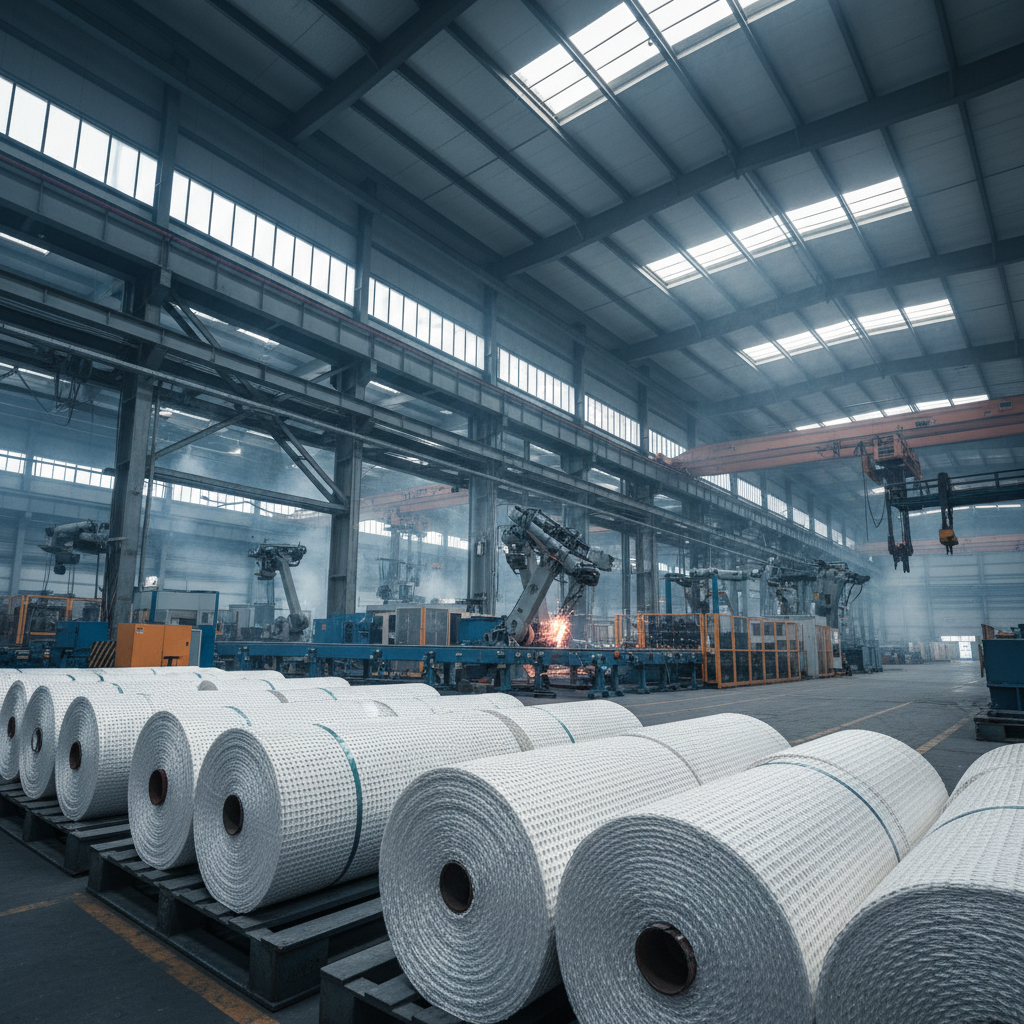
Advancements in Construction Stucco Fiberglass Mesh for Durable Structures

Introduction to Stucco Fiberglass Mesh
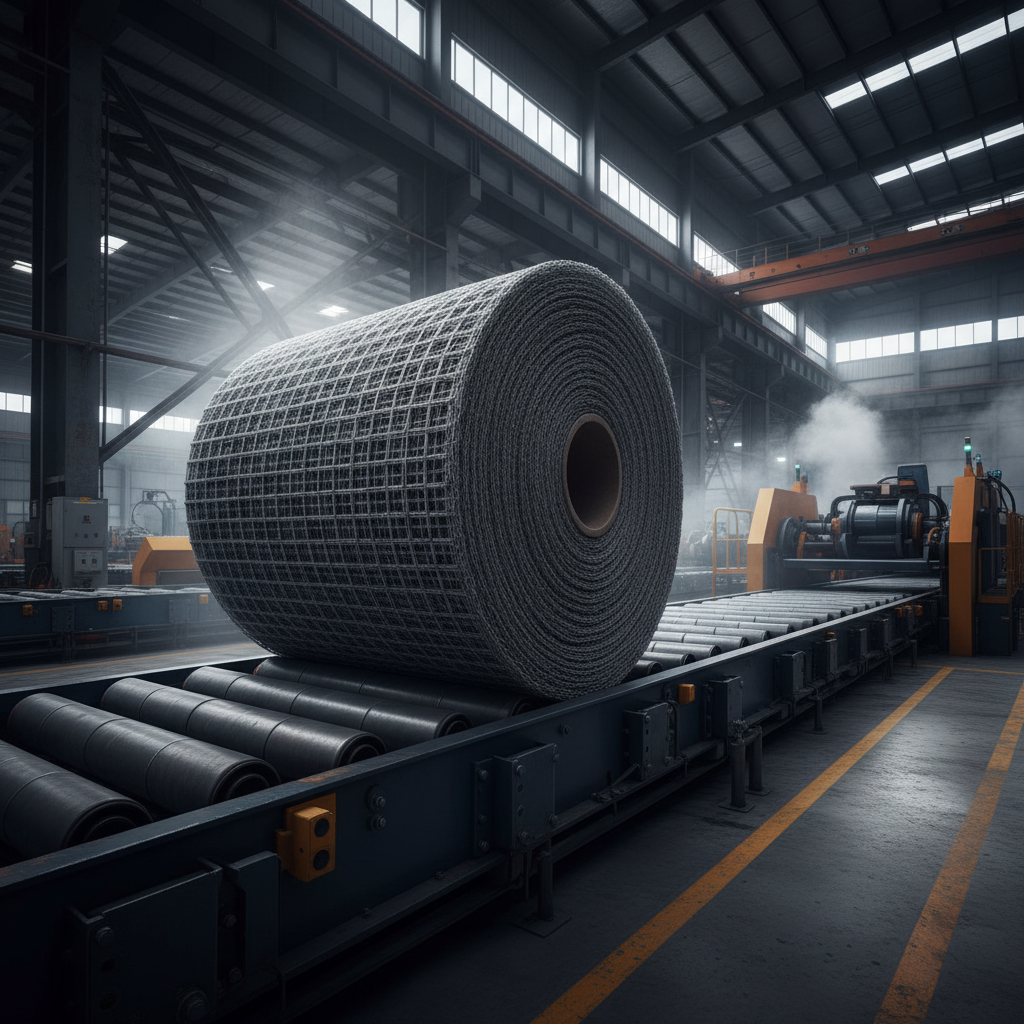
Advancements in Construction Stucco Fiberglass Mesh for Durable Structures

Stucco fiberglass mesh is quickly becoming the preferred reinforcement material for stucco applications due to its superior performance characteristics and ease of use. Its flexibility allows for application on complex architectural shapes, minimizing cracking and ensuring a seamless finish. This adaptability is a significant advantage over traditional metal lath, which can be cumbersome and time-consuming to install.

The benefits extend beyond installation; stucco fiberglass mesh offers increased resistance to corrosion and impact, prolonging the lifespan of the stucco system and reducing long-term maintenance costs. Its lightweight nature also contributes to reduced structural load, potentially lowering overall construction expenses and simplifying the building process.

Defining Stucco Fiberglass Mesh

Stucco fiberglass mesh is a composite material consisting of interlaced fiberglass strands coated with a protective alkaline-resistant polymer. This coating is essential for preventing degradation of the fiberglass within the highly alkaline environment of stucco, ensuring long-term structural integrity. Essentially, it serves as the internal skeleton within the stucco, distributing stresses and preventing cracking.

Unlike traditional metal lath, which is susceptible to rust and corrosion, stucco fiberglass mesh is inherently non-corrosive, making it ideal for coastal environments or areas with high humidity. This resistance to corrosion is a key factor in its growing popularity and contributes to its extended service life.

The mesh's connection to modern industry lies in its adaptation of advanced materials science to address the specific challenges of stucco application. Its development responds to the need for durable, lightweight, and cost-effective building materials in a rapidly changing construction landscape.

Core Components and Characteristics

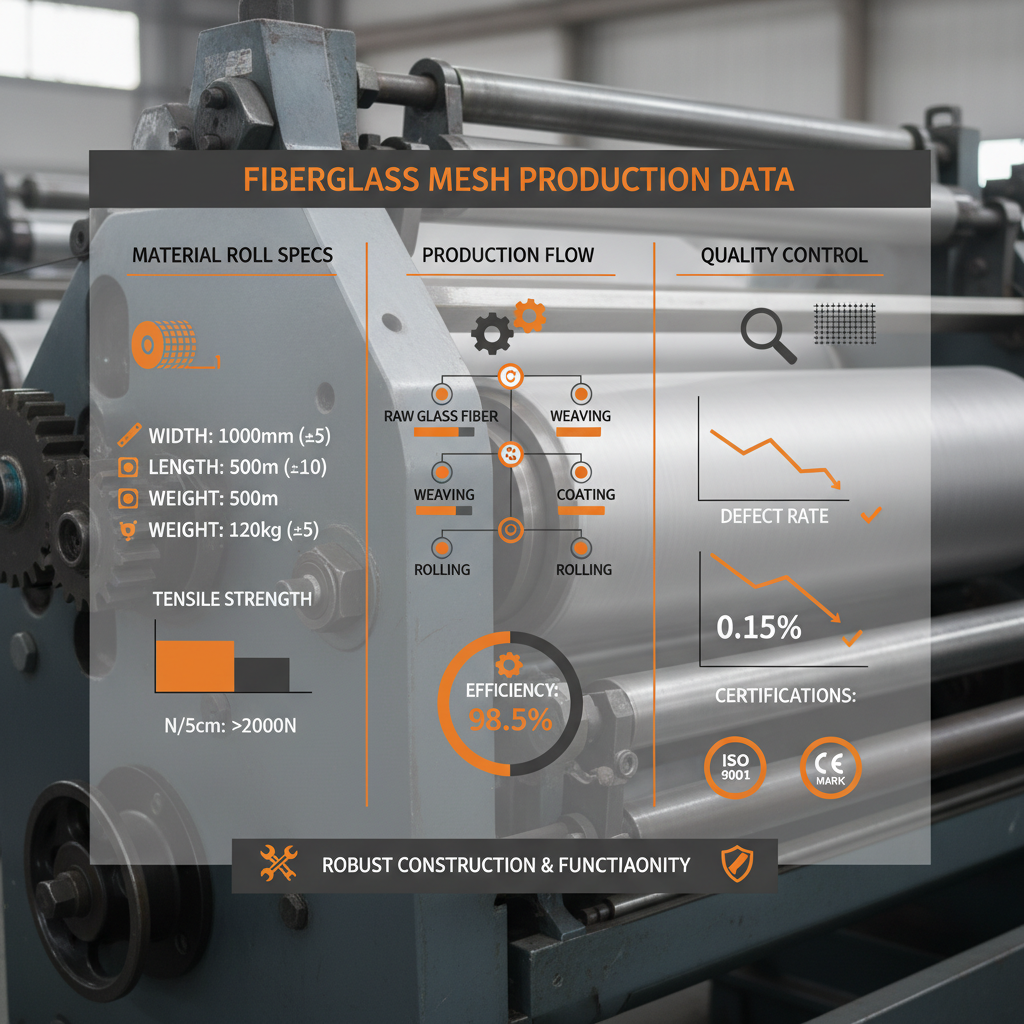
The key to understanding stucco fiberglass mesh lies in its constituent components. Primarily, it’s built from glass fibers, meticulously woven into a grid pattern. The weave density (measured in weight per square meter) directly impacts the mesh's strength and flexibility. Higher density meshes offer greater reinforcement, while lower density meshes are easier to conform to curved surfaces.

Crucially, the alkaline-resistant coating applied to the fiberglass is paramount. Stucco is highly alkaline, and without this protective layer, the glass fibers would quickly deteriorate, compromising the mesh’s structural integrity. This coating typically consists of a modified polymer that shields the glass fibers from the corrosive effects of the alkaline environment.

Further characteristics include its tensile strength, elongation at break, and dimensional stability. Tensile strength indicates the mesh's resistance to stretching, elongation at break defines how much it can stretch before failing, and dimensional stability refers to its ability to maintain its shape under varying environmental conditions. These properties are crucial for ensuring the long-term performance of the stucco system.

Key Performance Indicators

Evaluating the effectiveness of stucco fiberglass mesh requires examining key performance indicators. Durability is central, reflecting the material's resistance to degradation from weather, UV exposure, and chemical attack. This translates to a longer lifespan for the stucco system and reduced maintenance requirements.

Another crucial indicator is crack resistance, stemming from the mesh's ability to distribute stresses within the stucco layer. This minimizes the likelihood of unsightly and potentially damaging cracks appearing over time. The mesh acts as a crucial component, ensuring a cohesive and resilient surface.

Stucco Fiberglass Mesh Performance Comparison


Global Applications and Implementation

Stucco fiberglass mesh is increasingly used in a wide range of construction projects across the globe. In regions prone to earthquakes, like California and Japan, its flexibility and ability to absorb stress make it invaluable for reinforcing stucco facades, minimizing damage during seismic events. It also finds extensive application in coastal areas, due to its resistance to salt spray and corrosion.

The mesh is commonly employed in both residential and commercial building projects, from single-family homes to high-rise structures. It's a popular choice for exterior wall finishes, decorative elements, and even interior applications where a textured surface is desired. The increasing adoption of sustainable building practices is also driving demand for stucco fiberglass mesh as a durable and long-lasting material.

Advantages and Long-Term Value Proposition

The advantages of using stucco fiberglass mesh are numerous and extend beyond initial cost savings. Its lightweight nature simplifies installation, reduces labor costs, and minimizes the structural load on the building. The increased durability and resistance to cracking translate to lower maintenance expenses over the lifespan of the structure, offering significant long-term value.

From an environmental perspective, the longevity of stucco fiberglass mesh contributes to reduced material waste and minimizes the need for frequent repairs or replacements. This aligns with growing demands for sustainable construction practices. The safety aspect is also noteworthy, as the mesh’s crack resistance enhances the structural integrity and minimizes potential hazards associated with deteriorating stucco facades.

Future Trends and Innovations in Stucco Fiberglass Mesh

Innovation in stucco fiberglass mesh is focused on enhancing its performance characteristics and expanding its applications. Research is underway to develop even more durable and alkali-resistant coatings, potentially extending the lifespan of the mesh and reducing maintenance requirements further. Additionally, advancements in weaving techniques are leading to the creation of meshes with improved flexibility and conformability.

The integration of digital technologies, such as automated cutting and application systems, is also poised to streamline the installation process and reduce labor costs. Furthermore, the development of bio-based or recycled fiberglass materials could contribute to a more sustainable and environmentally friendly product lifecycle, aligning with the growing demand for green building solutions.

Looking ahead, we can expect to see stucco fiberglass mesh play an increasingly important role in prefabricated construction and modular building systems, where its lightweight and ease of installation make it a particularly attractive option.

FAQS

What are the main benefits of using stucco fiberglass mesh over traditional metal lath?

Stucco fiberglass mesh offers several key advantages: it's significantly lighter, reducing structural load; it's non-corrosive, making it ideal for coastal environments; and it’s more flexible, allowing for easier application on complex shapes. This translates to faster installation, lower labor costs, and a more durable, long-lasting finish. It also minimizes cracking due to superior stress distribution.

How does stucco fiberglass mesh perform in earthquake-prone areas?

Stucco fiberglass mesh excels in seismic zones due to its inherent flexibility and ability to absorb stress. Unlike rigid metal lath, it can flex and move with the building during an earthquake, reducing the likelihood of cracking and structural damage. This flexibility significantly enhances the resilience of stucco facades in earthquake-prone regions.

Is stucco fiberglass mesh suitable for use in humid or coastal climates?

Absolutely. A major advantage of stucco fiberglass mesh is its resistance to corrosion, making it an excellent choice for humid and coastal environments where metal lath would quickly rust and deteriorate. The alkali-resistant coating protects the fiberglass from the corrosive effects of salt spray and moisture, ensuring long-term durability and performance.

What is the typical lifespan of a stucco system reinforced with fiberglass mesh?

A properly installed stucco system reinforced with high-quality fiberglass mesh can easily last 50 years or more. The durability of the mesh, combined with the quality of the stucco mix and proper installation techniques, contribute to a long-lasting and low-maintenance facade. Regular inspections and minor repairs can further extend the lifespan.

How does the weave density of the mesh affect its performance?

Weave density, measured in weight per square meter, is a crucial factor. Higher density meshes offer greater strength and reinforcement, ideal for large surfaces or areas requiring significant structural support. Lower density meshes are more flexible and easier to conform to curved surfaces, but provide less overall strength.

What is the environmental impact of stucco fiberglass mesh compared to other reinforcement materials?

Stucco fiberglass mesh offers environmental benefits due to its durability and longevity, reducing the need for frequent replacements and minimizing waste. Ongoing research into bio-based or recycled fiberglass materials aims to further enhance its sustainability profile. Its lighter weight also reduces transportation costs and energy consumption.

Conclusion

Stucco fiberglass mesh represents a paradigm shift in stucco reinforcement, offering a compelling combination of durability, flexibility, and cost-effectiveness. Its superior performance characteristics, coupled with its resistance to corrosion and environmental factors, make it an increasingly attractive alternative to traditional metal lath. By embracing this innovative material, builders and homeowners can create structures that are not only aesthetically pleasing but also resilient, sustainable, and long-lasting.

As building codes continue to evolve and demand more sustainable and resilient construction practices, stucco fiberglass mesh will undoubtedly play an even greater role in shaping the future of the building industry. We encourage you to explore the benefits of this remarkable material and consider it for your next stucco project.

David Miller

David Miller

David Miller is the North American Sales Manager for Tainuo Fiberglass Mesh Factory. With over 15 years of experience in the building materials industry, David specializes in identifying and developing key accounts within the US market. He’s a firm believer in building long-term relationships based on trust and delivering tailored
Previous Fiberglass Stucco Mesh Innovations for Durable and Sustainable Construction
Next Comprehensive Guide to Self Adhesive Fiberglass Mesh Tape Applications and Benefits