Fiberglass reinforcement mesh is rapidly becoming an indispensable material in modern construction and a critical component in addressing global infrastructure challenges. Its unique combination of strength, lightweight properties, and corrosion resistance makes it ideal for a wide array of applications, from strengthening existing concrete structures to building innovative, disaster-resilient housing. Understanding the capabilities of this material is crucial for engineers, architects, and humanitarian organizations alike.
The global demand for durable and cost-effective building materials is steadily increasing, fueled by population growth, urbanization, and the increasing frequency of natural disasters. Traditional materials like steel are facing challenges related to corrosion, weight, and environmental impact. fiberglass reinforcement mesh offers a compelling alternative, addressing these issues and paving the way for more sustainable and resilient infrastructure worldwide.
From reinforcing concrete in bridges and tunnels to providing structural support in fast-deployment shelters, fiberglass reinforcement mesh is playing a pivotal role in improving the safety, longevity, and efficiency of infrastructure projects across the globe. Its adaptability and ease of use contribute significantly to its expanding adoption in various sectors.
Introduction to fiberglass reinforcement mesh
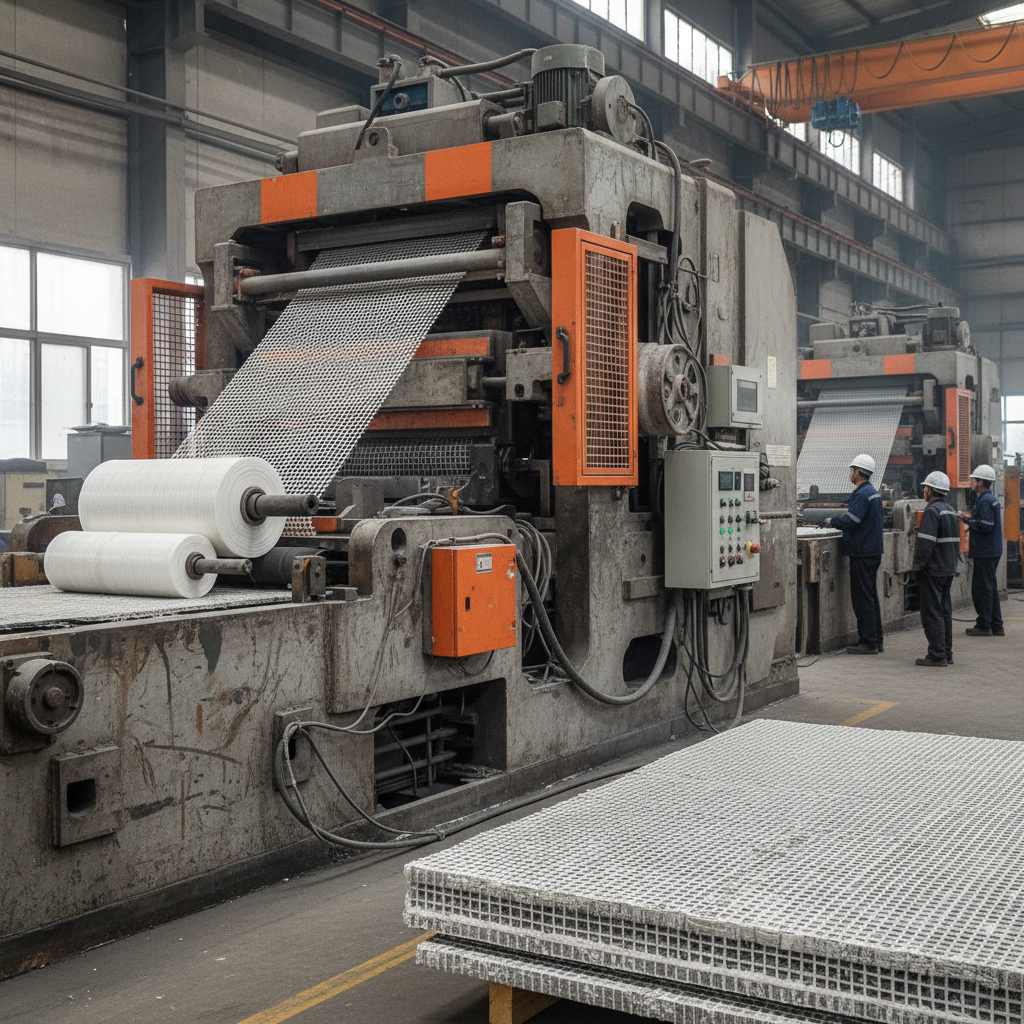
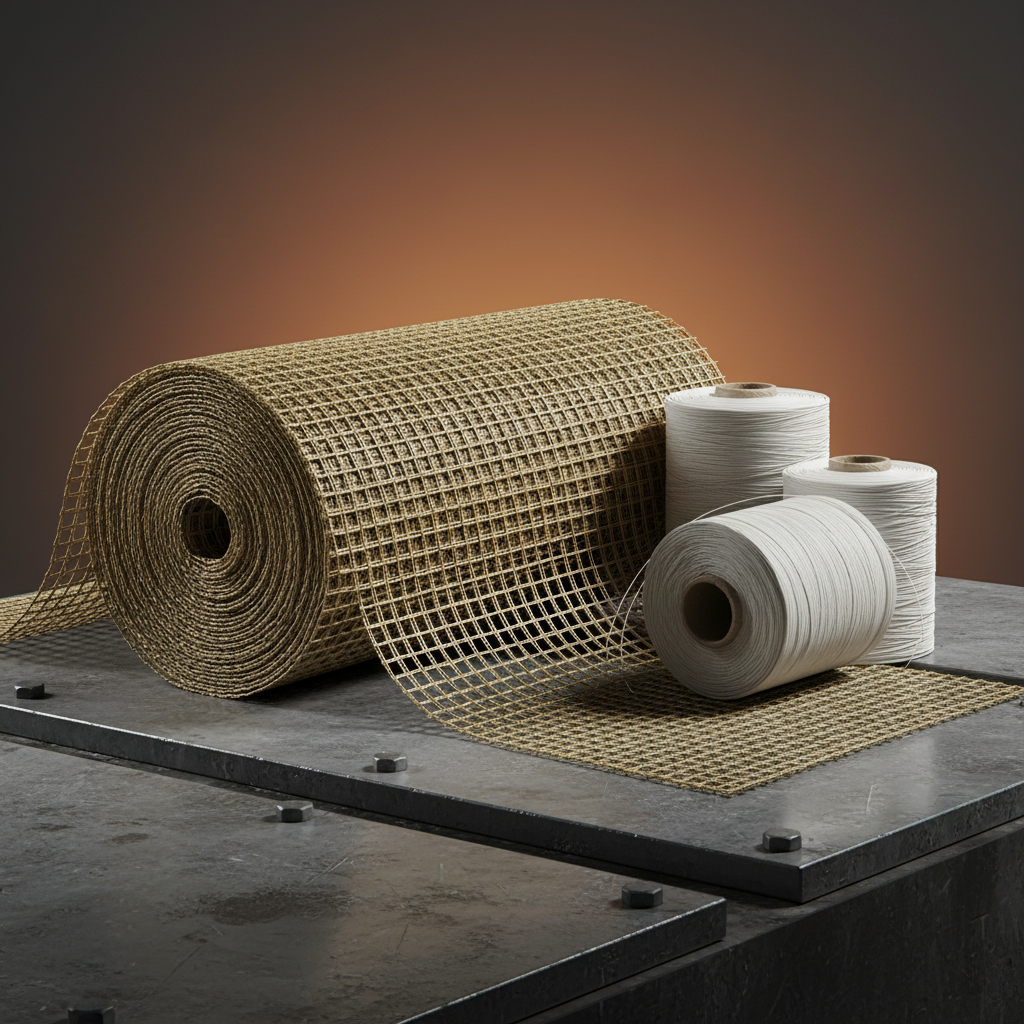
Fiberglass reinforcement mesh is a composite material created by weaving fiberglass filaments into a mesh-like structure. This mesh is then often coated with a resin to enhance its durability and bonding properties. Its primary function is to improve the tensile strength of materials, most commonly concrete, preventing cracking and increasing overall structural integrity.
The application of fiberglass reinforcement mesh extends far beyond traditional construction. It's increasingly utilized in repairing damaged infrastructure, creating lightweight composite structures, and developing innovative solutions for disaster relief and sustainable building practices.
Global Relevance and Applications
The demand for robust infrastructure is a global challenge, particularly in developing nations and areas prone to natural disasters. The United Nations estimates that trillions of dollars are needed to upgrade existing infrastructure and build new systems to support a growing global population. Fiberglass reinforcement mesh offers a cost-effective and efficient solution for achieving these goals.
According to the World Bank, the construction industry accounts for a significant portion of global material consumption. By utilizing materials like fiberglass reinforcement mesh, which are lighter and require less energy to produce and transport, we can reduce the industry's environmental footprint. The ISO standards related to construction materials increasingly recognize the benefits of composite materials like fiberglass mesh, promoting their wider adoption.
The increasing frequency of extreme weather events highlights the need for infrastructure that can withstand severe stress. Fiberglass reinforcement mesh enhances the resilience of structures against earthquakes, floods, and other natural disasters, protecting communities and minimizing economic losses.
Defining fiberglass reinforcement mesh
Fiberglass reinforcement mesh is a woven or knitted fabric made from fine glass fibers. Unlike traditional steel rebar, fiberglass doesn’t corrode, making it exceptionally well-suited for use in corrosive environments such as marine structures, wastewater treatment plants, and areas exposed to de-icing salts.
This material is a direct response to the limitations of traditional reinforcement methods. While steel provides excellent tensile strength, its susceptibility to rust and its weight present significant drawbacks. Fiberglass reinforcement mesh provides comparable strength without these issues, offering a longer lifespan and reduced maintenance costs. It is a vital link between modern industrial demands and critical humanitarian needs.
Essentially, fiberglass reinforcement mesh acts as a ‘skeleton’ within a material like concrete, absorbing tensile forces and preventing cracks from forming or propagating. This leads to more durable, long-lasting structures and reduces the need for costly repairs and replacements.
Key Characteristics of fiberglass reinforcement mesh
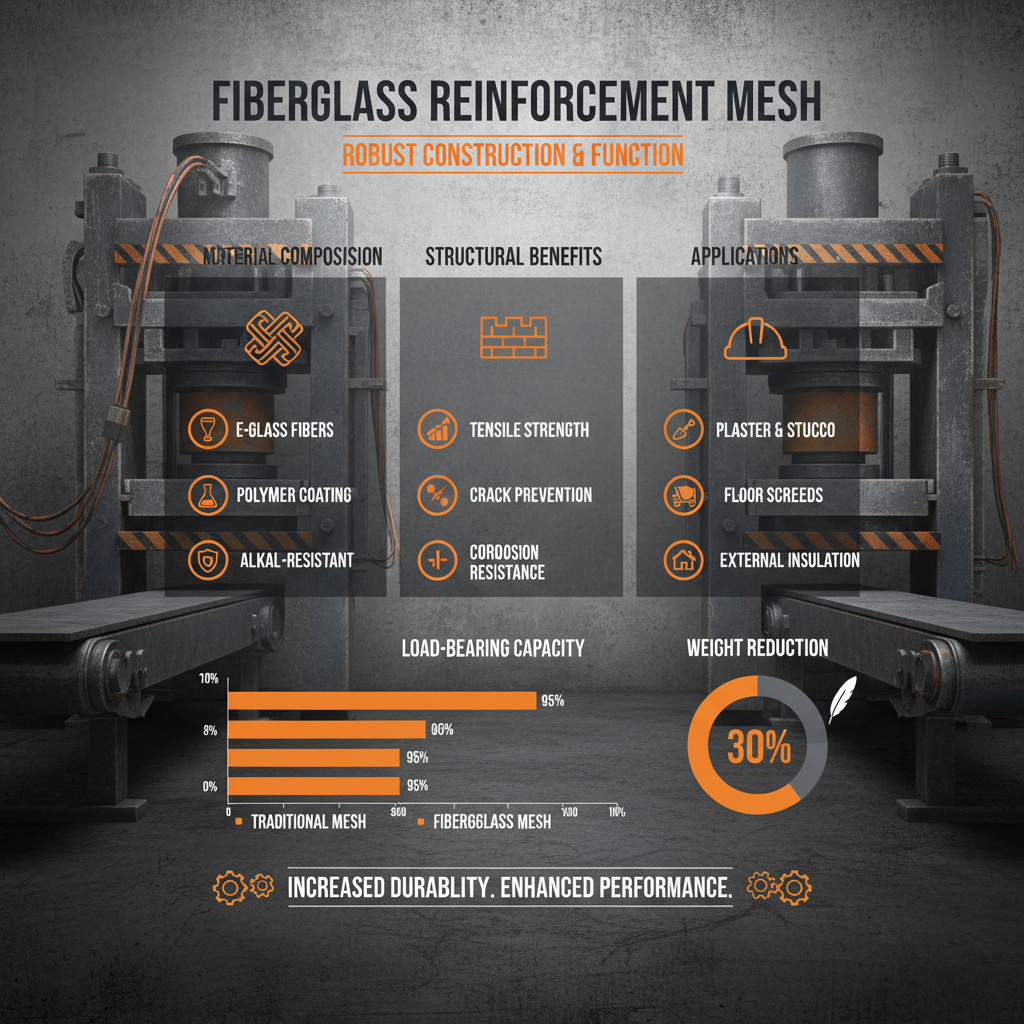
Fiberglass reinforcement mesh possesses several characteristics that make it a superior choice for a wide range of applications. One crucial aspect is its high tensile strength, allowing it to withstand significant pulling forces without breaking. This is particularly important in structures subjected to dynamic loads or seismic activity.
Another key feature is its corrosion resistance. Unlike steel, fiberglass does not rust or corrode, even in harsh environments. This eliminates the need for protective coatings and significantly extends the lifespan of structures.
Comparative Analysis of fiberglass reinforcement mesh Characteristics
Real-World Use Cases
In post-disaster relief operations, rapid deployment housing utilizing fiberglass reinforcement mesh is proving to be a game-changer. These structures are lightweight, easy to transport, and can be erected quickly, providing immediate shelter for those affected by natural disasters. They also offer superior resistance to earthquakes and extreme weather.
Fiberglass reinforcement mesh is also widely used in the construction of marine infrastructure, such as docks, piers, and seawalls. Its corrosion resistance makes it ideal for these harsh environments, ensuring long-term durability and minimizing maintenance costs. Furthermore, in remote industrial zones, where access to traditional building materials is limited, it offers a practical and efficient solution for constructing durable and reliable structures.
Advantages and Long-Term Value
The benefits of utilizing fiberglass reinforcement mesh are numerous and far-reaching. From a cost perspective, while the initial material cost might be slightly higher than steel in some cases, the reduced maintenance requirements and extended lifespan translate into significant long-term savings. Its lightweight nature also reduces transportation costs and simplifies installation.
Beyond the economic advantages, fiberglass reinforcement mesh offers substantial sustainability benefits. The manufacturing process requires less energy than steel production, and the material is recyclable. Moreover, the enhanced durability of structures built with fiberglass mesh reduces the need for frequent repairs and replacements, minimizing waste and conserving resources.
Future Trends and Innovation
Research and development in fiberglass reinforcement mesh are continuously pushing the boundaries of what’s possible. Ongoing innovations focus on enhancing the material's strength, reducing its weight further, and improving its compatibility with various resin systems. Nanotechnology is being explored to create even stronger and more durable composites.
The integration of digital technologies, such as 3D printing, with fiberglass reinforcement mesh is opening up exciting new possibilities for customized and complex structural designs. Automation in the manufacturing process is also driving down costs and increasing production efficiency. Moreover, the increasing focus on green building practices is accelerating the adoption of sustainable materials like fiberglass reinforcement mesh.
The future is also leaning towards bio-based resins in combination with fiberglass, aiming for truly sustainable and eco-friendly building materials. The ongoing exploration of these technologies will further solidify fiberglass reinforcement mesh’s position as a key material in the construction industry and beyond.
Analysis of Challenges and Potential Solutions for fiberglass reinforcement mesh Application
| Challenge |
Impact on fiberglass reinforcement mesh Application |
Potential Solution |
Implementation Difficulty (1-10) |
| Limited Awareness |
Slow adoption rate among construction professionals. |
Educational workshops and industry-specific marketing campaigns. |
5 |
| Initial Cost |
Higher upfront investment compared to traditional materials. |
Highlighting long-term cost savings (reduced maintenance, longer lifespan). |
6 |
| Design Standardization |
Lack of standardized design guidelines for fiberglass reinforcement mesh applications. |
Development of industry-wide design codes and best practices. |
7 |
| Installation Expertise |
Requires specialized knowledge and skills for proper installation. |
Comprehensive training programs for construction workers. |
4 |
| Resin Compatibility |
Ensuring optimal compatibility between fiberglass mesh and the chosen resin system. |
Thorough testing and certification of resin-mesh combinations. |
3 |
| Supply Chain Disruptions |
Potential for delays in sourcing fiberglass reinforcement mesh. |
Diversifying supply sources and establishing strategic partnerships. |
6 |
FAQS
Fiberglass reinforcement mesh offers several advantages over steel, including its corrosion resistance, lighter weight, and non-conductive properties. It doesn’t rust, making it ideal for harsh environments, and is easier to handle and install. While steel boasts higher tensile strength in some cases, the long-term cost savings from reduced maintenance and extended lifespan often make fiberglass a more economical choice.
Absolutely. One of the key advantages of fiberglass reinforcement mesh is its exceptional resistance to corrosion, even in highly corrosive environments like saltwater. This makes it a perfect choice for marine structures, coastal infrastructure, and applications where exposure to salt spray is a concern. Unlike steel, it won’t degrade or weaken over time.
Installation of fiberglass reinforcement mesh is generally simpler and faster than steel rebar. Its lighter weight makes it easier to handle and maneuver. Cutting and bending are often done with standard tools, and specialized welding isn't required. However, proper training is important to ensure correct placement and bonding with the concrete or resin matrix.
Structures reinforced with fiberglass reinforcement mesh generally have a significantly longer lifespan than those using steel rebar, particularly in corrosive environments. The lifespan can easily exceed 75-100 years with minimal maintenance. The corrosion resistance of fiberglass eliminates a major cause of structural deterioration, ensuring long-term durability and reliability.
Yes, fiberglass reinforcement mesh is a more sustainable choice compared to steel. The manufacturing process requires less energy, and the material is recyclable. Its durability also reduces the need for frequent repairs and replacements, minimizing waste and conserving resources. Choosing fiberglass contributes to a lower environmental footprint.
Fiberglass reinforcement mesh is well-suited for a wide range of applications, including concrete repair, marine infrastructure, wastewater treatment plants, fast-deployment housing, bridge and tunnel construction, and seismic retrofitting of buildings. Any environment where corrosion or weight are significant concerns is an ideal candidate for fiberglass reinforcement.
Conclusion
In conclusion, fiberglass reinforcement mesh represents a significant advancement in construction materials, offering a compelling combination of strength, durability, corrosion resistance, and sustainability. Its applications are broad and impactful, addressing critical infrastructure challenges worldwide and providing innovative solutions for disaster relief and long-term infrastructure development. Adopting this material is not simply about improving building practices; it’s about investing in a more resilient and sustainable future.
Looking ahead, continued research and development will further enhance the performance and versatility of fiberglass reinforcement mesh. Wider adoption of this technology requires collaboration between industry professionals, researchers, and policymakers to establish standardized design guidelines and promote awareness of its benefits. To learn more about how fiberglass reinforcement mesh can benefit your projects, visit our website today.