Look, I’ve spent the last fifteen years wading through mud, dust, and concrete mix, and let me tell you, you quickly learn what holds up and what doesn’t. And when it comes to reinforcing materials, especially in situations where you need a lightweight but seriously strong solution, white fiberglass mesh consistently proves itself. It’s not just about theoretical strength specs; it’s about seeing it perform day in and day out on real jobsites, from infrastructure projects to residential builds. You need something that simplifies the process and adds reliability, and that's where this stuff shines.
We’re talking about a material that’s making a real difference in how we approach construction. Historically, we relied heavily on steel mesh, but the weight, corrosion issues, and even the sheer difficulty of working with it were constant headaches. white fiberglass mesh bypasses those problems entirely. It's lighter, easier to cut and shape, and importantly, it won’t rust. That’s a big deal in coastal areas or anywhere exposed to harsh weather conditions.
It’s not a silver bullet, mind you. But in the right applications – and we’re seeing it expand all the time – white fiberglass mesh is a game changer. It allows crews to work faster, more efficiently, and with a higher degree of confidence in the long-term durability of the finished project. That translates directly into cost savings and improved quality, and frankly, that’s what we’re all shooting for.
The Rise of White Fiberglass Mesh in Modern Construction
You’re seeing white fiberglass mesh popping up everywhere now, and for good reason. It’s no longer just a niche product for specific applications. Demand is driven by a global push for more sustainable and efficient building practices. From what I hear talking to suppliers, the UN and various infrastructure banks are increasingly favoring materials with a lower carbon footprint and longer lifecycles, which fits this material perfectly.
The growth is particularly strong in developing nations where lightweight materials can significantly reduce transportation costs and construction time. It solves a lot of logistical headaches. But it's not just about cost. We're facing increased frequency of extreme weather events, and this mesh is proving its resistance to corrosion and degradation, vital in these challenging environments.
Understanding the Composition of White Fiberglass Mesh
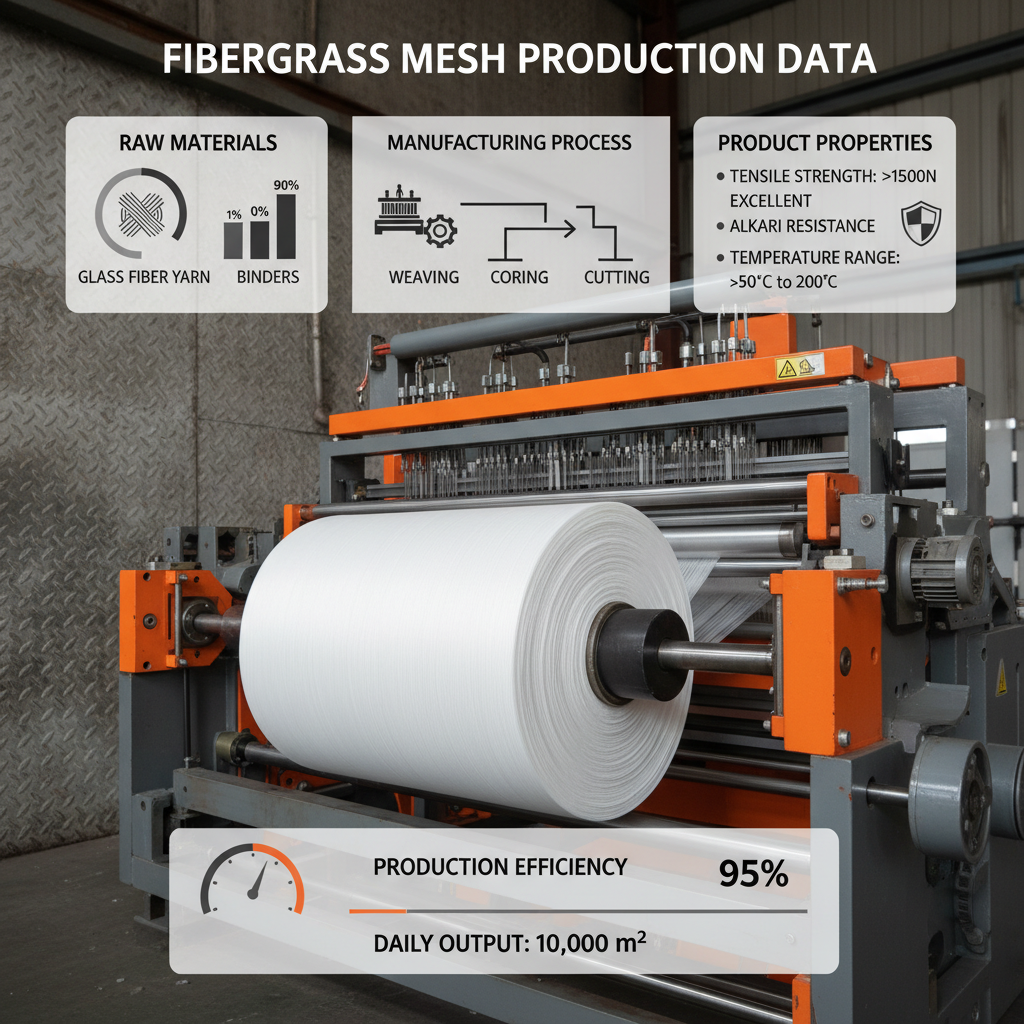
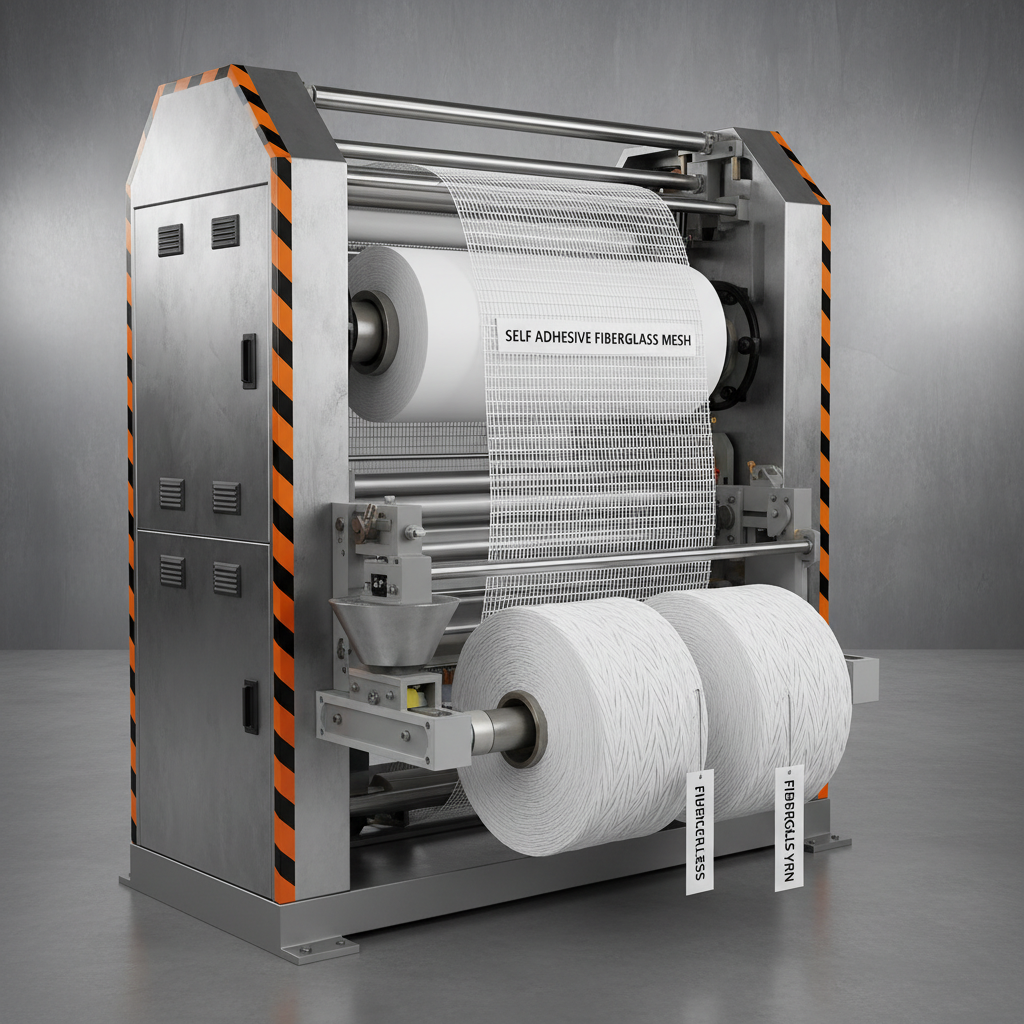
Let’s get down to brass tacks: it's fiberglass, but with some key differences. It’s typically woven from glass fibers with a special coating, often a polymer resin, to protect the fibers and provide alkali resistance. That coating is crucial; it prevents the concrete’s alkalinity from breaking down the glass fibers over time. The 'white' comes from the type of glass fiber used and the coating. It’s not just aesthetic, the formulation impacts its performance characteristics, like tensile strength and flexibility.
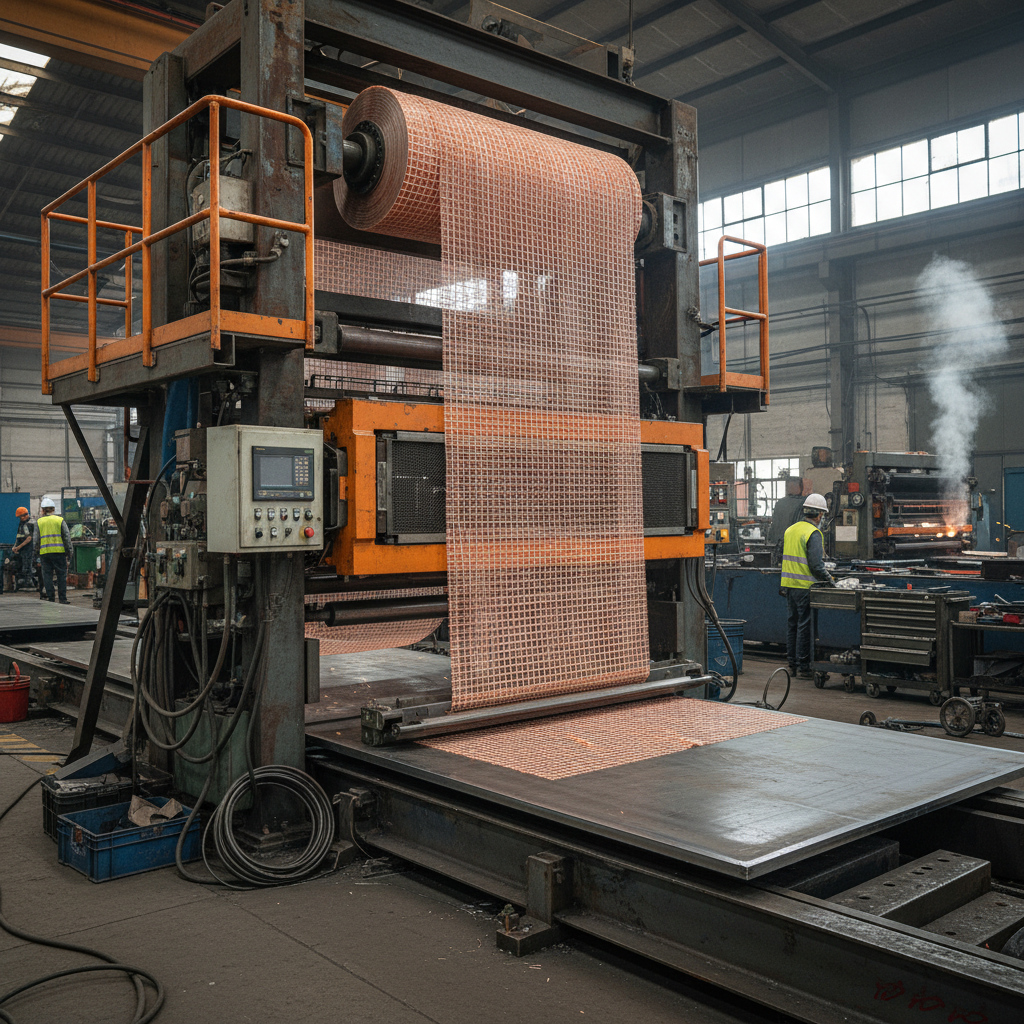
The weaving pattern matters too. Different weaves – square, plain, twill – offer different levels of strength in different directions. You gotta know what you’re looking for based on the specific load-bearing requirements of the job. I've seen guys try to substitute materials without understanding the weave and, well, let’s just say the results weren’t pretty.
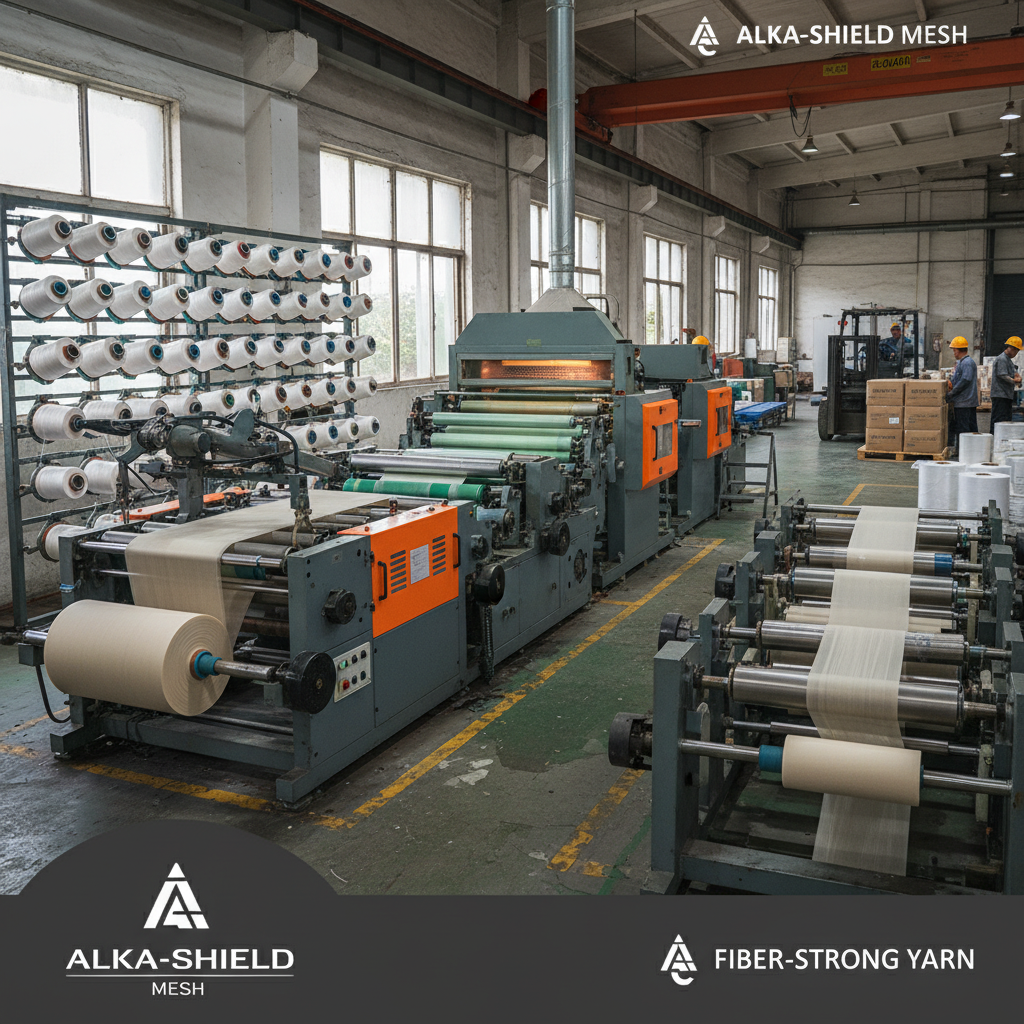
And it’s not all created equal. The quality of the glass fibers themselves, the type of resin used in the coating, and the consistency of the manufacturing process all impact the final product. That's why you need to vet your suppliers carefully. Cheap mesh often means compromised performance.
Key Properties Driving Adoption
What really makes white fiberglass mesh stand out isn’t just that it works, but how it works. First off, the tensile strength is phenomenal for its weight. You get a lot of reinforcing power without adding a ton of bulk. That’s huge when you’re dealing with precast concrete or working on structures with weight limitations.
Then there's its corrosion resistance. Unlike steel, it doesn't rust, which extends the lifespan of the structure and reduces maintenance costs. This is especially critical in marine environments or areas exposed to de-icing salts. Plus, it’s non-conductive, which is a safety bonus in certain applications.
Applications Across Diverse Construction Sectors
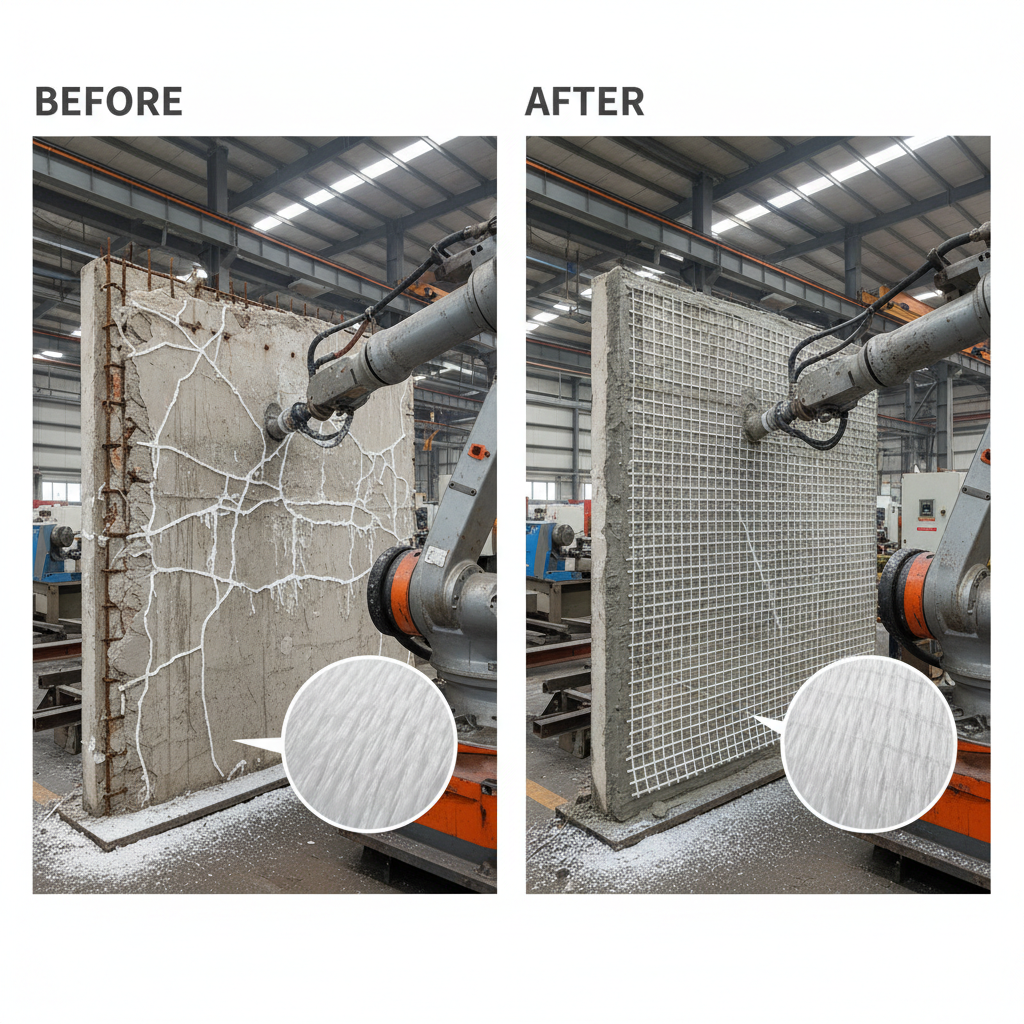
I've seen this stuff used in everything from precast concrete panels to external wall insulation systems (EIFS). It's become standard in the repair and strengthening of concrete structures, particularly bridges and parking garages. It’s excellent for crack mitigation and preventing further damage.
It's also gaining traction in the tile and stone industry as a decoupling membrane, preventing tiles from cracking due to substrate movement. I helped a crew install it on a large-scale flooring project recently, and the difference in quality was noticeable. They were able to move significantly faster and with less waste.
More recently, you're seeing it utilized in the rapid deployment of modular housing units – especially in disaster relief situations. The lightweight nature makes transportation and assembly a breeze. That speed and ease of installation can literally save lives.
Application Breakdown of White Fiberglass Mesh
Advantages Over Traditional Reinforcement Materials
Steel mesh is the old guard, but it's got its drawbacks. The weight is a killer, increasing labor costs and requiring heavier equipment. It’s also prone to corrosion, which compromises its strength and leads to costly repairs. white fiberglass mesh simply doesn’t have those issues.
Compared to traditional fiber reinforcement like polypropylene, fiberglass offers significantly higher tensile strength and stiffness, making it suitable for more demanding structural applications. It's a performance upgrade, plain and simple.
Long-Term Performance and Sustainability
The lifespan of white fiberglass mesh is impressive, especially when protected from direct UV exposure. It’s resistant to alkali attack, meaning it won’t degrade when exposed to concrete’s high pH. That translates to less maintenance and a longer service life for the structure.
From a sustainability standpoint, the manufacturing process is becoming increasingly energy-efficient, and the material itself is recyclable. Plus, its durability reduces the need for frequent replacements, lowering overall environmental impact. It’s a responsible choice for builders looking to minimize their carbon footprint.
And let's not underestimate the reduced transportation costs due to its lightness, especially on large projects. Every little bit helps when you're trying to build greener.
Challenges and Future Innovations in White Fiberglass Mesh Technology
The biggest hurdle right now is cost. It's generally more expensive upfront than steel mesh, although the long-term savings often offset that initial investment. We need to see further advancements in manufacturing to drive down prices and make it even more accessible.
We're also seeing research into incorporating recycled glass fibers into the mesh, which would further enhance its sustainability profile. And there’s work being done on developing coatings that provide even greater resistance to UV degradation and chemical exposure.
I’m excited about the potential for integrating sensors directly into the mesh, allowing for real-time monitoring of structural health. Imagine being able to detect cracks or stress points before they become major problems. That’s the future of construction.
Overview of Current Research & Development Areas for White Fiberglass Mesh
| Research Area |
Current Status |
Potential Impact |
Implementation Timeline |
| Recycled Glass Fiber Integration |
Pilot projects demonstrating feasibility, but scaling challenges remain. |
Reduced environmental impact, lower material costs. |
3-5 years for widespread adoption. |
| Enhanced UV Resistance Coatings |
New coating formulations showing promising results in lab testing. |
Extended lifespan in exposed applications, reduced maintenance. |
2-3 years for commercial availability. |
| Integrated Sensor Technology |
Proof-of-concept sensors embedded within mesh, data transmission challenges. |
Real-time structural health monitoring, predictive maintenance. |
5-7 years for practical implementation. |
| Bio-Based Resin Alternatives |
Early stage research exploring plant-derived resins for coating. |
Further reduction in carbon footprint, sustainable material source. |
7-10 years for viable alternative. |
| Automated Mesh Weaving Processes |
Development of robotic weaving systems for increased production efficiency. |
Reduced manufacturing costs, improved quality control. |
3-5 years for widespread adoption. |
| Self-Healing Fiberglass Mesh |
Exploration of microcapsule technology for crack repair. |
Increased durability, reduced maintenance requirements. |
10+ years for practical application. |
FAQS
The key benefits are weight reduction, significantly improved corrosion resistance, and easier handling. Steel corrodes over time, weakening structures and requiring costly repairs. Fiberglass mesh eliminates that risk. It's also lighter, reducing labor costs and simplifying installation. While the initial material cost might be higher, the lifecycle savings often outweigh that difference. I've seen firsthand how much time and money it saves on projects.
While it's incredibly versatile, it's not a one-size-fits-all solution. For applications requiring extremely high tensile strength or where dynamic loading is a major concern, steel might still be preferable. Also, prolonged direct exposure to UV radiation can degrade the mesh over time, so it needs to be protected with a suitable coating or covered with concrete. Proper application and understanding of load requirements are critical.
Quality can vary significantly. Look for manufacturers with strong quality control certifications, like ISO 9001. Check the tensile strength specifications and make sure they meet your project requirements. Pay attention to the type of coating used – alkali resistance is crucial. And don’t just go for the cheapest option; inferior materials will compromise performance. A reputable supplier will provide documentation and technical support.
Absolutely. That's one of its biggest strengths. Unlike steel, fiberglass mesh doesn't corrode in saltwater, making it ideal for marine construction, docks, piers, and coastal structures. It’s become a standard in a lot of these applications. The resistance to chlorides and other corrosive agents extends the lifespan of structures significantly.
The environmental impact is lower than that of steel production, which requires a lot of energy and generates significant emissions. Fiberglass manufacturing is becoming more sustainable with advancements in energy efficiency and the increasing use of recycled glass fibers. Its durability also contributes to sustainability by reducing the need for frequent replacements. It’s a solid step towards greener construction practices.
Use sharp, dedicated cutting tools – avoid anything that will fray the fibers. Wear appropriate personal protective equipment, including gloves and a dust mask. Overlap seams according to manufacturer recommendations. Ensure the mesh is properly embedded in the concrete or mortar to maximize its effectiveness. And most importantly, follow the manufacturer's instructions carefully; they know their product best.
Conclusion
White fiberglass mesh isn't just a trendy material; it’s a genuine advancement in construction technology. It addresses critical issues like weight, corrosion, and sustainability, offering a viable alternative to traditional reinforcement materials. It simplifies builds, increases longevity, and ultimately saves money in the long run. For anyone involved in construction, understanding its capabilities is no longer optional, it’s essential.
The future looks bright for white fiberglass mesh, with ongoing research and development promising even greater performance and sustainability. Embracing this innovation will be key to building more durable, efficient, and environmentally responsible structures for years to come. Visit our website to learn more about how we can help you integrate this technology into your next project: www.tainuofiberglassmesh.com