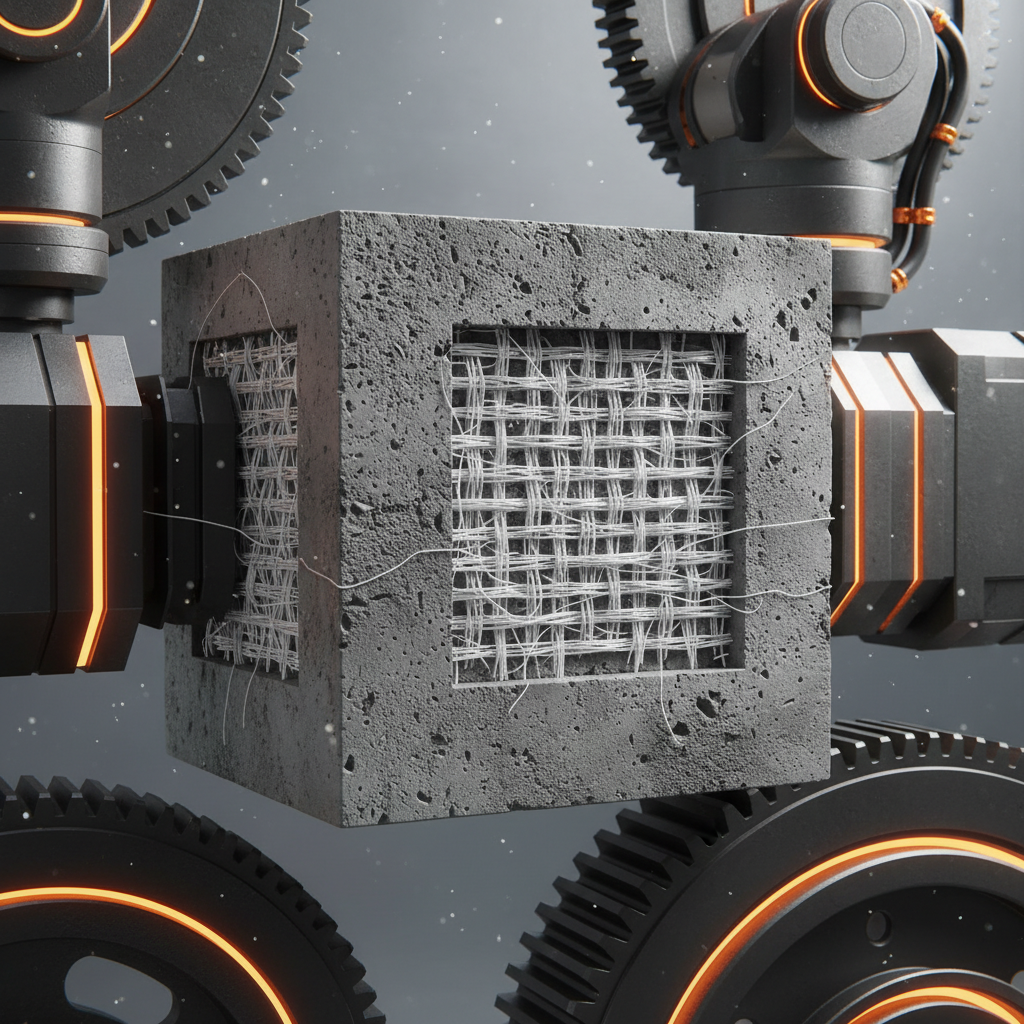
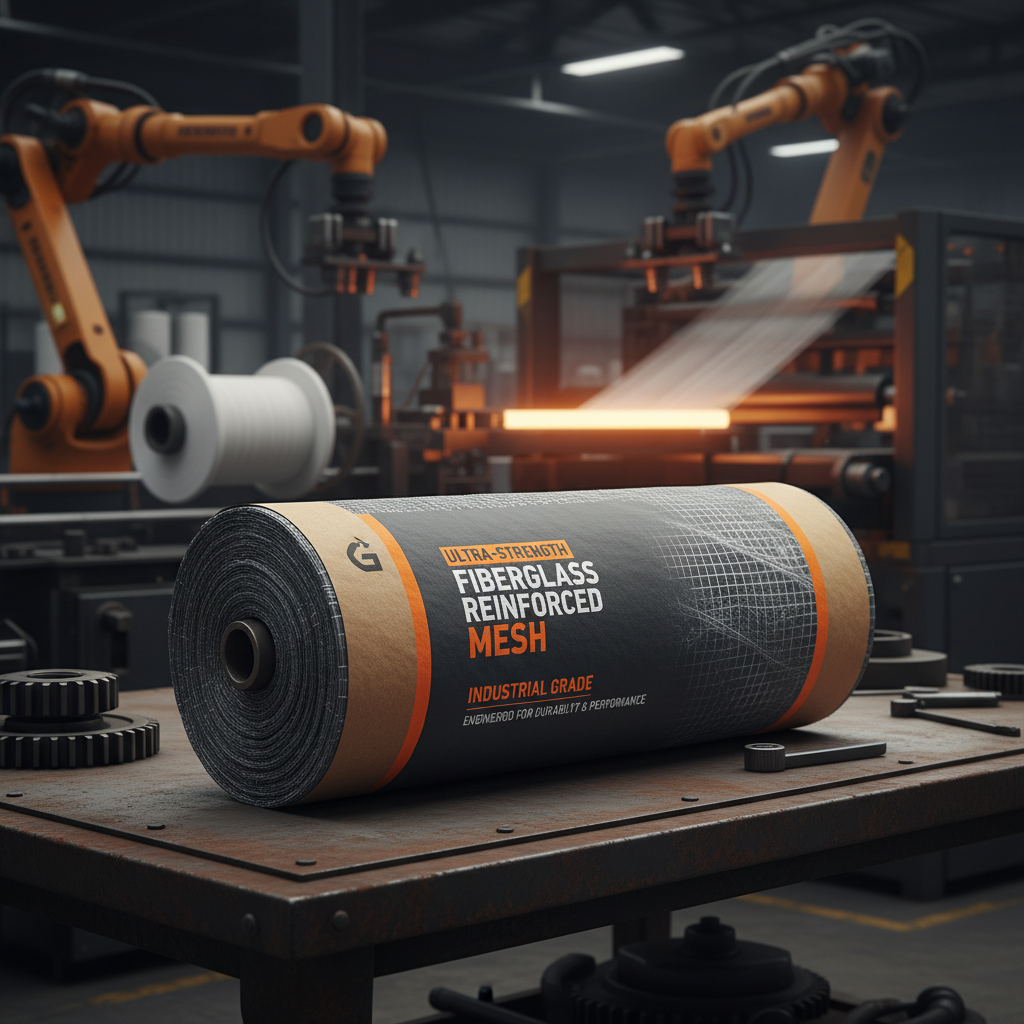
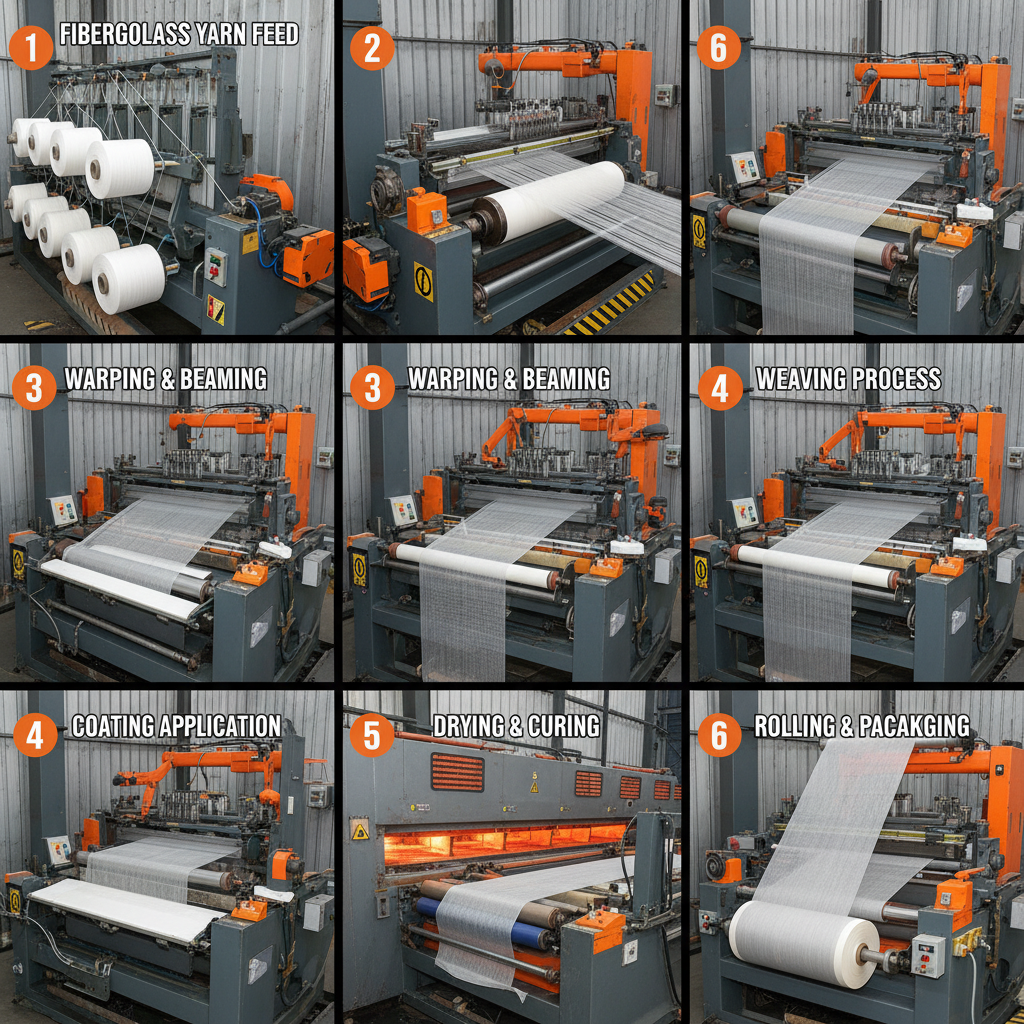
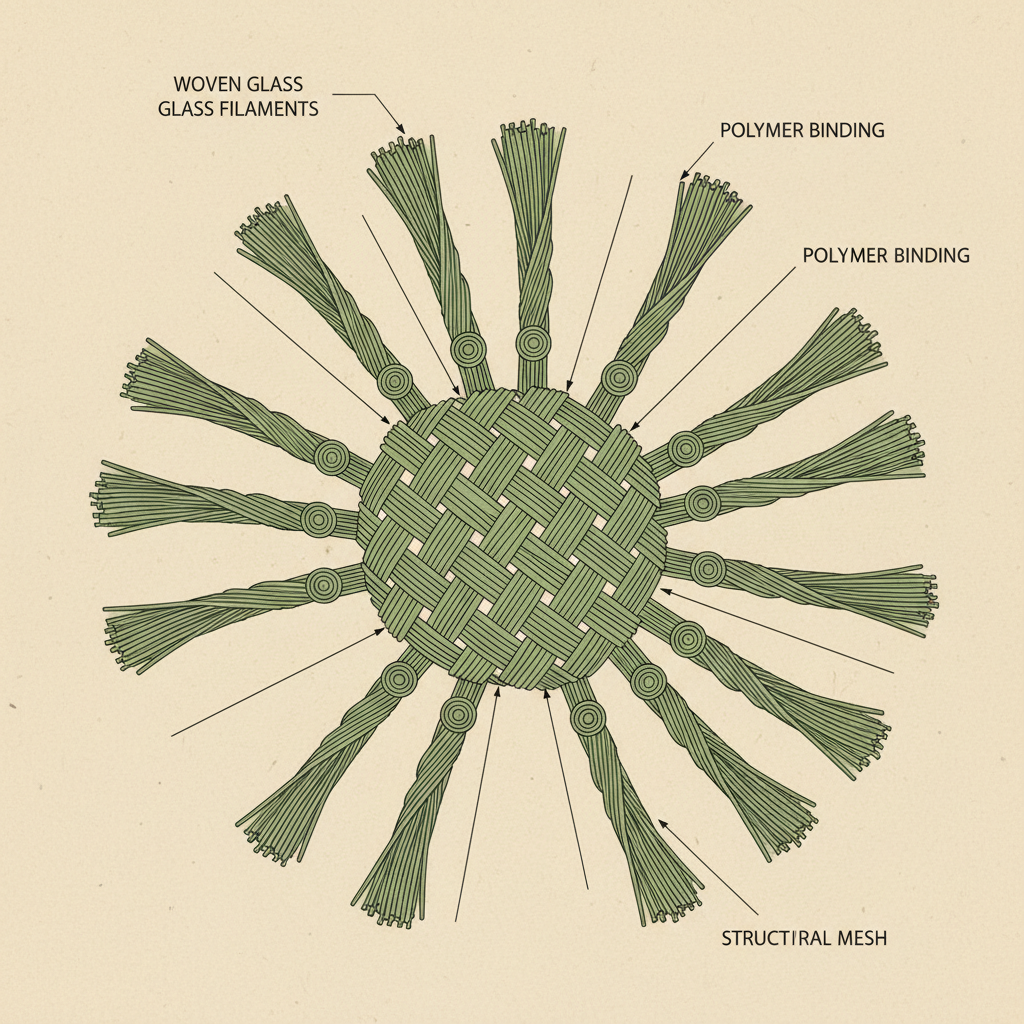
Fiberglass mesh adhesive is a critical component in modern construction and industrial applications, offering a robust and reliable bonding solution where strength, durability, and resistance to environmental factors are paramount. Its versatile nature makes it indispensable in reinforcing materials like plaster, concrete, and various synthetic substrates, contributing significantly to structural integrity and longevity. Understanding its properties and applications is key to optimizing performance across a multitude of projects.
The global demand for high-performance adhesives, including fiberglass mesh adhesive, is steadily increasing, driven by the growth of the construction industry, particularly in emerging economies. According to recent reports, the adhesive and sealant market is projected to reach over $65 billion by 2028, with a significant portion attributed to specialized applications like those utilizing fiberglass mesh reinforcement. This surge in demand highlights the adhesive’s importance in addressing challenges related to building safety, material sustainability, and efficient construction practices.
Specifically, fiberglass mesh adhesive addresses the need for crack prevention and structural reinforcement in various applications, from exterior insulation finishing systems (EIFS) to drywall joint treatment. The increasing frequency of extreme weather events and seismic activity worldwide further underscores the necessity of robust building materials and reliable bonding agents like fiberglass mesh adhesive to ensure long-term structural stability.
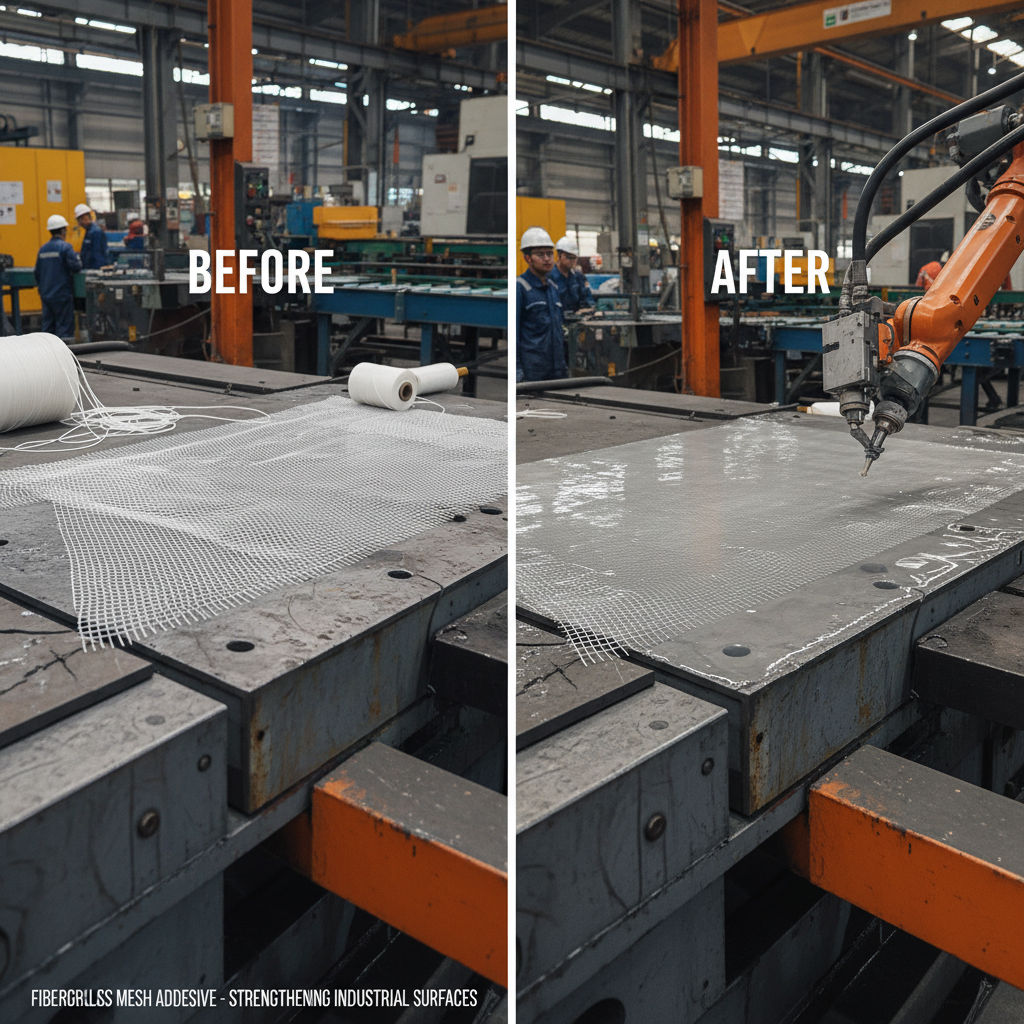
The Importance of Fiberglass Mesh Adhesive

Fiberglass mesh adhesive stands out as a vital component in bolstering the longevity and stability of structures across diverse industries. Its primary function lies in creating a seamless bond between fiberglass mesh and various substrates, enhancing resistance to cracking, impact, and environmental stresses. This makes it especially crucial in applications demanding high structural integrity.
The performance of fiberglass mesh adhesive directly impacts the overall quality and durability of the finished product, reducing maintenance costs and extending the lifespan of constructions. Selecting the appropriate adhesive formulation is therefore a critical decision for engineers and builders alike.
FAQS
The shelf life of fiberglass mesh adhesive typically ranges from 6 to 12 months, depending on the formulation and storage conditions. It's crucial to store the adhesive in a cool, dry place, away from direct sunlight and extreme temperatures. Always check the manufacturer's recommendations for specific storage guidelines. Properly stored adhesive maintains its bonding strength and performance characteristics.
Proper surface preparation is essential for optimal adhesion. The surface should be clean, dry, and free of dust, grease, oil, and loose particles. Depending on the substrate, sanding or priming may be necessary to enhance adhesion. Always refer to the adhesive manufacturer's instructions for specific surface preparation requirements.
The recommended application temperature for fiberglass mesh adhesive generally falls between 5°C and 35°C (41°F and 95°F). Applying the adhesive outside of this temperature range can negatively impact its performance. Avoid application in extremely humid or wet conditions, as moisture can interfere with the bonding process.
While fiberglass mesh adhesive is versatile, it's not universally compatible with all surfaces. It adheres best to porous substrates like concrete, plaster, and wood. Non-porous surfaces, such as metal or glass, may require a primer to ensure proper adhesion. Always perform a small-scale test before applying the adhesive to a large area.
The curing time for fiberglass mesh adhesive varies depending on the formulation, temperature, and humidity. Typically, it takes 24 to 72 hours to achieve full curing strength. During this period, avoid subjecting the bonded area to excessive stress or moisture. Refer to the manufacturer's data sheet for specific curing time recommendations.
Always wear appropriate personal protective equipment (PPE) when handling fiberglass mesh adhesive, including gloves, safety glasses, and a respirator if working in a poorly ventilated area. Avoid contact with skin and eyes. In case of contact, rinse immediately with plenty of water. Refer to the Safety Data Sheet (SDS) for detailed safety information.
Conclusion
Fiberglass mesh adhesive represents a cornerstone of modern construction and industrial applications, providing a robust, durable, and versatile bonding solution. Its ability to enhance structural integrity, prevent cracking, and extend the lifespan of materials makes it an indispensable component in a wide range of projects, from building construction to automotive manufacturing. Understanding its properties and applications is crucial for optimizing performance and ensuring long-term reliability.
As technology advances, we can expect to see further innovations in fiberglass mesh adhesive formulations, including eco-friendly options and enhanced performance characteristics. By embracing these advancements and adhering to best practices, we can continue to leverage the benefits of this essential material to build stronger, more sustainable, and more resilient structures for the future. For high-quality fiberglass mesh adhesive, visit our website today.