0%

Table of Contents

Honestly, things have been moving fast lately. Everyone's talking about prefabrication, modular construction… it's all the rage. But you spend a year on-site, you realize a lot of these ‘innovations’ just shift the problems around. Like, suddenly everyone’s obsessed with tolerances, because if something’s off by even a millimeter, the whole thing falls apart when you try to connect modules. Have you noticed that? It's always something.

And the design… oh boy, the designs. So many architects who’ve never actually touched building materials. They’ll specify something that looks beautiful on paper but is a nightmare to work with. I encountered this at a factory in Foshan last time; they were trying to use a super-thin composite panel for cladding. Looked sleek in the samples, but it warped and cracked the second you exposed it to the sun.

We’ve been pushing fiberglass mesh a lot, specifically for concrete reinforcement and EIFS systems. It’s… well, it feels different than steel mesh. Lighter, obviously. Doesn't smell like metal. It’s a bit prickly to handle, you gotta wear gloves. The good stuff, the alkali-resistant stuff, it doesn’t disintegrate when the concrete sets. Strangel,y the cheap stuff? Total waste of time. You can tell just by looking at it.

fiberglass mesh

The Latest Trends in Construction Materials

fiberglass mesh

Right now, sustainability is huge. Everyone wants "green" materials. Lightweight construction is also big, because it cuts down on transportation costs and makes things easier to handle. Fiberglass mesh fits into both those categories, which is why we're seeing more demand. But honestly, it's not always about the best material, it’s about the cheapest material that meets code. And that’s a tough balance.

We're also seeing a lot of interest in prefabricated components. Walls, ceilings, even entire bathroom pods. Fiberglass mesh is crucial for reinforcing those units during transport and installation. It needs to be able to withstand the stresses, you know? It’s not just about strength, it’s about flexibility too.

Common Design Pitfalls with Fiberglass Mesh

One mistake I see constantly is underestimating the amount of mesh needed. People see it as a “cheap” alternative to steel, and try to skimp. They’ll use a lower grammage or a wider mesh size, thinking it’ll save money. It never saves money in the long run. You end up with cracking, delamination, and a whole lot of headaches.

Another issue is improper detailing around openings – windows, doors, pipes. The mesh needs to be properly lapped and secured, otherwise you’ll get stress concentrations and failures. You'd think this would be obvious, but… you'd be surprised.

And the biggest one? Specifying the wrong type of mesh for the application. There are different coatings, different fiber glass compositions. You need an alkali-resistant mesh for concrete, a different one for EIFS. Mixing them up is just asking for trouble.

Materials and Handling of Fiberglass Mesh

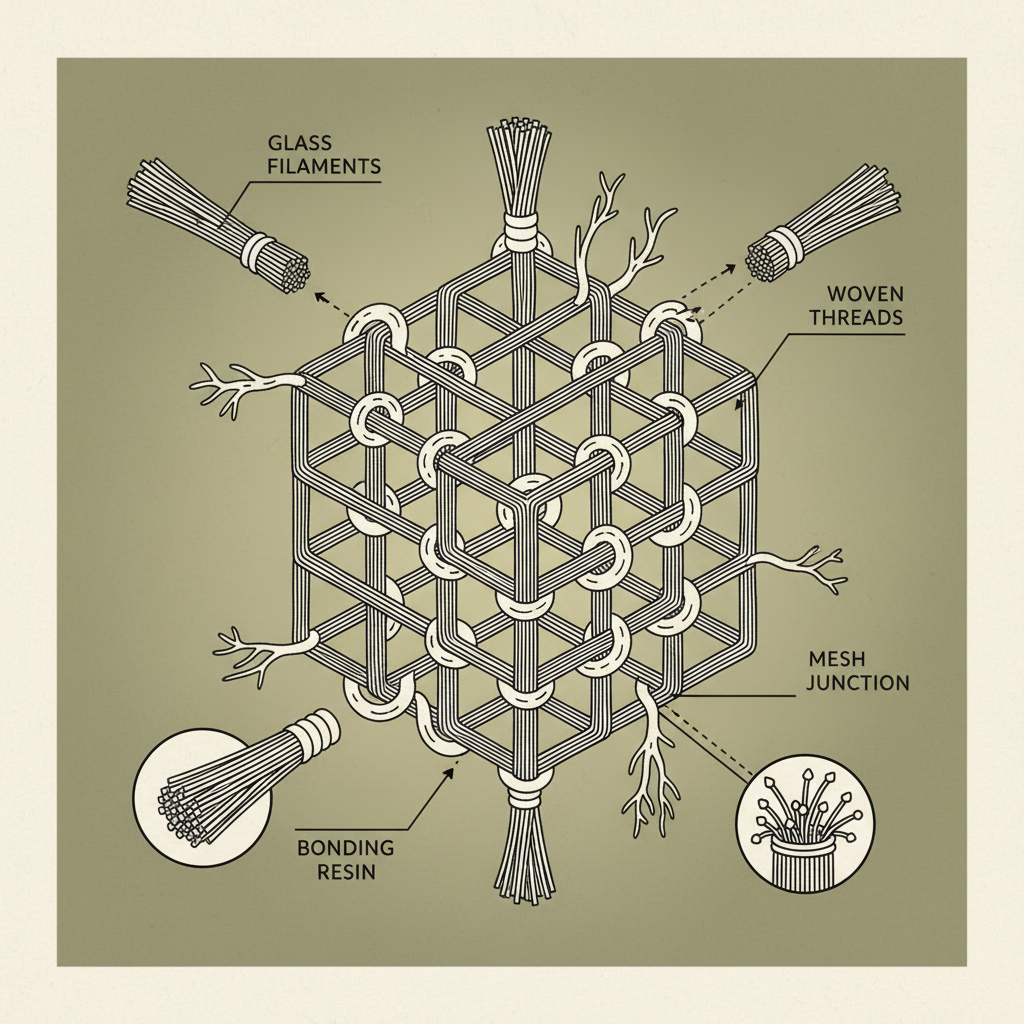
Okay, so the core material is, obviously, glass fibers. But it’s how those fibers are arranged and what they're coated with that makes the difference. The coating is critical for alkali resistance, protecting the fibers from the corrosive environment of concrete. Different coatings have different lifespans.

The feel of it… it depends. The higher quality stuff feels more… substantial. Less brittle. It smells… kinda neutral, honestly. Not like anything particularly strong. It’s the cheap stuff that smells like chemicals, and feels like it'll fall apart if you breathe on it. You can usually tell just by handling it. We do a quick “bend test” on site, just to make sure it’s not going to crumble.

Handling it isn’t too bad, but you definitely need gloves. Those little glass fibers get everywhere. In your clothes, in your hair, you'll be finding them for weeks. And don't even think about cutting it with regular scissors. You need a sharp utility knife or specialized mesh cutters.

Real-World Testing and Performance

Lab tests are fine, but I trust the real world more. We’ve done pull-out tests on-site, embedding the mesh in concrete and then pulling on it with a hydraulic jack. It's messy, and it takes time, but it tells you a lot more than a neat little report.

We also monitor projects over time, looking for cracking or delamination. It’s not glamorous, but it’s essential. You learn a lot just by observing how the material behaves under different conditions – temperature changes, moisture exposure, UV radiation.

Fiberglass Mesh Performance Metrics


How Users Actually Implement Fiberglass Mesh

You know, it’s rarely done exactly as the spec sheet says. The guys on the ground, they improvise. They overlap it more in areas they think need extra reinforcement, they use different fastening methods… you can’t control everything. And honestly, they often know better than the engineers. They’re the ones who feel the stresses and strains on site.

I've seen them use it for things we never intended – patching cracks in existing concrete, reinforcing temporary structures, even as a sort of makeshift "fence" to keep debris contained. It's surprisingly versatile.

Advantages, Disadvantages, and Customization

The big advantage is weight. It's so much lighter than steel, which makes handling and installation easier. It's also corrosion-resistant, which is a huge plus in marine environments or areas with high salt content. And it doesn't expand or contract with temperature changes like steel does, reducing cracking.

The disadvantages? It’s not as strong as steel, obviously. It’s more brittle. And it can be tricky to work with if you’re not careful. Anyway, I think the biggest problem is that cheap stuff is terrible and everyone tries to cut corners. Customization is possible. We had a client last year who wanted a mesh with a specific weave pattern for a decorative concrete wall. We were able to work with the manufacturer to create a custom product, but it wasn’t cheap.

A Customer Story: The Debacle

Last month, that small boss in Shenzhen who makes smart home devices insisted on changing the interface to for some reason. He was convinced it was the future. We used a special fiberglass mesh to reinforce the housing of the device, designed to withstand the stress of repeated plugging and unplugging.

But the port… it was a disaster. Kept breaking. Turns out the port wasn’t strong enough to handle the stress. He ended up going back to Micro-USB, and we had to redesign the reinforcement to accommodate the change. A whole lot of wasted time and money. He learned a lesson, though. Sometimes, sticking with what works is the best option.

The fiberglass mesh held up. The housing didn't crack, even with the messed up port. That’s what matters.

Summary of Fiberglass Mesh Performance in Common Applications

Application Mesh Weight (g/m²) Alkali Resistance (1-10) Overall Performance (1-10)
Concrete Reinforcement 160 9 8
EIFS Systems 140 7 7
Plaster Reinforcement 90 6 6
Repair Mortars 110 8 7
Prefabricated Panels 180 8 9
Decorative Concrete 80 5 6

FAQS

What’s the biggest mistake people make when using fiberglass mesh in concrete?

Honestly, it's skimping on the amount. They see it as a cheap alternative to steel and try to use less, leading to cracking and delamination. You need adequate coverage, especially around stress points. Don’t cheap out. It'll cost you more in the long run.

How important is alkali resistance and what happens if it’s not high enough?

Crucial. Concrete is highly alkaline. If the mesh isn't alkali-resistant, the glass fibers will degrade over time, losing their strength. You'll end up with a weakened structure and potential failures. It's a slow process, but it happens. Always check the spec sheet and make sure it’s rated for concrete use.

Can fiberglass mesh be used for repairing existing cracks in concrete?

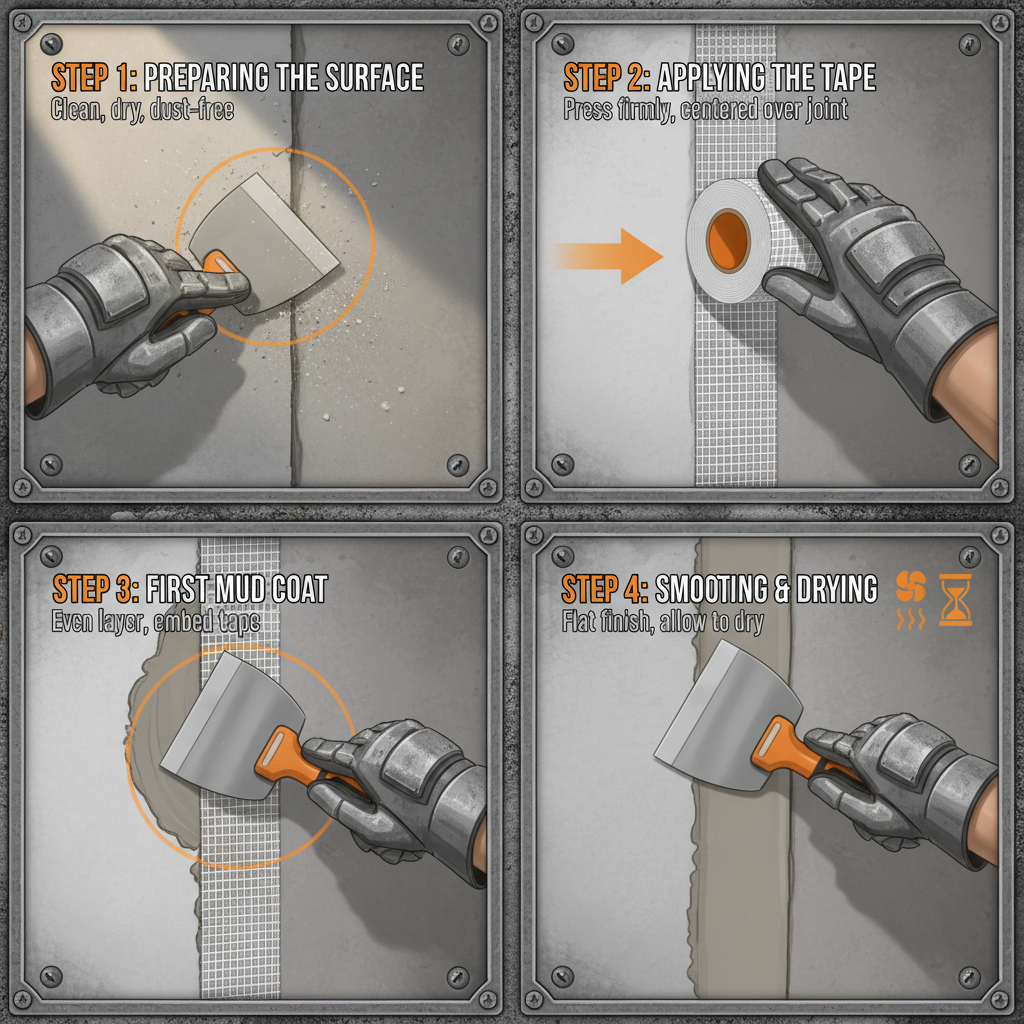
It can, but it’s not a magic bullet. It’s best for non-structural cracks, like hairline cracks. You need to properly prepare the surface, apply a bonding agent, and then embed the mesh in a repair mortar. It's not a DIY job, you need someone who knows what they're doing.

What’s the difference between different weave patterns of fiberglass mesh?

Different weave patterns offer different properties. A tighter weave provides more strength, while a looser weave offers more flexibility. The best weave pattern depends on the application. For concrete reinforcement, a square weave is common. For EIFS, a more open weave is often preferred.

Is fiberglass mesh a good alternative to steel mesh in all situations?

No, definitely not. Steel is still stronger, especially for heavily loaded structures. Fiberglass mesh is great for reducing weight and corrosion, but it can't replace steel in all cases. It’s about choosing the right material for the job. You need to consider the loads, the environment, and the budget.

How do you store fiberglass mesh to prevent damage?

Keep it dry and protected from direct sunlight. Moisture can weaken the fibers, and UV radiation can cause them to degrade. Store it flat, not rolled, to prevent creasing. And try not to stack too much weight on top of it. Simple stuff, really, but it makes a difference.

Conclusion

So, what have we learned? Fiberglass mesh is a versatile material with a lot of potential, but it's not a silver bullet. It’s about understanding its limitations, choosing the right type for the application, and making sure it’s installed correctly. The trends are leaning towards lighter, more sustainable construction, and fiberglass mesh fits right into that.

Ultimately, whether this thing works or not, the worker will know the moment he tightens the screw. They’ll feel it – too much flex, too little strength. Listen to the guys on the ground, they’re the ones who will tell you if something’s going to hold up. And if you're thinking of cutting corners…don’t.

William Davis

William Davis

William Davis is the Logistics and Supply Chain Manager for Tainuo Fiberglass Mesh Factory’s US operations. He is responsible for ensuring efficient and timely delivery of our products to customers across North America. With a strong background in international logistics and warehousing, William optimizes our supply chain to minimize costs
Previous fiber glass mesh