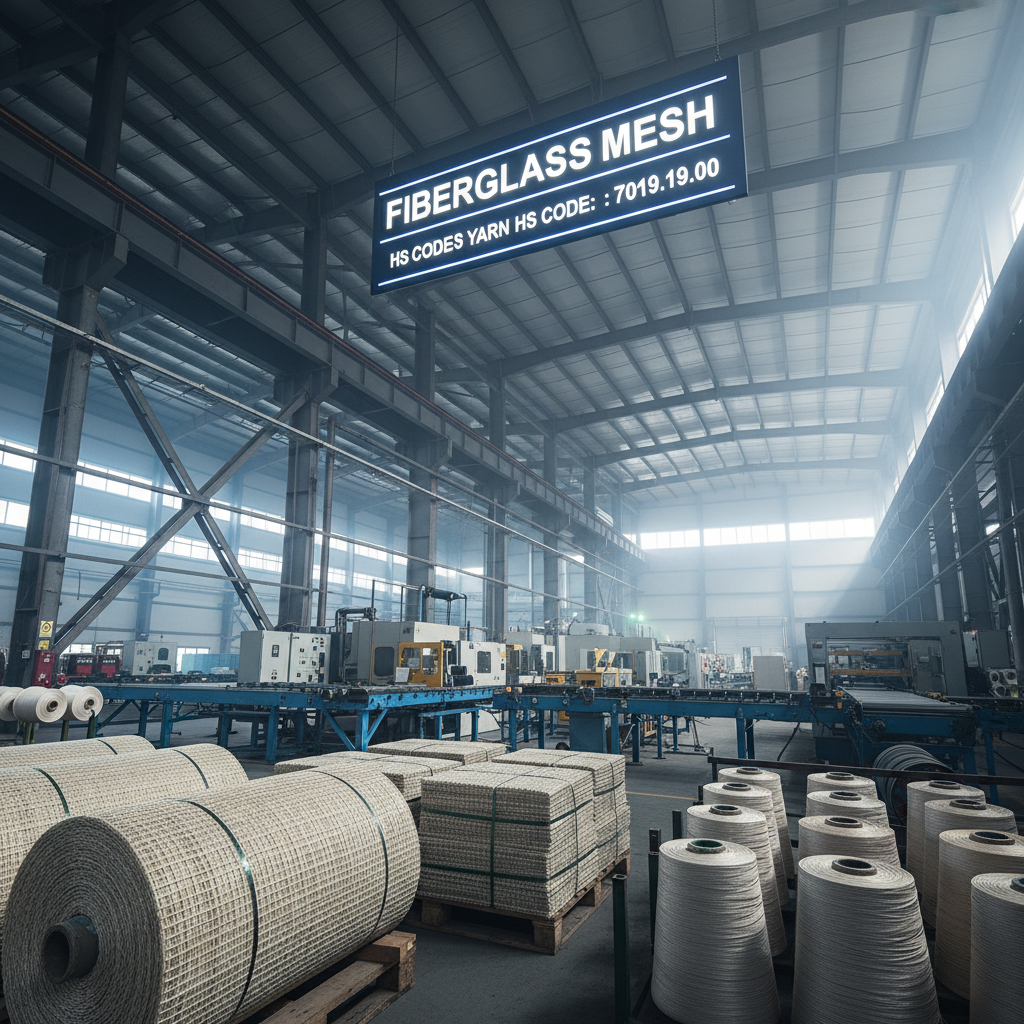
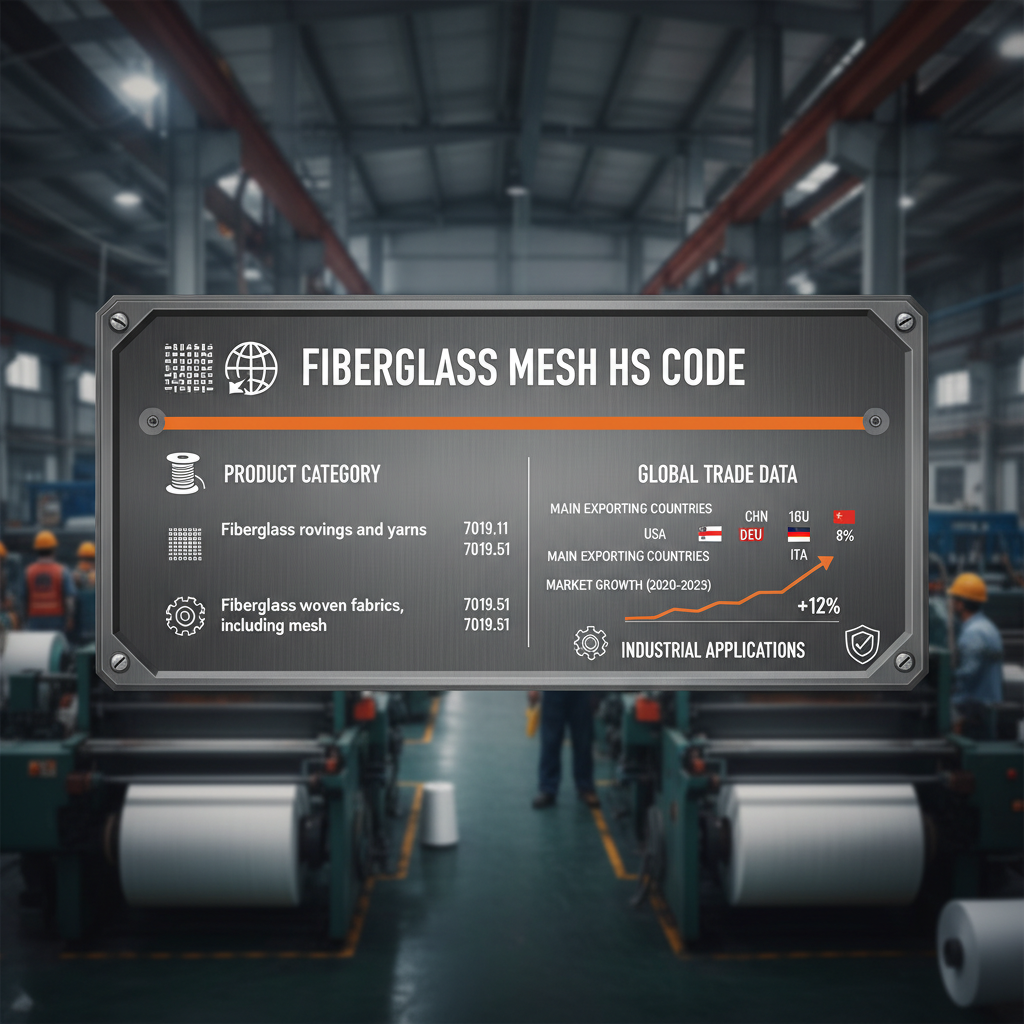
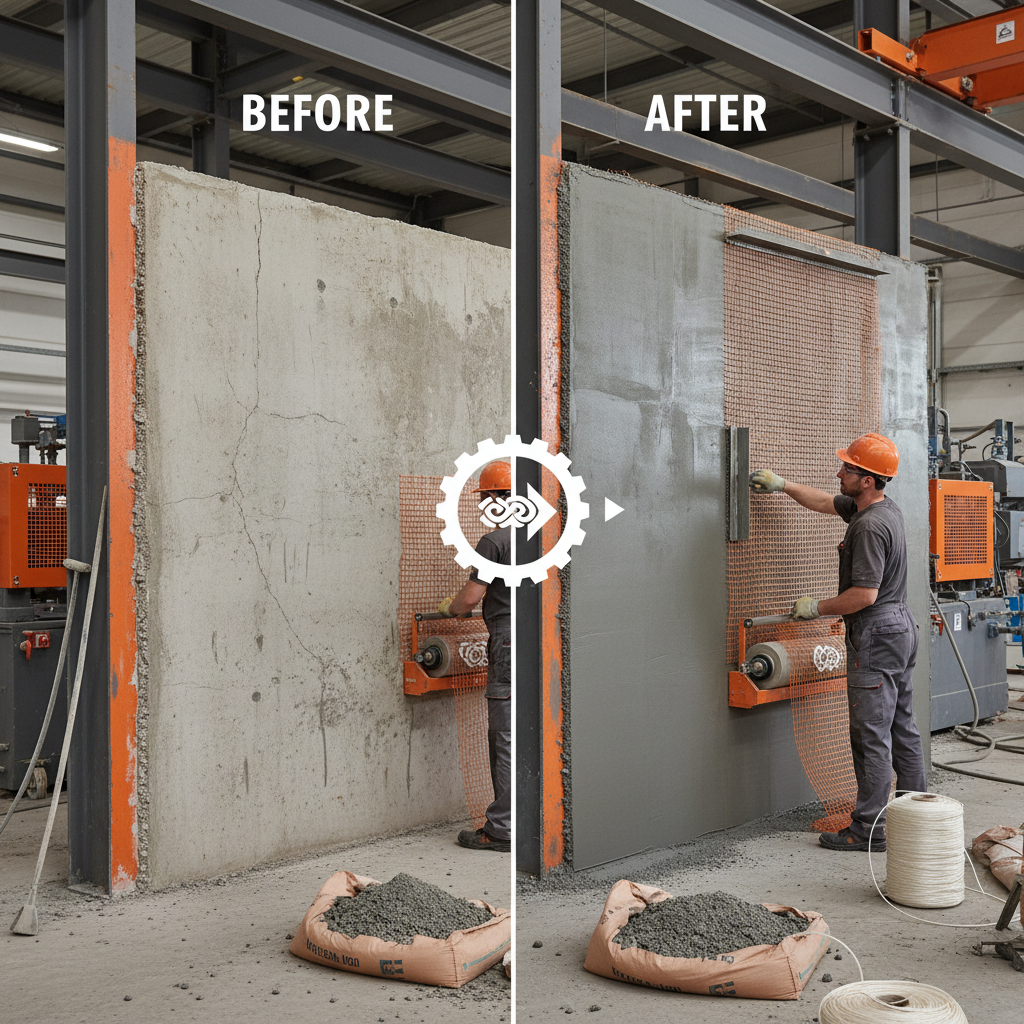
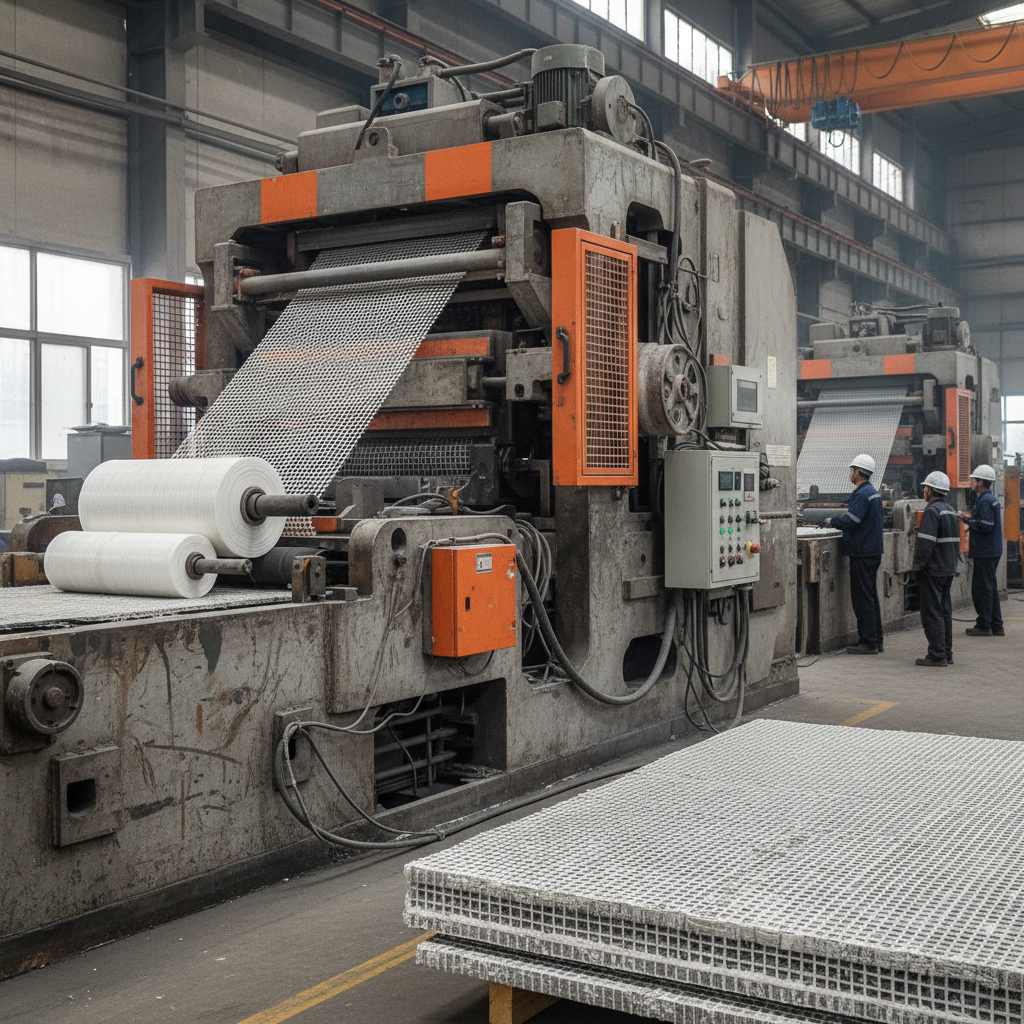
Navigating the complexities of international trade requires a precise understanding of the fiberglass mesh hs code, a standardized numerical method used by customs authorities worldwide to classify traded products. For manufacturers and importers of fiberglass-reinforced plastics, this code is not merely a bureaucratic requirement but a critical tool for determining tariffs, taxes, and regulatory compliance. Getting this classification right ensures that shipments of Corner Bead With Fiberglass Mesh or specialized mesh tapes move efficiently across borders without costly delays.
Globally, the construction and industrial sectors rely heavily on fiberglass mesh for structural reinforcement and surface finishing. Because these products can vary from simple mesh fabrics to complex composite corner beads, the fiberglass mesh hs code allows customs agents to distinguish between raw glass fibers and finished industrial textiles. This clarity is essential for maintaining the fluid movement of goods in a global supply chain that spans from high-tech manufacturing hubs to remote infrastructure projects.
Understanding the nuances of the fiberglass mesh hs code provides companies with a competitive edge by optimizing their logistics costs and ensuring legal transparency. Whether you are dealing with Fiberglass Yarn or heavy-duty architectural mesh, the correct Harmonized System (HS) classification prevents the risk of overpaying duties or facing penalties for misdeclaration. This guide explores the technicalities and practical applications of these codes in the modern fiberglass manufacturing landscape.
Global Significance of Fiberglass Mesh HS Code
The international trade of non-metallic mineral products is governed by the World Customs Organization (WCO), which maintains the Harmonized System. The fiberglass mesh hs code serves as the universal language for these transactions, ensuring that a roll of fiberglass mesh exported from Asia is recognized as the same product when it arrives in Europe or North America. This standardization reduces friction in customs clearance and allows for the accurate tracking of global trade statistics.
Without a precise fiberglass mesh hs code, importers often face the challenge of "tariff volatility," where inconsistent classification leads to unpredictable costs. In an industry where margins are tight and project timelines are strict, the ability to predict landing costs through correct HS coding is a strategic necessity for any fiberglass manufacturer or distributor operating on a global scale.
Defining the Technical Scope of HS Classifications
At its core, the fiberglass mesh hs code is a six-to-ten digit number that categorizes a product based on its material composition and intended use. For fiberglass mesh, this typically falls under chapters related to glass or textiles made of glass fibers. The first two digits represent the chapter, the next two the heading, and the final digits the specific subheading, providing a granular level of detail that distinguishes between a simple mesh and a reinforced corner bead.
This classification system is vital because fiberglass products often sit at the intersection of "glassware" and "textiles." A product like Fiberglass Yarn may be classified differently than a finished Fiberglass Mesh Tape. Understanding where the fiberglass mesh hs code shifts from raw material to a finished construction component is the key to avoiding customs disputes and ensuring the correct VAT (Value Added Tax) application.
Moreover, the technical definition of these codes helps humanitarian and industrial organizations rapidly source materials. During large-scale reconstruction projects in disaster-prone areas, having the correct fiberglass mesh hs code allows NGOs to utilize preferential tariff treatments, speeding up the import of essential reinforcement materials used in safe housing and infrastructure.
Core Components Affecting Trade Classification
The first major factor influencing the fiberglass mesh hs code is the material purity and coating. Whether the mesh is alkali-resistant (AR) or contains specific chemical coatings for adhesive bonding can shift its classification. These technical specifications are what customs agents look for to determine if a product qualifies for specific industry exemptions.
Another critical component is the end-use application. For example, Corner Bead With Fiberglass Mesh is an assembly of a metal or plastic strip and a mesh fabric. The fiberglass mesh hs code for such a composite product may differ from that of a standalone roll of mesh, as the "essential character" of the product changes from a textile to a construction fitting.
Finally, the method of manufacture—whether woven, knitted, or non-woven—plays a pivotal role. The fiberglass mesh hs code often separates these techniques into different sub-headings. For professional exporters, maintaining a detailed technical data sheet (TDS) that aligns with the HS code description is the best way to guarantee a seamless import process.
Comparative Efficiency of Classification Methods
When managing a diverse portfolio of products like Fiberglass Mesh Tape and Fiberglass Yarn, companies often employ different strategies to determine the fiberglass mesh hs code. Some rely on internal historical data, while others use professional customs brokers or AI-driven classification software to minimize the risk of human error.
The efficiency of these methods varies based on the volume of shipments and the complexity of the target market's regulations. While manual lookup is sufficient for small batches, large-scale manufacturers require an integrated system where the fiberglass mesh hs code is automatically linked to the product SKU for instant invoicing and shipping documentation.
Comparison of Fiberglass Mesh HS Code Determination Methods
International Applications and Use Cases
In the European Union, the fiberglass mesh hs code is integrated into the TARIC system, which allows for precise duty calculation based on the country of origin. For instance, companies importing Corner Bead With Fiberglass Mesh from certified trade partners can benefit from lowered tariffs, provided the HS code is accurately declared and supported by a Certificate of Origin.
In emerging industrial zones across Southeast Asia and Africa, the correct fiberglass mesh hs code is crucial for government-led infrastructure projects. When importing bulk Fiberglass Mesh for road reinforcement or building stabilization, an incorrect code can lead to the seizure of goods, delaying critical urban development and increasing project overhead costs.
Long-Term Value of Accurate HS Coding
The long-term value of mastering the fiberglass mesh hs code extends beyond mere compliance; it is about building trust with international customs authorities. A consistent track record of accurate declarations reduces the likelihood of physical inspections, leading to faster "green lane" clearances and a more reliable supply chain for end-customers.
From a financial perspective, the correct fiberglass mesh hs code allows for strategic tax planning. By understanding the duty differentials between raw Fiberglass Yarn and finished Fiberglass Mesh Tape, manufacturers can optimize their production locations and shipping routes to maximize profitability while remaining fully compliant with local laws.
Ultimately, the precision in coding reflects the professionalism of the manufacturer. When a supplier provides an accurate fiberglass mesh hs code proactively, it removes a significant burden from the buyer, enhancing the commercial relationship and positioning the supplier as a high-tier, expert partner in the global fiberglass market.
Future Trends in Customs Digitization
The landscape of the fiberglass mesh hs code is evolving with the rise of "Smart Customs." We are seeing a shift toward blockchain-enabled documentation where the HS code is embedded in a digital passport for each shipment. This ensures that the classification of Fiberglass Mesh remains immutable from the factory floor to the final destination, eliminating discrepancies.
Furthermore, the push toward sustainable manufacturing is influencing how the fiberglass mesh hs code is applied. Future iterations of the Harmonized System may introduce specific sub-codes for "green" or recycled fiberglass products, allowing governments to incentivize eco-friendly construction materials through tax breaks or reduced tariffs.
Automation and AI are also transforming the classification process. Advanced machine learning algorithms can now analyze product images and technical specifications to suggest the most accurate fiberglass mesh hs code, reducing the reliance on manual expertise and minimizing the risk of human error in complex shipments.
Analysis of Fiberglass Mesh HS Code Across Different Product Variants
| Product Category |
HS Code Complexity |
Primary Duty Factor |
Regulatory Risk Level |
| Fiberglass Mesh (Standard) |
Low |
Material Purity |
Minimal |
| Corner Bead With Mesh |
High |
Composite Structure |
Moderate |
| Fiberglass Mesh Tape |
Medium |
Adhesive Coating |
Low |
| Fiberglass Yarn |
Medium |
Fiber Diameter |
Low |
| AR Glass Mesh |
Low |
Chemical Resistance |
Minimal |
| Custom Composite Mesh |
High |
End-Use Application |
High |
FAQS
While codes can vary slightly by country, most standard fiberglass meshes for construction fall under the HS heading for glass fibers and articles thereof (typically Chapter 70). It is crucial to check the specific 8-10 digit local code for your destination country to ensure accuracy regarding duty rates and import restrictions.
Yes, it often does. Because a corner bead is a composite product (combining a rigid strip with mesh), it may be classified under construction fittings rather than simple textiles. This shift in the fiberglass mesh hs code can affect the tariff rate, as the product is viewed as a finished building component.
The most reliable way is to consult the official WCO (World Customs Organization) database or a licensed customs broker. You can also request a "Binding Tariff Information" (BTI) ruling from customs authorities in the destination country, which provides a legally binding classification for your specific product.
Absolutely. If a customs officer finds a discrepancy between the product and the fiberglass mesh hs code declared, they may flag the shipment for physical inspection. This can result in delays of several days or weeks, as well as potential fines and additional storage fees at the port.
Yes. Yarn is typically classified as a raw material or a textile input, whereas mesh is a fabricated textile article. These two stages of production are treated differently in the Harmonized System, meaning they have different codes and potentially different duty structures.
No. The HS system is designed for specificity. Using a generic code for everything from Fiberglass Mesh Tape to heavy-duty composite panels is a major red flag for customs. Each product variant must be analyzed based on its material and function to determine its specific fiberglass mesh hs code.
Conclusion
Mastering the fiberglass mesh hs code is a fundamental requirement for any professional operating in the fiberglass-reinforced plastics industry. From understanding the technical distinctions between Corner Bead and Fiberglass Yarn to navigating the digital transformation of customs, accurate classification is the linchpin of a successful international trade strategy. By prioritizing precision in HS coding, businesses can reduce operational risks, optimize their tax liabilities, and ensure that their high-quality reinforcement materials reach their global destinations without friction.
As the industry moves toward more sustainable materials and automated logistics, the importance of data accuracy will only grow. We encourage manufacturers and importers to regularly audit their product classifications and stay updated on WCO changes to remain competitive. For those seeking high-quality fiberglass solutions and professional guidance on sourcing, visit our website: www.tainuofiberglassmesh.com.