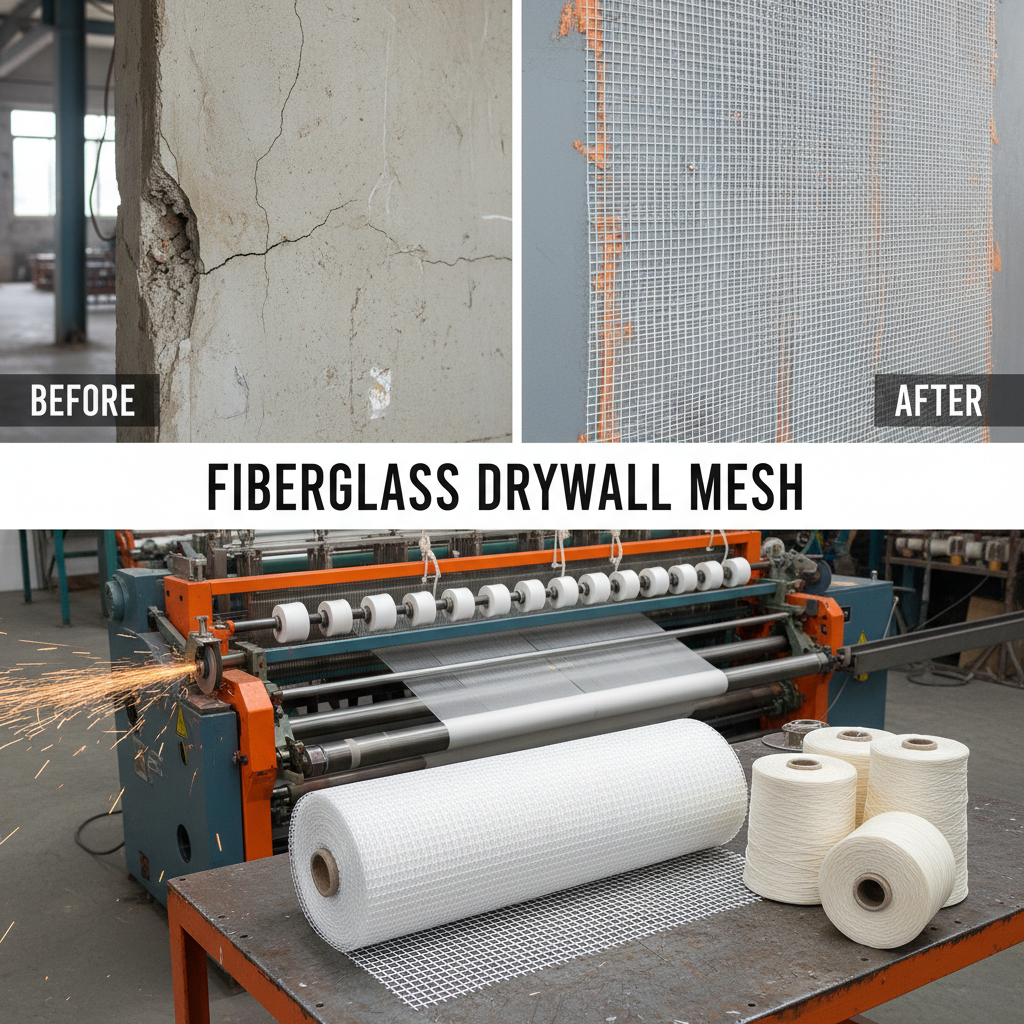
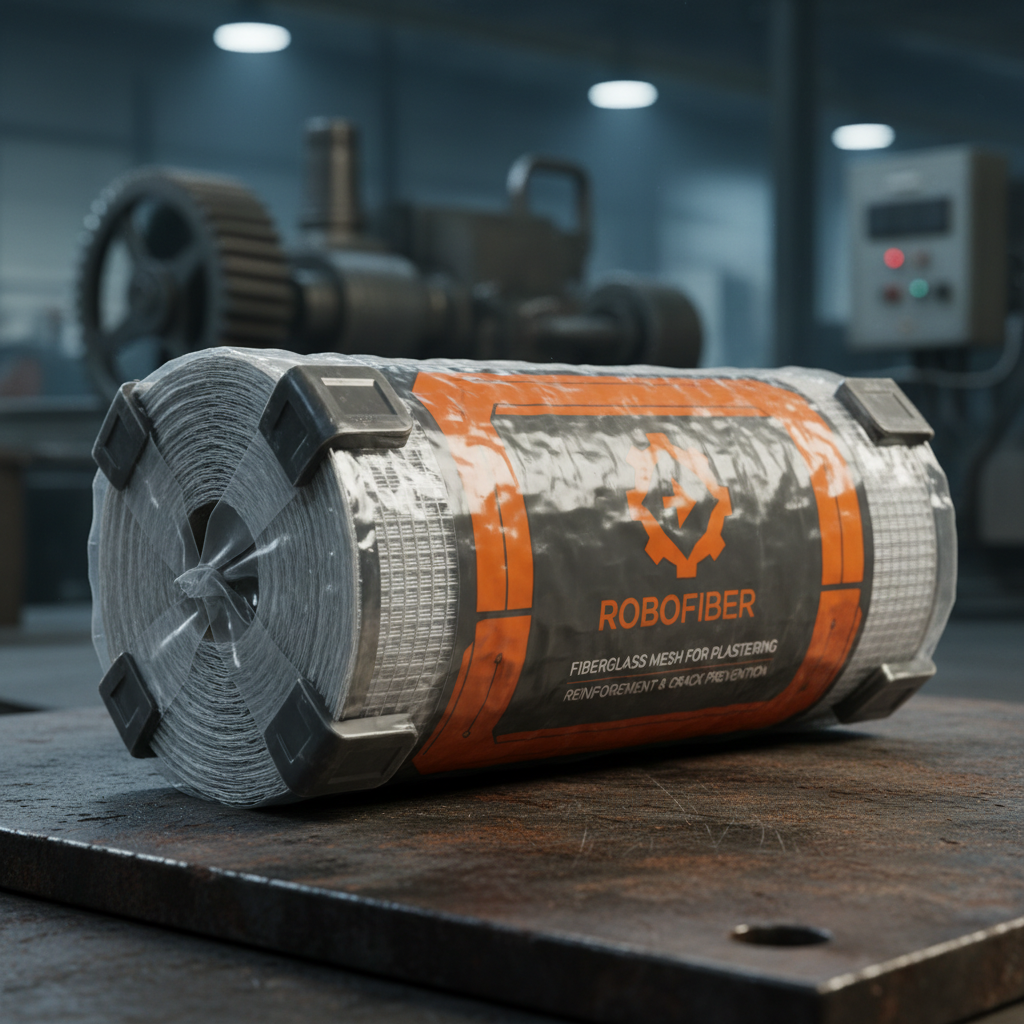
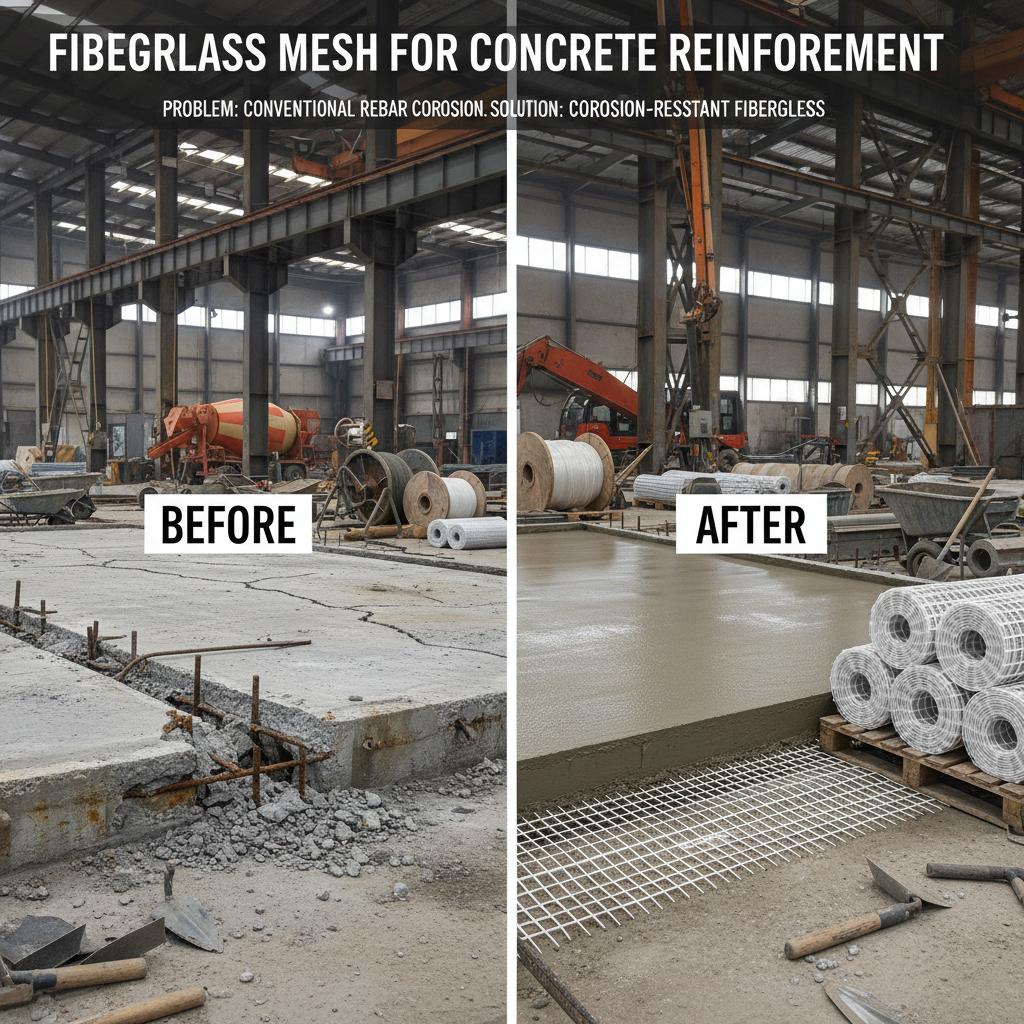
Fiberglass drywall mesh – it’s not glamorous, I’ll admit. But after years spent on construction sites, crawling through unfinished spaces, and talking to the guys actually doing the work, I can tell you it’s one of those unsung heroes that makes a huge difference. We're talking about a simple material, a woven fiberglass fabric, but its impact on the quality, speed, and even safety of drywall installation is massive. I’ve seen projects delayed and budgets blown because someone skimped on the mesh, and I’ve seen others run smoother than clockwork thanks to using a good quality product. It's become integral to modern construction, moving beyond just crack prevention into a key component of durable, long-lasting walls. fiberglass drywall mesh isn’t just a material; it’s a cost-saver and a headache-avoider.
The building industry is under constant pressure – tighter deadlines, skilled labor shortages, and increasingly stringent building codes. That's where fiberglass drywall mesh shines. It addresses these challenges directly. It's significantly lighter and easier to handle than traditional paper tape, meaning faster installation. It's also incredibly strong and resists cracking, even in less-than-ideal conditions. And, let’s be honest, conditions on site are rarely ideal. From a project manager’s perspective, that translates into fewer callbacks, happier clients, and a more predictable bottom line. This isn’t just theory; I’ve seen the data on reduced rework and warranty claims.
What I really appreciate, though, is the move towards more sustainable building practices. While not the first thing people think about when considering sustainability, fiberglass drywall mesh contributes by improving the longevity of structures, reducing the need for repairs and replacements. It also requires less energy to produce than traditional materials like paper tape. It’s a small step, perhaps, but every little bit counts. That's why understanding this often overlooked material is crucial for anyone involved in construction, from architects and engineers to contractors and even homeowners.
Introduction to Fiberglass Drywall Mesh
I’ve been working on job sites for over fifteen years, and I can tell you that the little things often make or break a project. Fiberglass drywall mesh is one of those "little things" that gets overlooked, but it has a huge impact. It's a woven fabric made from glass fibers, used to reinforce drywall joints and prevent cracking. It’s not glamorous, but it’s reliable, and in construction, reliability is gold. fiberglass drywall mesh is a critical component for modern construction standards.
The real benefit comes from its ability to handle movement. Buildings shift, settle, and experience temperature fluctuations. Traditional paper tape can easily crack under these stresses. Fiberglass mesh, however, is much more flexible and resilient. It allows the drywall to flex with the building, preventing those unsightly and potentially costly cracks from appearing. It’s an investment in quality and longevity, and it saves everyone headaches down the road. It truly improves the lifespan of any drywall project.
The Core Components of Fiberglass Drywall Mesh
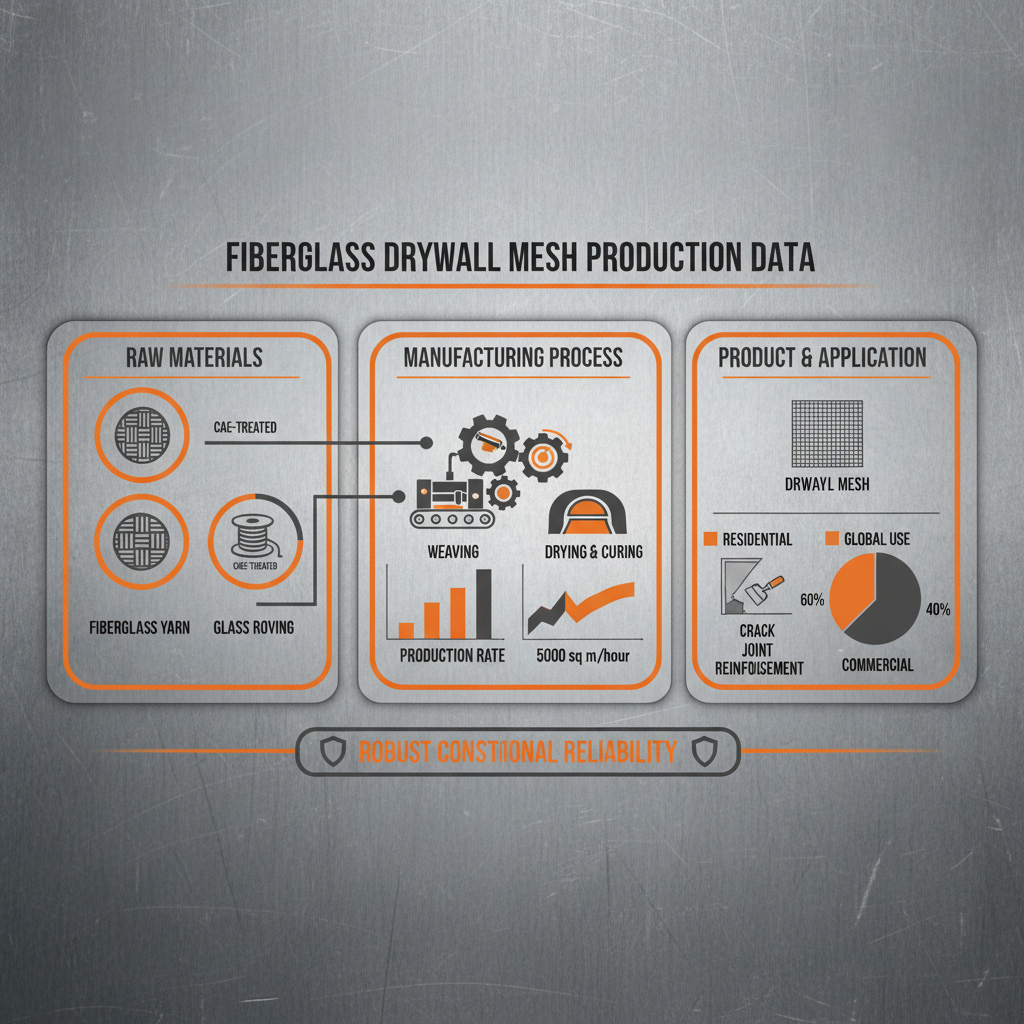
Let’s break down what makes this stuff tick. At its core, it’s fiberglass – tiny strands of glass woven together in a specific pattern. The weave is crucial; it determines the strength and flexibility of the mesh. You'll see different weave densities out there, and generally, a tighter weave means more strength. Then there’s the coating. Most fiberglass drywall mesh is coated with a latex or acrylic compound. This coating helps the mesh adhere to the joint compound and provides a smooth surface for painting. It’s also what makes it resistant to mildew, which is a big plus, especially in humid climates.
The quality of the fiberglass itself matters too. Cheaper mesh might use lower-grade glass fibers that are more brittle and prone to breaking. Higher-quality mesh will use stronger, more durable fibers that can withstand more stress and movement. The key is to find a balance between cost and performance – you don’t need the most expensive mesh on the market, but you definitely don’t want to skimp on quality. You need a mesh that holds up to wear and tear during installation.
Finally, the weight of the mesh plays a role. Lighter mesh is easier to work with, especially on large projects, but it might not be as strong as heavier mesh. It’s a trade-off, and the best choice depends on the specific application and the skill of the installers. Knowing these components helps you assess the material and ensure it meets the demands of your project.
Defining Fiberglass Drywall Mesh in the Industry
In the industry, fiberglass drywall mesh is often referred to as “self-adhesive fiberglass tape” or simply “fiberglass tape.” It’s considered a superior alternative to paper tape in many applications, particularly those where movement is expected or where a more durable joint treatment is required. It's become almost standard practice in commercial construction.
It’s a significant departure from the traditional mud-and-tape method. With paper tape, you have to carefully embed the tape in the joint compound, making sure there are no air bubbles or wrinkles. With fiberglass mesh, you simply apply the mesh to the joint, cover it with joint compound, and you’re done. It’s faster, easier, and less prone to errors. It’s a real time and labor saver, and that translates into cost savings.
Its increasing adoption reflects a broader trend in the construction industry towards more efficient, durable, and reliable building materials. Architects and engineers are increasingly specifying fiberglass drywall mesh in their designs because they know it delivers superior performance. This trend is fueled by stricter building codes and a growing demand for long-lasting, low-maintenance structures.
Key Performance Indicators of Fiberglass Drywall Mesh
When evaluating fiberglass drywall mesh, there are a few key things I look for – things that directly impact the quality of the job. First is tensile strength. That’s a measure of how much force the mesh can withstand before breaking. Higher tensile strength means a stronger, more durable joint. Second, elongation. That's how much the mesh can stretch without tearing. Higher elongation means it can better accommodate movement without cracking.
Then there’s adhesion. How well does the mesh stick to the joint compound? Poor adhesion can lead to bubbling or peeling, requiring rework. Finally, dimensional stability. Does the mesh shrink or expand with changes in temperature and humidity? Dimensional instability can cause cracks to appear over time.
Fiberglass Drywall Mesh Performance Ratings
Global Applications and Real-World Examples
You’ll find fiberglass drywall mesh used in all sorts of projects, from residential homes to large-scale commercial buildings. In fact, I’ve seen it used in everything from schools and hospitals to hotels and office complexes. It’s particularly popular in areas prone to seismic activity, because of its ability to withstand movement without cracking.
I recently worked on a project rebuilding homes after a hurricane. The speed and ease of installation with fiberglass mesh were a lifesaver. We were under enormous pressure to get families back into their homes as quickly as possible, and fiberglass mesh allowed us to do that without sacrificing quality. It's critical in disaster relief situations where rapid construction is paramount.
Long-Term Benefits and Value Proposition
The long-term benefits of using fiberglass drywall mesh are significant. Reduced rework is a big one. Fewer cracks mean fewer repairs, saving both time and money. Increased durability translates into a longer-lasting wall system, reducing the need for replacements. And, ultimately, happier clients. Clients appreciate a job well done, and they’re willing to pay for quality and reliability.
From a sustainability perspective, using a durable product like fiberglass drywall mesh reduces waste and conserves resources. Less frequent repairs mean less material consumption and less landfill waste. It’s a small step towards a more sustainable construction industry, and it’s something I’m proud to be a part of. fiberglass drywall mesh is also cost effective.
Let's be clear, it's an investment. The initial cost might be slightly higher than paper tape, but the long-term savings – in terms of labor, materials, and repairs – far outweigh that initial cost. It's a smart business decision.
Future Trends and Innovations in Fiberglass Drywall Mesh
I’m seeing a lot of innovation in this space. Manufacturers are developing new mesh coatings that offer even better adhesion and crack resistance. There’s also research being done on using recycled materials to produce fiberglass, making it even more sustainable. We will also see more automation in the application process, reducing labor costs.
I also expect to see a greater emphasis on “smart” building materials. Imagine a fiberglass drywall mesh with embedded sensors that can detect stress and alert you to potential problems before they become major issues. It sounds like science fiction, but it’s not far off. The integration of technology into building materials is the next frontier.
Ultimately, the future of fiberglass drywall mesh is bright. As building codes become more stringent and the demand for sustainable construction grows, this versatile material will only become more important.
Summary of Fiberglass Drywall Mesh Challenges & Solutions
| Challenge |
Impact on Project |
Potential Solution |
Implementation Cost (1-10) |
| Poor Adhesion |
Bubbling and peeling of joint compound. |
Use a mesh with a high-quality adhesive coating. |
3 |
| Insufficient Tensile Strength |
Cracking under stress. |
Select a mesh with a higher tensile strength rating. |
5 |
| Incorrect Application |
Uneven surface and poor adhesion. |
Provide thorough training to installers. |
4 |
| Substrate Movement |
Cracking due to building settlement. |
Utilize flexible joint compounds. |
6 |
| Humidity and Moisture |
Mold growth and reduced adhesion. |
Apply a moisture-resistant primer. |
2 |
| Cost Concerns |
Initial higher investment compared to paper tape. |
Highlight the long-term cost savings. |
3 |
FAQS
Fiberglass mesh is more flexible, stronger, and less prone to cracking than paper tape. It's also faster to install because it doesn't require embedding in joint compound. While paper tape is cheaper upfront, the long-term benefits of fiberglass mesh, like reduced rework and increased durability, often make it a more cost-effective choice. It’s a better choice for areas with movement or potential for cracking.
Generally, yes. However, for very small repairs or patching, paper tape might be sufficient. Fiberglass mesh excels in new construction, areas prone to movement, and situations where a durable, crack-resistant joint treatment is essential. It's the go-to choice for most professional installers for larger projects.
Apply the mesh directly to the joint, ensuring it's centered. Then, apply a thin coat of joint compound over the mesh, feathering it out to blend with the surrounding drywall. Allow it to dry completely, then apply a second coat, sanding lightly between coats. The key is to avoid applying too much pressure during application, which can damage the mesh.
Most fiberglass drywall mesh is treated with a mildew-resistant coating. However, it's still important to maintain proper ventilation in the area to prevent moisture buildup, which can contribute to mold growth. Using a moisture-resistant primer can also help protect against mold and mildew.
A properly installed drywall joint treated with fiberglass mesh can last for decades without cracking. Its flexibility and strength make it far more durable than traditional paper tape. Regular maintenance, such as repainting, will extend its lifespan even further. It’s a long-lasting solution for a professional finish.
While the initial cost of fiberglass mesh is higher, it often results in long-term savings due to reduced rework and increased durability. Fewer cracks mean fewer repairs, and a longer-lasting wall system reduces the need for replacements. When you factor in labor costs, the overall cost-effectiveness of fiberglass mesh becomes clear.
Conclusion
Fiberglass drywall mesh is a remarkably effective, often underappreciated, component of modern construction. It addresses critical needs – durability, speed, and ease of installation – making it a valuable asset for any project, from small residential repairs to large-scale commercial builds. It’s about more than just preventing cracks; it’s about building structures that last.
Looking ahead, continued innovation in materials and application techniques will only further enhance the benefits of fiberglass drywall mesh. I encourage anyone involved in the construction industry – architects, engineers, contractors, and even DIY enthusiasts – to explore the advantages of this versatile material. For more information and a wide range of high-quality products, visit our website: www.tainuofiberglassmesh.com.