Feb . 25, 2026 15:58 Back to list
The Role of Roving fiber glass Yarn in Modern Construction and Composite Reinforcement
In today’s construction and infrastructure sectors, advanced materials are driving innovation, efficiency, and durability. Among these materials, roving fiber glass yarn plays a critical role in reinforcing concrete, composites, insulation systems, and prefabricated structural components. As global demand for lightweight yet high-strength construction solutions continues to grow, products such as fiber glass yarn, fiberglass yarn, and roving yarn are becoming increasingly important across residential, commercial, and industrial projects.
This article explores the composition, manufacturing process, performance characteristics, and construction applications of glass fiber yarn products, highlighting their growing impact on modern building technologies.
Understanding Fiberglass Yarn and Its Manufacturing Process
What Is Fiberglass Yarn?
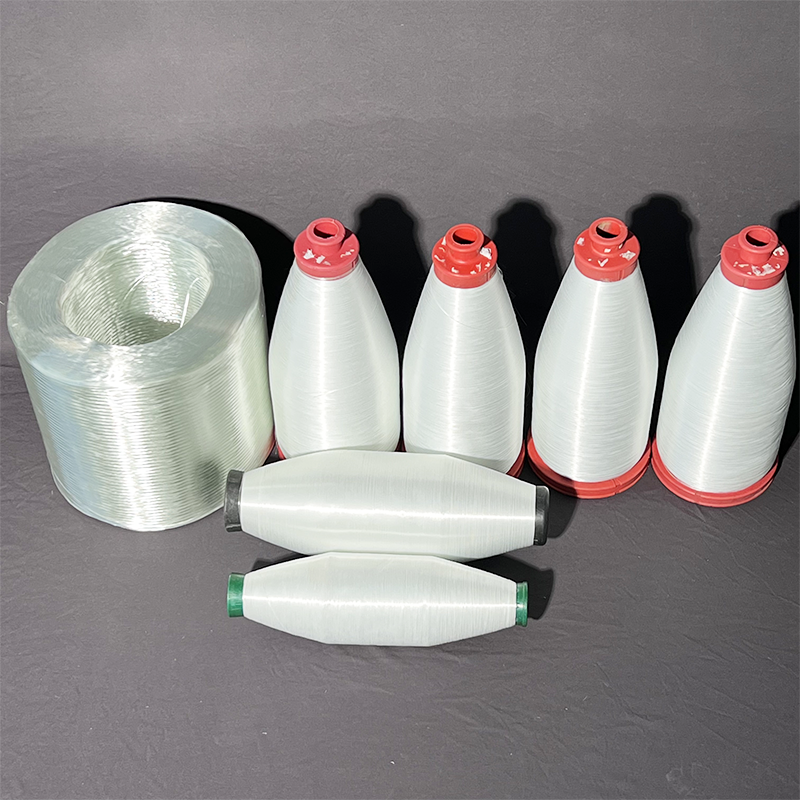
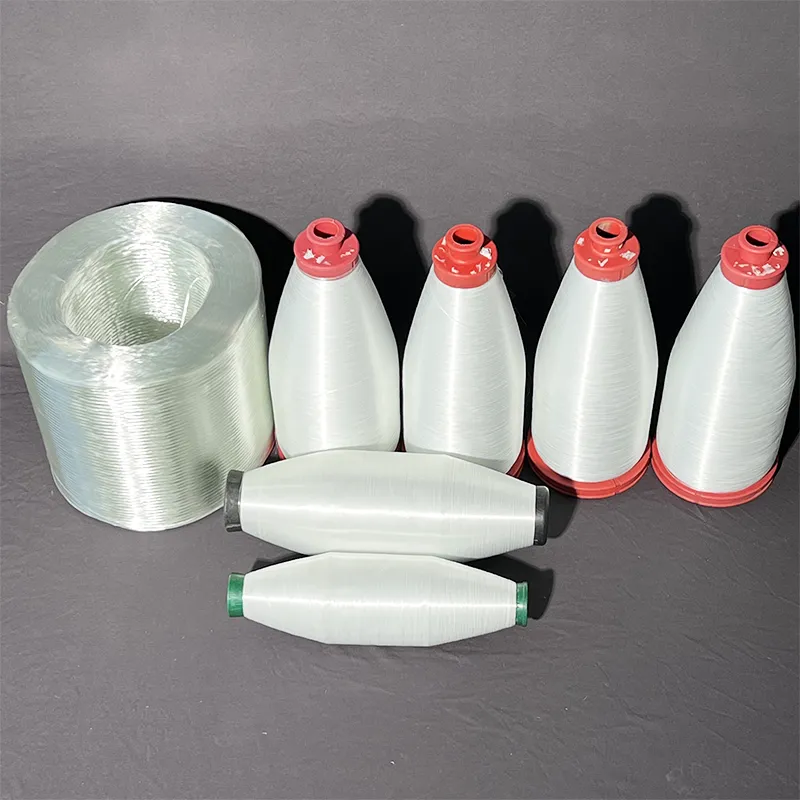
Fiberglass yarn is a continuous filament material produced by drawing molten glass into extremely fine fibers and then bundling them together into strands or rovings. These fibers are made primarily from silica sand combined with other minerals such as limestone, alumina, and boron compounds to enhance strength and chemical resistance.
When these continuous filaments are gathered without twisting, they form what is commonly known as fiberglass roving yarn. When twisted or processed into specific thread formats, the product is often referred to as fiber glass yarn.
Production of Roving Glass Fiber
The manufacturing process of roving fiber glass yarn involves several key stages:
Raw Material Melting – Silica-based raw materials are melted in a furnace at temperatures exceeding 1,400°C.
Fiber Drawing – The molten glass is extruded through platinum bushings containing thousands of tiny holes, forming continuous filaments.
Sizing Application – A protective chemical coating (sizing) is applied to enhance bonding with resins and improve abrasion resistance.
Strand Gathering – Multiple filaments are gathered into strands.
Roving Formation – Strands are assembled into larger bundles to create fiberglass roving yarn.
The result is a high-strength, lightweight reinforcement material suitable for a wide range of construction and industrial applications.
Types of fiberglass Fiber Yarn
There are several types of fiberglass yarn, depending on the glass composition:
E-glass (Electrical grade): Most common; offers good strength and insulation properties.
S-glass (Structural grade): Higher tensile strength and better mechanical performance.
C-glass (Chemical resistant): Enhanced resistance to corrosive environments.
AR-glass (Alkali-resistant): Designed for cement and concrete reinforcement.
In the construction industry, AR-glass roving glass fiber yarn is particularly valuable for reinforcing cement-based materials.
Mechanical Properties and Performance Advantages of Glass Roving Yarn
High Tensile Strength
One of the most significant advantages of fiber glass yarn is its exceptional tensile strength. Despite being lightweight, glass fiber yarn can withstand high mechanical loads, making it ideal for reinforcing composite panels, precast concrete elements, and structural components.
Compared to steel reinforcement, fiberglass yarn offers comparable strength-to-weight ratios without the risk of corrosion.
Corrosion and Chemical Resistance
Unlike steel, roving fiber glass yarn does not rust. This makes it especially suitable for:
Coastal construction projects
Bridges and marine structures
Wastewater treatment facilities
Chemical plants
The corrosion resistance of fiberglass roving yarn extends the service life of reinforced components and reduces long-term maintenance costs.
Thermal Stability
Glass fiber yarn demonstrates excellent thermal stability. It can withstand high temperatures without significant deformation, making it suitable for fire-resistant panels and insulation systems.
Additionally, fiberglass yarn has low thermal conductivity, contributing to improved energy efficiency in building envelopes.
Electrical Insulation Properties
Because glass fibers are non-conductive, fiber glass yarn is widely used in applications requiring electrical insulation. In construction, this property is particularly valuable for:
Cable reinforcement
Insulated panels
Electrical enclosures
Lightweight Structure
Weight reduction is a major consideration in modern construction. Prefabricated components reinforced with fiberglass roving yarn are significantly lighter than traditional steel-reinforced elements. This reduces:
Transportation costs
Installation time
Structural load requirements
Applications of Roving fiber glass Yarn in the Construction Industry
- Concrete Reinforcement
Alkali-resistant roving fiber glass yarn is widely used in Glass Fiber Reinforced Concrete (GFRC). In this system, glass fibers are mixed into cementitious materials to enhance tensile strength and crack resistance.
Benefits of using fiberglass yarn in concrete include:
Reduced cracking
Improved impact resistance
Thinner and lighter panels
Enhanced design flexibility
GFRC panels reinforced with fiberglass roving yarn are commonly used in architectural facades, decorative elements, cladding systems, and urban infrastructure.
- Composite Construction Materials
Modern buildings increasingly incorporate fiber-reinforced polymer (FRP) composites. Fiber glass yarn is a primary reinforcement material in these composites.
Applications include:
FRP rebar
Structural strengthening wraps
Bridge reinforcement systems
Pultruded profiles
Roofing panels
FRP components made with fiberglass yarn provide high strength while eliminating corrosion risks associated with steel reinforcement.
- Insulation and Fireproofing Systems
Due to its heat resistance and non-combustible properties, fiberglass roving yarn is used in manufacturing insulation blankets, fireproof boards, and thermal barrier systems.
These materials improve building safety by:
Slowing fire spread
Reducing heat transfer
Enhancing occupant protection
- Roofing and Waterproofing Membranes
In roofing systems, fiber glass yarn reinforces bitumen membranes and waterproofing layers. The yarn provides dimensional stability and prevents tearing during installation and thermal movement.
- Wall Panels and Prefabricated Structures
Lightweight prefabricated wall panels reinforced with roving fiber glass yarn offer improved strength and durability while reducing construction timelines. These panels are commonly used in modular buildings, commercial complexes, and industrial facilities.
Environmental and Economic Benefits
Extended Service Life
The corrosion resistance and durability of fiberglass yarn significantly extend the lifespan of reinforced structures. Reduced maintenance translates to lower lifecycle costs.
Reduced Carbon Footprint
Although glass fiber production requires energy, the lightweight nature of fiberglass roving yarn reduces transportation emissions and structural material usage. Additionally, longer-lasting materials reduce replacement frequency, contributing to sustainability.
Compatibility with Green Building Systems
Fiber glass yarn is compatible with energy-efficient insulation systems and prefabrication technologies, which align with sustainable construction practices and green building certifications.
Installation and Handling Considerations
Proper Storage
To maintain performance, roving fiber glass yarn should be stored in dry, controlled environments to prevent moisture absorption.
Safety Precautions
During handling and cutting, protective gloves and masks are recommended to prevent skin irritation from fine glass filaments.
Resin Compatibility
When used in composites, selecting the correct resin system ensures optimal bonding with fiberglass yarn. Common compatible resins include:
Polyester
Vinyl ester
Epoxy
Comparing fiber glass Yarn with Alternative Reinforcement Materials
Glass Fiber vs. Steel
Glass fiber does not corrode
Steel has higher compressive strength
Glass fiber is lighter
Steel is conductive
In environments prone to corrosion, fiberglass roving yarn offers a clear advantage.
Glass Fiber vs. Carbon Fiber
Carbon fiber offers higher stiffness but is significantly more expensive. For many construction applications, fiber glass yarn provides an optimal balance between cost and performance.
Future Trends in Fiberglass Yarn Technology
As construction technology evolves, manufacturers are developing enhanced versions of roving fiber glass yarn with:
Improved alkali resistance
Higher tensile strength
Advanced surface treatments
Greater flexibility for automated manufacturing
These innovations support the growth of prefabrication, modular construction, and sustainable building systems.
The construction industry continues to demand materials that combine strength, durability, cost-efficiency, and sustainability. Roving fiber glass yarn, along with fiber glass yarn, fiberglass yarn, and fiberglass roving yarn, has become a cornerstone material in modern reinforcement systems.
From concrete strengthening and composite manufacturing to insulation and waterproofing applications, glass fiber yarn products provide superior mechanical performance and long-term reliability. Their lightweight structure, corrosion resistance, and versatility make them indispensable in today’s advanced building technologies.
As infrastructure projects expand and sustainability requirements increase, the importance of fiberglass yarn in construction will continue to grow—supporting stronger, safer, and more resilient structures worldwide.
-
Fiberglass Mesh Netting in Modern Plastering Systems: Strength, Stability, and Crack ControlNewsMay.13,2026
-
PVC Corner Bead with Fiberglass Mesh: Strengthening and Protecting Modern Plaster CornersNewsMay.13,2026
-
Alkali Resistant Fiberglass Mesh Tape: Strength and Stability in Cement-Based ConstructionNewsMay.13,2026
-
Fiberglass Mesh for Concrete Reinforcement: Strengthening Modern Cement-Based StructuresNewsMay.13,2026
-
Reinforcing Fiberglass Mesh: Strength, Adhesion, and Structural Performance in Modern ConstructionNewsMay.13,2026
-
Best Fiberglass Mesh Tape for RedGard Product Waterproofing GuideNewsApr.16,2026