Feb . 25, 2026 16:00 Back to list
The Importance of PVC Corner Bead with Fiberglass Mesh in Modern Plastering Systems
In modern construction and interior finishing, achieving straight, durable, and crack-resistant wall corners is essential for both structural integrity and aesthetic appeal. Corners are among the most vulnerable parts of any plastered surface. They are exposed to mechanical impact, structural movement, and shrinkage stress, making proper reinforcement crucial. One of the most effective solutions available today is the PVC corner bead with fiberglass mesh.
Widely used in residential, commercial, and industrial projects, products such as corner fiberglass mesh for plastering, PVC corner beads with fiberglass mesh, and plastic corner bead with fiberglass mesh provide superior corner protection, improved alignment, and enhanced crack resistance. This article explores their structure, benefits, applications, and installation techniques within modern plastering systems.
Understanding PVC Corner Beads with Fiberglass Mesh
What Is a PVC Corner Bead withfiberglass Mesh?
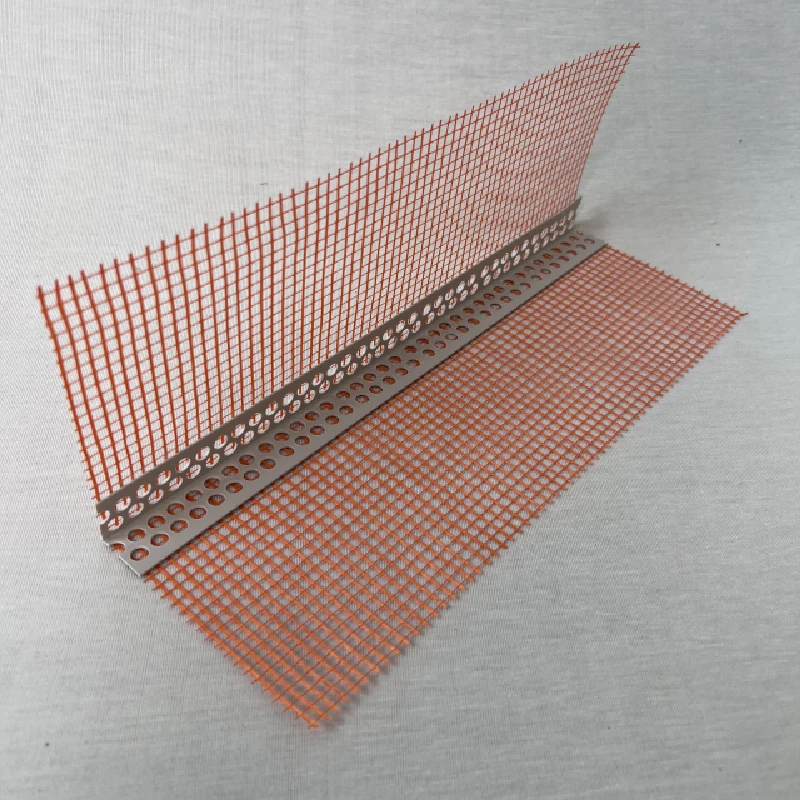
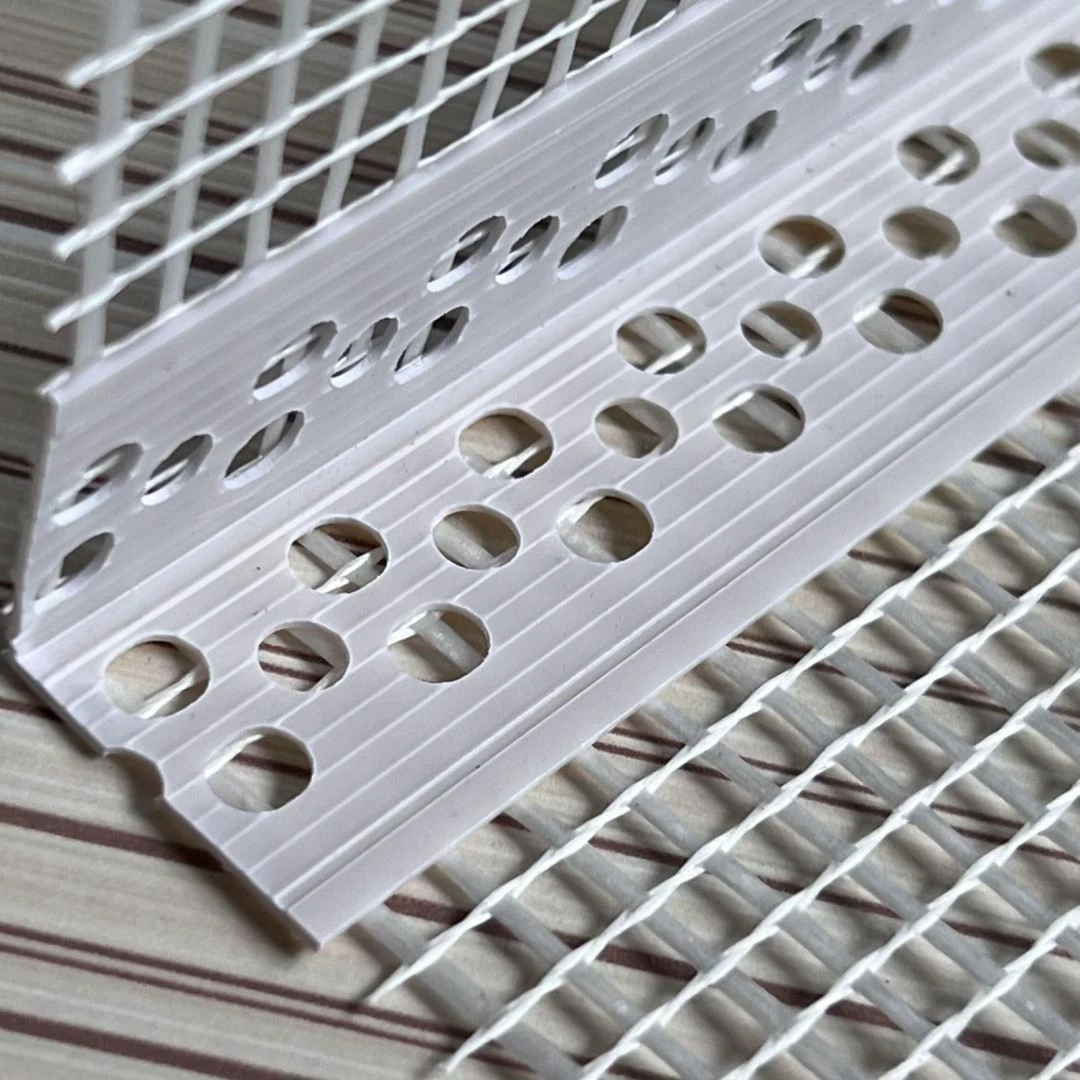
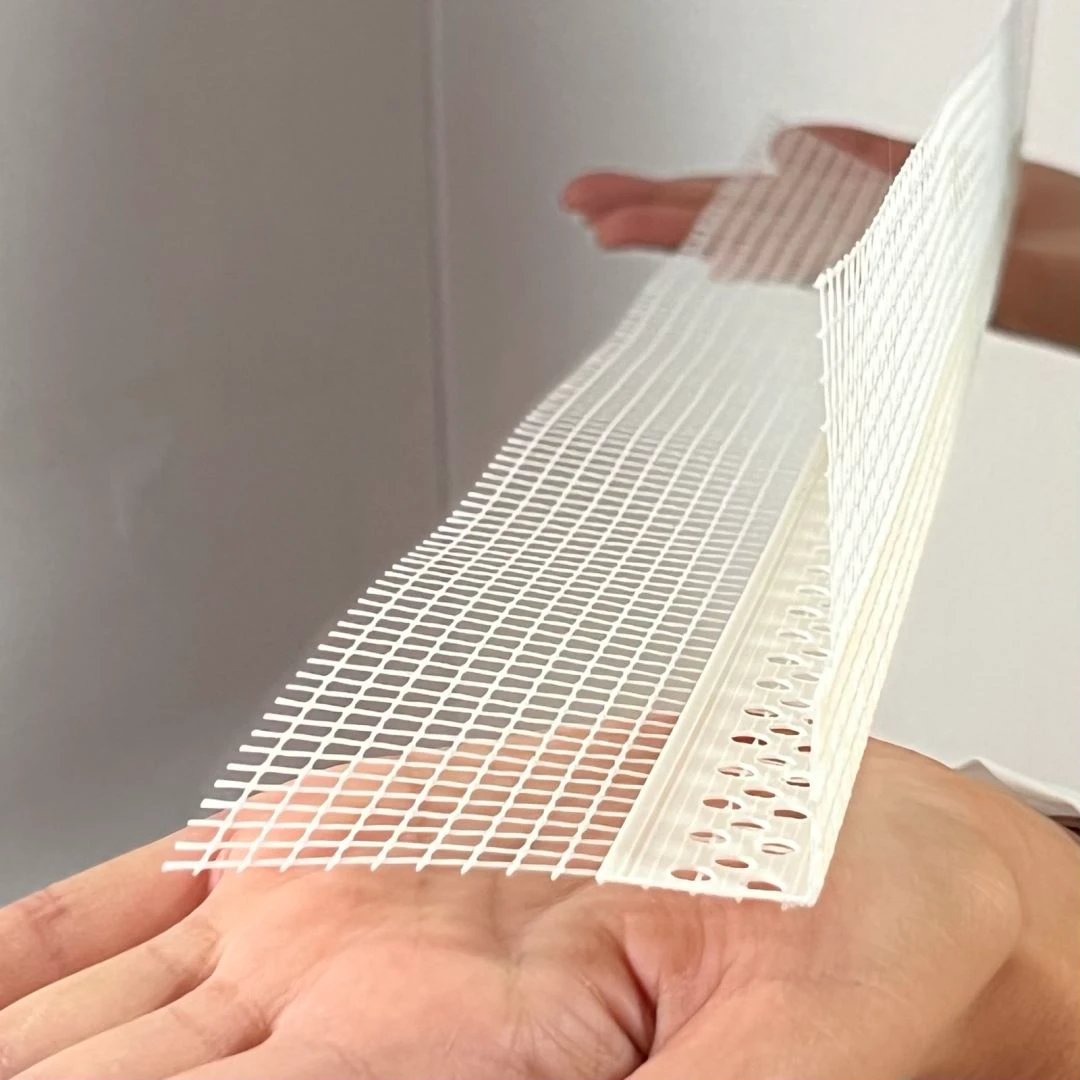
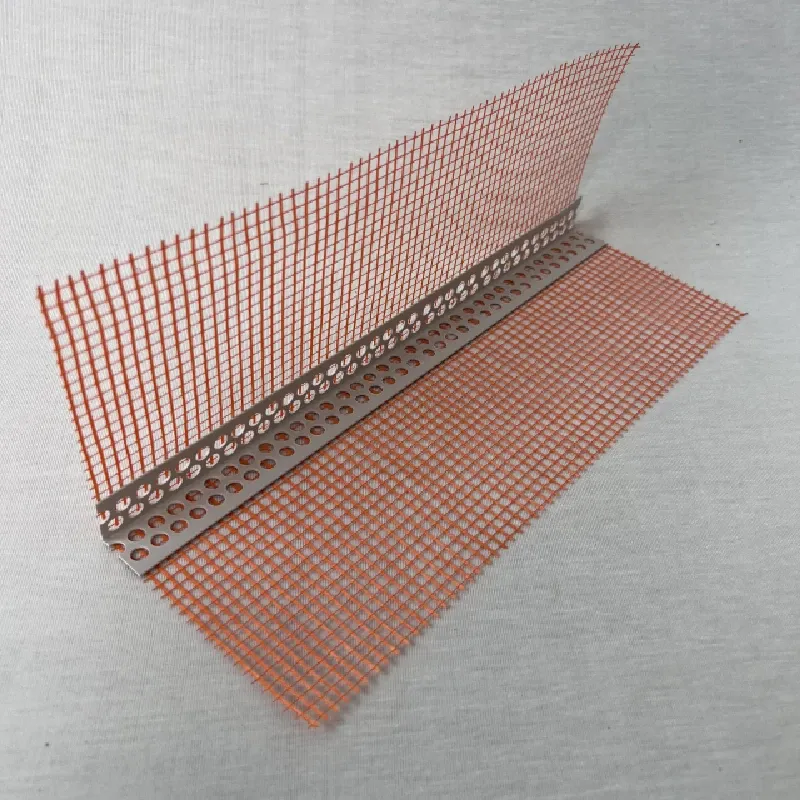
A PVC corner bead with fiberglass mesh is a reinforced corner profile made from rigid polyvinyl chloride (PVC) combined with fiberglass mesh wings on both sides. The PVC core forms a straight, impact-resistant edge, while the mesh flanges extend outward to integrate seamlessly into plaster or render systems.
Unlike traditional metal corner beads, PVC corner beads with fiberglass mesh are corrosion-resistant, lightweight, and easy to install. The fiberglass mesh ensures strong bonding between the bead and the surrounding plaster, preventing cracks and separation over time.
Structural Composition
A typical plastic corner bead with fiberglass mesh consists of:
A rigid PVC corner spine for edge alignment
Alkali-resistant fiberglass mesh wings
Perforated or textured surfaces for improved plaster adhesion
UV-resistant and corrosion-proof materials
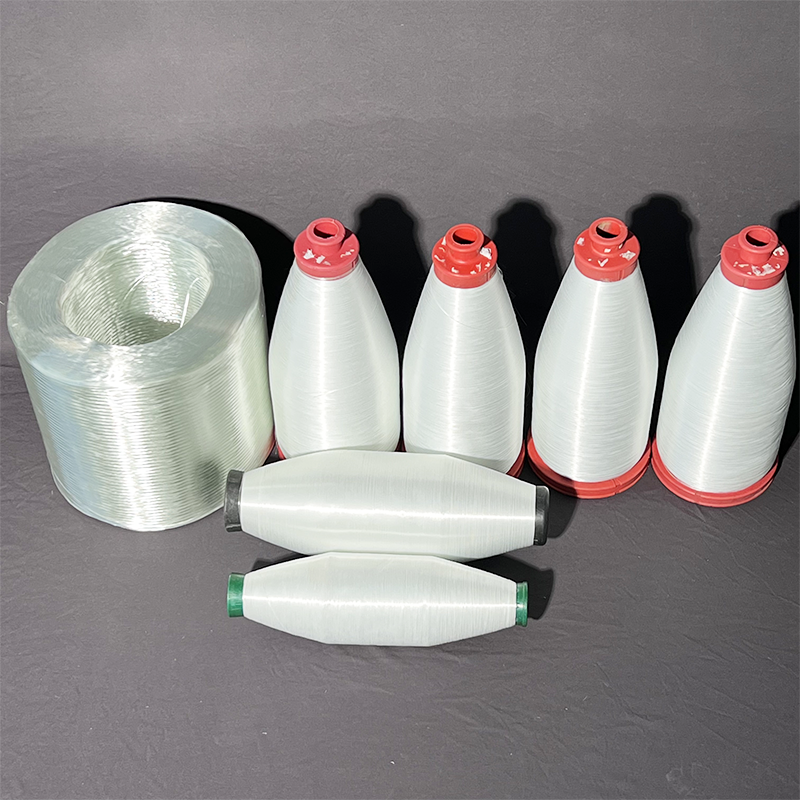
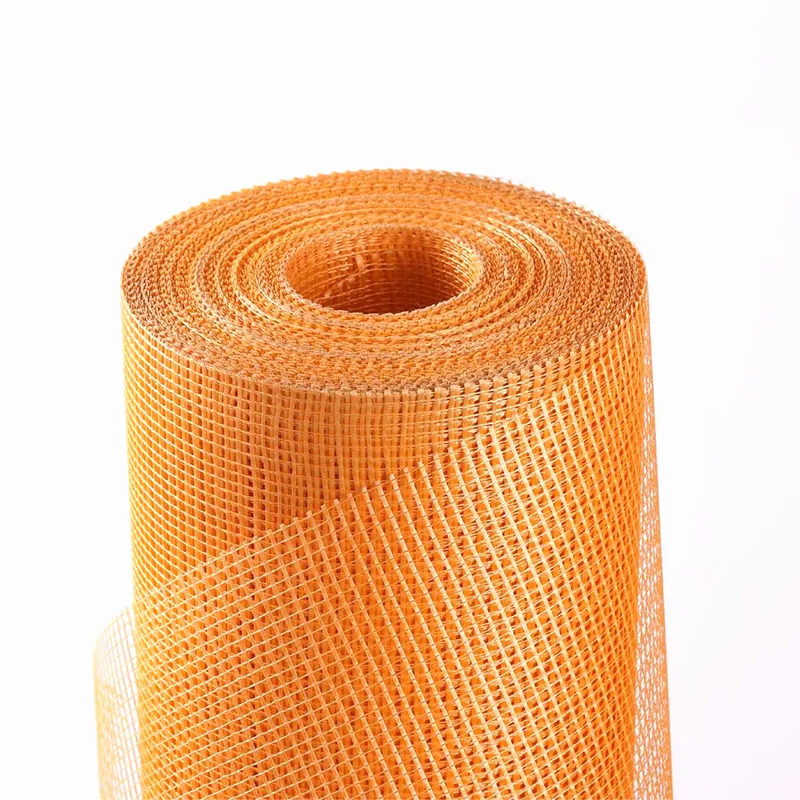
The fiberglass mesh is usually made from alkali-resistant glass fibers, designed to withstand cement-based and gypsum-based plasters without degradation.
Why PVC Instead of Metal?
Traditionally, galvanized steel corner beads were used in plastering systems. However, metal beads can corrode over time, especially in humid or coastal environments. Rusting can cause staining, expansion, and cracking in finished surfaces.
In contrast, PVC corner bead with fiberglass mesh offers:
Complete corrosion resistance
Lightweight handling
Improved compatibility with modern render systems
Greater flexibility in installation
No risk of rust stains
These advantages have made PVC-based corner reinforcement the preferred solution in contemporary construction.
Applications of Corner fiberglass Mesh for Plastering in Construction Projects
- Interior Wall Corners
Inside residential and commercial buildings, corners must remain straight and resistant to impact from daily use. Corner fiberglass mesh for plastering ensures that corners maintain sharp, clean lines even after years of service.
Common interior applications include:
Drywall partitions
Gypsum plaster systems
Ceiling edges
Window reveals
Door frame surrounds
By integrating PVC corner beads with fiberglass mesh into plaster systems, contractors achieve precise alignment and long-lasting durability.
- Exterior Render Systems
Exterior walls are subject to temperature fluctuations, wind loads, rain exposure, and mechanical impact. Corners in these systems are especially prone to cracking due to structural movement and thermal expansion.
Using a plastic corner bead with fiberglass mesh in exterior render systems provides:
Impact resistance
Crack prevention
Structural reinforcement
Improved weather resistance
The mesh wings bond directly with cement-based renders, distributing stress evenly across the surface and reducing localized cracking.
- External Thermal Insulation Composite Systems (ETICS)
In energy-efficient construction, ETICS or EIFS systems require reinforced corners to protect insulation boards and finishing layers. PVC corner bead with fiberglass mesh is commonly embedded into the base coat over insulation panels.
This ensures:
Strong edge reinforcement
Reduced damage during installation
Improved resistance to environmental stress
Long-term system stability
- Renovation and Retrofitting
In renovation projects, damaged wall corners are frequently repaired using corner fiberglass mesh for plastering. Replacing old metal beads with modern PVC systems improves durability and eliminates corrosion risks.
Advantages of Using Plastic Corner Bead with fiberglass Mesh
Enhanced Crack Resistance
One of the primary functions of PVC corner beads with fiberglass mesh is to prevent cracking at stress concentration points. Corners naturally experience more tension than flat wall surfaces. The integrated fiberglass mesh distributes stress across a wider area, minimizing crack formation.
Superior Impact Protection
High-traffic areas such as hospitals, schools, shopping centers, and warehouses require strong corner protection. The rigid PVC core of a plastic corner bead with fiberglass mesh absorbs impact energy, preventing chipping and damage.
Corrosion-Free Performance
Unlike steel corner beads, PVC corner bead with fiberglass mesh does not rust. This makes it ideal for:
Coastal regions
Humid climates
Bathrooms and kitchens
Basements
Swimming pool areas
Corrosion resistance extends the service life of the plaster system and reduces maintenance costs.
Lightweight and Easy Installation
Contractors prefer corner fiberglass mesh for plastering because it is lightweight and easy to cut on-site. PVC profiles can be trimmed with simple tools, reducing labor time and installation complexity.
Improved Adhesion
The fiberglass mesh wings of PVC corner beads with fiberglass mesh create strong mechanical bonding within plaster layers. This reduces the risk of delamination and ensures a stable connection between the bead and wall surface.
Installation Guidelines for PVC Corner Bead with fiberglass Mesh
Step 1: Surface Preparation
Before installation:
Ensure substrate stability
Remove dust and loose materials
Check corner alignment
Apply primer if required
Proper preparation guarantees optimal adhesion and alignment.
Step 2: Applying Base Coat
Apply a uniform layer of plaster or adhesive mortar to both sides of the corner. The thickness should be sufficient to embed the mesh fully.
Step 3: Positioning the Bead
Press the plastic corner bead with fiberglass mesh into the wet plaster. Ensure:
The corner is perfectly aligned
The mesh wings lie flat against the wall
No air pockets are trapped beneath the mesh
Use a level to confirm vertical alignment.
Step 4: Embedding the Mesh
Smooth the mesh wings into the plaster using a trowel. The mesh should be fully embedded and not visible after finishing.
Step 5: Applying the Finish Coat
After the base coat sets, apply a finishing layer of plaster to achieve a smooth surface.
Comparing PVC Corner Beads with Traditional Alternatives
PVC with Mesh vs. Plain PVC Beads
Standard PVC beads without mesh provide corner alignment but lack additional reinforcement. In contrast, PVC corner beads with fiberglass mesh offer:
Improved crack resistance
Stronger bonding
Better stress distribution
Greater long-term performance
Environmental and Economic Benefits
Reduced Maintenance Costs
By preventing cracking and corrosion, corner fiberglass mesh for plastering reduces long-term repair expenses. Fewer surface failures mean lower lifecycle costs.
Long Service Life
PVC and fiberglass materials are highly durable, contributing to extended building longevity.
Sustainable Construction Compatibility
Modern plastic corner bead with fiberglass mesh products are compatible with energy-efficient insulation systems and sustainable construction practices.
Quality Considerations When Selecting Corner Beads
When choosing PVC corner bead with fiberglass mesh, consider:
Mesh weight and alkali resistance
PVC thickness and rigidity
UV resistance (for exterior applications)
Compliance with building standards
Manufacturer quality certifications
High-quality PVC corner beads with fiberglass mesh ensure reliable long-term performance in demanding construction environments.
Future Trends in Corner Reinforcement Systems
As construction technology advances, manufacturers continue improving corner fiberglass mesh for plastering products with:
Enhanced impact-resistant PVC formulations
Stronger alkali-resistant fiberglass mesh
Pre-shaped profiles for complex architectural designs
Improved eco-friendly materials
These innovations support the growing demand for durable, efficient, and sustainable building solutions.
In modern plastering systems, corner reinforcement is not optional—it is essential. PVC corner bead with fiberglass mesh provides superior alignment, crack resistance, and impact protection compared to traditional alternatives. Products such as corner fiberglass mesh for plastering, PVC corner beads with fiberglass mesh, and plastic corner bead with fiberglass mesh have become indispensable in both interior and exterior construction applications.
By offering corrosion resistance, structural stability, and long-term durability, these advanced corner profiles enhance building performance and reduce maintenance costs. As construction standards continue to evolve, PVC corner reinforcement systems will remain a vital component in achieving strong, precise, and resilient plaster finishes.
-
Fiberglass Mesh Netting in Modern Plastering Systems: Strength, Stability, and Crack ControlNewsMay.13,2026
-
PVC Corner Bead with Fiberglass Mesh: Strengthening and Protecting Modern Plaster CornersNewsMay.13,2026
-
Alkali Resistant Fiberglass Mesh Tape: Strength and Stability in Cement-Based ConstructionNewsMay.13,2026
-
Fiberglass Mesh for Concrete Reinforcement: Strengthening Modern Cement-Based StructuresNewsMay.13,2026
-
Reinforcing Fiberglass Mesh: Strength, Adhesion, and Structural Performance in Modern ConstructionNewsMay.13,2026
-
Best Fiberglass Mesh Tape for RedGard Product Waterproofing GuideNewsApr.16,2026