Feb . 25, 2026 15:54 Back to list
What Is Fiberglass Mesh Tape Used For in Modern Construction?
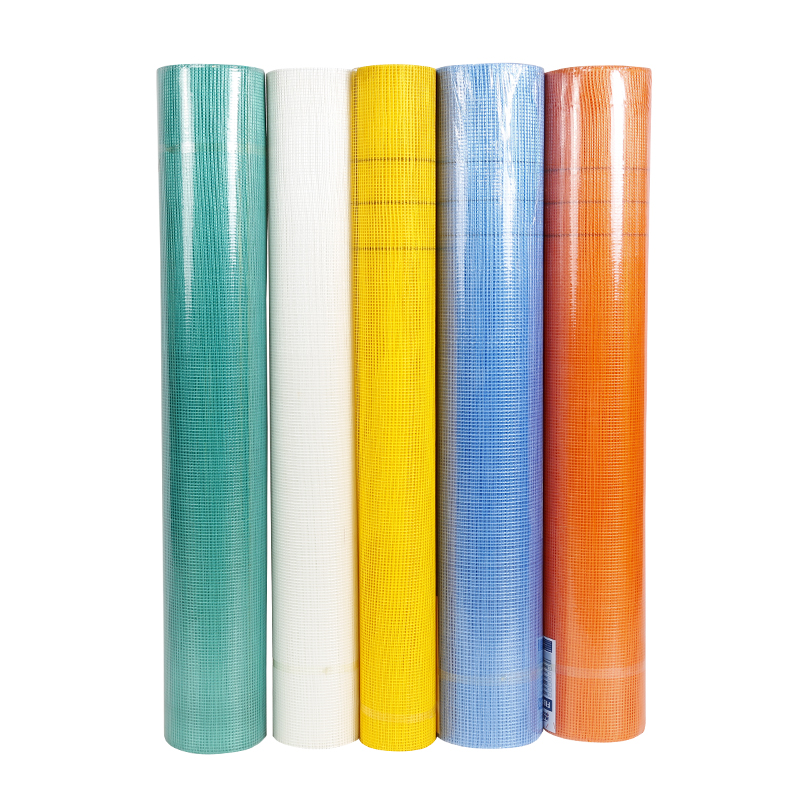
In the construction and finishing industry, joint reinforcement plays a critical role in ensuring smooth, crack-free surfaces. Whether in drywall installation, plasterboard finishing, or stucco application, professionals rely heavily on fiberglass mesh tape products to strengthen joints and prevent long-term structural issues. Among the most commonly used reinforcement materials are fiber glass joint tape, stucco fiberglass mesh tape, fiberglass mesh joint tape, fiberglass mesh spackle tape, and plasterboard fibreglass joint tape.
These products may appear simple, but they are essential components in achieving durable wall and ceiling finishes. This article provides a comprehensive overview of what fiberglass mesh tape is used for, its key advantages, installation techniques, and how it enhances modern building systems.
Understanding fiber glass Joint Tape and Its Composition
What Is Fiberglass Mesh Tape?
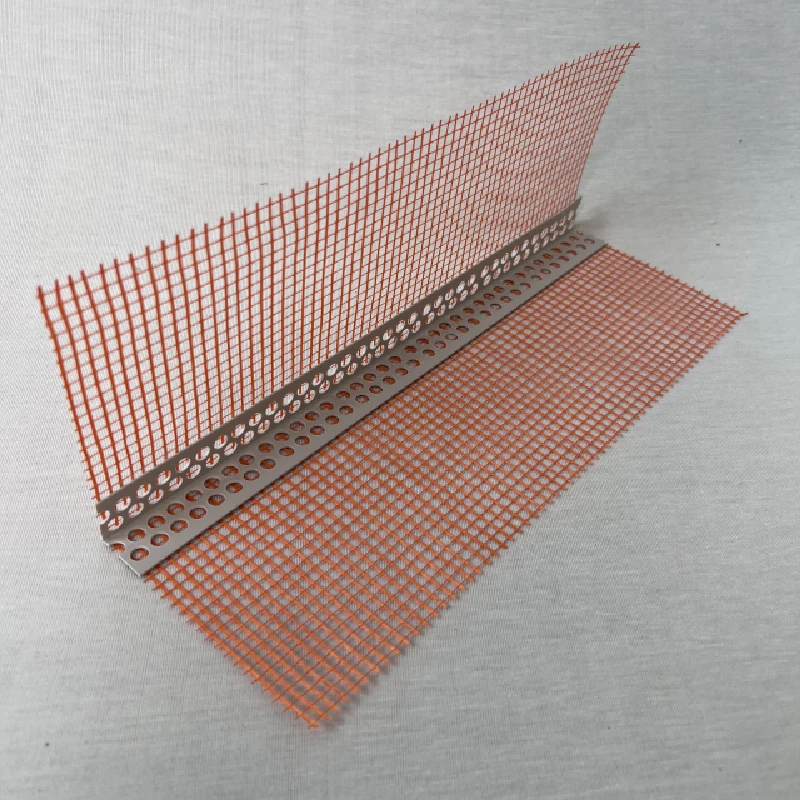
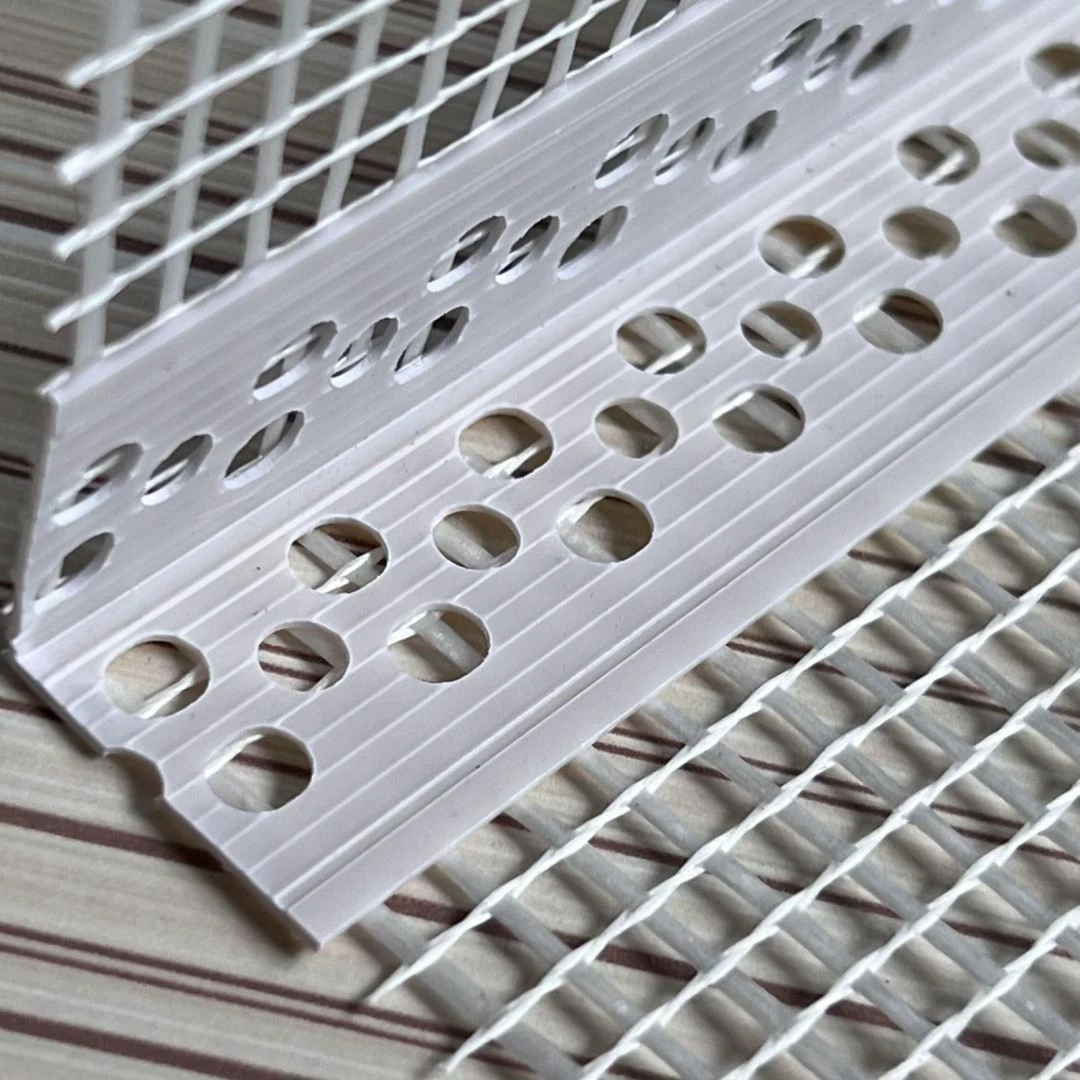
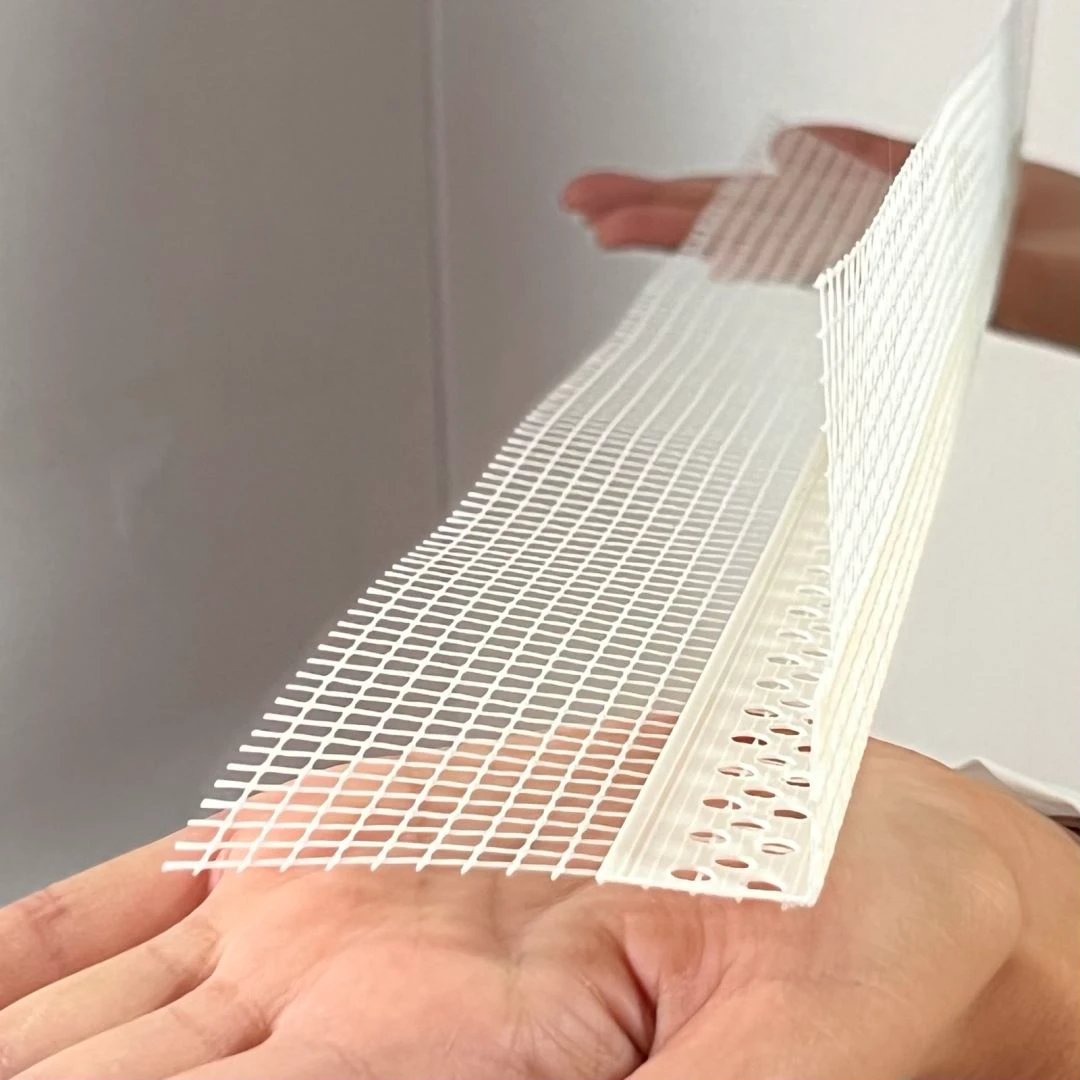
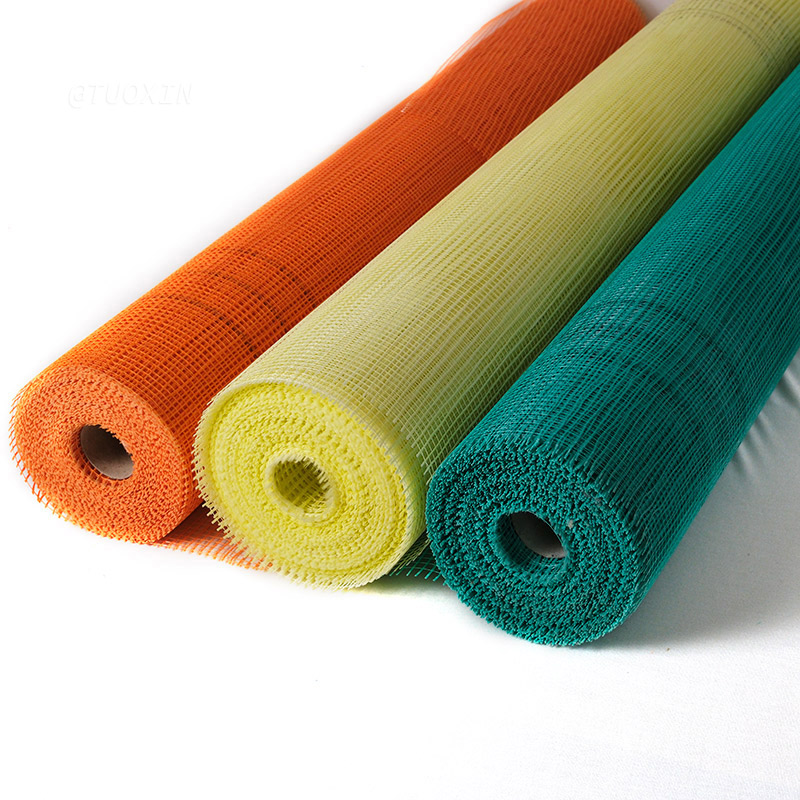
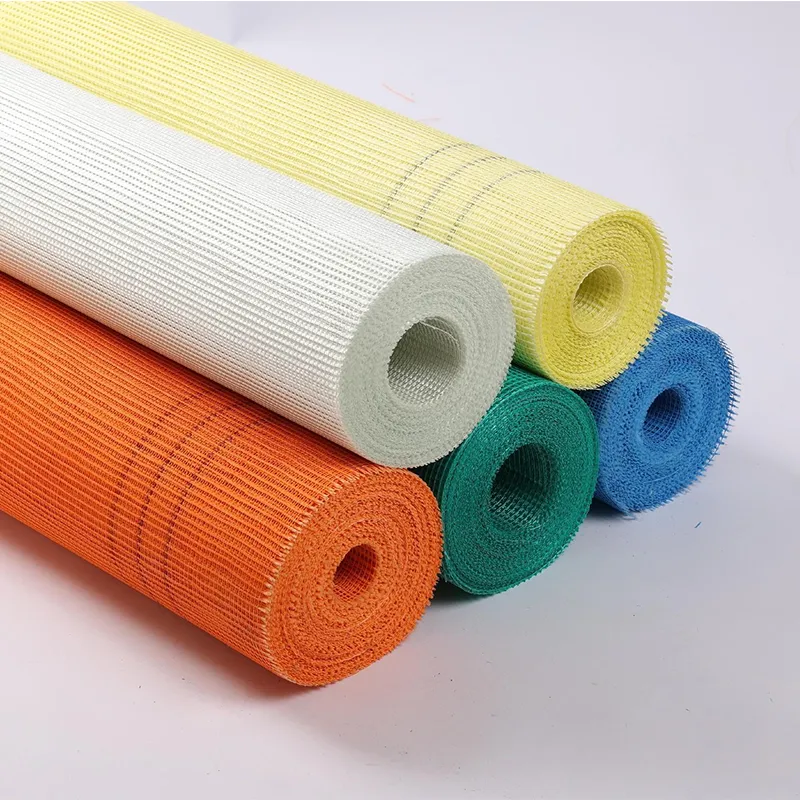
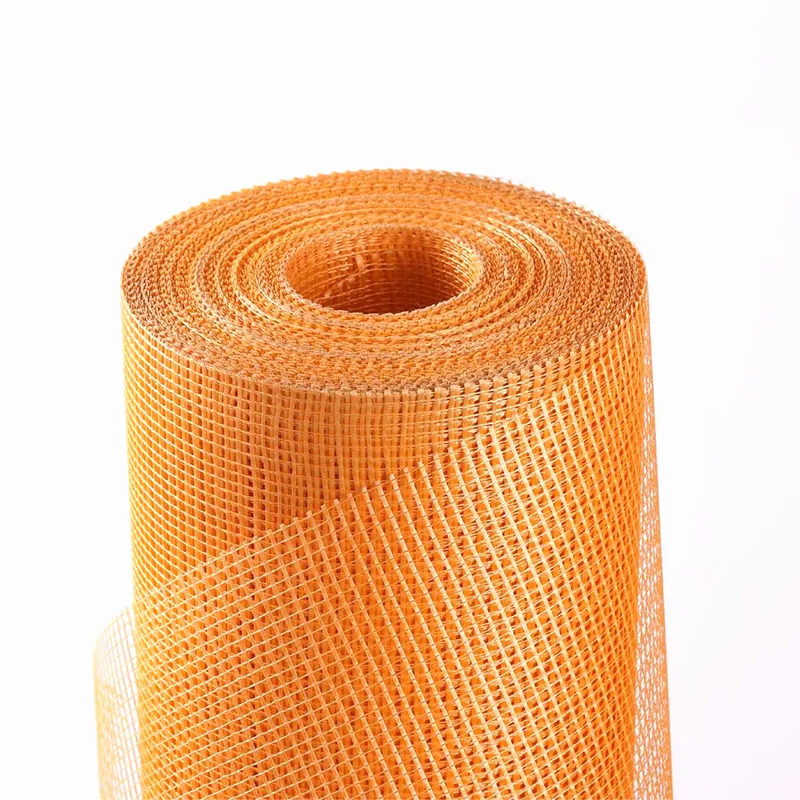
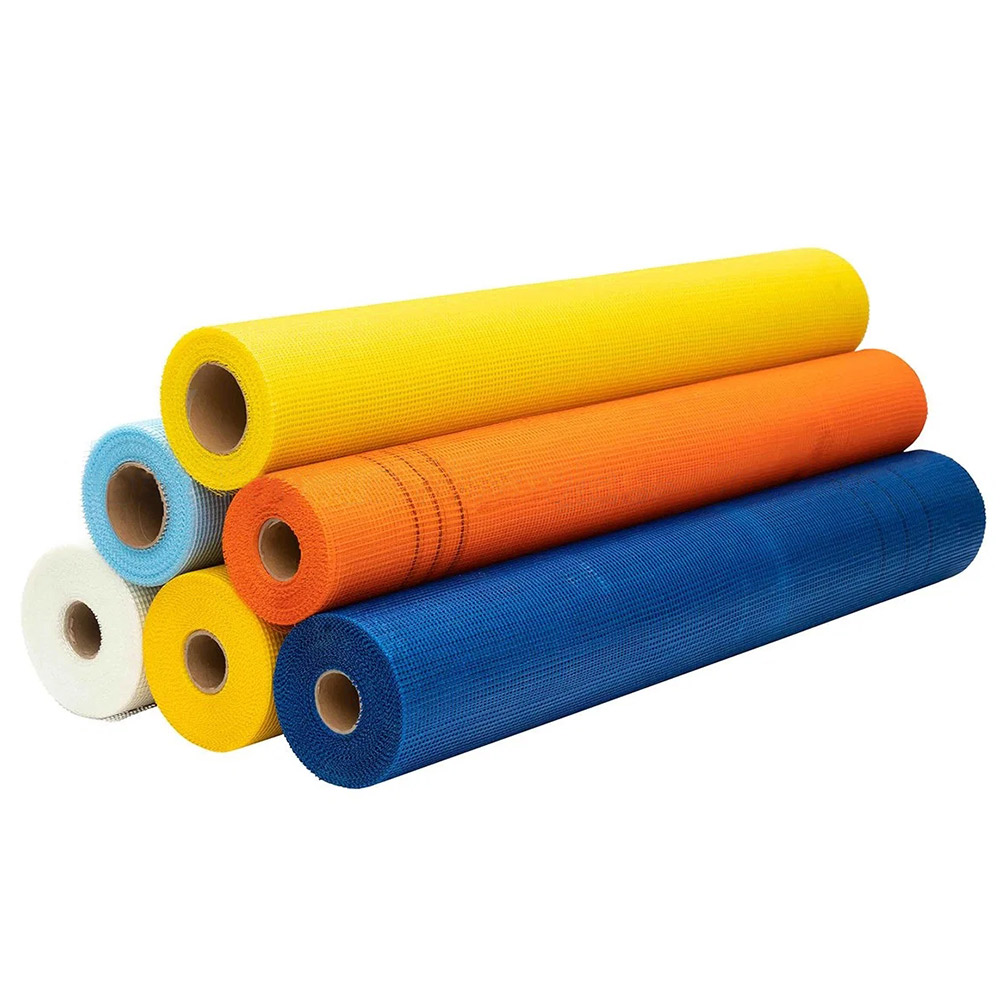
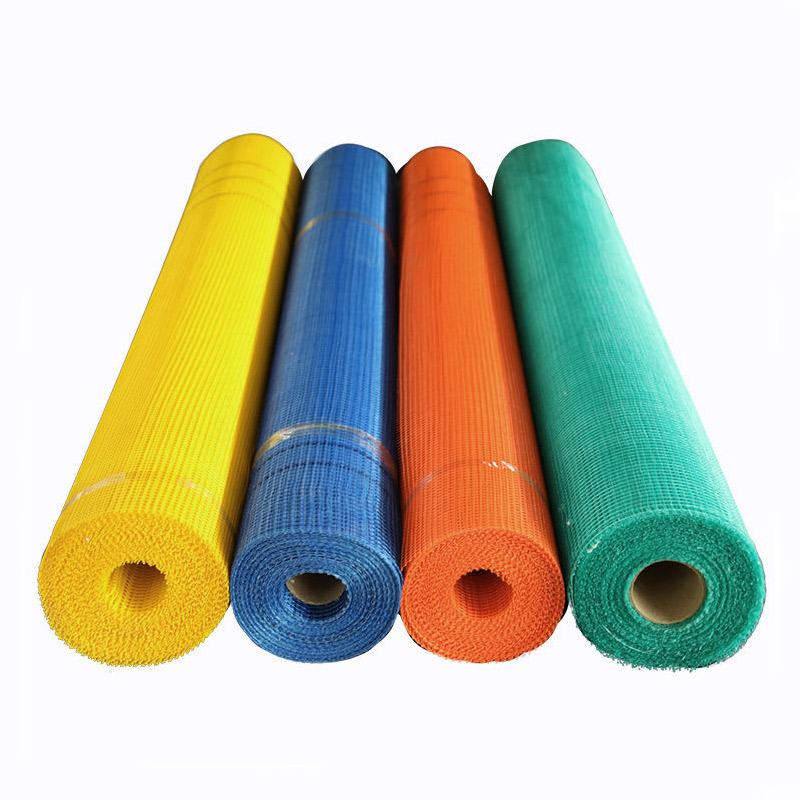
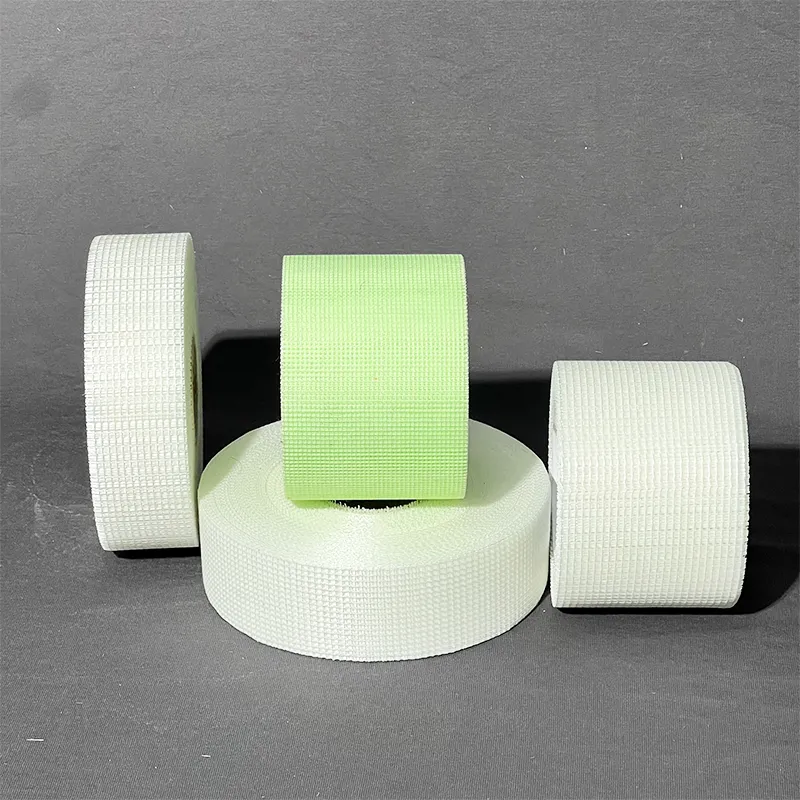
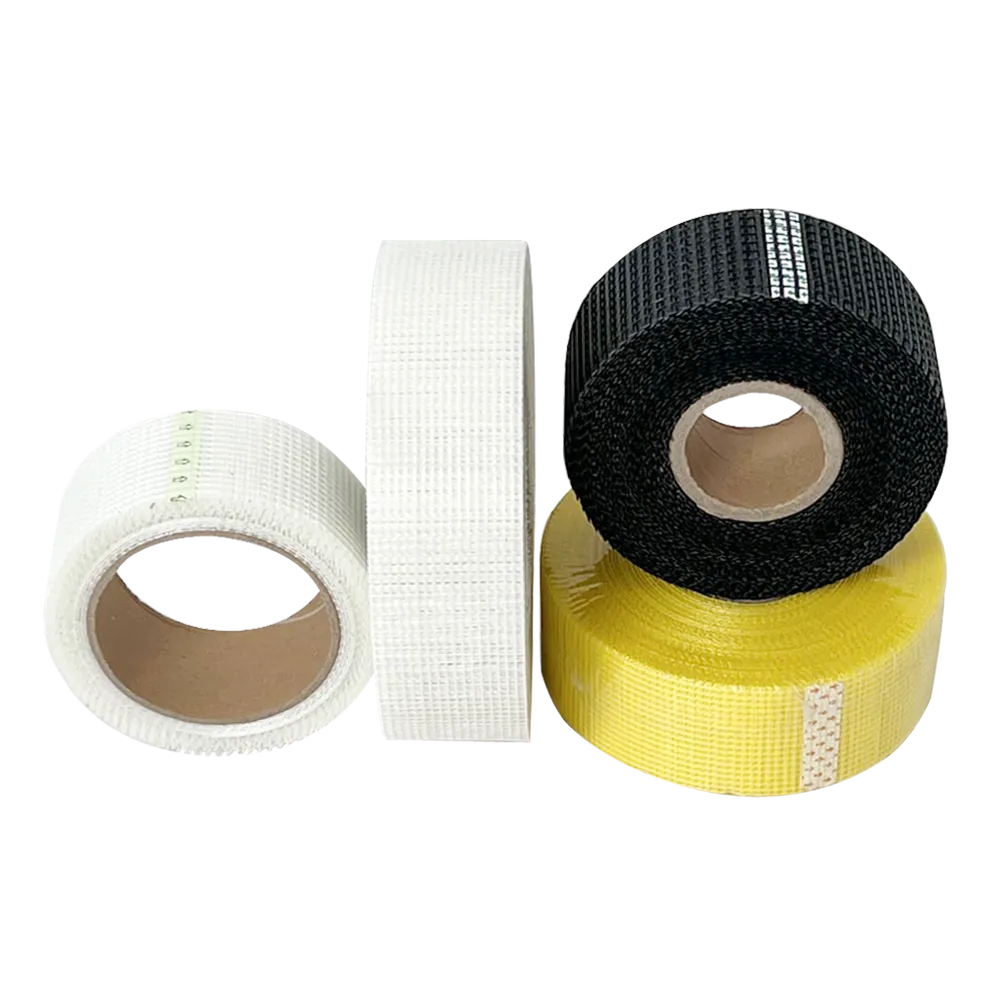
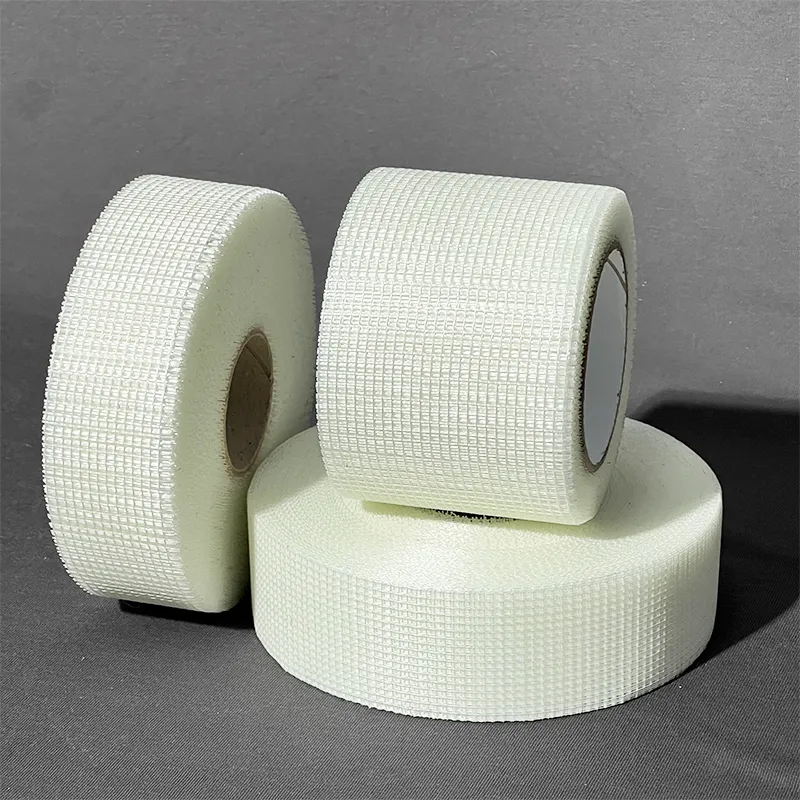
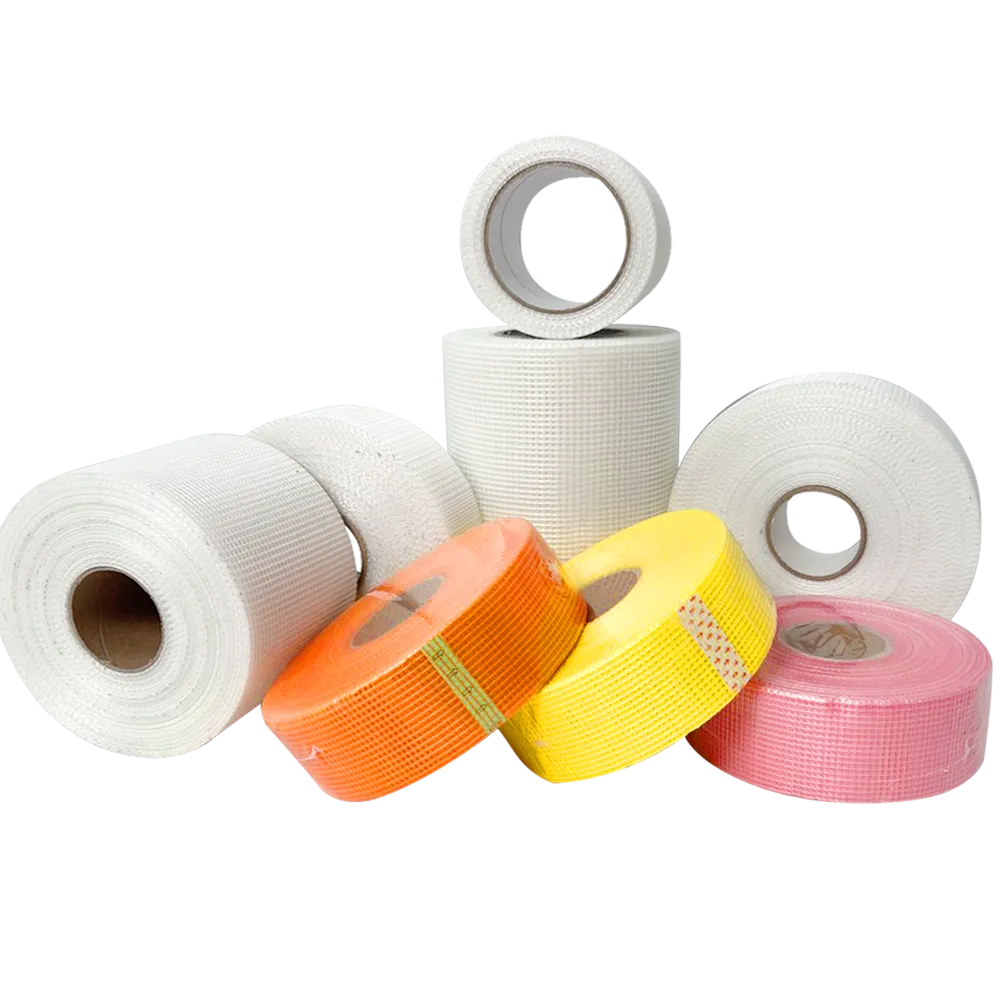
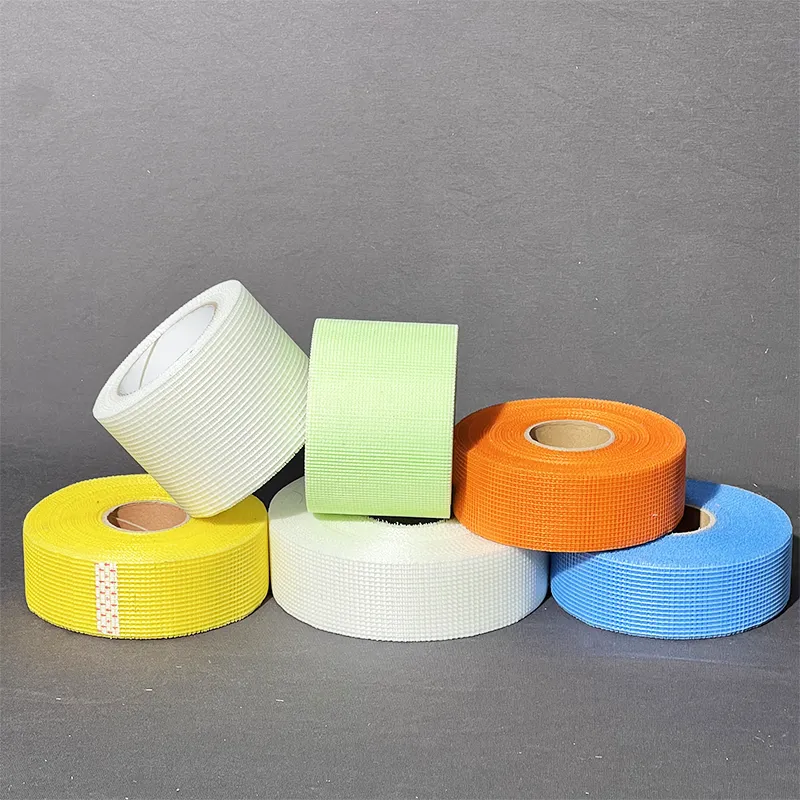
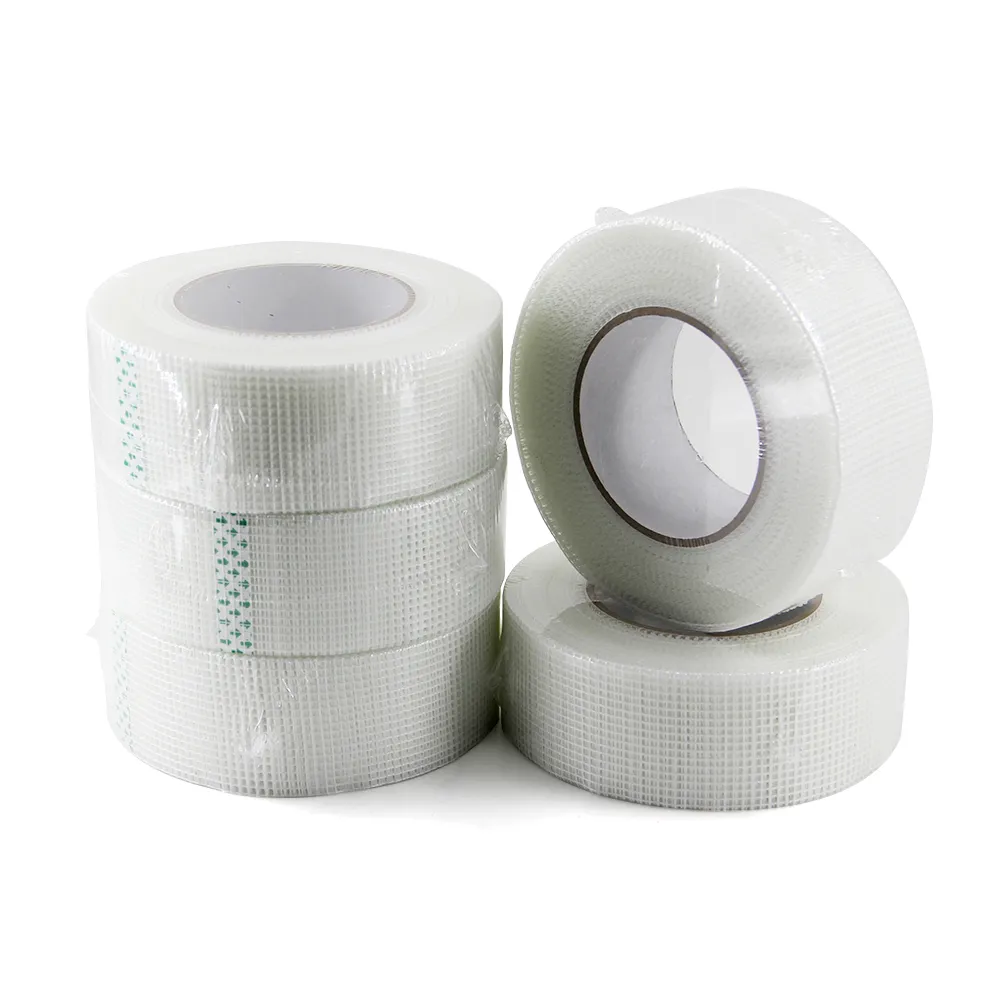
To answer the question, what is fiberglass mesh tape used for, we must first understand its structure. Fiberglass mesh tape is a self-adhesive or non-adhesive reinforcement tape made from woven glass fibers. The fibers are arranged in an open grid pattern and coated with an alkali-resistant resin to withstand cement and gypsum-based compounds.
Unlike traditional paper tape, fiberglass mesh joint tape offers superior tensile strength and crack resistance due to its fiberglass composition. It is widely used in drywall finishing, plaster reinforcement, and exterior stucco systems.
Key Material Characteristics
A high-quality fiber glass joint tape typically offers:
High tensile strength
Alkali resistance
Mold and moisture resistance
Excellent adhesion (for self-adhesive types)
Flexibility and conformability
Lightweight and easy handling
Because it is non-corrosive and dimensionally stable, fiberglass mesh tape maintains its performance even in humid or alkaline environments.
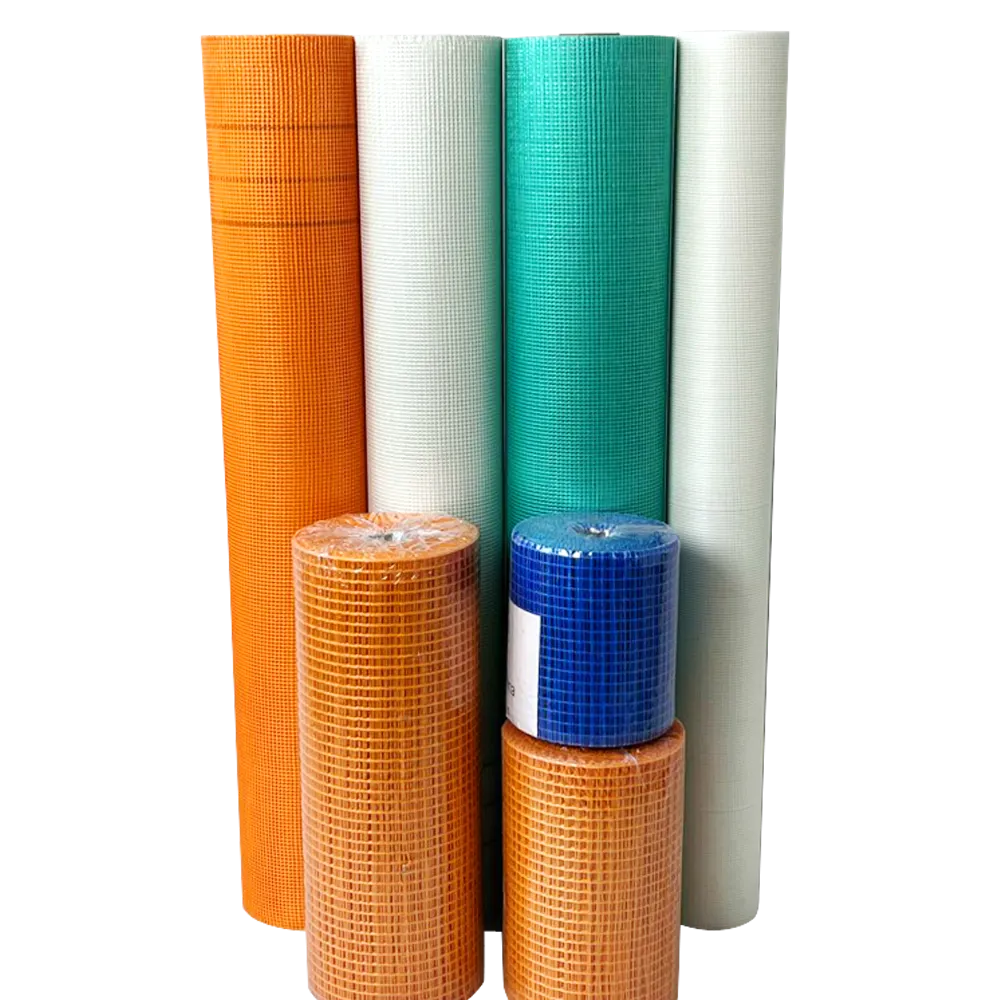
Types of Fiberglass Mesh Tape
Different construction applications require specific types of reinforcement tape:
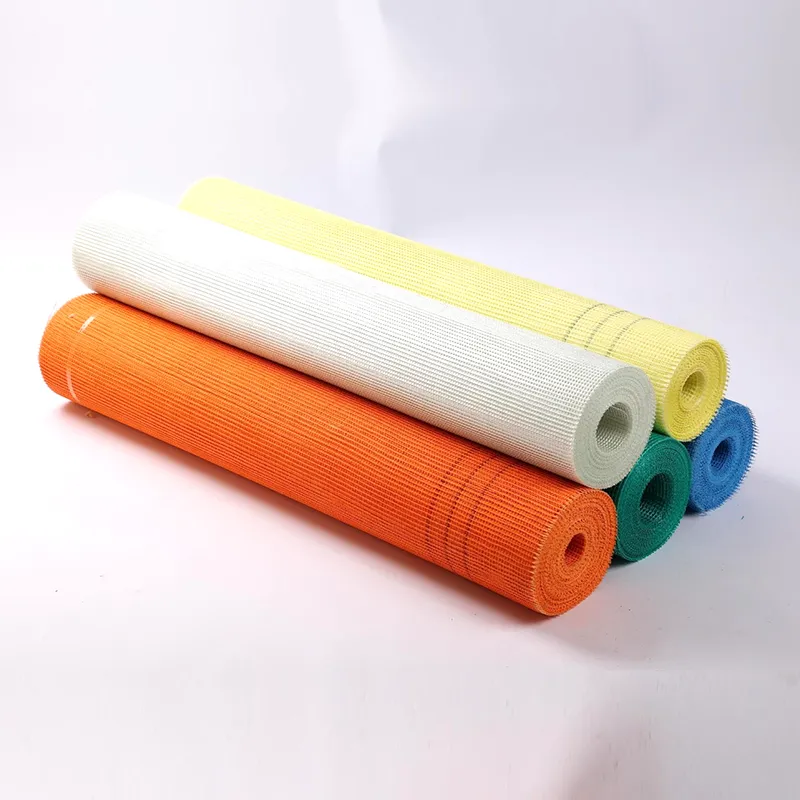
Plasterboard fibreglass joint tape – Designed for drywall seams and gypsum board joints.
Stucco fiberglass mesh tape – Used in exterior render and cement-based systems.
fiberglass Mesh spackle tape – Commonly applied during interior patch repairs and crack filling.
Heavy-duty alkali-resistant tapes – Used in cement board and tile backer board systems.
Each type is engineered to perform under specific environmental and structural conditions.
Primary Applications of Plasterboard Fibreglass Joint Tape
1. Drywall Joint Reinforcement
One of the most common uses of fiberglass mesh joint tape is reinforcing drywall seams. When two sheets of drywall meet, the joint creates a weak point that is susceptible to cracking due to building movement, temperature changes, or settling.
Applying plasterboard fibreglass joint tape over the seam and covering it with joint compound creates a reinforced bond that:
Prevents cracks from forming
Improves structural stability
Creates a smooth finishing surface
Extends the lifespan of the wall
Compared to paper tapefiberglass mesh spackle tape is easier to apply, especially for DIY projects, because many versions are self-adhesive and require less precision during installation.
2. Crack Repair and Wall Patching
When repairing cracks in plaster or drywall, fiberglass mesh spackle tape is frequently used to bridge damaged areas. The open-weave structure allows joint compound to penetrate through the mesh, creating a strong mechanical bond.
For example, if a hairline crack appears in a wall:
The crack is cleaned and slightly widened.
Fiber glass joint tape is applied over the area.
Joint compound is spread over the tape.
The surface is sanded smooth after drying.
This reinforcement prevents the crack from reappearing over time.
3. Ceiling Joint Stabilization
Ceilings experience stress due to gravity and structural movement. Using plasterboard fibreglass joint tape in ceiling joints reduces sagging and cracking, especially in high-humidity environments like kitchens and bathrooms.
Exterior Applications of Stucco fiberglassMesh Tape
Reinforcing Stucco and Cement Render
In exterior wall systems, stucco fiberglass mesh tape plays a crucial role in strengthening cement-based coatings. Stucco surfaces are exposed to:
Temperature fluctuations
Wind pressure
Rain and moisture
UV radiation
Structural movement
Without reinforcement, stucco can crack over time. Embedding fiber glass joint tape into the base coat improves tensile strength and distributes stress evenly across the surface.
Cement Board and Tile Backer Board Applications
When installing cement boards in wet areas such as bathrooms or kitchens, fiberglass mesh joint tape is applied to board seams before waterproofing or tiling. The tape:
Strengthens joints
Prevents water penetration
Minimizes movement between boards
Reduces the risk of tile cracking
Because fiberglass tape is alkali-resistant, it performs well in cement-rich environments.
Impact Resistance Improvement
Exterior wall systems reinforced with stucco fiberglass mesh tape demonstrate improved resistance to impact damage. This is particularly important in commercial buildings, schools, and industrial facilities where walls may be exposed to physical contact.
Advantages of Using fiberglass Mesh Spackle Tape Over Traditional Materials
Superior Crack Resistance
Fiberglass mesh provides higher tensile strength compared to paper-based reinforcement tapes. This makes fiberglass mesh spackle tape more effective in preventing recurring cracks.
Moisture and Mold Resistance
Unlike paper tape, fiber glass joint tape does not absorb moisture. This reduces the risk of mold growth, particularly in humid environments.
Easier Installation
Self-adhesive plasterboard fibreglass joint tape simplifies the application process:
No need to apply compound before placing tape
Reduced risk of bubbling
Faster installation
Ideal for both professionals and DIY users
Greater Durability
Fiberglass does not rot, corrode, or deteriorate easily. This makes stucco fiberglass mesh tape and fiberglass mesh joint tape long-lasting solutions for both interior and exterior applications.
Installation Best Practices for Fiberglass Mesh Tape
Surface Preparation
Before applying any fiberglass tape:
Ensure the surface is clean and dry
Remove dust and debris
Repair loose materials
Confirm structural stability
Proper preparation ensures optimal adhesion and long-term performance.
Applying the Tape
For self-adhesive fiberglass mesh spackle tape:
Apply the tape directly over the joint or crack.
Press firmly to ensure adhesion.
Apply joint compound over the tape.
Feather the compound outward for a smooth finish.
For non-adhesive fiber glass joint tape:
Apply a thin layer of joint compound first.
Embed the tape into the compound.
Smooth out air bubbles.
Apply additional compound layers as needed.
Finishing
After drying:
Sand lightly to achieve a smooth surface.
Apply primer and paint if necessary.
Proper finishing ensures seamless integration with surrounding surfaces.
Comparing Fiberglass Mesh Tape and Paper Tape
Many contractors debate whether to use paper or fiberglass tape. While paper tape provides a smooth finish, plasterboard fibreglass joint tape offers:
Higher strength
Easier application
Better moisture resistance
Reduced risk of cracking
However, for inside corners, paper tape may sometimes provide sharper edges. In many modern construction projects, professionals combine both materials depending on the application.
Industry Standards and Quality Considerations
When selecting stucco fiberglass mesh tape or fiberglass mesh joint tape, consider:
Alkali resistance certification
Tensile strength rating
Adhesive quality
Mesh density
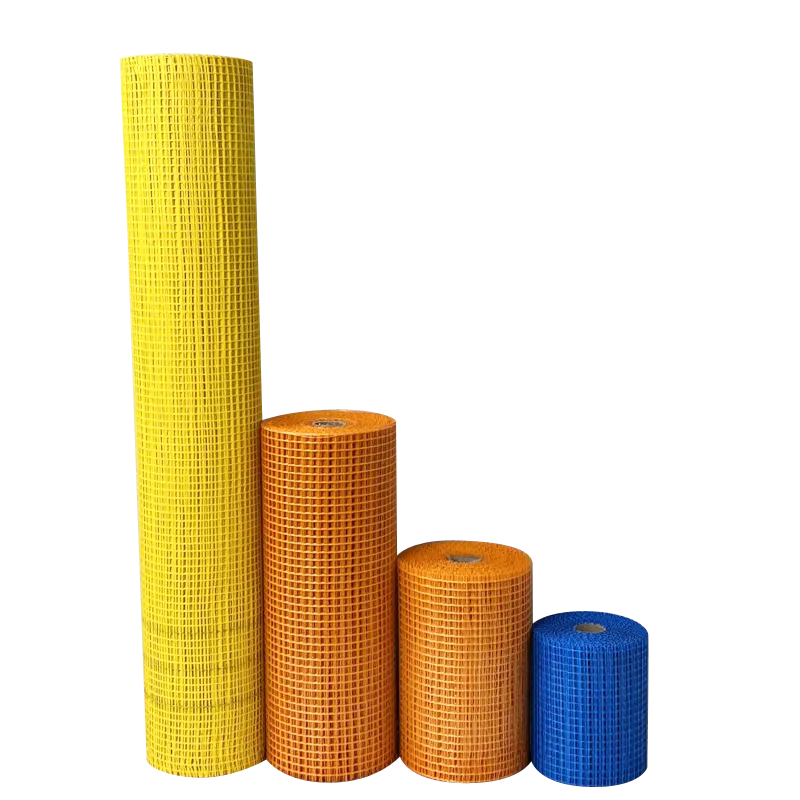
Roll size and width
Using high-quality fiber glass joint tape ensures compliance with building standards and long-term durability.
The Future of Fiberglass Reinforcement in Construction
As building technologies evolve, manufacturers continue improving fiberglass reinforcement products. Advances include:
Stronger polymer coatings
Higher tensile strength fibers
Enhanced flexibility
Eco-friendly production processes
These innovations reinforce the importance of fiberglass mesh spackle tape and related products in sustainable construction systems.
So, what is fiberglass mesh tape used for? It is used to reinforce drywall joints, repair cracks, strengthen stucco systems, stabilize cement board seams, and improve the durability of plaster finishes. Products such as fiber glass joint tape, stucco fiberglass mesh tape, mesh joint tape, fiberglass mesh spackle tape, and plasterboard fibreglass joint tape have become essential tools in both residential and commercial construction.
By enhancing tensile strength, preventing cracks, resisting moisture, and improving long-term performance, fiberglass mesh tape plays a vital role in modern building systems. Whether for interior drywall finishing or exterior stucco reinforcement, this simple yet powerful material ensures smoother surfaces, stronger joints, and longer-lasting structures.
-
Fiberglass Mesh Netting in Modern Plastering Systems: Strength, Stability, and Crack ControlNewsMay.13,2026
-
PVC Corner Bead with Fiberglass Mesh: Strengthening and Protecting Modern Plaster CornersNewsMay.13,2026
-
Alkali Resistant Fiberglass Mesh Tape: Strength and Stability in Cement-Based ConstructionNewsMay.13,2026
-
Fiberglass Mesh for Concrete Reinforcement: Strengthening Modern Cement-Based StructuresNewsMay.13,2026
-
Reinforcing Fiberglass Mesh: Strength, Adhesion, and Structural Performance in Modern ConstructionNewsMay.13,2026
-
Best Fiberglass Mesh Tape for RedGard Product Waterproofing GuideNewsApr.16,2026