Fiberglass sticky mesh – it’s more than just a material, it’s a problem solver. I’ve spent years on sites, seen projects stalled by unexpected cracks, slow patching, and the constant battle against substrate movement. This mesh, frankly, changes the game. It’s a self-adhesive fiberglass mesh that’s rapidly becoming essential for reinforcing everything from EIFS and stucco to tile and concrete repairs. We’re talking quicker application, reduced labor costs, and a more durable finished product. It's not glamorous, but it keeps projects on schedule and within budget – and that’s what everyone wants.
What I appreciate most, seeing it used day in and day out, is its adaptability. One day I'm watching crews use it for a large-scale EIFS project, the next it's being applied for smaller crack repairs on a concrete foundation. The self-adhesive backing means no messy mortars to mix, no waiting for things to cure before you can continue. It adheres strongly, distributing stress and preventing future cracking. The demand is growing because it genuinely addresses the frustrations we face on site every day.
I've seen a lot of products come and go, promising miracles. Fiberglass sticky mesh isn’t about miracles, it’s about smart engineering and practical application. It's a reliable tool that, when used correctly, significantly improves the longevity and performance of building envelope systems. It's a subtle but incredibly impactful addition to the contractor's toolbox.
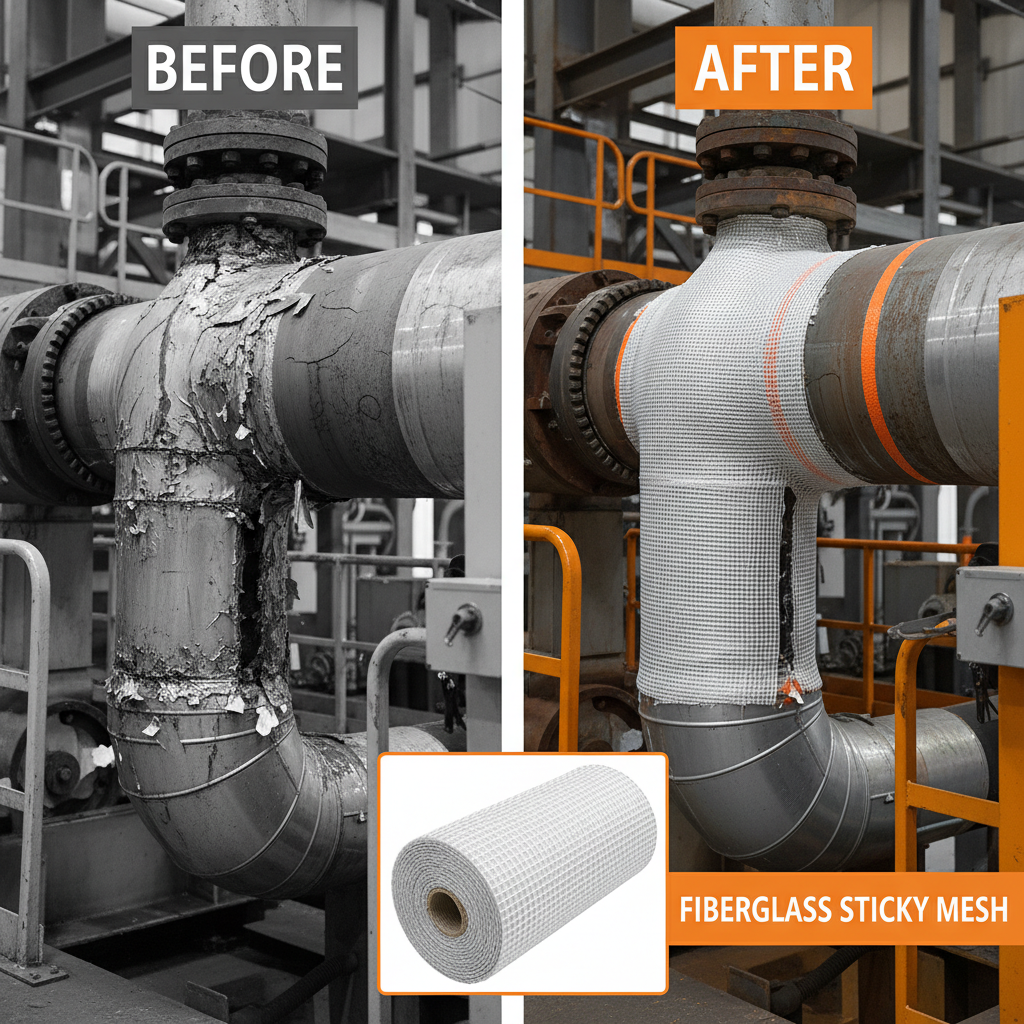
The Practical Advantages of fiberglass sticky mesh
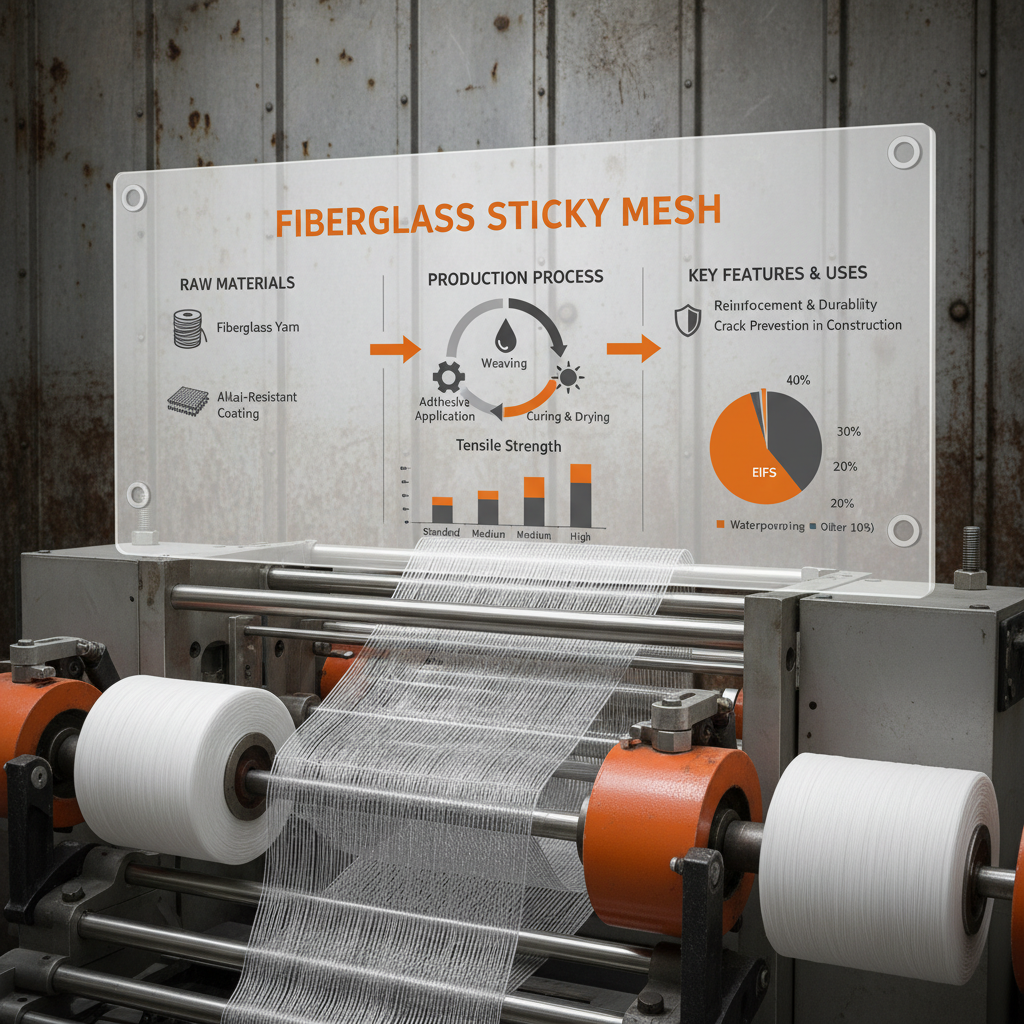
Look, I’ve used a lot of reinforcement materials in my time, and the biggest headache is always application. Mortars that need precise mixing, curing times that throw schedules off… fiberglass sticky mesh cuts through all that. Its self-adhesive backing means you can apply it quickly and efficiently, saving valuable labor hours. It’s particularly useful in retrofit projects where minimizing disruption is key.
What’s also great is its ability to conform to irregular surfaces. Concrete isn’t perfect, and surfaces rarely are. This mesh adapts, providing consistent reinforcement where it’s needed most. I've seen it used successfully on everything from curved walls to awkwardly shaped columns. That flexibility is a massive advantage on site.
FAQS
The primary difference is the adhesive backing. Fiberglass tape requires a separate adhesive like mortar, adding time and complexity to the application. Sticky mesh is self-adhesive, simplifying the process significantly. It’s also often woven tighter, providing better tensile strength and crack-bridging capability. From my experience, it cuts application time nearly in half.
Absolutely. The fiberglass material itself is incredibly durable and resistant to moisture, UV exposure, and temperature fluctuations. The adhesive is also formulated to withstand outdoor conditions. We’ve seen it perform exceptionally well in coastal regions and areas with extreme climates, provided it's applied correctly to a clean, dry surface.
Proper surface preparation is crucial for optimal adhesion. The surface needs to be clean, dry, and free of loose particles, dust, and grease. If there’s existing paint or coatings, they should be removed or roughened up to create a better bonding surface. A primer may be recommended for certain substrates to further enhance adhesion.
Generally, yes, but it’s always best to check with the system manufacturer’s guidelines. Most modern stucco and EIFS systems are compatible with fiberglass sticky mesh. However, some older systems might require specific types of reinforcement. Always confirm compatibility to ensure a successful application and maintain warranty validity.
Use a sharp utility knife or scissors to cut the mesh to size. Avoid stretching the mesh during application, as this can compromise its strength. Apply firm, even pressure to ensure a strong bond with the substrate. Overlap edges slightly to create a continuous reinforcement layer. A simple roller can help ensure full contact.
Fiberglass sticky mesh typically outperforms traditional wire mesh in crack resistance due to its superior tensile strength and ability to distribute stress more effectively. Wire mesh can corrode over time, especially in moist environments, losing its strength. Fiberglass is non-corrosive and maintains its integrity for decades. The adhesive backing also contributes to better crack bridging.
Conclusion
Fiberglass sticky mesh isn’t a flashy new technology, but it’s a remarkably effective solution to common construction challenges. It’s about simplifying processes, improving durability, and ultimately, building better, longer-lasting structures. From small repairs to large-scale projects, it provides a reliable and cost-effective reinforcement solution.
Looking ahead, I expect to see continued innovation in this space, with advancements in materials science and application techniques. Contractors who embrace this technology will gain a competitive edge, delivering higher-quality projects more efficiently. For more information and to explore how fiberglass sticky mesh can benefit your next project, visit our website: fiberglass sticky mesh.
Related Posts
-
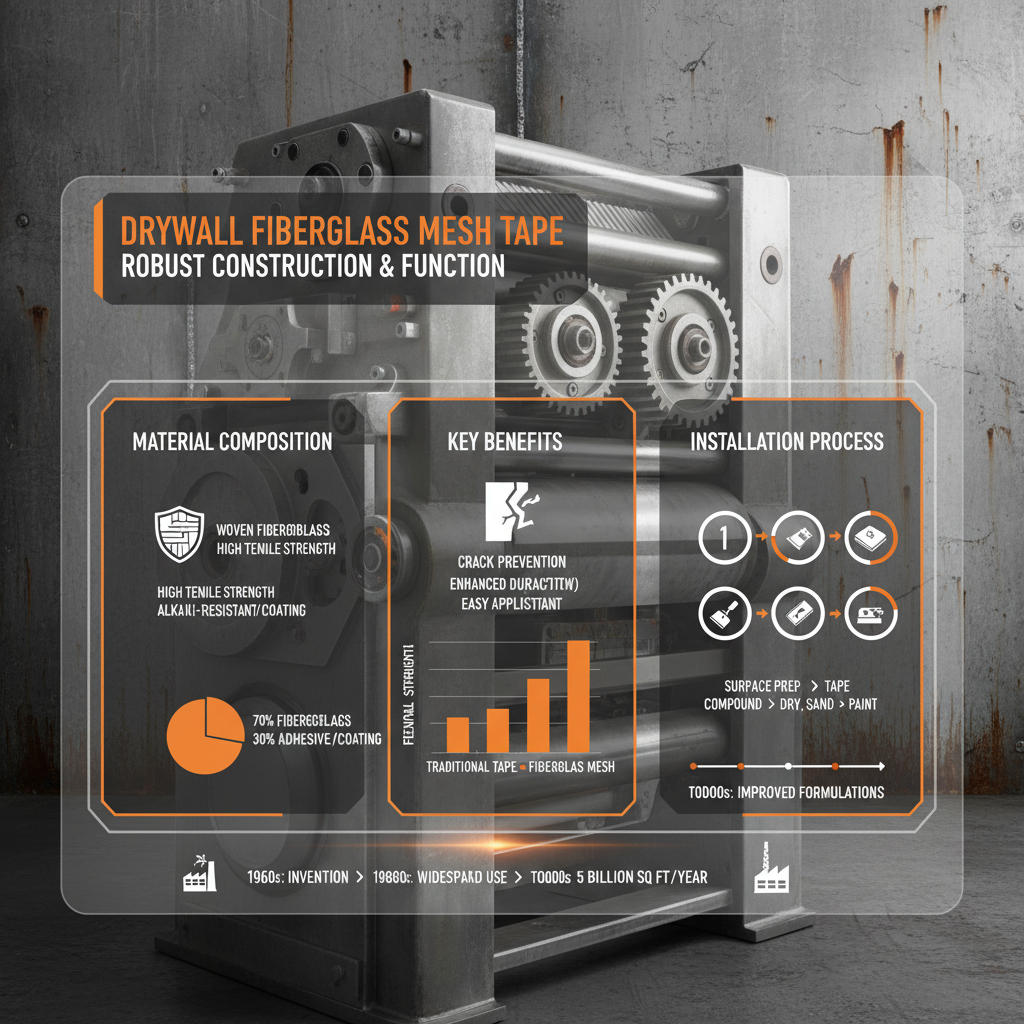
Elevating Construction with Fiberglass Mesh Solutions for a Stronger Future
-
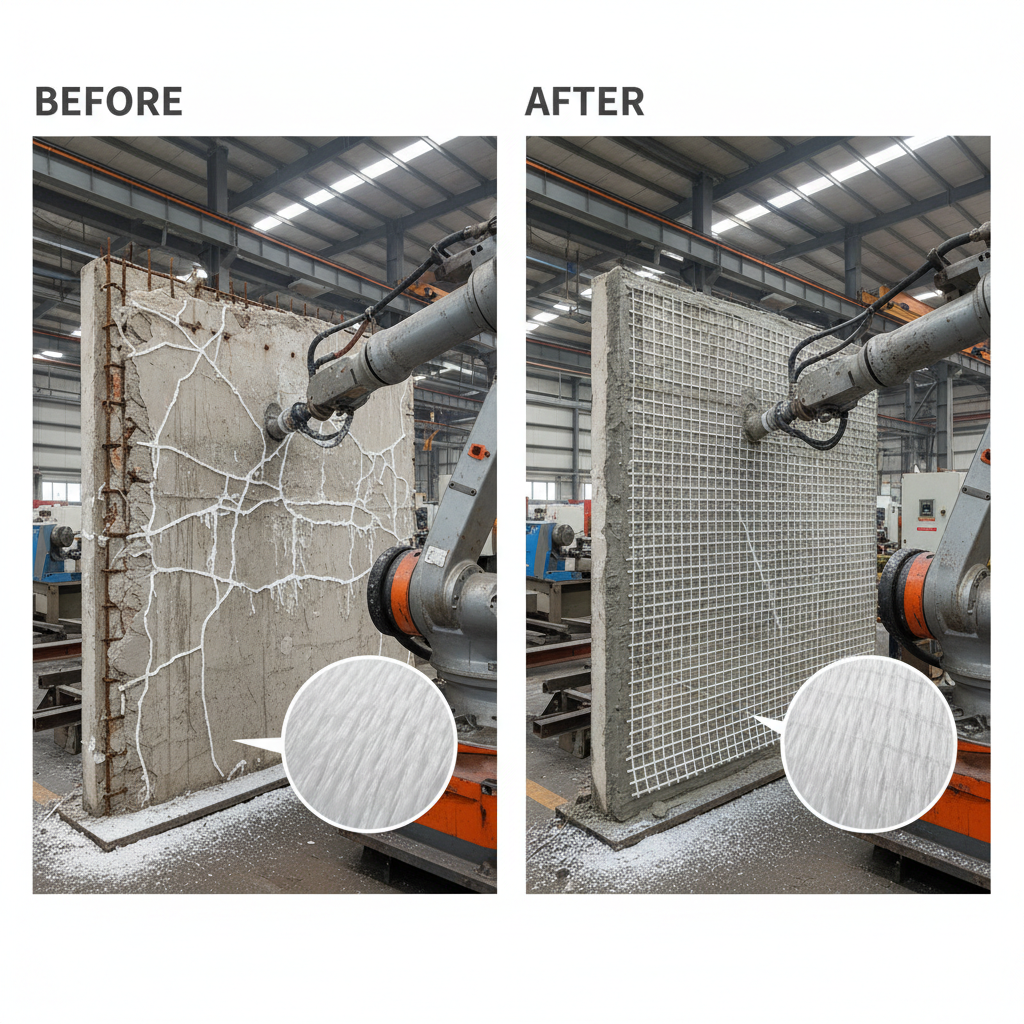
Advancements in White Fiberglass Mesh for Modern Construction Applications
-
The Essential Role of Fiberglass Drywall Mesh in Modern Construction Projects
-
Enhancing Building Durability with Fiberglass Mesh for Stucco Applications