Selecting a reliable factory fiberglass mesh rolls manufacturer involves more than comparing price lists; it requires an understanding of how yarn quality and weaving precision impact long-term structural integrity. In the high-stakes environment of industrial construction, the difference between a standard mesh and a high-performance reinforcement roll often determines the lifespan of the entire facade or interior wall system.
Modern architectural standards now demand materials that offer a precise balance of tensile strength, chemical resistance, and flexibility. Whether applied in EIFS (Exterior Insulation and Finish Systems) or interior drywall joint reinforcement, the underlying fiberglass architecture must resist alkaline environments while maintaining a bond that prevents cracking under thermal stress.
This guide analyzes the critical procurement benchmarks for industrial fiberglass mesh, exploring the technical nuances of production and how to evaluate a manufacturer's capacity to deliver consistent, large-scale rolls that meet international certification standards.

Industrial Benchmarks for Fiberglass Mesh Production

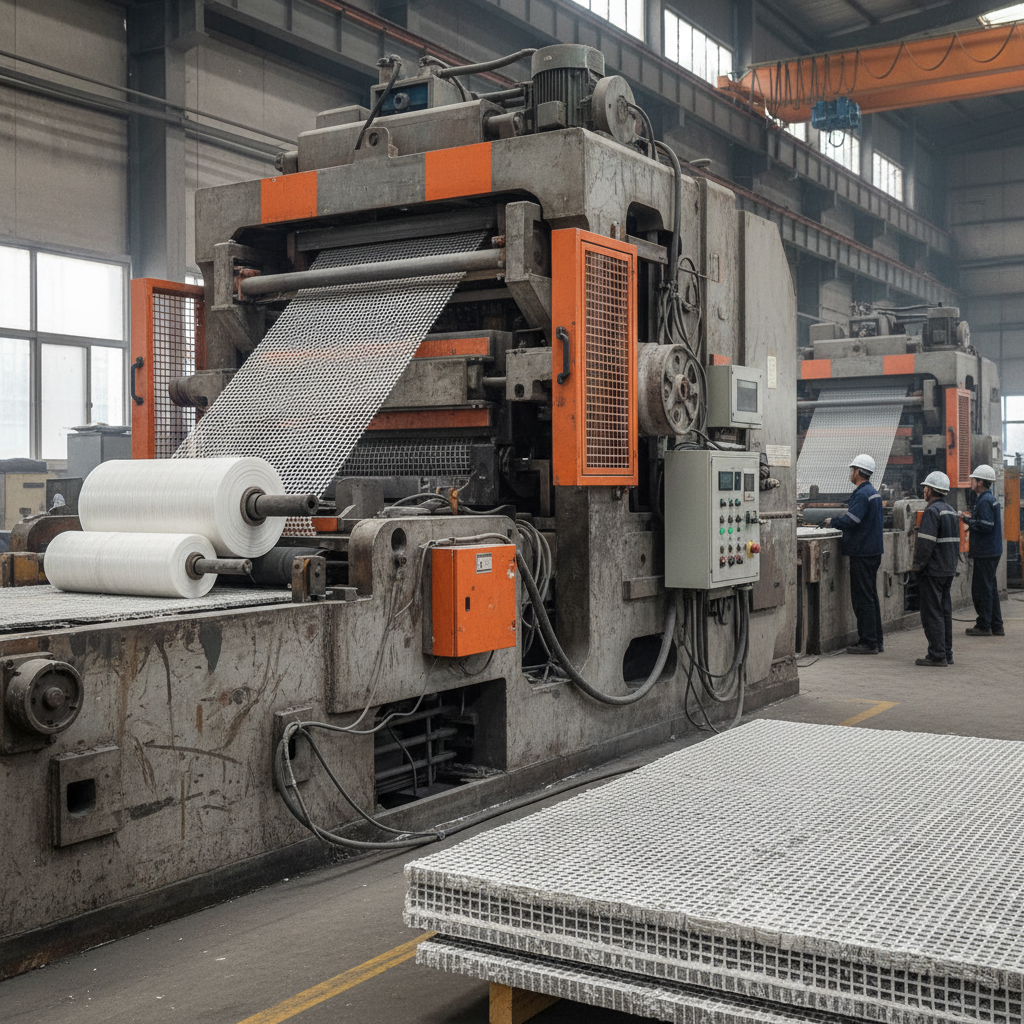
The production of fiberglass mesh is a sophisticated process within the non-metallic mineral products industry, requiring tight control over the yarn extrusion and weaving phases. A professional factory must integrate research, development, and production to ensure that the resulting mesh rolls provide uniform weight and pore size across thousands of square meters.
At the core of high-quality manufacturing is the capability to produce fiberglass yarn in-house, which allows for precise adjustment of the glass composition to enhance alkali resistance. When the weaving workshop is equipped with advanced production lines, the resulting mesh exhibits superior dimensional stability, which is essential for preventing shrinkage or warping during the application of cementitious coatings.
For large-scale operations, such as those spanning 20,000 square meters of production space, the ability to maintain a consistent annual output while adhering to CE certifications is a key indicator of reliability. This scale ensures that global distributors and contractors can secure steady supplies without compromising on technical specifications.
Technical Value of High-Density Reinforcement Rolls
The primary technical value of industrial fiberglass mesh lies in its ability to distribute stress across a surface, effectively neutralizing the forces that lead to cracking in gypsum boards or external insulation. High-density rolls are engineered to provide high mechanical strength without adding excessive bulk to the wall system.
Key characteristics include heat resistance and corrosion resistance, which allow the mesh to remain stable even when embedded in chemically aggressive alkaline cement. The use of specialized coatings on the fiberglass yarn ensures that the material does not degrade over time, maintaining the bond between the reinforcement and the surrounding matrix.
Furthermore, the availability of various weights—ranging from 45g to 160g per square meter—allows engineers to tailor the reinforcement level to the specific load requirements of the project, whether it is a light interior partition or a heavy-duty external wall reinforcement.
Critical Application Scenarios in Modern Construction
Fiberglass mesh rolls are versatile components utilized across various structural applications. In wall reinforcement, they are indispensable for GRC (Glass Fiber Reinforced Concrete) wallboards and EPS internal wall insulation boards, where they prevent the fragile foam or cement layers from cracking under movement.
Beyond standard walling, these materials are critical for enhancing cement products like Roman pillars and flues, providing a skeletal structure that prevents longitudinal splitting. In the decorative sector, they serve as an essential backing net for granite, mosaic, and marble, ensuring that thin stone slices remain securely attached to the substrate during installation.
Additional specialized applications include the reinforcement of waterproof membranes and asphalt roof waterproofing, where the mesh prevents the membrane from tearing under thermal expansion and contraction. Even in industrial tooling, fiberglass mesh is utilized as a bottom cloth for grinding wheels, demonstrating its wide-ranging mechanical utility.
Analyzing Mechanical Performance and Material Stability
Evaluating the performance of fiberglass mesh requires a look at its interaction with the binding agent. A high-quality roll ensures an optimal "open area" ratio, allowing the joint compound or cement to flow through the mesh and lock it into place, creating a composite structure with significantly higher tensile strength than the base material alone.
When comparing generic mesh to rolls from a specialized manufacturer, the most noticeable differences appear in the uniformity of the weave and the resistance to alkaline degradation. Stability tests typically measure the percentage of strength retained after prolonged exposure to high-pH environments.
factory fiberglass mesh rolls manufacturer Performance Metrics
The data indicates that integrated production—where yarn is manufactured in the same facility as the weaving—results in higher consistency. This integration reduces the risk of material contamination and allows for tighter quality control over the chemical sizing of the fibers, which directly impacts the bond strength.
Strategic Procurement and Supplier Evaluation Framework
For procurement officers, the primary challenge is distinguishing between superficial quality and true structural performance. A critical first step is verifying the manufacturer's production capacity; a facility with multiple dedicated yarn production lines is far more likely to maintain stability during large-volume orders than a trading company.
Evaluation should focus on the "Delivery and Service" cycle. A manufacturer capable of providing samples from stock and offering a 7-10 day production lead time indicates a streamlined supply chain. Furthermore, the ability to customize widths and lengths suggests a flexible production setup that can accommodate specific project constraints.
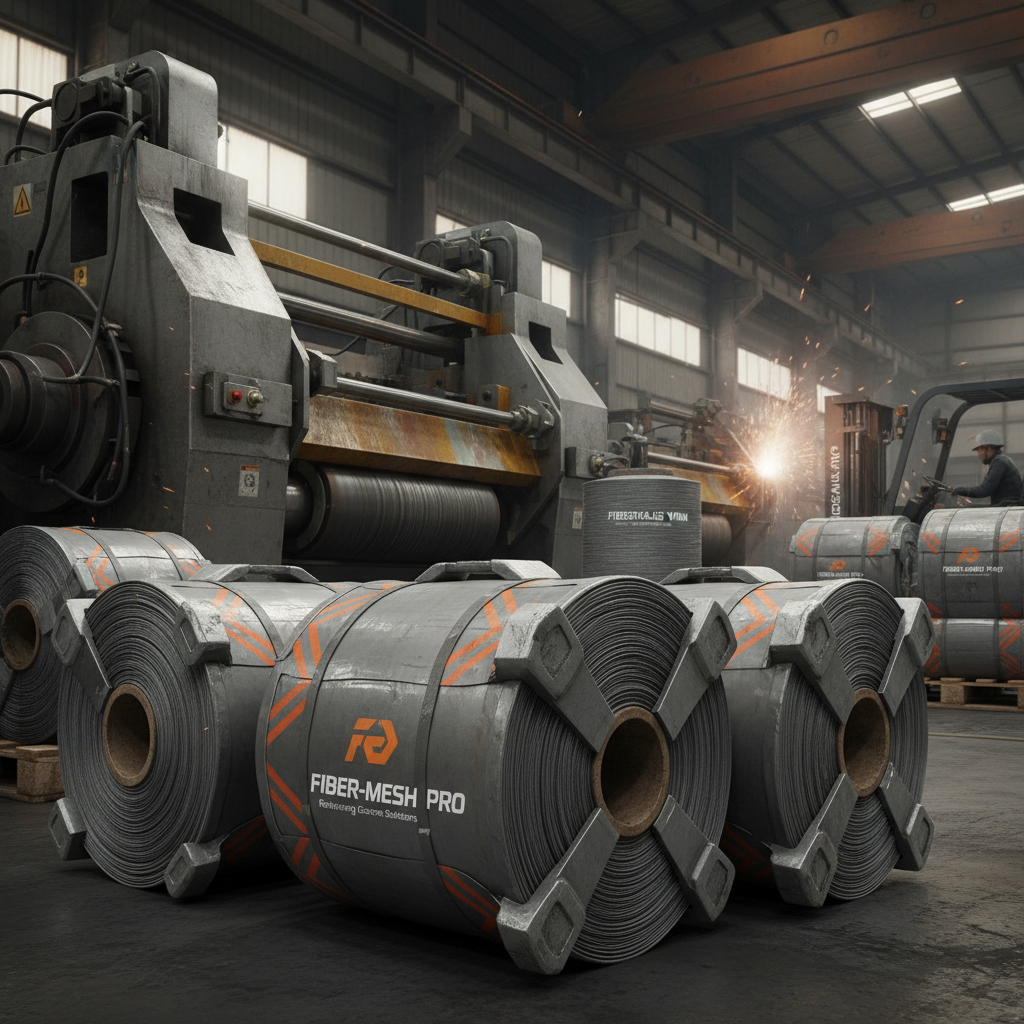
Packaging is often overlooked but is vital for maintaining quality during international transit. Standard corrugated box packaging with polyethylene inner wraps protects the mesh from moisture and abrasion, ensuring that the rolls arrive in a condition that allows for efficient, automated unloading and application on site.
Future Trends in Non-Metallic Mineral Reinforcements
The fiberglass mesh industry is likely to shift toward more sustainable and specialized coatings. There is an increasing demand for mesh that can integrate with bio-based cements or low-carbon mortars, requiring a shift in the chemical sizing used on the fiberglass yarns to maintain bond strength.
Automation in the application process may also drive the development of rolls with integrated markers or specialized adhesive backings. Self-adhesive mesh tapes are already simplifying the drywall process, and this trend toward "ready-to-use" reinforcement is expected to expand into larger roll formats for external wall systems.
Additionally, as construction moves toward more modular and prefabricated components, the demand for pre-integrated mesh—such as corner beads with fiberglass mesh—is likely to grow. This reduces on-site labor and ensures that critical stress points are reinforced according to factory-controlled standards.
Comparing Mesh Specifications for Optimal Project Selection
Choosing the correct mesh requires matching the material weight and type to the intended application. For example, a lightweight 45g mesh is suitable for interior gypsum joints, whereas a heavy-duty 160g mesh is necessary for external EIFS where high impact resistance is required.
The following table provides a technical comparison of common fiberglass mesh configurations to assist in the selection process based on project requirements.
| Mesh Type | Weight Range | Primary Application | Key Performance Factor |
|---|---|---|---|
| Standard Wall Mesh | 45g - 90g/m² | Drywall / Internal Walls | Flexibility & Bond |
| Heavy Duty Mesh | 110g - 160g/m² | External Facades / EIFS | Tensile Strength |
| Self-Adhesive Tape | Custom Weight | Joint Reinforcement | Application Speed |
| Stone Backing Net | Custom Weight | Marble / Mosaic Backing | Adhesion Stability |
| Waterproof Cloth | Custom Weight | Asphalt Roofing | Tear Resistance |
| Industrial Mesh | Variable | Grinding Wheel Base | Heat Resistance |
Regardless of the chosen specification, ensuring the material is sourced from a factory that controls the entire process—from yarn to roll—guarantees that the performance characteristics remain consistent across the entire project area. Readers evaluating these options can review detailed product data via www.tainuofiberglassmesh.com.
Frequently Asked Questions
Conclusion
The integrity of a modern construction project relies heavily on the invisible reinforcements that prevent structural failure. By partnering with a specialized factory fiberglass mesh rolls manufacturer, procurement teams can ensure that every square meter of material provides the necessary tensile strength and alkali resistance to protect the investment.
Ultimately, the selection process should balance technical specifications, production capacity, and service reliability. For those seeking professional-grade fiberglass mesh, tapes, or yarn, exploring the integrated production capabilities at www.tainuofiberglassmesh.com can provide the technical foundation needed for successful project implementation.