Fiberglass reinforcing mesh concrete is rapidly becoming a cornerstone material in modern construction, offering a unique blend of strength, durability, and cost-effectiveness. Its applications span a wide spectrum, from reinforcing concrete structures to creating innovative pre-fabricated building components. Understanding its properties and potential is crucial for engineers, architects, and construction professionals seeking sustainable and resilient building solutions. The increased adoption of this technology addresses global challenges in infrastructure development and disaster relief.
Globally, the demand for sustainable and long-lasting construction materials is soaring, driven by population growth, urbanization, and increasing awareness of environmental impact. Fiberglass reinforcing mesh concrete directly addresses this need by providing a lighter, more corrosion-resistant alternative to traditional steel reinforcement. The market is projected to see significant growth in the coming years, particularly in regions experiencing rapid infrastructure development and a high risk of natural disasters, bolstering both economic progress and community safety.
This innovative material is not just about building stronger structures; it’s about building a more sustainable future. Its reduced carbon footprint, coupled with its superior performance characteristics, positions fiberglass reinforcing mesh concrete as a critical component in the evolution of the construction industry, offering a pathway towards more resilient and environmentally responsible infrastructure.
Introduction to fiberglass reinforcing mesh concrete
Fiberglass reinforcing mesh concrete offers a compelling alternative to traditional steel reinforcement, addressing many of the limitations associated with steel, such as corrosion and weight. The material is composed of fiberglass fibers embedded in a concrete matrix, creating a composite material with exceptional tensile strength and durability. This makes it ideal for a wide range of applications, especially in environments prone to corrosion or seismic activity. fiberglass reinforcing mesh concrete is proving instrumental in lengthening structural lifespans.
The application of fiberglass reinforcing mesh concrete is expanding rapidly, driven by advancements in materials science and manufacturing techniques. This isn't simply about replacing existing materials; it's about creating new possibilities in construction, allowing for more complex geometries, lighter structures, and increased design flexibility. The inherent properties of the material contribute to reduced maintenance costs and increased overall project longevity.
Global Relevance and Industry Context
The global construction industry is a massive economic driver, contributing trillions of dollars to the world economy annually. However, it also faces significant challenges, including the need for more sustainable materials, reduced construction costs, and improved resilience to natural disasters. Fiberglass reinforcing mesh concrete directly addresses these concerns by providing a lighter-weight, more durable, and corrosion-resistant alternative to traditional steel reinforcement. According to a report by the World Bank, infrastructure investment in developing countries is projected to reach \$1.5 trillion per year by 2030, creating a massive demand for innovative construction materials.
The ISO standards organization recognizes the importance of high-quality construction materials and sets benchmarks for performance and safety. Fiberglass reinforcing mesh concrete, when manufactured to meet these standards, ensures reliable performance and long-term structural integrity. The increasing adoption of building information modeling (BIM) and other digital technologies is also driving the demand for materials like fiberglass reinforcing mesh concrete, which can be easily integrated into digital workflows and optimized for specific project requirements.
A significant challenge facing the industry is the degradation of concrete structures due to steel corrosion, particularly in coastal environments and areas with high levels of chloride exposure. This corrosion leads to costly repairs and, in some cases, structural failure. Fiberglass reinforcing mesh concrete eliminates this problem, offering a long-term solution that reduces maintenance costs and extends the lifespan of concrete structures. Its resistance to chemical attack also makes it a valuable material in industrial applications.
Defining fiberglass reinforcing mesh concrete
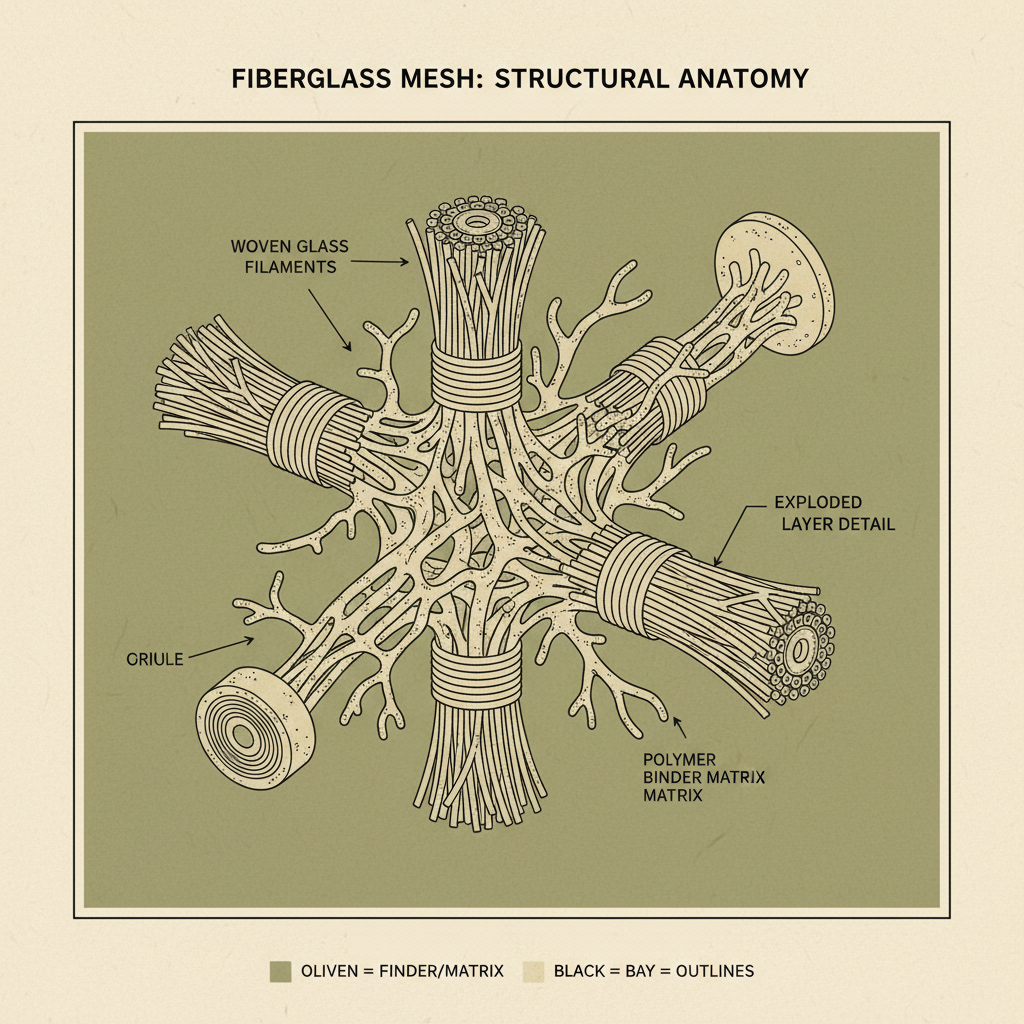
Fiberglass reinforcing mesh concrete, at its core, is a composite material consisting of a concrete matrix reinforced with a network of fiberglass fibers. Unlike traditional steel reinforcement, fiberglass does not corrode, making it exceptionally well-suited for applications in harsh environments. The fiberglass mesh is strategically embedded within the concrete to provide tensile strength and control cracking, enhancing the overall structural performance. fiberglass reinforcing mesh concrete is used widely as a modern replacement.
This material directly addresses critical needs in modern infrastructure. It's particularly relevant in regions prone to seismic activity, where its lightweight properties and flexibility can significantly reduce structural damage. Furthermore, it plays a vital role in humanitarian efforts, offering a fast and efficient solution for building shelters and infrastructure in disaster-stricken areas. It's a response to the need for durable, readily deployable solutions in emergency situations.
The use of fiberglass reinforcing mesh concrete is an evolution of concrete technology, moving beyond the limitations of traditional steel reinforcement. Its inherent properties, such as high tensile strength-to-weight ratio and excellent resistance to chemical attack, are driving its adoption in a growing number of applications, from residential construction to large-scale infrastructure projects. This material represents a paradigm shift toward more sustainable and resilient building practices.
Core Components and Key Factors
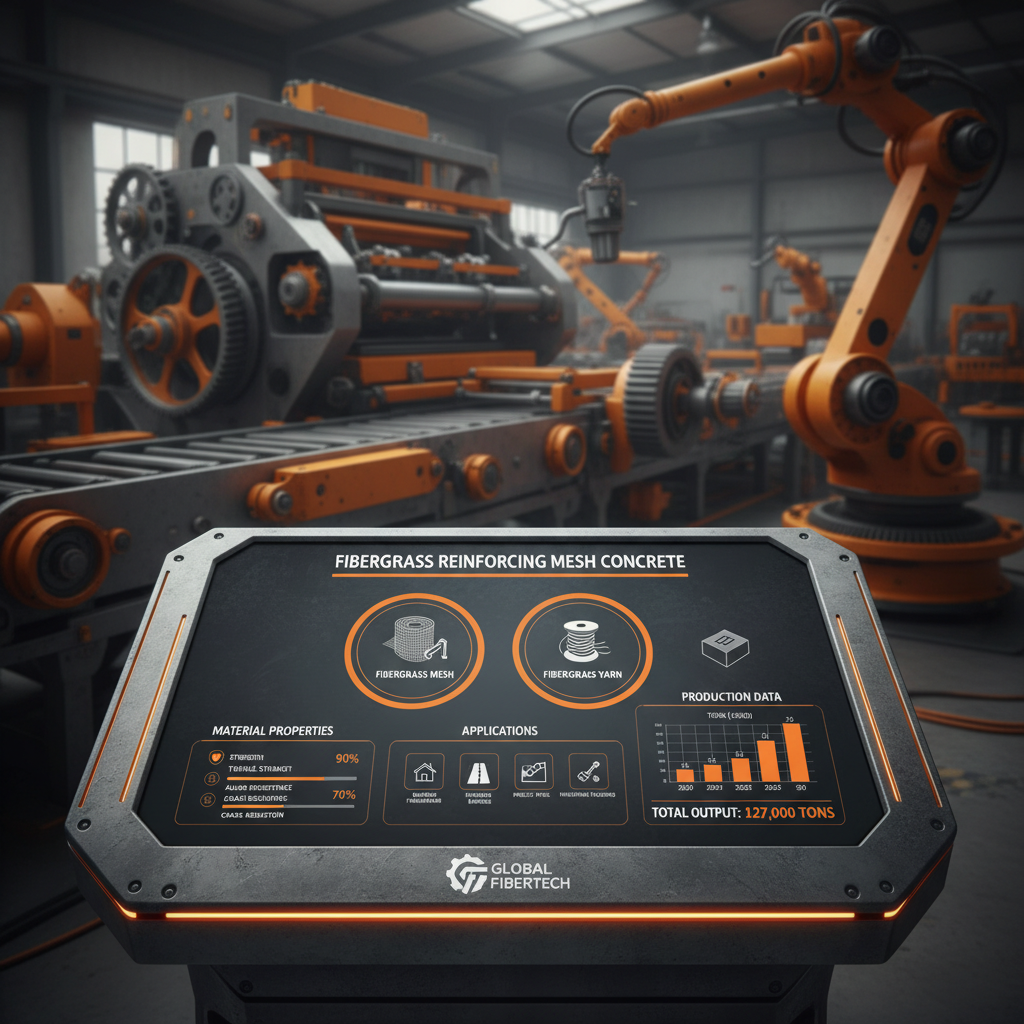
Several key factors contribute to the exceptional performance of fiberglass reinforcing mesh concrete. First, the high tensile strength of the fiberglass fibers allows the concrete to withstand significant tensile stresses, preventing cracking and improving overall durability. Secondly, its corrosion resistance eliminates the risk of deterioration caused by exposure to chlorides, sulfates, or other corrosive substances.
Another critical factor is weight reduction. Fiberglass reinforcing mesh is significantly lighter than steel, reducing the overall weight of the concrete structure and simplifying construction processes. Finally, the alkali resistance of the fiberglass fibers ensures long-term compatibility with the concrete matrix, preventing degradation and maintaining structural integrity over time. These features make it an ideal material for long-lasting construction projects.
Fiberglass Reinforcing Mesh Concrete Performance Comparison
Global Applications and Use Cases
Fiberglass reinforcing mesh concrete is finding increasing use in a diverse range of applications worldwide. In post-disaster relief operations, it’s employed to build rapid-deployment shelters and essential infrastructure, offering a quick and durable solution for communities in need. In remote industrial zones, its corrosion resistance makes it ideal for constructing storage tanks, pipelines, and other critical facilities. fiberglass reinforcing mesh concrete supports faster turnaround times in disaster relief.
Furthermore, the material is gaining traction in marine construction, where its resistance to saltwater corrosion is invaluable for building docks, piers, and seawalls. The transportation sector is also benefiting from its use in bridge decks and highway overpasses, enhancing durability and reducing maintenance requirements. Several European countries are actively incorporating fiberglass reinforcing mesh concrete into road repair projects, demonstrating its viability as a long-term solution.
In areas with high seismic activity, like Japan and Chile, fiberglass reinforcing mesh concrete is utilized to enhance the ductility and resilience of buildings and infrastructure, minimizing damage during earthquakes. Its lightweight properties also contribute to reduced structural loads, making it an attractive option for high-rise construction. The versatility of this material is driving innovation in the construction industry across the globe.
Advantages and Long-Term Value
The advantages of fiberglass reinforcing mesh concrete extend beyond its technical properties. Cost efficiency is a key benefit, as it can reduce labor costs due to its lighter weight and easier handling. Sustainability is another major advantage, with a reduced carbon footprint compared to steel reinforcement and a longer lifespan, minimizing the need for replacements. These factors translate into significant long-term economic savings for project owners.
Moreover, the inherent safety features of fiberglass, such as its non-conductivity and non-magnetism, contribute to a safer working environment for construction crews. The reliability of the material, coupled with its resistance to corrosion and degradation, provides peace of mind for building owners and stakeholders, ensuring the long-term integrity of their investments. It also builds trust and promotes innovative approaches to construction.
Future Trends and Innovations
Looking ahead, several exciting trends are shaping the future of fiberglass reinforcing mesh concrete. Ongoing research and development are focused on enhancing the properties of the fiberglass fibers themselves, increasing their strength and durability. The integration of nanotechnology and advanced polymer chemistry is also promising to unlock new levels of performance and functionality.
The application of digital technologies, such as 3D printing and robotic construction, is poised to revolutionize the way fiberglass reinforcing mesh concrete structures are built. Automation will streamline the manufacturing process, reducing costs and improving quality control. Furthermore, the increasing emphasis on green building practices and circular economy principles will drive the demand for sustainable materials like fiberglass reinforcing mesh concrete.
The convergence of these trends will lead to the development of smarter, more resilient, and more sustainable infrastructure, contributing to a brighter future for generations to come. The widespread adoption of fiberglass reinforcing mesh concrete will play a crucial role in achieving these goals, fostering innovation and promoting responsible construction practices.
FAQS
Fiberglass reinforcing mesh concrete offers several key advantages over steel, primarily its exceptional corrosion resistance, which significantly extends the lifespan of structures in harsh environments. It's also lighter, reducing construction costs and simplifying installation. Furthermore, fiberglass is non-conductive and non-magnetic, enhancing safety and reducing interference with sensitive equipment. The reduced weight also translates to lower transportation costs.
Yes, fiberglass reinforcing mesh concrete is particularly well-suited for seismic zones. Its lightweight properties and inherent flexibility help to absorb energy during earthquakes, reducing structural damage. The material’s high tensile strength also contributes to its ability to withstand the stresses induced by seismic activity. Numerous studies have demonstrated its effectiveness in enhancing the resilience of buildings and infrastructure in earthquake-prone regions.
Due to its exceptional corrosion resistance, structures reinforced with fiberglass reinforcing mesh concrete typically have a significantly longer lifespan than those reinforced with steel. While the lifespan can vary depending on environmental factors and construction quality, it is generally estimated to be 75-100 years or more, often exceeding the lifespan of traditional reinforced concrete structures. This translates to substantial long-term cost savings.
The initial material cost of fiberglass reinforcing mesh can sometimes be higher than steel. However, when considering the total lifecycle cost, fiberglass reinforcing mesh concrete often proves to be more economical. Factors such as reduced maintenance, longer lifespan, lower labor costs (due to its lighter weight), and minimized repair expenses contribute to significant long-term savings. A comprehensive cost-benefit analysis is recommended.
Yes, fiberglass reinforcing mesh concrete is considered a more environmentally friendly option compared to steel reinforcement. Its manufacturing process generally requires less energy, and its longer lifespan reduces the need for frequent replacements, minimizing waste. The corrosion resistance also eliminates the risk of harmful byproducts leaching into the environment. Additionally, its lightweight properties reduce transportation emissions.
Most standard concrete mixtures are compatible with fiberglass reinforcing mesh concrete. However, it's essential to use concrete with a low alkali content to ensure long-term compatibility and prevent degradation of the fiberglass fibers. High-performance concrete mixtures with optimized workability and durability are also recommended. Proper concrete mix design and quality control are crucial for achieving optimal performance.
Conclusion
Fiberglass reinforcing mesh concrete represents a transformative advancement in construction materials, offering a compelling combination of strength, durability, sustainability, and cost-effectiveness. Its ability to address critical challenges in infrastructure development, disaster relief, and environmental protection positions it as a key component in building a more resilient and sustainable future. The advantages extend beyond technical specifications, encompassing reduced maintenance, increased safety, and long-term economic benefits.
As research and innovation continue to drive advancements in materials science and construction technology, the potential applications of fiberglass reinforcing mesh concrete will only expand. Embracing this material is not simply about adopting a new product; it's about embracing a new paradigm in construction – one that prioritizes sustainability, resilience, and long-term value. Visit our website at www.tainuofiberglassmesh.com to learn more about how fiberglass reinforcing mesh concrete can benefit your next project.