Fiberglass mesh tape is a critical component in modern construction and repair, offering a versatile and durable solution for reinforcing joints and surfaces. Its widespread adoption stems from its exceptional strength-to-weight ratio, resistance to cracking, and ease of application. Understanding the nuances of fiberglass mesh tape – from its composition to its various applications – is becoming increasingly important as industries seek more reliable and cost-effective building materials.
Globally, the demand for fiberglass mesh tape is driven by booming construction sectors, particularly in emerging economies. The increasing emphasis on sustainable building practices further fuels its growth, as it provides a longer-lasting and more environmentally friendly alternative to traditional metal tapes. Data from the World Bank indicates a consistent rise in construction spending across developing nations, directly impacting the demand for reinforcing materials like fiberglass mesh tape.
The rise in frequency and intensity of natural disasters worldwide also contributes to the importance of this material. Its rapid deployment capabilities and ability to enhance structural integrity make it invaluable in emergency repairs and disaster relief efforts, offering a vital resource when time and resources are limited.
The Core Principles of fiberglass mesh tape
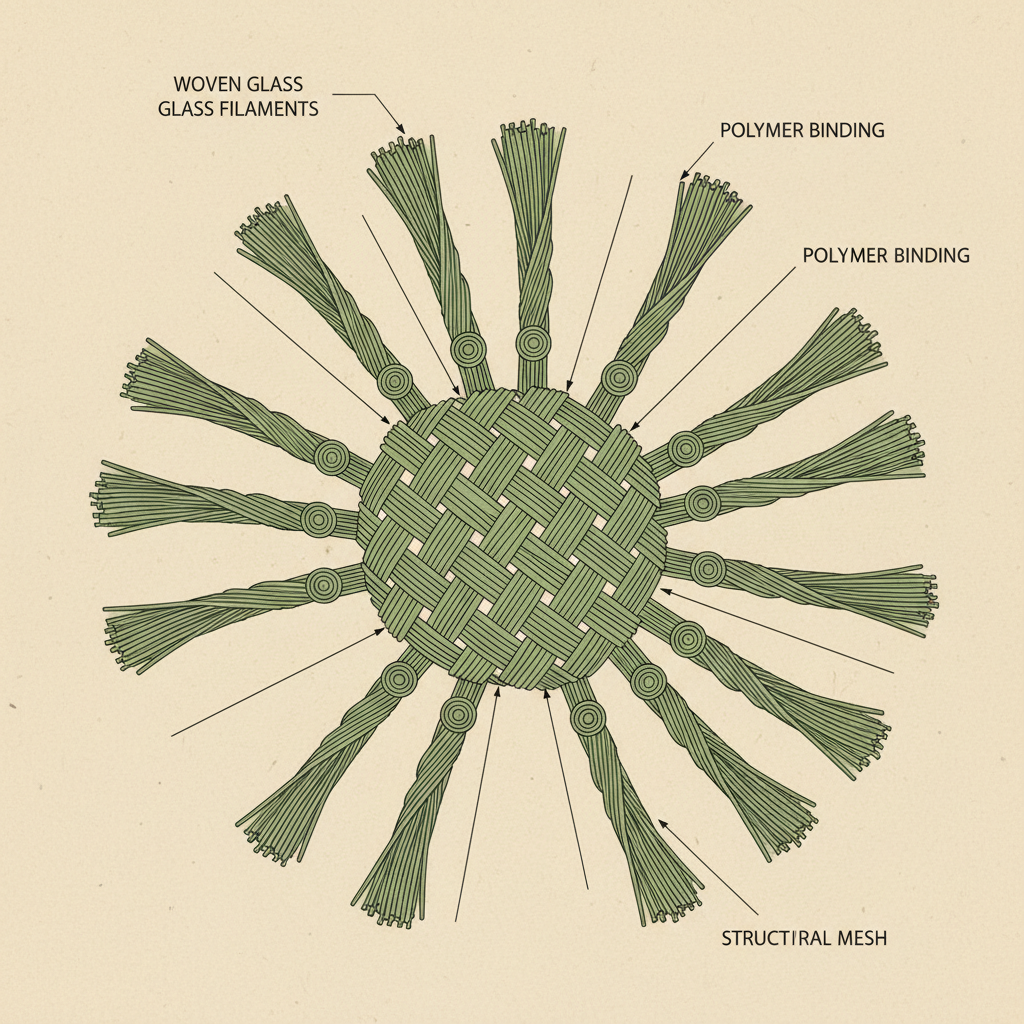
The fundamental principle behind fiberglass mesh tape lies in the unique properties of glass fibers woven into a mesh-like structure. These fibers offer exceptional tensile strength, meaning they resist stretching and breaking under pressure. This inherent strength is then combined with an adhesive backing, allowing the tape to bond securely to various surfaces.
This combination of strength and adhesion is what makes fiberglass mesh tape so effective in reinforcing joints, preventing cracks, and enhancing the overall durability of structures. The open weave design also allows for the penetration of joint compounds, creating a seamless and long-lasting repair.
The Global Significance of fiberglass mesh tape
Fiberglass mesh tape is not merely a construction material; it's a facilitator of infrastructure development and a safeguard against structural failure on a global scale. From large-scale infrastructure projects like bridges and tunnels to residential construction and minor repairs, its versatility makes it an essential component in maintaining the built environment.
The demand for durable and reliable building materials is particularly acute in regions prone to seismic activity or extreme weather events. In these areas, fiberglass mesh tape plays a crucial role in enhancing the resilience of structures, minimizing damage, and ensuring public safety. The use of fiberglass mesh tape also aligns with growing international standards for building safety and quality, as dictated by organizations like the ISO.
Furthermore, its relatively low cost compared to alternative reinforcement materials makes it accessible for a wide range of applications, even in developing countries where budgetary constraints are a major concern. This accessibility contributes to its widespread adoption and significant impact on global construction standards.
Defining fiberglass mesh tape: A Technical Overview
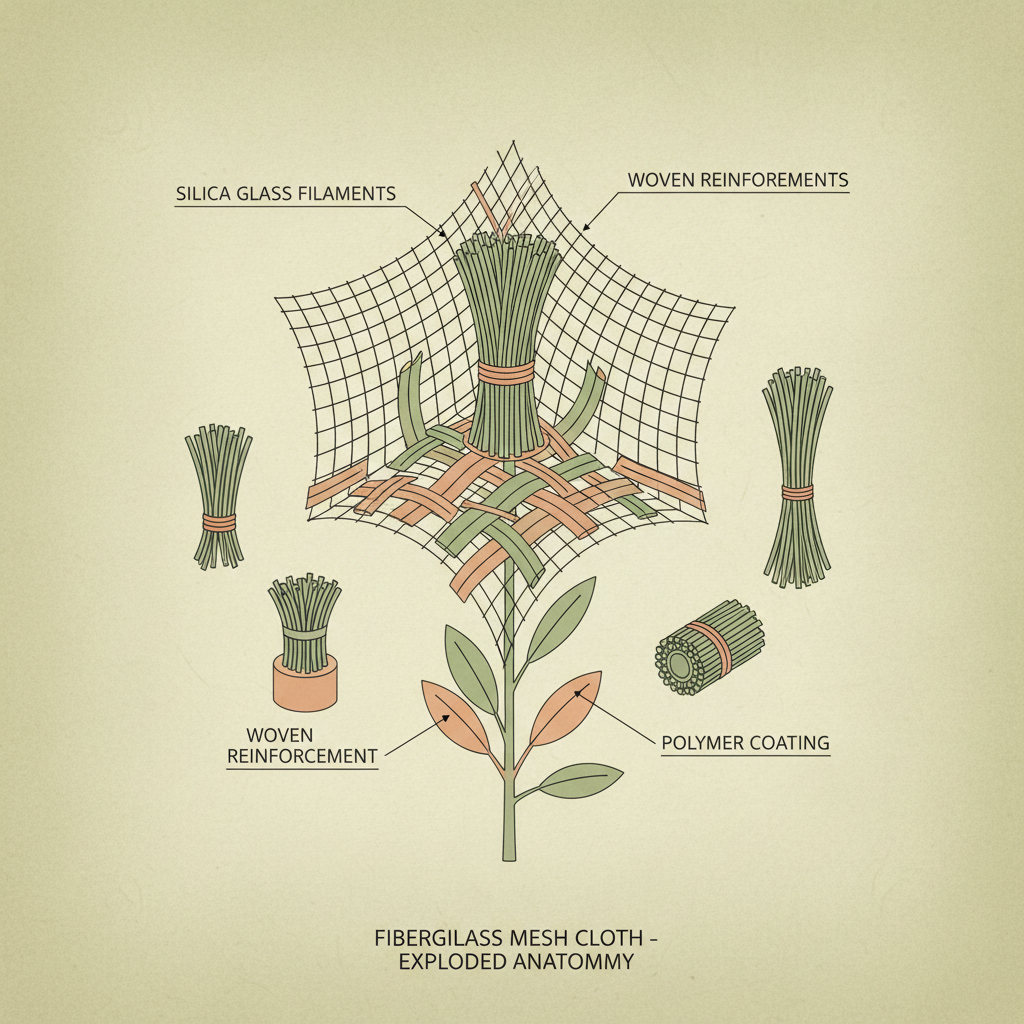
Fiberglass mesh tape is a reinforcing material composed of intricately woven glass fibers, typically coated with a pressure-sensitive adhesive. The glass fibers themselves are made from silica and other compounds, giving them exceptional strength and resistance to corrosion. The mesh structure provides dimensional stability and allows for flexibility, adapting to various surface contours.
The adhesive used varies depending on the intended application. Common adhesives include acrylic-based formulations designed for strong adhesion to drywall, plaster, and other common building materials. Self-adhesive varieties are popular for ease of use, while some tapes require a separate adhesive application for specialized bonds.
In essence, it is a composite material engineered to enhance the structural integrity of joints and surfaces. Unlike traditional metal tapes, it doesn't rust or corrode, making it suitable for both interior and exterior applications. Understanding its composition is key to appreciating its performance characteristics and optimal usage scenarios.
Key Characteristics of fiberglass mesh tape
Fiberglass mesh tape boasts several key characteristics that make it a preferred choice for a wide range of applications. These characteristics contribute directly to its effectiveness, durability, and overall value.
One of its defining features is its exceptional tensile strength, significantly higher than comparable materials like paper tape. This strength allows it to withstand stress and prevent cracking, even under considerable pressure.
Fiberglass Mesh Tape Performance Metrics
Applications of fiberglass mesh tape Across Industries
The versatility of fiberglass mesh tape extends across numerous industries, showcasing its adaptability to diverse needs. In the construction sector, it is primarily used for reinforcing drywall joints, patching cracks in plaster, and securing corner beads.
Beyond construction, it finds application in automotive body repair, where it strengthens damaged panels and provides a smooth surface for painting. Its resistance to corrosion also makes it ideal for marine applications, such as reinforcing boat hulls and decks. In post-disaster relief operations, fiberglass mesh tape is often used for quick repairs to damaged structures, offering a temporary yet effective solution.
The Enduring Benefits of fiberglass mesh tape
The benefits of choosing fiberglass mesh tape extend beyond its functional properties. Cost-effectiveness is a significant advantage, as it often requires less material and labor compared to traditional methods. The longevity of repairs made with fiberglass mesh tape reduces the need for frequent maintenance, resulting in long-term savings.
From a sustainability perspective, its durability minimizes waste, and its resistance to corrosion reduces the reliance on environmentally harmful materials. Its ease of use also contributes to increased safety on job sites, minimizing the risk of injury associated with more complex repair techniques. The overall impact is a more reliable, sustainable, and cost-efficient solution for a multitude of applications.
Emerging Trends and Innovations in fiberglass mesh tape
The field of fiberglass mesh tape is not static; ongoing research and development are leading to exciting innovations. One trend is the development of self-adhesive tapes with enhanced bonding properties, eliminating the need for additional adhesives and simplifying the application process.
Another area of focus is the incorporation of bio-based resins into the tape's adhesive matrix, increasing its sustainability and reducing its carbon footprint. Digital integration, such as QR codes on the tape providing access to installation guides and product information, is also gaining traction. These advancements are paving the way for more efficient, environmentally responsible, and user-friendly fiberglass mesh tape products.
Finally, explorations into nano-enhanced fibers aim to further increase the tape's strength and durability, pushing the boundaries of its performance capabilities and opening up new application possibilities.
Key Performance Indicators for Fiberglass Mesh Tape
| Application Area |
Tensile Strength (MPa) |
Adhesion Level (N/m) |
Environmental Resistance (1-10) |
| Drywall Joint Reinforcement |
70 |
350 |
7 |
| Plaster Crack Repair |
85 |
400 |
8 |
| Automotive Body Repair |
90 |
450 |
6 |
| Marine Hull Reinforcement |
100 |
500 |
9 |
| Emergency Structural Repairs |
60 |
300 |
5 |
| Corner Bead Securing |
75 |
375 |
7 |
FAQS
Fiberglass mesh tape excels in strength and resistance to cracking, unlike paper tape which can shrink and crack over time. Fiberglass is also mold and mildew resistant, while paper tape is susceptible. Though initially less expensive, paper tape often requires more coats of joint compound and frequent repairs, ultimately increasing long-term costs. Fiberglass mesh tape offers superior durability and a more reliable, long-lasting repair.
Yes, fiberglass mesh tape is well-suited for outdoor applications due to its inherent resistance to moisture, corrosion, and temperature fluctuations. However, it’s crucial to select a tape specifically designed for exterior use, as some formulations may lack UV protection. Proper application and sealing with appropriate exterior-grade compounds will ensure long-lasting performance.
Proper application involves cleaning the surface, applying the tape smoothly over the joint, and embedding it with a thin coat of joint compound using a wide putty knife. Subsequent coats are applied, feathering out the edges for a seamless finish. Allow each coat to dry completely before sanding and applying the next. Avoiding wrinkles or air bubbles is crucial for a professional result.
Absolutely. Fiberglass mesh tape is versatile and can be applied to plaster, wood, metal, and even certain plastics, provided the surface is clean and properly prepared. However, the adhesive compatibility should be considered. For non-porous surfaces, a separate adhesive might be necessary to ensure a strong bond.
While generally safe, fiberglass fibers can cause skin irritation in some individuals. Wearing gloves, a dust mask, and eye protection during cutting and application is recommended. Ensure adequate ventilation in the work area to minimize inhalation of fibers. Dispose of waste materials properly, following local regulations.
Compared to traditional metal tapes, fiberglass mesh tape is more environmentally friendly due to its durability and resistance to corrosion, leading to reduced replacement frequency. Emerging innovations utilizing bio-based resins further enhance its sustainability. While not fully biodegradable, its long lifespan and reduced waste contribute to a lower environmental impact.
Conclusion
In conclusion, fiberglass mesh tape stands as a remarkably versatile and effective material, playing a vital role in construction, repair, and a variety of industrial applications. Its exceptional strength, durability, and resistance to environmental factors make it a superior choice over traditional alternatives. Understanding its properties and proper application techniques is essential for achieving long-lasting and reliable results.
Looking ahead, continued innovation in materials science and manufacturing processes will undoubtedly further enhance the performance and sustainability of fiberglass mesh tape. Embracing these advancements will be crucial for meeting the evolving demands of a rapidly changing world, ensuring the continued relevance and widespread adoption of this invaluable material. Visit our website for more information: www.tainuofiberglassmesh.com