Apr . 15, 2026 10:44 Бозгашт ба рӯйхат
Why High Strength Fiberglass Mesh Is Essential For Stucco Application
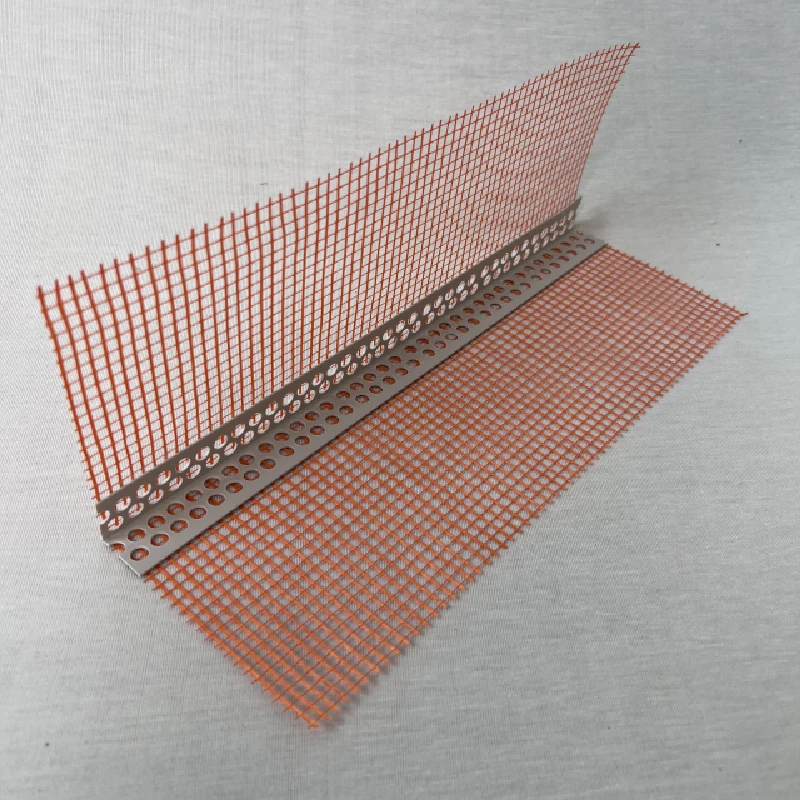
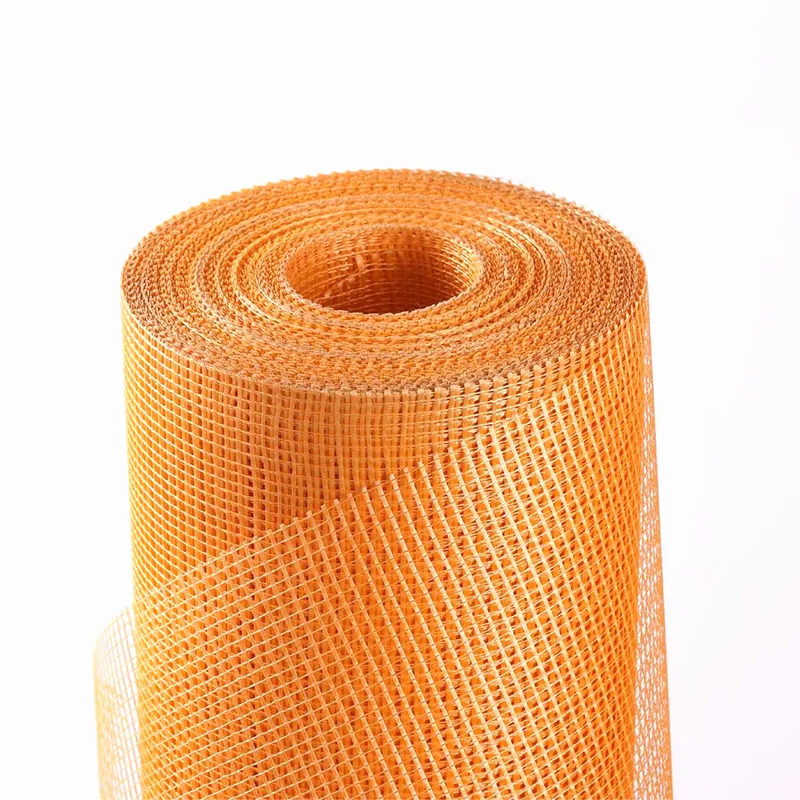
The exterior facade of a building serves as its primary defense against the elements, and in the world of traditional and modern masonry, stucco remains one of the most popular finishes due to its aesthetic versatility and fire-resistant properties. However, the inherent brittleness of cement-based finishes presents a significant challenge: as a building settles or as environmental temperatures fluctuate, the rigid surface of the stucco is prone to cracking. To mitigate these risks, the integration of high strength fiberglass mesh has become an industry-standard requirement. This specialized reinforcement serves as a flexible skeleton within the base coat of the stucco system, absorbing mechanical stress and distributing tension across a wider surface area to ensure that the finished wall remains smooth, stable, and visually perfect for decades.
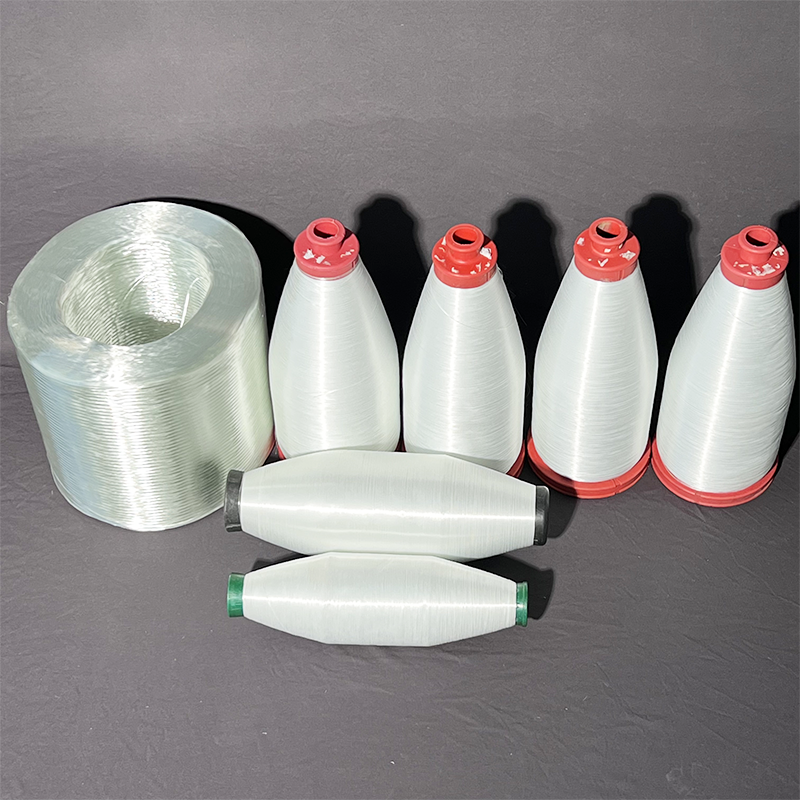
As a high-performance material, high strength fiberglass mesh is engineered from woven glass filaments that have been treated with a protective alkali-resistant coating. This is a critical technical detail because the wet mortar used in stucco applications is highly alkaline, and unprotected glass fibers would eventually dissolve or become brittle without this chemical barrier. By maintaining its tensile strength within the harsh environment of the curing cement, the mesh provides a permanent bridge across the joints of the substrate. For architects and developers, the inclusion of this material is a proactive investment in the building's longevity, reducing the need for future maintenance and ensuring that the structural envelope remains weather-tight.
Strategic Reinforcement With Professional Stucco Fiberglass Mesh
The application of stucco fiberglass mesh is particularly vital when working over diverse substrates such as insulation boards, plywood, or existing masonry. Each of these materials expands and contracts at different rates, a phenomenon known as differential thermal movement. Without a unifying reinforcement layer, these conflicting forces would cause "telegraphing" cracks to appear precisely where the underlying panels meet. By embedding stucco fiberglass mesh into the wet base coat, the installer creates a continuous, monolithic layer that binds the entire facade together. This effectively neutralizes the movement of the substrate, allowing the stucco to function as a unified protective skin.
Beyond its role in preventing cracks, stucco fiberglass mesh also significantly improves the impact resistance of the wall. In high-traffic urban environments or areas prone to severe weather, exterior walls are frequently subjected to physical strikes from hail, debris, or accidental contact. The presence of a high-density glass fiber web within the stucco matrix allows the wall to absorb and dissipate the energy of an impact, preventing the shattering or puncturing that can occur in non-reinforced systems. This added layer of security is why many commercial building codes now mandate the use of heavy-duty mesh in ground-level applications, ensuring that the building's first line of defense remains impenetrable.
Best Practices For Fiberglass Mesh Stucco Application
The success of a facade project is heavily dependent on the precision of the fiberglass mesh stucco application process. Unlike secondary patches, the reinforcement mesh must be fully encapsulated within the base coat to function correctly. Professional installers begin by applying a layer of base coat mortar directly to the substrate, then immediately laying the mesh into the wet mixture. Using a flat trowel, the mesh is pressed from the center outward to eliminate any wrinkles or air pockets. This ensures that the fiberglass mesh stucco application provides a consistent, tensioned reinforcement that is centered within the thickness of the mortar, which is the optimal position for resisting shear forces.
A critical aspect of a successful fiberglass mesh stucco application is the overlapping of the mesh sheets. To maintain structural continuity, each strip of mesh should overlap the adjacent one by several inches. This prevents the formation of "weak seams" that could lead to vertical cracking over time. Furthermore, special attention must be paid to the corners of windows and doors—areas of high stress where cracks are most likely to originate. By applying additional diagonal strips of mesh at these "butterfly" points, contractors can provide extra reinforcement where it is needed most. This meticulous attention to detail during the application phase is what separates a high-quality professional finish from an amateur installation that may fail within a few seasons.
The Technical Superiority Of Fiberglass Mesh For Stucco Systems
When selecting materials for a renovation or new build, the choice of fiberglass mesh for stucco reinforcement offers several advantages over traditional metal lath. While metal lath has been used for over a century, it is heavy, difficult to cut, and prone to corrosion if moisture penetrates the stucco layer. In contrast, fiberglass mesh for stucco is lightweight, easy to handle, and completely rust-proof. This makes it an ideal choice for coastal environments where salt air can rapidly degrade metallic components. The flexibility of the glass fibers also allows the mesh to conform to complex architectural shapes, such as curved archways or decorative columns, without the need for specialized bending tools.
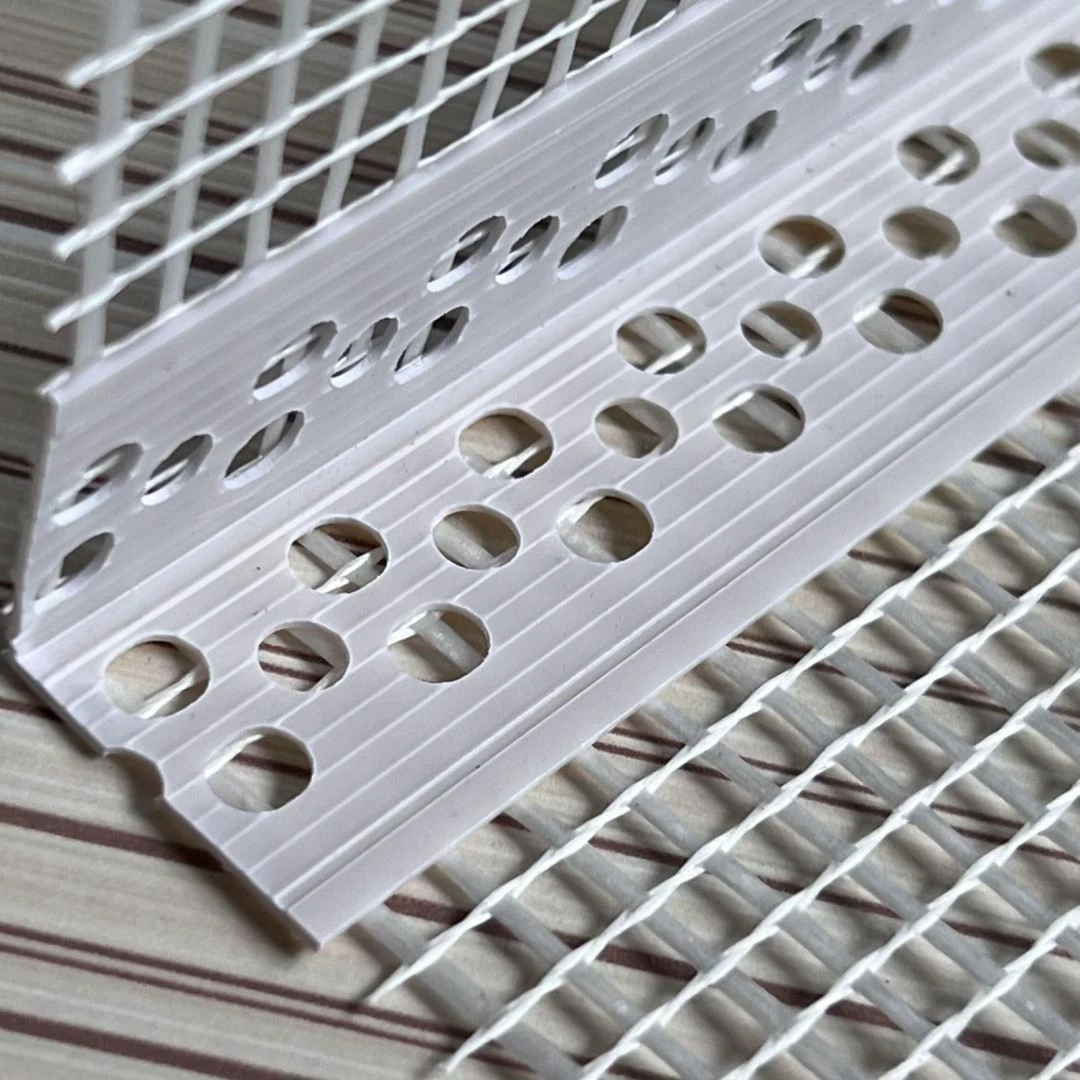
The open-weave design of fiberglass mesh for stucco is another technical benefit. It allows the mortar to pass through the holes and bond directly to the substrate, creating a mechanical lock that is incredibly strong. This porosity also ensures that the drying process is uniform, reducing the risk of internal stresses that can occur if one layer of the wall dries significantly faster than another. As the industry moves toward more energy-efficient building envelopes, the compatibility of fiberglass with various insulation materials makes it a versatile tool for modern EIFS (Exterior Insulation and Finish Systems) and traditional hard-coat stucco alike.
Versatility And Handling Of Fiberglass Mesh
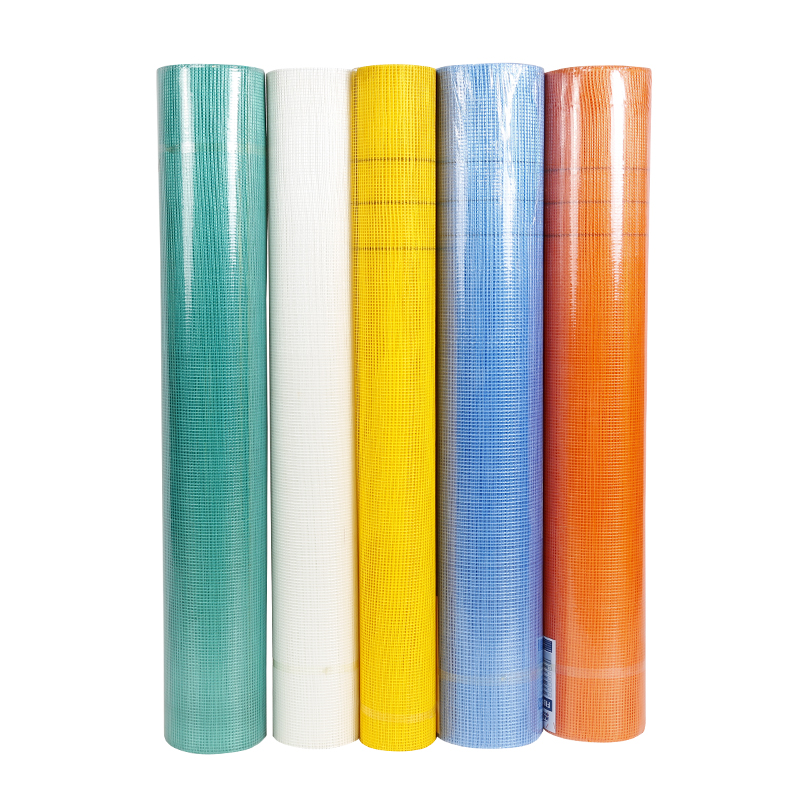
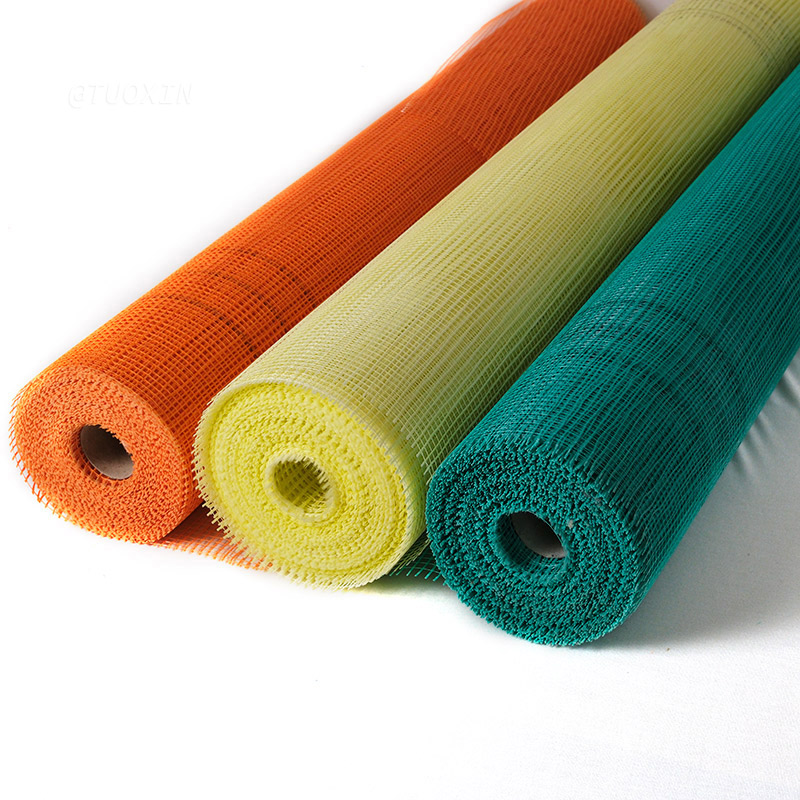
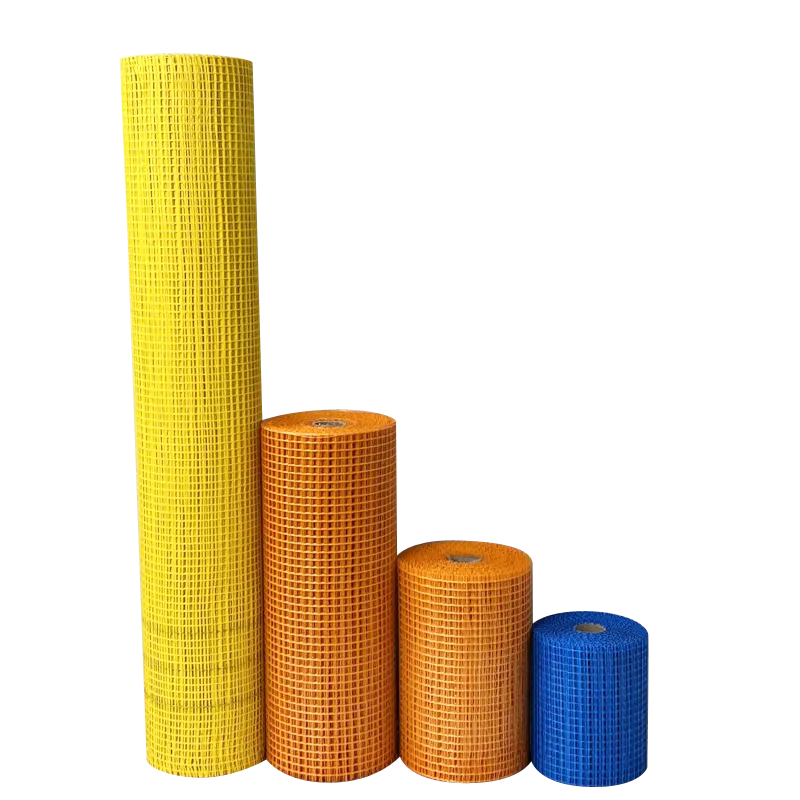
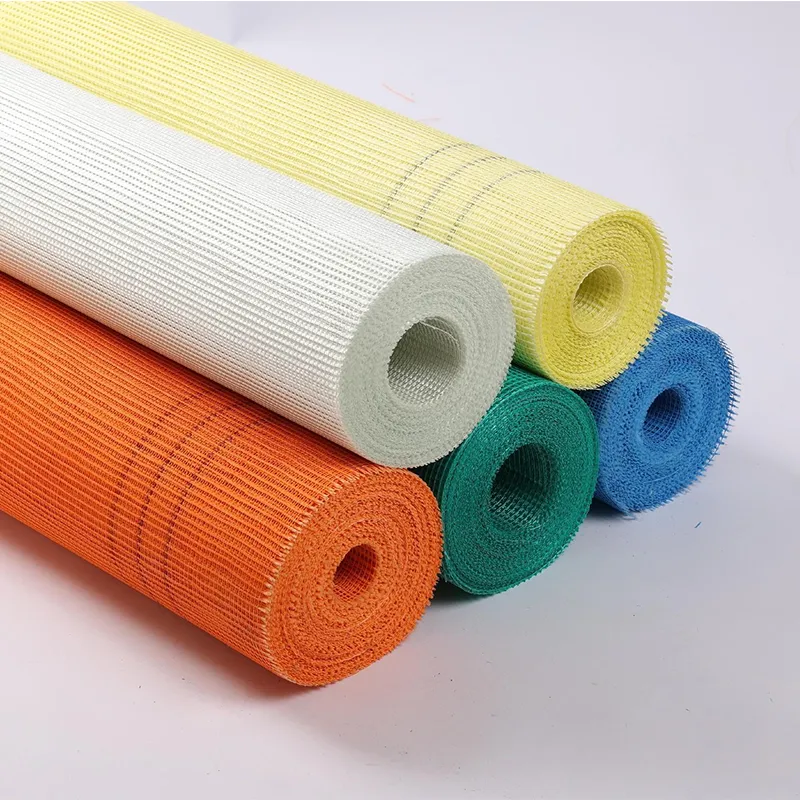
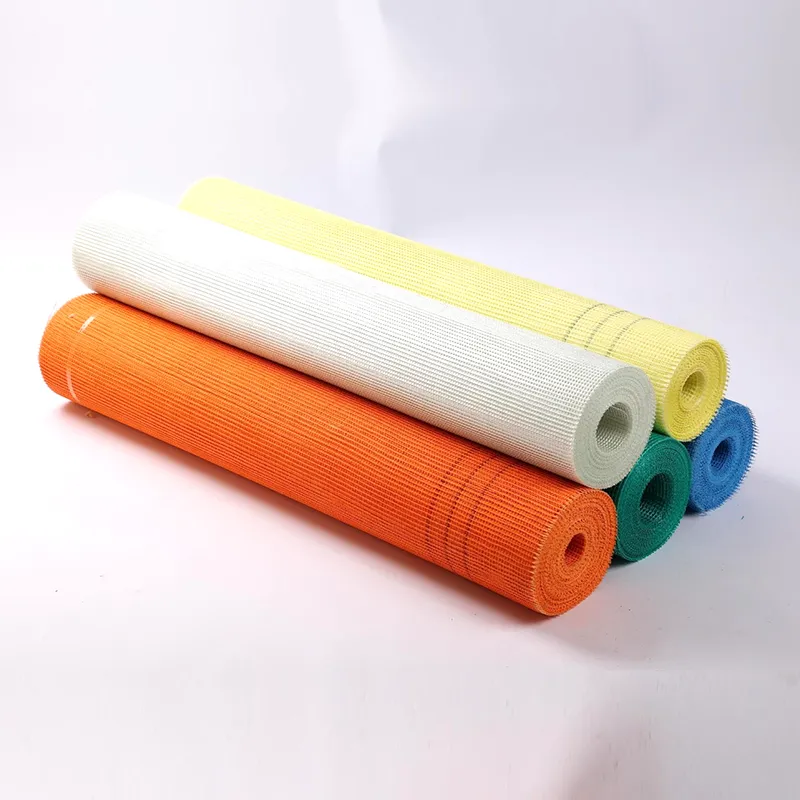
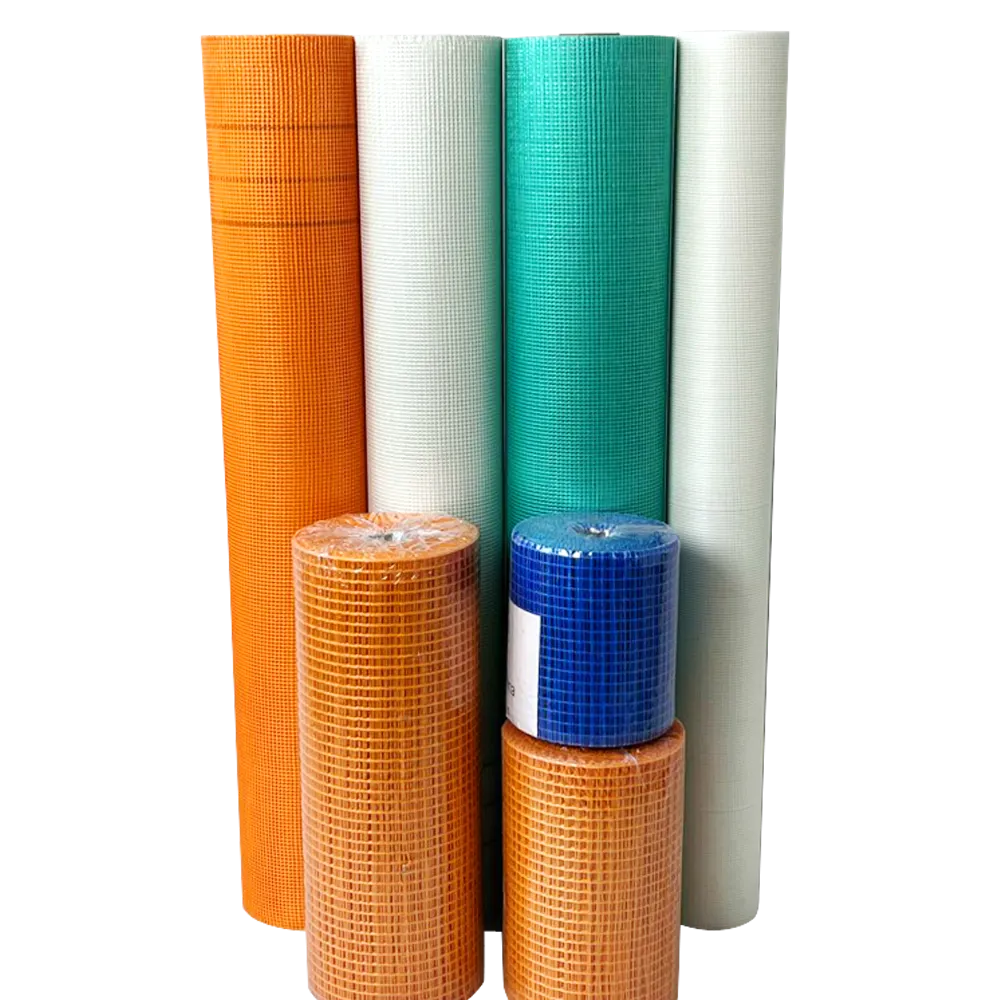
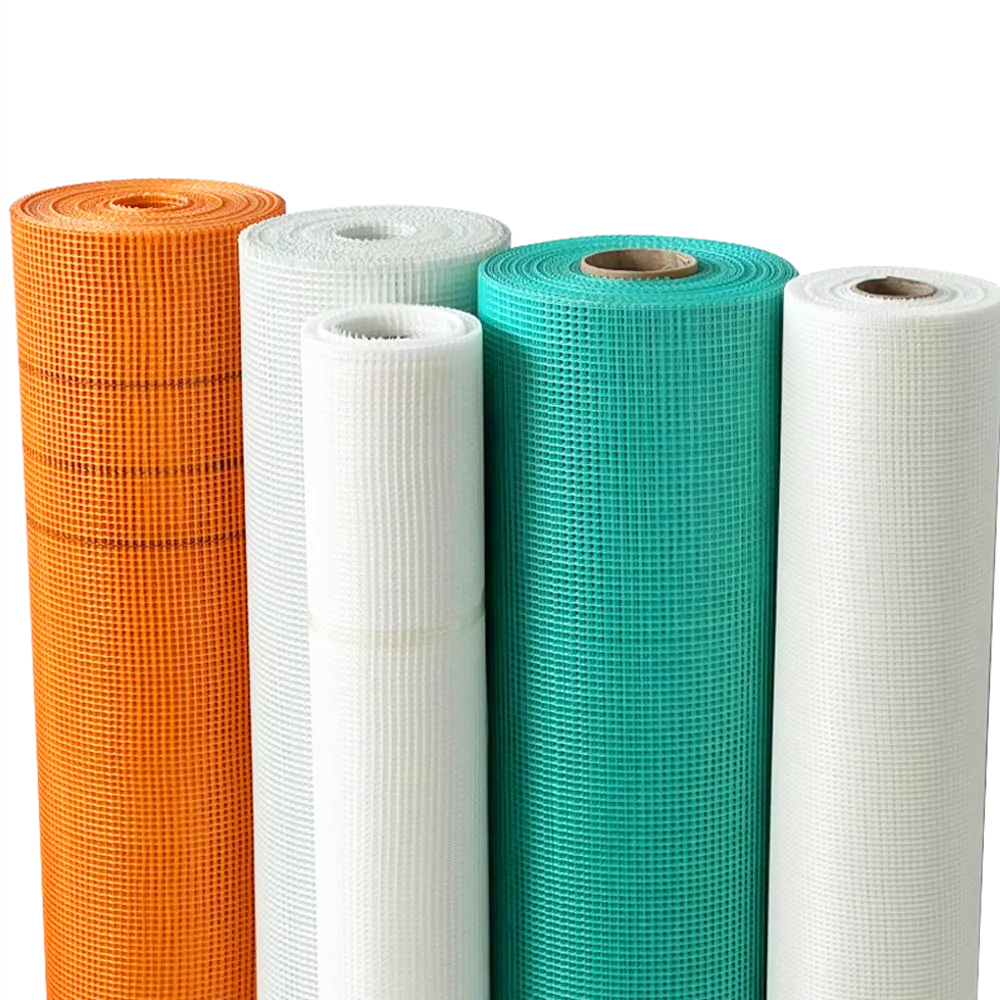
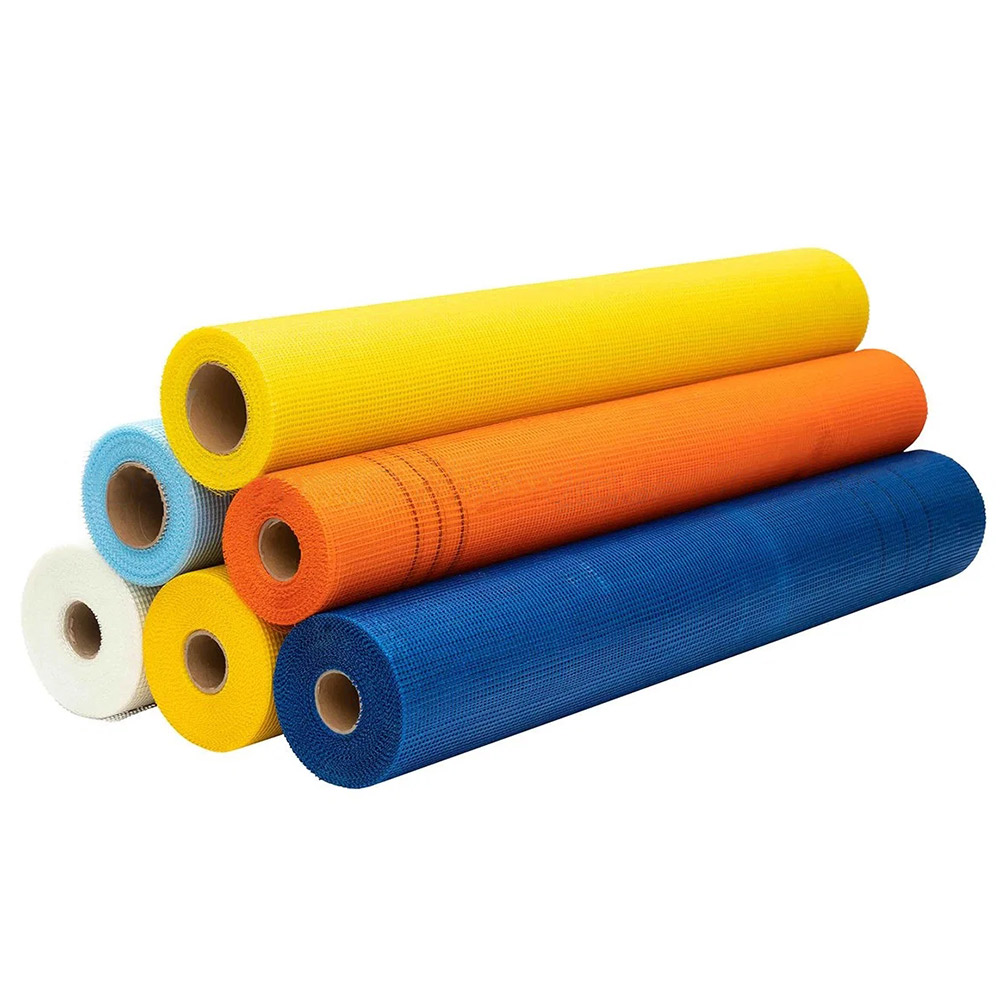
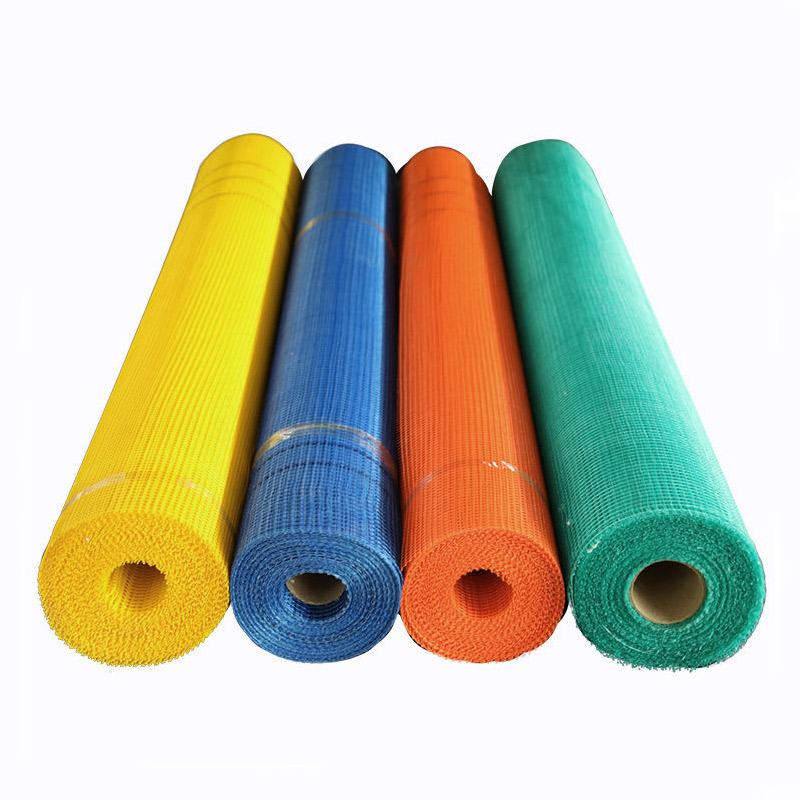
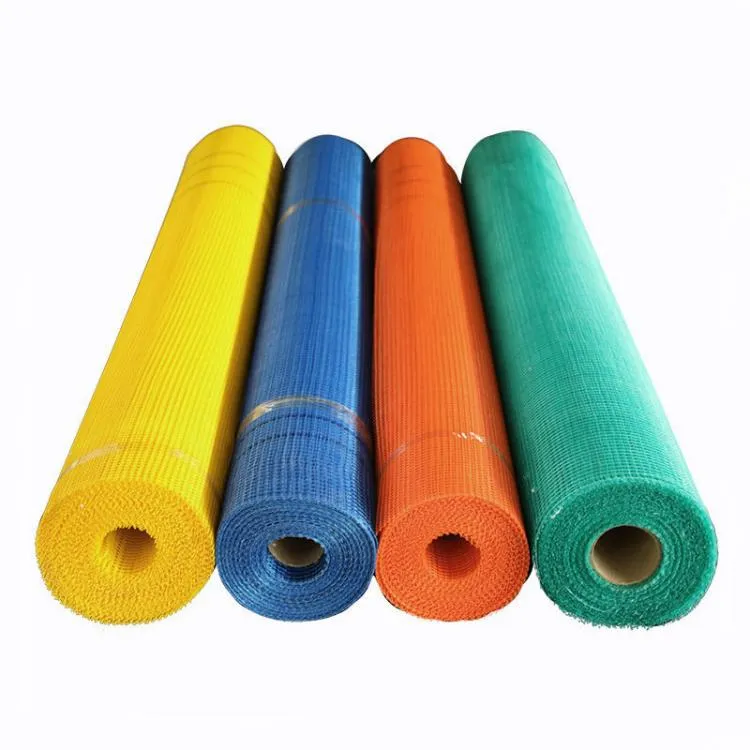
The material science behind fiberglass mesh fabric has evolved to provide a range of weights and textures suited for different structural needs. For standard residential projects, a lightweight fabric provides sufficient reinforcement for hairline crack prevention. However, for industrial projects or high-impact zones, a much heavier fiberglass mesh is used to provide the necessary "armor" for the building. This fabric is surprisingly easy to work with; it can be cut with standard utility knives or shears, allowing for rapid installation even on large-scale commercial facades.
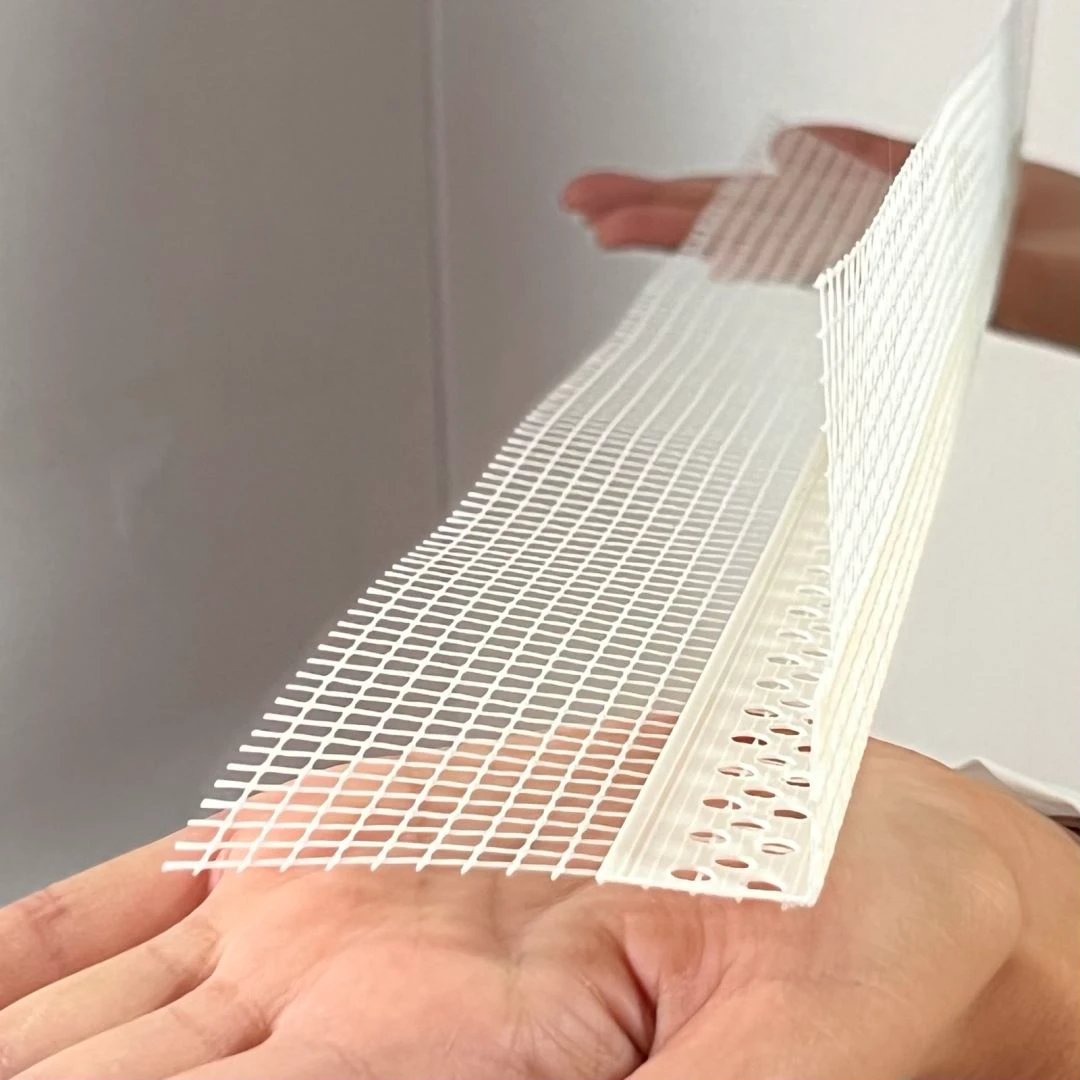
The "hand" or stiffness of the fiberglass mesh is also carefully calibrated during manufacturing. It must be stiff enough to remain flat against the wall during application, yet flexible enough to wrap around corners without snapping. This balance is achieved through high-quality weaving techniques and the application of synthetic latex coatings. For the global supplier or contractor, sourcing a fabric that maintains its shape during the rigors of a busy job site is essential for maintaining productivity. When the fabric is laid correctly, it becomes an invisible but powerful ally in the fight against structural degradation, providing a stable foundation for the final color and texture of the stucco finish.
-
Best Fiberglass Mesh Tape for RedGard Product Waterproofing GuideАхборApr.16,2026
-
Why Alkali Resistant Fiberglass Mesh Tape Is Essential For Cement Board And Tile InstallationsАхборApr.15,2026
-
Understanding The Role Of Drywall Fiberglass Mesh In Interior FinishingАхборApr.15,2026
-
Ultimate Guide To Using Fiberglass Mesh Tape For Drywall And Plaster RepairsАхборApr.15,2026
-
The Versatility Of Fiberglass Mesh In Marble And Stone MosaicАхборApr.15,2026