Apr . 15, 2026 10:37 Бозгашт ба рӯйхат
Ultimate Guide To Using Fiberglass Mesh Tape For Drywall And Plaster Repairs
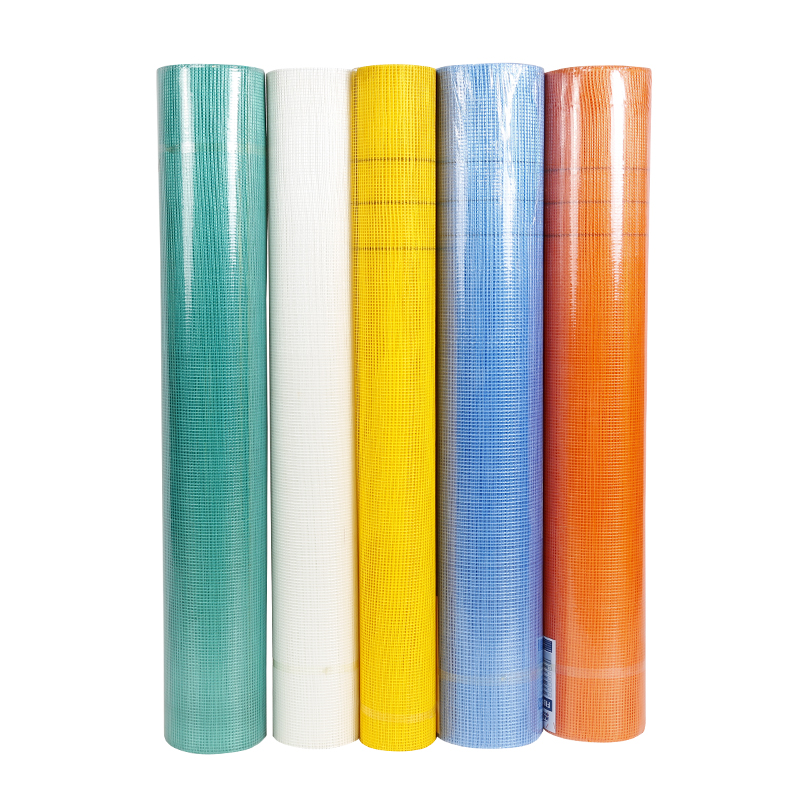
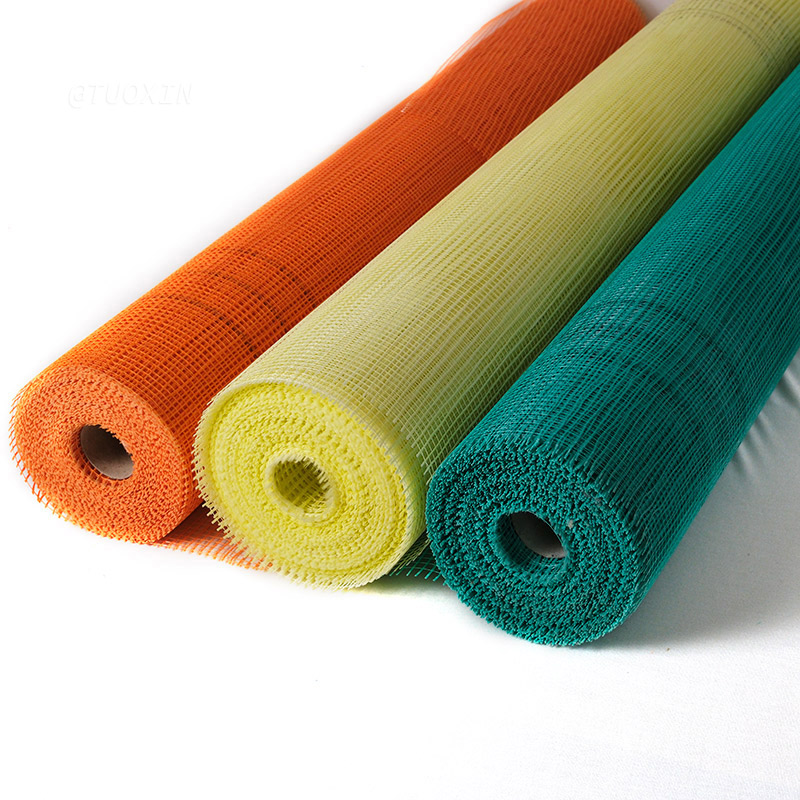
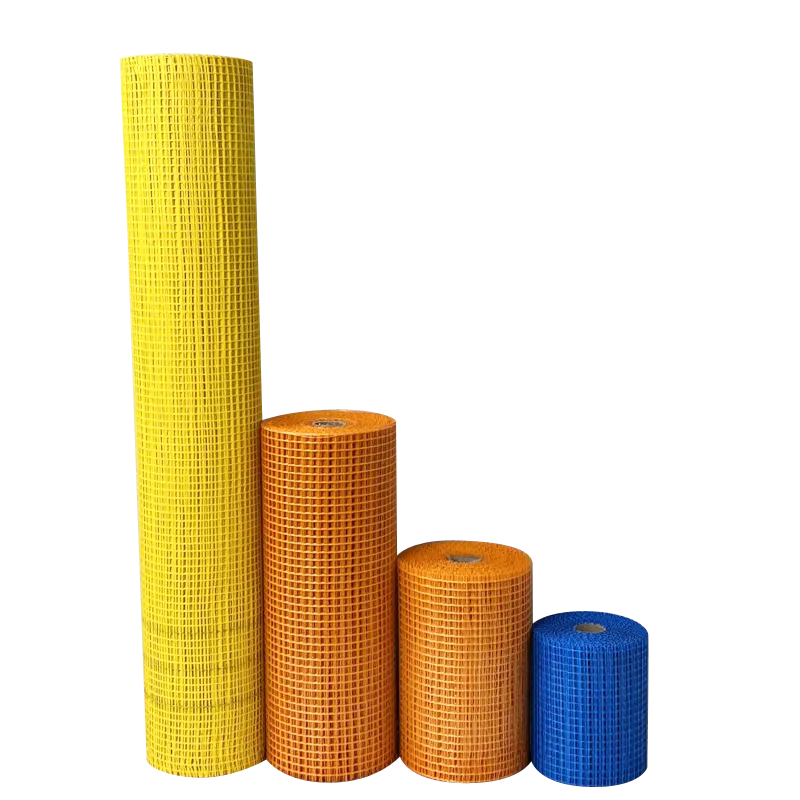
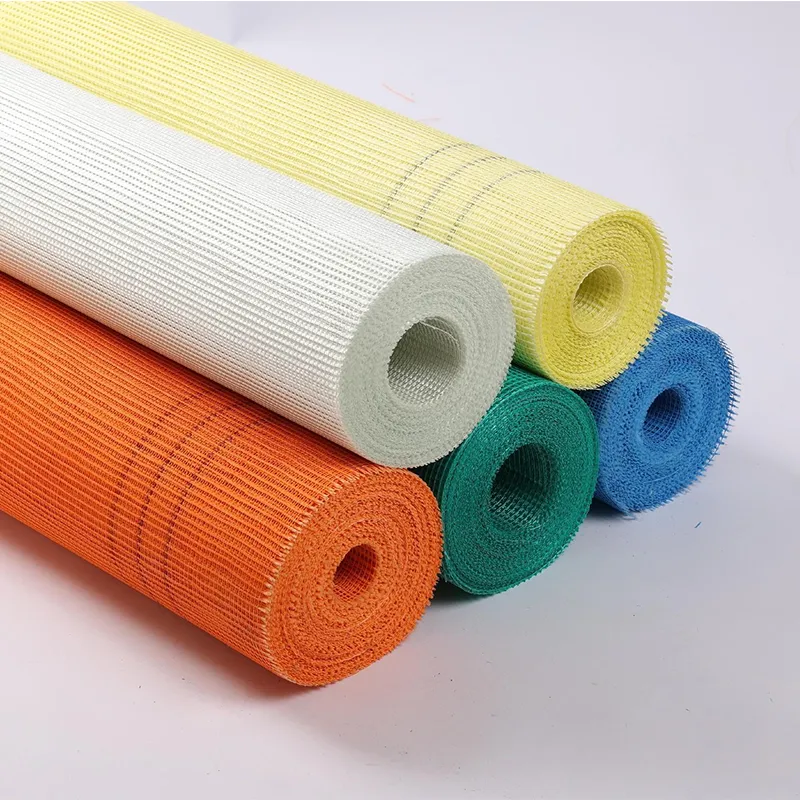
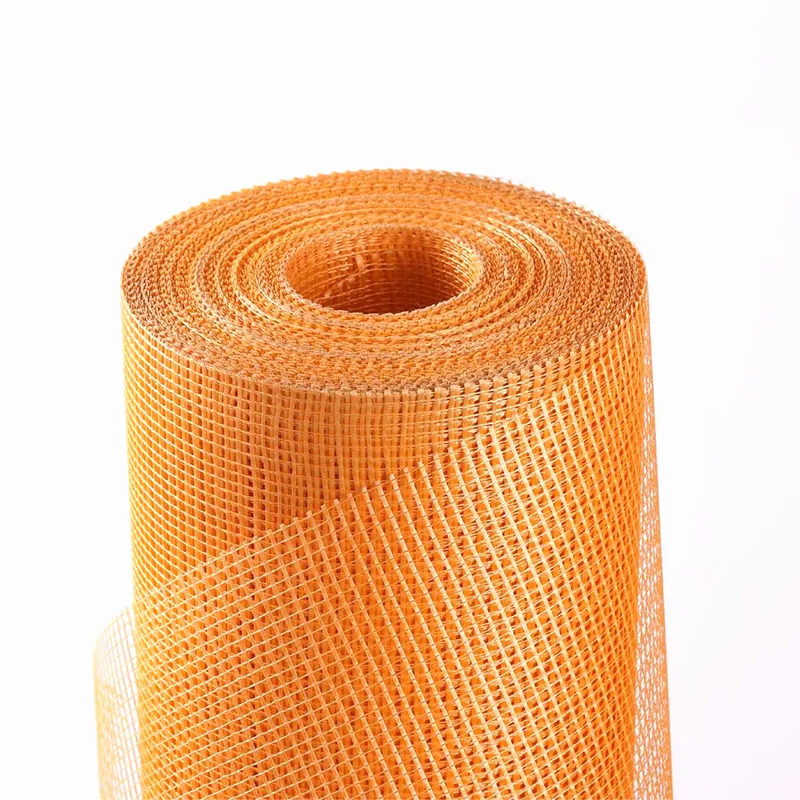
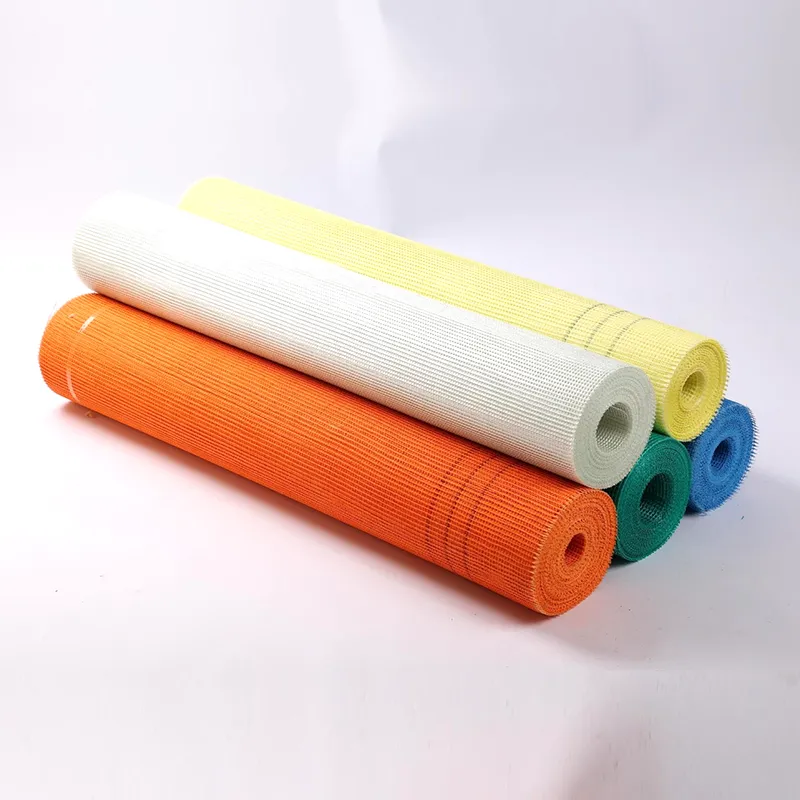
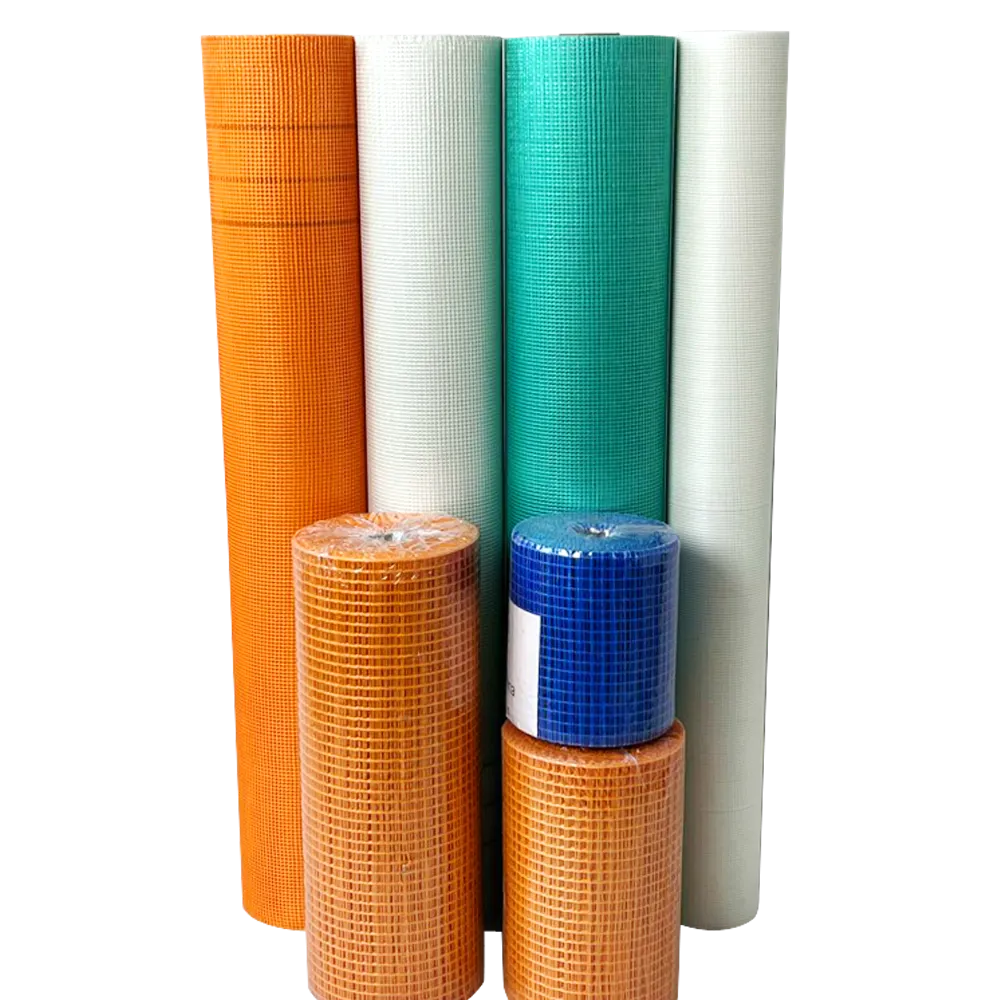
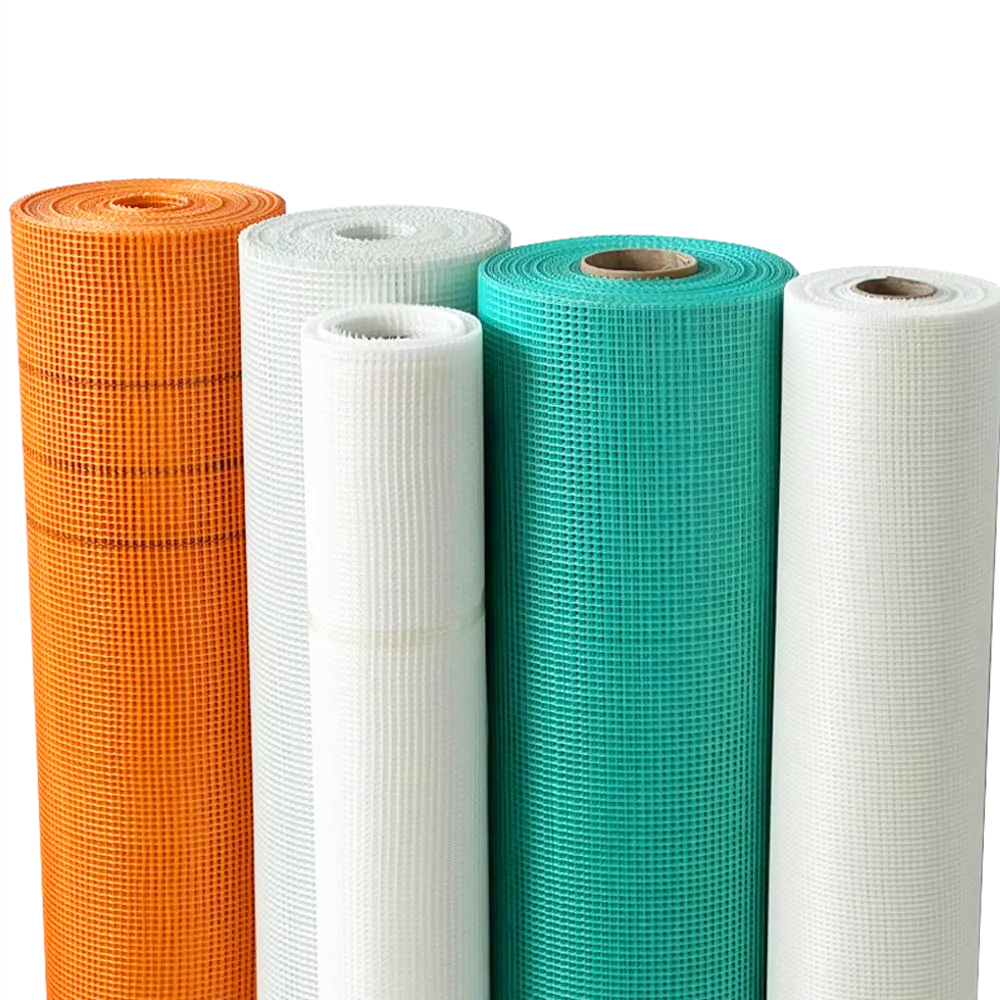
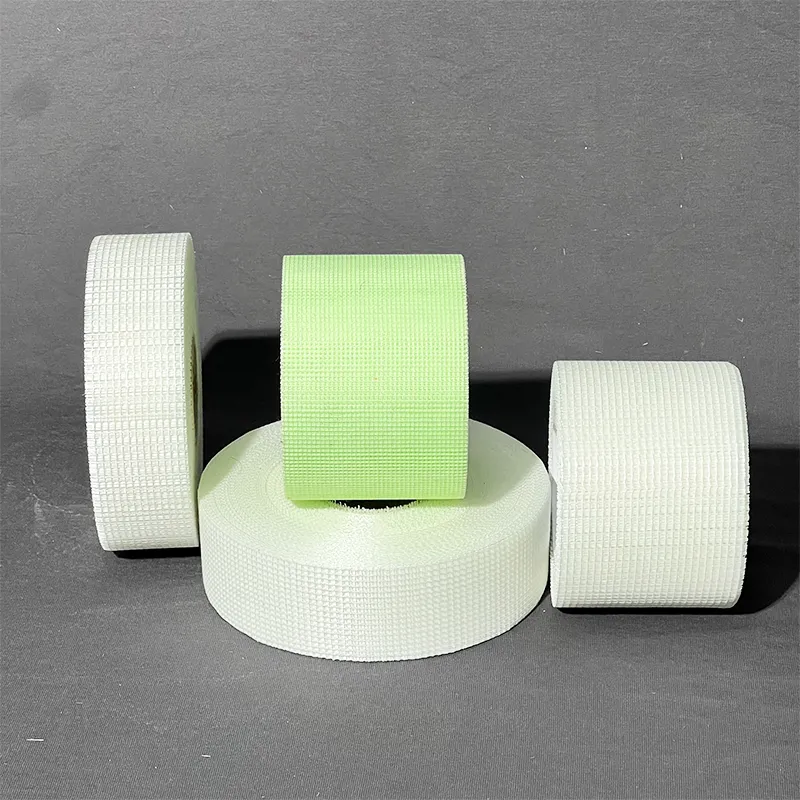
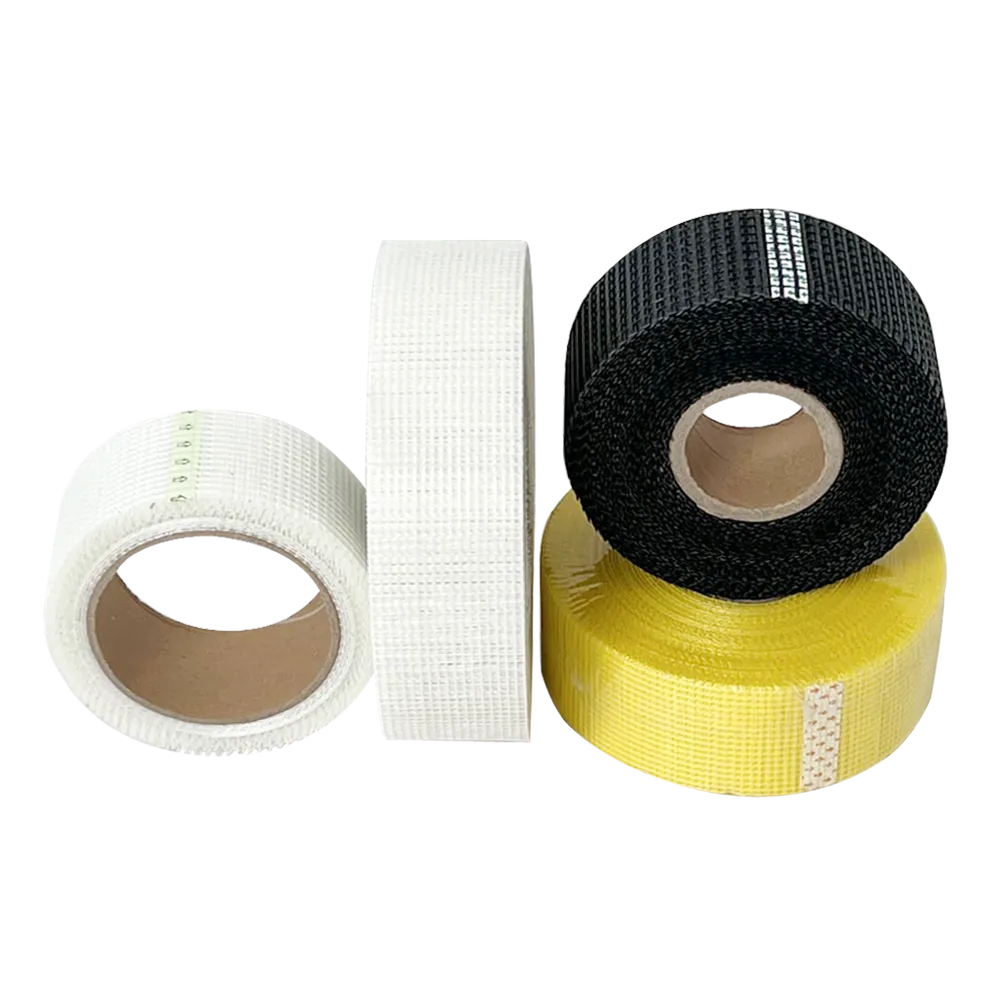
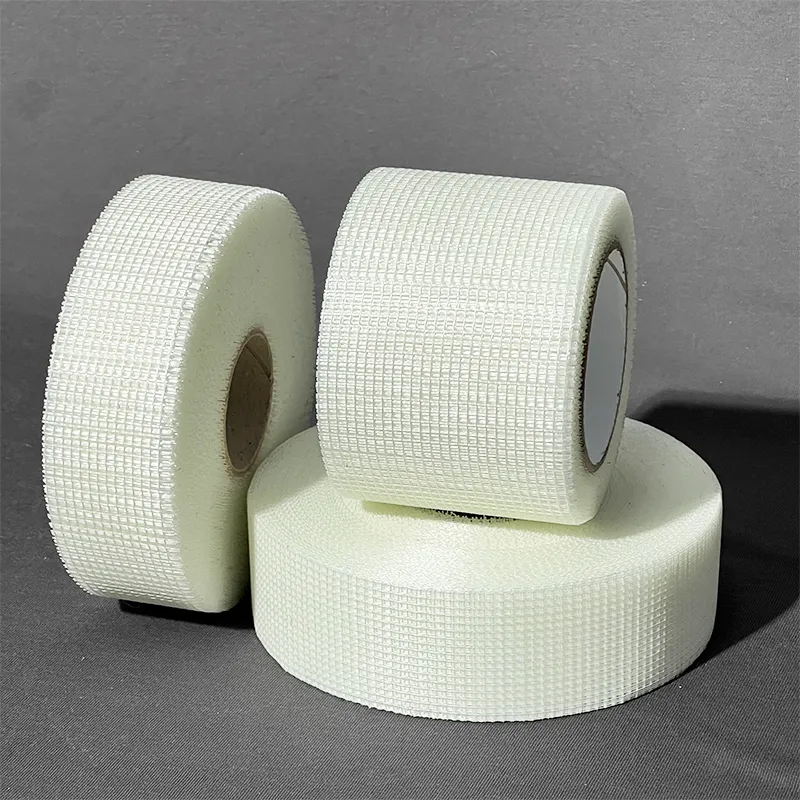
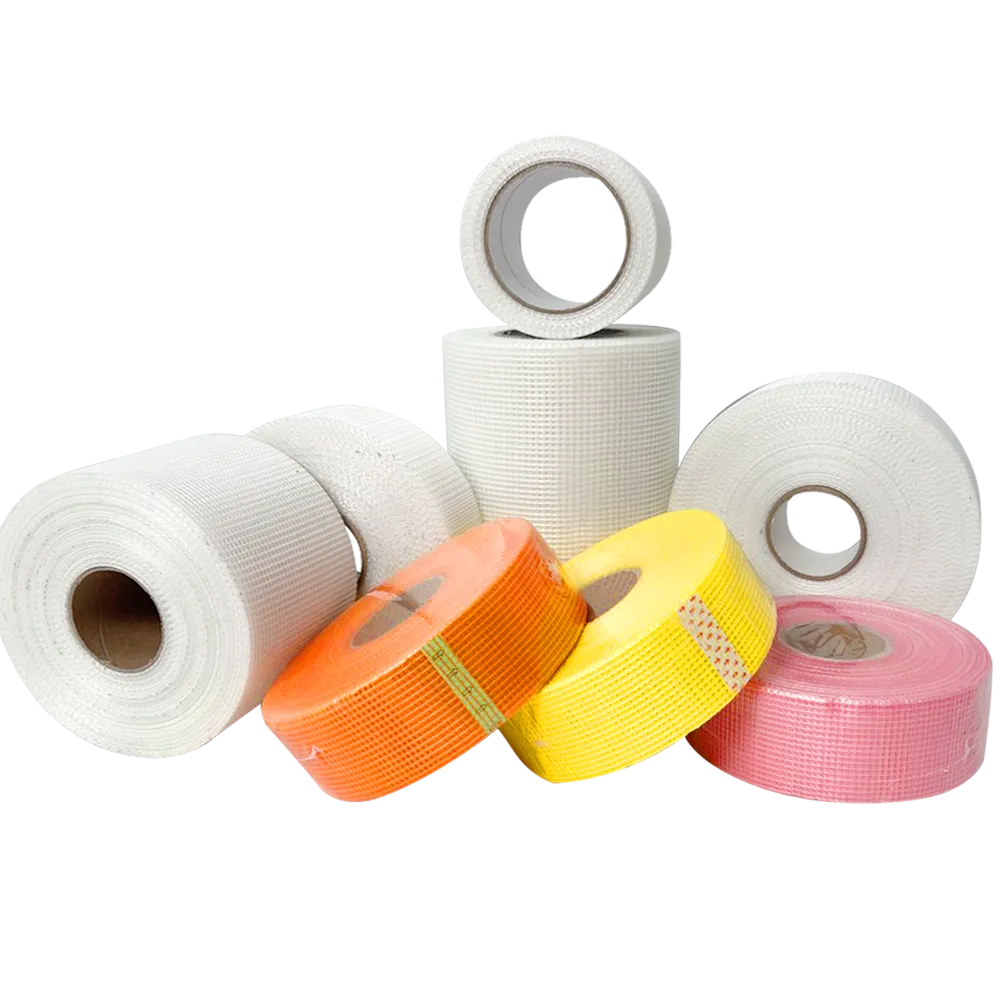
The integrity of a modern interior wall is often defined by the strength of its invisible reinforcements. When homeowners or professional contractors face the challenge of finishing a new installation or rehabilitating a damaged surface, the selection of jointing material becomes the most critical decision in the process. Among the various options available in the construction market, лентаи тории нахи шишагин has emerged as a premier choice for ensuring structural stability and aesthetic perfection. This specialized material, characterized by its cross-woven glass fibers and pressure-sensitive adhesive backing, offers a unique set of mechanical advantages that traditional paper tapes cannot replicate. By providing a multidirectional reinforcement web, it effectively distributes stress across the joint, preventing the seasonal cracking that often plagues residential and commercial properties.
Understanding the fundamental properties of лентаи тории нахи шишагин is the first step toward mastering the art of wall repair. Unlike paper products that require a thin layer of compound underneath to create a bond, the mesh variant is designed to be applied directly to the dry substrate. This "self-adhesive" nature simplifies the initial stages of the taping process, allowing for a faster and cleaner application. Because the glass fibers are naturally resistant to mold and decay, the tape serves as a long-term solution in environments where moisture might otherwise compromise the organic fibers of paper. Whether you are addressing a minor hairline fracture or reinforcing the seams of an entire room, the implementation of a high-quality mesh system ensures a resilient foundation for the final layers of finish.
Precision Application Techniques For Fiberglass Mesh Tape For Drywall
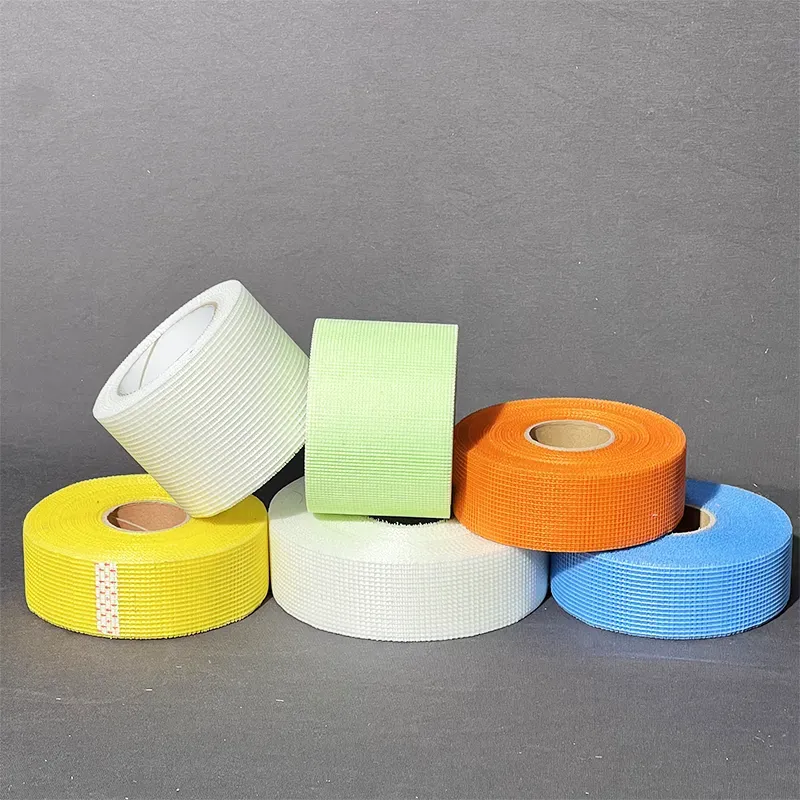
When embarking on a new construction project, the efficiency of the workflow is often determined by the ease of material handling. Using лентаи тории нахи шиша барои гипсокартон finishing allows for a significant reduction in labor time during the "first coat" phase. The technician can simply roll the tape over the vertical and horizontal seams of the gypsum panels, pressing it firmly into place with a broad knife or by hand. Because the adhesive holds the tape in position, there is no risk of the material slipping or bubbling as the joint compound is applied over the top. This direct-to-substrate method is particularly beneficial for ceiling work, where managing wet tape and compound simultaneously can be a physically demanding task.
The secret to a successful finish with лентаи тории нахи шиша барои гипсокартон lies in the choice of the setting compound. Because the mesh is porous, it relies on the compound to flow through the holes and lock into the beveled edges of the drywall panels. It is widely recommended to use a chemically setting "hot mud" for the initial coat over the mesh. This type of compound undergoes a chemical hardening process rather than simple evaporation, which creates a much harder and more stable "plug" within the mesh grid. Once this base layer has hardened, it forms a rigid bridge that effectively eliminates the possibility of joint movement. This technical synergy between the glass fibers and the setting compound provides a level of crack resistance that is essential for high-traffic areas and structural corners.
Restoring Historical Surfaces With Fiberglass Mesh Tape For Plaster
While drywall is the standard for modern construction, many older homes feature traditional lath and plaster walls that present a different set of repair challenges. These surfaces are prone to deep, wandering cracks caused by decades of foundation settling and thermal expansion. Utilizing fiberglass mesh tape for plaster restoration is an excellent way to bridge these irregular gaps and provide a new "skin" for the crumbling substrate. The mesh is flexible enough to follow the contours of an uneven wall, and its high tensile strength prevents existing cracks from telegraphing through to the new paint or wallpaper. In these scenarios, the tape acts as a structural patch that binds the old plaster together, creating a unified surface that is ready for a modern skimming coat.
When performing repairs with fiberglass mesh tape for plaster, it is vital to clean the area of any loose dust or debris before application. Plaster is naturally dusty, and the adhesive backing of the tape requires a clean surface to achieve an initial tack. Once the tape is spanning the crack, a thin-set mortar or a high-strength bonding agent is typically applied to ensure that the repair becomes an integral part of the wall. This method is far superior to traditional "v-groove" filling, as the mesh provides the lateral reinforcement necessary to withstand future movement. By incorporating this modern material into historical restoration projects, contractors can preserve the character of old buildings while providing them with the structural durability of the 21st century.
Maximizing Structural Strength With Fiberglass Mesh Drywall Tape
In large-scale commercial installations, the speed of the finishing process must be balanced with the ultimate strength of the wall system. The use of нахи шишагини фикрию лентаи drywall is often preferred in these environments because it handles the stresses of high-rise vibrations and heavy door-slamming better than non-reinforced joints. The cross-hatch pattern of the glass filaments ensures that even if a small section of the joint is subjected to localized pressure, the force is dissipated across a wider area of the panel. This prevents the localized failure of the compound and maintains the visual continuity of the wall.
Furthermore, нахи шишагини фикрию лентаи drywall is an essential component in fire-rated wall assemblies and moisture-resistant "green board" applications. Because the glass fibers do not burn and do not absorb water, they maintain their structural integrity under extreme conditions. This makes them the ideal choice for bathrooms, kitchens, and industrial corridors where environmental factors are a constant concern. Professionals who prioritize the longevity of their work often choose mesh as their primary jointing material, recognizing that the few minutes saved during application translate into years of maintenance-free performance for the building owner.
Achieving A Flawless Finish With Drywall Fiberglass Mesh Tape
The final aesthetic of a room depends on the invisibility of its joints. Some DIY enthusiasts fear that the grid pattern of лентаи тории нахи шишагини drywall might show through the final paint, but this is easily avoided with proper "feathering" techniques. The key is to apply the compound in multiple thin layers, each one slightly wider than the last. Because the mesh is slightly thicker than paper, the first coat should be focused on filling the grid and leveling the seam. The subsequent coats are then used to taper the edges into the surrounding drywall, creating a gradual slope that is undetectable to the eye once sanded and primed.
When working with лентаи тории нахи шишагини drywall, the sanding process is also more forgiving. Because the fibers are buried deep within the compound, there is a lower risk of "fuzzing" the tape if you accidentally sand too deep—a common problem with paper tapes. This allows for a much smoother transition between the joint and the panel. By following a systematic approach of filling, feathering, and fine-sanding, even a novice can achieve a professional-grade finish that looks like a single, continuous sheet of stone. The result is a beautiful, durable interior that stands as a testament to the quality of the materials and the precision of the application.
-
Best Fiberglass Mesh Tape for RedGard Product Waterproofing GuideАхборApr.16,2026
-
Why High Strength Fiberglass Mesh Is Essential For Stucco ApplicationАхборApr.15,2026
-
Why Alkali Resistant Fiberglass Mesh Tape Is Essential For Cement Board And Tile InstallationsАхборApr.15,2026
-
Understanding The Role Of Drywall Fiberglass Mesh In Interior FinishingАхборApr.15,2026
-
The Versatility Of Fiberglass Mesh In Marble And Stone MosaicАхборApr.15,2026