Dec . 01, 2025 14:50 Back to list
What Is Fiberglass Mesh for Plastering Product? Global Uses, Benefits & Buying Guide
Understanding Fiberglass Mesh for Plastering Product: Why It Matters Worldwide
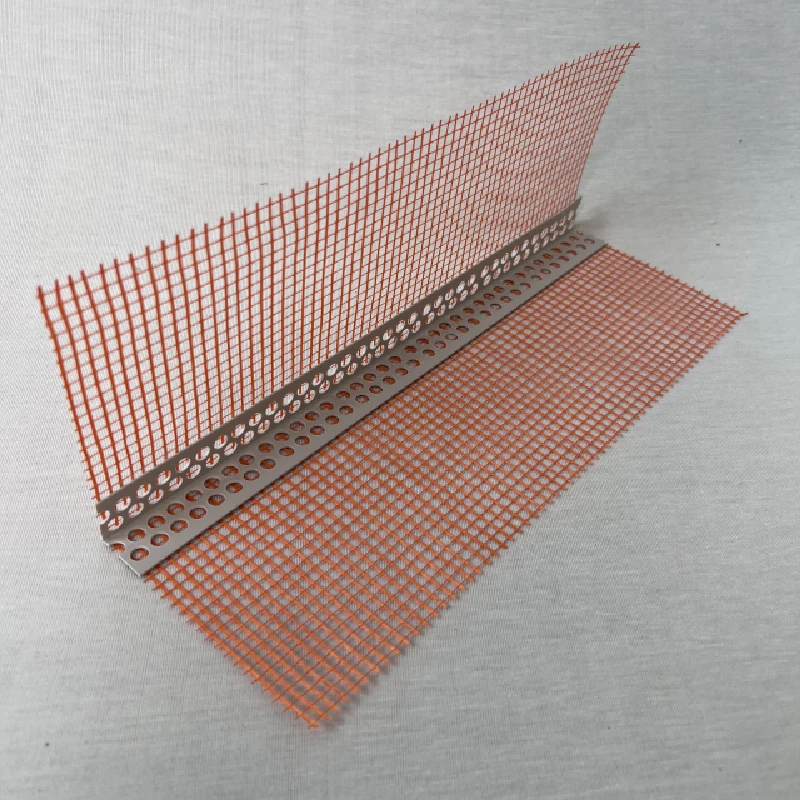
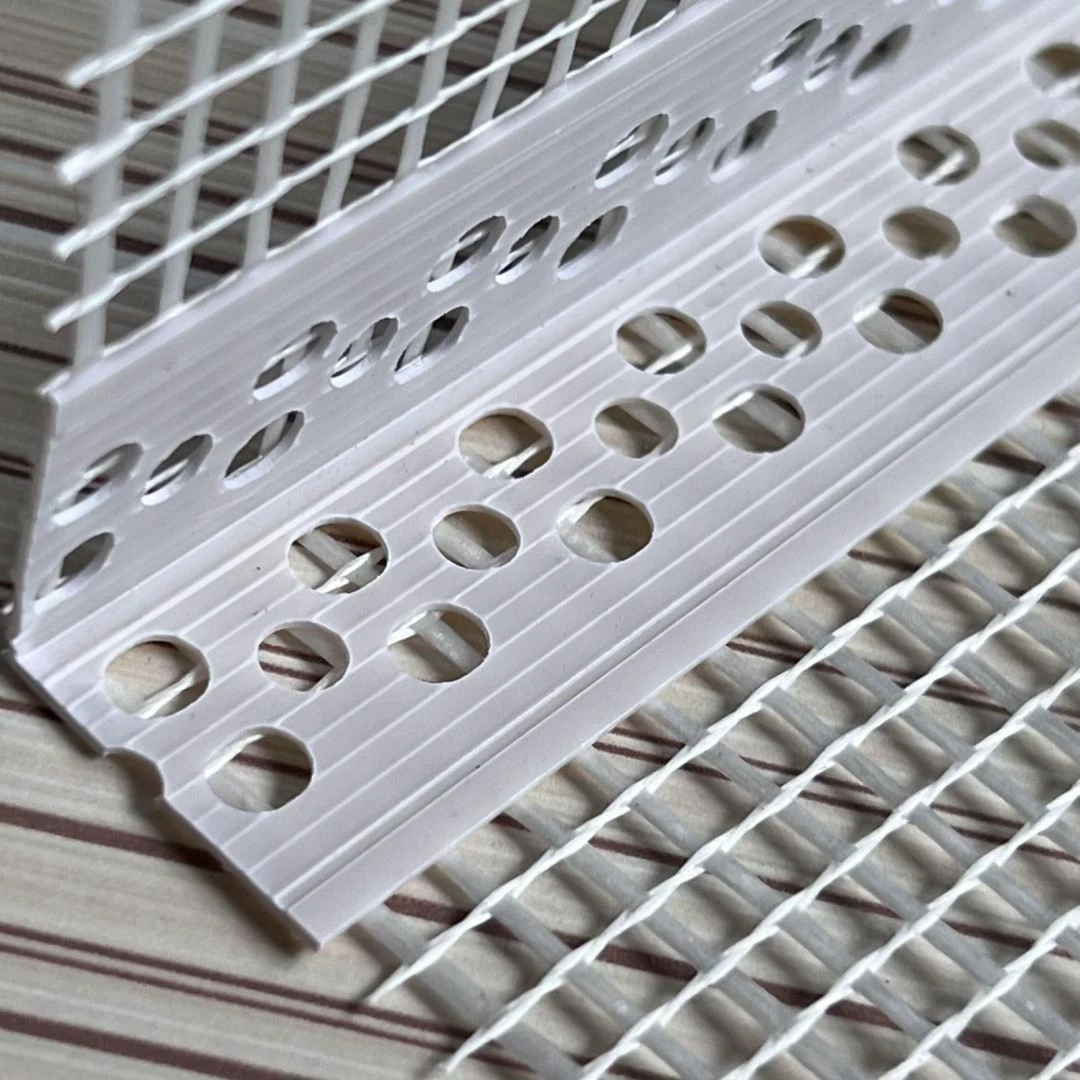
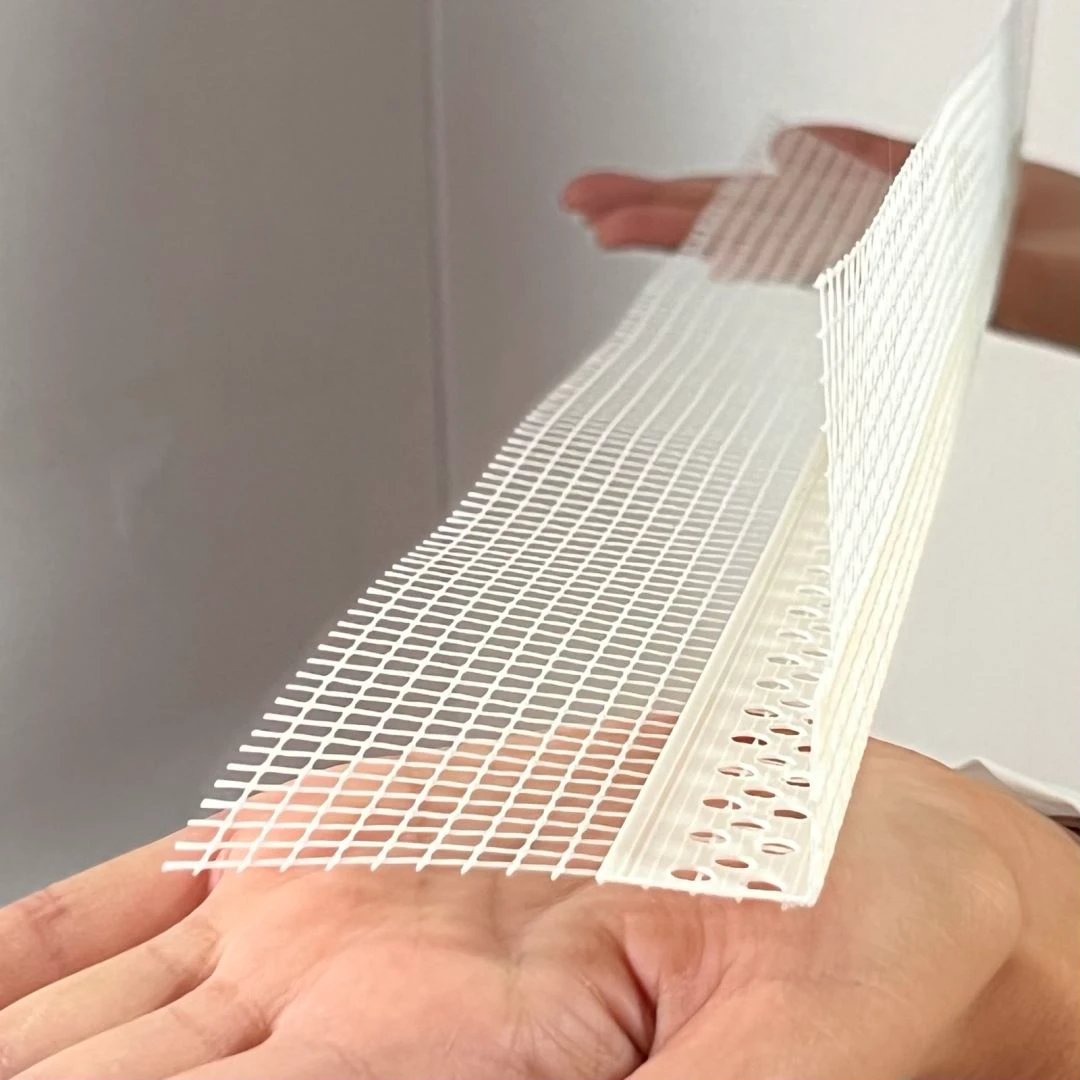
Fiberglass mesh for plastering product may sound like a niche construction term, but its impact is surprisingly broad. Essentially, it's a lightweight yet incredibly strong reinforcement material that keeps plaster and renders from cracking or deteriorating early. Worldwide, where housing demands are booming and infrastructure must withstand wear and tear — not to mention earthquakes or climate change effects — knowing about these mesh materials helps engineers, builders, and even humanitarian organizations deliver safer, longer-lasting surfaces.
From urban high-rises in Asia to emergency shelters in disaster zones, this seemingly simple mesh plays a pivotal role. And honestly, with rising global demand for durability paired with resource efficiency, its significance is only growing.
The Global Significance of Fiberglass Mesh in Construction and Relief Efforts
In 2023, the global construction industry was valued at over $12 trillion, with demand for durable, sustainable building materials climbing rapidly (World Bank). Plaster cracking compromises structural integrity and building aesthetics, often leading to expensive repairs or safety hazards.
Fiberglass mesh helps solve these persistent problems. It’s especially relevant in emerging economies where rapid urbanization meets both material scarcity and the need for resilient housing. International agencies including the United Nations advocate using modern reinforcing techniques, including fiberglass mesh, for better shelter standards in post-disaster relief and low-cost housing projects (UN Habitat reports).
Oddly enough, the material also surfaces in renovation projects on centuries-old buildings, thanks to its mix of flexibility, strength, and resistance to moisture and alkali.
What Is Fiberglass Mesh for Plastering Product?
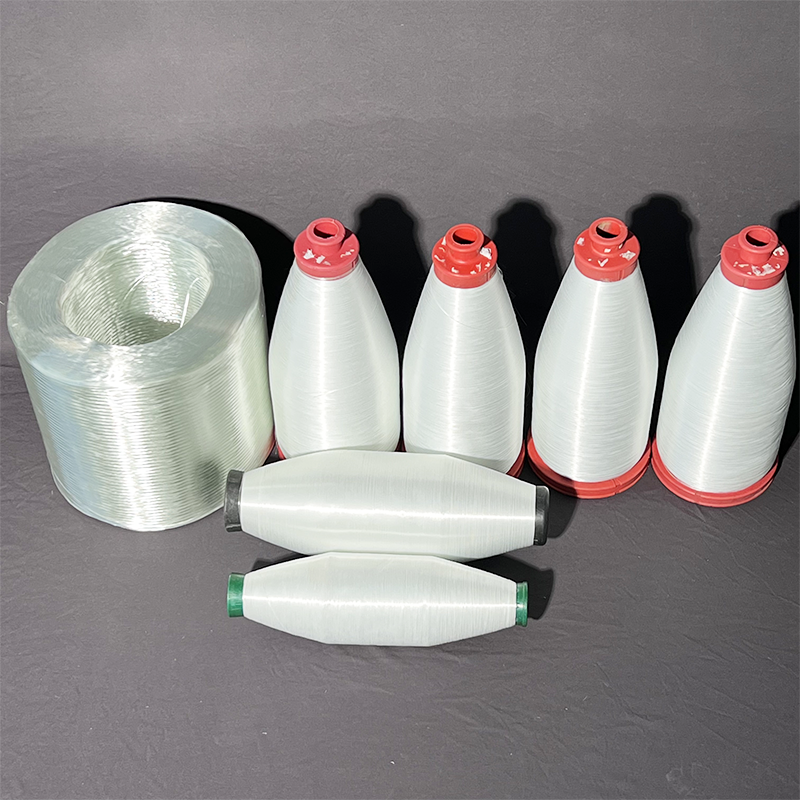
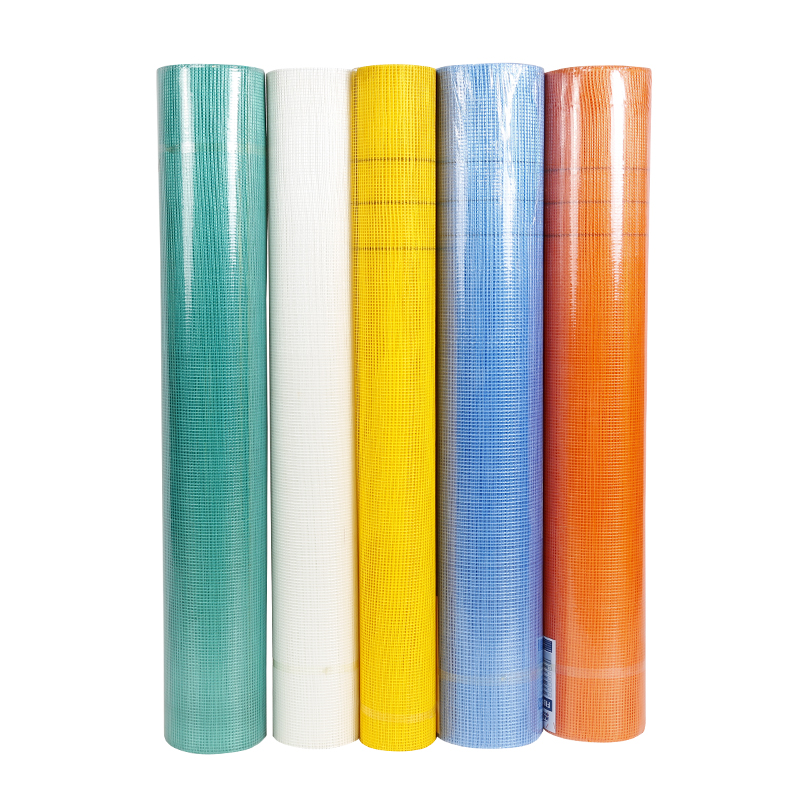
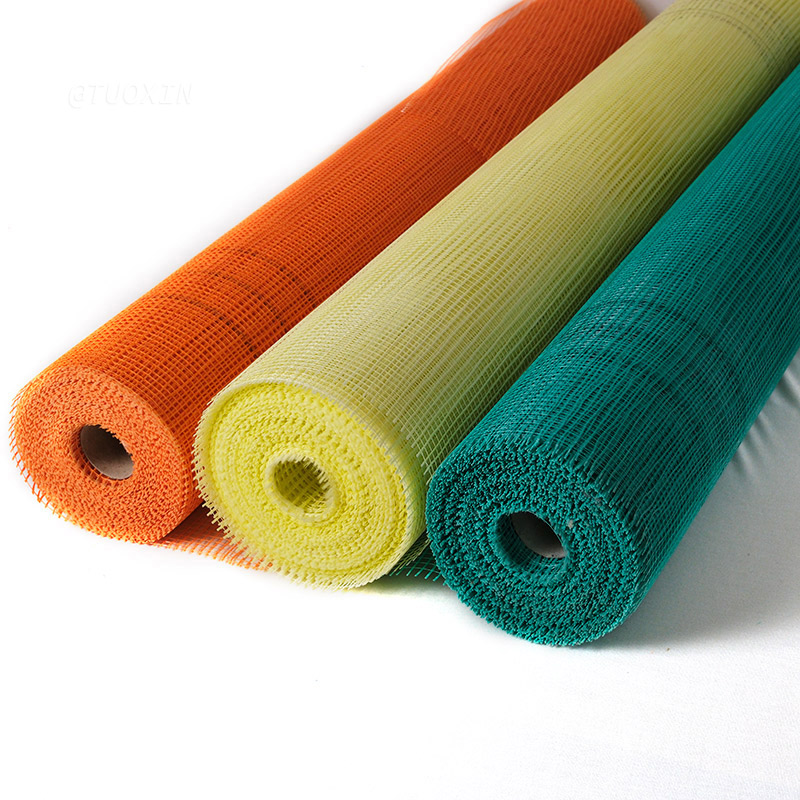
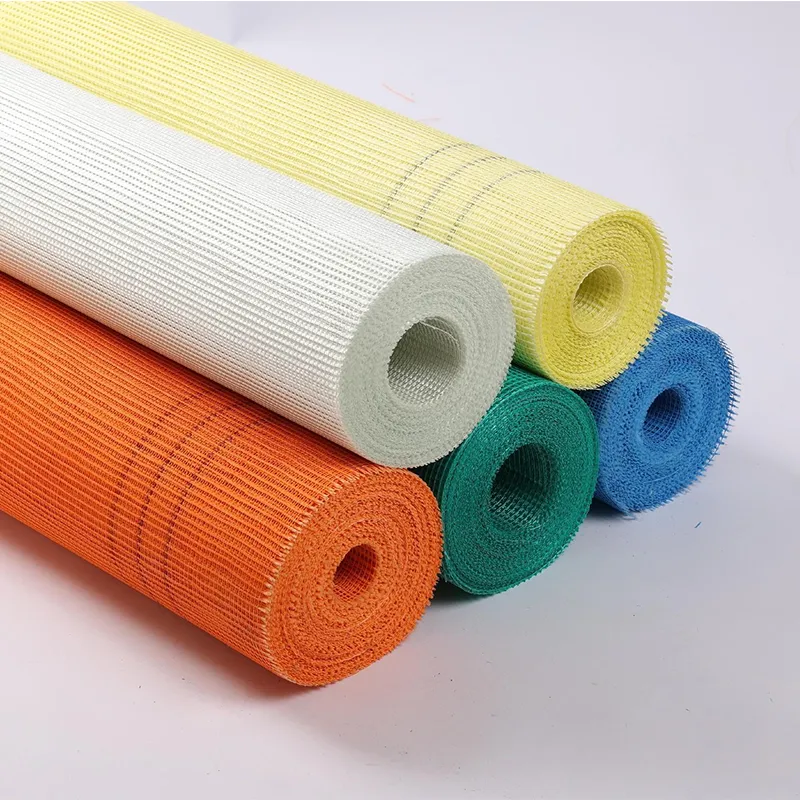
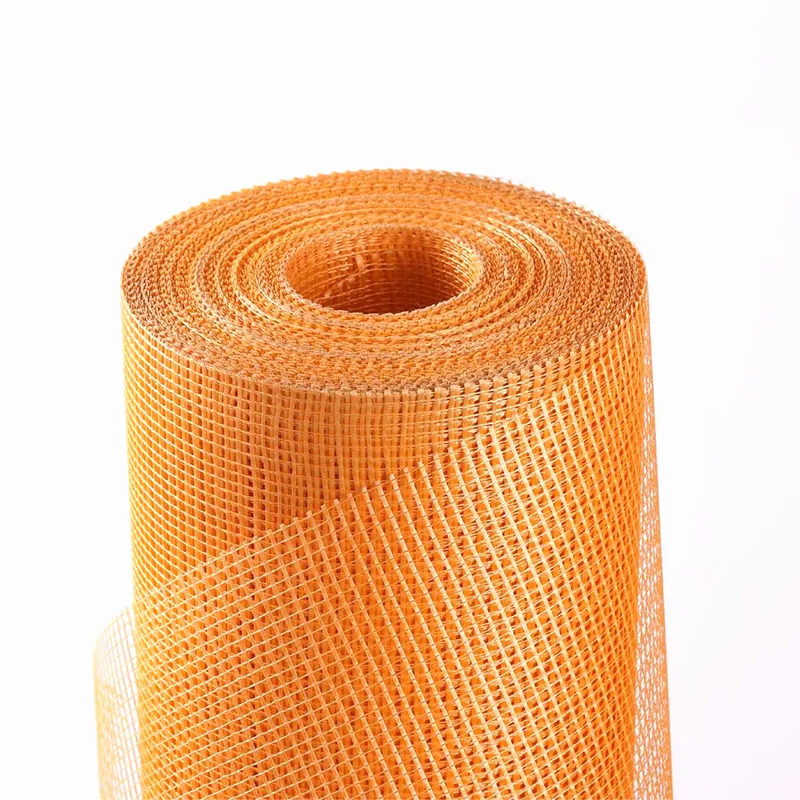
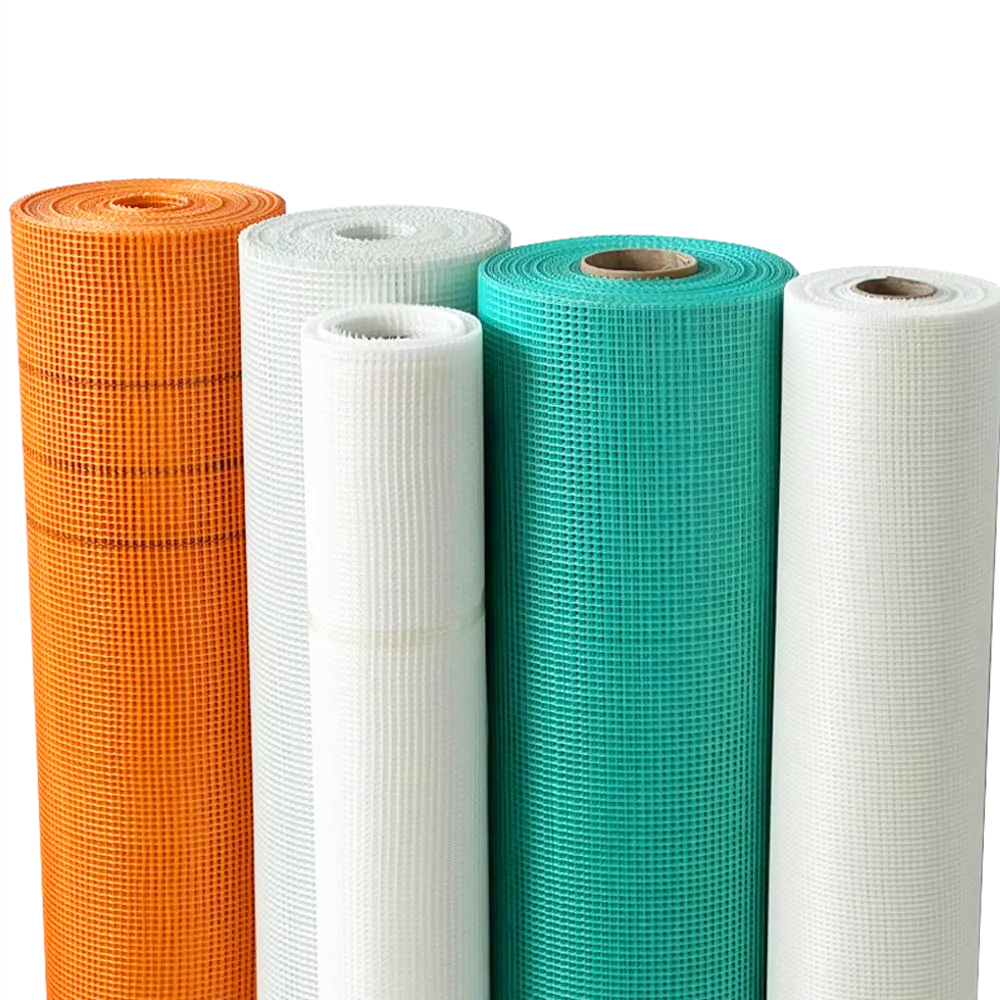
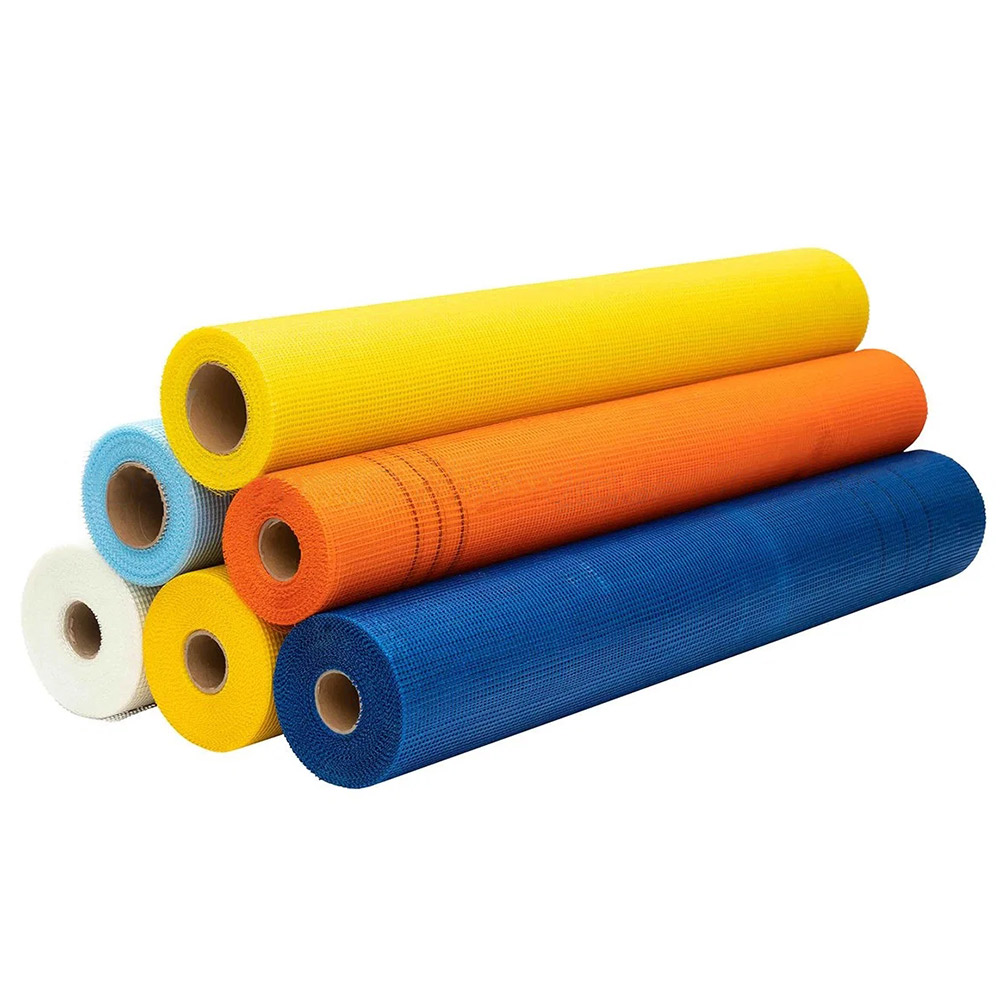
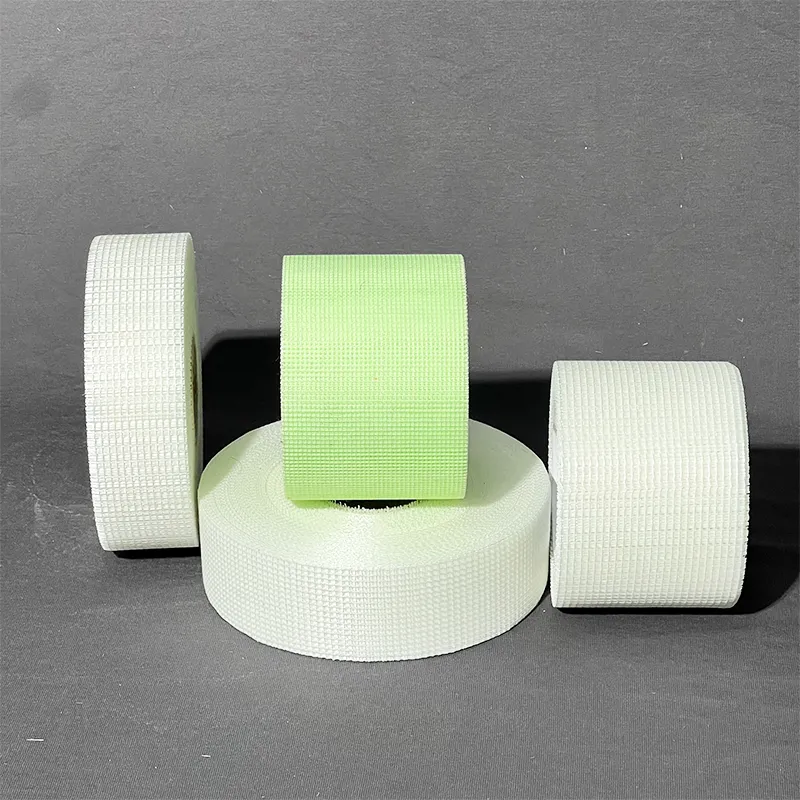
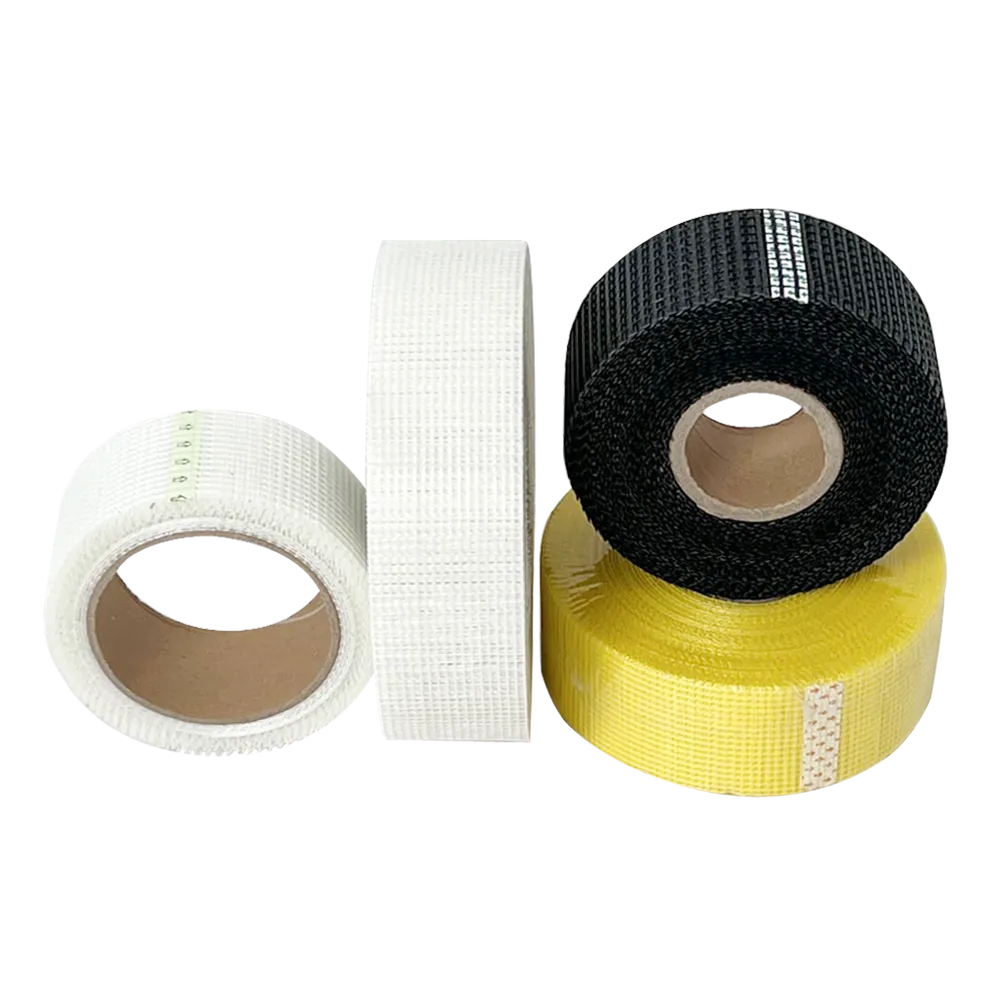
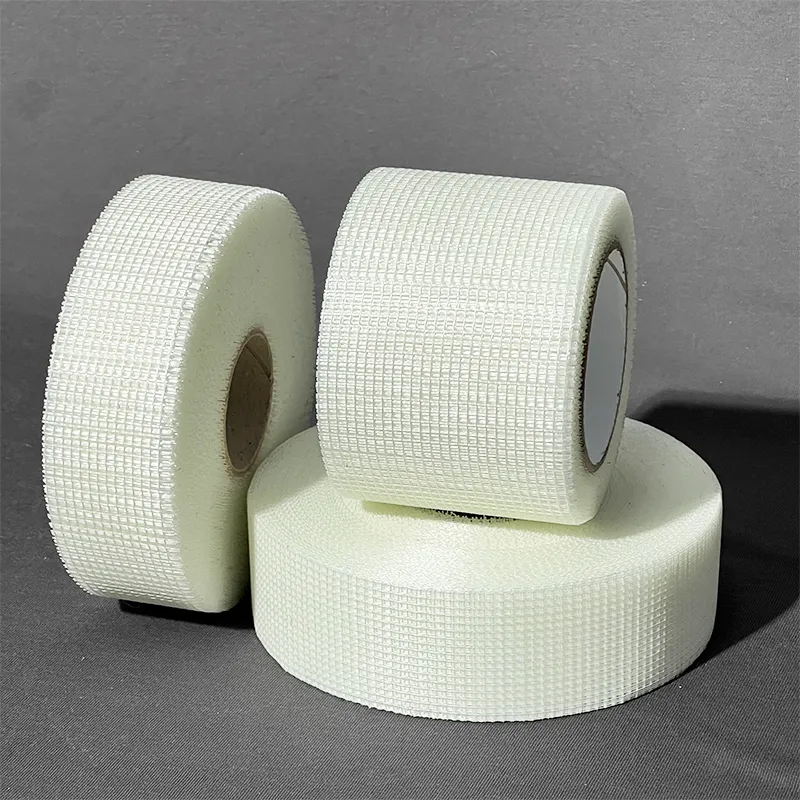
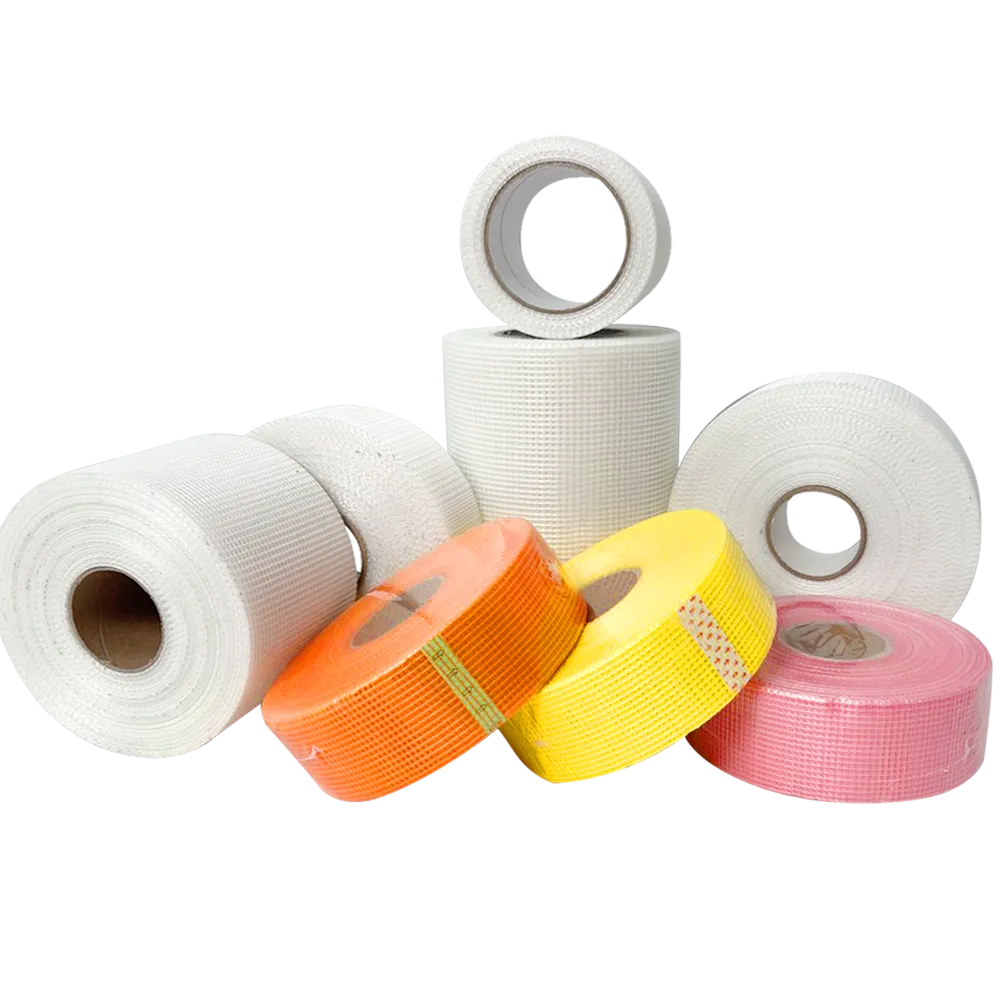
Simply put, fiberglass mesh is a grid-like fabric made by weaving fine fiberglass filaments. When embedded in plaster or cement-based renders, it distributes stress evenly across the coated surface and inhibits cracks from forming or spreading. This reduces maintenance frequency and extends the lifespan of walls and ceilings.
Besides urban construction, it is vital in humanitarian contexts where fast, durable, and cost-effective solutions are needed — say, for refugee shelters or temporary clinics. The mesh’s light weight and ease of installation make it a favorite for various construction crews worldwide.
Key Factors That Make Fiberglass Mesh Essential
1. Durability and Strength
Fiberglass mesh withstands harsh weather, exposure to moisture, and chemical attacks better than traditional materials. This strength means walls maintain integrity longer without visible cracks, an issue many engineers highlight when designing in seismic zones or humid climates.
2. Flexibility and Ease of Use
Unlike metal reinforcements, fiberglass meshes are flexible — they accommodate building movements and thermal expansion without breaking. Installers often say this flexibility speeds up plastering work and reduces brittle failures.
3. Cost Efficiency
Though fiberglass mesh adds upfront cost, it significantly reduces repair and refurbishment expenses. Over time, this creates a cost-benefit balance that commercial builders and NGOs find hard to ignore.
4. Eco-Friendliness
Fiberglass mesh’s production requires less energy compared to steel alternatives, plus it’s recyclable. As green building codes become stricter, its sustainability credentials are a bonus.
5. Resistance to Alkali and Chemicals
Embedded in alkaline plaster, fiberglass mesh does not corrode, unlike metal meshes. This resistance is crucial in harsh industrial environments and coastal construction sites.
Where Is Fiberglass Mesh for Plastering Used Globally?
- Urban developments: High-rise buildings in East Asia and the Middle East use it extensively to ensure facade longevity.
- Post-disaster housing: In earthquake zones like Nepal or flood-hit areas in Southeast Asia, organizations reinforce shelter walls with fiberglass mesh to prevent rapid collapse.
- Historic restoration: Old European buildings undergoing refurbishment often employ fiberglass mesh to maintain structural integrity without altering appearance.
- Remote industrial sites: Mines and chemical plants use it for corrosion-resistant plaster coatings.
- Affordable housing projects: NGOs rely on its fast installation properties to build cost-effective, durable shelters in Africa and Latin America.
A Quick Look: Fiberglass Mesh Product Specifications
| Specification | Typical Value | Remarks |
|---|---|---|
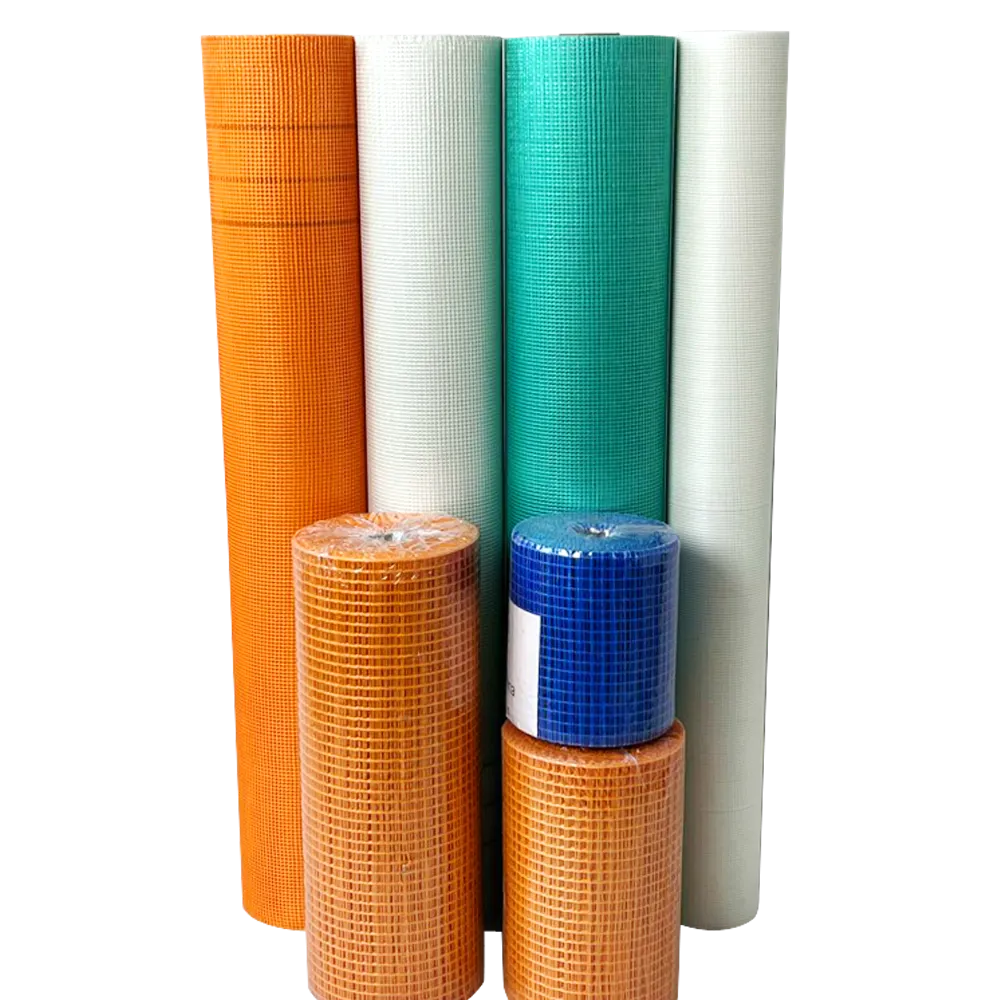
| Mesh Size | 4 x 4 mm or 5 x 5 mm | Common sizes for plastering |
| Weight | 60-145 g/m² | Adjustable per strength needed |
| Tensile Strength | ≥ 1200 N/5 cm | Ensures crack resistance |
| Alkali Resistance | ≥ 99% | Long-term chemical stability |
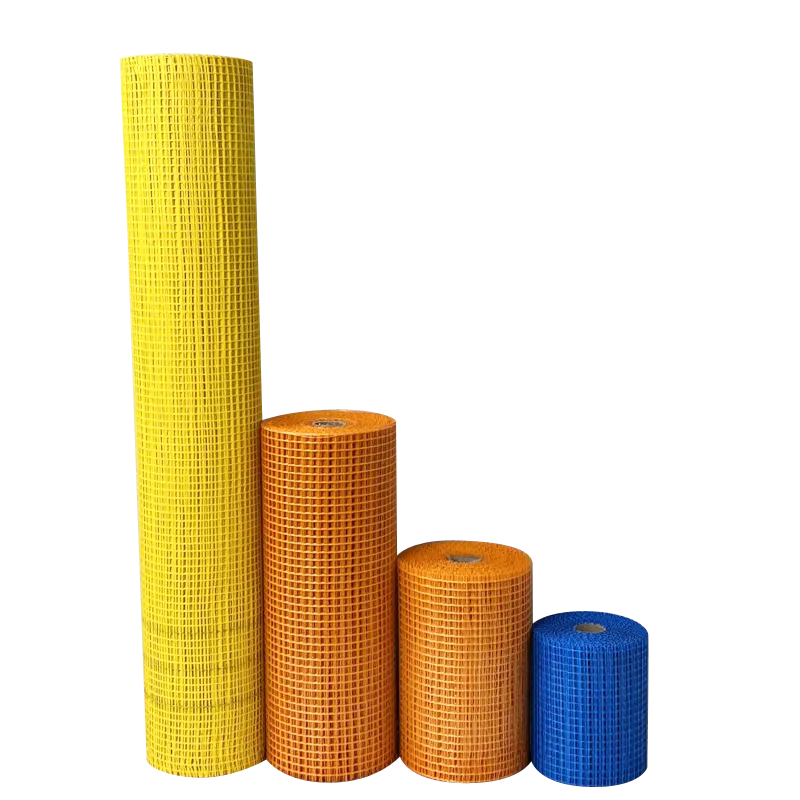
| Roll Length | 50 meters | Common packaging |
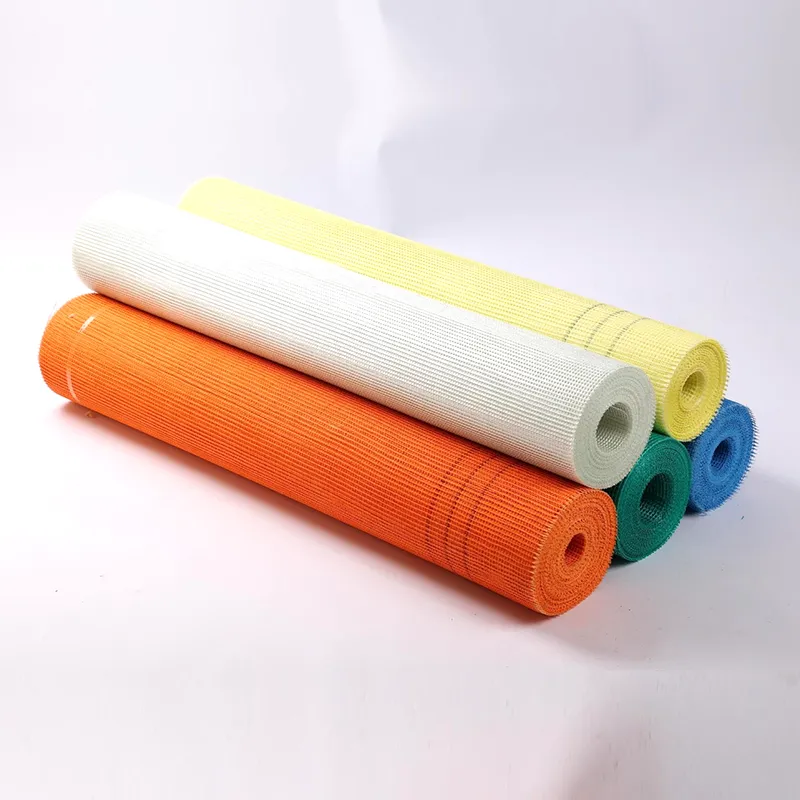
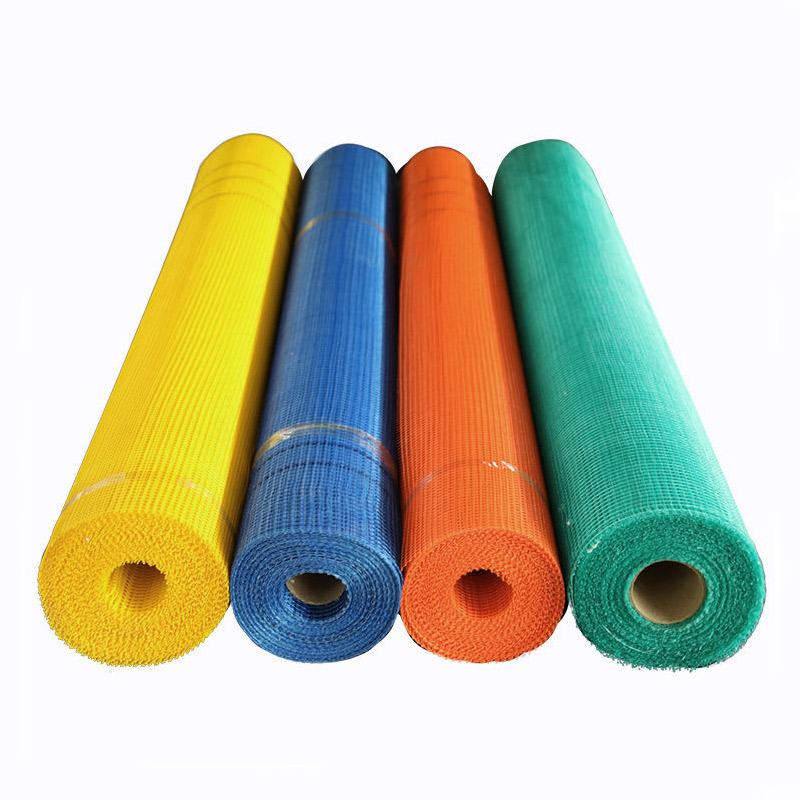
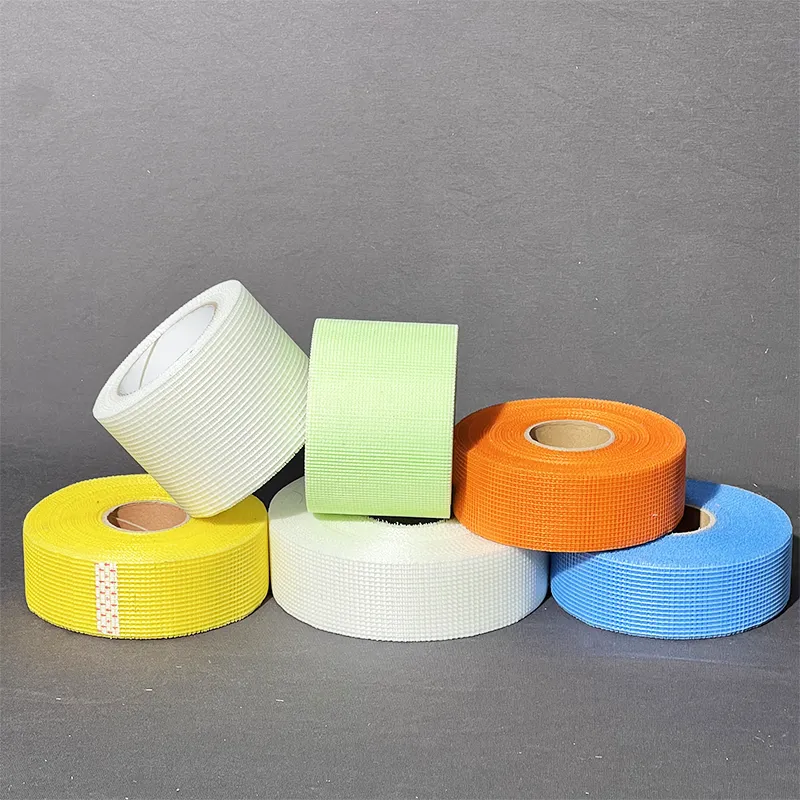
| Color | White or yellow | Material purity indicator |
Comparing Top Vendors of Fiberglass Mesh Products
| Vendor | Product Range | Pricing | Lead Time | Eco Features |
|---|---|---|---|---|
| Tainuo Fiberglass | Standard & Customized Mesh | Competitive | 2-3 weeks | High recyclability |
| MeshPro Industries | Broad sizes, metal mesh combo | Mid-range | 4-5 weeks | Limited eco claims |
| FiberFix Solutions | High-performance mesh up to 200 g/m² | Premium | 1-2 weeks | Uses green production methods |
Advantages and Lasting Value of Fiberglass Mesh
Cost and durability aside, fiberglass mesh inspires confidence. Builders appreciate how it reduces the risk of cracks that compromise safety. For inhabitants, this means homes that feel secure, protected against unexpected weather or seismic shakes — a sort of quiet reassurance that's hard to describe but impossible to overlook. There’s a dignity in living or working in a well-made building that doesn’t crumble.
On the social level, less frequent repairs translate to lower carbon footprints and reduced waste — now that feels like progress in construction, doesn’t it?
Looking Ahead: Innovations and Industry Trends
The fiberglass mesh market is adapting fast. Advances in material science, such as lighter yet stronger hybrid composites and digital weaving techniques, promise even better performance. Some manufacturers are exploring integration with bio-based resins or UV-stabilizers to further extend lifespan.
Automation in fabrication, combined with stricter international sustainability standards (ISO 14001), is pushing the entire supply chain toward greener, smarter production. It's exciting to imagine — someday your lightweight plaster mesh might even help make the building carbon-neutral.
Challenges and How the Industry Is Evolving to Solve Them
That said, there are still hurdles. Installation can be tricky if workers aren’t trained properly, and impurities in cheap mesh batches cause early failure. Also, in very humid or salty coastal environments, even fiberglass may degrade faster than expected.
Innovative coatings, better workforce education programs, and stricter quality certifications have started to address these issues. Plus, customized mesh designs tailored to project-specific environments are becoming a common offering from vendors.
Frequently Asked Questions About Fiberglass Mesh for Plastering Product
- Q1: How does fiberglass mesh improve plaster durability?
- Fiberglass mesh distributes tension across plaster surfaces, preventing cracks caused by shrinkage, impact, or thermal stress. This reinforcement reduces maintenance and extends the life of walls and ceilings.
- Q2: Can fiberglass mesh be used outdoors?
- Absolutely. Its resistance to alkali and moisture makes fiberglass mesh ideal for exterior plastering applications, especially in areas exposed to rain, UV, and temperature variations.
- Q3: What sizes and weights of fiberglass mesh are best for plastering?
- Standard mesh sizes are 4x4 mm or 5x5 mm, with weights ranging from 60 to 150 g/m². Heavier meshes are used for higher-strength requirements, while lighter ones suit standard walls and ceilings.
- Q4: Is fiberglass mesh environmentally friendly compared to metal meshes?
- Yes, fiberglass mesh manufacturing consumes less energy and has less associated carbon emissions. It is also recyclable, making it a greener option over steel meshes.
- Q5: Where can I find reliable suppliers of fiberglass mesh?
- Leading suppliers like fiberglass mesh for plastering product vendors offer customizable solutions with strict quality controls. It's wise to request certifications and samples before bulk purchase.
Wrapping It Up: Why Fiberglass Mesh Is More Than Just Reinforcement
In real terms, fiberglass mesh for plastering product is a silent guardian of walls worldwide. It protects buildings from damage we often take for granted — temperature changes, minor shocks, or just the natural passage of time. What’s more, its role in sustainable, cost-effective construction means it’s not just a modern convenience but a global necessity.
If you’re involved in construction, architecture, or disaster relief, understanding and sourcing quality fiberglass mesh is a step towards better buildings and safer communities.
To explore more about fiberglass mesh for plastering product and how to incorporate it in your projects, visit our website and tap into the latest offerings.
References
-
Best Fiberglass Mesh Tape for RedGard Product Waterproofing GuideNewsApr.16,2026
-
Why High Strength Fiberglass Mesh Is Essential For Stucco ApplicationNewsApr.15,2026
-
Why Alkali Resistant Fiberglass Mesh Tape Is Essential For Cement Board And Tile InstallationsNewsApr.15,2026
-
Understanding The Role Of Drywall Fiberglass Mesh In Interior FinishingNewsApr.15,2026
-
Ultimate Guide To Using Fiberglass Mesh Tape For Drywall And Plaster RepairsNewsApr.15,2026
-
The Versatility Of Fiberglass Mesh In Marble And Stone MosaicNewsApr.15,2026