Dec . 01, 2025 16:25 Back to list
Durable Fiberglass Mesh for Plastering Products | Global Quality & Solutions
Fiberglass Mesh for Plastering Products: A Global Game-Changer in Construction
At first glance, fiberglass mesh for plastering products might feel like just another "building material" in an endless list of technical jargon. But when you step back and consider what it enables globally — from safer housing in vulnerable regions to better, more durable infrastructure in booming cities — its impact becomes strikingly clear. For engineers, architects, NGOs, and manufacturers alike, grasping this material’s role offers a lens into smarter, more sustainable building solutions that literally hold walls together, stronger and longer. Let's unpack why this seemingly simple mesh is quietly vital worldwide.
Introduction: Meeting a Growing Global Need
According to the United Nations, nearly 1.6 billion people live in substandard housing worldwide. Urbanization trends combined with climate change emphasize the urgent need for resilient, cost-effective building materials. Fiberglass mesh for plastering products answers this call by reinforcing plaster and renders, reducing cracks and enhancing wall stability — key to improving buildings in both developed and developing countries. The International Organization for Standardization (ISO) even references fiberglass mesh specifications in plastering standards, highlighting its growing importance across sectors.
But here’s the common challenge: plaster cracks not only deteriorate structural integrity but also expose buildings to moisture, mold, and costly repairs. Fiberglass mesh reduces these pains, offering a practical, scalable solution — which, frankly, is why so many in construction and disaster relief are turning to it.
What Exactly Is Fiberglass Mesh for Plastering Products?
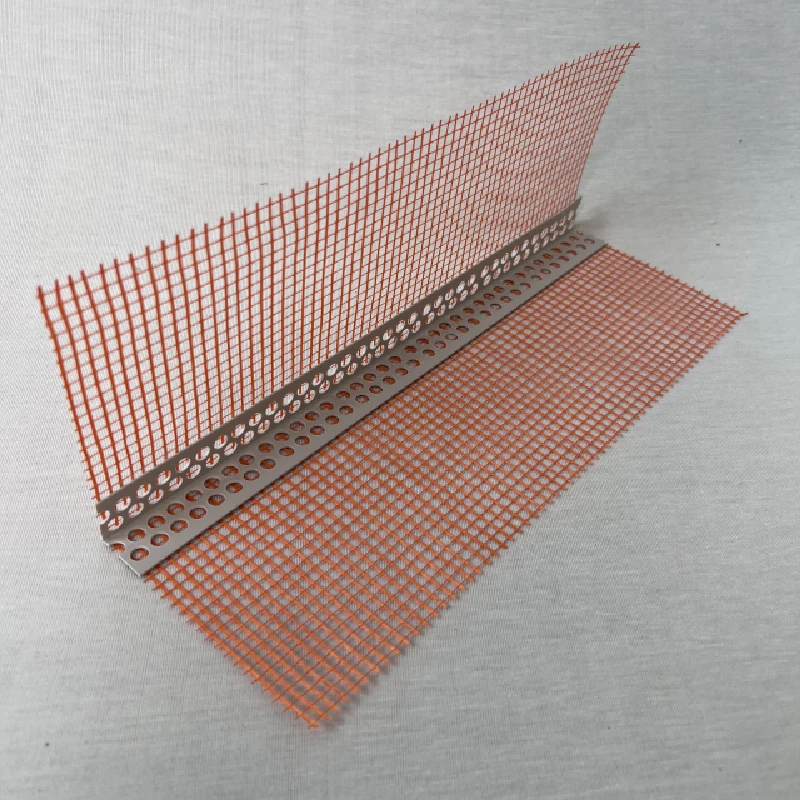
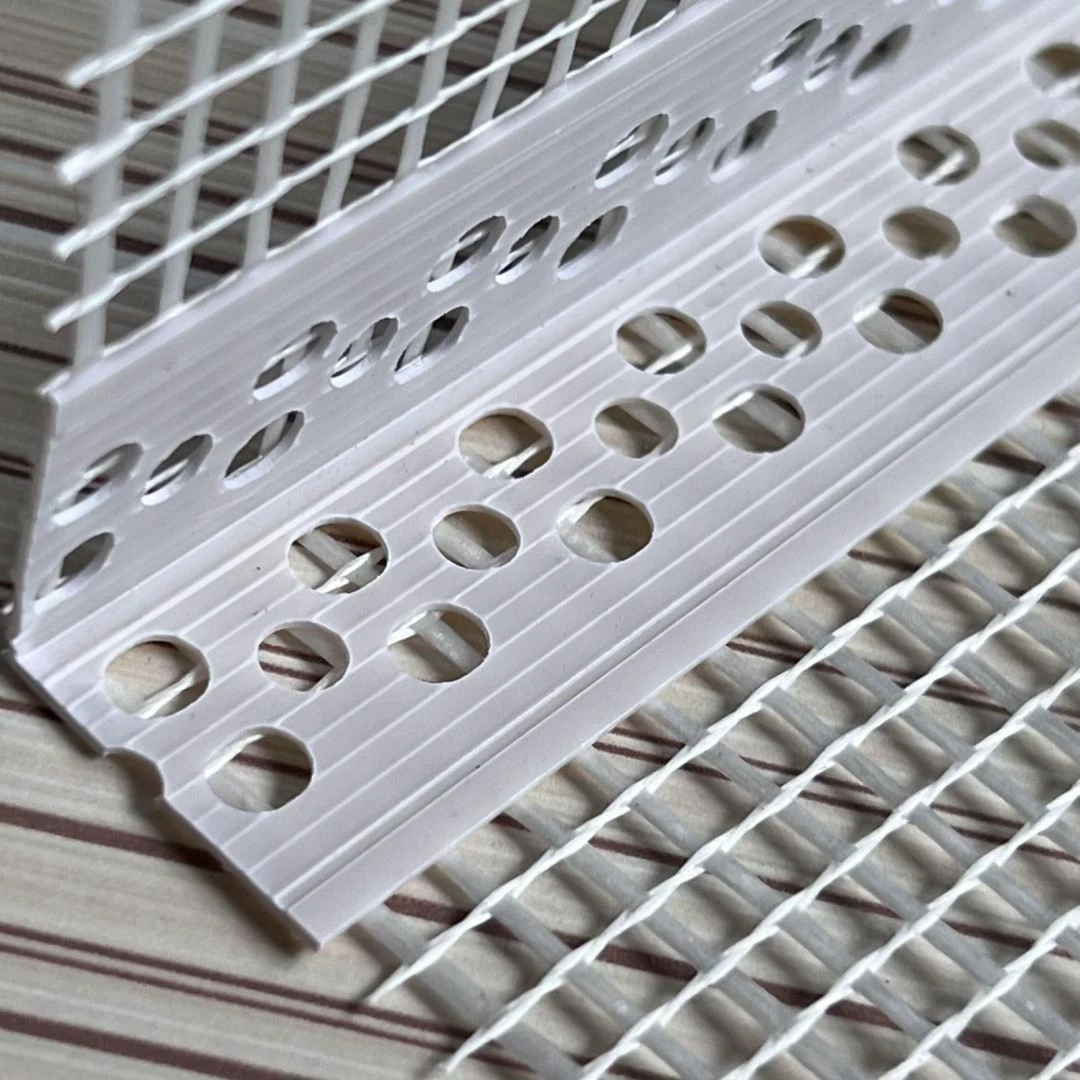
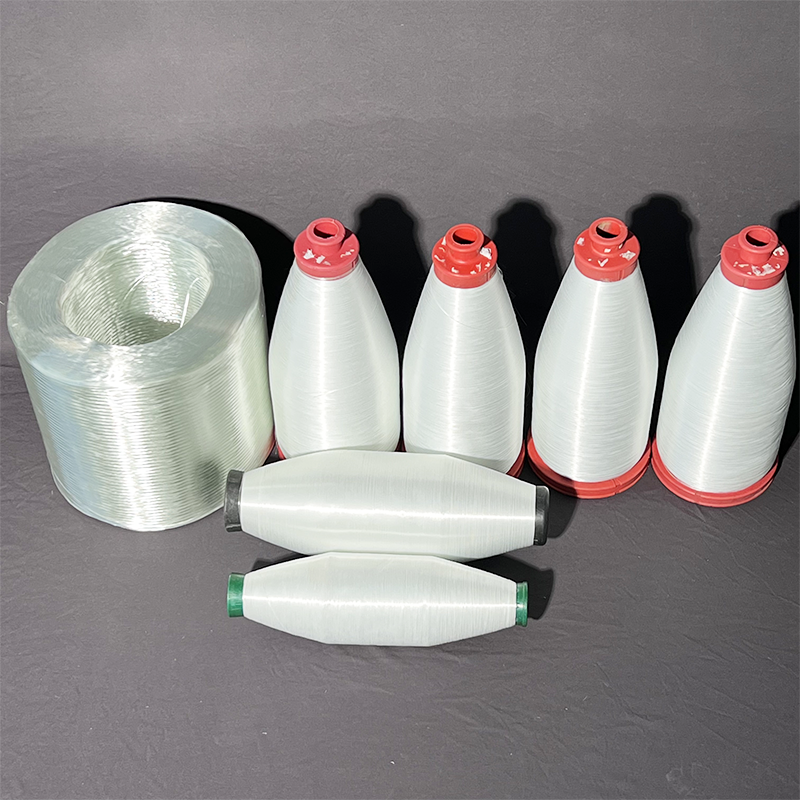
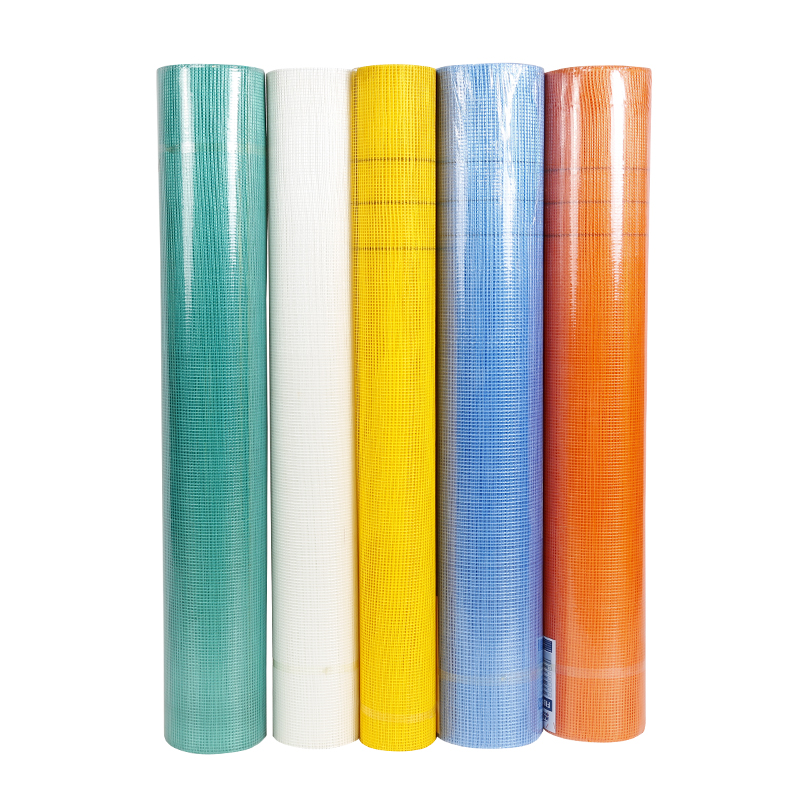
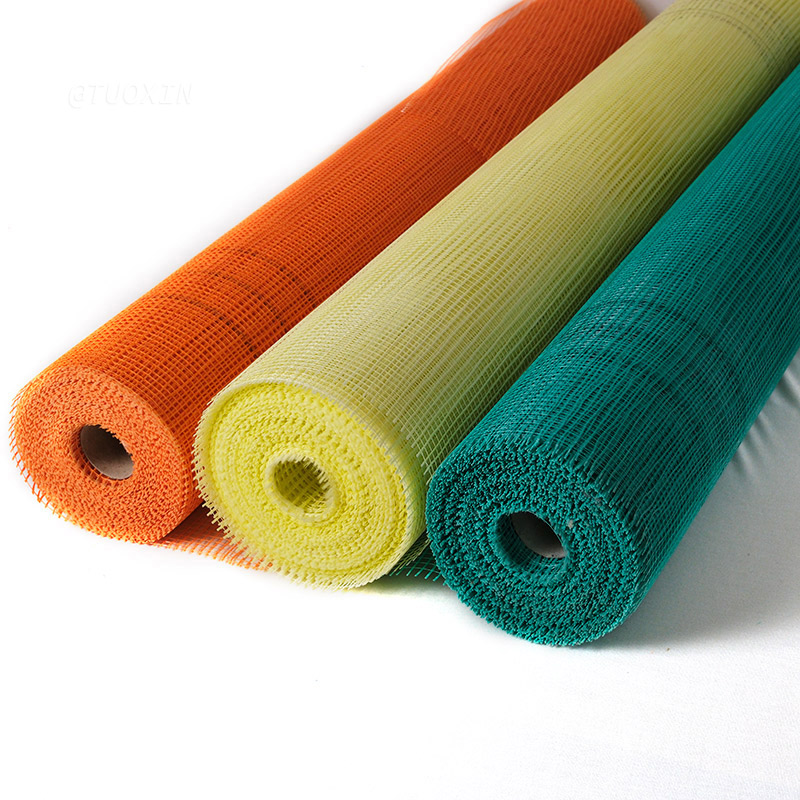
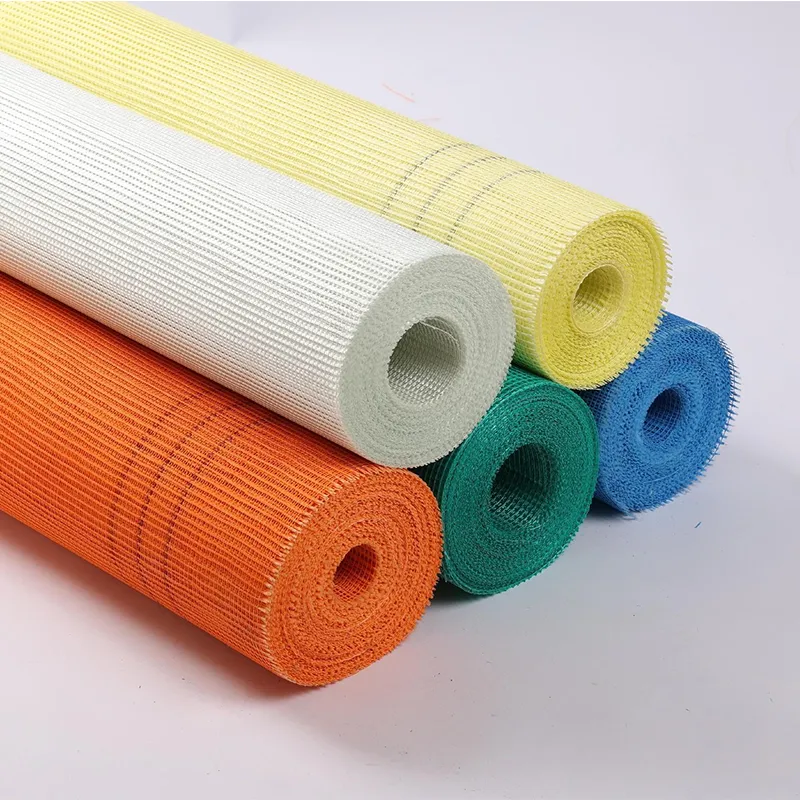
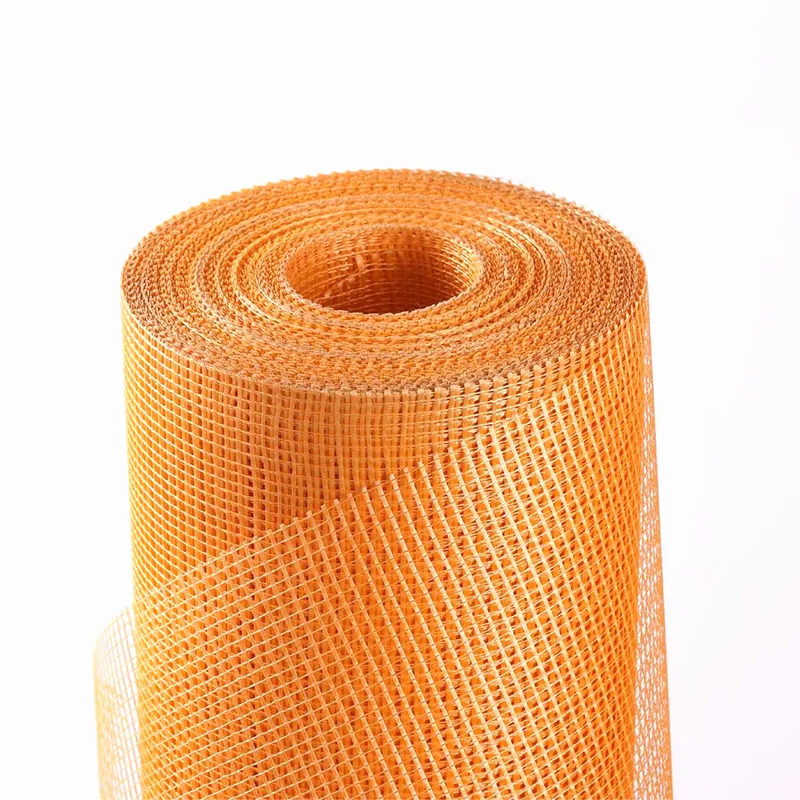
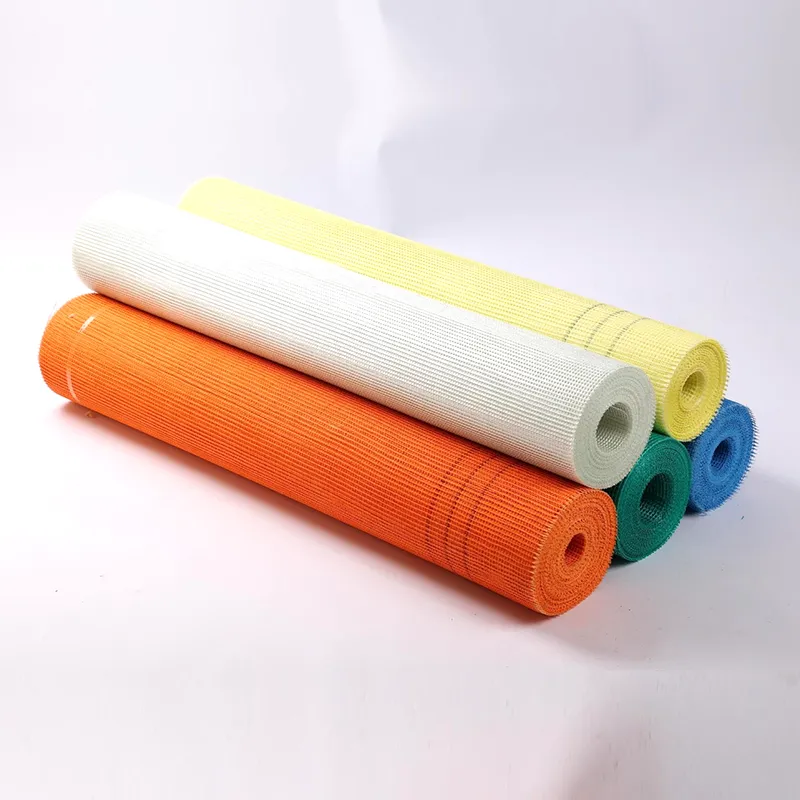
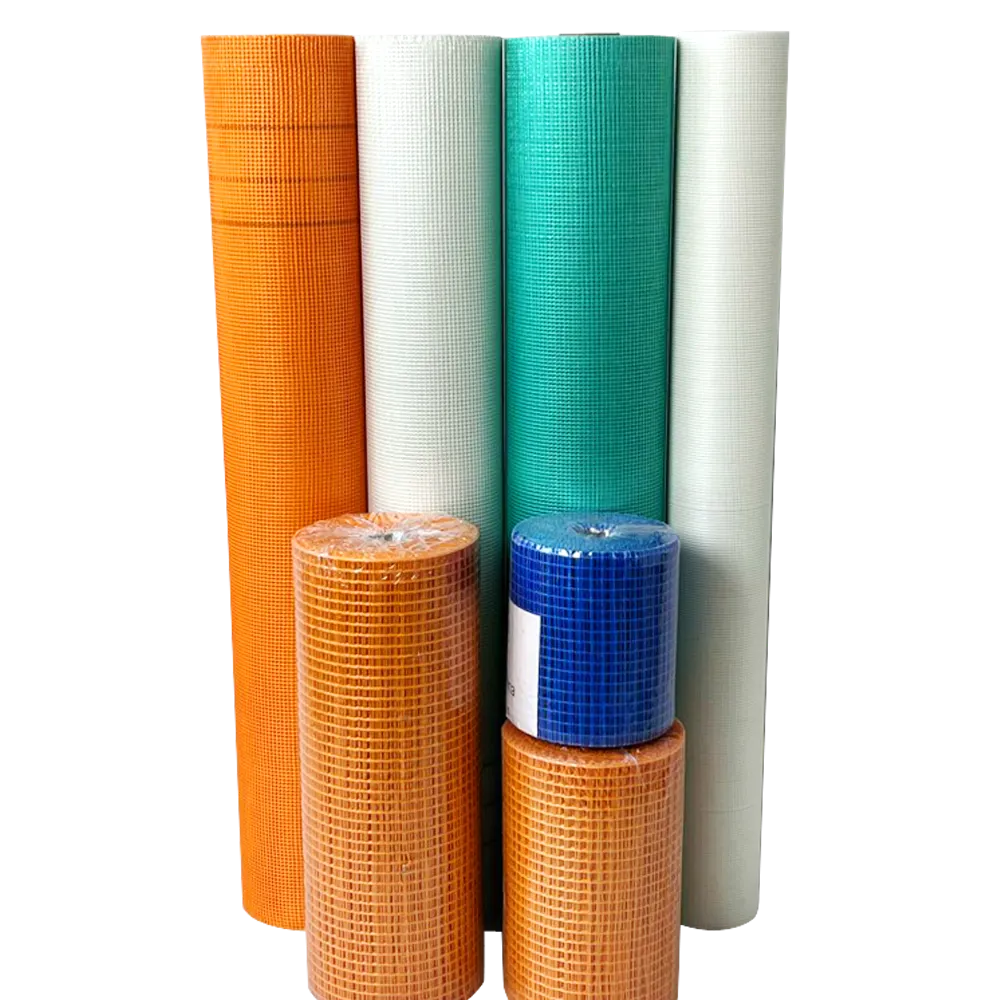
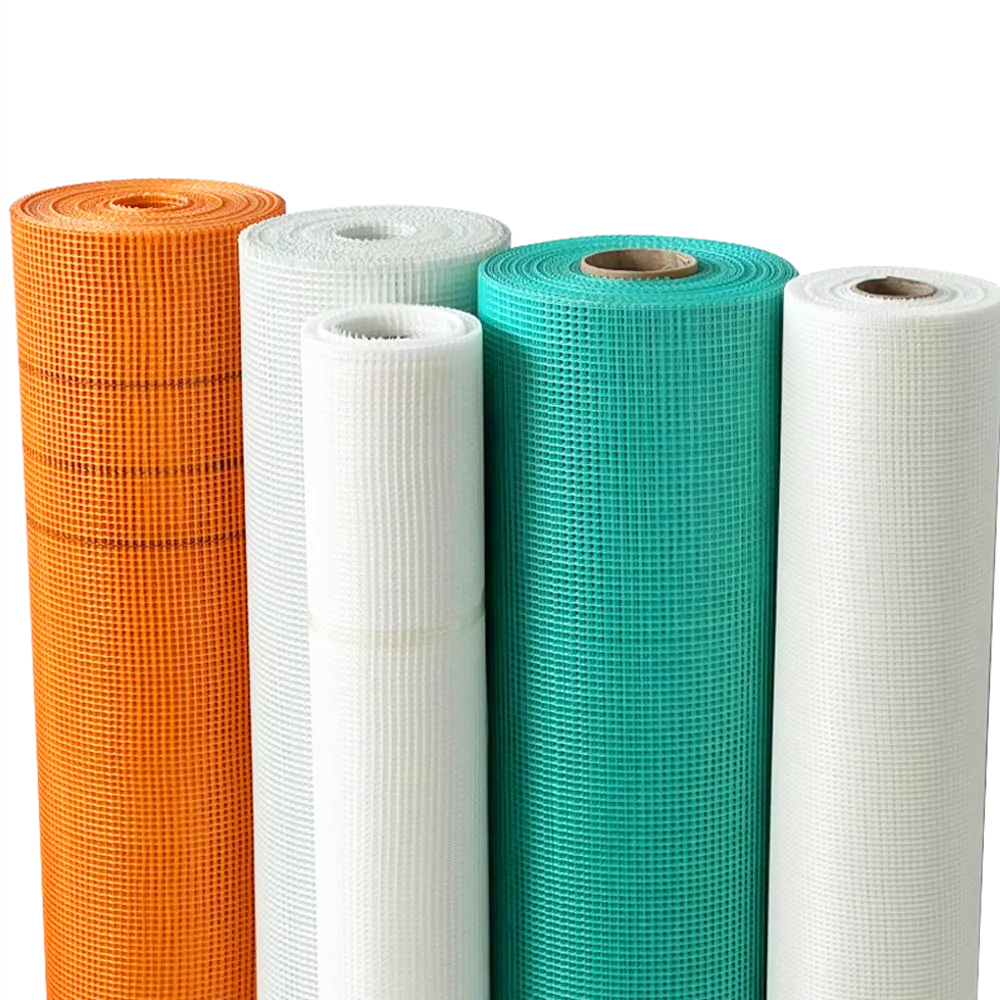
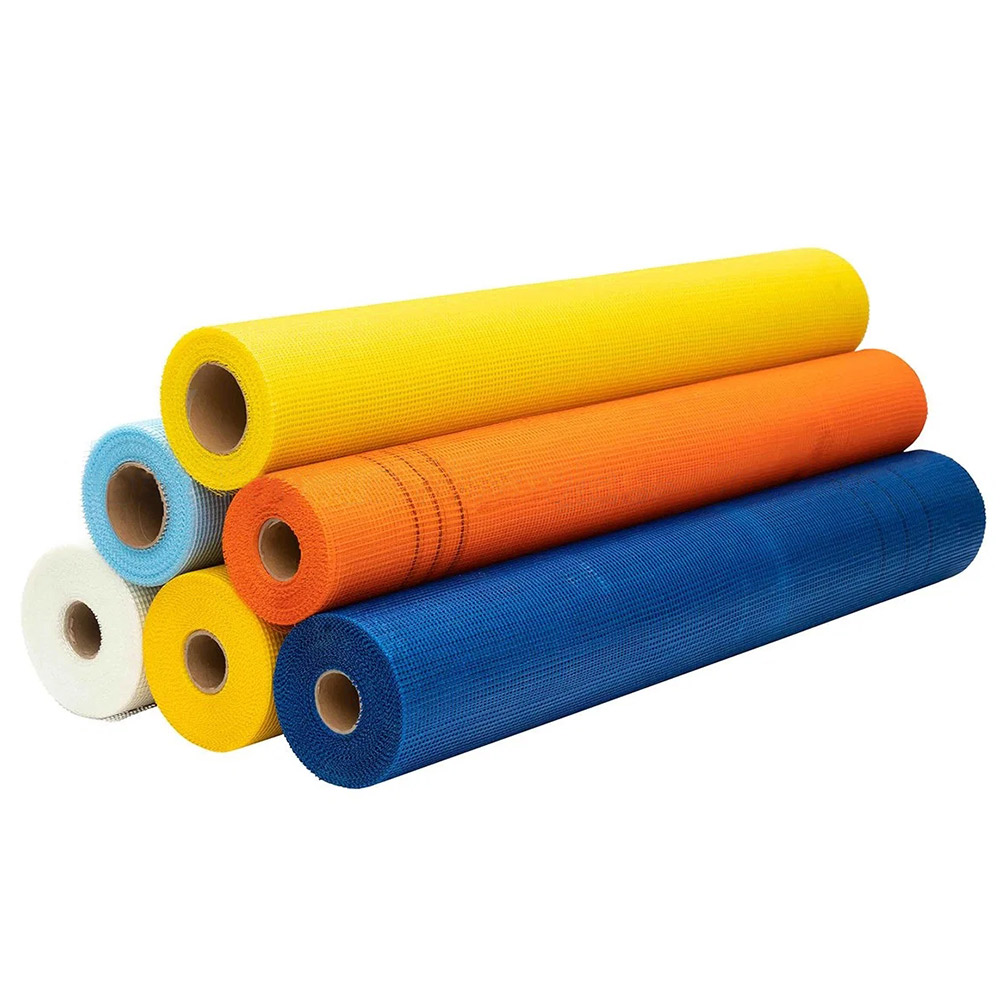
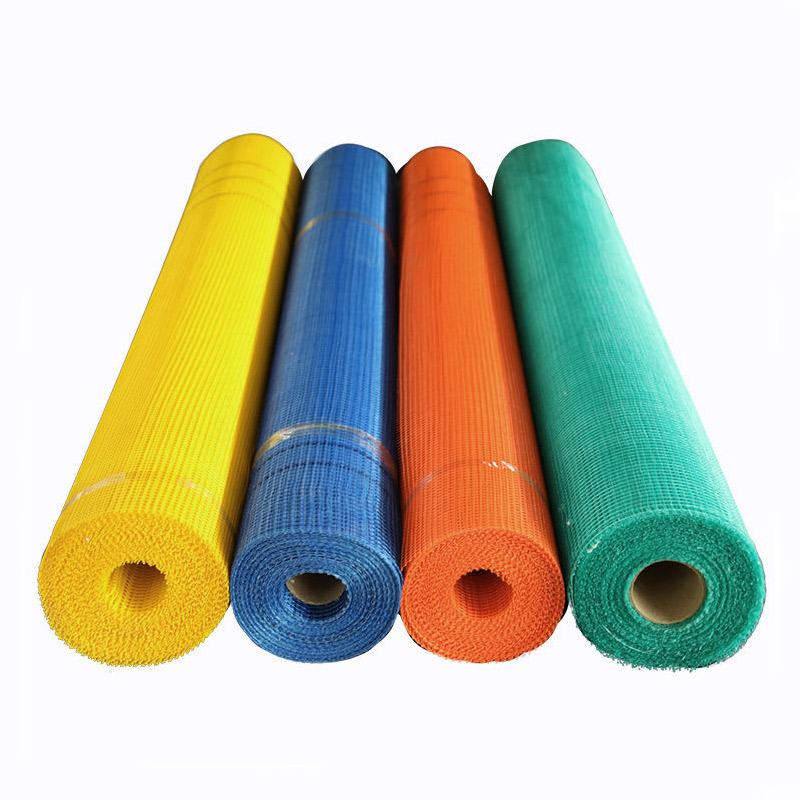
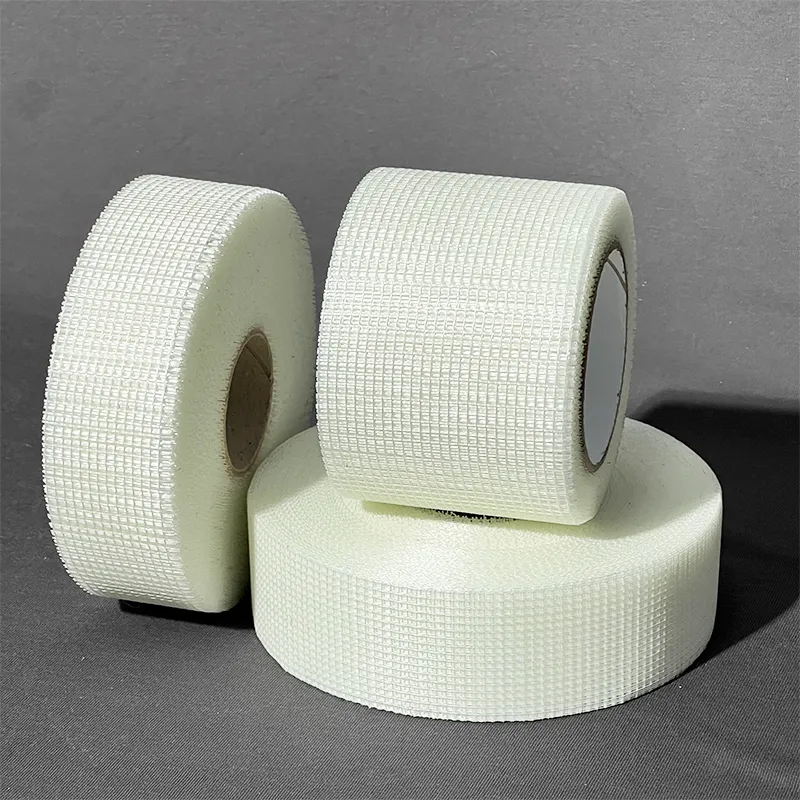
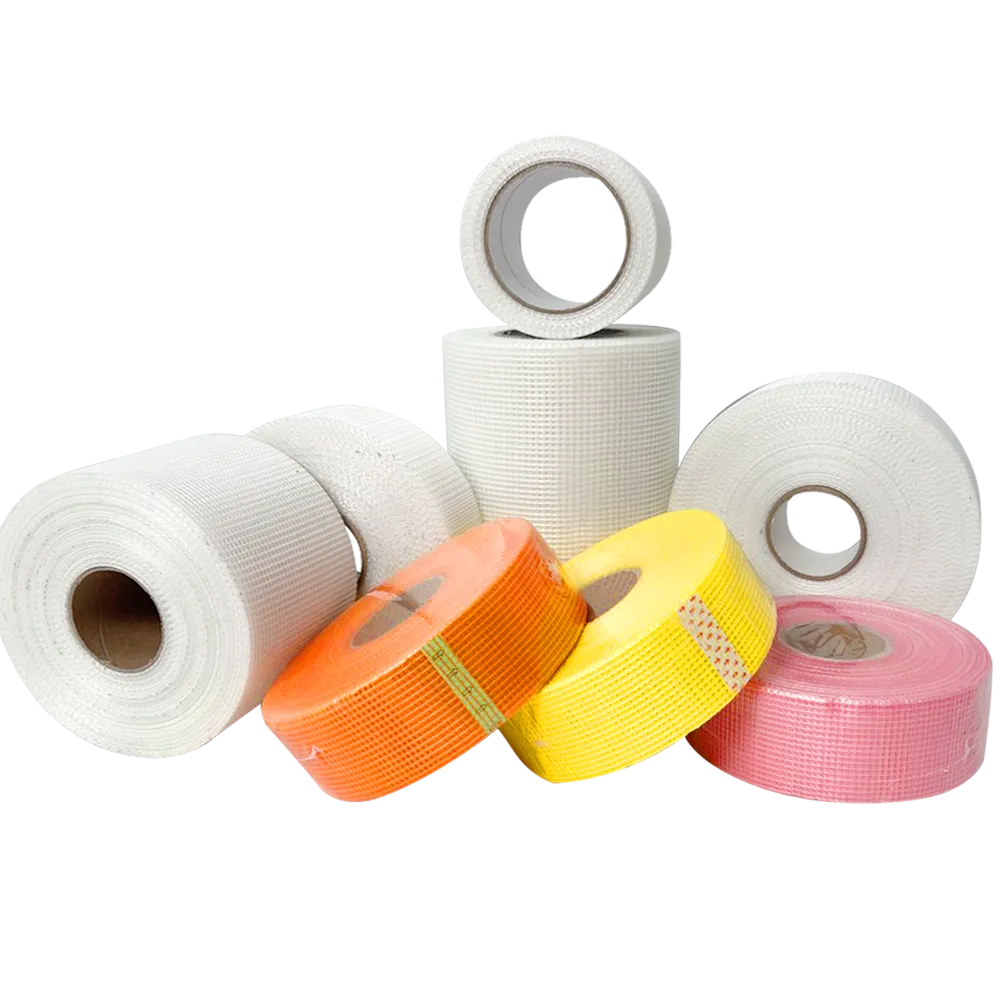
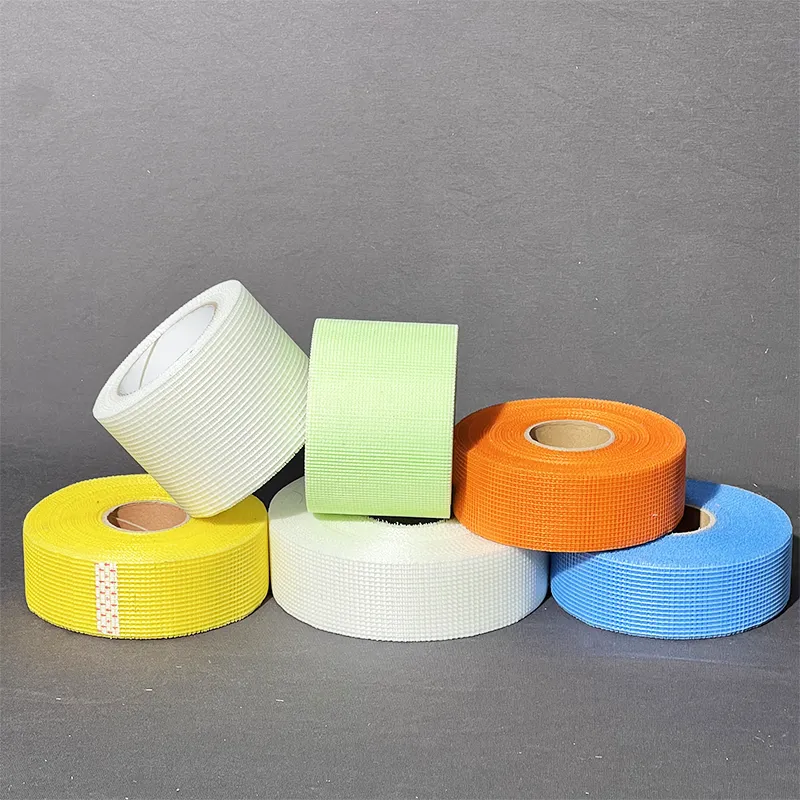
Simply put, fiberglass mesh is a grid-like fabric woven from thin strands of glass fibers, coated with alkaline-resistant chemicals to ensure durability when embedded within plaster or cement renders. Think of it as a reinforcement agent, much like rebar in concrete, but for plaster surfaces. It distributes stress evenly and prevents tiny cracks from evolving into full-blown structural problems.
Its role extends beyond construction trades — humanitarian organizations rely on it for rapid post-disaster housing repairs, where quick-drying, crack-resistant walls are lifesavers. It’s also embraced in industrial zones requiring chemically resistant and temperature stable renderings.
Core Components & Characteristics That Matter
1. Durability
This mesh withstands environmental factors like UV rays, moisture, and alkalinity of cement. The protective coating resists corrosion, so the mesh remains strong inside walls, maintaining plaster integrity for many years.
2. Flexibility and Ease of Application
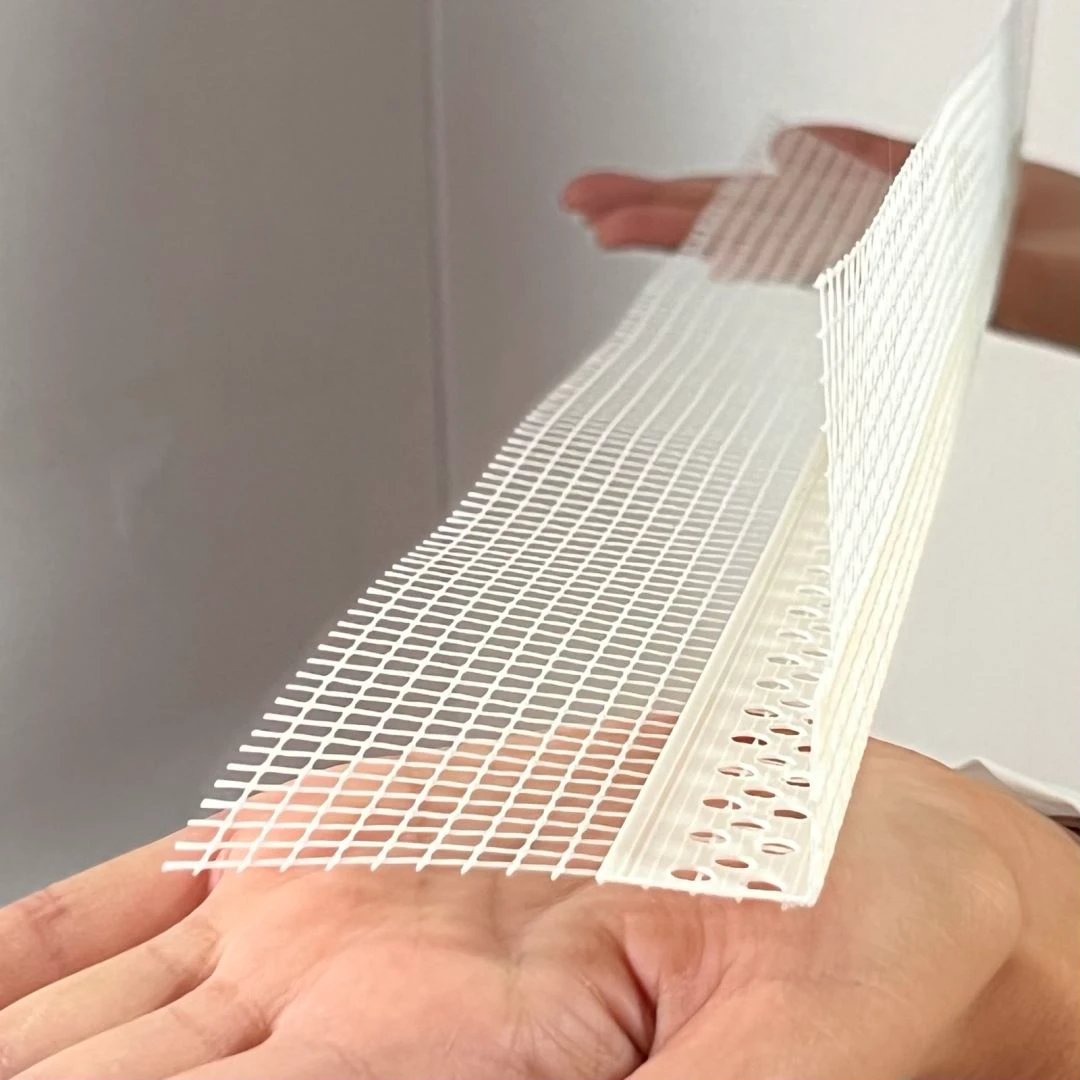
Lightweight and easy to cut, fiberglass mesh adapts to various wall shapes and sizes, speeding up plastering work without cumbersome tools.
3. Cost Efficiency
Although initial material costs are slightly higher than unreinforced plaster, the long-term savings from avoided repairs, reduced labor, and improved building lifespan make fiberglass mesh economically smart.
4. Compatibility and Scalability
It integrates well with different plaster compositions — cement, lime, synthetic — and suits projects from small home renovations to large-scale commercial work.
5. Safety and Environmental Impact
Non-toxic and recyclable, fiberglass mesh supports eco-friendly building practices and provides improved fire resistance in wall finishes.
Mini takeaway: Fiberglass mesh works quietly but efficiently behind the scenes, combining strength, adaptability, and sustainability to meet modern plastering demands.
Global Applications & Use Cases
Across Europe, fiberglass mesh strengthens historic building restorations, preserving delicate plasterwork for generations. In Asia’s fast-growing urban centers, it's part of the standard toolkit to handle thermal expansion and seismic stresses in new housing complexes.
Humanitarian groups, such as Doctors Without Borders and the Red Cross, often include fiberglass mesh in emergency shelter kits. When refugees or disaster victims need rapid, reliable wall repairs, the mesh makes plaster coatings faster to apply and far more durable — literally sheltering dignity and health.
In industrial contexts — for instance, chemical factories in the Middle East — specialized fiberglass mesh options provide resistance to harsh substances, extending the life of protective renderings.
Advantages & Long-Term Value of Fiberglass Mesh Reinforced Plastering
- Cost savings: Less frequent repairs reduce maintenance budgets.
- Structural safety: Mitigates cracks that undermine wall integrity.
- Environmental benefits: Less material waste, and enhanced fire resistance.
- Social impact: Supports safer living conditions and preserves cultural heritage.
Emotionally speaking, the piece of mesh woven into plaster might symbolize hope — a small investment that keeps walls standing firm against time, weather, and hardship. It fosters trust between builders and residents, a quiet reassurance that this home won't crumble at the first sign of trouble.
Product Specification Table
| Specification | Details |
|---|---|
| Material | Alkali-resistant fiberglass fibers |
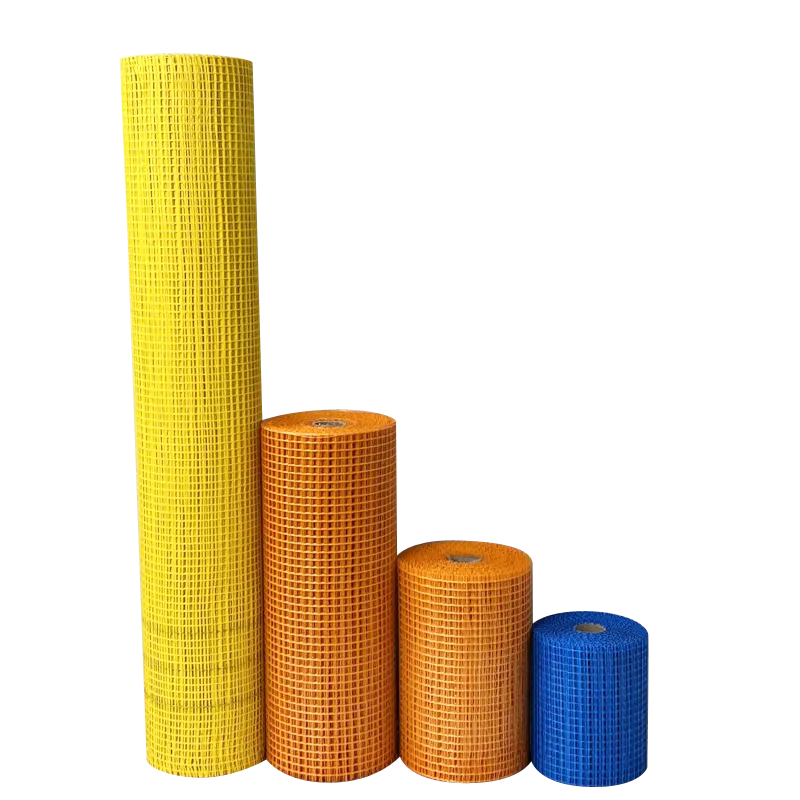
| Mesh Size | 4x4 mm, 5x5 mm, 10x10 mm |
| Roll Width | 1 m, 1.2 m, 1.5 m |
| Roll Length | 50 m, 100 m |
| Weight | 40-90 g/m² |
| Fire Resistance | Class A1 (non-combustible) |
Comparing Top Vendors of Fiberglass Mesh for Plastering Products
| Vendor | Price/Unit | Product Range | Global Shipping | Customization Options |
|---|---|---|---|---|
| Tainuo Mesh | $$ | Wide - multiple grades and weights | Yes | Roll sizes & coatings |
| FiberGlass Pro | $$$ | Standard and premium | Limited | Standard only |
| MeshWorld Inc. | $ | Basic, budget-focused | Yes | Limited |
Future Trends & Innovations
It's fascinating how fiber technology evolves, really. Expect fiberglass mesh to become even lighter with nano-enhancements improving strength and flexibility simultaneously. Innovations in bio-based resins may allow the entire mesh to be more eco-friendly, aligning with global sustainability efforts. Additionally, digitized quality control powered by AI could soon predict mesh fatigue before installation — amazing, right? Industry 4.0 is creeping into everything, even this humble mesh!
Challenges & Practical Solutions
While fiberglass mesh is great, it does face some setbacks—like occasional uneven bonding with certain plaster types or vulnerability during rough handling on-site. But many installers emphasize careful surface prep and specialized coatings as simple solutions. Vendors also offer pre-applied adhesive layers to tackle slippage issues, simplifying application especially for less experienced workers.
Frequently Asked Questions: Fiberglass Mesh for Plastering Products
- 1. How much does fiberglass mesh cost compared to traditional plaster reinforcement?
- Generally, fiberglass mesh costs a bit more upfront, roughly 10–20% above traditional methods. However, its lifespan and reduced repair frequency make it far more cost-efficient over 5–10 years.
- 2. Can fiberglass mesh be used outdoors in harsh weather?
- Absolutely. The alkaline-resistant coating ensures resistance to moisture, UV rays, and temperature shifts, making it suitable for exterior plastering as well as interiors.
- 3. Is fiberglass mesh safe to handle without special equipment?
- Yes, but gloves and protective eyewear are recommended to avoid skin irritation from glass fibers. The mesh itself is non-toxic and non-flammable.
- 4. Where can I find reliable suppliers of fiberglass mesh?
- Reputable manufacturers like tainuofiberglassmesh.com offer a variety of grades and customizations, with global shipping options.
- 5. How does fiberglass mesh improve plaster crack resistance?
- The mesh distributes applied stress evenly across the plaster surface, preventing localized cracking from thermal expansion, vibrations, or minor impacts.
Conclusion
In real terms, fiberglass mesh for plastering products isn’t just another fabric — it’s a foundational tool helping to build safer, more durable, and sustainable walls worldwide. Whether you work in construction, renovation, disaster relief, or industrial maintenance, understanding and integrating this material elevates quality and longevity. If you’re curious to explore quality fiberglass mesh options tailored to your projects, don’t hesitate and visit our website for expert support.
That little grid of fiberglass? It holds a lot more than plaster — it holds the future of building stability.
References
-
Best Fiberglass Mesh Tape for RedGard Product Waterproofing GuideNewsApr.16,2026
-
Why High Strength Fiberglass Mesh Is Essential For Stucco ApplicationNewsApr.15,2026
-
Why Alkali Resistant Fiberglass Mesh Tape Is Essential For Cement Board And Tile InstallationsNewsApr.15,2026
-
Understanding The Role Of Drywall Fiberglass Mesh In Interior FinishingNewsApr.15,2026
-
Ultimate Guide To Using Fiberglass Mesh Tape For Drywall And Plaster RepairsNewsApr.15,2026
-
The Versatility Of Fiberglass Mesh In Marble And Stone MosaicNewsApr.15,2026