Dec . 01, 2025 13:15 Back to list
Fiberglass Mesh for Plastering Factory – Durable Reinforcement Solutions for Modern Construction
Understanding Fiberglass Mesh for Plastering Factory: Why It Matters Globally
At its core, fiberglass mesh for plastering factory is a lightweight yet incredibly strong reinforcement material used within the plastering process to provide structural support and prevent cracks. Globally, as cities expand and infrastructures age, the demand for durable and cost-effective building materials only intensifies. Fiberglass mesh has quietly become a game-changer, especially in construction-heavy regions and disaster-prone areas where plaster durability is critical.
Why should we care beyond just engineers and contractors? Because better plaster means longer-lasting walls, less repair work, and ultimately safer living conditions — a real benefit for millions worldwide, including large-scale housing developments and humanitarian relief shelters.
The Growing Global Role of Fiberglass Mesh in Plastering
Construction statistics from the United Nations highlight a staggering increase in urban development — estimates suggest nearly 68% of the global population will live in cities by 2050. This urban boom means more plastered walls, facades, and ceilings needing reliable reinforcement.
Additionally, according to ISO standards for construction materials, crack resistance and load distribution are key parameters that materials must meet for sustainable building. Fiberglass mesh perfectly fits this bill. Its adoption is also driven by the pressing challenge of maintaining quality amidst labor shortages and rising labor costs in rapidly industrializing countries.
Oddly enough, many contractors still rely on traditional metal or fabric meshes that corrode or lose integrity over time. Fiberglass mesh sidesteps this problem neatly with its corrosion resistance, making it ideal especially in humid or coastal environments.
What Exactly Is Fiberglass Mesh for Plastering Factory?
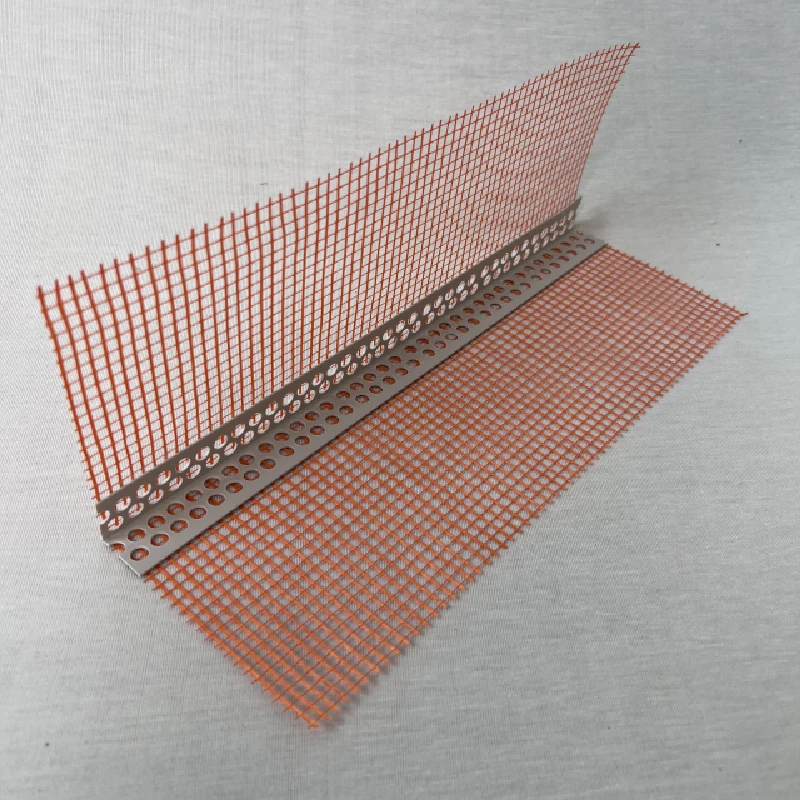
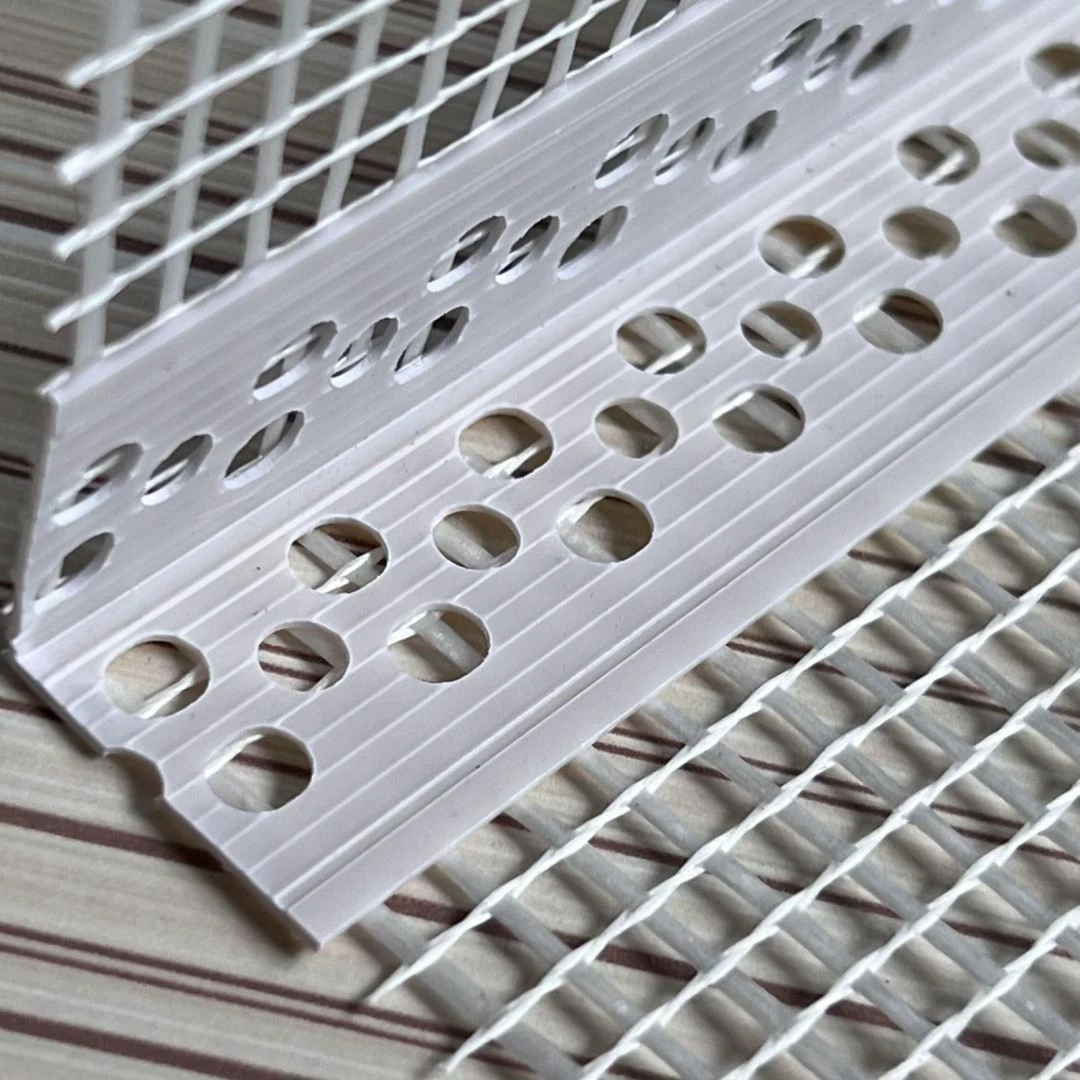
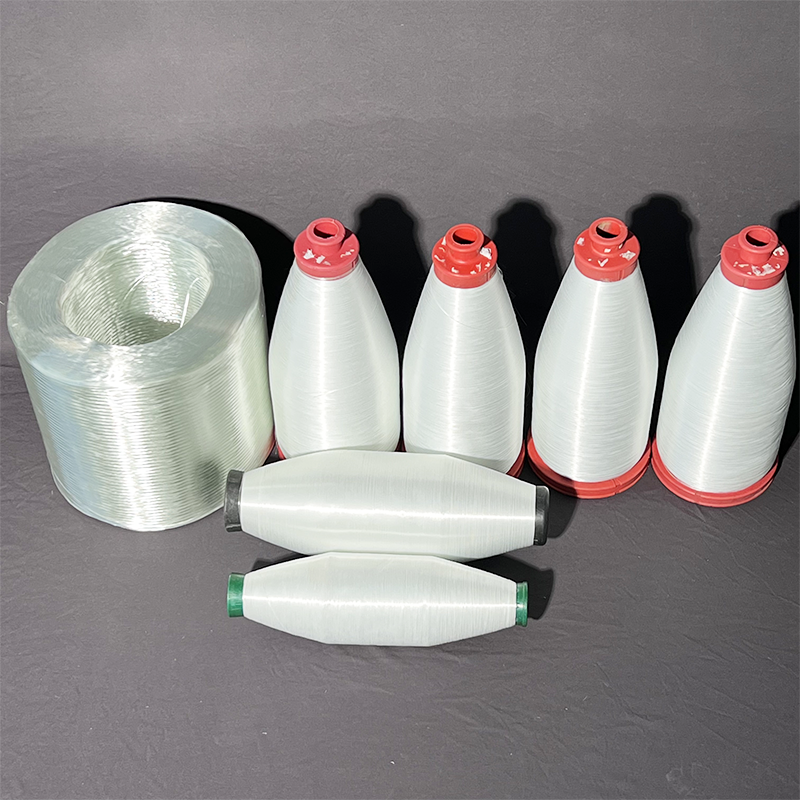
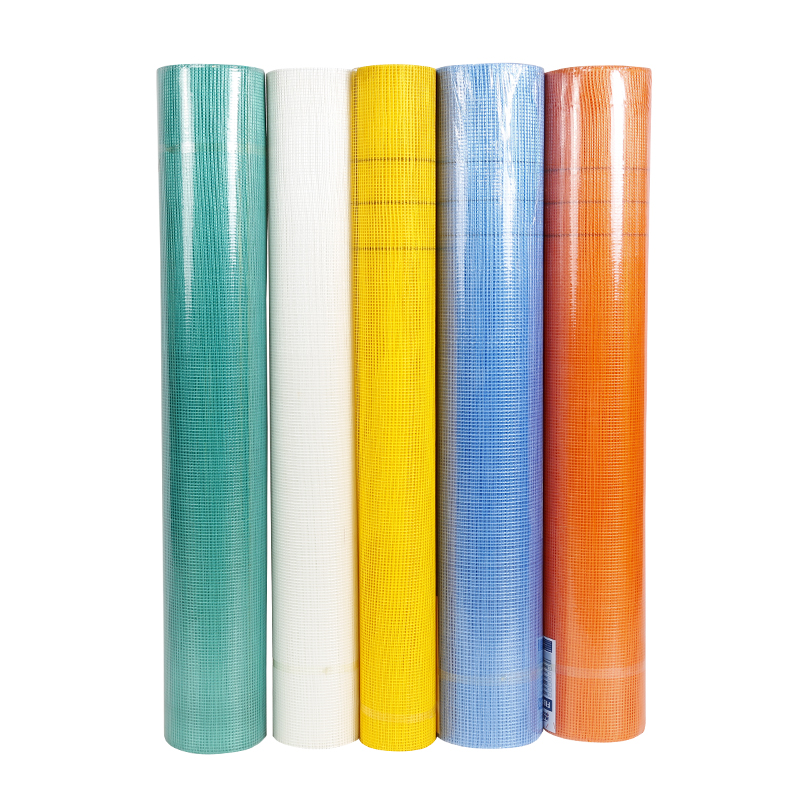
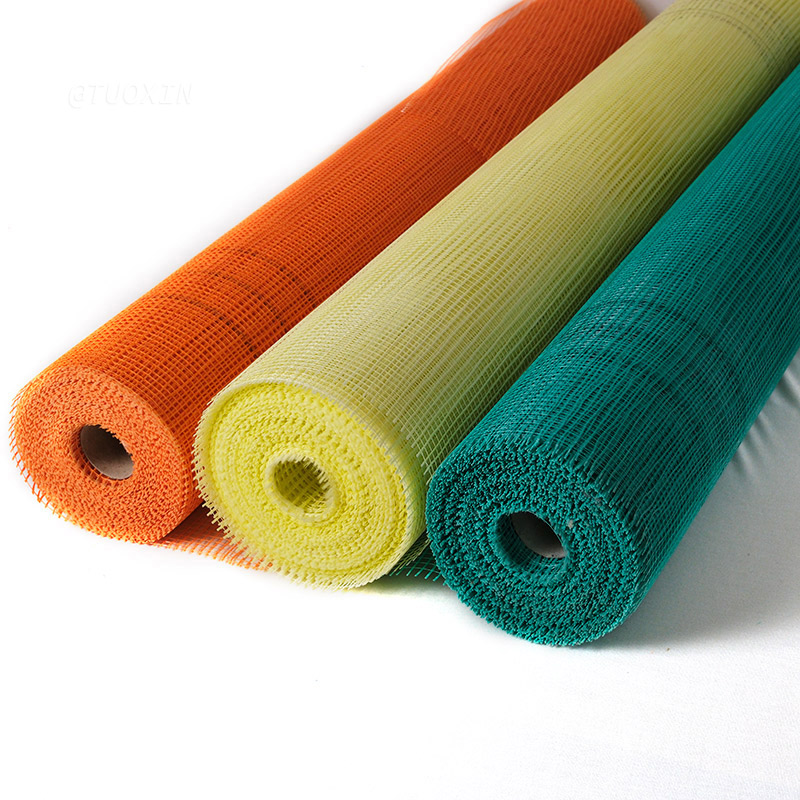
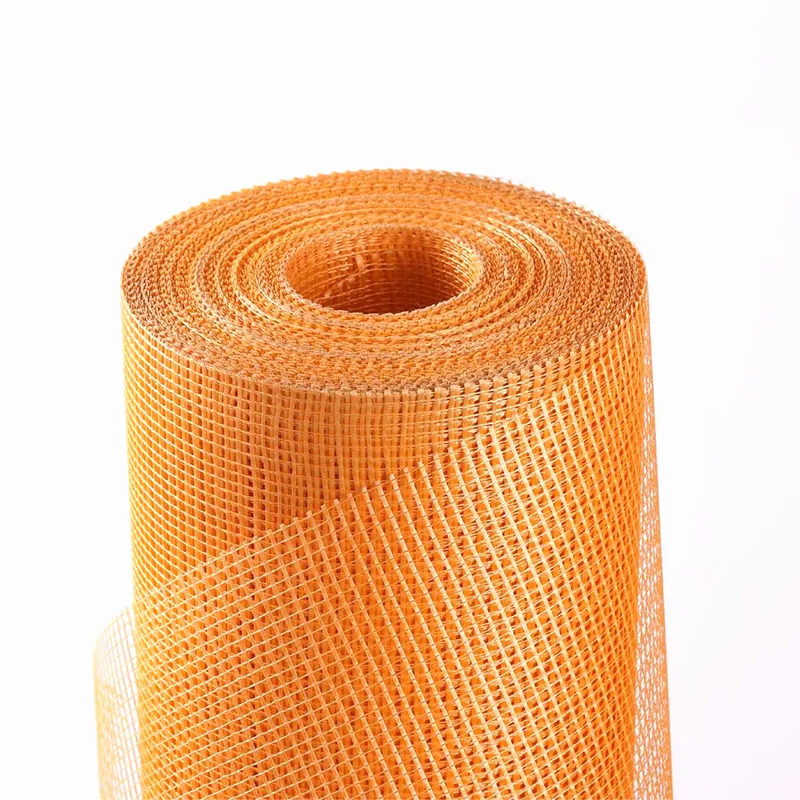
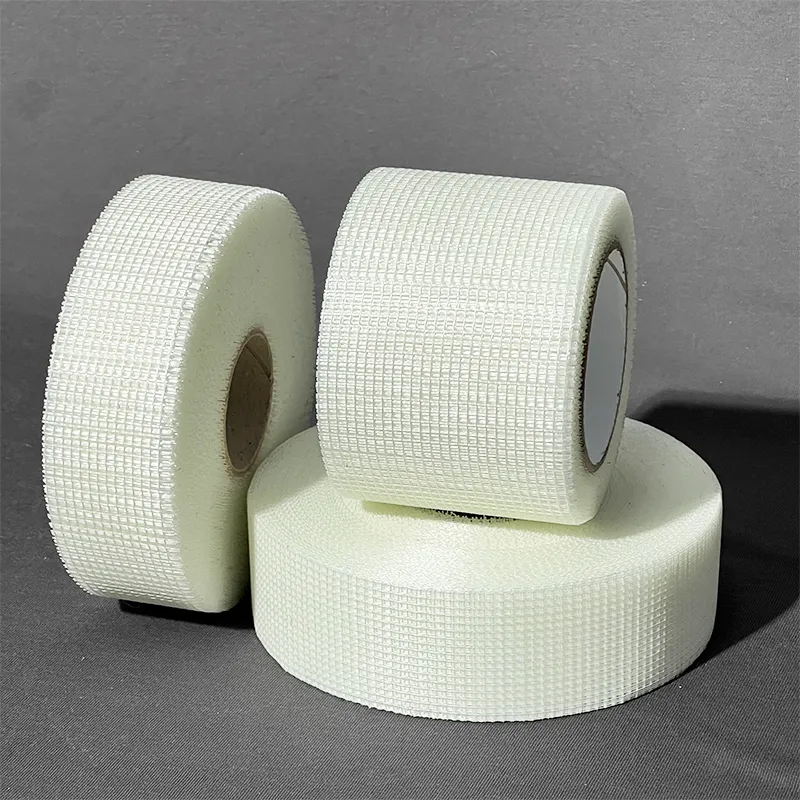
In everyday terms, fiberglass mesh is a grid-like fabric made of woven fiberglass threads, specially designed to embed within plaster or mortar to reinforce walls. Think of it as a "skeleton" inside the plaster, sharing stress and preventing cracks.
For plastering factories — where batch production and quality consistency matter — fiberglass mesh allows for standardizing the reinforcement process. That means each plaster mix gains the same anti-crack benefits without manual guesswork or variability.
On a larger scale, this simple piece of woven glass fiber supports the global need for stronger, safer buildings — whether it’s a high-rise office or a rapidly constructed emergency shelter.
Key Features That Make Fiberglass Mesh So Practical
Durability and Corrosion Resistance
Fiberglass mesh resists moisture, alkaline substrates, and corrosion far better than traditional metal meshes. This boosts plaster longevity significantly.
Ease of Application
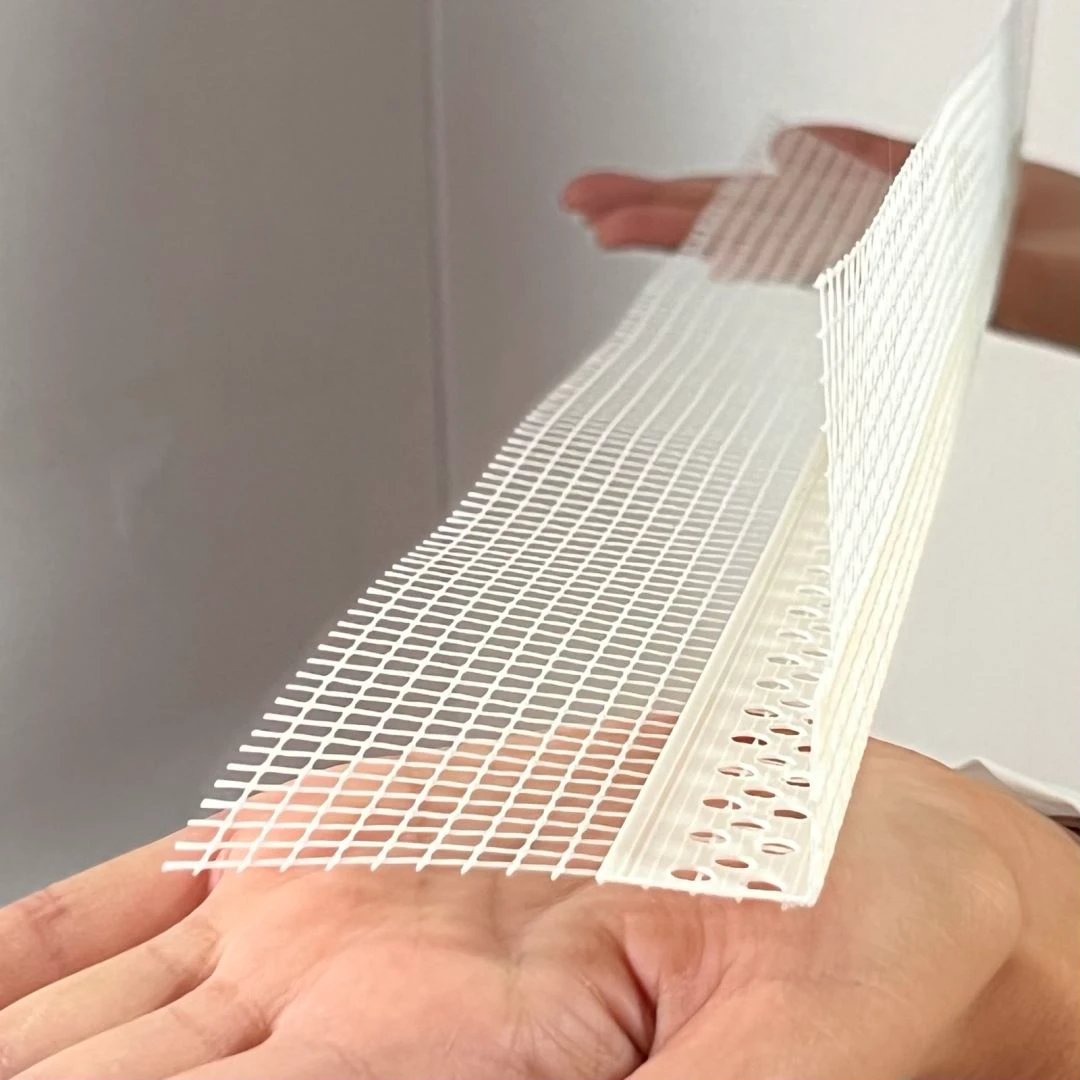
Its lightweight flexibility allows plastering teams to cut and shape it effortlessly, speeding up installation — a huge plus on busy factory floors.
Cost Efficiency
While initial costs might be slightly higher than cheaper alternatives, in real terms, fiberglass mesh reduces maintenance expenses and repair cycles.
High Tensile Strength
This strengthens plaster by distributing stresses evenly, preventing localized cracking and deformation.
Adaptability to Various Plasters
Whether for cement-based or polymer plasters, fiberglass mesh performs well, supporting industrial versatility.
Fiberglass Mesh in Action: Real-World Applications
Across the globe, fiberglass mesh is used from large-scale commercial projects in Europe to remote rural building ventures in Africa and Asia. The military, humanitarian NGOs, and disaster-relief organizations rely on fiberglass mesh reinforcement to rapidly rebuild shelters that resist harsh climates.
For example, after hurricanes in the Caribbean, teams embedded fiberglass mesh within plaster mixes to strengthen the reconstructed homes, enhancing their resistance to future storms.
In industrial zones of Eastern Europe, factories producing prefabricated building panels use fiberglass mesh to maintain consistent structural quality and reduce on-site labor.
Even home renovation enthusiasts in North America increasingly prefer it over traditional metal mesh — because it cuts down on rusting worries and improves plaster adhesion.
Fiberglass Mesh for Plastering Factory: Product Specifications
| Specification | Value / Range |
|---|---|
| Mesh Size (aperture) | 4mm x 4mm – 5mm x 5mm |
| Weight | 50 – 160 g/m² |
| Tensile Strength | > 500 N/cm |
| Alkali Resistance | ≥ 99% |
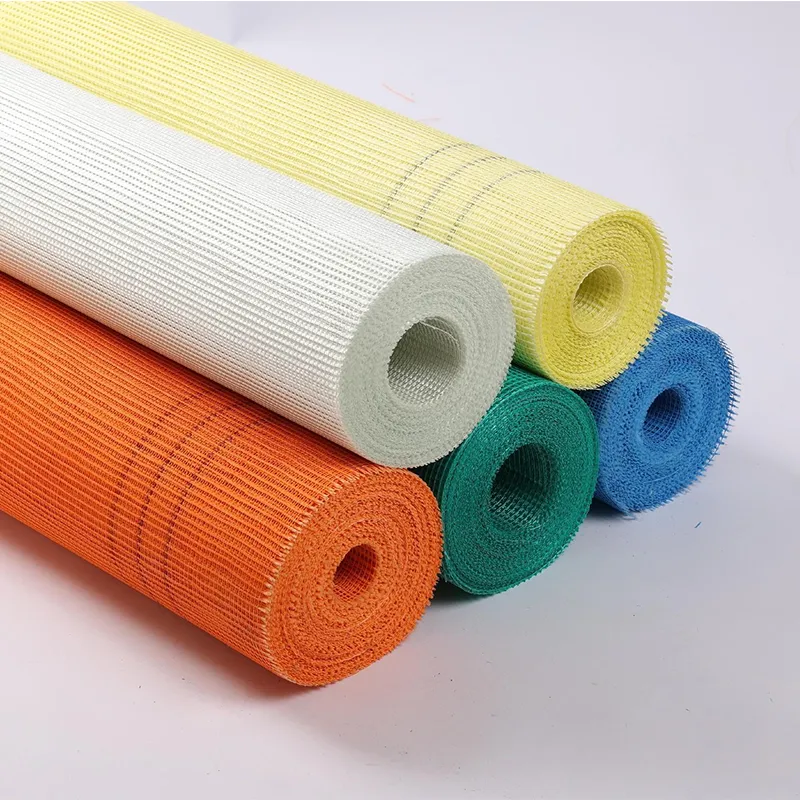
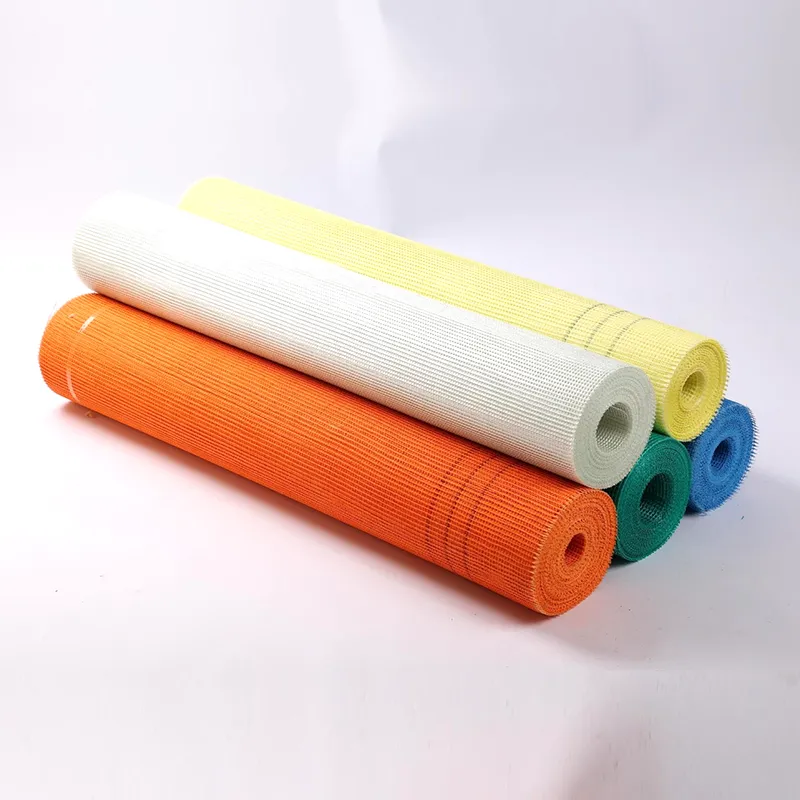
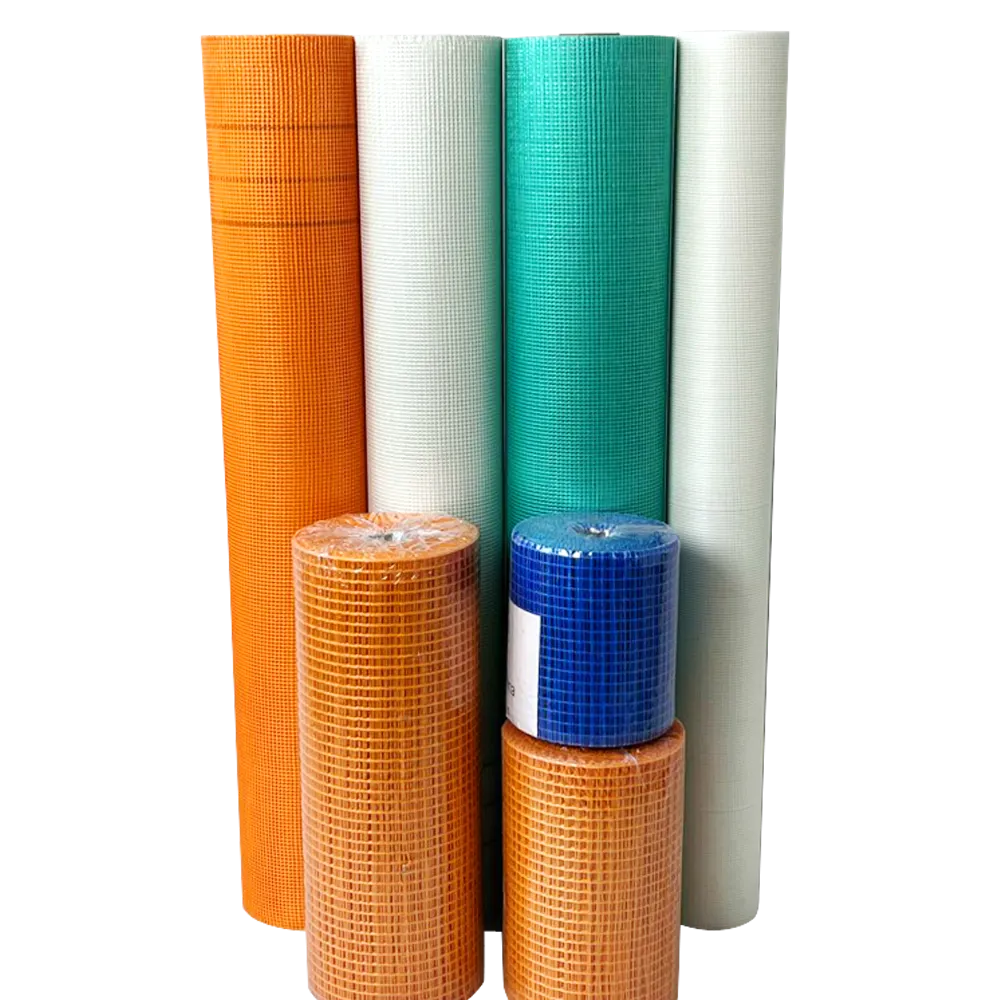
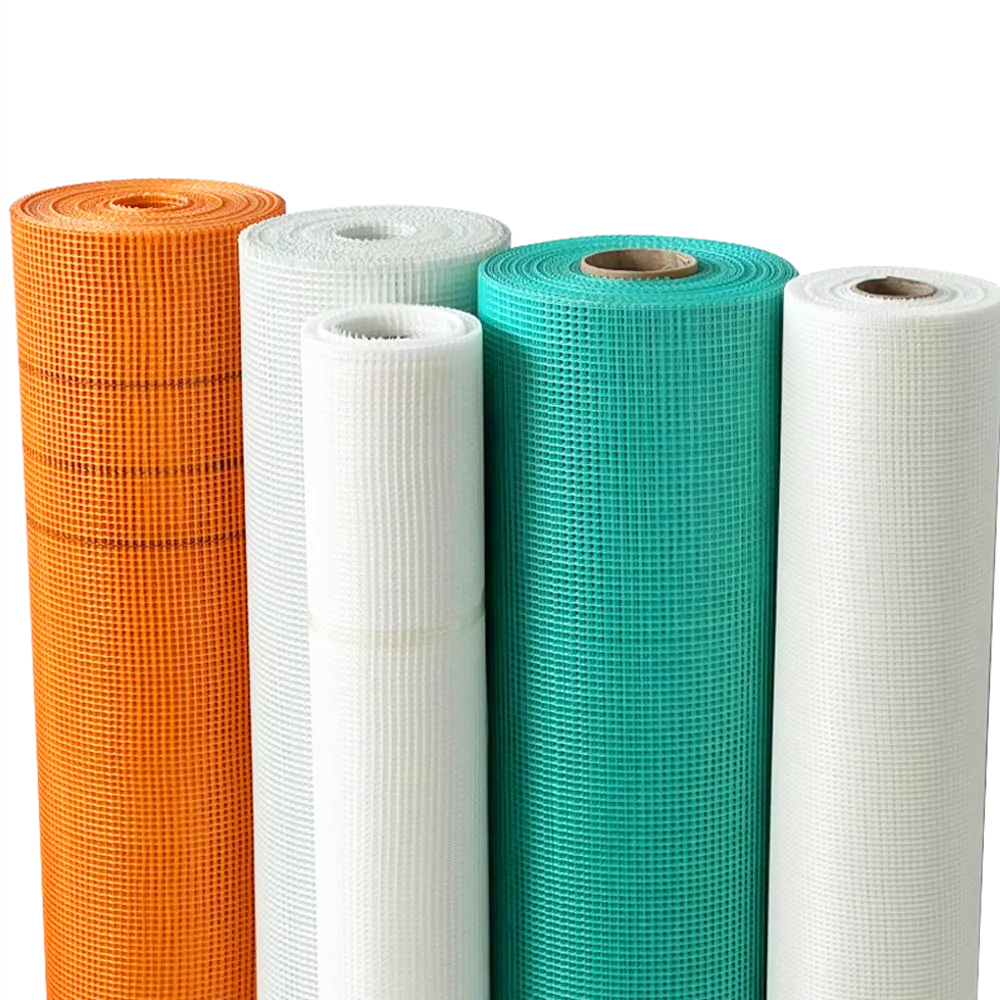
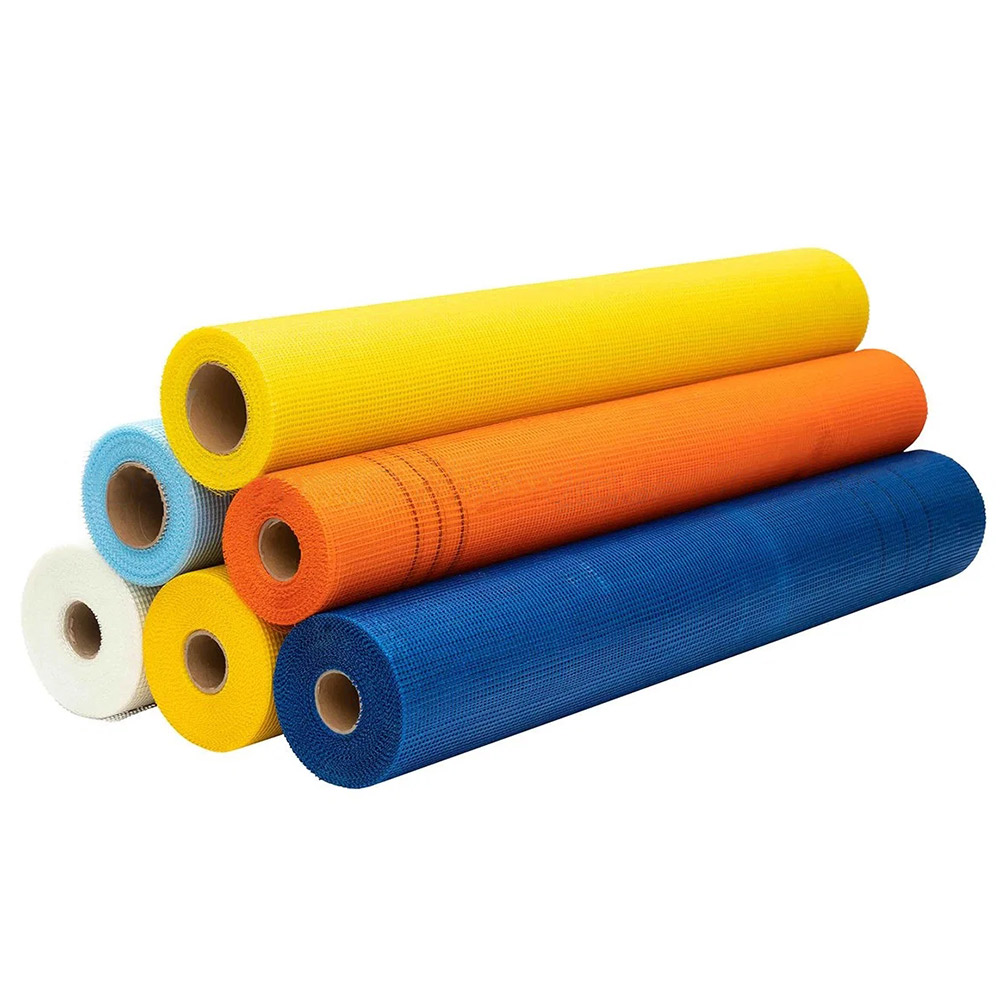
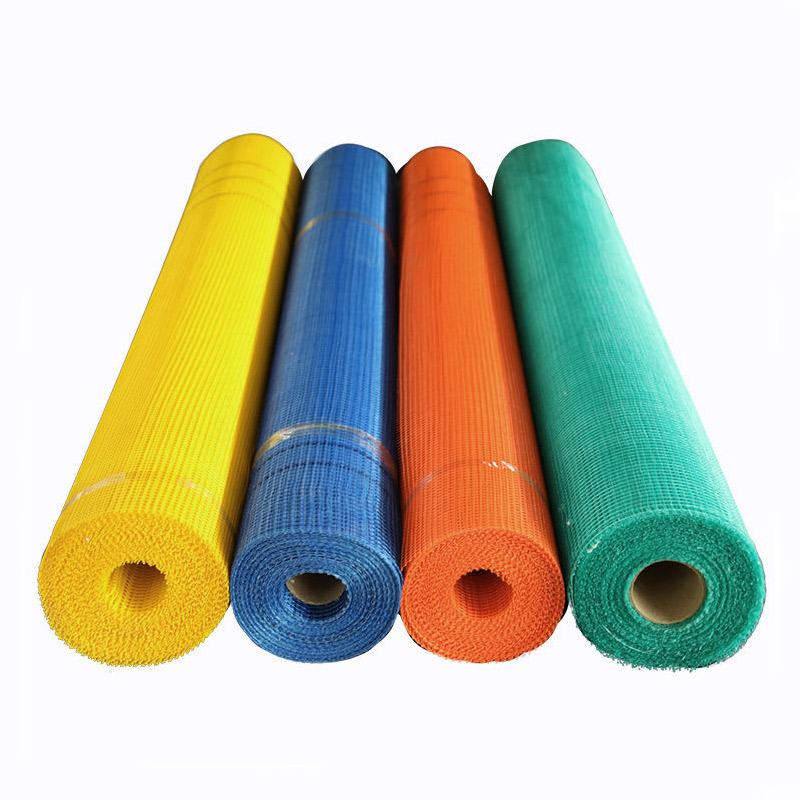
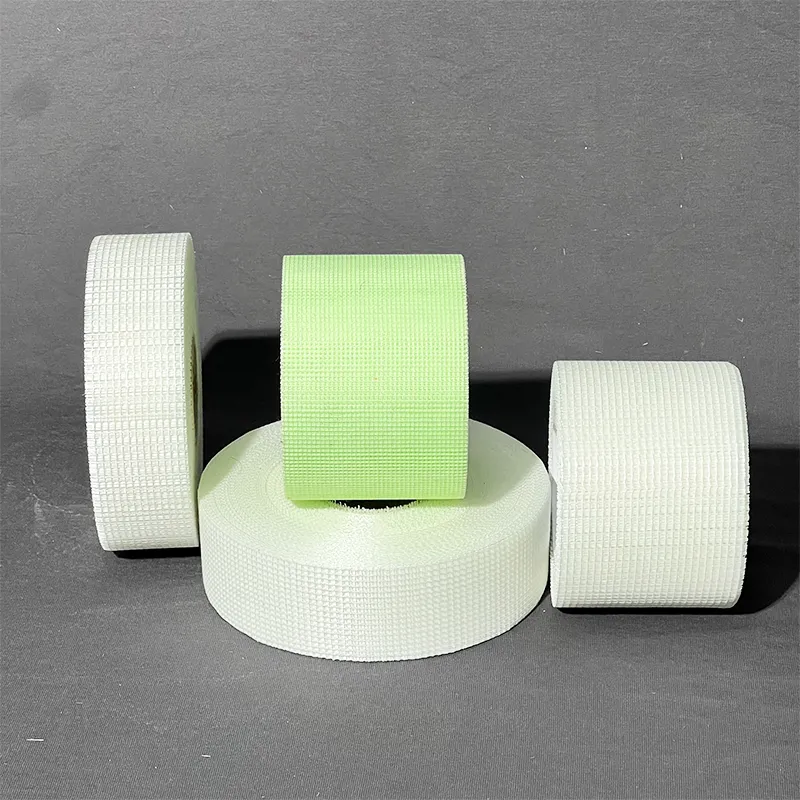
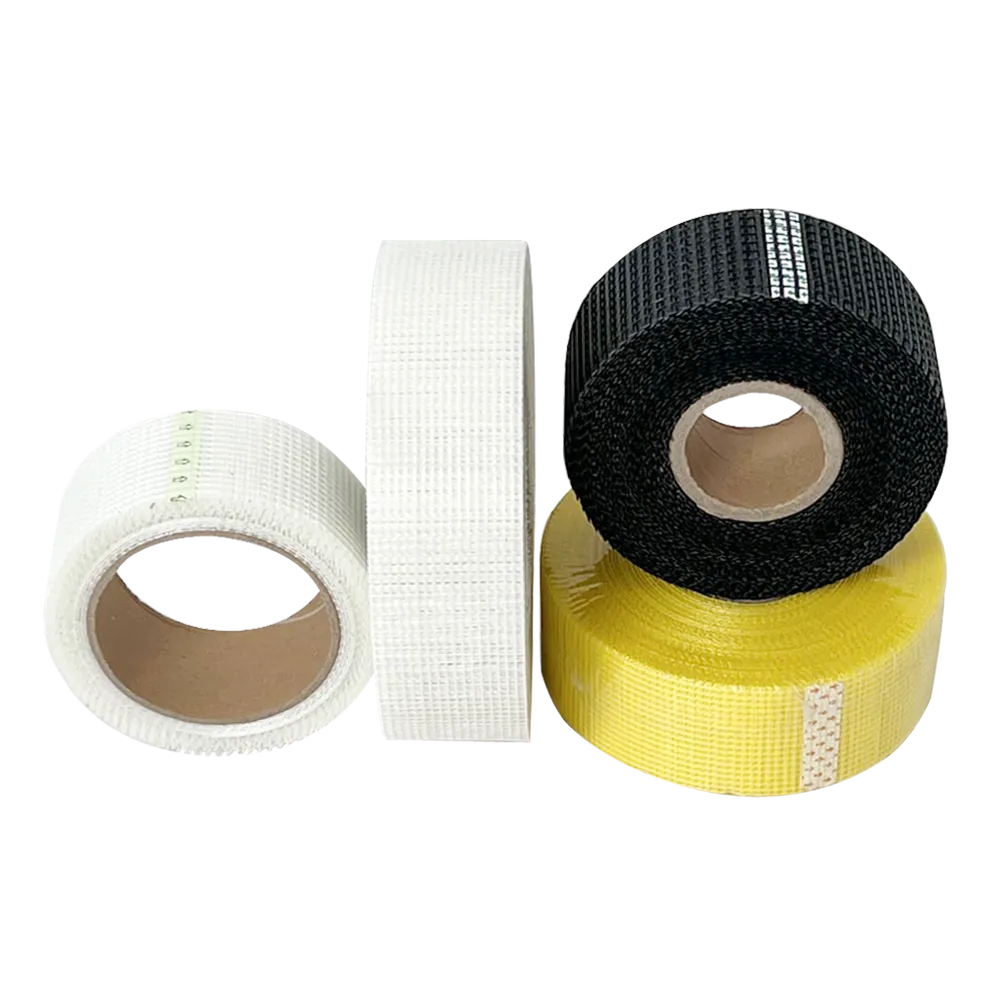
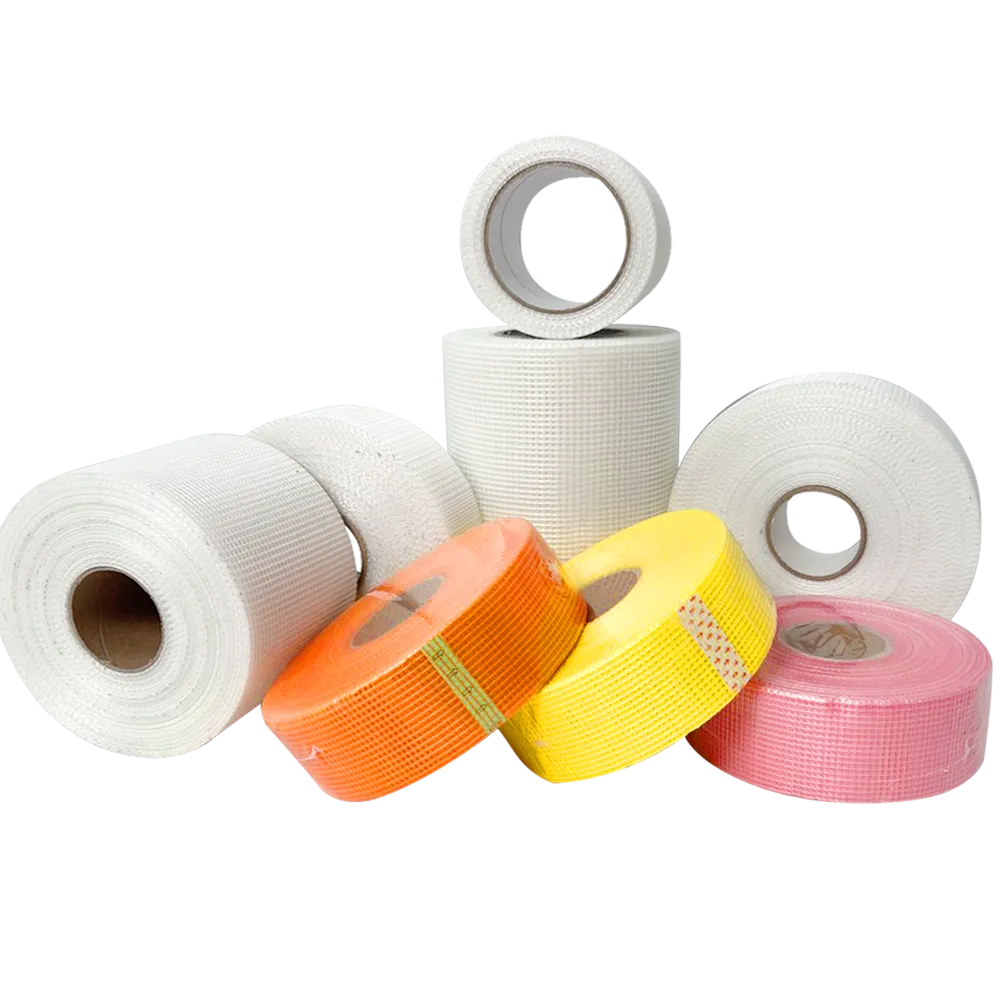
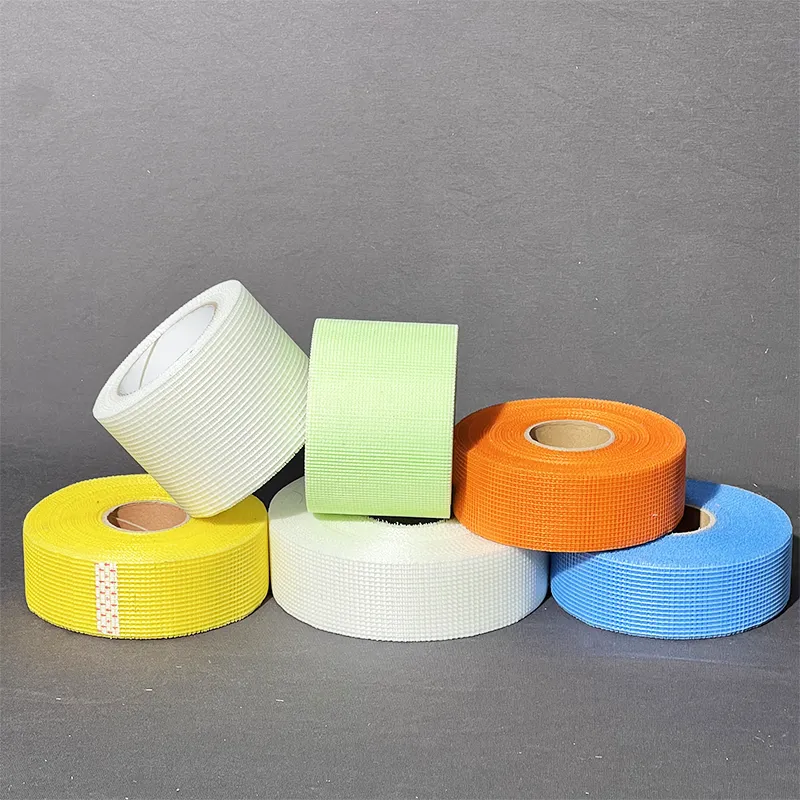
| Color Options | White, Yellow, Green |
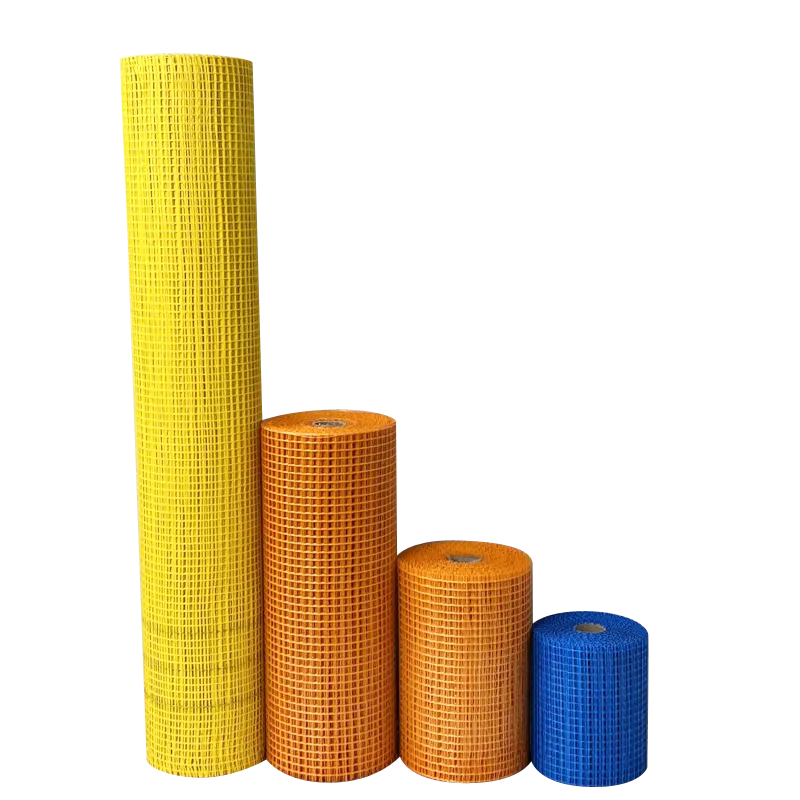
| Standard Sizes | 1m x 50m rolls (custom available) |
Comparing Leading Vendors of Fiberglass Mesh for Plastering Factory
| Vendor | Mesh Weight (g/m²) | Customization | Alkali Resistance | Price Range |
|---|---|---|---|---|
| Tainuo Fiberglass Mesh | 50–160 | Yes (color, size) | ≥ 99% | Competitive |
| Global Mesh Co. | 60–150 | Limited | ~95% | Mid-high |
| BuildStrong Materials | 50–140 | No | 90% | Budget |
Advantages and Long-Term Value of Fiberglass Mesh
Building with fiberglass mesh-backed plaster offers cost savings that are more than just financial. In practical terms, buildings suffer less damage during thermal expansion or settling. This means less work for plasterers later, less downtime for occupants, and fewer divorces caused by "house issues" (okay, maybe not that last one, but you get the point).
Socially, it means safer homes, improved aesthetics, and less dust and debris — small comforts that contribute to a better quality of life. The material’s sustainability angle comes from its durability, decreasing waste from frequent repairs and replacements. And yes, safety is paramount — reducing cracks means less chance for water seepage and mold, which can be serious health hazards.
Emerging Trends and Innovations in Fiberglass Mesh Usage
There’s a lot of buzz around integrating nano-coatings to make fiberglass mesh even more resistant to UV and chemical damage. Digital manufacturing techniques promise better quality control in the weaving process, while automation in plastering factories means more consistent embedding with less human error.
Sustainability is a hot topic — manufacturers are exploring recycled glass fibers and bio-based resins to reduce carbon footprints. Another practical trend is the use of colored fiberglass meshes that double as visual guides during plaster application, helping workers apply plaster more uniformly.
Common Challenges & How to Overcome Them
One tricky aspect is ensuring adhesion between the mesh and the plaster — sometimes poor plaster mix or moisture conditions can cause issues. To combat this, some factories now employ surface treatments on meshes or tweak plaster formulations to optimize bonding.
Another challenge is cost sensitivity, especially in developing markets. Here, volume purchasing and local production have helped bring prices down. Also, training plasterers on correct fiberglass mesh application is essential, because even the best product is only as good as its installation.
Frequently Asked Questions About Fiberglass Mesh for Plastering Factory
- Q: What makes fiberglass mesh better than traditional metal mesh in plastering?
A: Fiberglass mesh is corrosion-resistant, lighter, and more flexible. Unlike metal mesh, it doesn’t rust or lose strength over time, meaning longer durability for plaster and less maintenance overall. - Q: Can fiberglass mesh be customized for specific plastering projects?
A: Yes, many manufacturers offer customization options including mesh size, weight, roll dimensions, and even color to suit various plaster types and project requirements. - Q: How does fiberglass mesh improve the structural strength of plaster?
A: By distributing stresses and reducing crack propagation, fiberglass mesh reinforces plaster layers, making them more resistant to impact, temperature changes, and settling movements. - Q: Is fiberglass mesh eco-friendly?
A: Fiberglass mesh contributes to sustainability by extending the service life of plastered surfaces and reducing repair waste. Innovations like recycled fibers and bio-resins are further minimizing environmental impact. - Q: Where can I buy quality fiberglass mesh for plastering factory use?
A: Trusted suppliers, such as fiberglass mesh for plastering factory providers, specialize in tailored solutions that meet international quality standards.
Conclusion: Building Better, Safer, and Smarter with Fiberglass Mesh
In the end, fiberglass mesh for plastering factory isn’t just a technical product; it’s a quiet hero in the story of modern construction and urban resilience. Its widespread adoption signals a shift toward smarter, more durable buildings that can better withstand the demands of climate, time, and human use.
If you’re considering leveling up your plastering game or sourcing dependable materials for your factory, you might want to explore the tailored, quality solutions at fiberglass mesh for plastering factory. Your future walls will thank you.
1. United Nations, World Urbanization Prospects (2022).
2. ISO 9001:2015 Quality Management Systems.
3. Fiberglass Mesh in Construction Applications, Wikipedia.
-
Best Fiberglass Mesh Tape for RedGard Product Waterproofing GuideNewsApr.16,2026
-
Why High Strength Fiberglass Mesh Is Essential For Stucco ApplicationNewsApr.15,2026
-
Why Alkali Resistant Fiberglass Mesh Tape Is Essential For Cement Board And Tile InstallationsNewsApr.15,2026
-
Understanding The Role Of Drywall Fiberglass Mesh In Interior FinishingNewsApr.15,2026
-
Ultimate Guide To Using Fiberglass Mesh Tape For Drywall And Plaster RepairsNewsApr.15,2026
-
The Versatility Of Fiberglass Mesh In Marble And Stone MosaicNewsApr.15,2026