Jan . 09, 2026 09:44 Back to list
Self Adhesive Fiberglass Mesh Tape: A Versatile Reinforcement Solution for Cracks, Cement Board, and Tile
In modern construction and renovation, reinforcing joints and preventing cracks are essential for ensuring long-lasting and high-quality finishes. From drywall and cement board installations to tile work and surface repairs, self adhesive mesh fiberglass tape has become an indispensable material. Among the various options available, fiberglass mesh tape stands out for its strength, flexibility, and ease of application. This article explores how fiberglass mesh tape functions, its advantages, and its wide range of applications, including fiberglass mesh tape for cracks, cement board, and tile installations.
What Is Self Adhesive Fiberglass Mesh Tape and How It Works
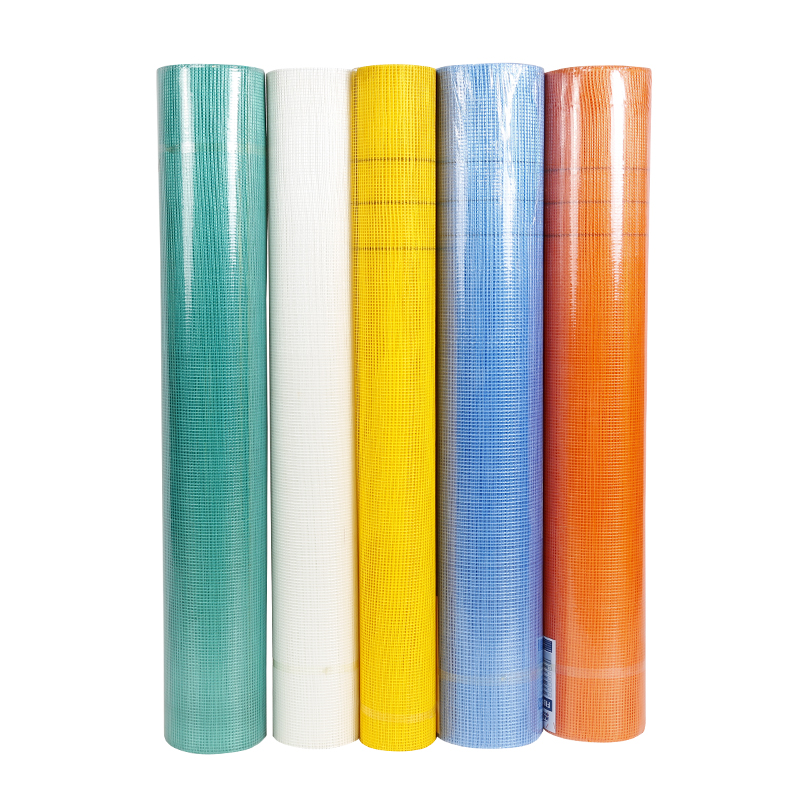
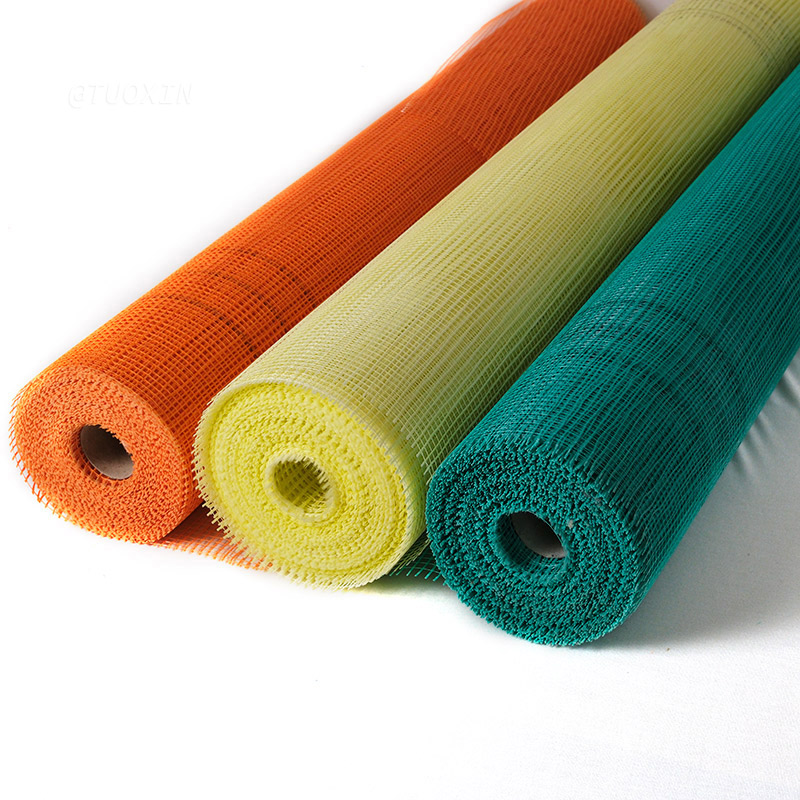
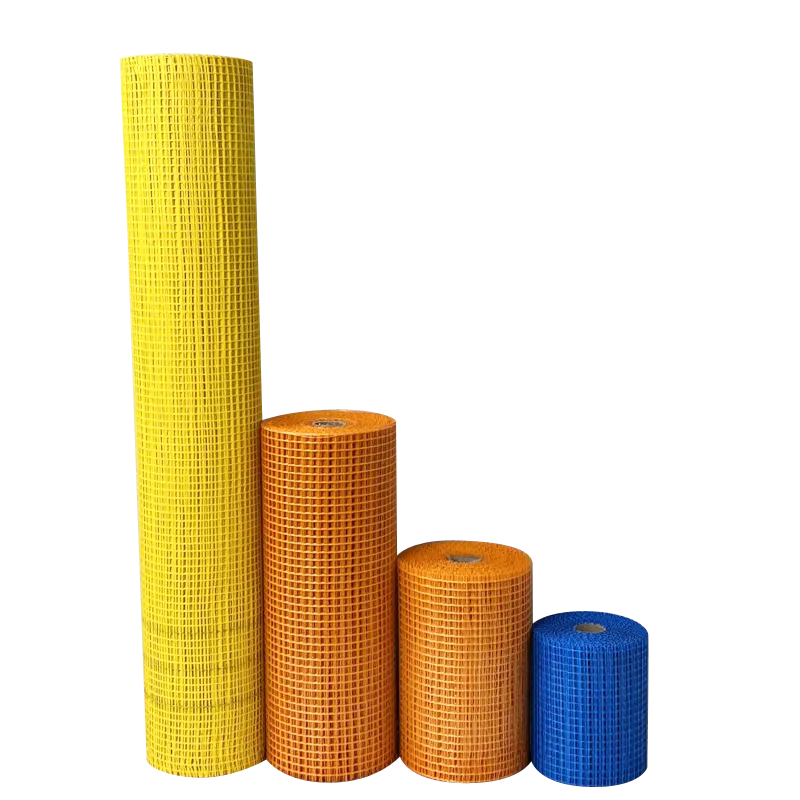
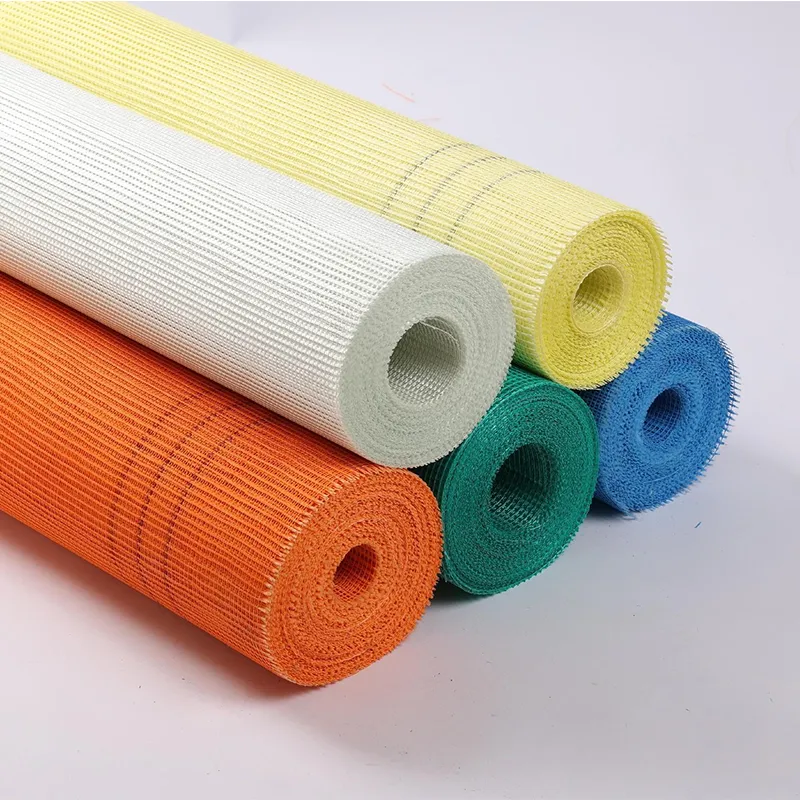
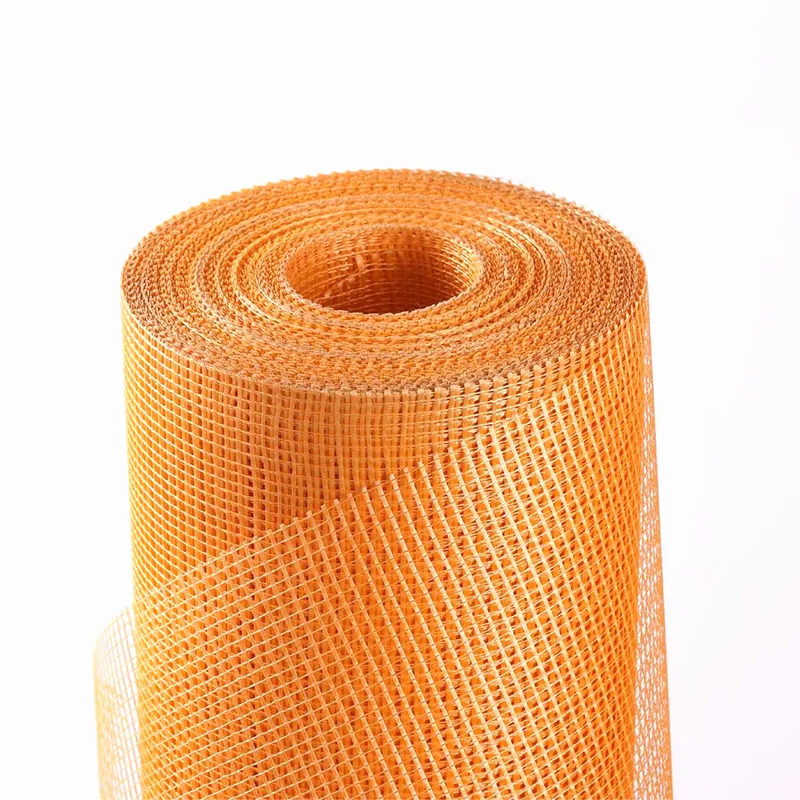
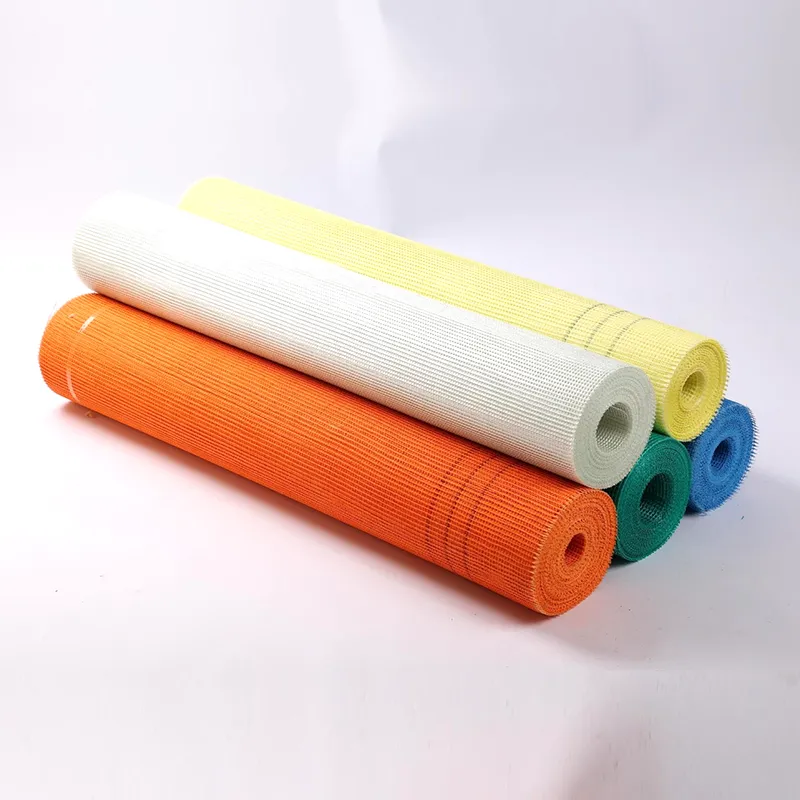
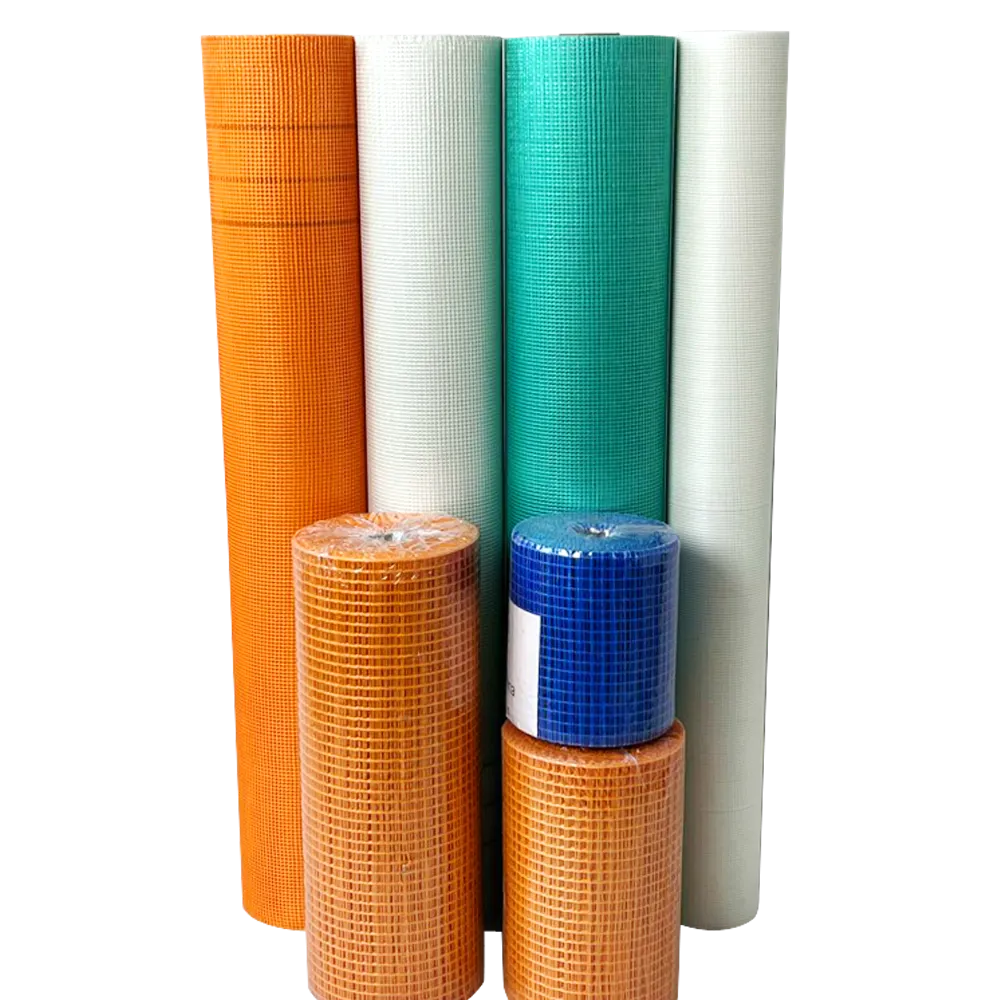
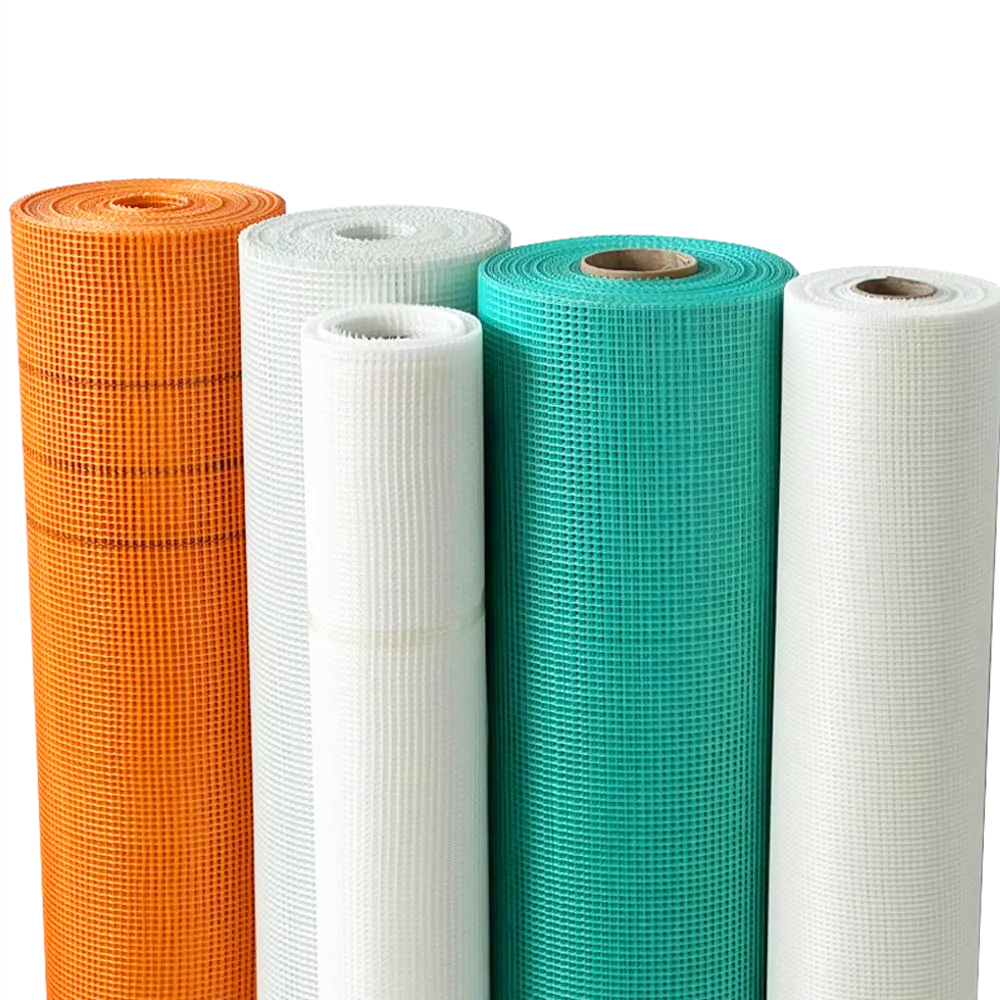
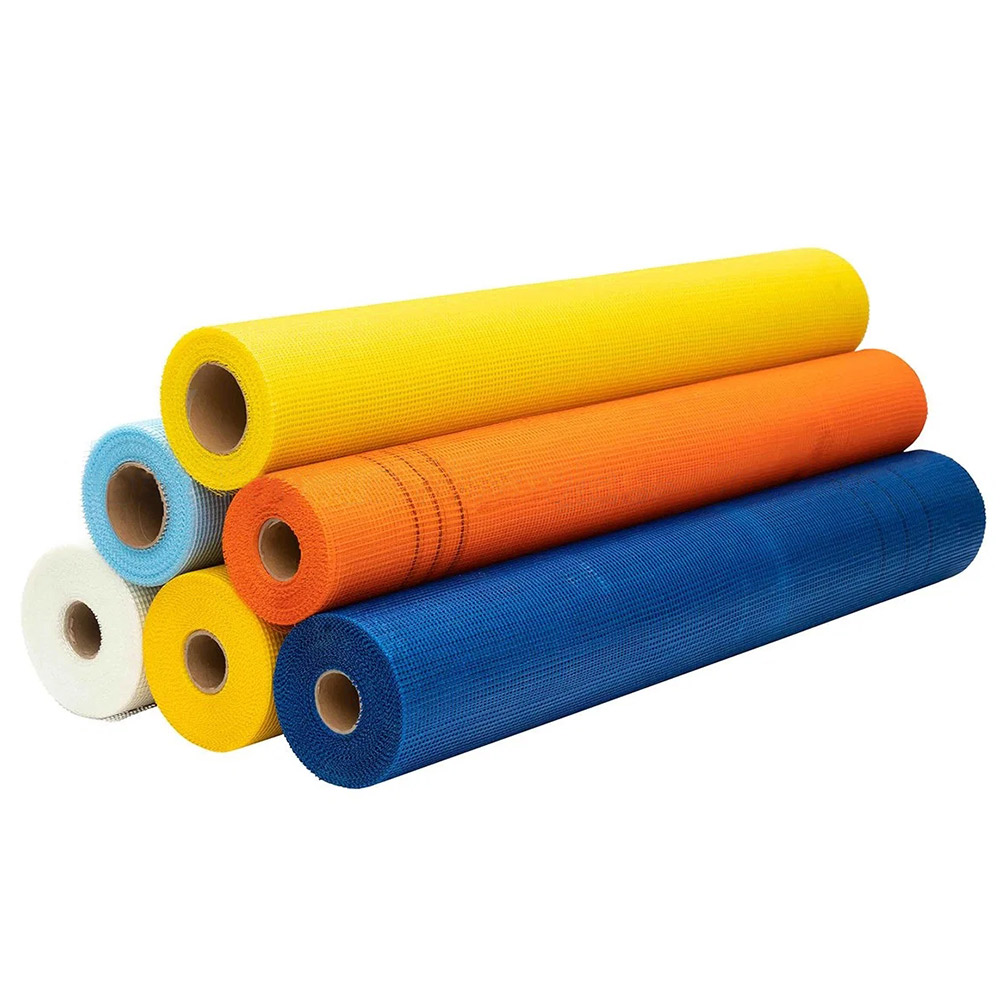
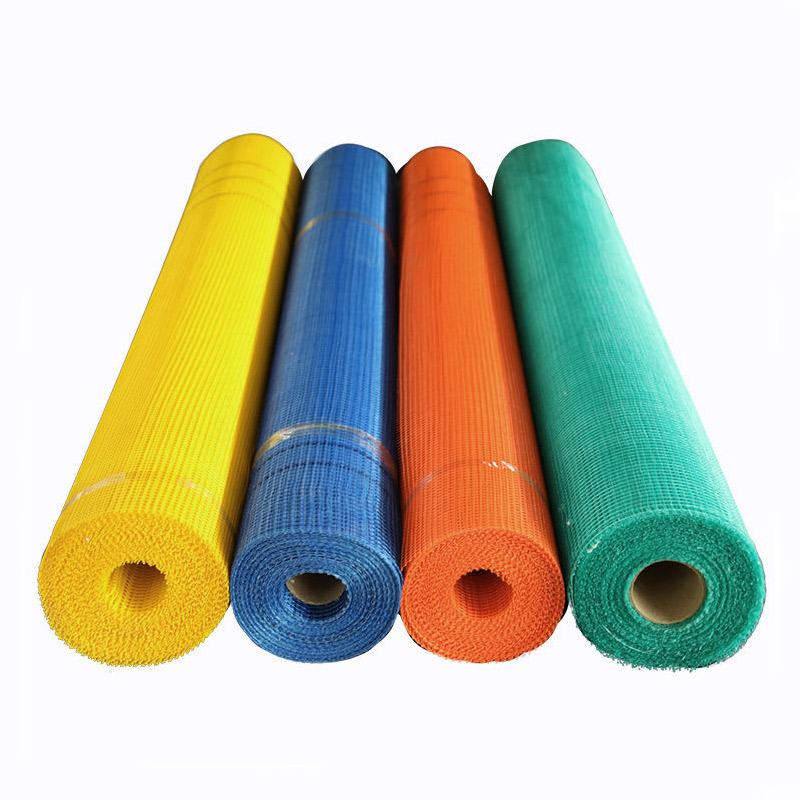
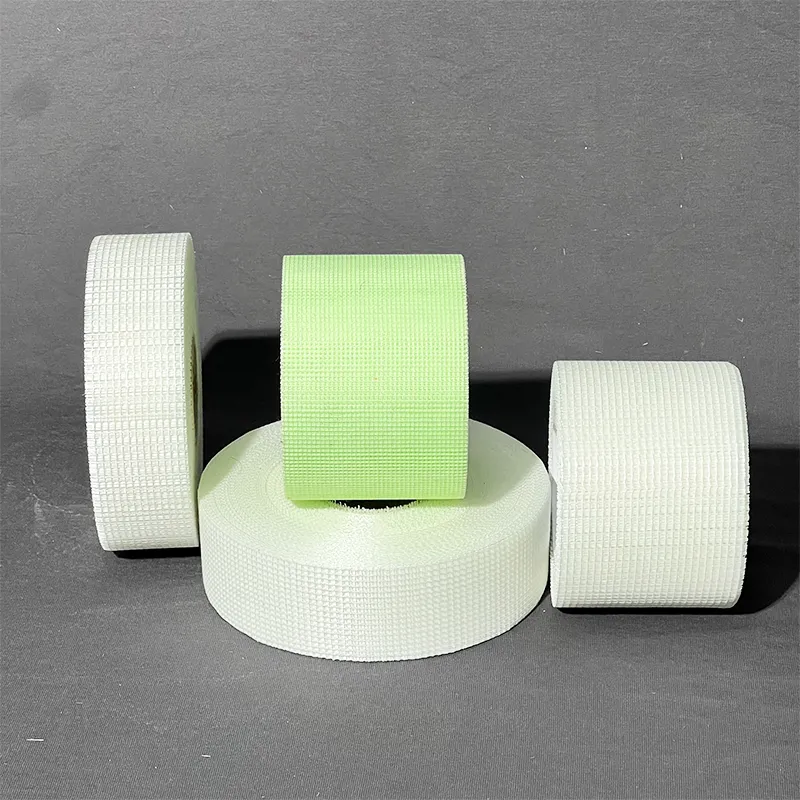
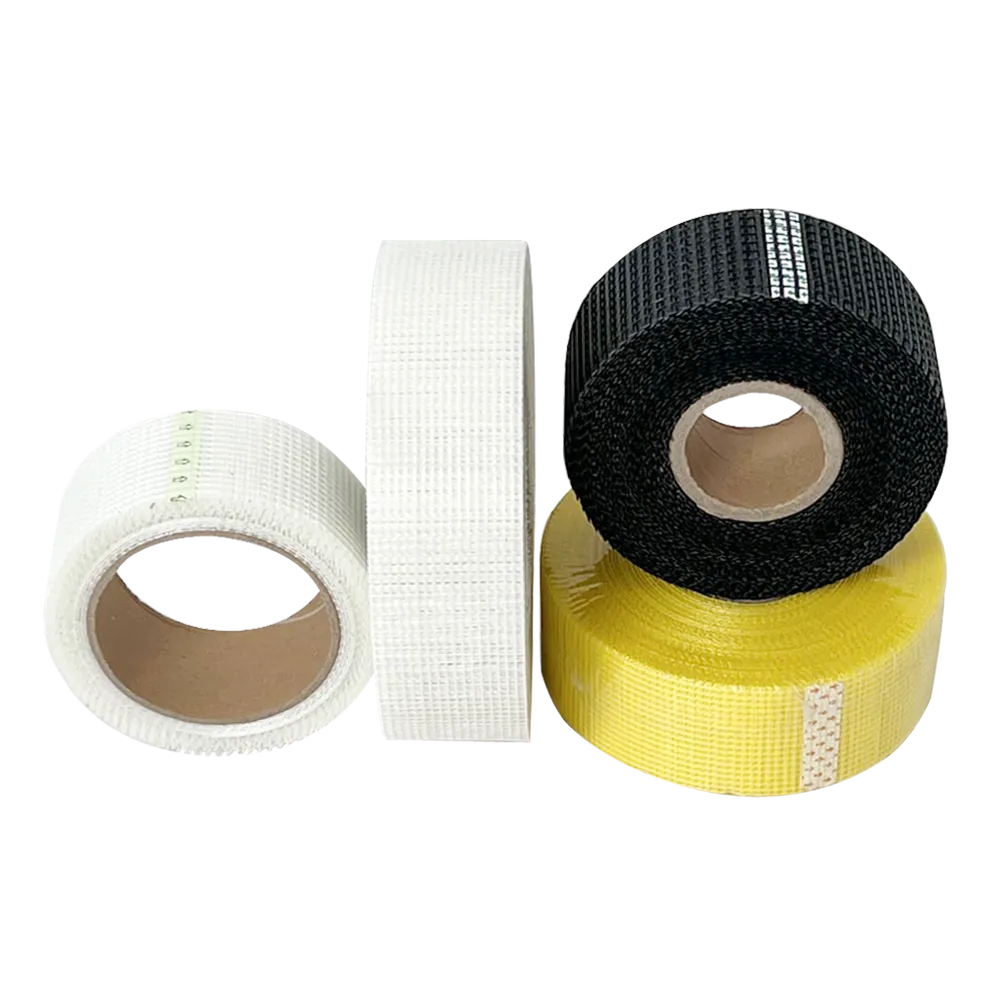
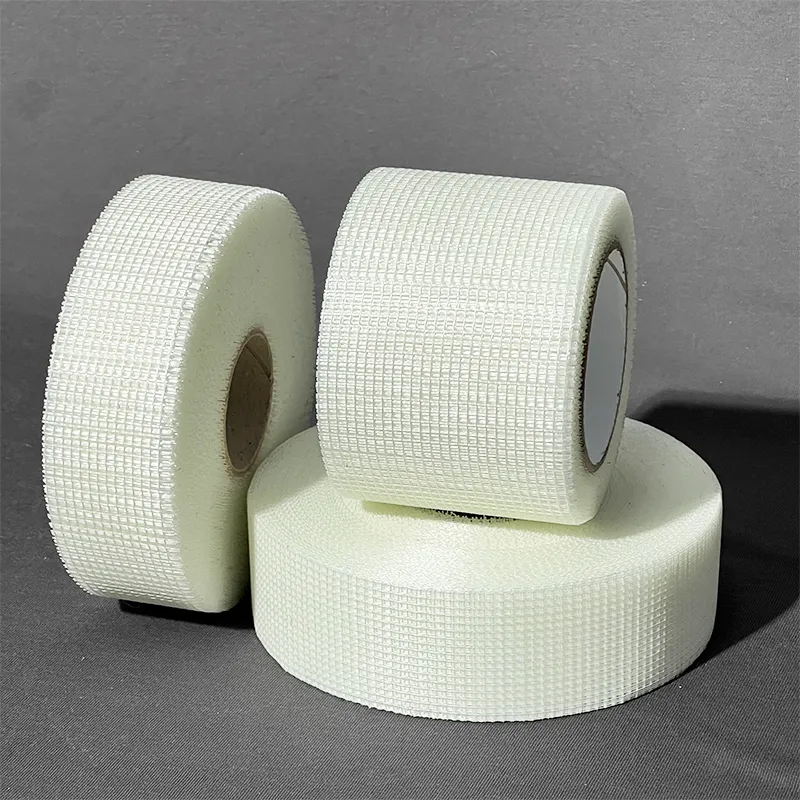
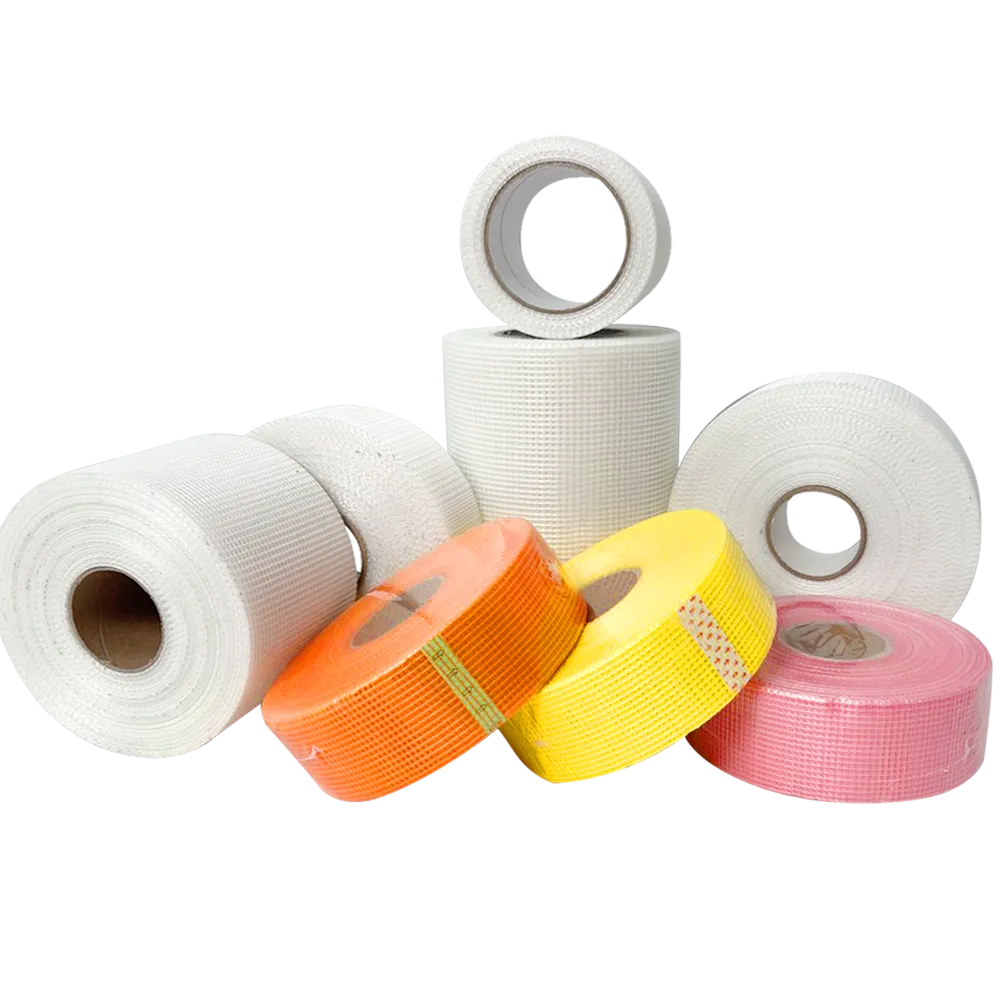
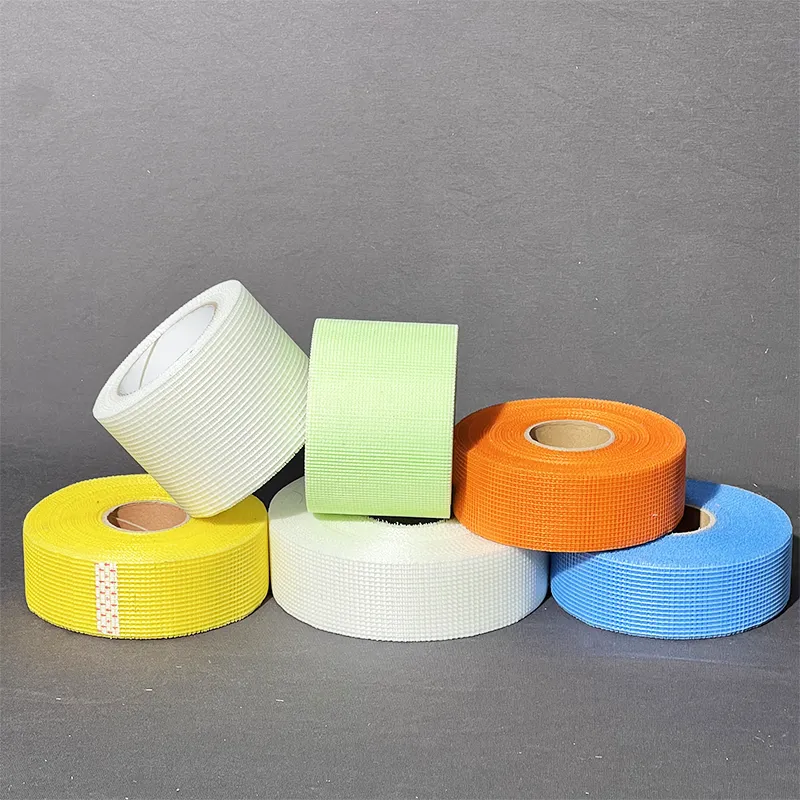
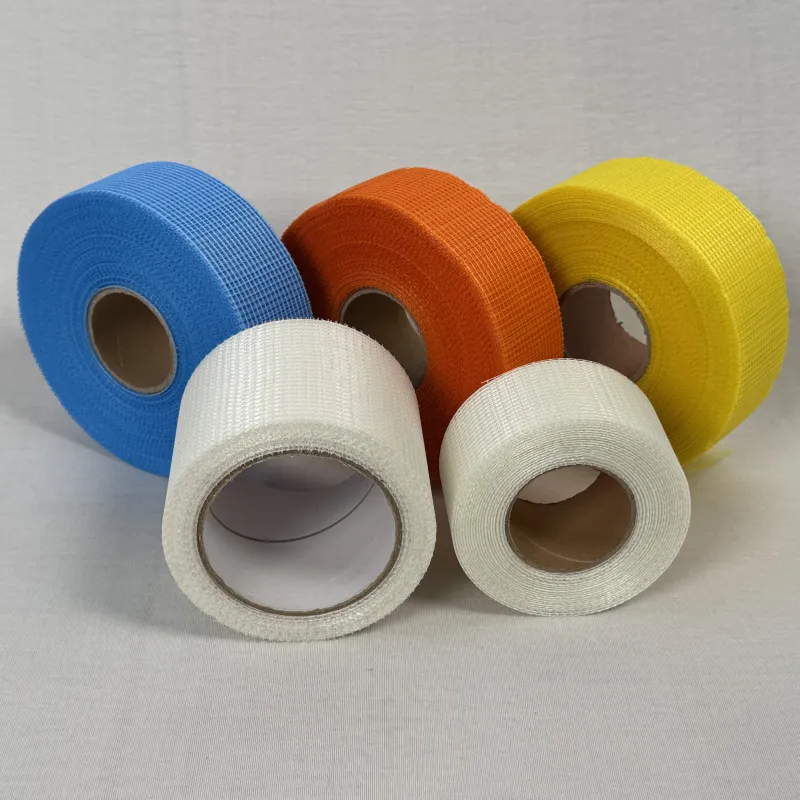
Self Adhesive fiberglass mesh tape is a woven tape made from fiberglass yarns and coated with a pressure-sensitive adhesive on one side. This adhesive backing allows the tape to stick directly to surfaces without the need for pre-applied compounds or additional bonding agents. Often referred to as fiberglass mesh tape , this product simplifies installation and ensures consistent positioning during finishing work.
The open mesh structure of fiberglass mesh tape allows compounds such as joint compound, thinset mortar, or cement-based adhesives to penetrate through the tape. Once cured, this creates a strong mechanical bond that reinforces joints and weak areas. The fiberglass composition provides high tensile strength, enabling the tape to resist movement and stress that could otherwise lead to cracking or separation.
One of the most important features of self adhesive fiberglass mesh tape is its resistance to moisture, alkalis, and mold. Fiberglass does not absorb water, making it suitable for wet or humid environments. This property is especially valuable when using fiberglass mesh tape for cement board or tile backer systems, where exposure to moisture is common.
Additionally, fiberglass mesh tape for cracks is designed to bridge gaps and reinforce damaged areas. When applied correctly, it helps prevent cracks from reappearing by distributing stress evenly across the repaired surface.
Benefits of Fiberglass Mesh Tape for Cracks, Cement Board, and Tile
One of the primary advantages of self adhesive fiberglass mesh tape is its versatility. It can be used across a wide range of materials, including drywall, cement board, plaster, and concrete substrates. This makes fiberglass mesh tape a reliable choice for both new construction and renovation projects.
For crack repair, fiberglass mesh tape for cracks offers superior reinforcement compared to traditional fillers alone. Cracks often reoccur due to structural movement or thermal expansion. By embedding fiberglass mesh tape into repair compounds, the reinforced area gains additional strength and flexibility, significantly reducing the risk of future cracking.
In cement board installations, fiberglass mesh tape for cement board is essential for reinforcing seams between panels. Cement boards are commonly used in bathrooms, kitchens, and exterior applications, where moisture resistance is critical. Fiberglass mesh tape maintains its integrity in these conditions and works seamlessly with thinset mortar to create strong, water-resistant joints.
Tile installations also benefit greatly from fiberglass mesh tape for tile. When used to reinforce joints and transitions, the tape helps prevent tile cracks and grout failure. The mesh structure allows thin set to bond effectively, ensuring a stable substrate for tile placement. This added reinforcement is particularly important in areas subjected to heavy loads or frequent temperature changes.
Another key benefit is ease of installation. Self adhesive fiberglass mesh tape eliminates the need for a separate bedding step, saving time and reducing labor costs. Its self-adhesive backing ensures accurate placement and minimizes the risk of shifting during application.
Best Practices and Applications of Fiberglass mesh Tape
To achieve optimal performance with fiberglass mesh tape, proper surface preparation is essential. The surface should be clean, dry, and free from dust, oil, or loose debris. This ensures maximum adhesion of the fiberglass tape adhesive and prevents premature failure.
When repairing cracks, the tape should be centered over the damaged area, extending slightly beyond the crack on both sides. After applying fiberglass mesh tape for cracks, a suitable compound or mortar should be pressed firmly through the mesh to fully embed it. Multiple thin coats are recommended to achieve a smooth, durable finish.
For cement board seams, fiberglass mesh tape for cement board should be applied directly over the joint, followed by a layer of thinset mortar. The mortar should be worked through the mesh openings to ensure full coverage. Once cured, the surface is ready for waterproofing membranes or tile installation.
In tile applications, fiberglass mesh tape for tile is particularly useful at transitions and corners. It helps stabilize these areas and reduces stress concentration that can lead to cracking. Care should be taken to use alkali-resistant fiberglass tape designed specifically for cementitious materials.
Although fiberglass mesh tape is highly effective, it is important to select the correct type for each application. Tapes intended for drywall may differ from those designed for cement board or tile work. Choosing the appropriate fiberglass mesh tape ensures compatibility and long-term performance.
Self Adhesive fiberglass mesh tape has become an essential reinforcement material in construction, renovation, and repair projects. Its strength, moisture resistance, and ease of use make it ideal for applications ranging from fiberglass mesh tape for cracks to fiberglass mesh tape for cement board and fiberglass mesh tape for tile.
By providing reliable reinforcement and simplifying installation, fiberglass mesh tape helps improve the durability and quality of finished surfaces. Whether used in residential or commercial projects, fiberglass mesh tape delivers consistent performance and long-lasting results, making it a trusted solution for professionals and DIY users alike.
-
Best Fiberglass Mesh Tape for RedGard Product Waterproofing GuideNewsApr.16,2026
-
Why High Strength Fiberglass Mesh Is Essential For Stucco ApplicationNewsApr.15,2026
-
Why Alkali Resistant Fiberglass Mesh Tape Is Essential For Cement Board And Tile InstallationsNewsApr.15,2026
-
Understanding The Role Of Drywall Fiberglass Mesh In Interior FinishingNewsApr.15,2026
-
Ultimate Guide To Using Fiberglass Mesh Tape For Drywall And Plaster RepairsNewsApr.15,2026
-
The Versatility Of Fiberglass Mesh In Marble And Stone MosaicNewsApr.15,2026