Jan . 09, 2026 09:51 Back to list
Alkali Resistant Fiberglass Mesh: A Reliable Reinforcement Solution for Gypsum Plaster and Building Systems
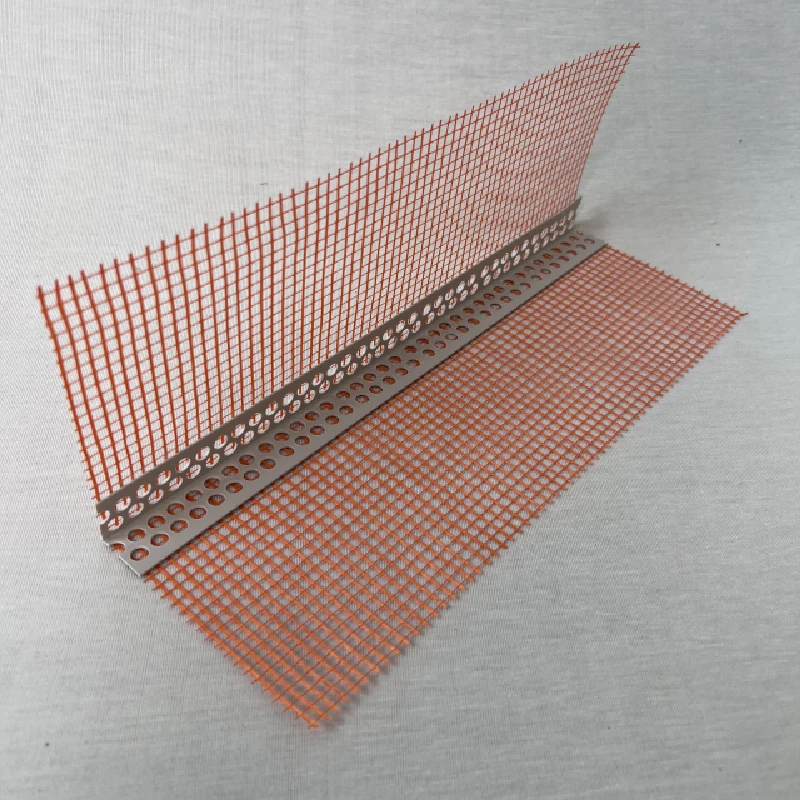
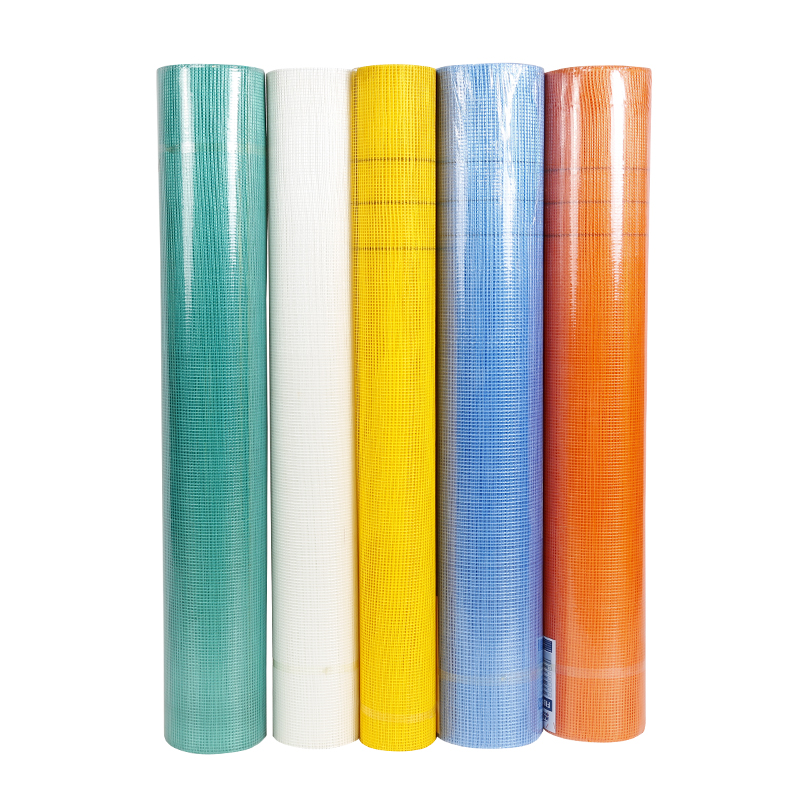
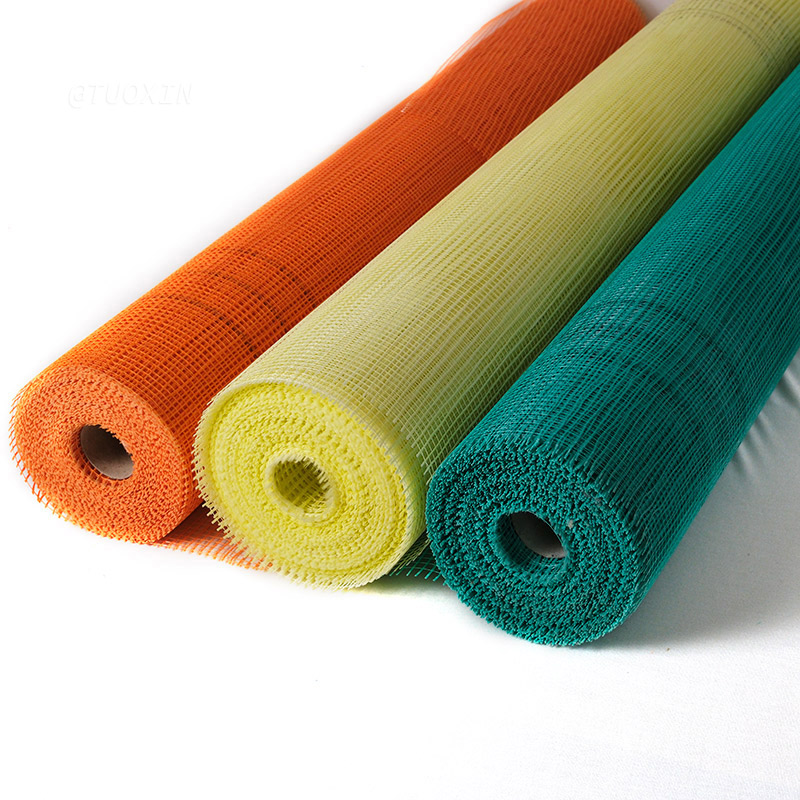
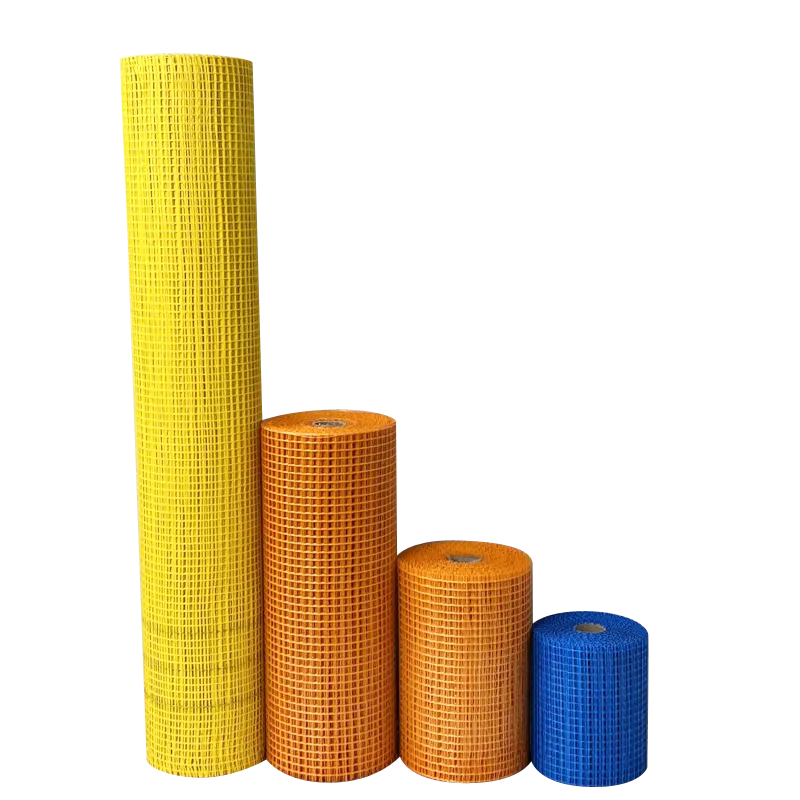
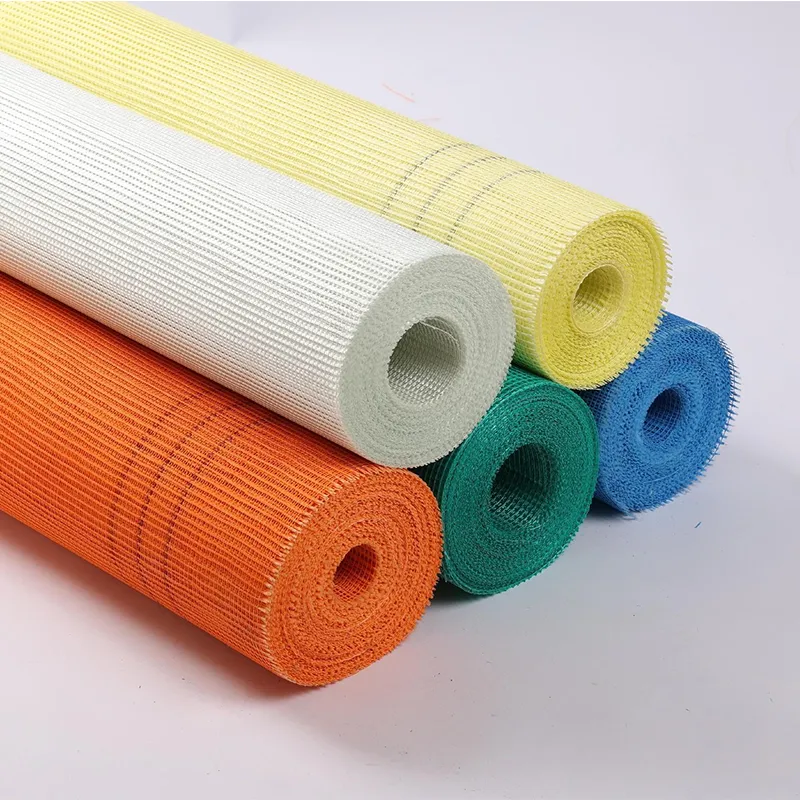
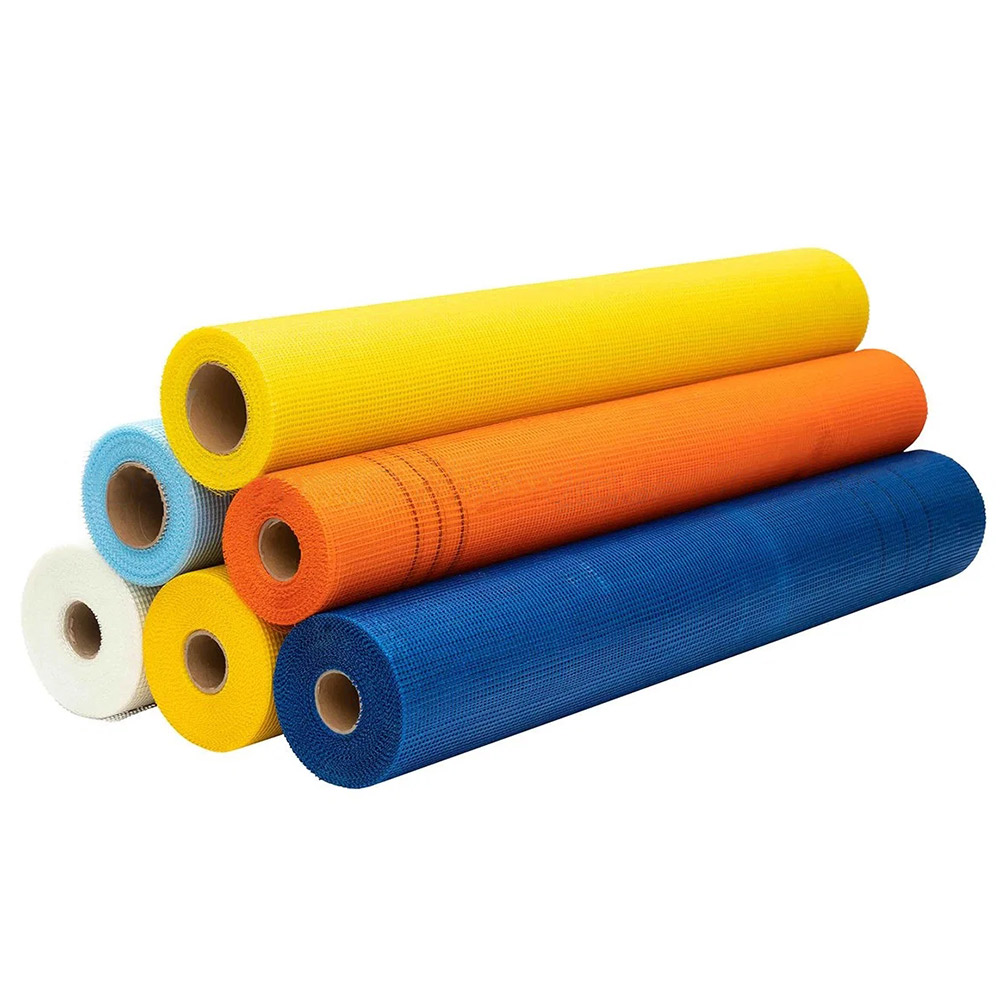
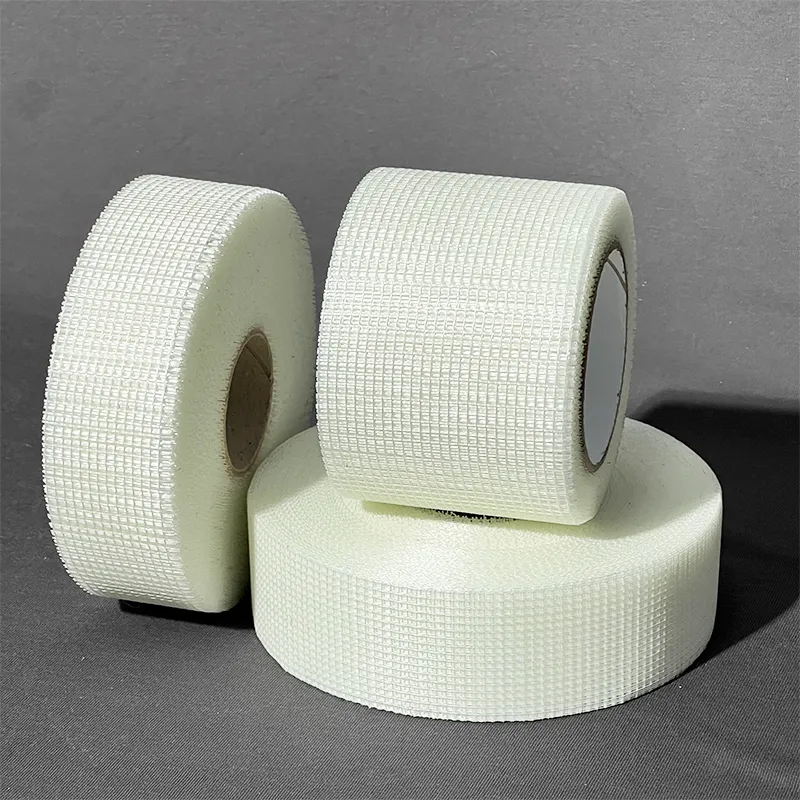
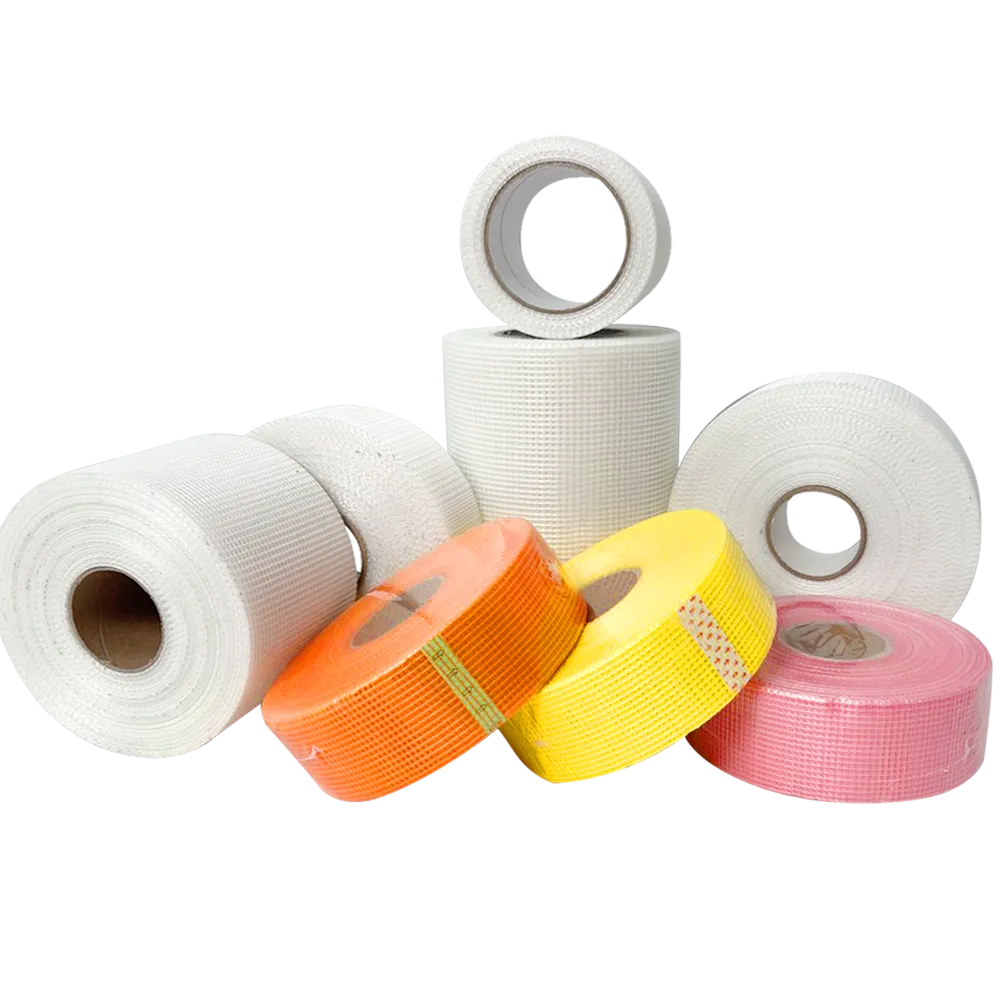
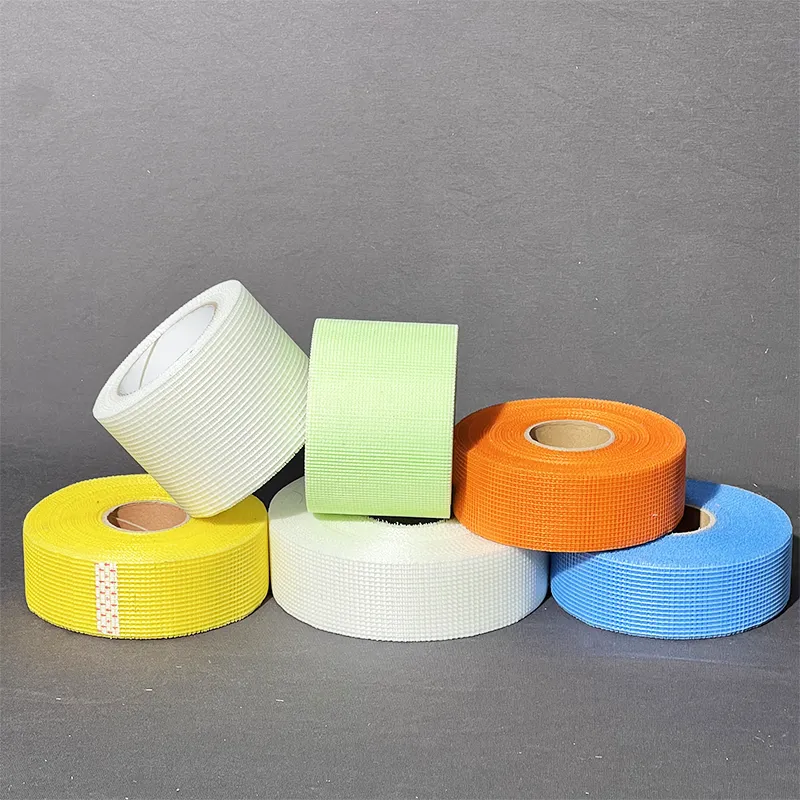
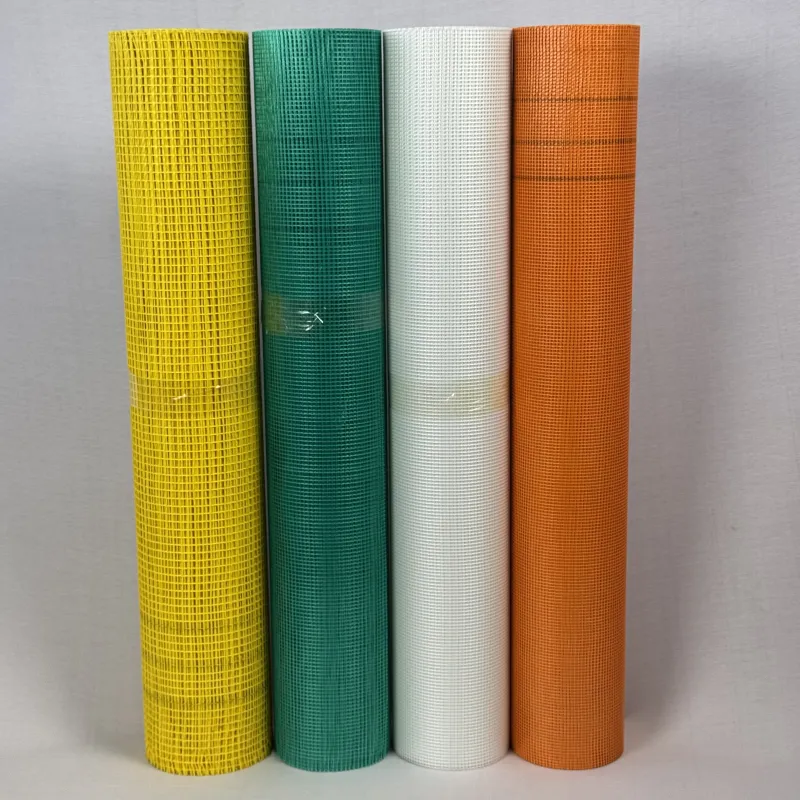
In modern construction and finishing systems, reinforcement materials play a critical role in ensuring durability, crack resistance, and long-term performance. Among these materials, alkali resistant fiberglass mesh has become a widely trusted solution for strengthening plaster, render, and insulation systems. Thanks to its excellent chemical stability, flexibility, and tensile strength, this mesh is used extensively in both interior and exterior applications. Products such as alkali resistant fiber glass mesh, fiberglass mesh for gypsum plaster, white fiberglass mesh,are now essential components in high-quality construction projects.
This article explores the properties, benefits, and applications of alkali resistant fiberglass mesh, with a particular focus on its use in gypsum plaster and decorative finishing systems.
What Is Alkali Resistant Fiberglass Mesh and Why It Matters
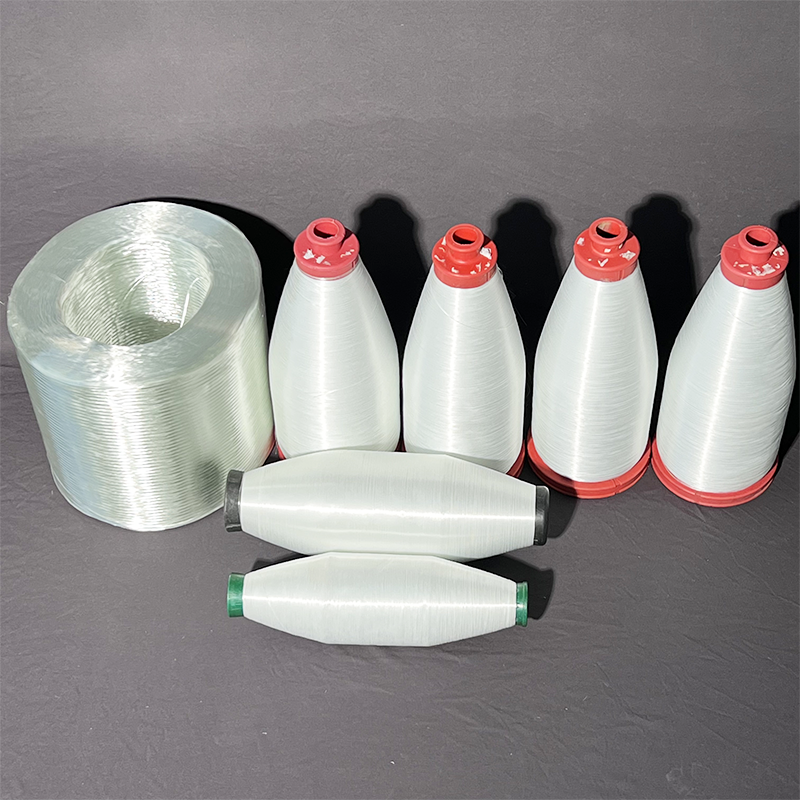
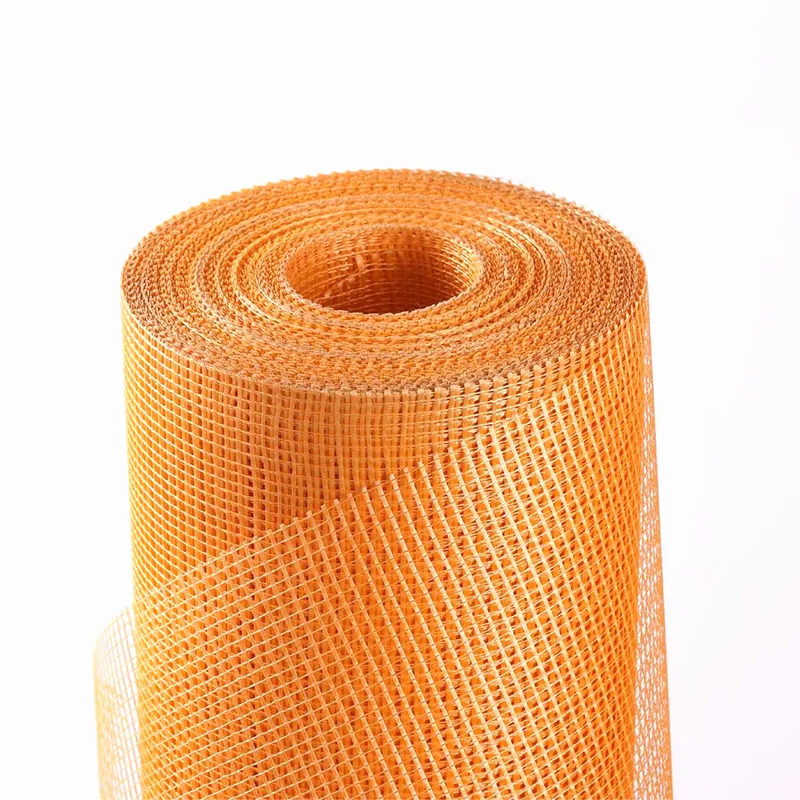
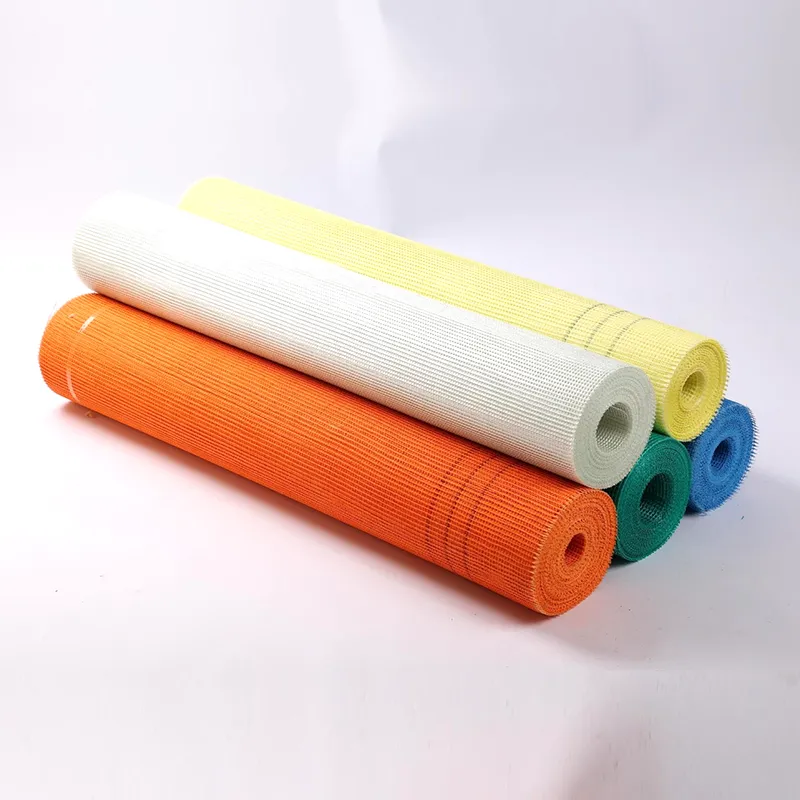
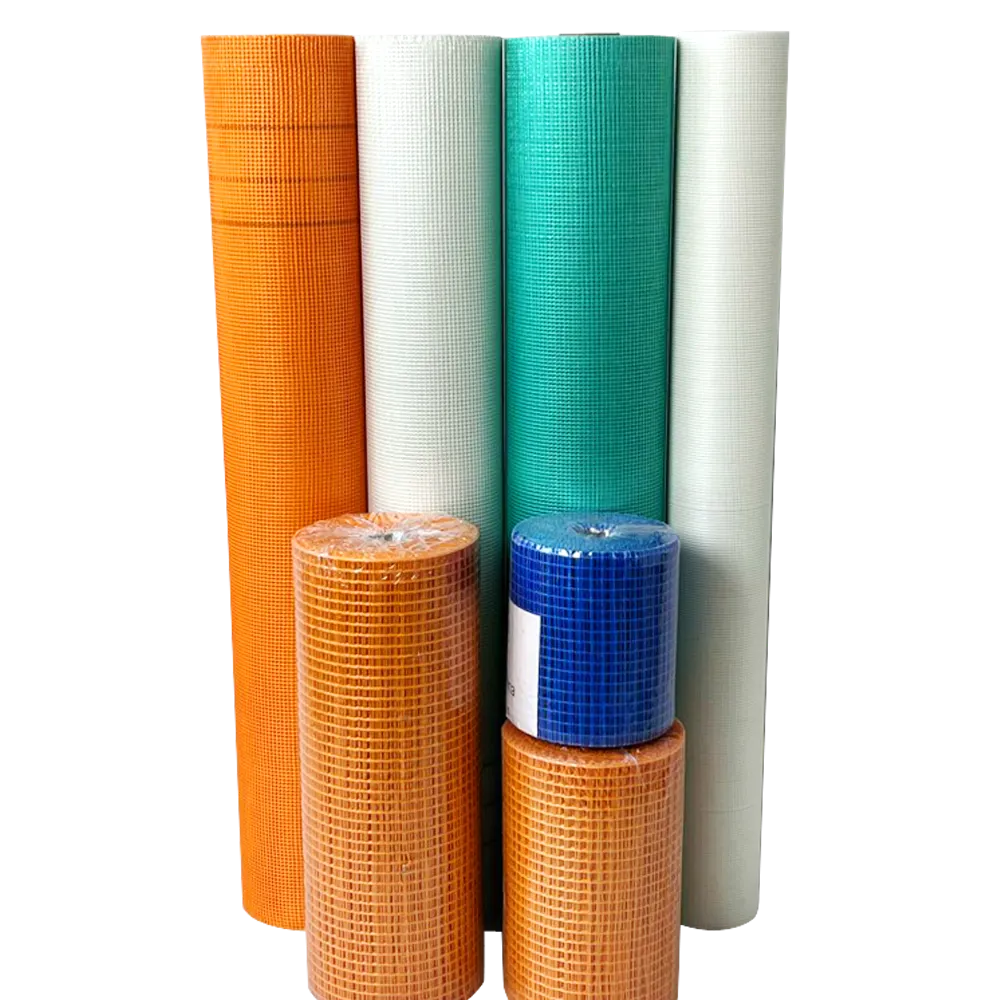
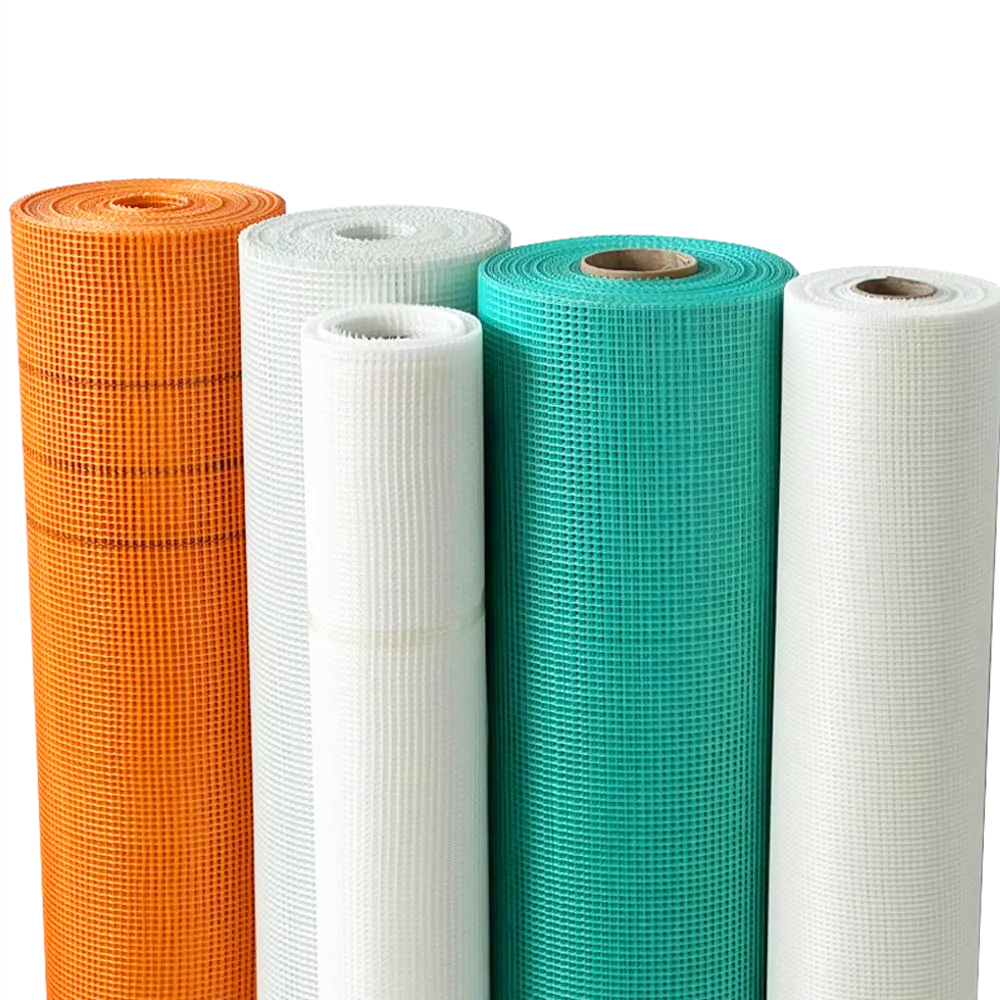
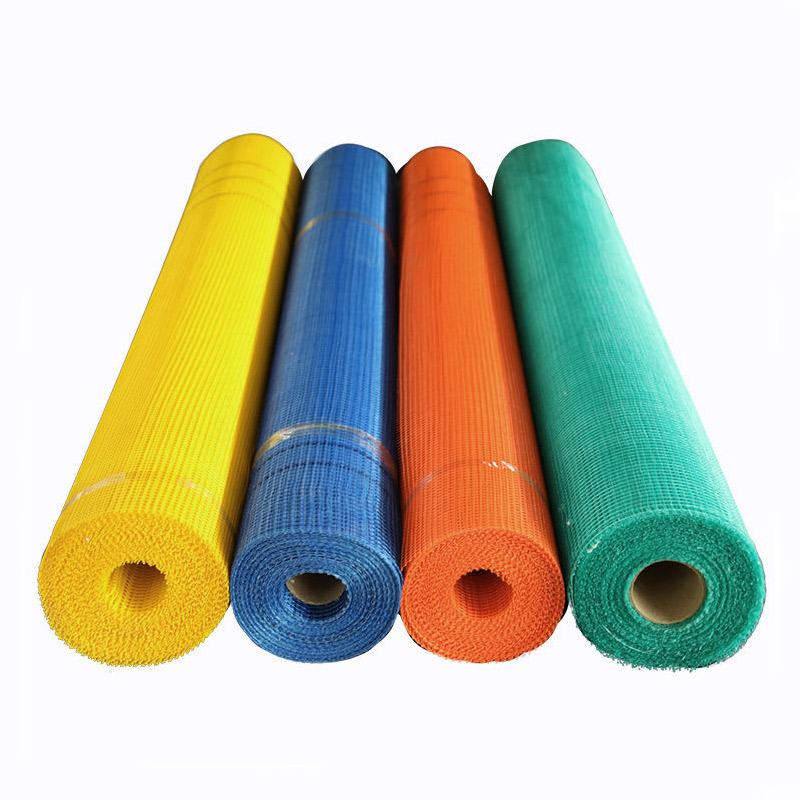
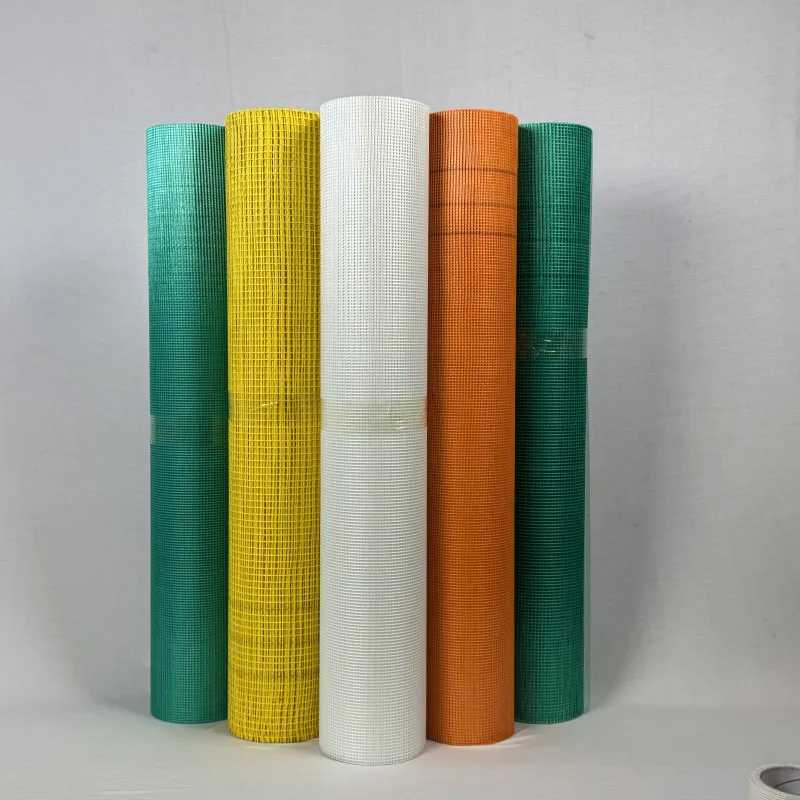
Alkali resistant fiberglass mesh is a woven fabric made from glass fiber yarns that are coated with a special alkali-resistant polymer. This coating protects the fibers from degradation when exposed to alkaline environments, such as cement, gypsum, and lime-based materials. Without this protection, standard fiberglass could weaken over time, reducing its reinforcing capability.
Also known as alkali resistant fiber glass mesh, this material is specifically engineered to maintain strength and flexibility even when embedded in highly alkaline compounds. This makes it ideal for use in plastering, rendering, and external insulation systems where chemical exposure is unavoidable.
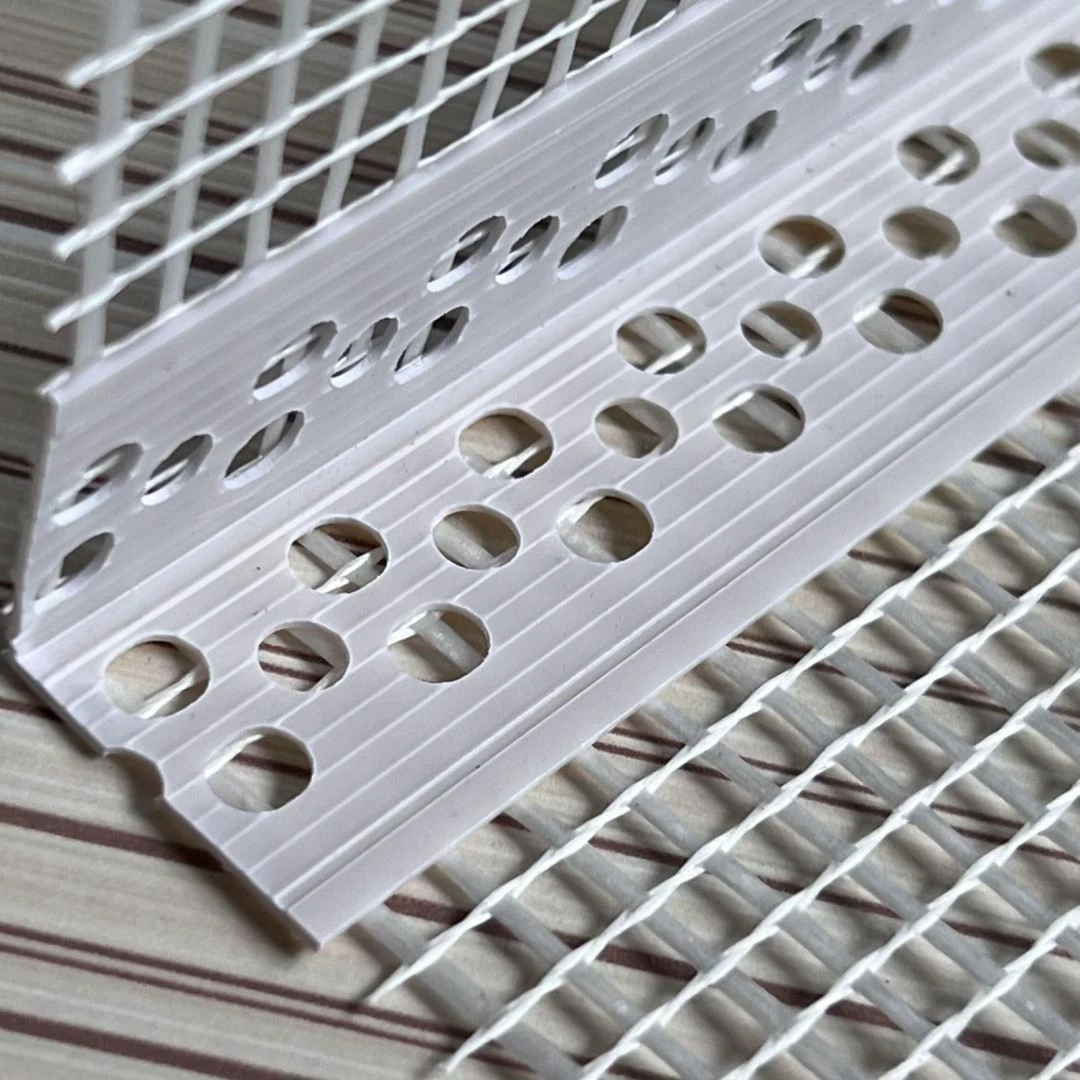
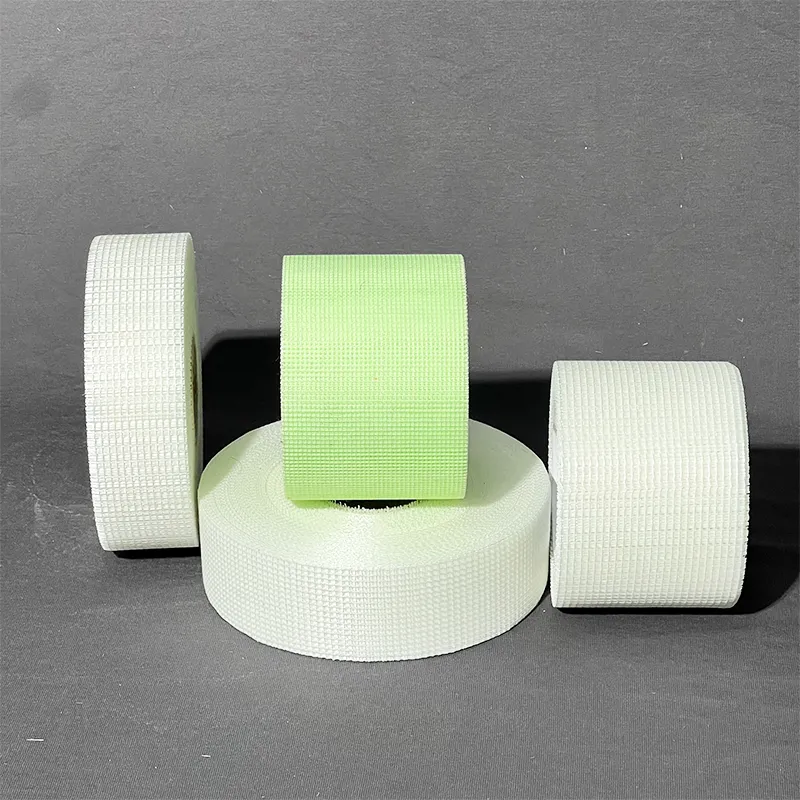
One of the defining characteristics of white fiberglass mesh is its uniform weave and consistent tensile strength in both directions. This structure allows the mesh to evenly distribute stress across the surface, minimizing the formation and spread of cracks. As a result, reinforced surfaces are more resistant to shrinkage, thermal movement, and structural vibration.
Benefits of Fiberglass Mesh for Gypsum Plaster and Surface Reinforcement
Gypsum plaster is widely used for interior wall and ceiling finishes due to its smooth texture and fast setting time. However, it is also prone to cracking caused by shrinkage, substrate movement, and temperature changes. This is where fiberglass mesh for gypsum plaster provides significant advantages.
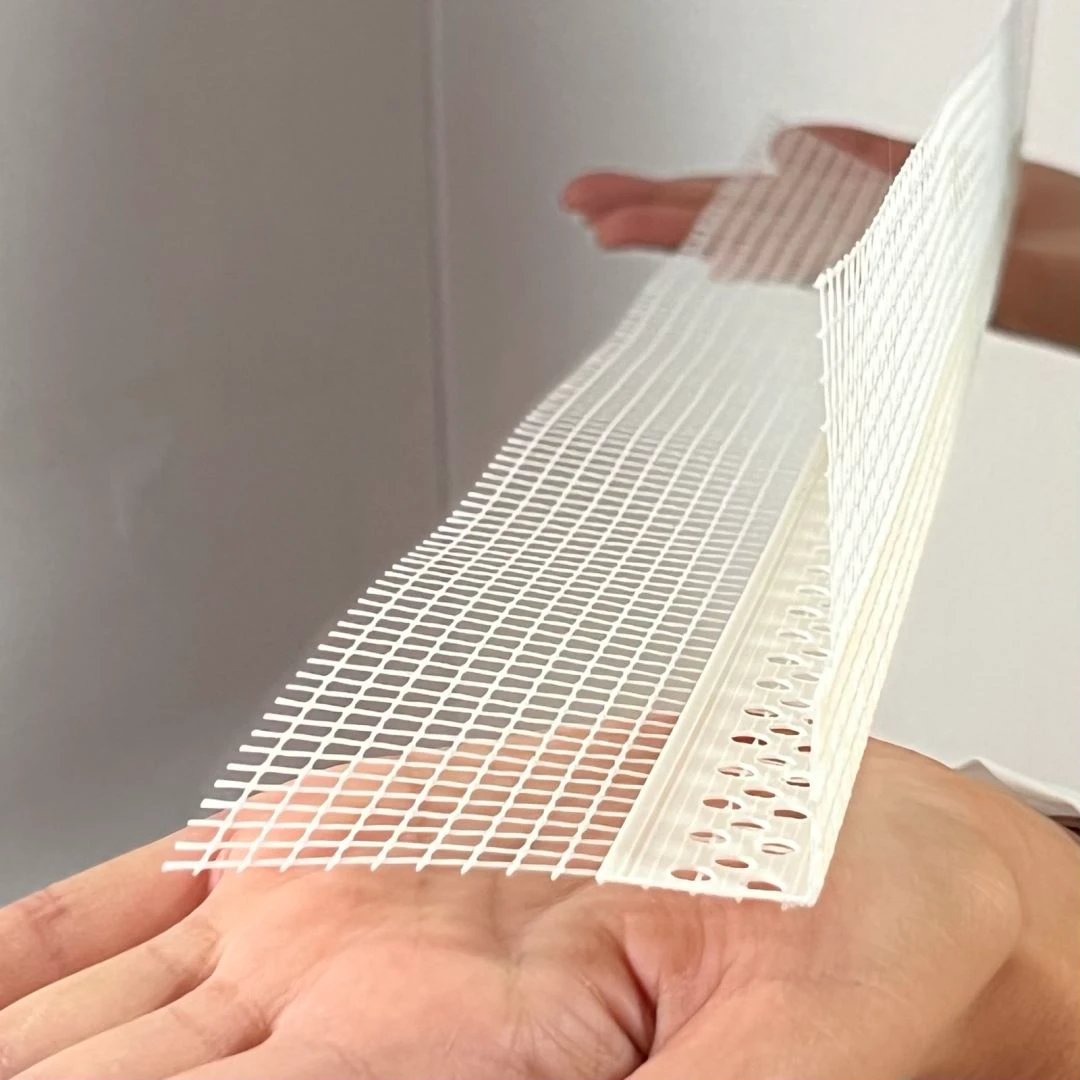
By embedding alkali resistant fiberglass mesh within the plaster layer, stress is distributed more evenly across the surface. This reinforcement reduces hairline cracks and improves the overall strength of the plastered area. The mesh works as a flexible skeleton inside the plaster, holding it together even when minor movement occurs.
Another key benefit of alkali resistant fiber glass mesh is its lightweight nature. Unlike metal reinforcement, fiberglass mesh does not add unnecessary weight to walls or ceilings. This makes installation easier and reduces structural load, particularly important in renovation and high-rise projects.
Durability is another major advantage. White fiberglass mesh does not rust, corrode, or deteriorate when exposed to moisture. This makes it suitable for use in kitchens, bathrooms, and other humid environments where traditional reinforcement materials may fail.
Additionally, fiberglass mesh for gypsum plaster improves impact resistance. Walls reinforced with fiberglass mesh are less likely to chip or crack when subjected to minor impacts, resulting in longer-lasting and more resilient interior finishes.
Applications of White Fiberglass Mesh and Best Installation Practices
Alkali resistant fiberglass mesh is used across a wide range of construction applications. In interior settings, it is commonly applied in gypsum plaster systems to reinforce walls, ceilings, joints, and transitions between different materials.
In exterior applications, alkali resistant fiber glass mesh plays a critical role in external insulation and finishing systems (EIFS). It reinforces base coats, enhances impact resistance, and helps protect facades from cracking due to weather exposure and temperature fluctuations.
For decorative plaster and architectural finishes, white fiberglass mesh ensures consistent texture and reduces surface defects. Its fine weave allows plaster to penetrate easily, creating a strong bond between layers while maintaining a smooth appearance.
To achieve optimal performance, proper installation is essential. The substrate should be clean, stable, and free from dust or loose materials before applying fiberglass mesh for gypsum plaster. The mesh should be embedded into a fresh layer of plaster or base coat, ensuring it is fully covered and positioned in the upper third of the layer for maximum reinforcement.
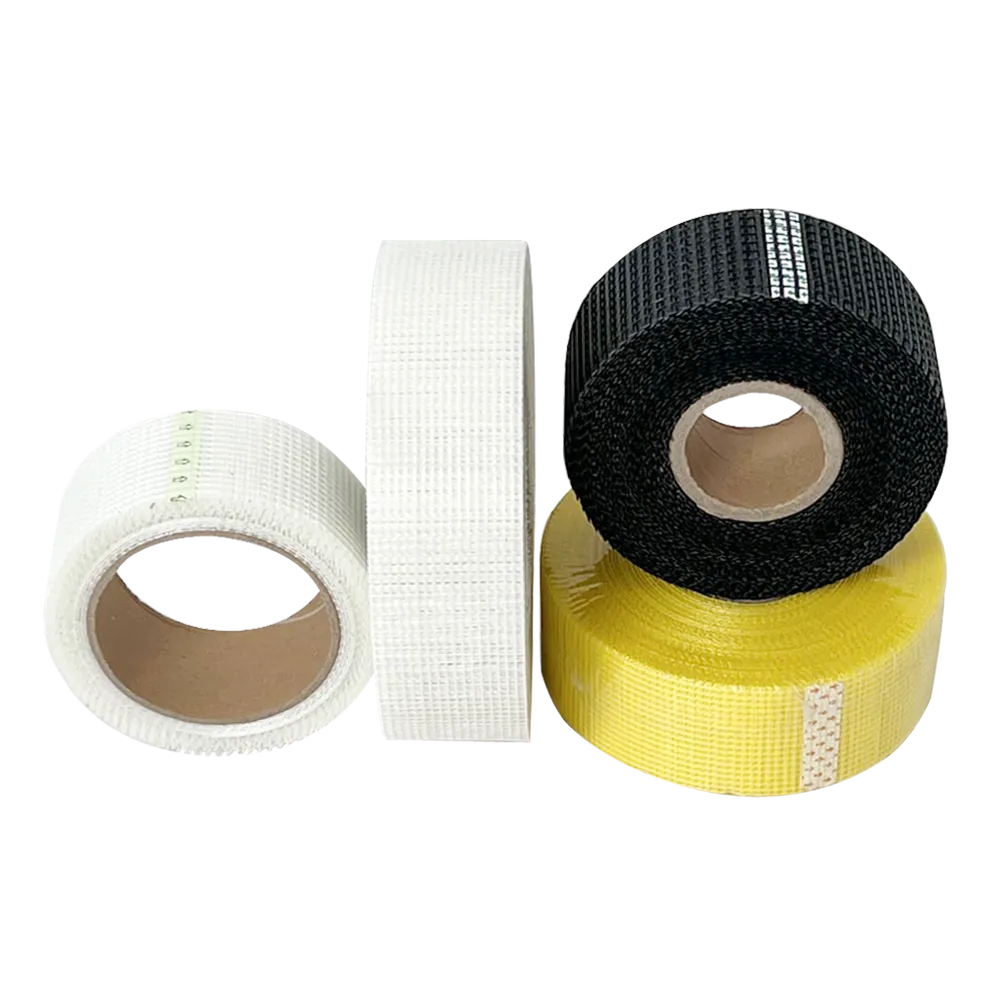
Overlapping mesh sections by several centimeters is recommended to maintain continuous reinforcement and prevent weak points. Care should also be taken to smooth out wrinkles or air pockets, as these can compromise the final finish.
Selecting the correct mesh weight and size is equally important. Heavier alkali resistant fiberglass mesh is suitable for exterior and high-impact areas, while lighter white fiberglass mesh is ideal for interior gypsum plaster applications.
As construction standards continue to rise, the demand for reliable and long-lasting reinforcement materials grows. Alkali resistant fiberglass mesh and alkali resistant fiber glass mesh offer an effective solution for strengthening plaster, render, and insulation systems. Their resistance to alkaline environments, moisture, and cracking makes them indispensable in modern building practices.
Whether used as fiberglass mesh for gypsum plaster, white fiberglass mesh, these materials enhance durability, improve surface quality, and extend the lifespan of finished structures. By incorporating high-quality fiberglass mesh into construction and finishing systems, builders and designers can achieve stronger, smoother, and more resilient surfaces that meet both functional and aesthetic expectations.
-
Best Fiberglass Mesh Tape for RedGard Product Waterproofing GuideNewsApr.16,2026
-
Why High Strength Fiberglass Mesh Is Essential For Stucco ApplicationNewsApr.15,2026
-
Why Alkali Resistant Fiberglass Mesh Tape Is Essential For Cement Board And Tile InstallationsNewsApr.15,2026
-
Understanding The Role Of Drywall Fiberglass Mesh In Interior FinishingNewsApr.15,2026
-
Ultimate Guide To Using Fiberglass Mesh Tape For Drywall And Plaster RepairsNewsApr.15,2026
-
The Versatility Of Fiberglass Mesh In Marble And Stone MosaicNewsApr.15,2026