Jan . 05, 2026 14:50 Back to list
Reliable Self Adhesive Fiberglass Mesh Suppliers for Industry Use
Finding Reliable self adhesive fiberglass mesh suppliers: What I’ve learned in the trenches
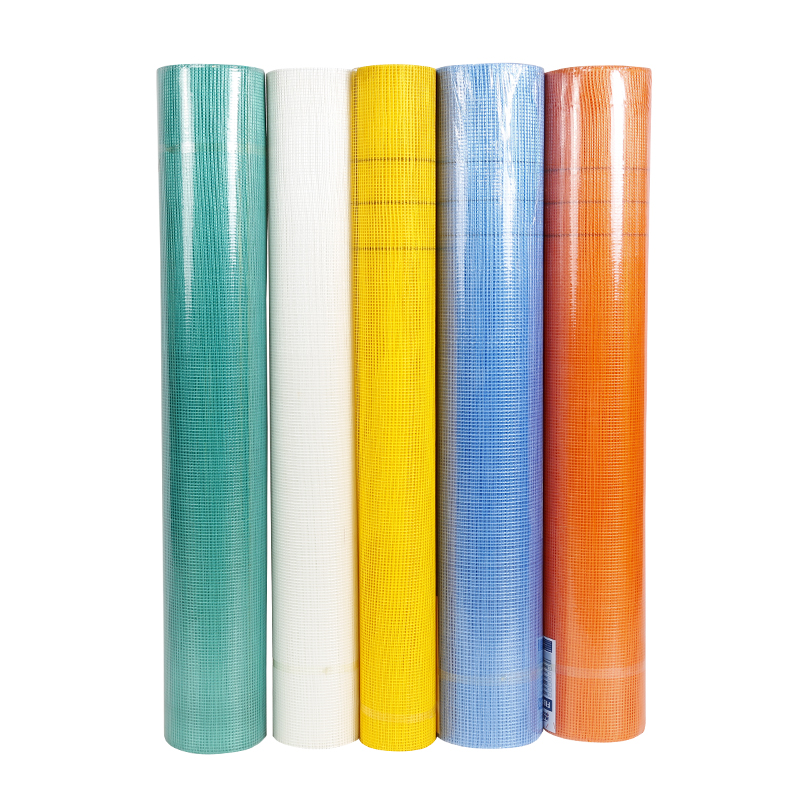
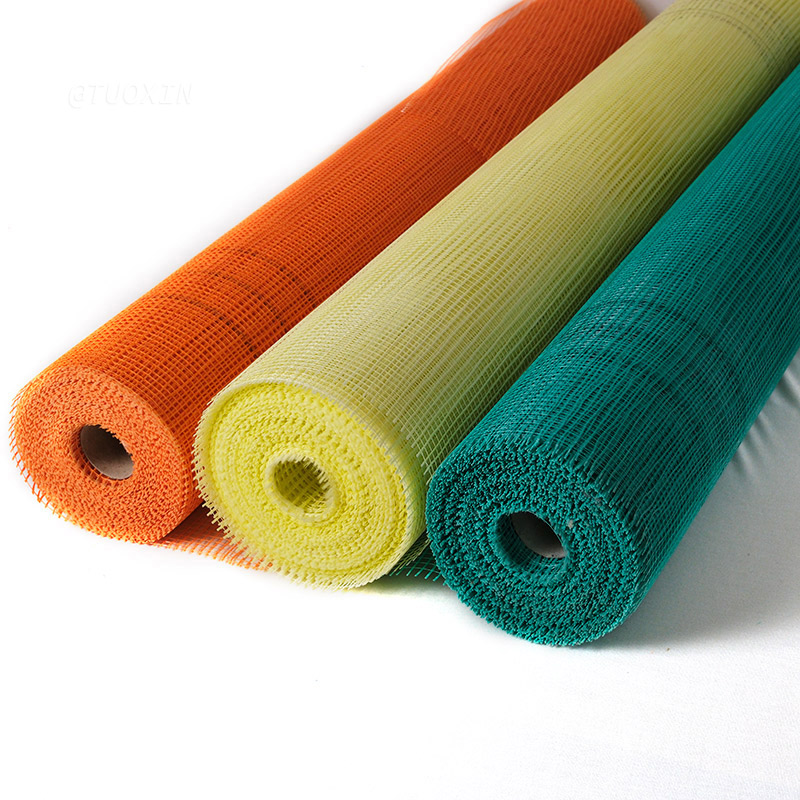
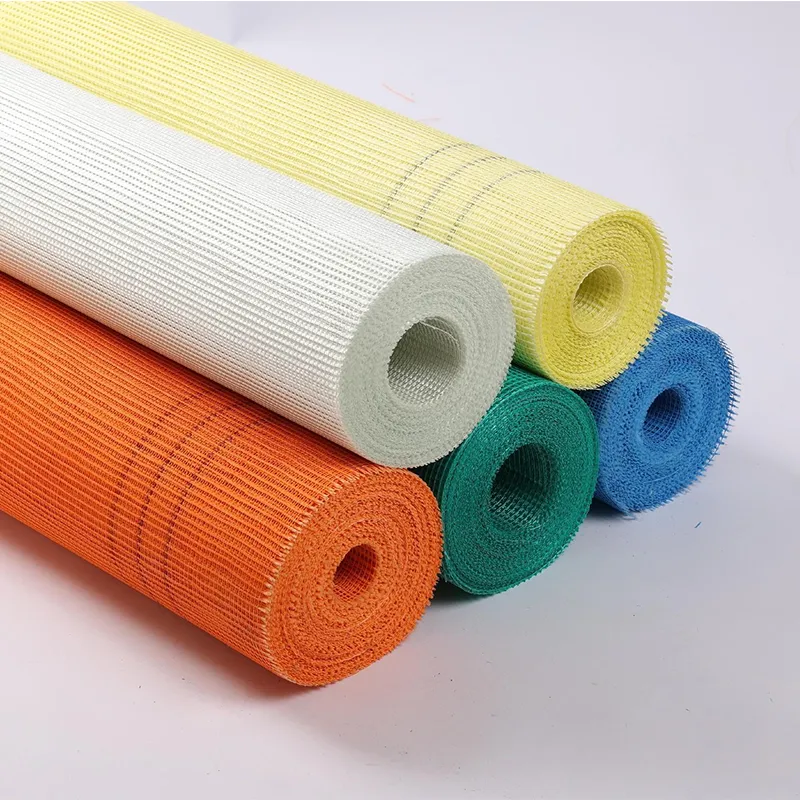
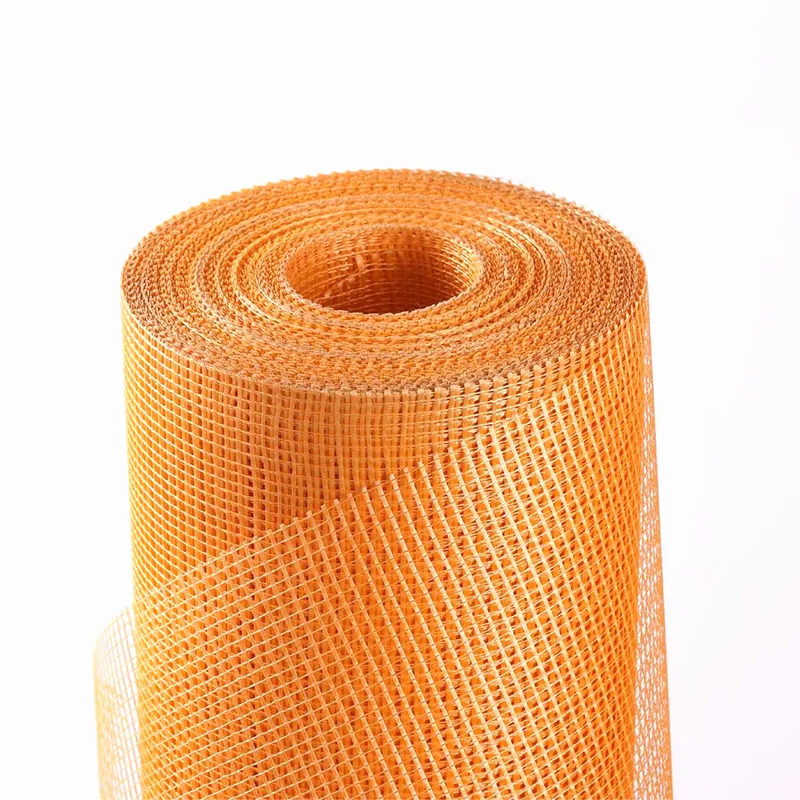
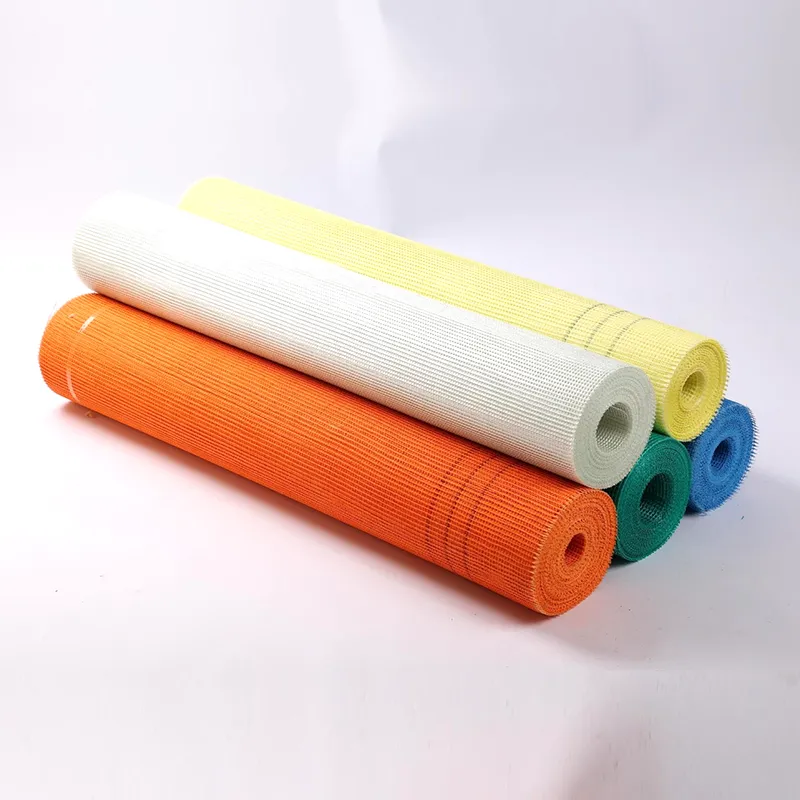
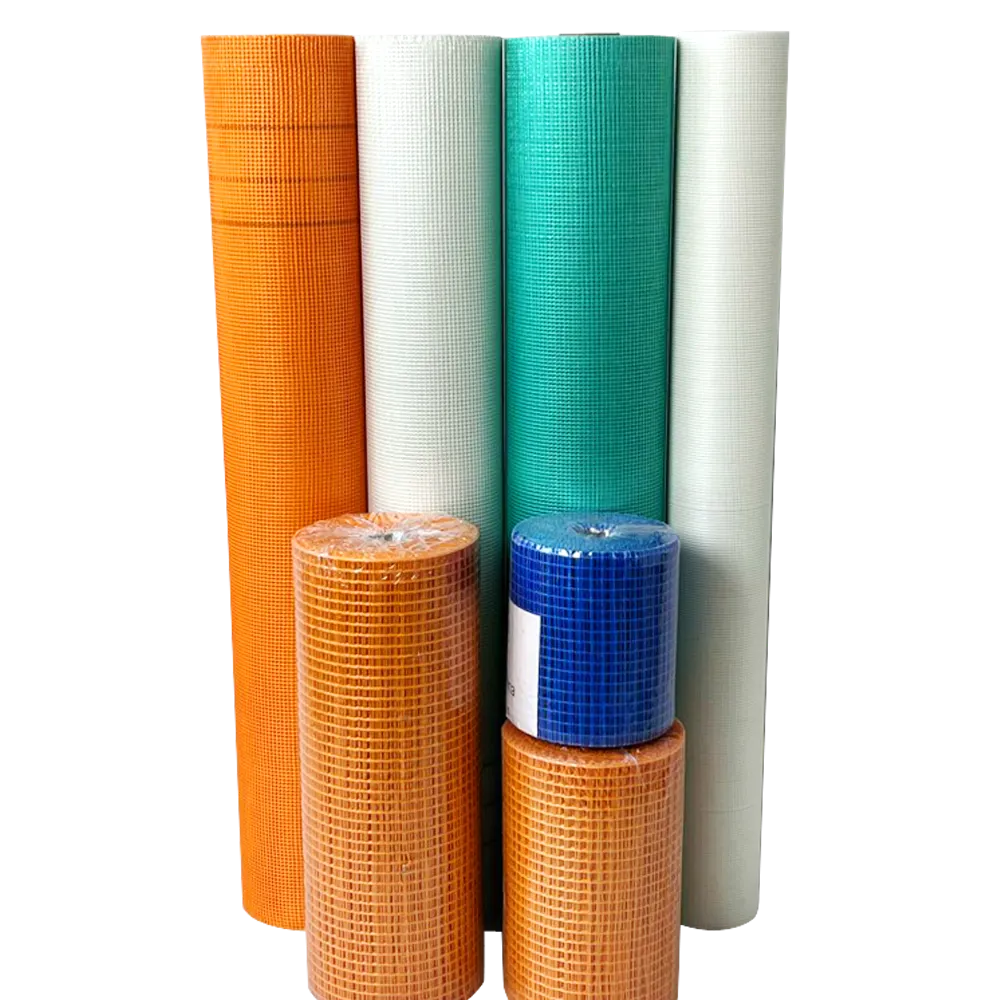
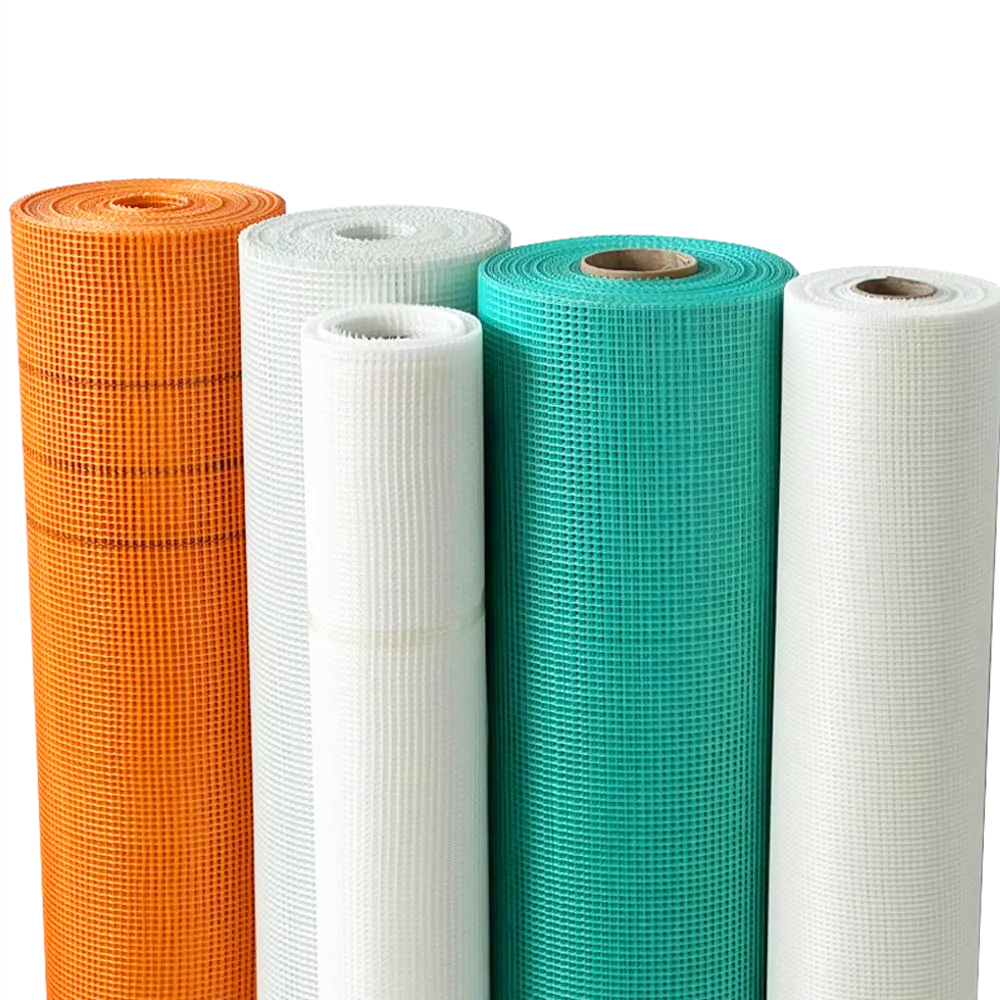
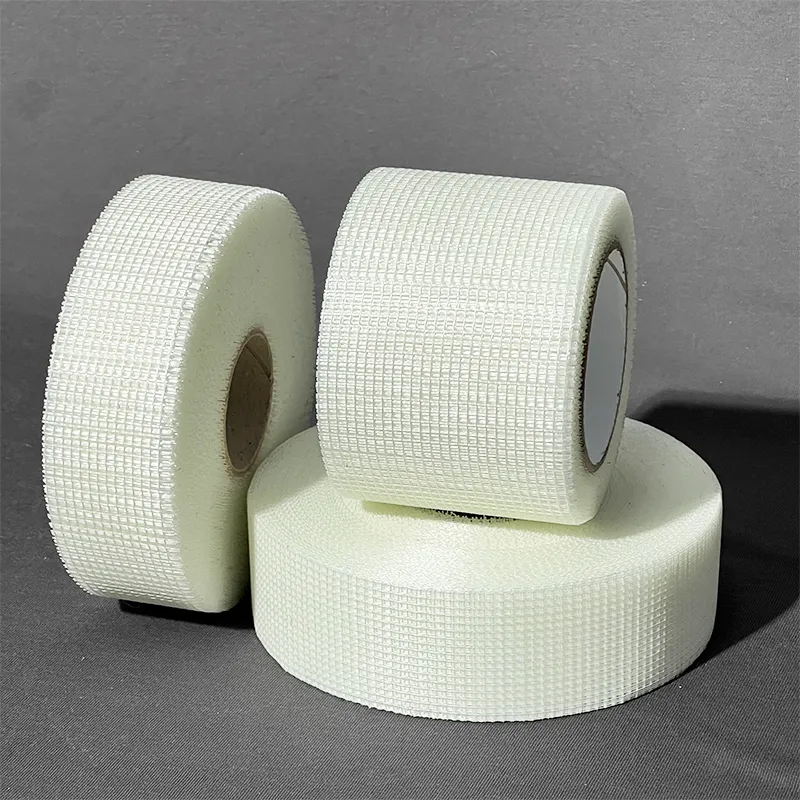
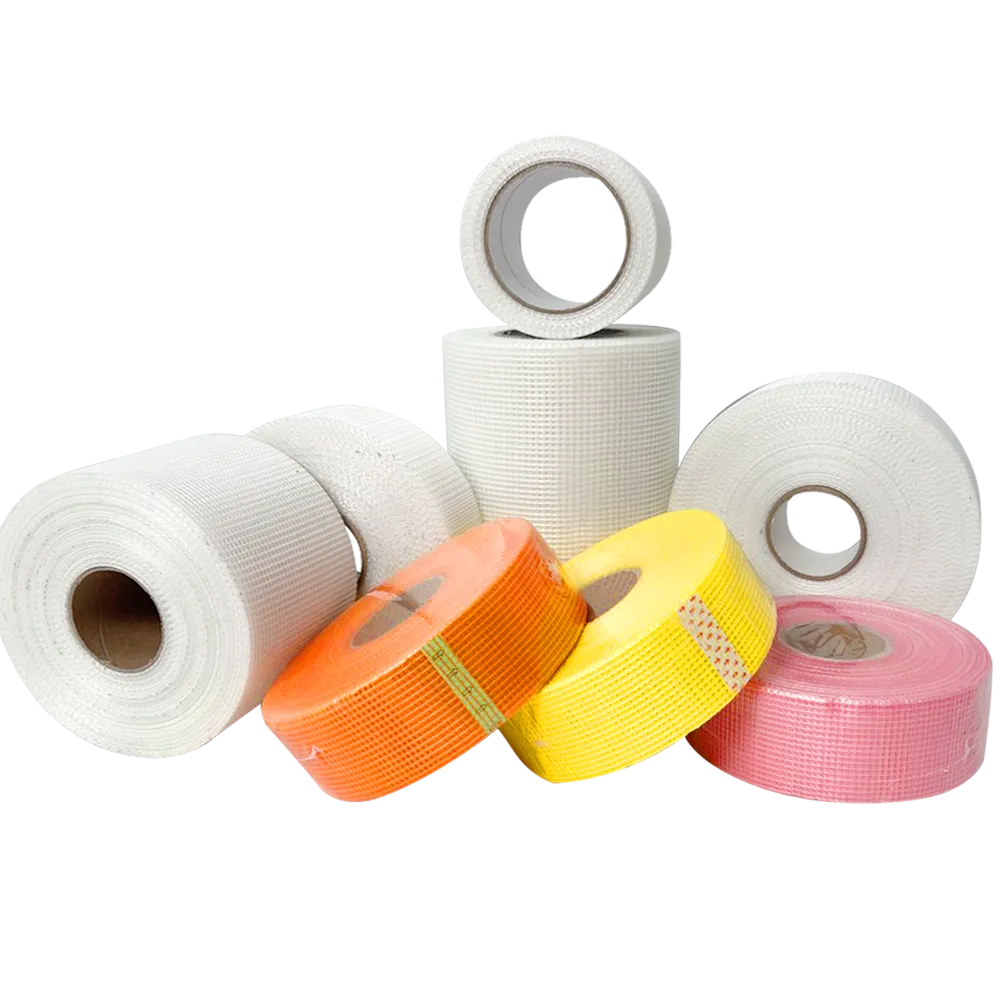
Having spent quite a few years wading through the industrial equipment landscape, I’ve come to appreciate how much a seemingly simple product like self adhesive fiberglass mesh can vary from supplier to supplier. It’s one of those things that, at first glance, you might think “mesh is mesh,” but frankly, the devil’s in the details.
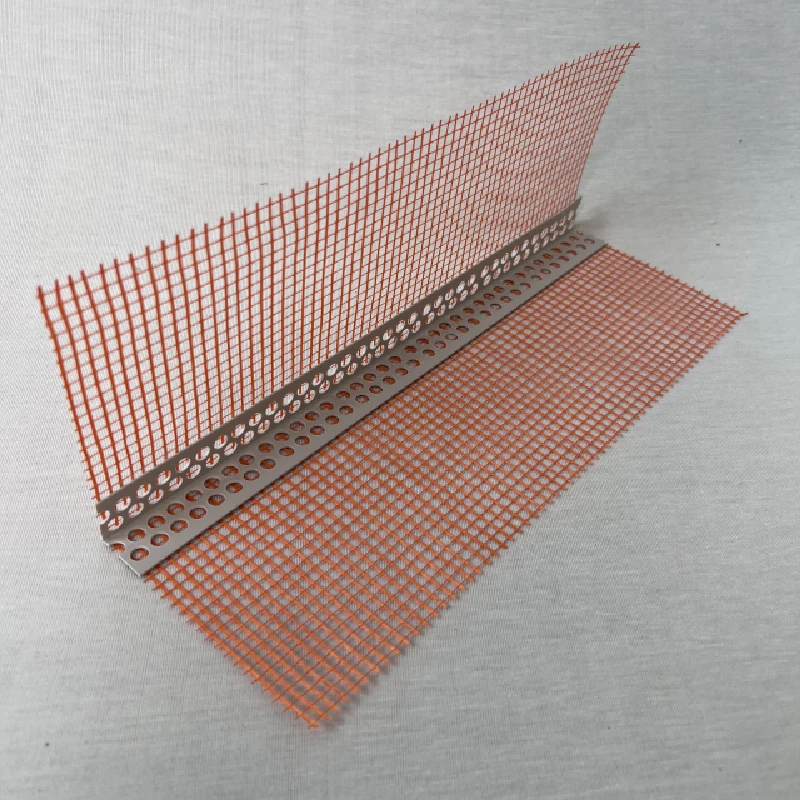
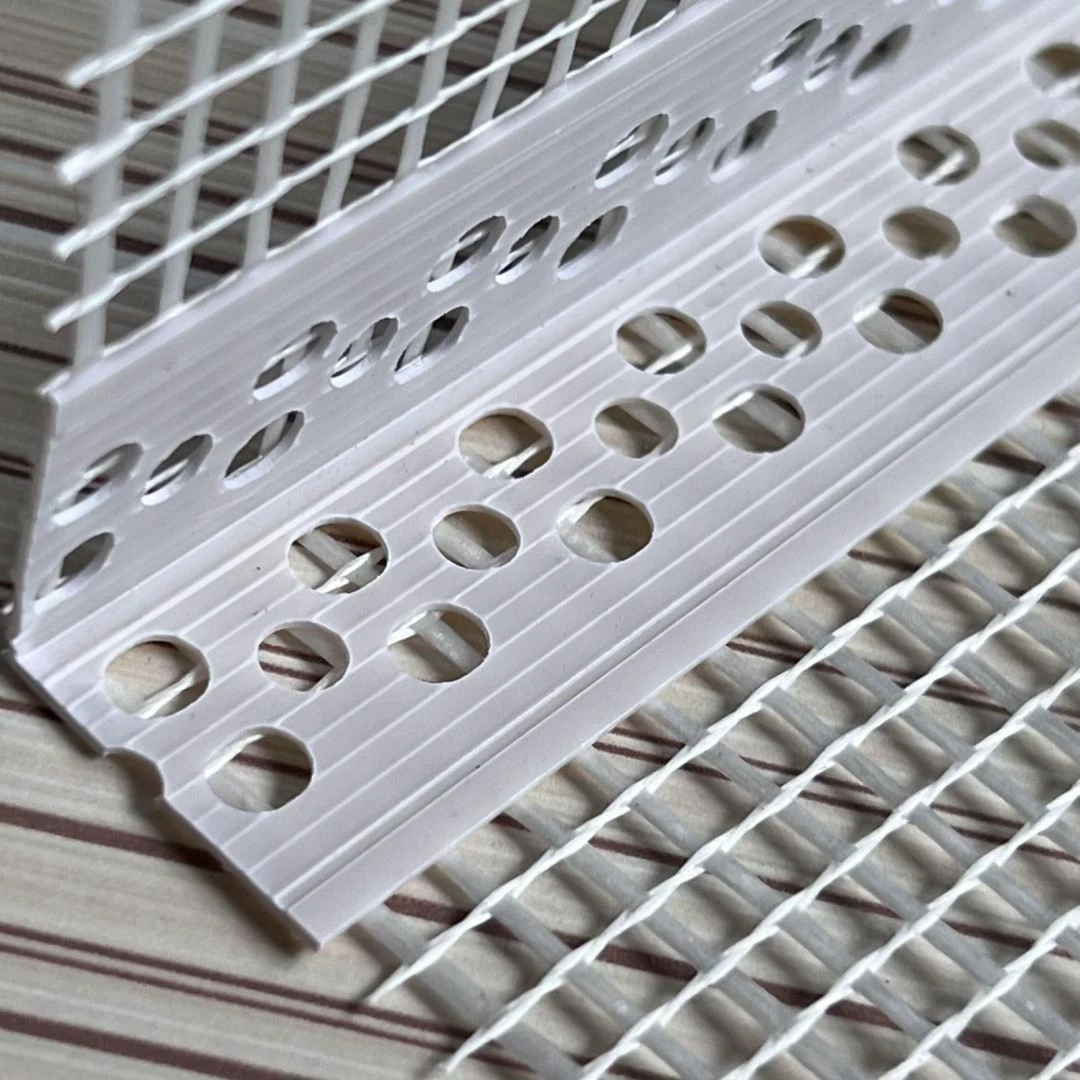
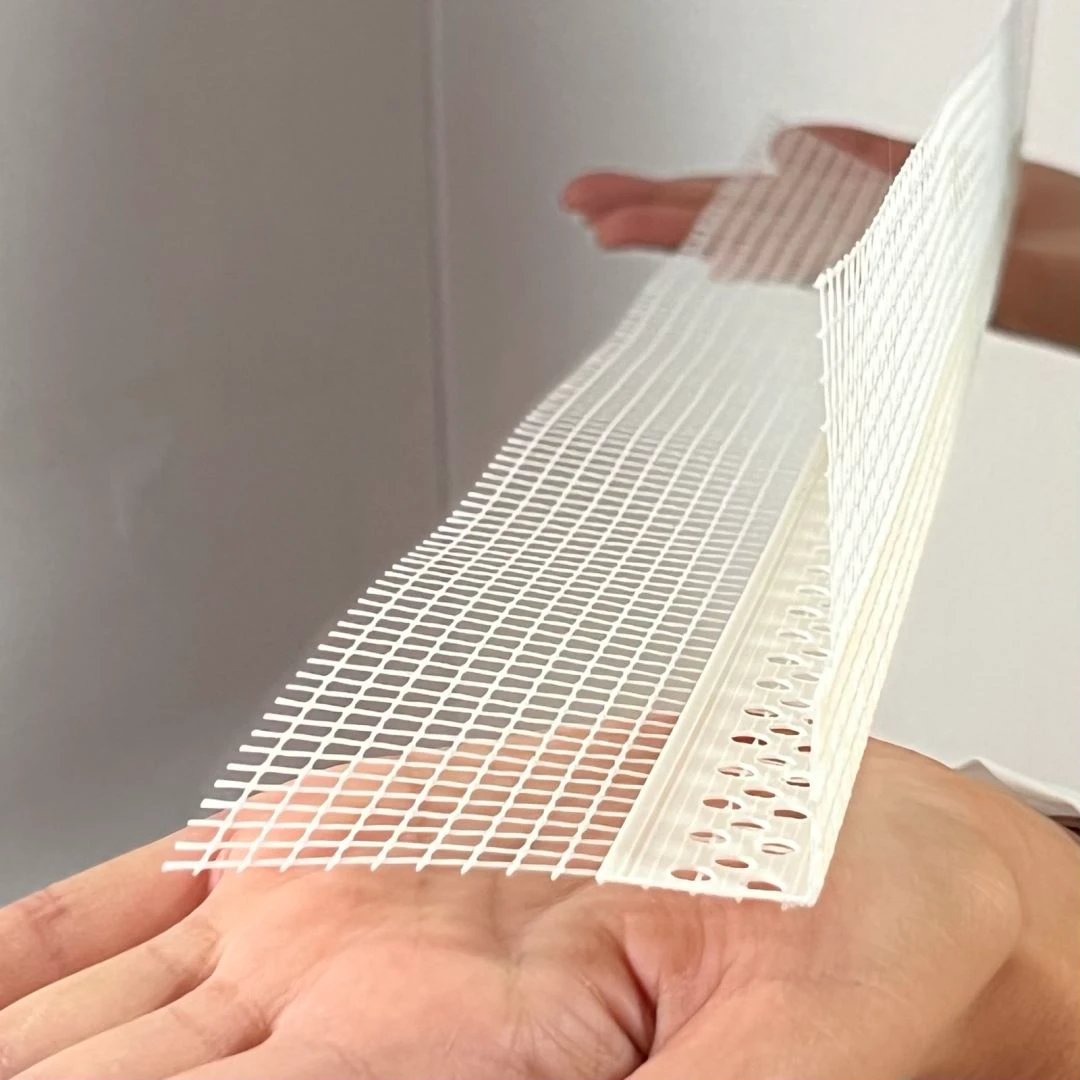
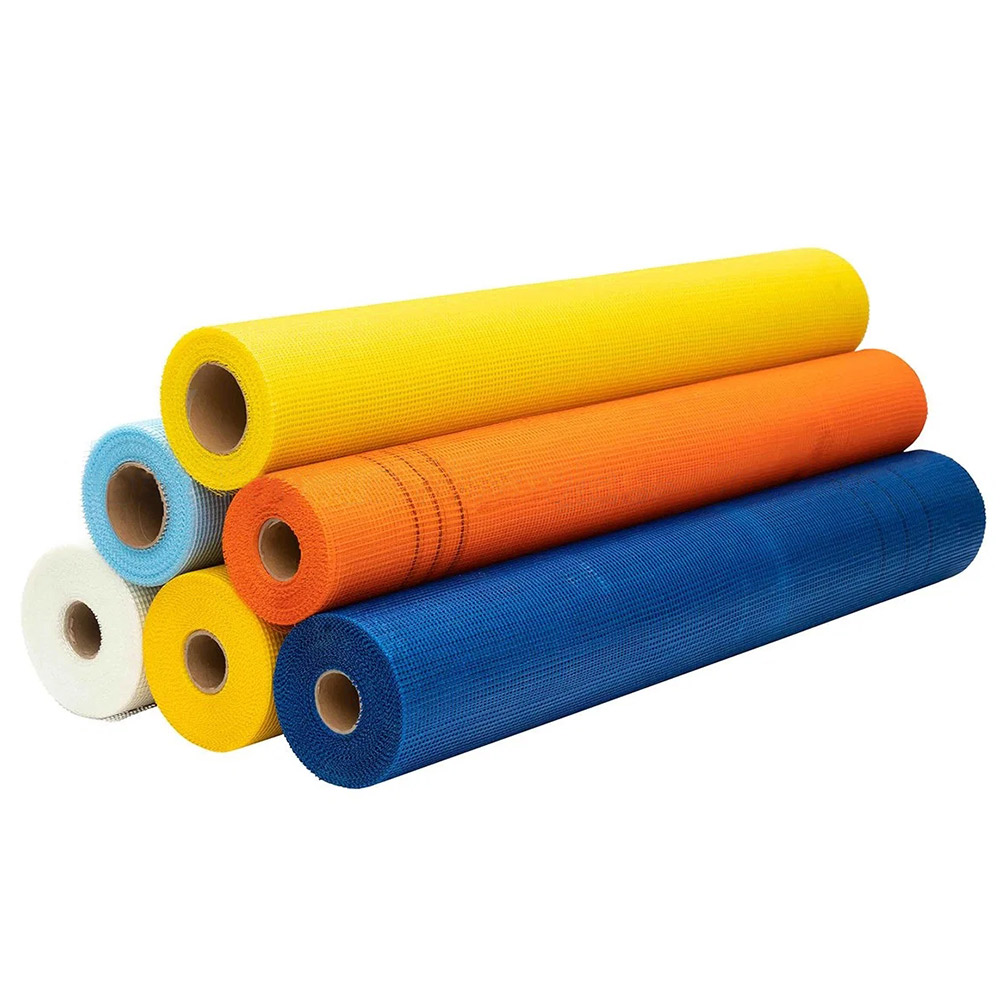
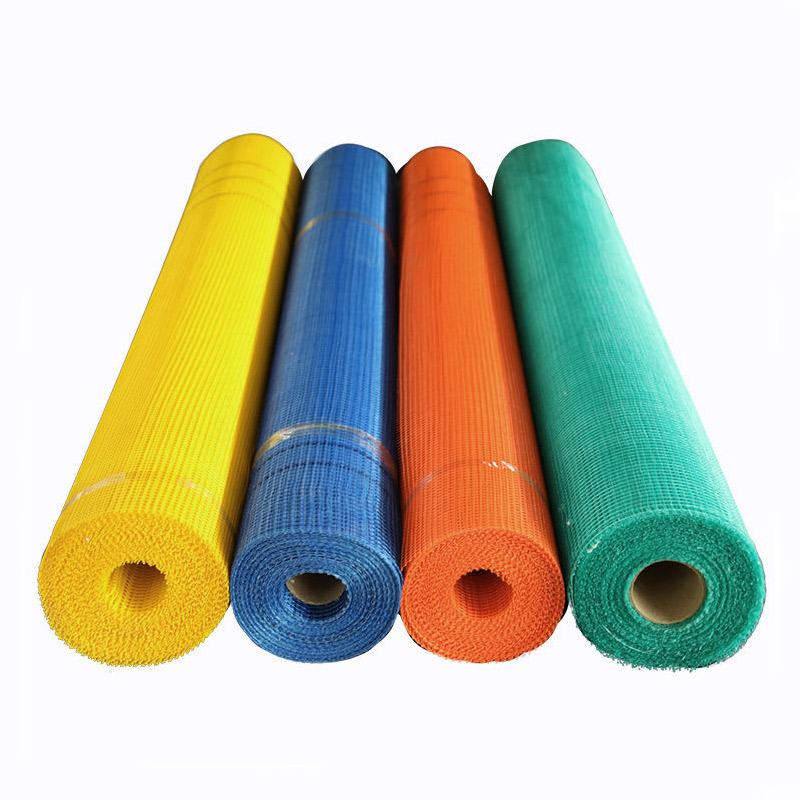
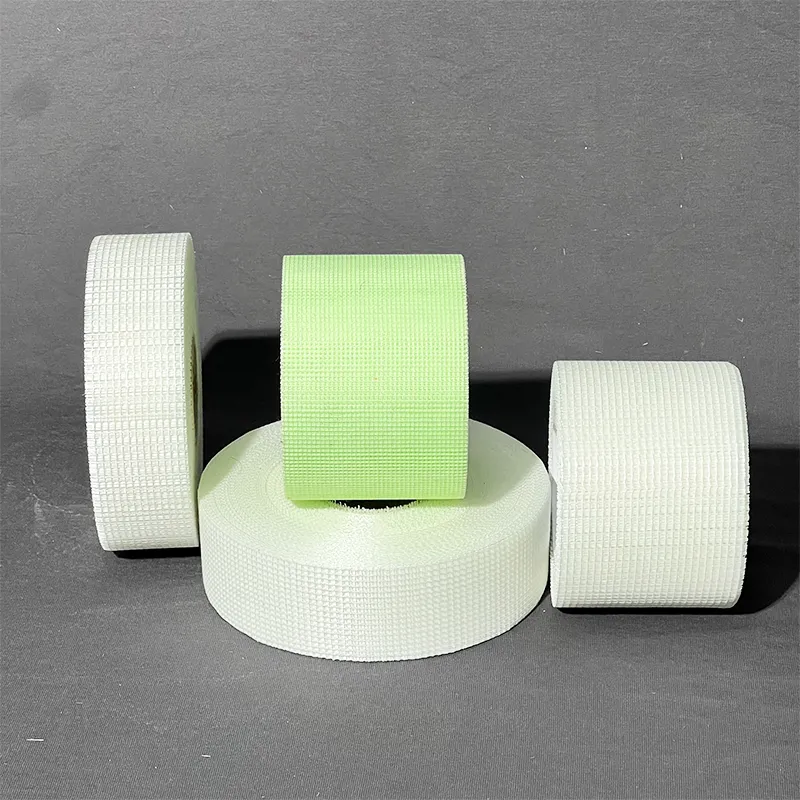
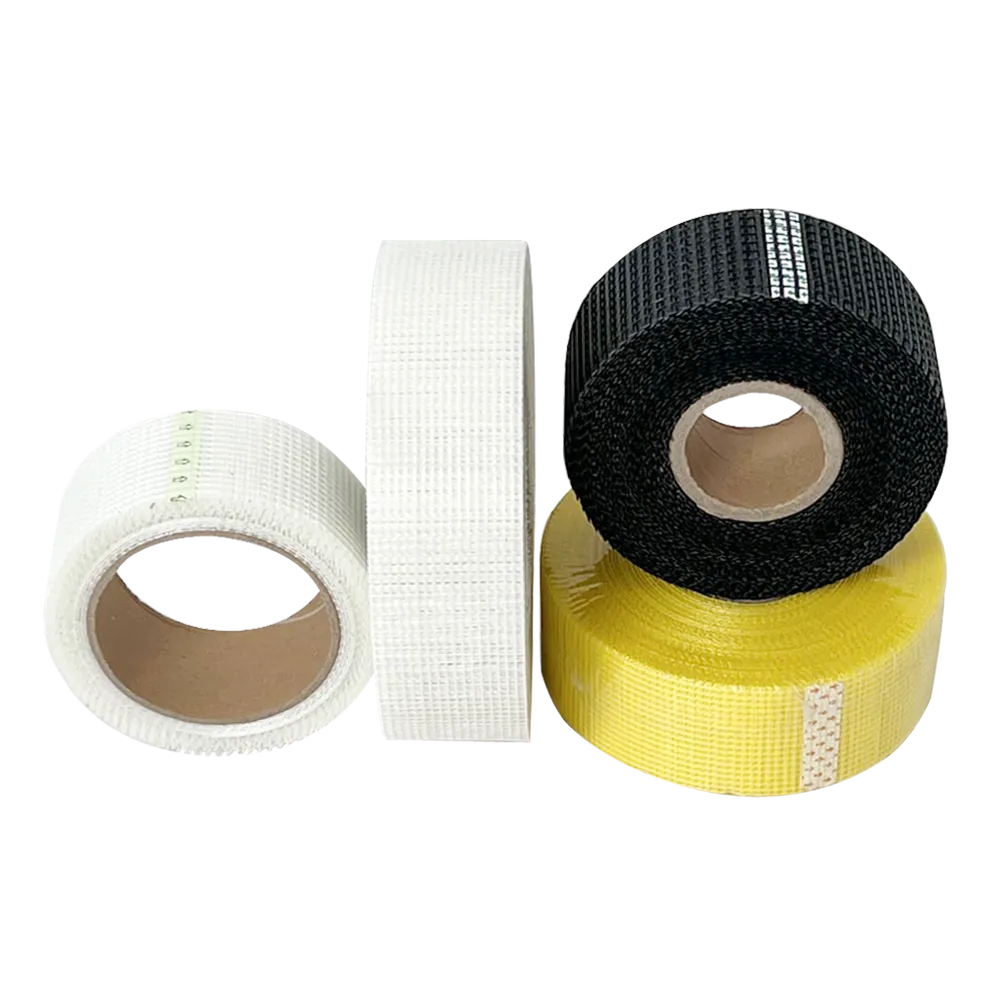
To those outside the field, fiberglass mesh might just sound like some kind of technical fabric. But here’s the thing — it’s a foundational element in everything from wall reinforcement to waterproofing systems, often used in construction, renovation, and industrial repairs. When the mesh is self adhesive, it saves a ton of time on-site. No messy extra glue — just peel and stick, which, oddly enough, can dramatically reduce labor costs and errors.
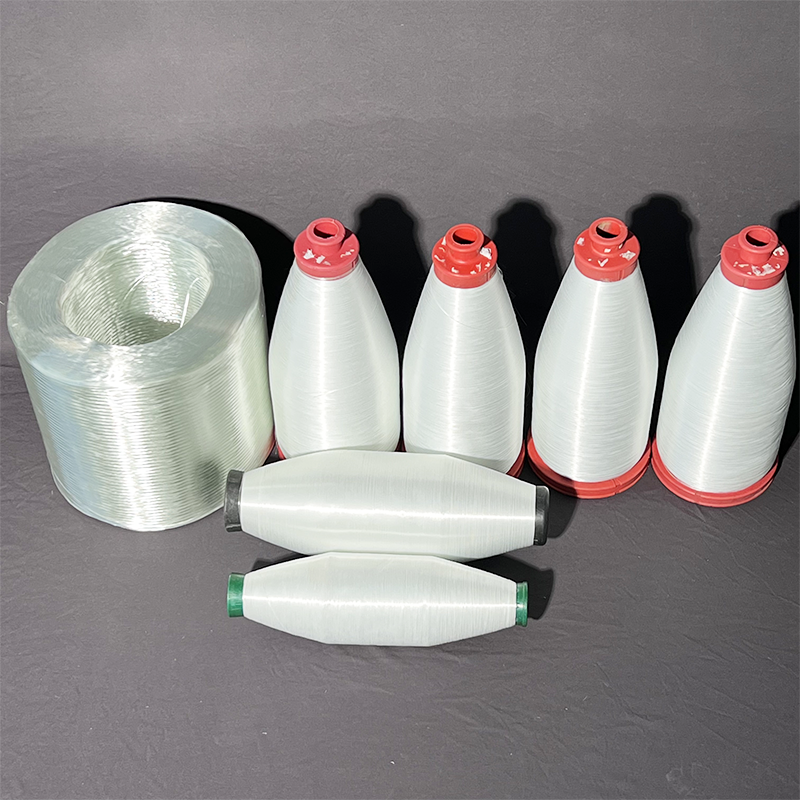
Over the years, I noticed that suppliers differ—not just in pricing, but in materials quality and customization options. For example, the kind of fiberglass yarn used affects the mesh’s tensile strength and durability under stress. Some suppliers use alkaline-resistant fiberglass, which really matters for application longevity in cement-based environments.
Speaking of which, if your project involves exposure to harsh chemicals or weather conditions, you want a mesh that’s designed to last — not to fray or degrade after a season or two. Many engineers I’ve talked to swear by alkaline-resistant coatings on the mesh fibers, so keep an eye out for that. It’s a subtle detail but crucial in real terms.
Testing and certifications are another piece of the puzzle. Reliable suppliers usually provide documentation showing they meet industry standards. It’s tempting to go for the cheapest option, but trust me, you’ll pay double if the mesh fails mid-project.
Typical product specifications you should expect:
| Specification | Details |
|---|---|
| Mesh Count | 4x4 to 10x10 per inch |
| Material | Alkaline-resistant fiberglass yarn |
| Adhesive Type | Water-based acrylic pressure-sensitive |
| Standard Roll Size | 1m x 50m or custom rolls |
| Tensile Strength | >600N/5cm |
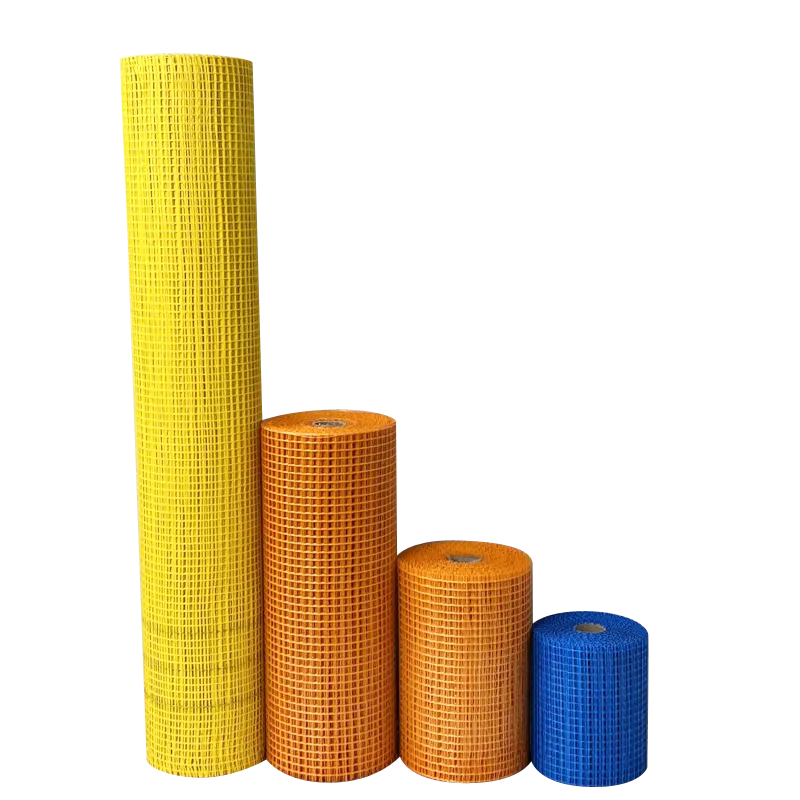
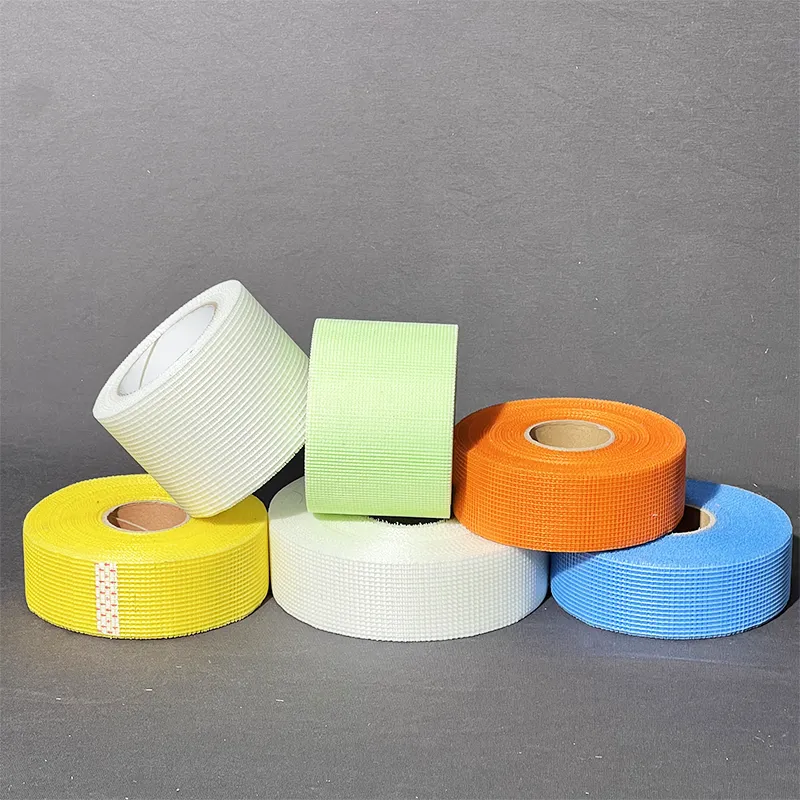
Customization options? They’re often underestimated but important. Different projects require different thicknesses, mesh densities, or even adhesive strengths. I recall a client who was frustrated because some cheaper suppliers offered “one-size-fits-all” products, only for the adhesive strength to be too weak for outdoor application. They ended up with delaminated sections weeks after installation — a costly headache.
Comparing top fiberglass mesh suppliers
| Supplier | Material Quality | Adhesive Reliability | Customization | Lead Time | Price |
|---|---|---|---|---|---|
| Tainuo Fiberglass Mesh | Excellent (alkaline-resistant) | Consistent, water-based acrylic | Highly flexible, custom specs | 2-3 weeks typical | Mid-range |
| Supplier B | Good | Variable, solvent-based | Limited | 1 week | Lower |
| Supplier C | Average | Less consistent | Minimal | 4 weeks | Low |
A little story: I once recommended self adhesive fiberglass mesh suppliers from Tainuo for a mid-sized insulation project in coastal Florida. Their alkaline-resistant mesh with a stable acrylic adhesive stood up beautifully to salt spray and humidity — no peeling, no tears. The client was relieved because prior attempts with cheaper materials ended with rework just months after installation.
Ultimately, if you're sourcing self adhesive fiberglass mesh, think beyond price and surface specs. Look at material science, environmental resistance, and the supplier’s ability to customize and back their product with testing. It feels like investing in quality upfront always pays off—a lesson that never gets old.
Feel free to explore trusted supplier options like Tainuo Fiberglass Mesh for a blend of quality and service that, frankly, makes your job easier.
At the end of the day, the right mesh keeps your project standing strong — and your teams smiling.
References:
- Industry Standards for Fiberglass Mesh, ASTM International
- Material Science Insights, Journal of Construction Materials
- Tainuo Fiberglass Mesh Product Documentation and Testing Reports
-
Best Fiberglass Mesh Tape for RedGard Product Waterproofing GuideNewsApr.16,2026
-
Why High Strength Fiberglass Mesh Is Essential For Stucco ApplicationNewsApr.15,2026
-
Why Alkali Resistant Fiberglass Mesh Tape Is Essential For Cement Board And Tile InstallationsNewsApr.15,2026
-
Understanding The Role Of Drywall Fiberglass Mesh In Interior FinishingNewsApr.15,2026
-
Ultimate Guide To Using Fiberglass Mesh Tape For Drywall And Plaster RepairsNewsApr.15,2026
-
The Versatility Of Fiberglass Mesh In Marble And Stone MosaicNewsApr.15,2026