Jan . 06, 2026 03:15 Back to list
Comprehensive Guide to Fiber Mesh For Waterproofing Manufacturers | Tainuo Fiberglass Mesh
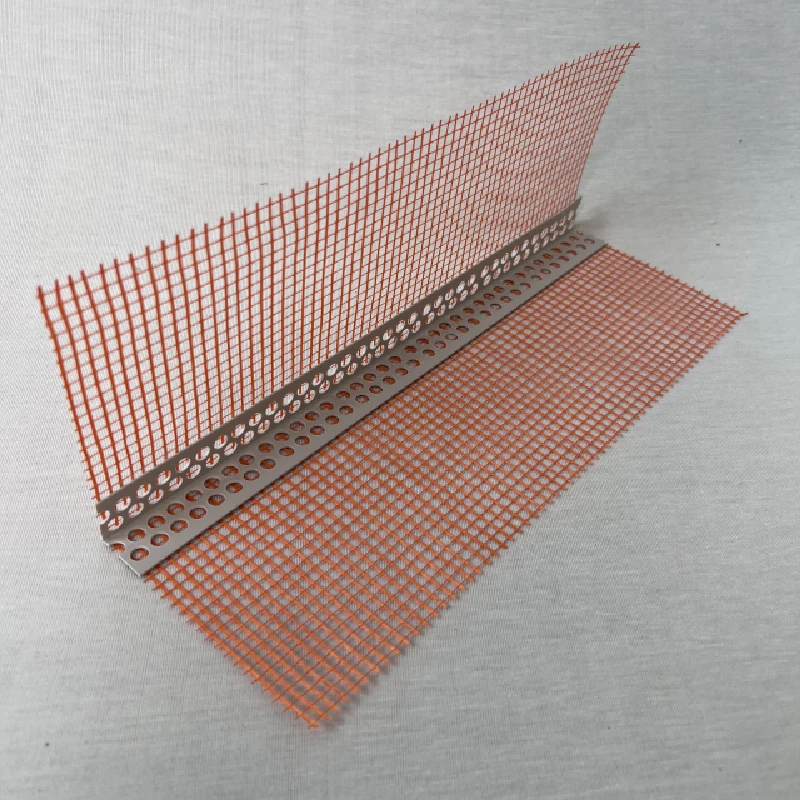
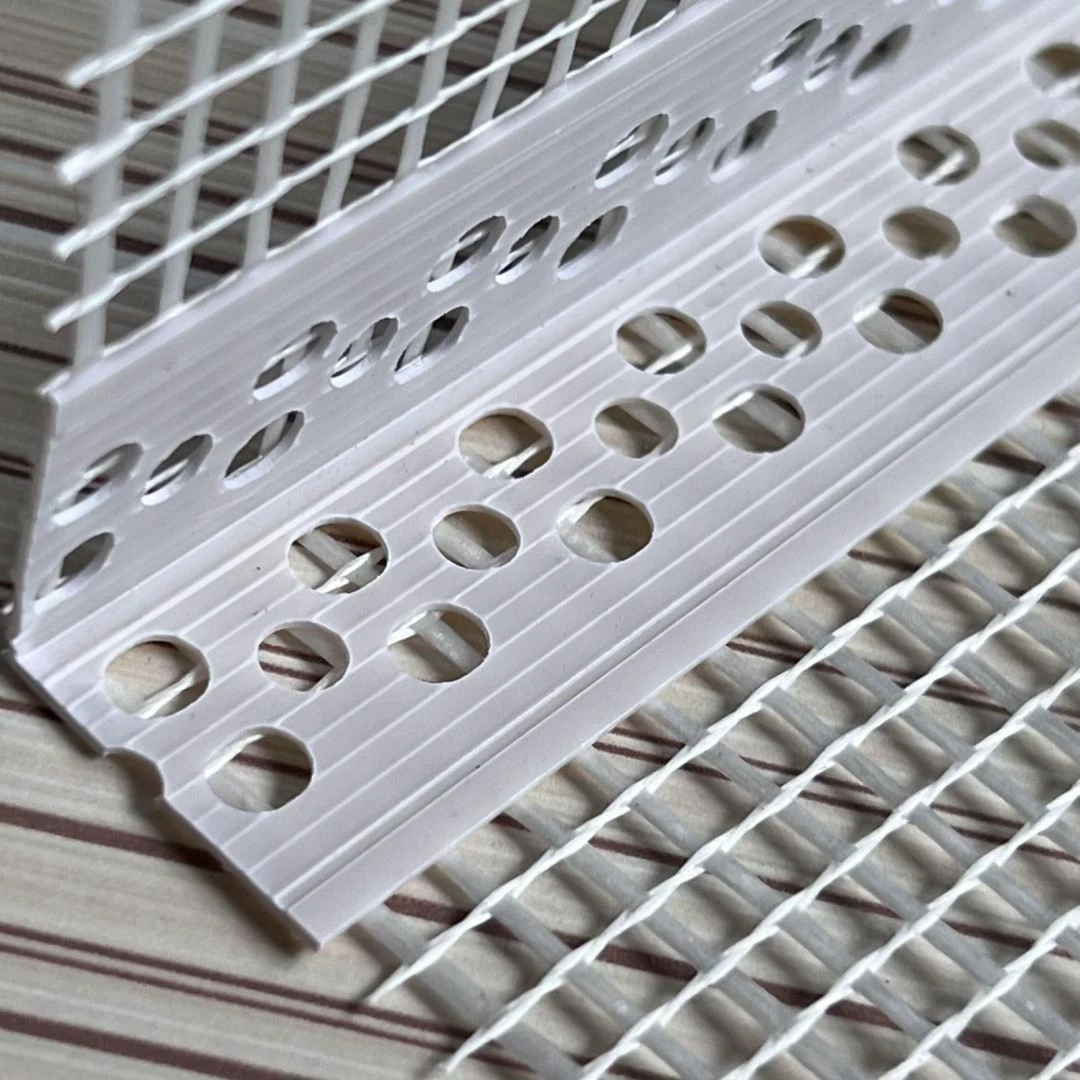
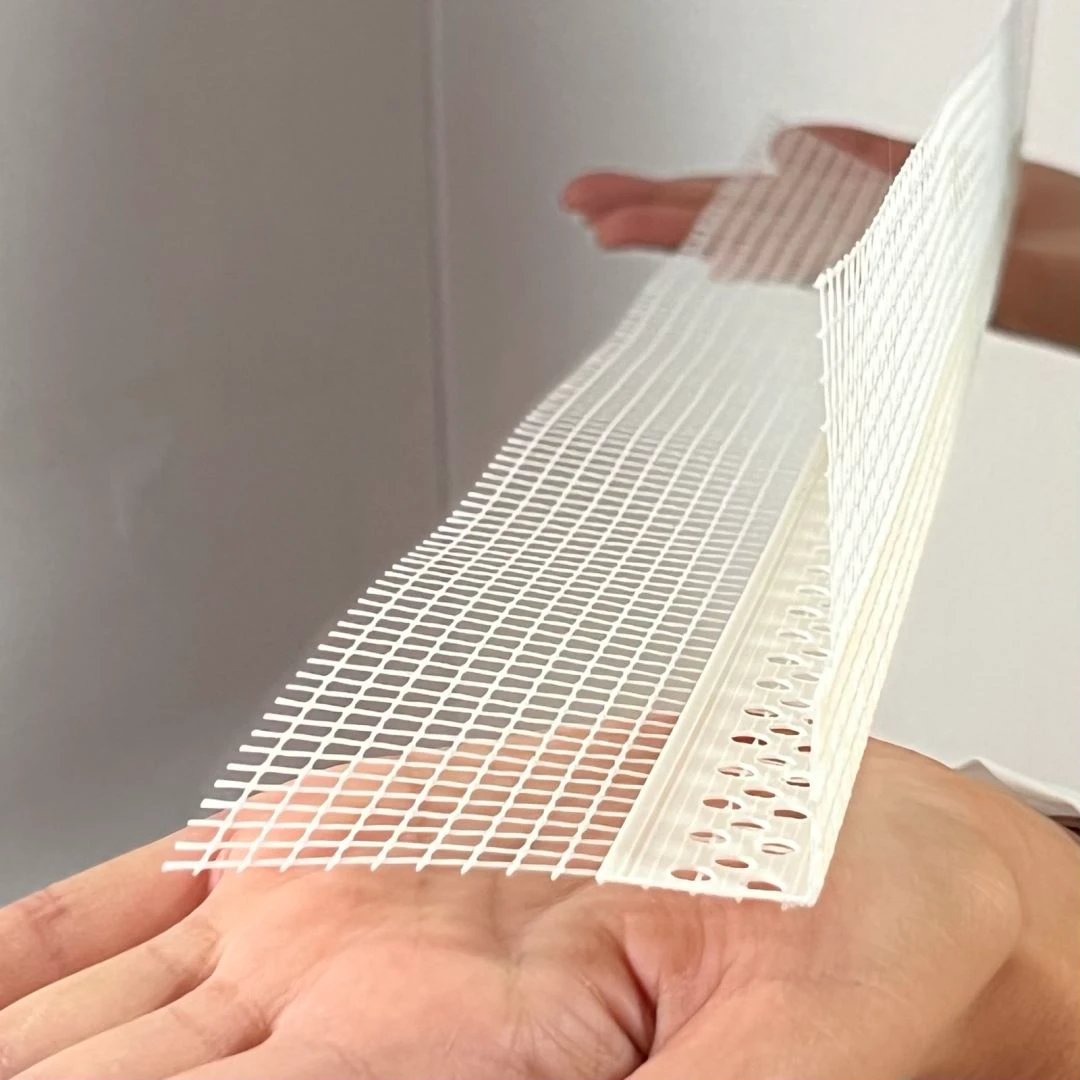
Fiber Mesh For Waterproofing Manufacturers is a key solution in the industry, specifically within the construction and waterproofing market. This article explores how Tainuo Fiberglass Mesh supports professionals with durable, high-performance products, and explains why this product is an ideal choice for businesses in these sectors.
Table of Contents
- Fiber Mesh For Waterproofing Manufacturers Overview
- Benefits & Use Cases of Fiber Mesh For Waterproofing Manufacturers
- Cost, Maintenance & User Experience
- Sustainability & Market Trends
Fiber Mesh For Waterproofing Manufacturers Overview
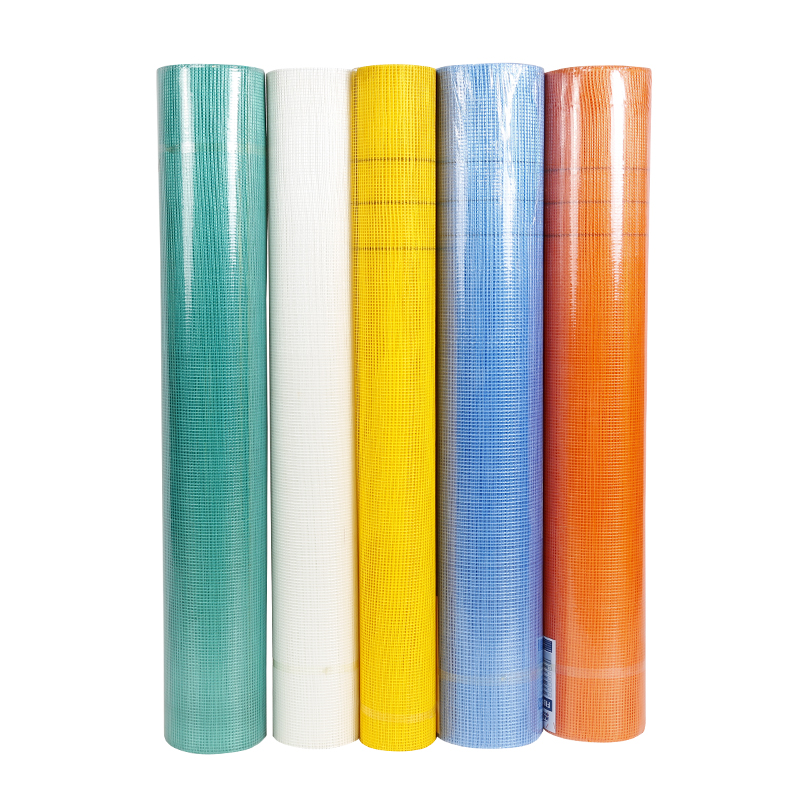
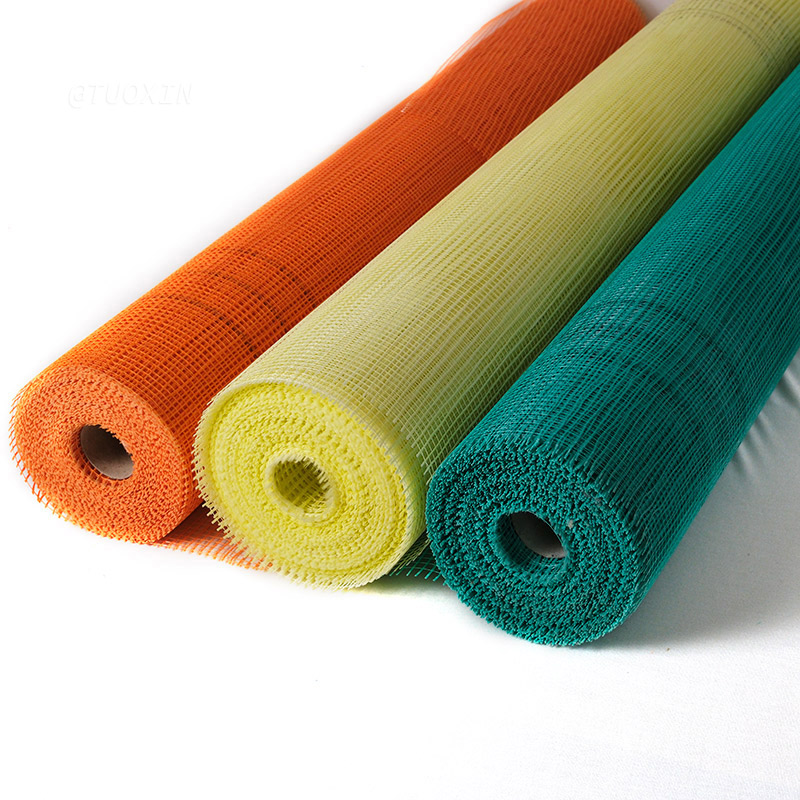
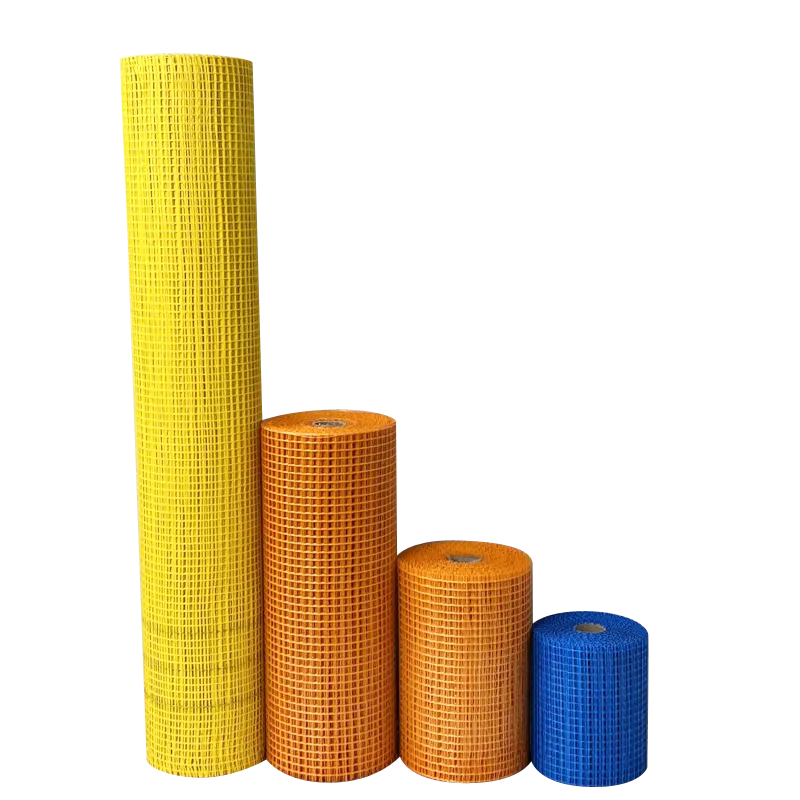
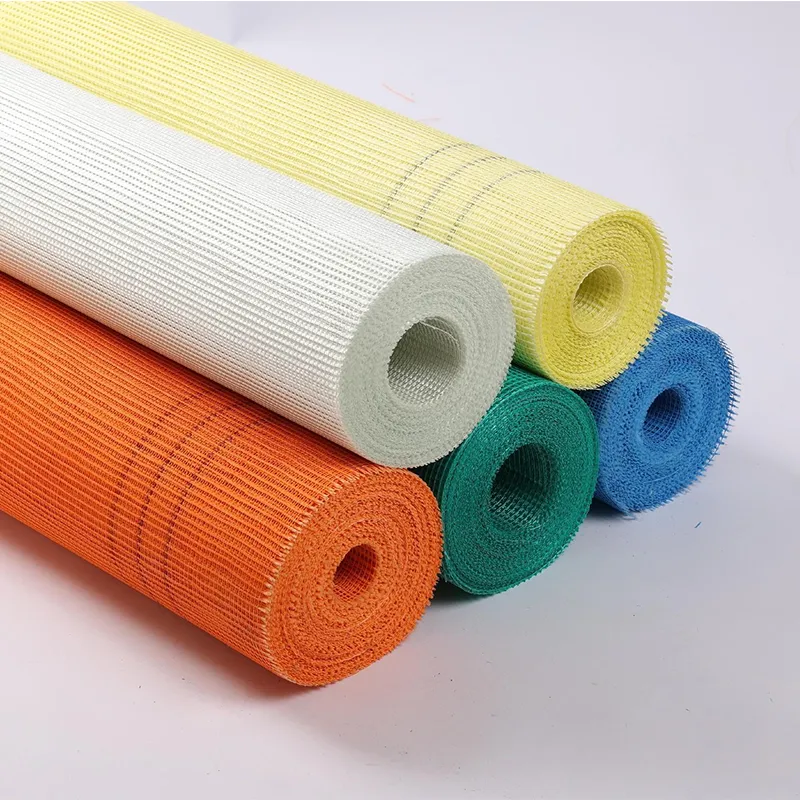
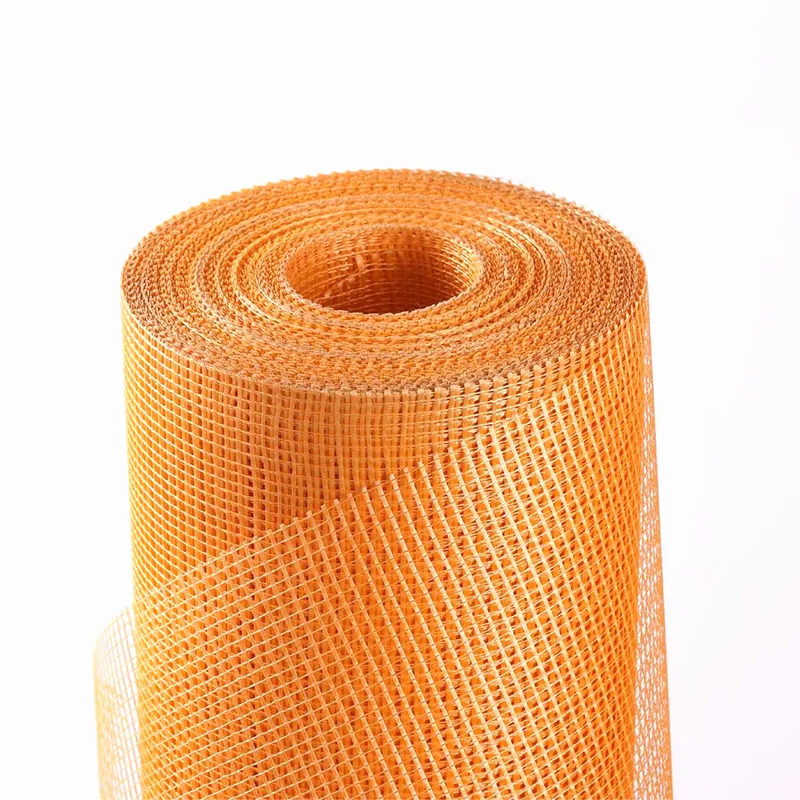
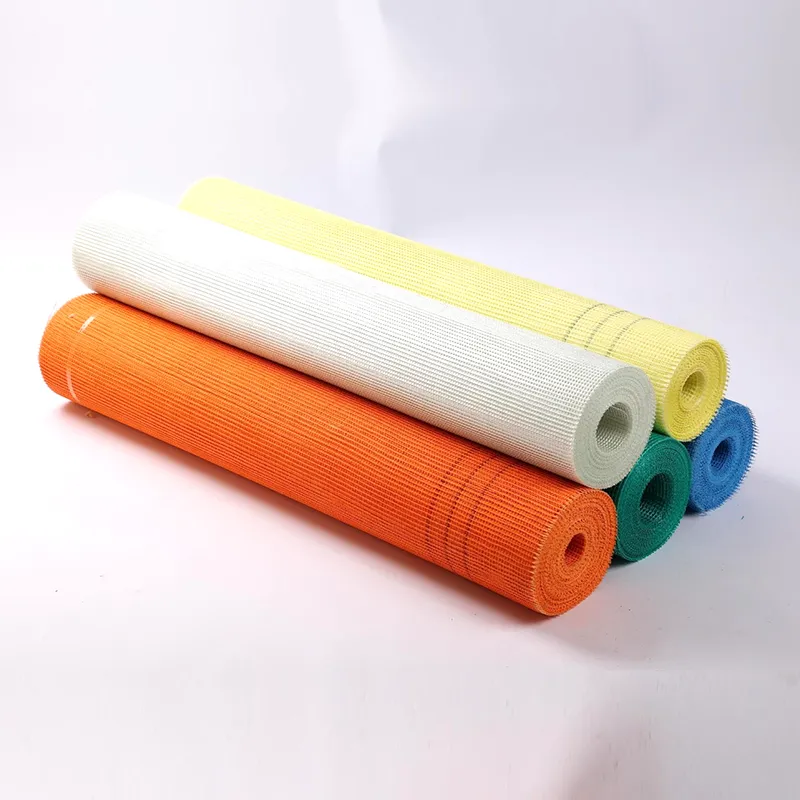
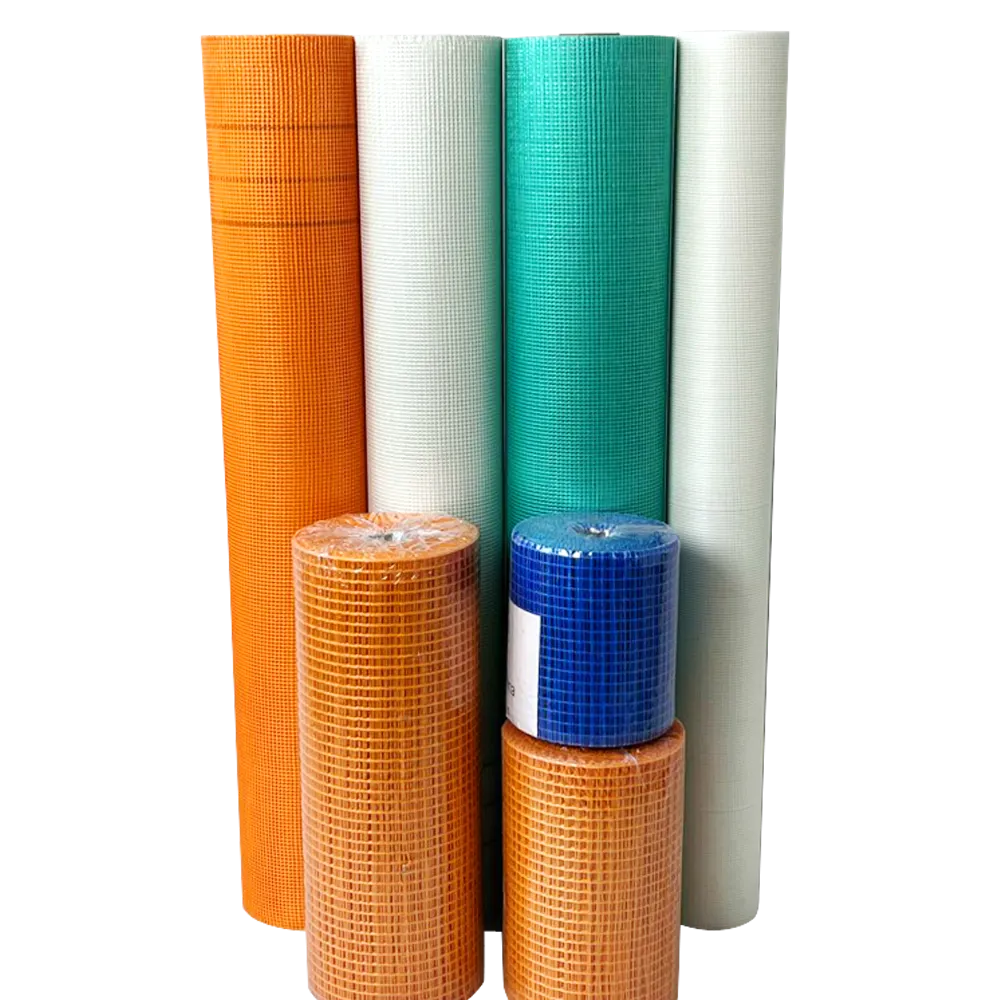
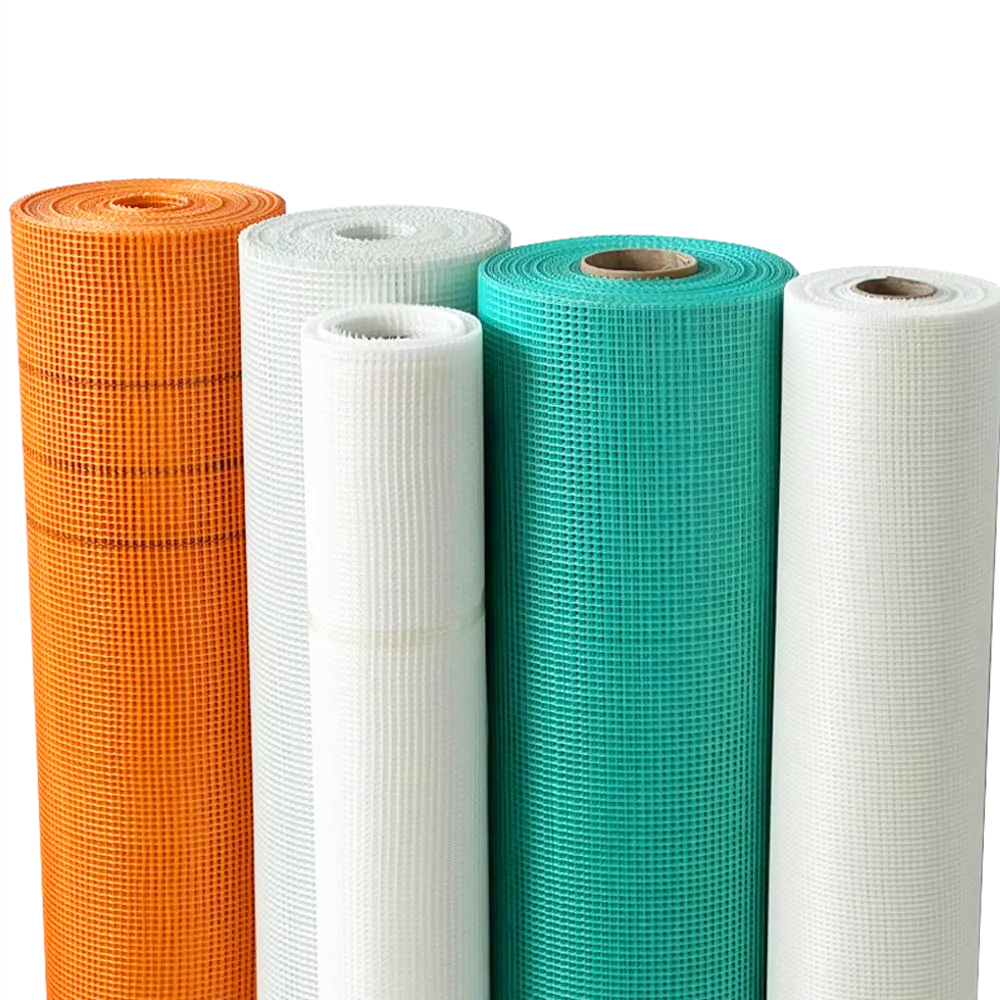
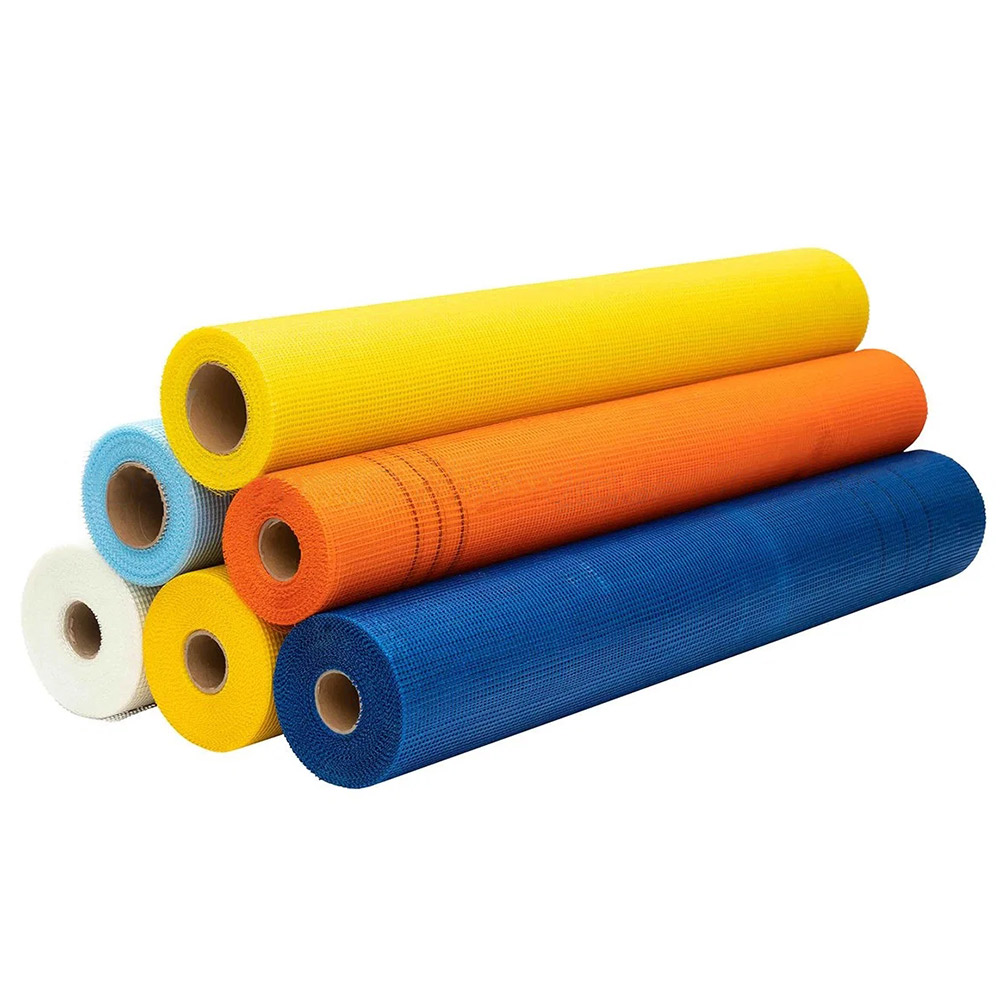
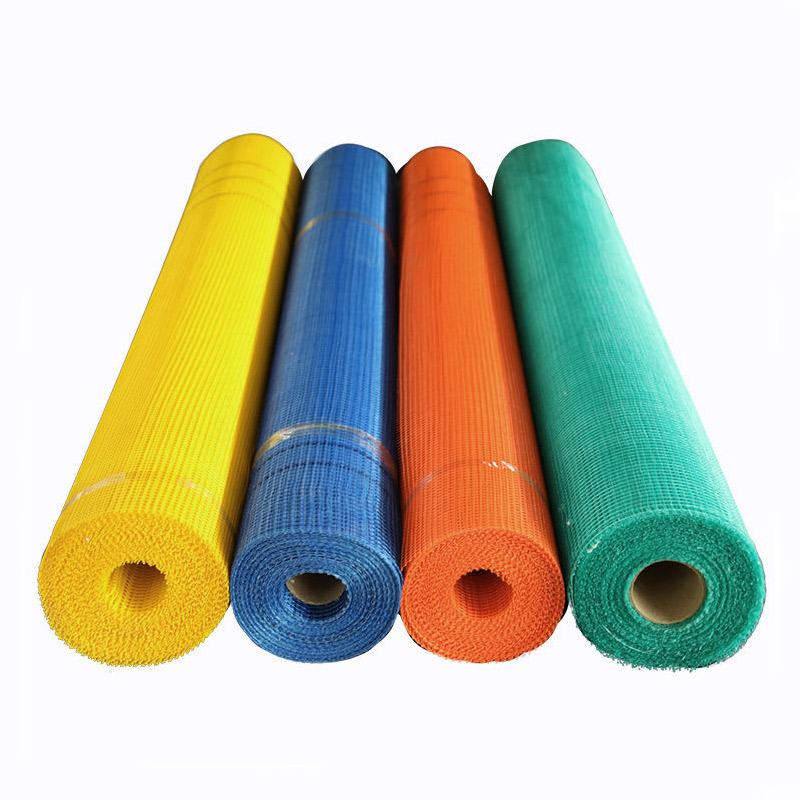
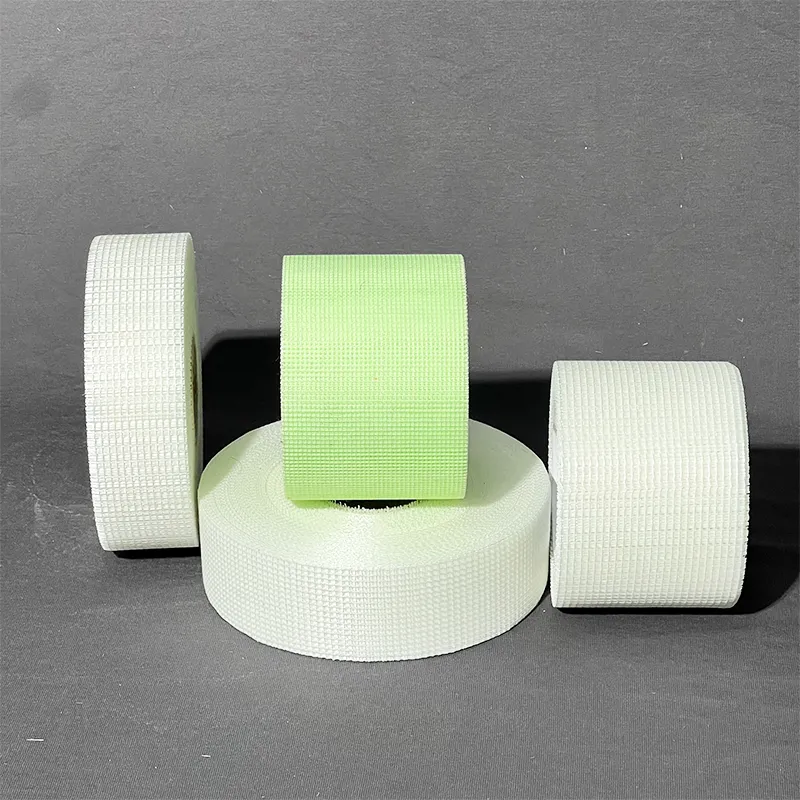
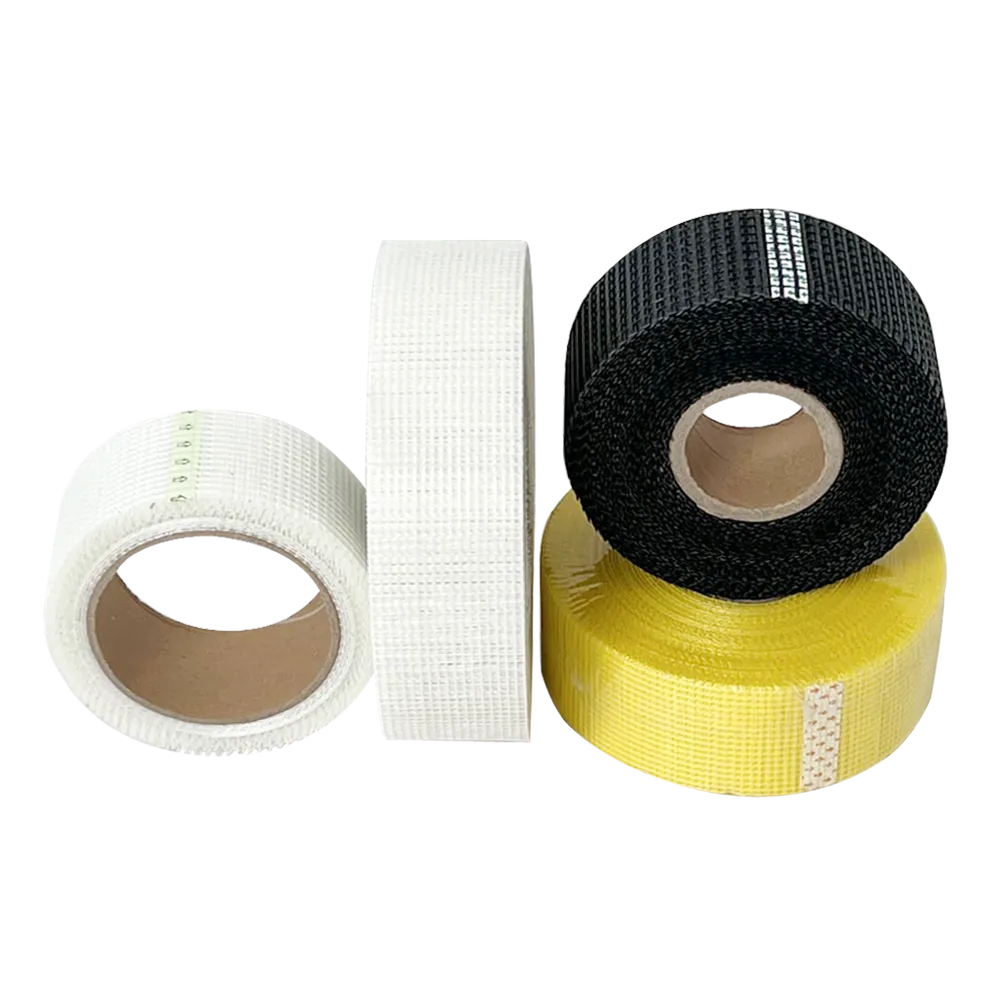
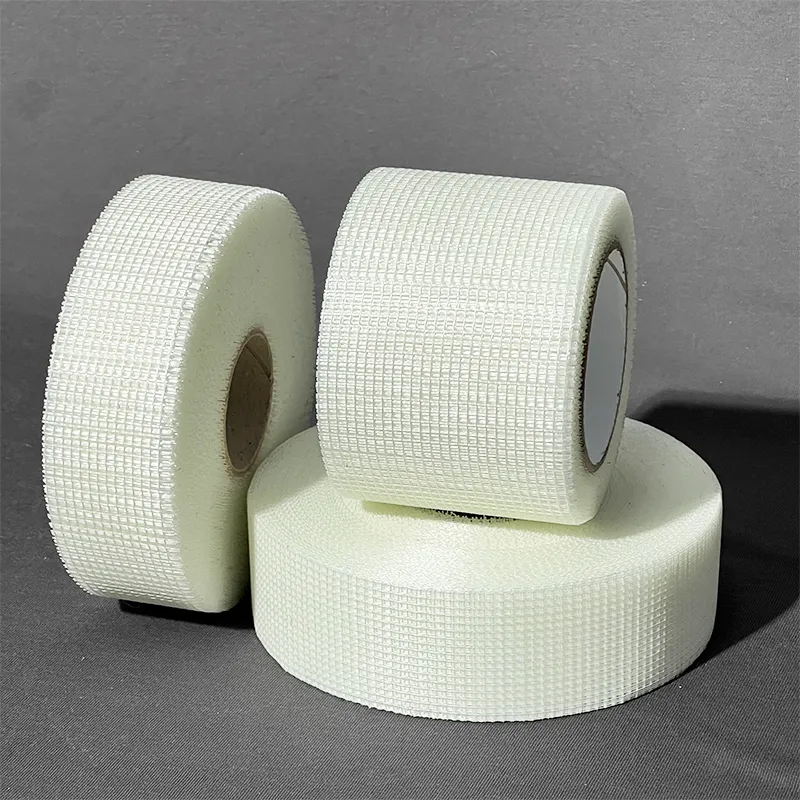
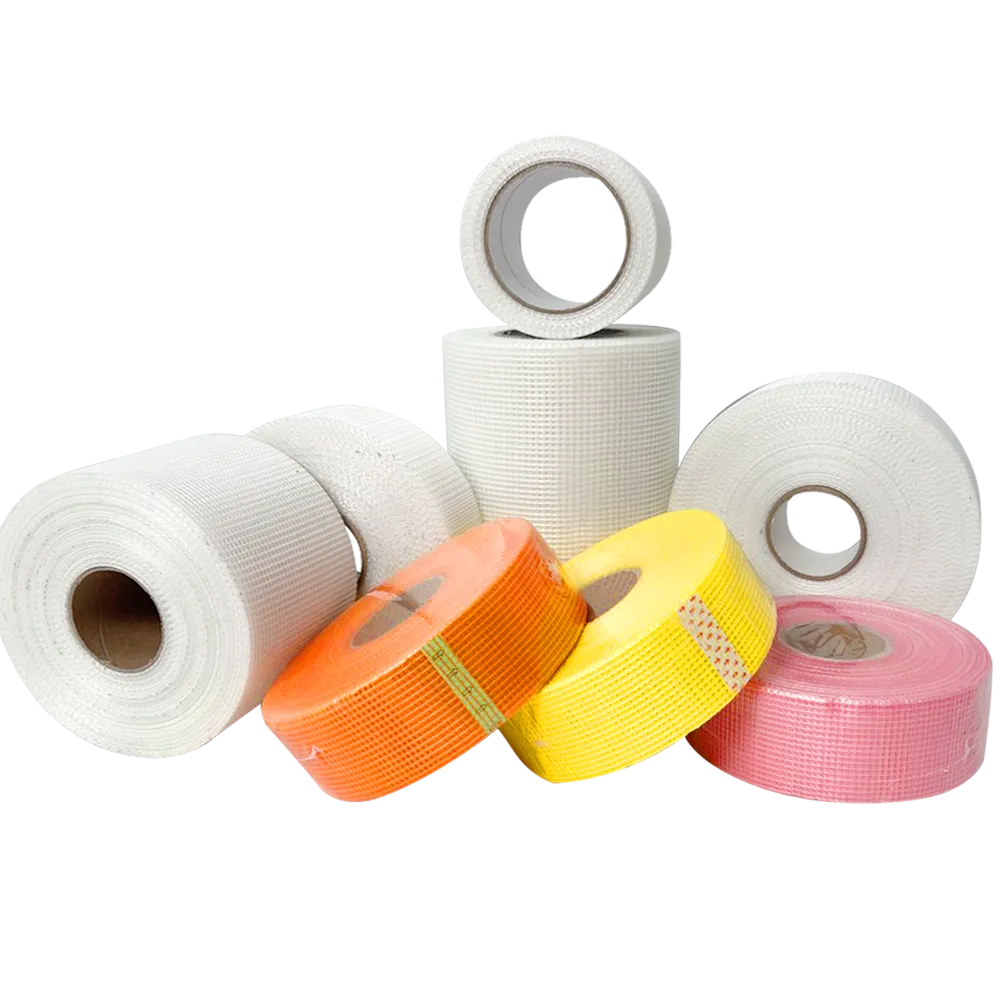
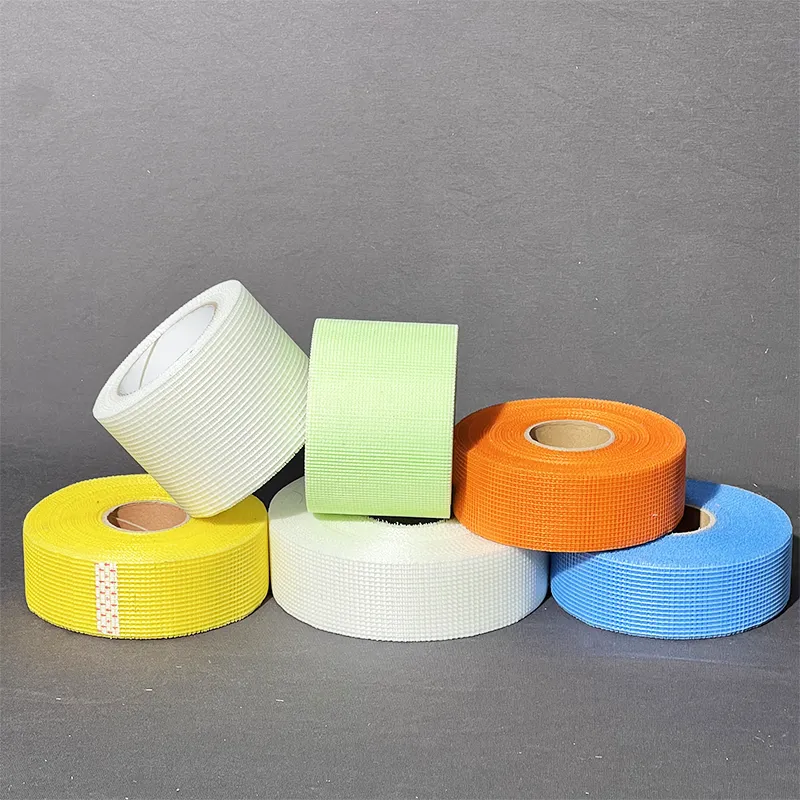
If you’ve dealt with construction products, you’ve likely encountered fiber mesh — but the kind specially designed for waterproofing? That’s where it gets interesting. Fiber Mesh For Waterproofing Manufacturers refers to high-strength meshes, generally made from fiberglass, specifically tailored to reinforce waterproof coatings and membranes. This prevents cracking, improves tensile strength, and ultimately boosts the waterproofing system’s longevity.
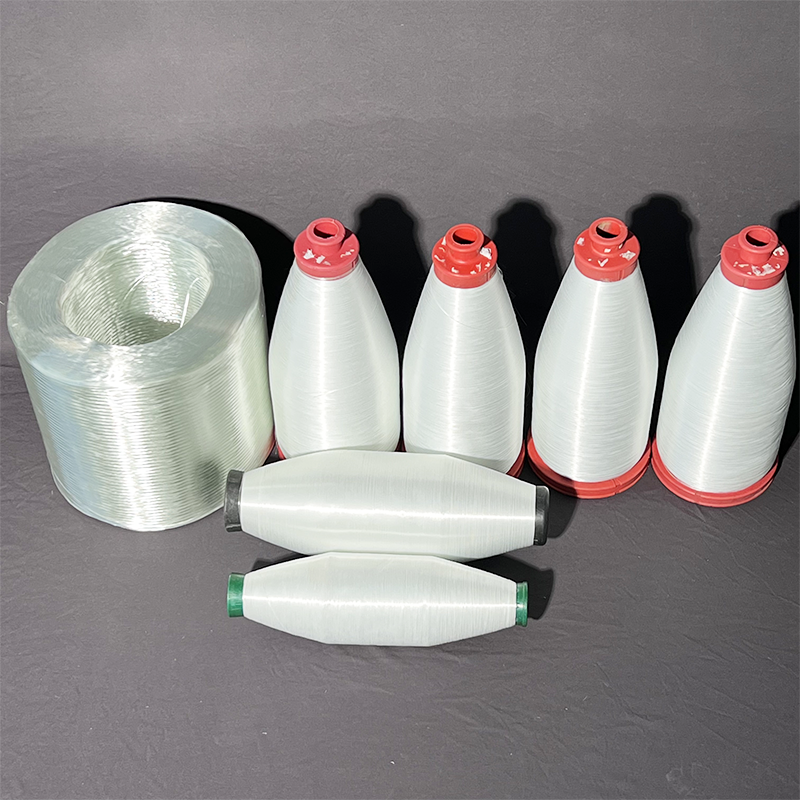
Technically, these meshes are woven or knitted fiberglass fabrics treated to resist alkalis and moisture damage, which means they hold up even in aggressive environments. Oddly enough, their lightweight nature belies their structural role. For example, a recent case study from a commercial mall project showed that incorporating high-quality fiber mesh helped reduce waterproofing failures by 40% over five years — quite significant in real terms.
| Product Specification | Details |
|---|---|
| Material | Alkali-Resistant Fiberglass |
| Mesh Width | 1m, 2m, Customized |
| Weight | 50 - 150 gsm |
| Tensile Strength | >1100 N/5cm |
| Applications | Waterproofing membranes, roofing, tunnels, basements |
Benefits & Use Cases of Fiber Mesh For Waterproofing Manufacturers
Building waterproof systems that last often hinges on the reinforcement layer you use — this is where fiber mesh plays a subtle but vital role. For professionals in waterproofing, fiber mesh increases crack resistance and distributes stress evenly across membranes, especially in challenging environments like tunnels or subterranean spaces.
One standout use is in liquid-applied waterproof coatings. Since these coatings tend to be thin, adding fiber mesh ensures they don’t fail prematurely from shrinkage or thermal expansion. Additionally, compared to synthetic mats or woven fabrics, fiberglass mesh is much more dimensionally stable — which frankly means less headache on-site during installation.
Competitive advantages include superior alkali resistance and customizable mesh weights to suit various waterproofing thickness requirements. Many engineers I’ve spoken with mention how this kind of mesh offers “just the right balance” between flexibility and strength, making it a popular choice across different markets.
Cost, Maintenance & User Experience
You can’t talk about fiber mesh without mentioning the total cost of ownership, which often turns out more favorable than expected. While some decision-makers balk at upfront prices for premium fiberglass mesh, it's worth noting the savings on long-term repairs and maintenance. Durability means fewer costly waterproofing reapplications down the line — which, trust me, is a big deal in large infrastructure.
From what customers report, the mesh holds up well over multi-year exposure without degradation or loss of mechanical properties. One industrial client in Asia noted a 25% reduction in project delays because the mesh’s consistent quality helped maintain workflow, avoiding rework. That kind of reliability speaks volumes in high-stakes projects.
Of course, proper installation is key — the mesh needs to be embedded correctly within waterproof coatings to realize its full potential. But if done right, user feedback tends to highlight ease of integration and fewer substrate failures, which is why many firms now source from manufacturers like Tainuo who emphasize quality control.
| Vendor | Mesh Quality | Customization | Price Competitiveness | Lead Time |
|---|---|---|---|---|
| Tainuo Fiberglass Mesh | Excellent (AR coated) | High (width, gsm options) | Competitive | 2-3 weeks |
| Vendor B | Good | Limited | Moderate | 4-6 weeks |
| Vendor C | Average | Minimal | Low | 3-5 weeks |
Sustainability & Market Trends
Sustainability in construction materials has been getting a lot of buzz lately, and fiber mesh for waterproofing is no exception. Manufacturers are now focusing on eco-friendly production processes — fewer emissions, less waste — and better recyclability. Tainuo, for instance, highlights sustainable practices in sourcing raw fiberglass and reducing chemical usage during AR coating.
Regulatory standards tightening worldwide mean waterproofing solutions must meet ever-higher durability expectations. Fiber mesh fits the bill by extending product lifecycles and reducing repair frequencies. Industry data suggests the market for such reinforced waterproofing membranes will see steady growth, driven partly by infrastructure investment in emerging economies, and partly by renovation booms in mature markets.
It’s also worth mentioning that adaptability is key — suppliers offering customizable widths, weights, and even mesh patterns are gaining ground. This allows for optimizations specific to local climates and application types, which, frankly, is just smart business.
Frequently Asked Questions about Fiber Mesh For Waterproofing Manufacturers
- What is Fiber Mesh For Waterproofing Manufacturers and how does it work?
- It’s a fiberglass fabric used inside waterproof coatings to reinforce and enhance their resistance to cracking and mechanical stresses. The mesh distributes stress across larger areas and prevents early failure, ensuring waterproofing systems last longer.
- What are the main benefits of using Fiber Mesh For Waterproofing Manufacturers in industrial applications?
- Key benefits include improved tensile strength, increased crack resistance, alkali resistance, dimensional stability, and ease of customization. These features combine to reduce maintenance and repair costs over the building’s lifecycle.
- How does Fiber Mesh For Waterproofing Manufacturers compare to traditional alternatives?
- Compared to conventional mats or fabrics, fiberglass mesh offers superior dimensional stability and resistance to chemical damage. It’s lighter and easier to install, yet stronger under tension — this translates into longer-lasting waterproofing.
- What industries can benefit most from Fiber Mesh For Waterproofing Manufacturers implementation?
- Primarily construction, infrastructure, and civil engineering sectors using waterproofing for bridges, tunnels, roofs, and basements. Waterproofing manufacturers themselves also rely on fiber mesh to enhance their products’ performance.
Conclusion on Fiber Mesh For Waterproofing Manufacturers from china
In summary, Fiber Mesh For Waterproofing Manufacturers offers a reliable, high-performance reinforcement solution that many B2B decision-makers appreciate for extending waterproofing lifespans and reducing maintenance headaches. Whether you’re managing large infrastructure or smaller projects, this fiber mesh delivers consistent quality and adaptability. Curious? Visit our website: https://www.tainuofiberglassmesh.com.
- It’s one of those products that feels indispensable once you’ve seen what it can do on-site.
References:
- Industry waterproofing case studies, Waterproofing Journal 2023
- ASTM Standards on Alkali Resistant Fiberglass Mesh
- Tainuo Fiberglass Mesh official product literature
-
Best Fiberglass Mesh Tape for RedGard Product Waterproofing GuideNewsApr.16,2026
-
Why High Strength Fiberglass Mesh Is Essential For Stucco ApplicationNewsApr.15,2026
-
Why Alkali Resistant Fiberglass Mesh Tape Is Essential For Cement Board And Tile InstallationsNewsApr.15,2026
-
Understanding The Role Of Drywall Fiberglass Mesh In Interior FinishingNewsApr.15,2026
-
Ultimate Guide To Using Fiberglass Mesh Tape For Drywall And Plaster RepairsNewsApr.15,2026
-
The Versatility Of Fiberglass Mesh In Marble And Stone MosaicNewsApr.15,2026