Jan . 05, 2026 14:26 Back to list
Comprehensive Guide to Factory Fiberglass Mesh Roll Products for B2B Applications
Factory Fiberglass Mesh Roll Products is a key solution in the industry, specifically within construction, insulation, and industrial applications. This article explores how https://www.tainuofiberglassmesh.com supports professionals with durable, high-performance products, and explains why this product is an ideal choice for businesses in these sectors.
Table of Contents
- Factory Fiberglass Mesh Roll Products Overview
- Benefits & Use Cases of Factory Fiberglass Mesh Roll Products
- Cost, Maintenance & User Experience
- Sustainability & Market Trends
Factory Fiberglass Mesh Roll Products Overview
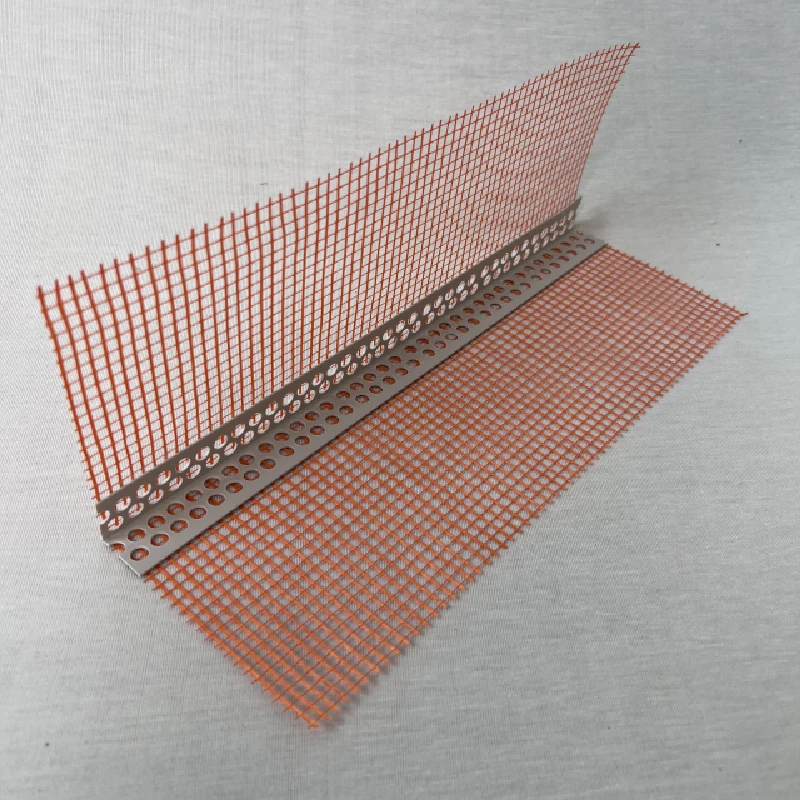
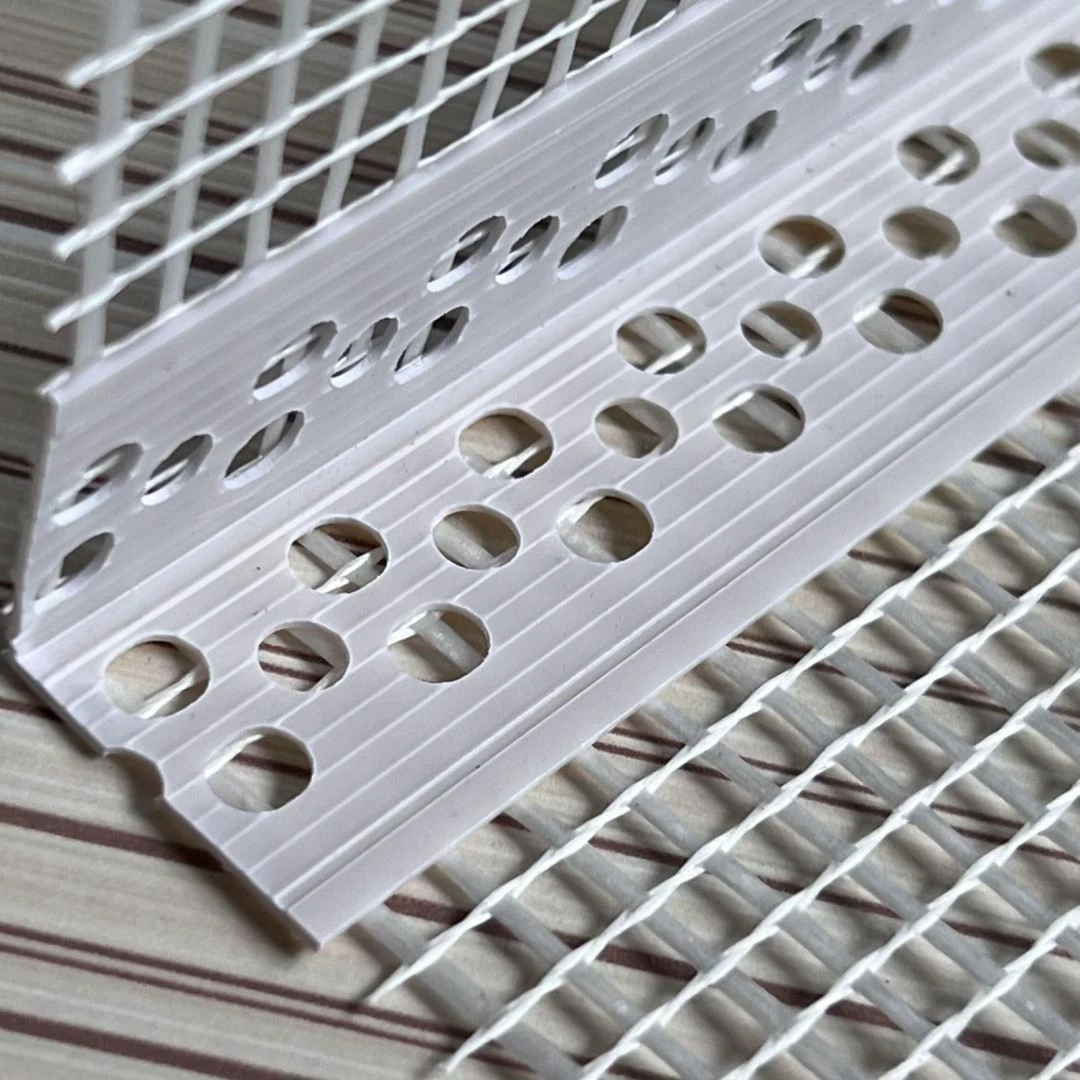
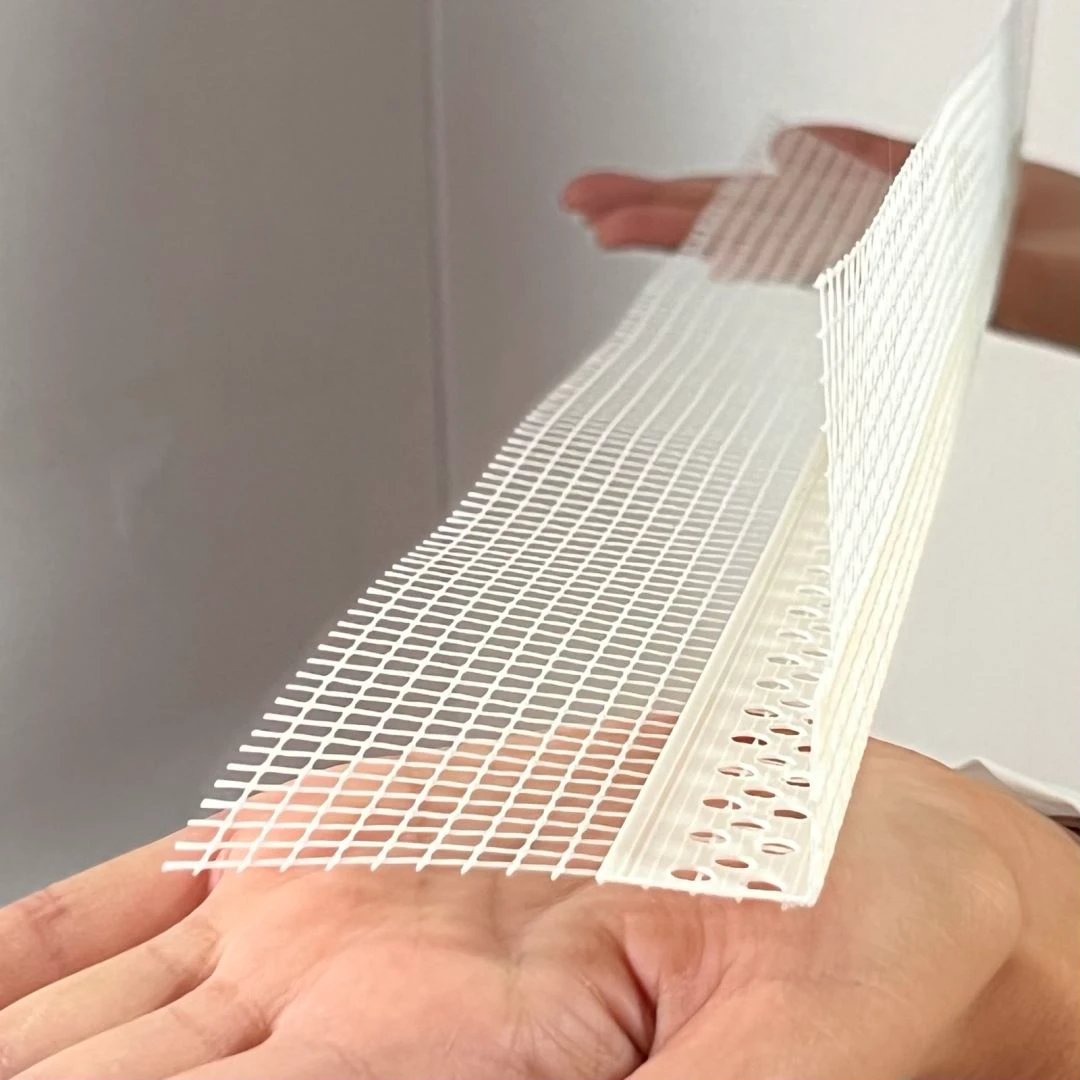
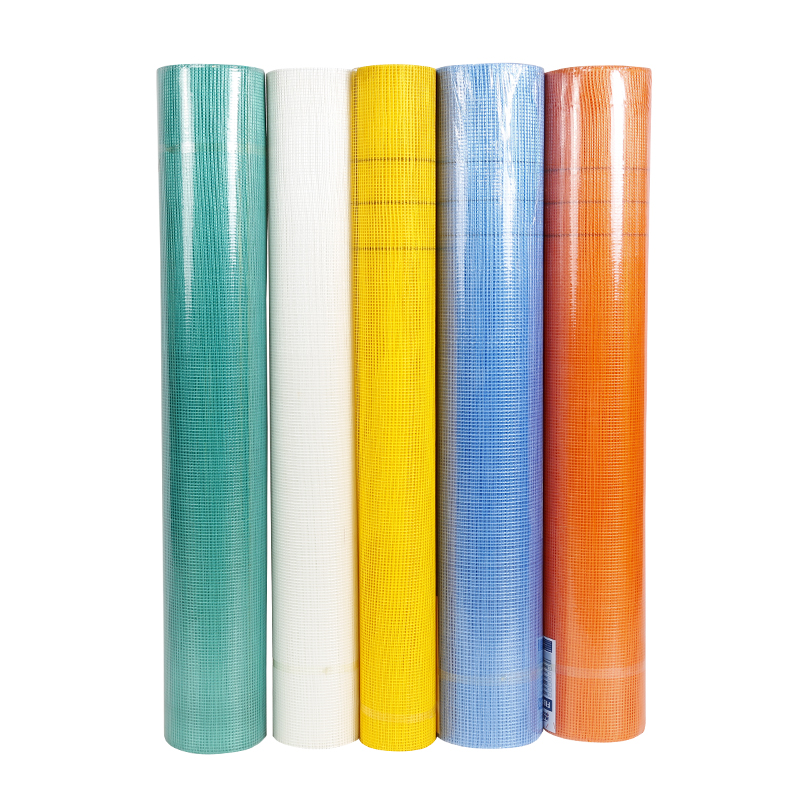
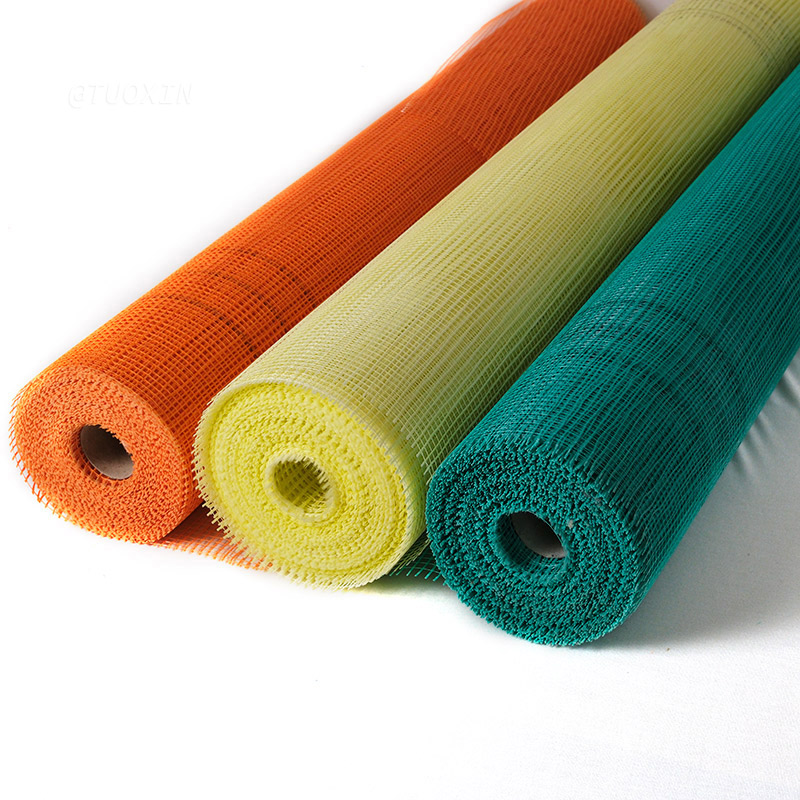
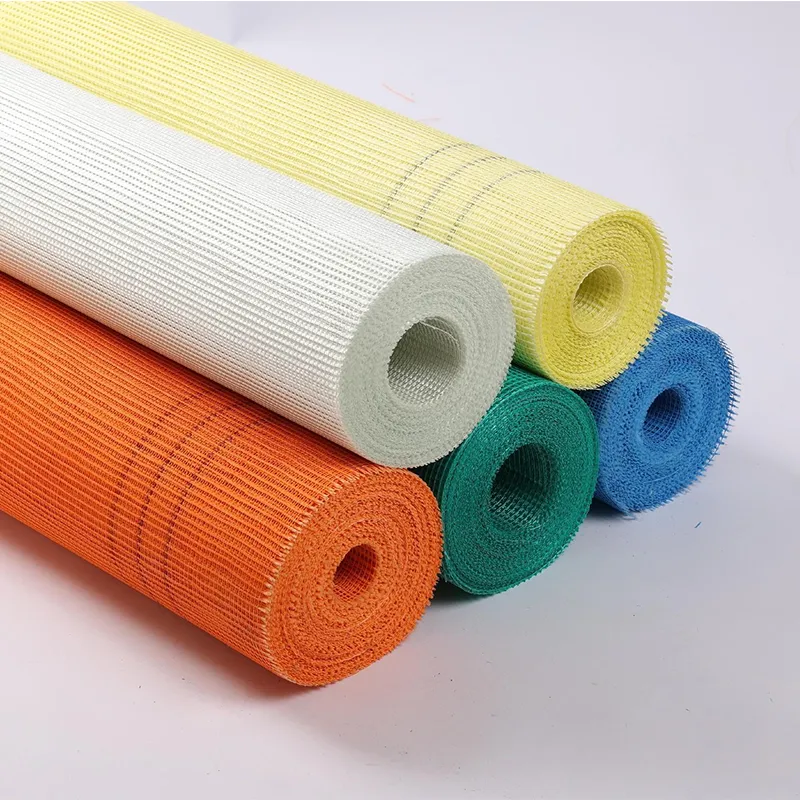
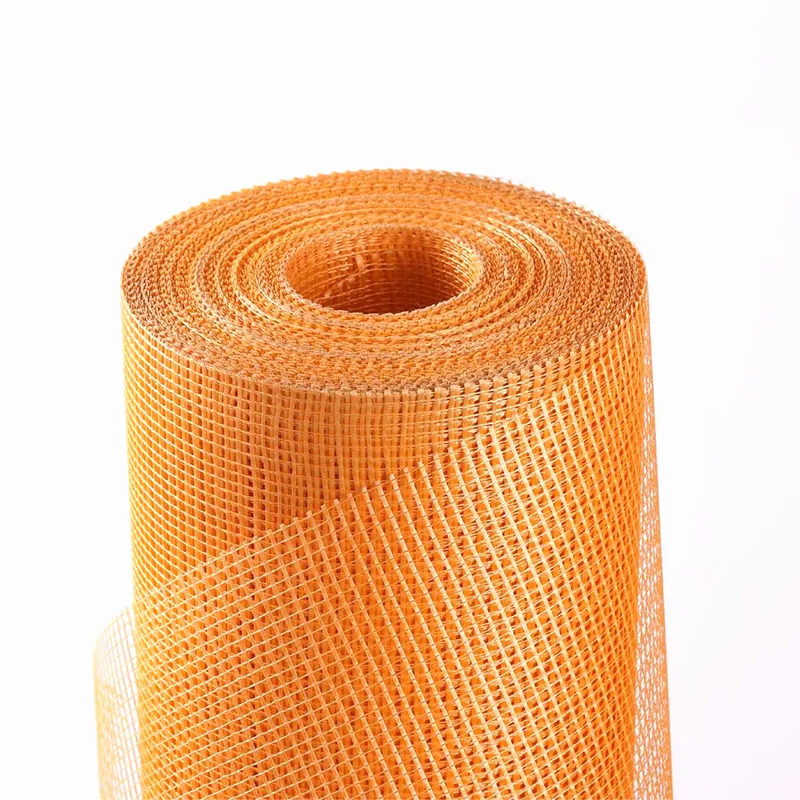
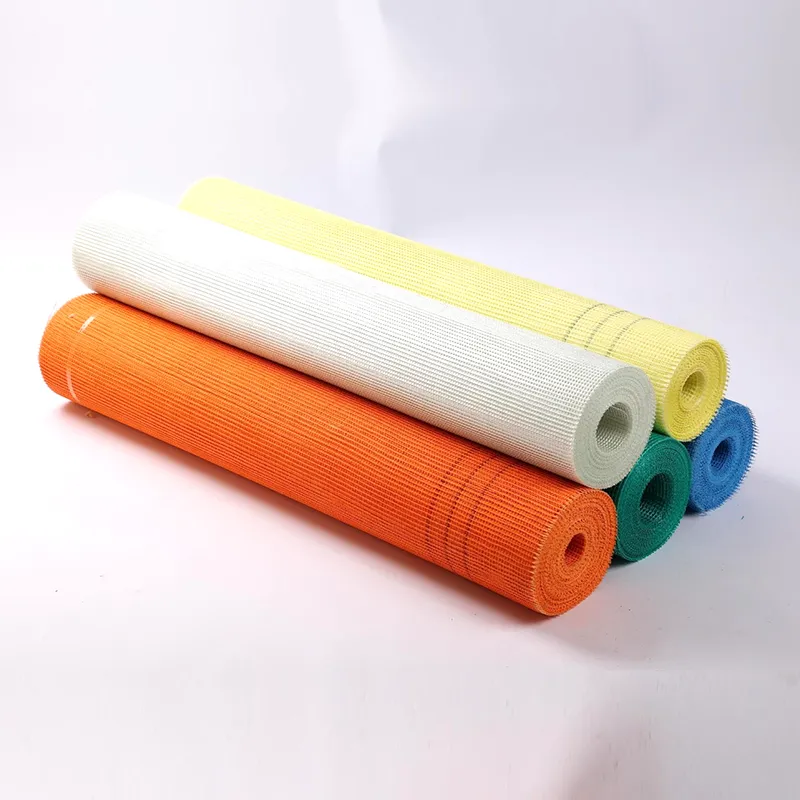
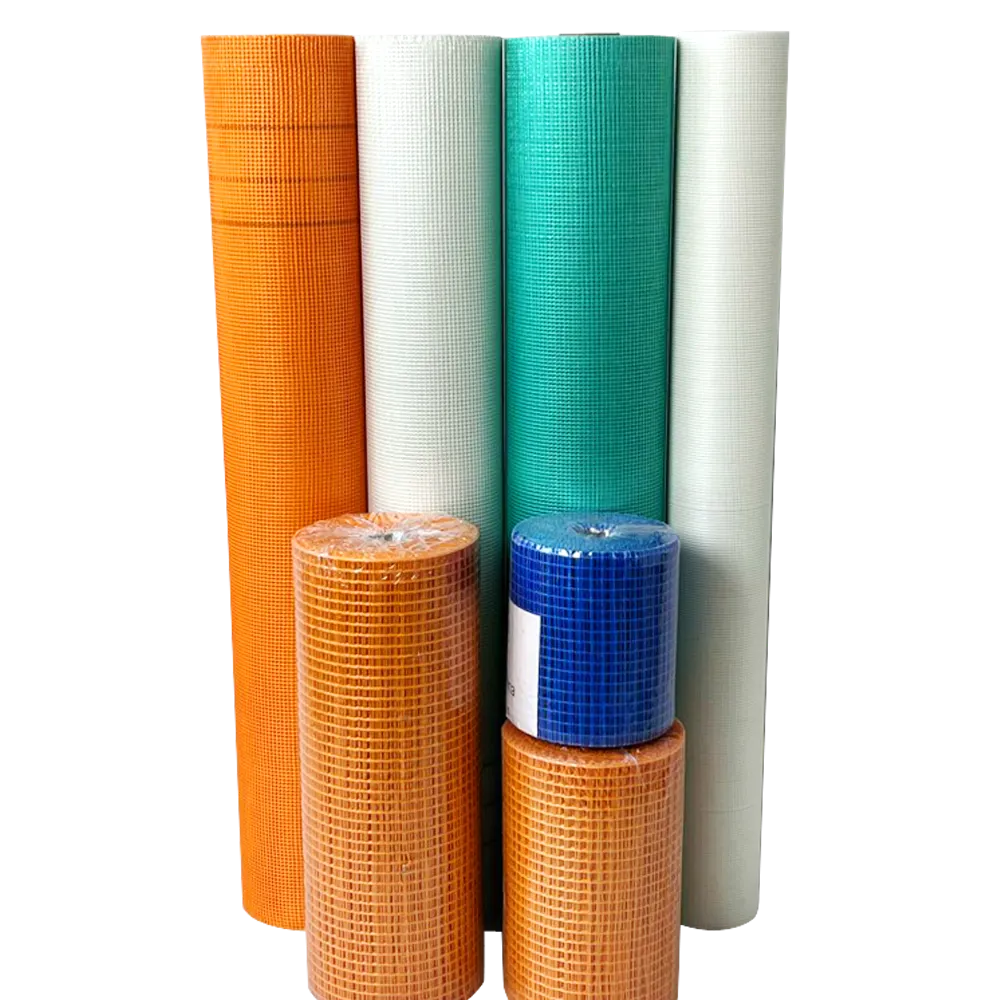
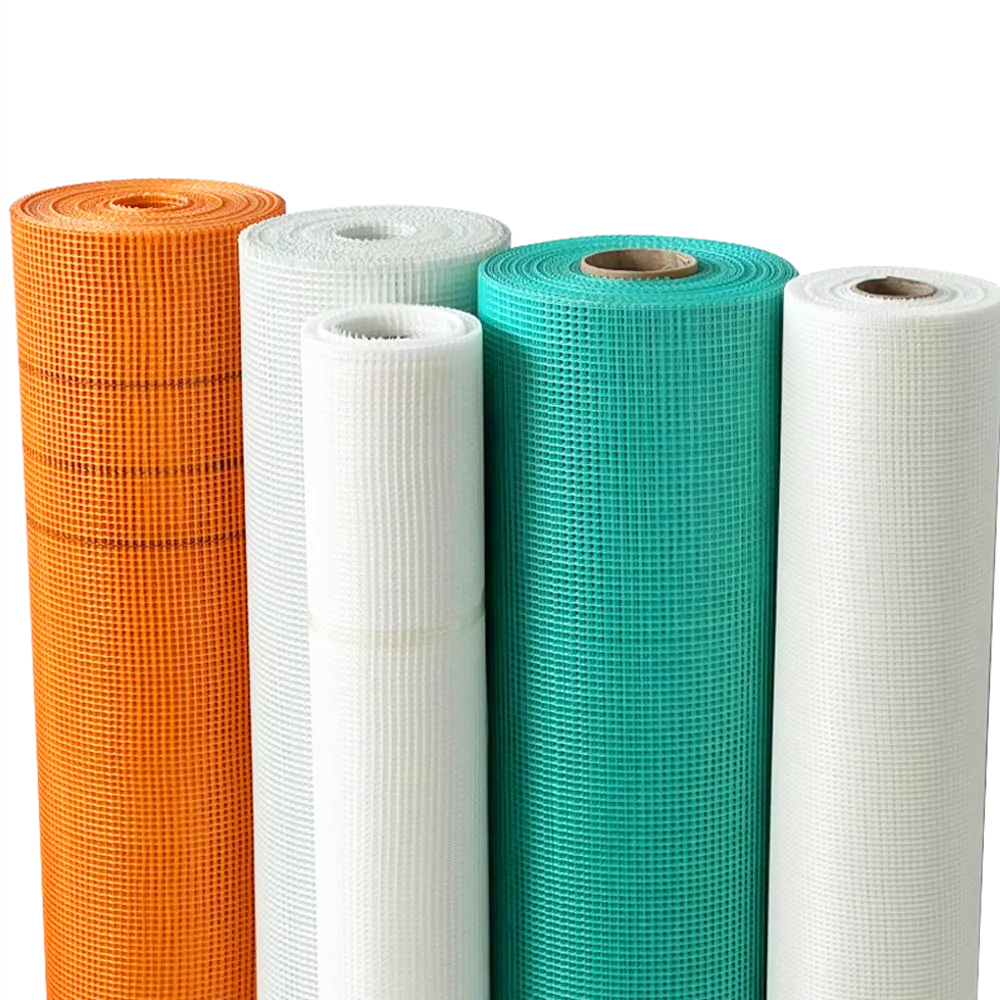
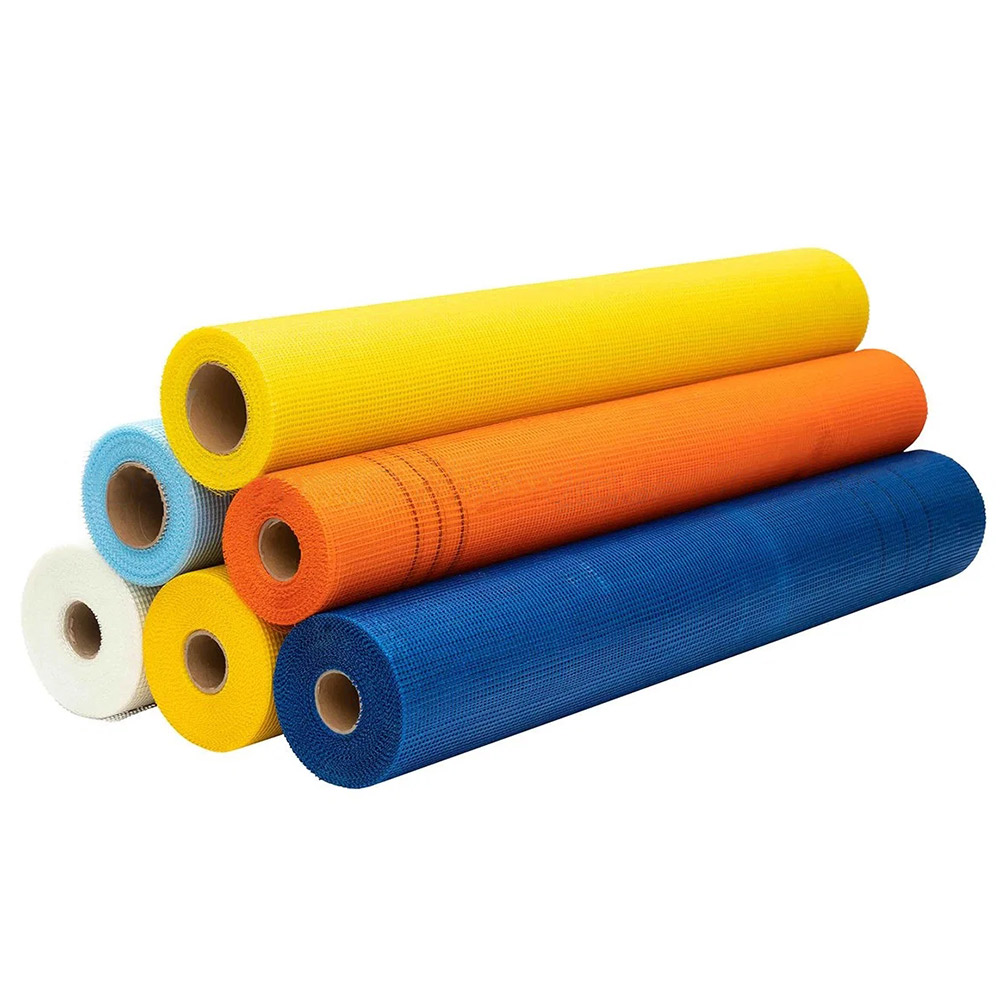
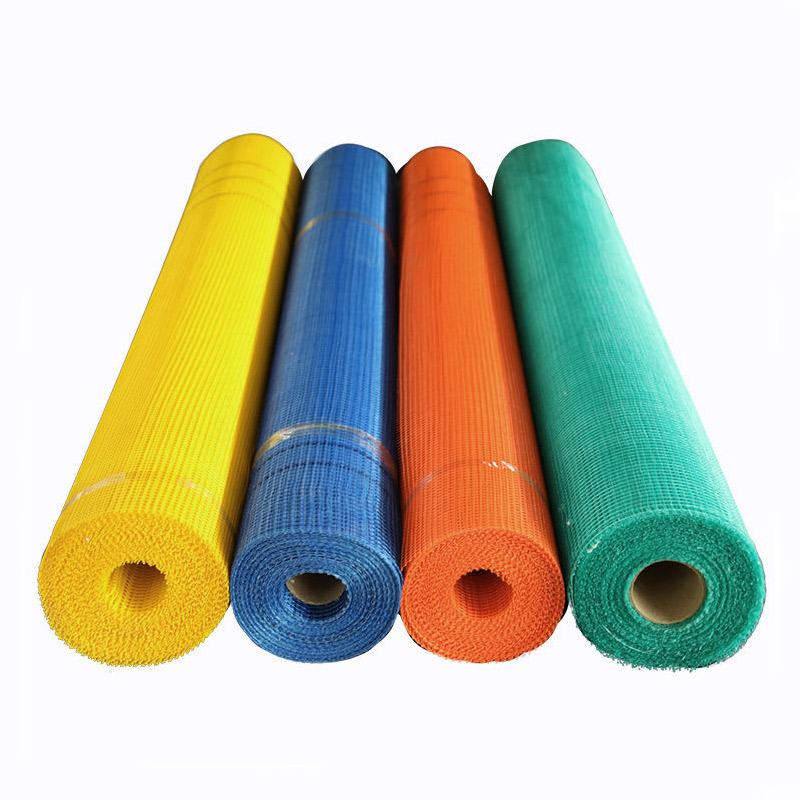
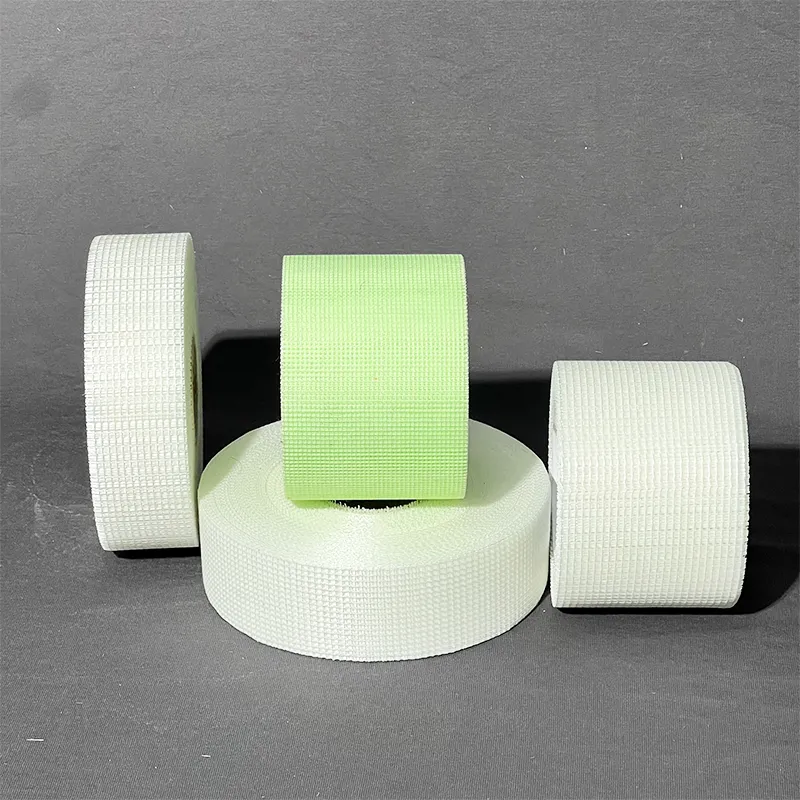
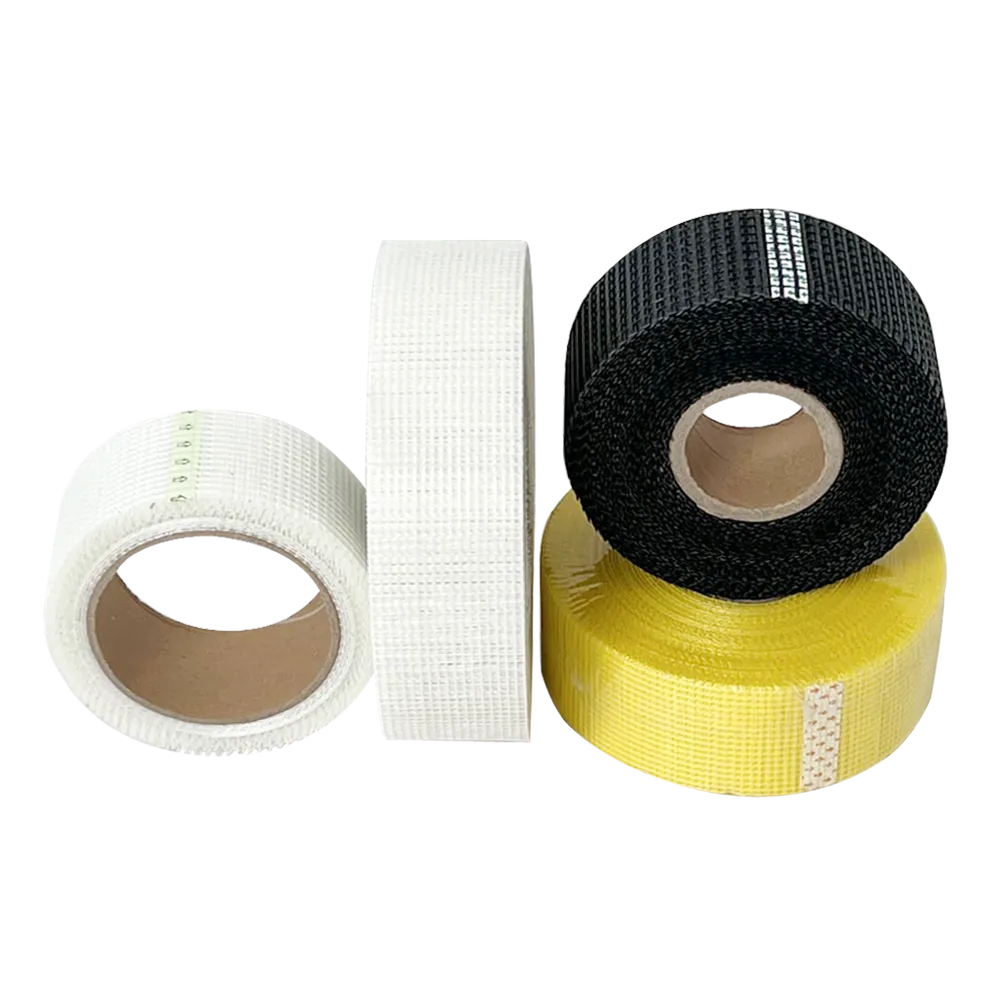
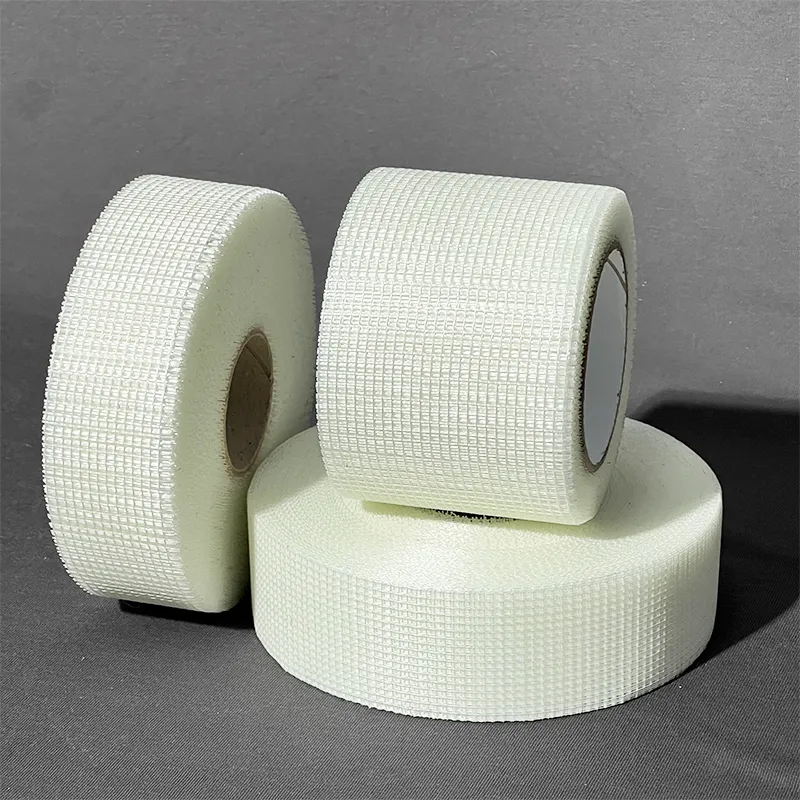
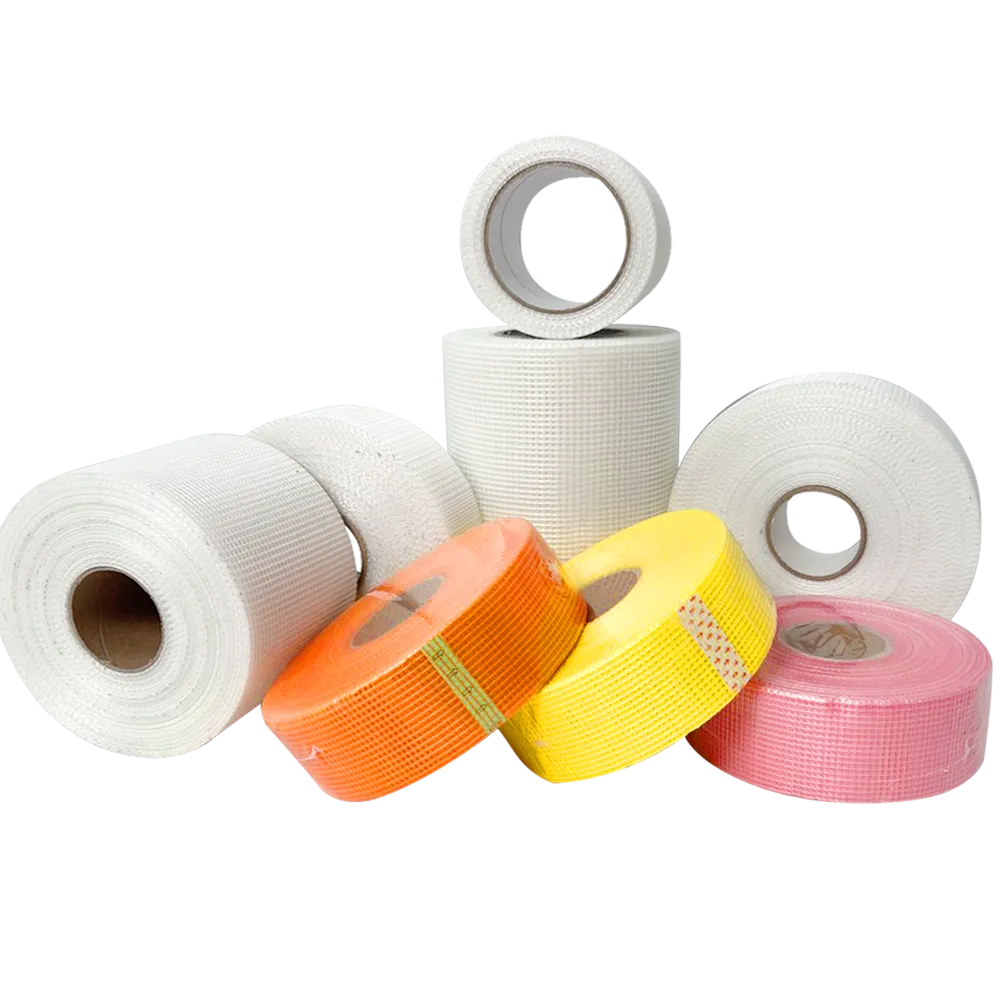
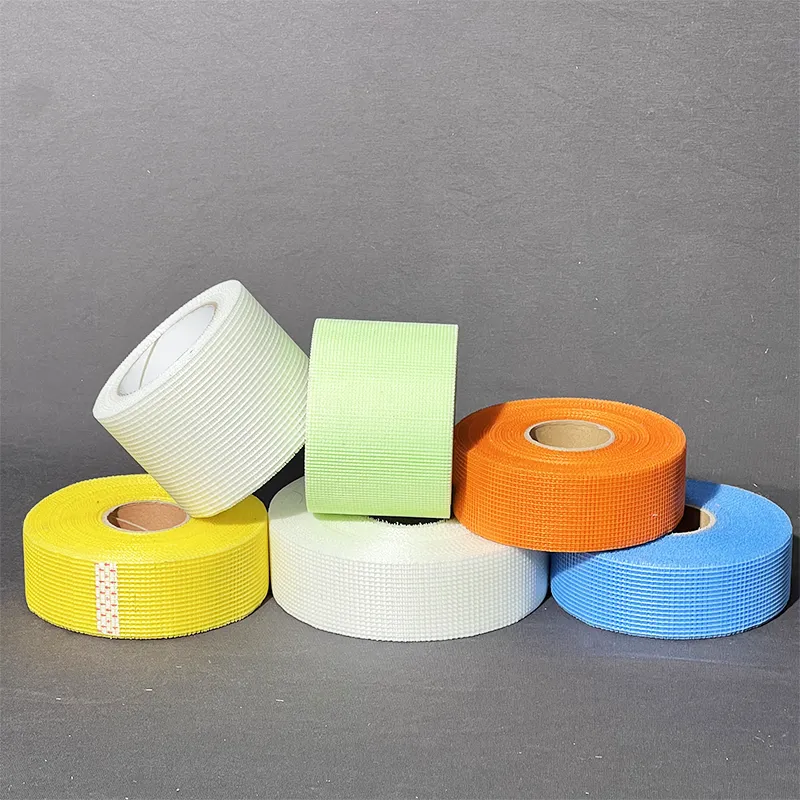
Fiberglass mesh roll products serve as crucial reinforcement materials widely trusted across various industrial sectors. At its core, these are rolls of woven fiberglass fabric that's often coated with a protective layer to enhance durability, flexibility, and resistance to environmental factors. Frankly, their importance can’t be overstated—whether it’s reinforcing drywall, stucco, or external insulation finishing systems, the mesh ensures structural integrity.
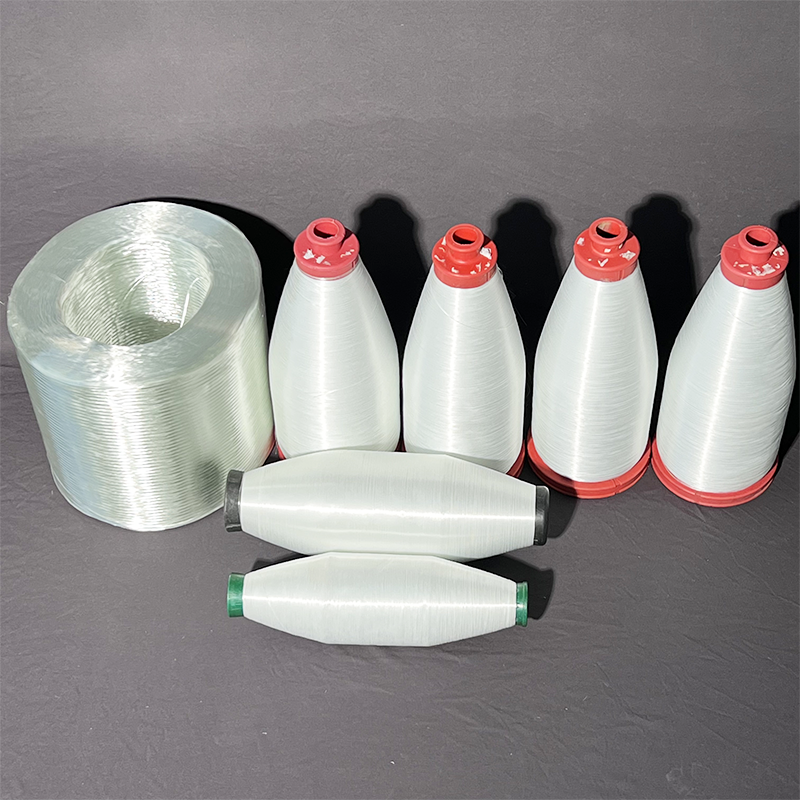
- Fabricated from high-quality fiberglass yarns, these meshes have different weave densities tailored to specific needs, often around 4x4 or 5x5 strands per inch.
- A technical highlight is the alkali-resistant (AR) coating that prevents degradation when embedded in cement-based materials, making longevity a real factor.
| Specification | Typical Values |
|---|---|
| Mesh Size | 4x4 to 10x10 strands per inch |
| Weight per m² | 30g - 180g |
| Alkali Resistance | ≥ 2000 hours (standard test) |
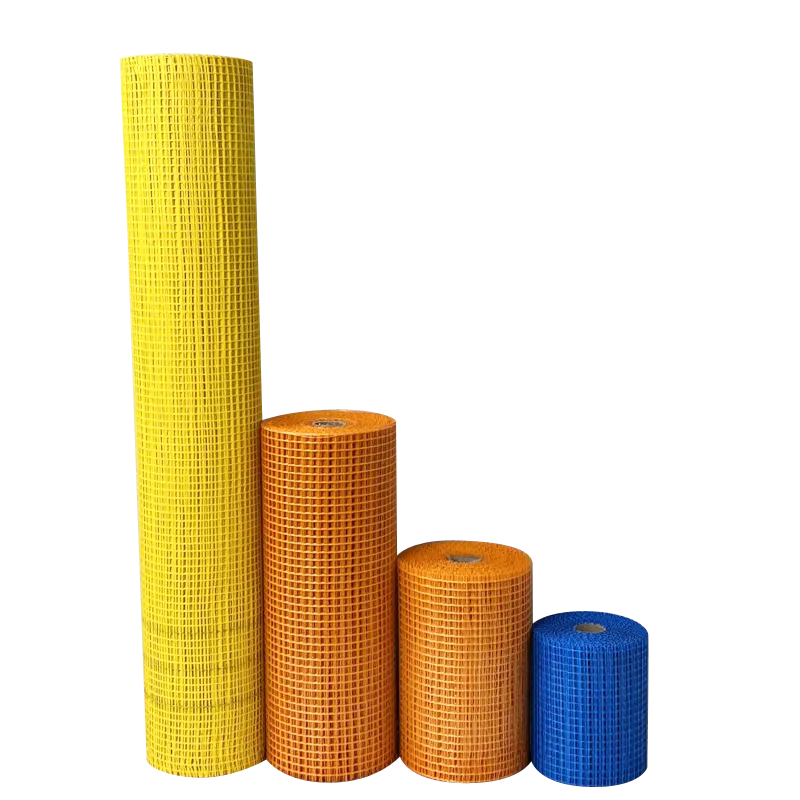
| Roll Dimensions | 50m length x 1m width (common) |
Benefits & Use Cases of Factory Fiberglass Mesh Roll Products
You might wonder why so many businesses lean on factory fiberglass mesh rolls — it’s because of their versatility and resilience. They prevent cracks in plaster, improve impact resistance, and provide fire protection, all vital in modern construction and renovation projects. Among the sectors that benefit, construction stands out as the primary consumer, with the mesh reinforcing insulation systems, exterior walls, and ceilings.
- In industrial settings, meshes are used for filtration, protective barriers, and as a substrate in composite materials.
- Competitive advantages include high tensile strength combined with flexibility — unlike metal meshes, they won’t rust or deform easily.
Vendor Comparison: Top Factory Fiberglass Mesh Roll Suppliers
| Supplier | Weight Range (g/m²) | Alkali Resistance | Price Competitiveness |
|---|---|---|---|
| Tainuo Fiberglass Mesh | 30 - 180 g/m² | ≥ 2000 hours | Highly Competitive |
| Supplier B | 40 - 160 g/m² | ≥ 1500 hours | Moderate |
| Supplier C | 35 - 170 g/m² | ≥ 1800 hours | Moderate to High |
Cost, Maintenance & User Experience
When it comes to total cost of ownership, factory fiberglass mesh rolls usually shine. Their durability means fewer replacements and minimal maintenance. Many engineers I’ve spoken to highlight the ROI, pointing to reduced labor costs in repair jobs due to the material’s stability. Oddly enough, even though the upfront price might appear higher than simple plastic mesh alternatives, the long-term savings more than justify the spend.
- The AR coating ensures that the mesh can last decades embedded in cementitious materials without significant degradation.
- Customer reports often emphasize ease of installation and noticeable improvements in structural resilience.
Sustainability & Market Trends
In today’s eco-conscious climate, sustainability matters — and fiberglass meshes tick several boxes. They’re inert, meaning they don’t leach harmful chemicals during use, and their long service life means less material waste over time. Industry trends show growing demand for meshes that support green building certifications like LEED and BREEAM. Manufacturers, including https://www.tainuofiberglassmesh.com, now emphasize recycled yarns and eco-friendly coatings, which is, frankly, a welcome shift.
- Regulatory frameworks are tightening, especially in Europe and North America, pushing suppliers towards greater transparency in sourcing and production.
- As the industrial sector grows—particularly construction in emerging markets—the market for factory fiberglass mesh rolls is expected to rise steadily in the next decade.
Frequently Asked Questions about Factory Fiberglass Mesh Roll Products
- What is Factory Fiberglass Mesh Roll Products and how does it work?
- Simply put, these products are woven fiberglass fabrics produced in continuous rolls. When applied within cement or plaster mixtures, their main role is to reinforce and prevent cracking by evenly distributing stress across the surface.
- What are the main benefits of using Factory Fiberglass Mesh Roll Products in industrial applications?
- Key advantages include excellent tensile strength, alkali resistance to endure harsh environments, cost-effectiveness by reducing repairs, and ease of installation compared to traditional metal reinforcements.
- How does Factory Fiberglass Mesh Roll Products compare to traditional alternatives?
- Unlike steel or plastic meshes, fiberglass mesh is lighter, does not corrode, and adheres better in composite materials. Technologically, the AR coating is a game changer, giving far longer lifecycle than many old-school reinforcements.
- What industries can benefit most from Factory Fiberglass Mesh Roll Products implementation?
- Construction and building renovation are prime sectors, alongside insulation, aerospace composites, and industrial filtration. Success stories include enhanced thermal insulation systems in commercial buildings that saw both energy savings and structural improvements.
Conclusion on Factory Fiberglass Mesh Roll Products from china
In sum, Factory Fiberglass Mesh Roll Products offer a compelling mix of durability, cost efficiency, and adaptability. Whether a business is tackling renovation or new construction, these products lay a solid foundation — literally and figuratively — for long-lasting success. For decision-makers aiming to optimize structural performance with manageable maintenance, this is a product line worth exploring.
- Recap the value of Factory Fiberglass Mesh Roll Products.
- - Visit our website: https://www.tainuofiberglassmesh.com
It’s fascinating how such a seemingly simple material integrates so seamlessly into complex applications — a real testament to clever engineering and evolving market needs.
References:
1. Industry standards for fiberglass mesh coatings (ISO 2078)
2. LEED v4 guidelines for sustainable building materials
3. Case studies from leading construction firms using fiberglass reinforcement
-
Best Fiberglass Mesh Tape for RedGard Product Waterproofing GuideNewsApr.16,2026
-
Why High Strength Fiberglass Mesh Is Essential For Stucco ApplicationNewsApr.15,2026
-
Why Alkali Resistant Fiberglass Mesh Tape Is Essential For Cement Board And Tile InstallationsNewsApr.15,2026
-
Understanding The Role Of Drywall Fiberglass Mesh In Interior FinishingNewsApr.15,2026
-
Ultimate Guide To Using Fiberglass Mesh Tape For Drywall And Plaster RepairsNewsApr.15,2026
-
The Versatility Of Fiberglass Mesh In Marble And Stone MosaicNewsApr.15,2026