Nov . 28, 2025 23:40 Back to list
Leading Fiberglass Reinforcement Mesh Supplier for Durable & Eco-Friendly Solutions
Understanding the Role of a Fiberglass Reinforcement Mesh Supplier in Modern Industry
Fiberglass reinforcement mesh might not be the flashiest topic at a dinner party, but it's hard to overstate its global importance. From building resilient infrastructure to enhancing industrial applications, this material is quietly at work everywhere. A reliable fiberglass reinforcement mesh supplier stands as a vital link ensuring quality, durability, and availability in sectors ranging from construction to disaster relief.
Why Does It Matter Globally?
Worldwide, infrastructure development is a never-ending challenge. According to the United Nations, climate-resilient constructions and sustainable materials are central to minimizing environmental impact and enduring harsh weather events. Fiberglass mesh fits perfectly here, providing reinforcement without the weight or corrosion problems traditional materials face. Tackling issues such as infrastructure fragility, costly repairs, and vulnerable housing solutions—especially in disaster-prone or remote regions—is a challenge suppliers of fiberglass reinforcement mesh are uniquely equipped to address.
What Is a Fiberglass Reinforcement Mesh Supplier?
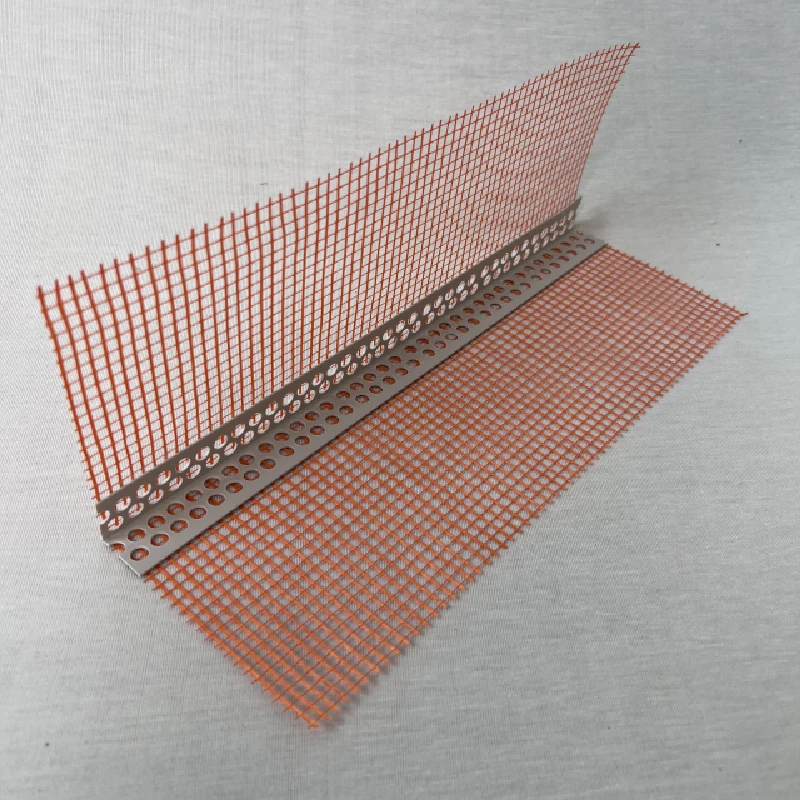
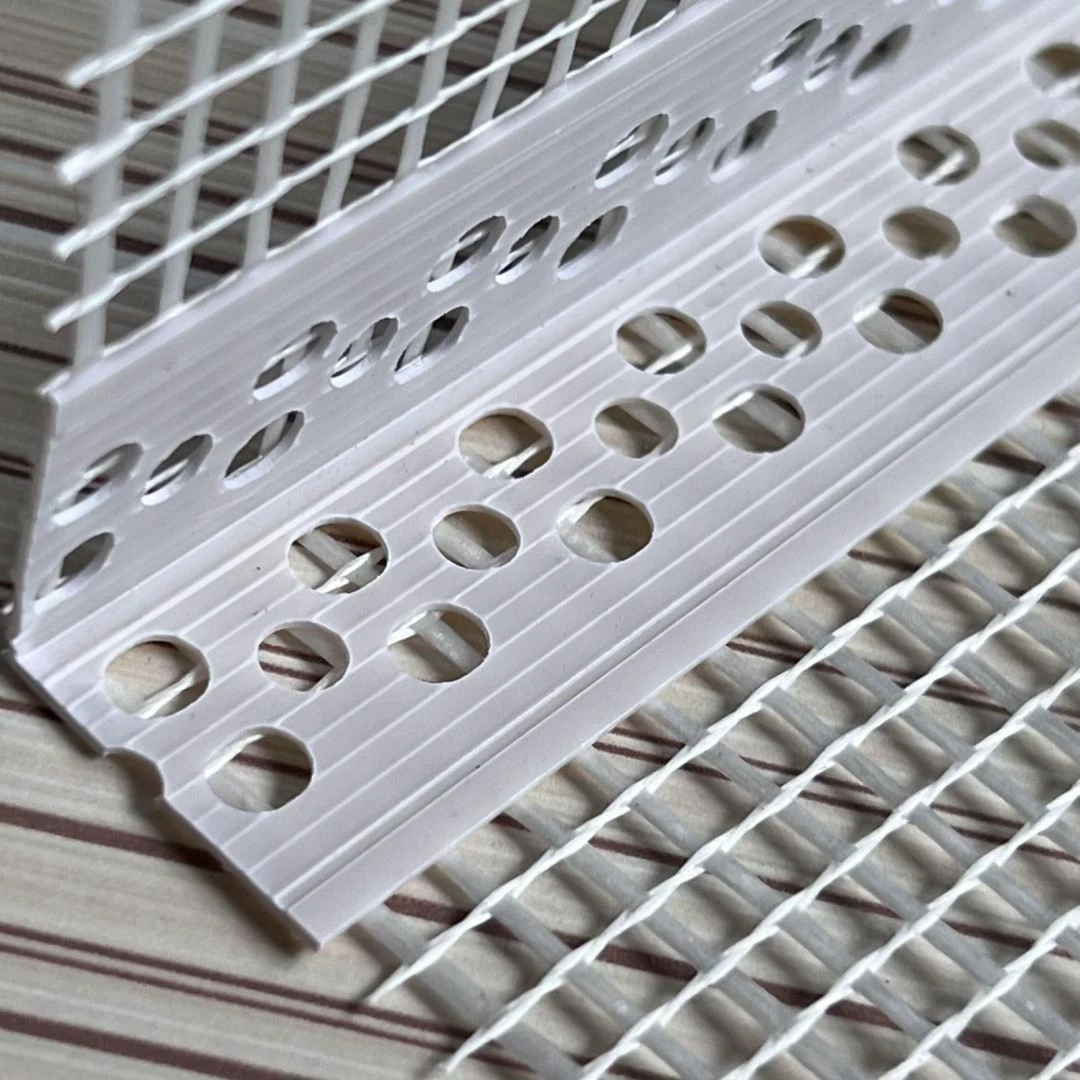
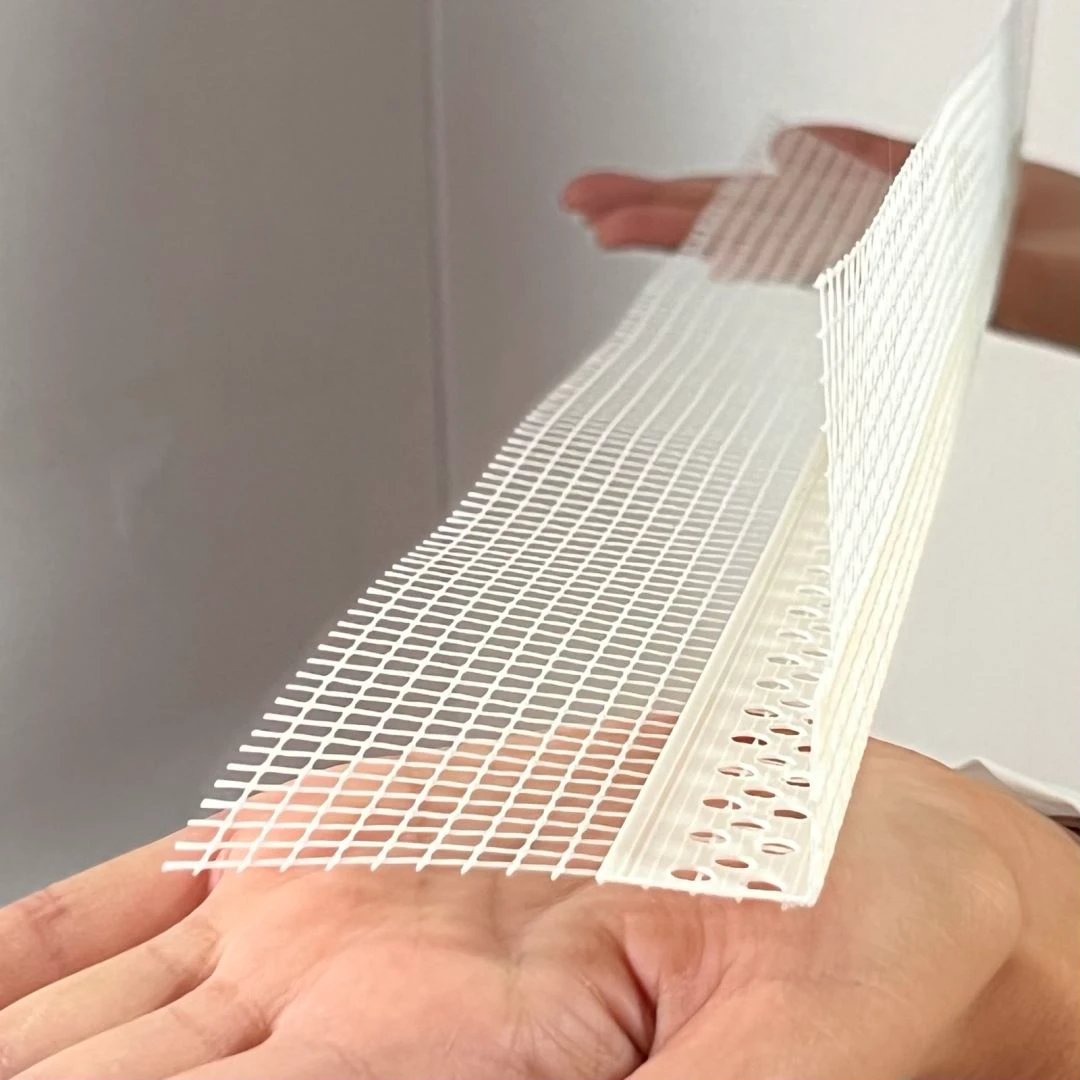
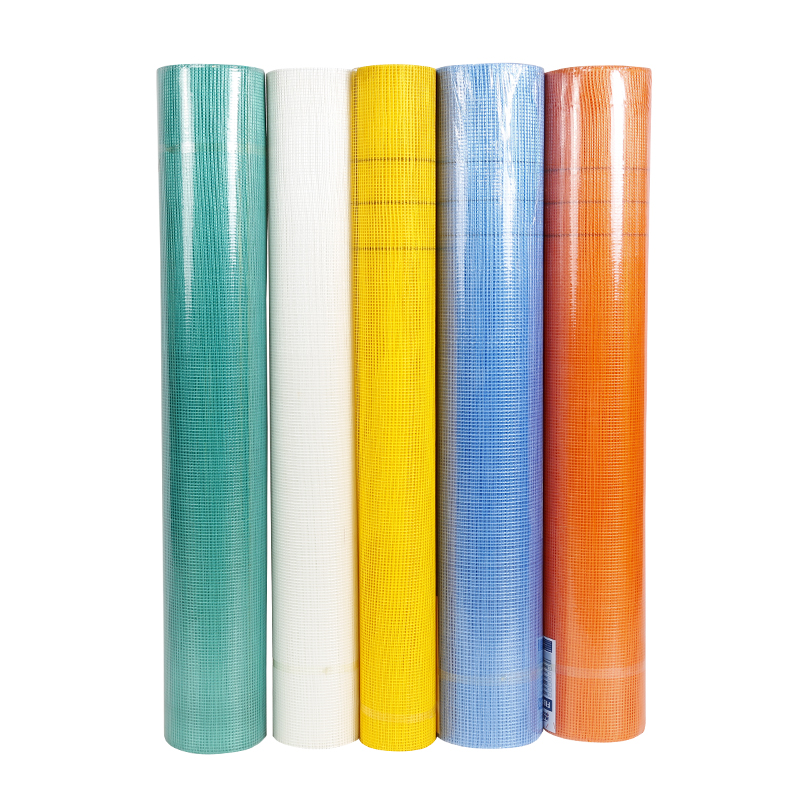
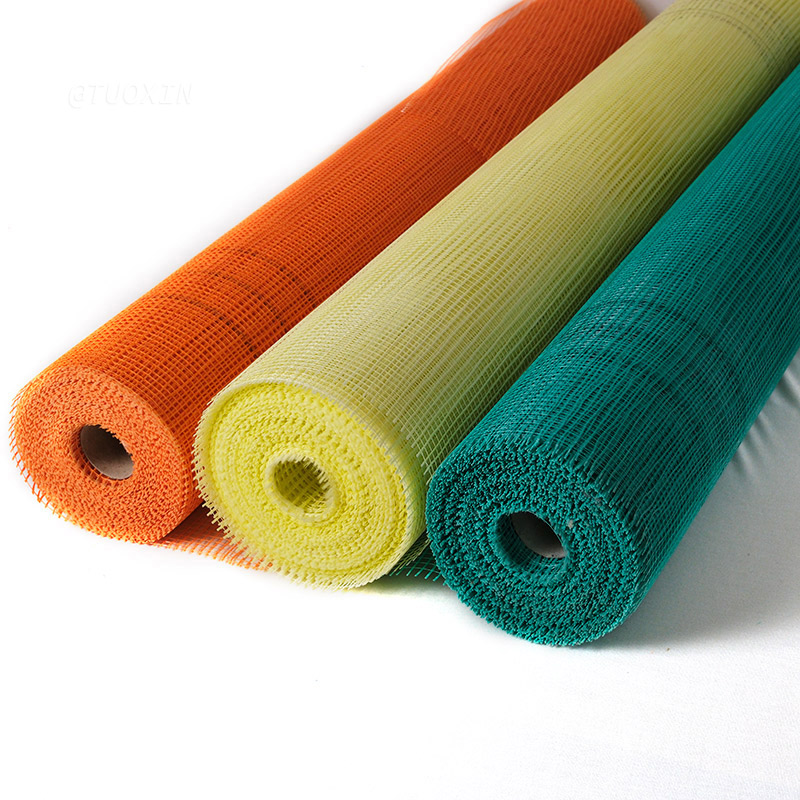
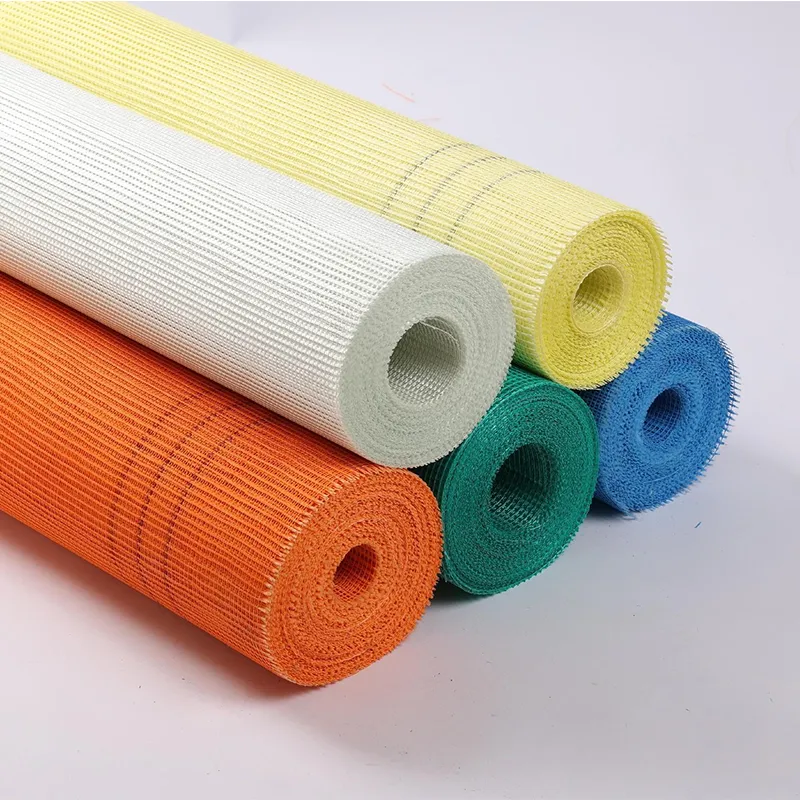
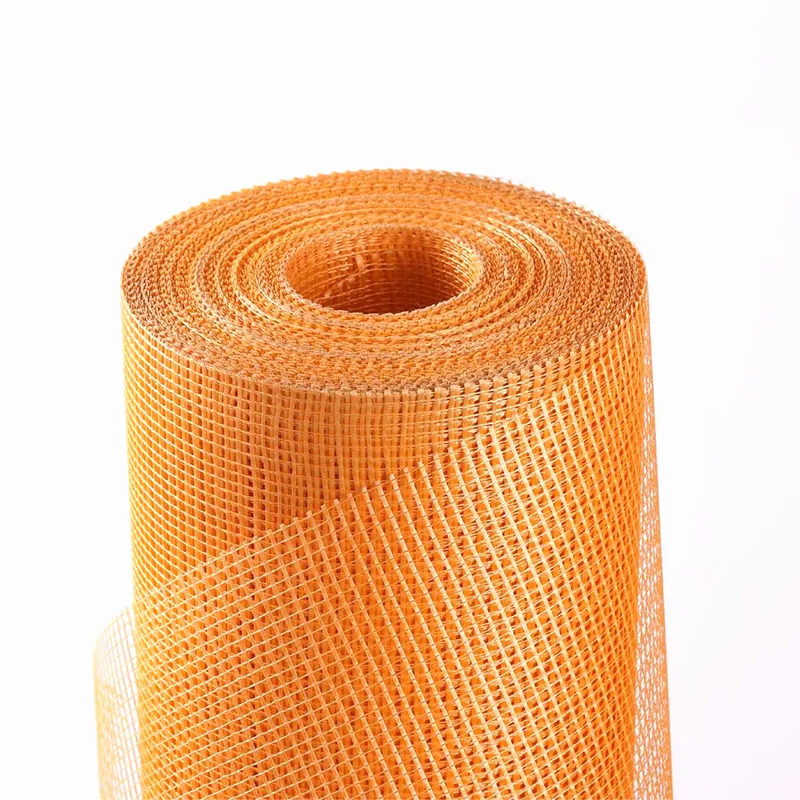
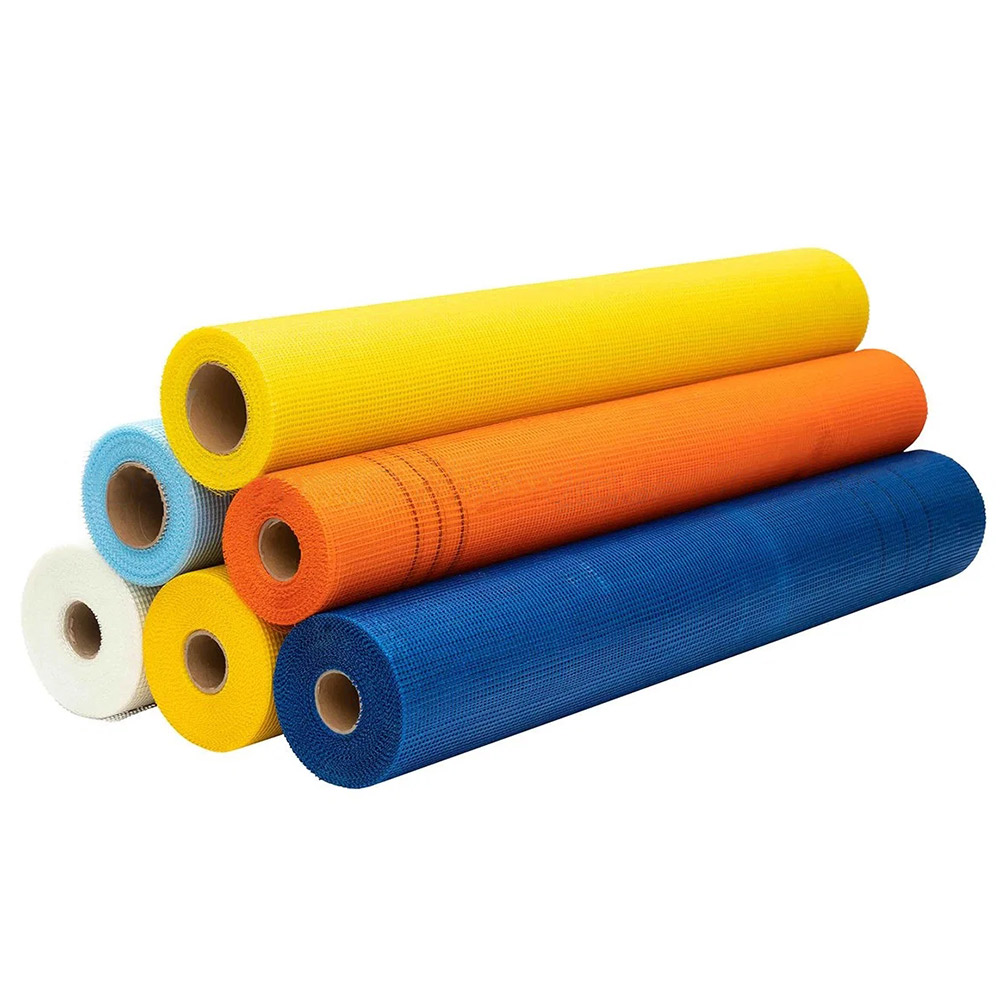
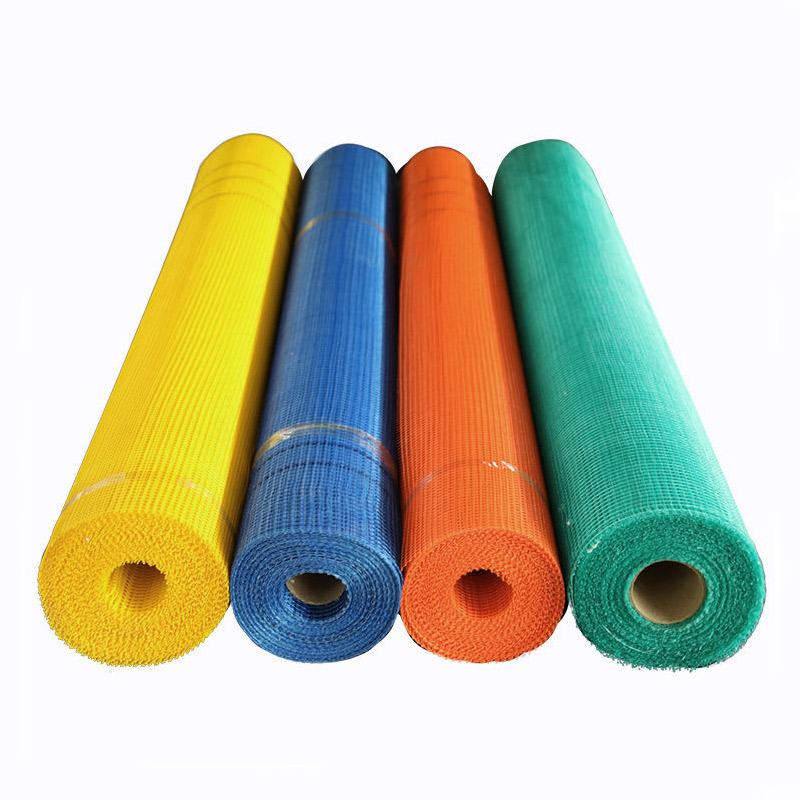
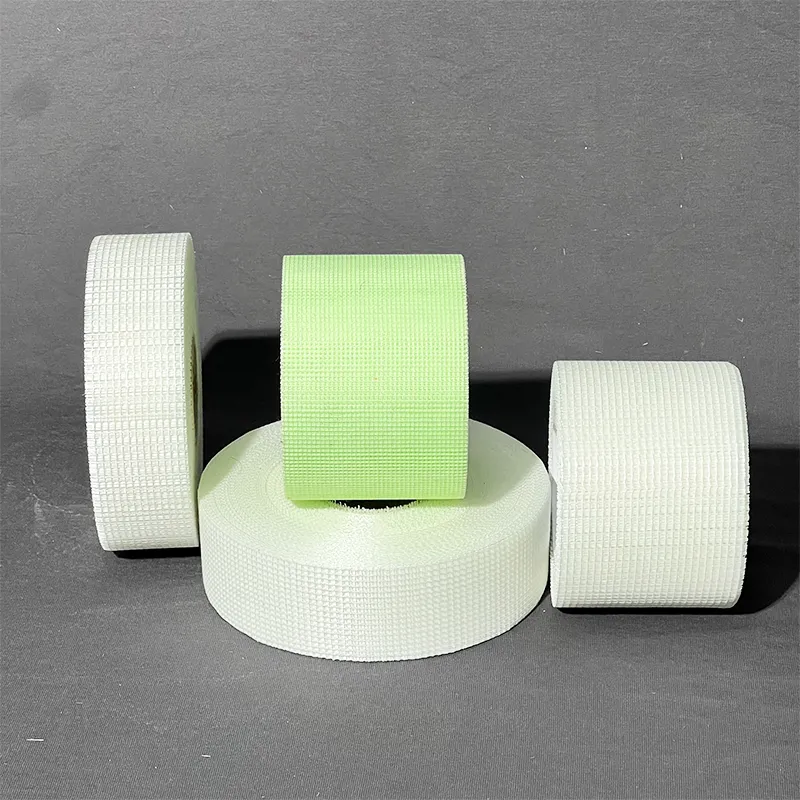
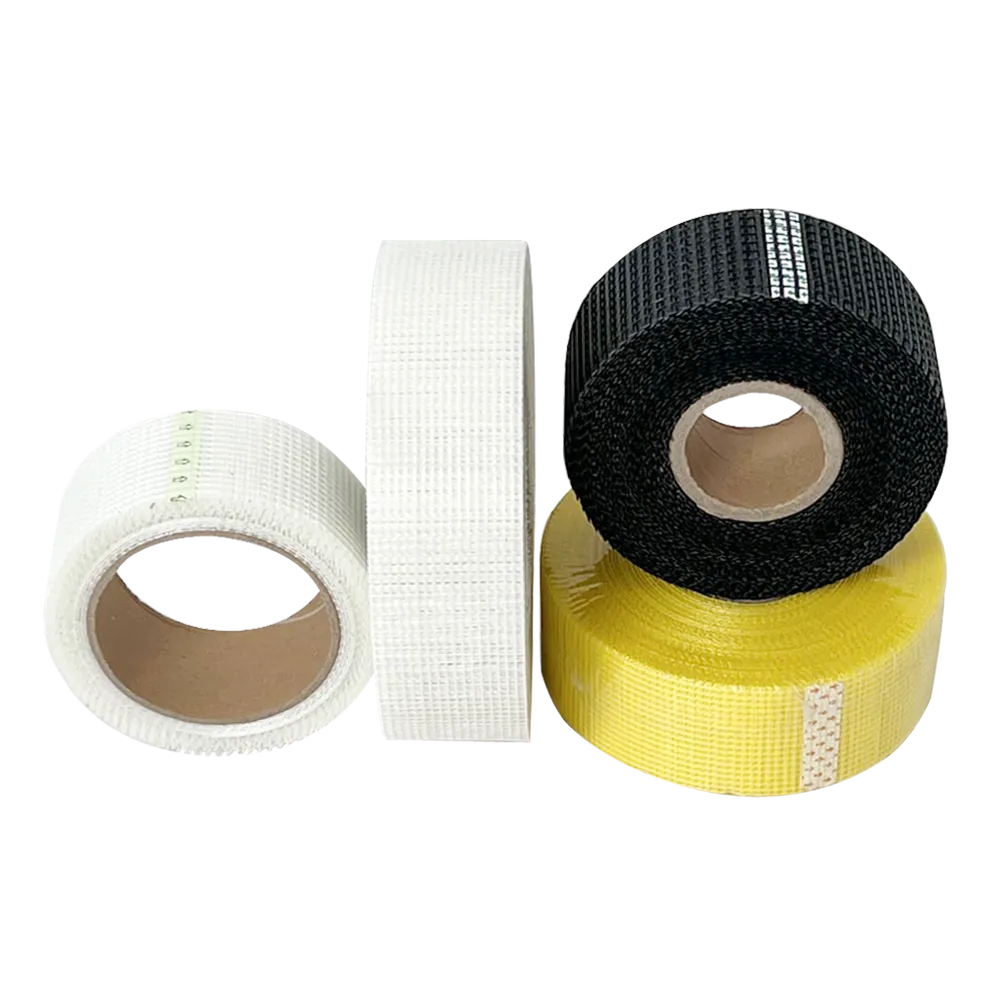
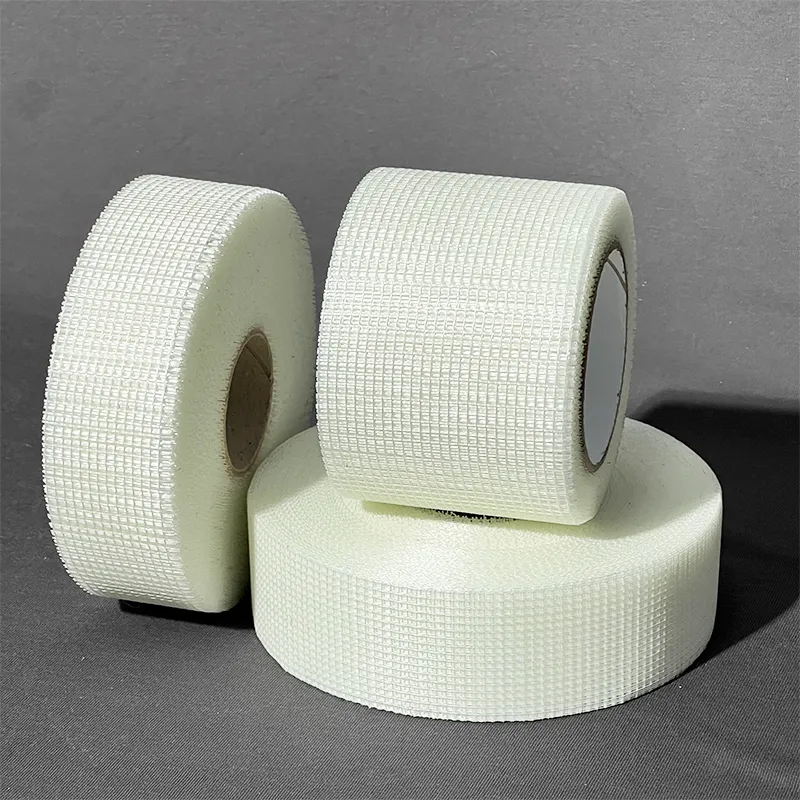
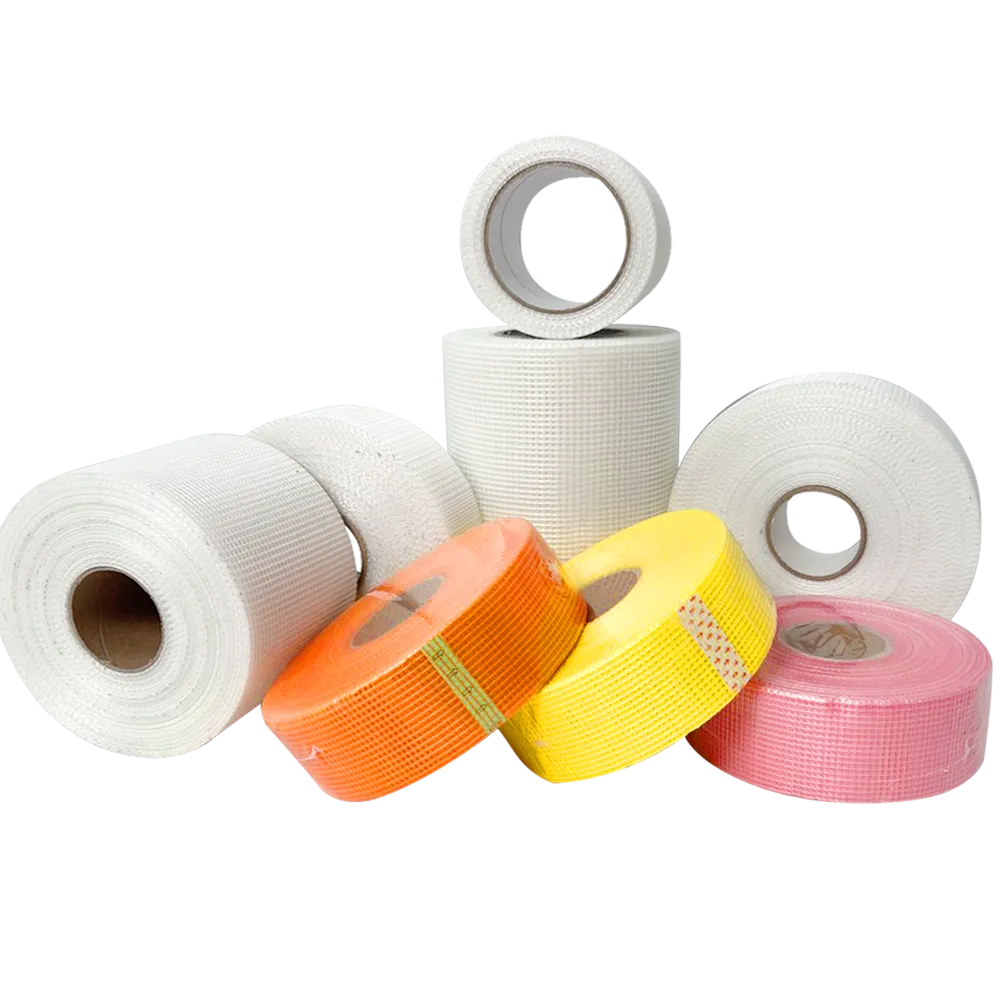
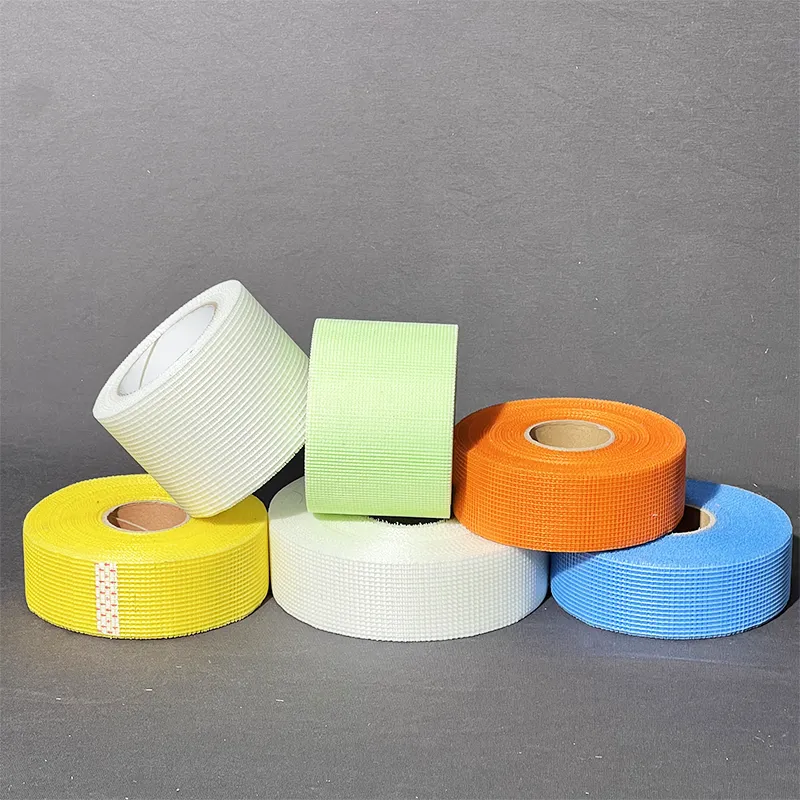
In simple terms, a fiberglass reinforcement mesh supplier provides woven or knitted fiberglass fabrics that act as reinforcing elements, mainly in concrete, mortar, or polymers. This mesh strengthens and stabilizes substrates, making materials more resilient to cracking, impact, and environmental stressors. The supplier’s job? To source, manufacture, and deliver this specialized mesh — often customized to specific needs — ensuring industries get the quality and quantity they require.
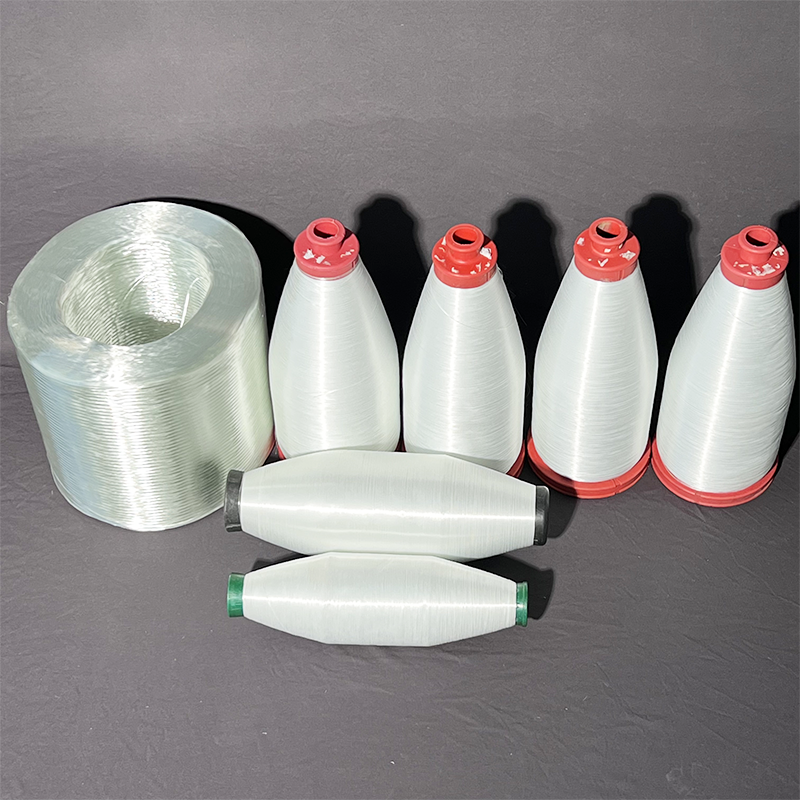
Its essence is a blend of fiber technology and logistics, connecting raw fiberglass production with dynamic industries like construction, automotive, aerospace, and even humanitarian aid.
Key Components of Quality Fiberglass Mesh
- Durability: Resistant to alkali, UV, and corrosion.
- Flexibility: Adaptable mesh structures for various substrate shapes.
- Weight: Lightweight to ease handling yet strong enough for reinforcement.
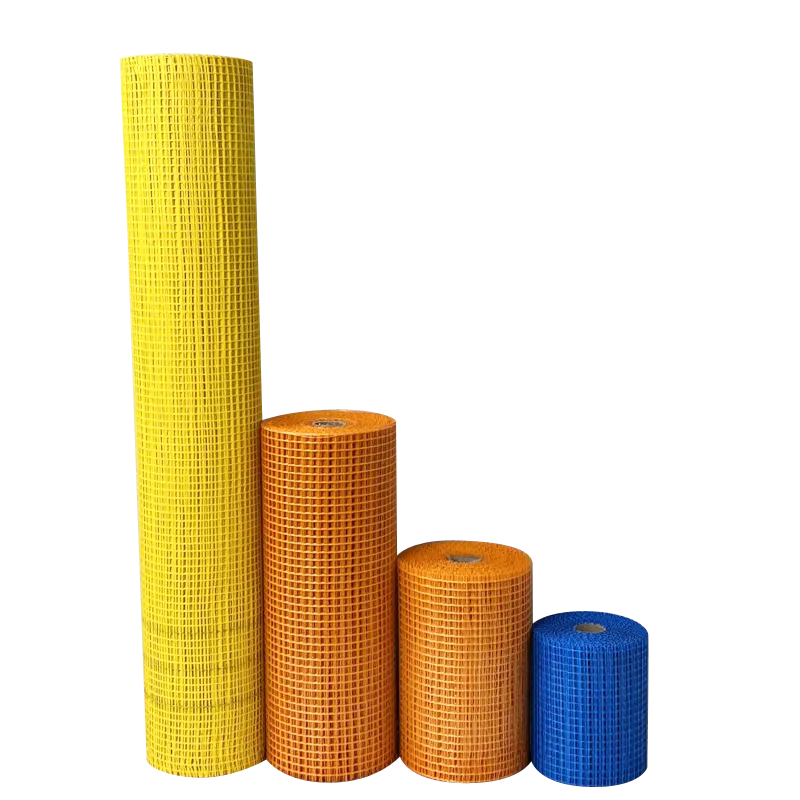
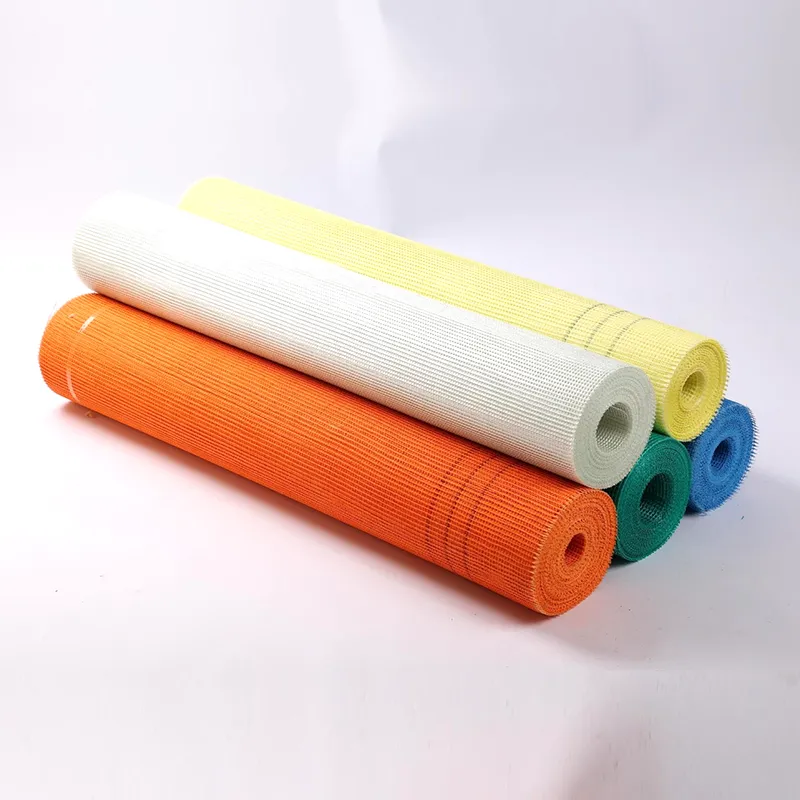
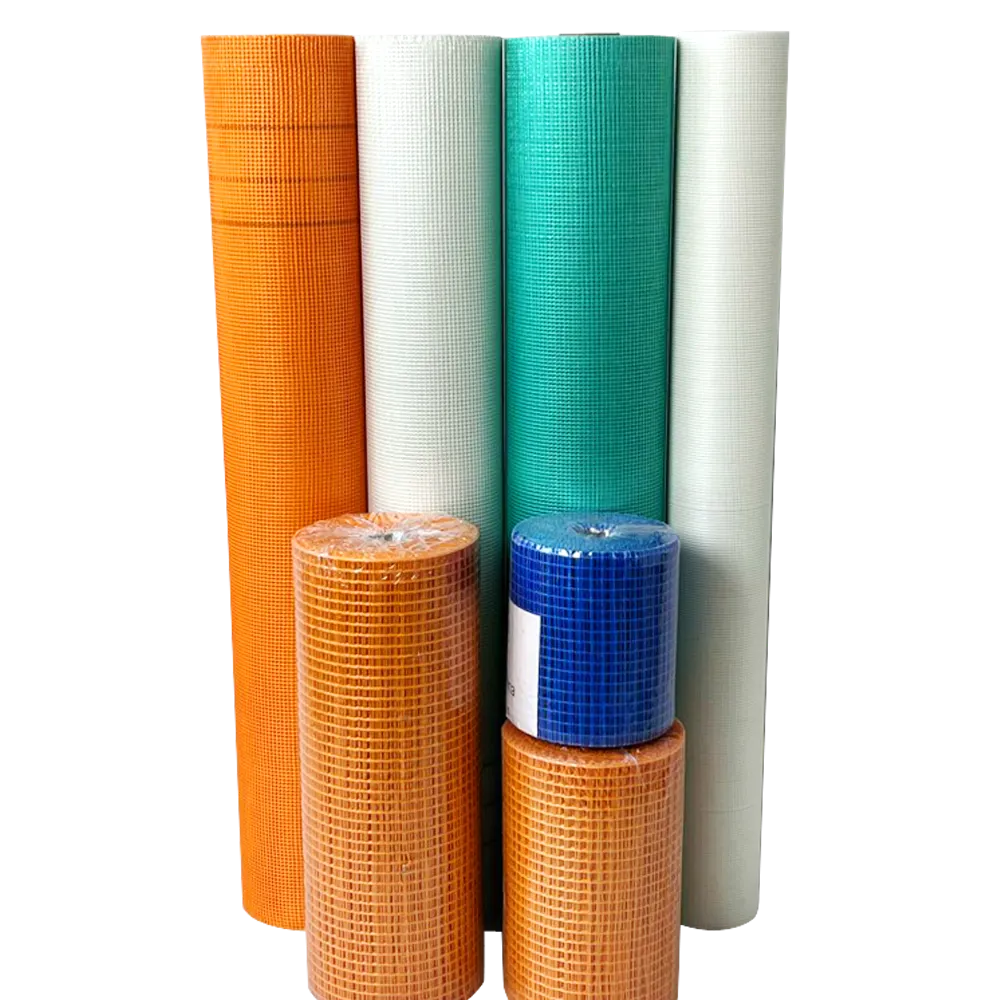
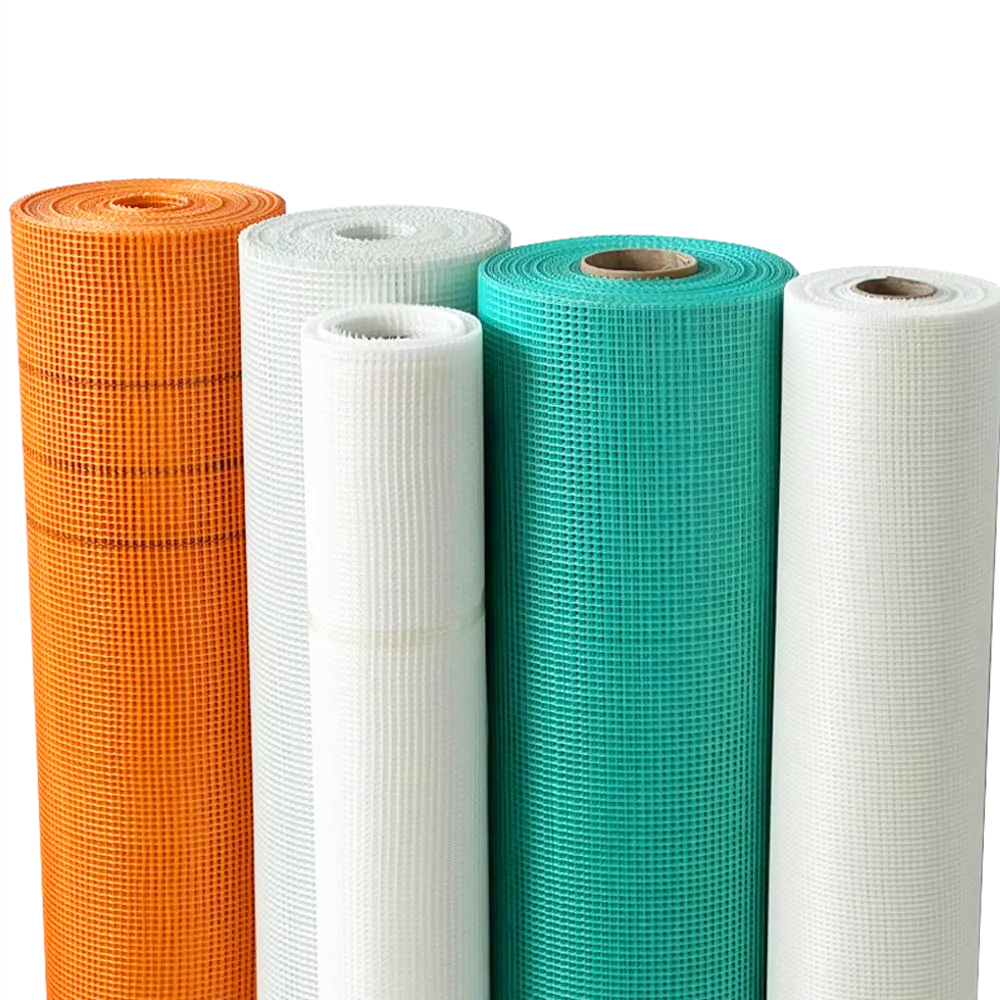
- Customization: Different mesh sizes, weights, and coating options.
Core Attributes That Define a Good Fiberglass Reinforcement Mesh Supplier
1. Quality Assurance and Testing
Many engineers I’ve spoken to emphasize rigorous testing—tensile strength, alkali resistance, and mesh uniformity are critical. Suppliers who certify their products up to ISO standards instill confidence, especially for large-scale projects.
2. Scalability and Supply Chain Reliability
It’s not just about having a great product but delivering consistently. Delays or inconsistent batches can throw a project off schedule—frankly, that costs money and reputation.
3. Customization and Technical Support
Sometimes a one-size-fits-all mesh won’t do. Suppliers offering fabrication options, coatings like PVC for added durability, or having in-house R&D lend huge advantages.
4. Cost Efficiency
It feels like a constant balancing act—quality at competitive prices. Suppliers with optimized production lines and strategic raw material sourcing can help keep prices reasonable.
5. Sustainability Credentials
Oddly enough, as sustainability creeps into all sectors, suppliers investing in green manufacturing or recycling post-industrial fiberglass waste are stepping ahead.
Typical Product Specifications at a Glance
| Specification | Standard Range | Typical Application |
|---|---|---|
| Mesh Size (mm) | 3x3 to 10x10 | External Wall Insulation |
| Weight (g/m²) | 80–165 | Concrete Reinforcement |
| Coating | PVC, Acrylic | Additional Weatherproofing |
| Tensile Strength (N/mm²) | >1100 | Structural Reinforcement |
Global Applications: Where and How It’s Used
If you imagine a rough map: Europe’s urban renovations, Africa’s burgeoning infrastructure projects, Asia’s rapid industrial expansion — fiberglass reinforcement mesh is a quiet hero across all. Post-disaster reconstruction teams in Southeast Asia increasingly rely on this lightweight, corrosion-resistant mesh for quick rebuilding. In cold climates like Russia or Canada, the mesh is key in external insulation systems that keep buildings energy efficient during brutal winters.
Some industries even stretch beyond construction. Automotive manufacturers use fiberglass mesh for composite parts. Aerospace ventures use it in lightweight panel reinforcements. So it’s flexible—and that goes beyond the mesh itself.
Comparing Top Fiberglass Reinforcement Mesh Suppliers
| Vendor | Specialty | Typical Lead Time | Sustainability Initiatives | Price Range (USD/m²) |
|---|---|---|---|---|
| Tainuo Fiberglass | Custom meshes, eco-friendly coating | 2-3 weeks | Recycled materials & green factory | 0.30 - 0.50 |
| Global Mesh Corp | High tensile strength mesh | 3-5 weeks | Limited green initiatives | 0.40 - 0.60 |
| EcoMesh Solutions | Biodegradable coatings | 4-6 weeks | Leading in sustainability | 0.45 - 0.70 |
Advantages and Long-Term Value of Choosing the Right Supplier
Lower maintenance costs, less frequent repairs, and increased structural longevity — those are practical benefits many companies chase. But beyond that, fiberglass reinforcement mesh supports safety and trust. I often hear from construction managers that knowing they’ve sourced a reliable mesh supplier reduces headaches and unplanned expenses.
And socially? In communities rebuilding after natural disasters—where dignity and safe shelter matter immensely—this mesh makes a difference. It supports innovations like insulated panels, modular homes, and eco-friendly buildings. Sustainability and durability? They go hand in hand here.
Looking Ahead: Future Trends and Innovations
Here and there, I notice a push towards integrating smarter materials: self-cleaning fiberglass coatings, enhanced UV resistance, and even embedded sensors to monitor structural health. Digitally enabled supply chains also help fiberglass reinforcement mesh suppliers reduce lead times and customize orders more precisely.
The trend toward green construction materials is accelerating, too. More suppliers are exploring recycled fiberglass and eco-conscious manufacturing. It’s not just a fad: it’s a necessary step if the industry wants longevity beyond mere years.
Challenges Faced by Suppliers and How to Overcome Them
The market isn’t without its hiccups. Fluctuations in raw material prices, trade tariffs, and supply disruptions can jeopardize schedules. Plus, smaller suppliers sometimes struggle with quality consistency.
Industry leaders recommend a few solutions:
- Diversifying sourcing to offset risks
- Investing in automated quality control
- Close collaboration with clients for tailored solutions
FAQ: Answering Your Most Common Questions
- How can I ensure the fiberglass mesh I buy fits my project's specific needs?
- Reliable suppliers offer customization options — mesh size, weight, coating — and technical guidance to match your materials and environmental requirements. Always ask for material test reports and certifications before purchase.
- What industries benefit most from fiberglass reinforcement mesh?
- Construction is the primary sector, especially for EIFS (External Insulation Finishing Systems) and concrete reinforcement. But automotive, aerospace, and disaster relief housing increasingly depend on this versatile material.
- Are fiberglass meshes eco-friendly?
- Traditional fiberglass fibers are durable but not biodegradable. However, many suppliers now use recycled fibers and eco-friendly coatings, reducing environmental impact during production and end-of-life disposal.
- How quickly can suppliers deliver large, customized mesh orders?
- Lead times vary but typically range between 2 to 6 weeks, depending on order size, customization, and supplier location. Early engagement with your supplier helps smooth logistics.
Conclusion: Why Partnering With a Trusted Fiberglass Reinforcement Mesh Supplier Matters
So, what’s the big takeaway? Simply put, it’s about trust, durability, and foresight. A dependable fiberglass reinforcement mesh supplier brings more than just mesh — they deliver peace of mind, sustainability, and innovation. Whether your project is a skyscraper in a burgeoning city or a modular shelter in a hard-hit region, picking the right mesh can make all the difference.
If you’re looking for a reliable partner with an eye on quality and sustainability, don't hesitate to explore options at Tainuo Fiberglass Mesh.
References
-
Best Fiberglass Mesh Tape for RedGard Product Waterproofing GuideNewsApr.16,2026
-
Why High Strength Fiberglass Mesh Is Essential For Stucco ApplicationNewsApr.15,2026
-
Why Alkali Resistant Fiberglass Mesh Tape Is Essential For Cement Board And Tile InstallationsNewsApr.15,2026
-
Understanding The Role Of Drywall Fiberglass Mesh In Interior FinishingNewsApr.15,2026
-
Ultimate Guide To Using Fiberglass Mesh Tape For Drywall And Plaster RepairsNewsApr.15,2026
-
The Versatility Of Fiberglass Mesh In Marble And Stone MosaicNewsApr.15,2026